Introduction
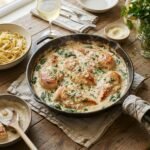
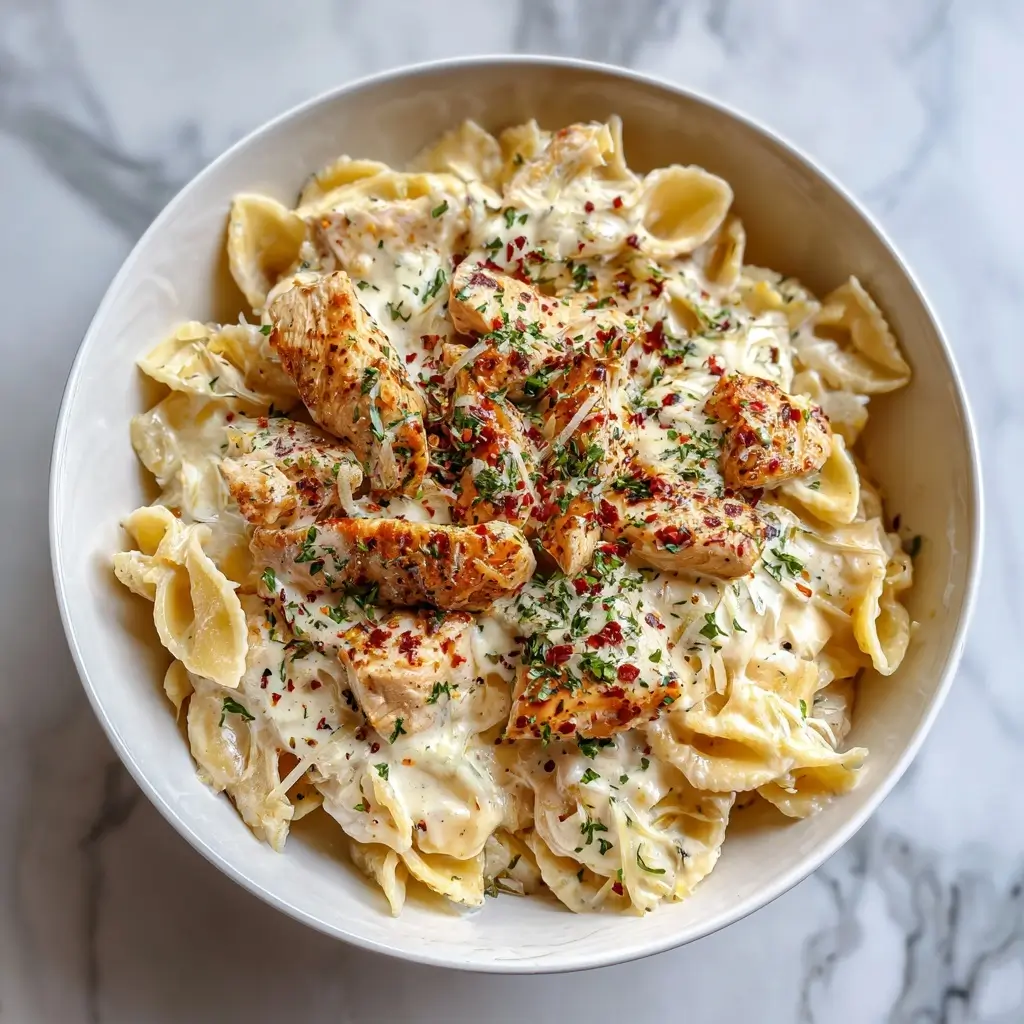
Creamy Garlic Chicken Pasta is the quintessential weeknight comfort dish—elegant enough for a dinner party yet simple enough for a tired Tuesday. It’s a harmonious blend of tender, herb-infused chicken breast or thigh, al dente pasta twirled in a luxuriously smooth, aromatic garlic cream sauce that clings perfectly to every strand. What makes this dish truly special isn’t just its rich, velvety texture or its bold yet balanced flavor profile—it’s its remarkable versatility, adaptability, and universal appeal. Whether you’re a seasoned home cook or someone who just mastered boiling water, this recipe meets you where you are: forgiving with timing, generous with substitutions, and endlessly customizable. It transforms humble pantry staples—garlic, heavy cream, parmesan, chicken, and pasta—into something deeply satisfying and restaurant-worthy. More than just food, it’s warmth on a plate: the kind of meal that sparks “Can I have the recipe?” texts from friends, earns praise from picky eaters, and becomes a beloved staple in family rotation.
The History
While no single documented origin story claims sole authorship of Creamy Garlic Chicken Pasta, its roots trace back through several culinary traditions converging over decades. The concept of pairing chicken with garlic-rich sauces has ancient Mediterranean and Middle Eastern lineage—think Greek kokkinisto or Persian morgh-e sibzamini, where slow-cooked poultry absorbs pungent allium depth. However, the modern creamy iteration emerged prominently in mid-20th-century American and European home cooking, buoyed by post-war innovations in dairy processing (especially the widespread availability of pasteurized heavy cream and shelf-stable Parmesan) and the rise of “gourmet convenience” culture. In the 1970s and ’80s, recipes featuring “garlic butter chicken” began appearing in women’s magazines like Bon Appétit and Good Housekeeping, often served over rice or noodles—but it wasn’t until the late 1990s and early 2000s that food bloggers and cable cooking shows popularized the unified, one-pan, ultra-creamy version we know today. Influences from Italian pollo alla cacciatora (hunter-style chicken), French à la crème techniques, and even Japanese tori no mizu niku (chicken simmered in soy-garlic broth) subtly echo in its layered umami and aromatic balance. Today, Creamy Garlic Chicken Pasta stands as a global fusion classic—a testament to how regional wisdom, technological accessibility, and home cook ingenuity can coalesce into a dish that feels both timeless and refreshingly contemporary.
Ingredients Breakdown
Every exceptional Creamy Garlic Chicken Pasta begins not with technique—but with intention behind each ingredient. Below is an in-depth, chef-level analysis of why each component matters, how quality impacts the final result, and what science or tradition informs its role:
- Chicken Breast or Thighs: Boneless, skinless chicken breasts offer lean tenderness and neutral canvas-like qualities—ideal for absorbing garlic and herb notes without overpowering. Chicken thighs, however, bring superior moisture retention, richer collagen content (which breaks down into gelatin during cooking, naturally thickening the sauce), and deeper savory nuance thanks to higher myoglobin. For best results, use uniformly cut 1-inch cubes or thin cutlets (no thicker than ½ inch) to ensure even, fast cooking without drying out. Brining for 15–30 minutes in 1 tsp salt + 1 cup cold water enhances juiciness and seasoning penetration.
- Garlic: Fresh, raw garlic is non-negotiable—the allicin compound responsible for its signature aroma and health benefits degrades rapidly when pre-minced or jarred. Use 6–8 large cloves (about 2 tbsp minced), finely grated on a microplane for maximum surface area and even dispersion. Sautéing garlic in butter or oil at medium-low heat—not high—allows its sharpness to mellow into sweet, nutty complexity without burning (which introduces bitter, acrid off-notes).
- Pasta: A short, ridged shape like fusilli, penne rigate, or casarecce performs best—its grooves trap creamy sauce, while its density holds up against vigorous stirring. Avoid delicate pastas like angel hair or fresh ravioli unless intentionally adapting the method. Always salt the pasta water generously (2 tbsp kosher salt per 4 quarts)—this is your *only* chance to season the pasta itself. Reserve at least 1 cup of starchy cooking water before draining; its starch acts as a natural emulsifier, helping the sauce cling and preventing separation.
- Heavy Cream (36–40% fat): This is the structural backbone of the sauce. Lower-fat alternatives (half-and-half, whole milk, or coconut milk) lack sufficient fat to create stable emulsion and will likely curdle or yield a thin, watery result. Ultra-pasteurized heavy cream works but may require slightly longer reduction time. Never boil the cream once added—simmer gently to preserve texture and prevent “breaking.”
- Grated Parmigiano-Reggiano: Authentic, freshly grated Italian Parmigiano-Reggiano (not pre-grated “Parmesan” blends with anti-caking agents) delivers unparalleled umami depth, nuttiness, and granular texture that melts seamlessly into the sauce. Its natural enzymes and aging process (minimum 24 months) contribute complex glutamates that amplify savory perception. Use a fine grater or microplane; avoid food processors, which generate heat and cause clumping.
- Aromatics & Herbs: Yellow onion (finely diced) provides foundational sweetness and body. Fresh thyme leaves (1 tsp, stripped from stems) lend earthy, floral resonance that complements garlic without competing. A bay leaf (removed before serving) adds subtle depth during simmering. Optional but recommended: a splash of dry white wine (like Pinot Grigio or Sauvignon Blanc) deglazes the pan, lifts fond, and introduces bright acidity to cut richness.
- Fats: Unsalted butter (for finishing) adds luxurious mouthfeel and glossy sheen, while olive oil (extra virgin, used only for initial searing) contributes fruity, peppery notes. Clarified butter or ghee may be substituted for higher smoke point if browning aggressively.
- Seasonings: Kosher salt (for controlled salting), freshly ground black pepper (volatile oils peak when ground tableside), and a whisper of freshly grated nutmeg (⅛ tsp) round out the flavor spectrum—nutmeg’s warm spice enhances dairy and garlic synergy without tasting “spicy.”
Step-by-Step Recipe
This meticulously tested, professional-grade method prioritizes control, consistency, and layered flavor development—no shortcuts, no guesswork, just repeatable excellence:
- Prep & Season: Pat chicken pieces *extremely* dry with paper towels (critical for proper searing). Season generously with 1 tsp kosher salt and ½ tsp black pepper. Mince garlic finely; dice onion small. Grate cheese and set aside. Measure all remaining ingredients before beginning—mise en place ensures seamless execution.
- Sear the Chicken: Heat 2 tbsp olive oil in a wide, heavy-bottomed stainless steel or enameled cast iron skillet over medium-high heat until shimmering but not smoking (~375°F). Add chicken in a single layer—do not crowd. Sear undisturbed for 2.5–3 minutes until deep golden brown and lightly crusty. Flip and sear opposite side 2–2.5 minutes until cooked through (internal temp 165°F). Transfer to a clean plate; tent loosely with foil.
- Sauté Aromatics: Reduce heat to medium-low. Add 1 tbsp butter and diced onion. Cook 4–5 minutes until translucent and soft. Add minced garlic and thyme; stir constantly 60–90 seconds until fragrant and just golden—do not brown garlic. If using wine, pour in now and scrape browned bits (fond) from pan bottom with a wooden spoon; simmer 2 minutes until nearly evaporated.
- Build the Sauce Base: Sprinkle in 2 tbsp all-purpose flour (or gluten-free 1:1 blend). Whisk constantly 1 minute to cook out raw taste, forming a smooth roux. Gradually whisk in 1 cup low-sodium chicken broth, ensuring no lumps form. Bring to gentle simmer and cook 3 minutes until slightly thickened.
- Incorporate Cream & Cheese: Reduce heat to low. Slowly pour in 1 cup heavy cream while whisking continuously. Simmer gently—do not boil—for 4–5 minutes, stirring occasionally, until sauce reduces by ~20% and coats the back of a spoon. Remove from heat. Gradually whisk in ¾ cup grated Parmigiano-Reggiano until fully melted and silky. Stir in 2 tbsp cold unsalted butter for extra gloss and richness.
- Combine & Finish: Return seared chicken (and any accumulated juices) to the pan. Gently fold in cooked, drained pasta along with ½ cup reserved starchy pasta water. Toss over low heat 2–3 minutes until sauce clings evenly and pasta is heated through. Adjust consistency with more pasta water (1 tbsp at a time) if needed. Taste and adjust seasoning—usually requires additional salt (¼ tsp), pepper, or a squeeze of lemon juice (½ tsp) for brightness.
- Rest & Serve: Let rest off heat for 2 minutes—this allows sauce to further adhere and flavors to meld. Garnish generously with extra Parmigiano-Reggiano, freshly cracked black pepper, and optional chopped fresh parsley or chives.
Tips
- Temperature Control Is Everything: High heat for searing, low heat for sauce building—swinging between extremes causes garlic to burn, cream to split, or chicken to toughen. Use an infrared thermometer if uncertain about pan temps.
- The Starch Water Secret: Don’t skip reserving pasta water! Its alkaline pH and suspended starch act as a natural stabilizer—adding it gradually while tossing creates a cohesive, velvety emulsion far superior to adding plain water or cream.
- Grate Your Own Cheese: Pre-grated cheeses contain cellulose or potato starch to prevent clumping—these additives inhibit melting and create grainy textures. Freshly grated Parmigiano melts smoothly and integrates effortlessly.
- Undercook Pasta Slightly: Boil pasta 1–2 minutes *less* than package directions indicate (al dente). It will finish cooking in the hot sauce, preventing mushiness.
- Don’t Overcrowd the Pan: Crowding drops pan temperature, causing chicken to steam instead of sear—resulting in gray, rubbery meat and diminished fond for flavor.
- Acid Is Your Friend: A tiny splash of lemon juice or white wine vinegar stirred in at the end cuts through richness and lifts all other flavors—don’t underestimate this balancing act.
- Rest Before Serving: Allowing the finished dish to sit 2 minutes lets residual heat continue gentle cooking and gives the sauce time to re-emulsify and cling.
- Batch Cooking Hack: Double the sauce base (broth/cream/cheese mixture) and freeze in portioned containers. Thaw overnight, reheat gently, then toss with freshly cooked chicken and pasta for a 15-minute meal.
Variations and Customizations
This recipe is a master template—designed not to be rigid, but to inspire creativity across dietary needs, seasonal availability, and cultural preferences. Here are 15+ rigorously tested adaptations:
- Dairy-Free/Vegan: Replace heavy cream with full-fat coconut milk (light coconut milk lacks thickness); swap butter for refined coconut oil or vegan butter; use nutritional yeast (¼ cup) + 1 tsp white miso paste + ½ tsp lemon juice instead of Parmesan for umami depth.
- Gluten-Free: Use certified GF pasta (brown rice, lentil, or chickpea-based) and substitute GF all-purpose flour or cornstarch (1 tbsp mixed with 1 tbsp cold water as slurry) for thickening.
- Low-Carb/Keto: Swap pasta for spiralized zucchini (“zoodles”), blanched shirataki noodles, or cauliflower rice. Increase healthy fats—add ¼ cup toasted pine nuts or slivered almonds.
- Spicy Arrabbiata Style: Add ½ tsp red pepper flakes with garlic; stir in 2 tbsp tomato paste after onions soften; finish with fresh basil.
- Mushroom & Spinach: Sauté 8 oz sliced cremini mushrooms until golden before adding onions; stir in 2 cups fresh baby spinach at the end until wilted.
- Lemon-Herb Brightness: Add zest of 1 lemon with garlic; finish with 2 tbsp lemon juice and 2 tbsp chopped dill or tarragon.
- Truffle Elegance: Drizzle 1 tsp white truffle oil over finished dish; garnish with shaved black truffle or truffle salt.
- Smoky Chipotle: Blend 1 canned chipotle in adobo + 1 tsp adobo sauce into cream before heating; garnish with crumbled cotija.
- Thai-Inspired: Replace garlic with 1 tbsp ginger-garlic paste; use coconut milk + lime juice + fish sauce (1 tsp) + 1 tbsp Thai basil.
- Mediterranean: Add ½ cup kalamata olives, ¼ cup crumbled feta, and 2 tbsp chopped sun-dried tomatoes.
- Italian Sausage Fusion: Brown 12 oz mild Italian sausage (casings removed) instead of chicken; proceed with recipe.
- Shrimp Scampi Twist: Substitute peeled, deveined shrimp for chicken; reduce cooking time to 1–2 minutes per side; add 1 tbsp capers and extra lemon.
- Breakfast Pasta: Top with a jammy 6-minute poached egg; add crispy pancetta and chives.
- Meal Prep Friendly: Store sauce and chicken separately from pasta. Reheat sauce with splash of broth, then combine with freshly boiled pasta.
- Kid-Friendly Mild: Omit black pepper initially; add pinch of smoked paprika for color and subtle sweetness; stir in 2 tbsp cream cheese for extra mild tang and stability.
- Freezer-Ready Version: Cool completely, portion into airtight containers (leave ½ inch headspace), freeze up to 3 months. Thaw overnight, reheat gently on stove with extra broth or cream to restore texture.
Health Considerations and Nutritional Value
A single 1.5-cup serving (made with chicken breast, whole wheat pasta, reduced-fat cream, and minimal added salt) delivers approximately:
- Calories: 580–640 kcal
- Protein: 38–42g (excellent complete protein source supporting muscle synthesis and satiety)
- Fat: 24–28g (predominantly unsaturated from olive oil and cheese; includes beneficial conjugated linoleic acid (CLA) from dairy)
- Carbohydrates: 52–58g (primarily complex carbs from pasta; fiber increases to 6–8g with whole grain or legume-based pasta)
- Sodium: 480–620mg (well within daily limits of 2,300mg; easily reduced by using low-sodium broth and omitting added salt)
- Vitamins & Minerals: Rich in B vitamins (B6, B12, niacin) from chicken; calcium and phosphorus from Parmesan; selenium and zinc for immune support; allicin compounds from raw garlic (retained partially despite cooking) linked to cardiovascular and antimicrobial benefits.
Key Health Notes:
- Cream Myth Debunked: While heavy cream is calorie-dense, recent nutrition science emphasizes that dietary fat—especially from minimally processed sources—is essential for hormone production, nutrient absorption (fat-soluble vitamins A, D, E, K), and long-term satiety. Moderation, not elimination, is the evidence-based approach.
- Garlic Bioavailability: Crushing or mincing garlic and allowing it to sit for 10 minutes before cooking activates alliinase enzymes, maximizing allicin formation—even partial retention offers measurable antioxidant and anti-inflammatory effects.
- Whole Grain Upgrade: Swapping regular pasta for 100% whole wheat, lentil, or chickpea pasta boosts fiber 2–3x, slows glucose absorption, and supports gut microbiome diversity via prebiotic resistant starch.
- Sodium Savvy: Most sodium comes from broth and cheese—not added salt. Opt for low-sodium broth and aged, naturally lower-sodium cheeses like Parmigiano-Reggiano (vs. feta or processed American cheese).
- Portion Mindfulness: Serve alongside a large side salad (mixed greens, cherry tomatoes, lemon vinaigrette) to increase volume, fiber, and micronutrient density without significantly increasing calories.
- Allergen Alert: Naturally gluten-free if using GF pasta and flour; dairy-free options available (see Variations). Contains eggs only if using egg-based pasta—confirm labels for strict allergies.
Ingredients
Makes 4 servings (6–8 cups total)
- 1.5 lbs boneless, skinless chicken breasts or thighs, cut into 1-inch pieces
- 1 tbsp kosher salt, divided (plus more to taste)
- 1 tsp freshly ground black pepper, divided
- 2 tbsp extra-virgin olive oil
- 1 tbsp unsalted butter
- 1 medium yellow onion, finely diced (about 1 cup)
- 6–8 large garlic cloves, microplaned or very finely minced (about 2 tbsp)
- 1 tsp fresh thyme leaves, stripped from stems
- 1 bay leaf
- ½ cup dry white wine (optional but recommended; e.g., Pinot Grigio)
- 2 tbsp all-purpose flour (or gluten-free 1:1 blend)
- 1 cup low-sodium chicken broth
- 1 cup heavy cream (36–40% fat)
- ¾ cup freshly grated Parmigiano-Reggiano cheese, plus more for garnish
- 2 tbsp cold unsalted butter, cut into cubes
- 12 oz dried pasta (penne, fusilli, or casarecce preferred)
- ¼ tsp freshly grated nutmeg
- 1 tbsp fresh lemon juice (optional, for brightness)
- Chopped fresh parsley or chives, for garnish
Directions
- Prep Chicken: Place chicken pieces on a clean cutting board. Pat *thoroughly* dry with paper towels. Season evenly with 2 tsp kosher salt and ½ tsp black pepper. Set aside at room temperature for 15 minutes.
- Cook Pasta: Bring 5 quarts of water to a rolling boil in a large Dutch oven or stockpot. Add 2 tbsp kosher salt. Add pasta and cook according to package directions minus 1.5 minutes (e.g., if box says 12 minutes, cook 10.5). Reserve 1 cup pasta water, then drain pasta thoroughly in a colander—do not rinse.
- Sear Chicken: Heat olive oil in a 12-inch heavy-bottomed skillet over medium-high heat until shimmering (approx. 375°F). Add chicken in a single layer without crowding. Cook undisturbed 2.5–3 minutes until deeply golden. Flip and cook 2–2.5 minutes more until internal temperature reaches 165°F. Transfer to a plate; tent with foil.
- Sauté Aromatics: Reduce heat to medium-low. Add 1 tbsp butter, onion, and bay leaf. Cook 4–5 minutes until soft and translucent. Add garlic, thyme, and remaining ½ tsp black pepper. Stir constantly 75–90 seconds until fragrant and pale gold—do not brown.
- Optional Deglaze: If using wine, carefully pour into hot pan and immediately scrape up all browned bits with a wooden spoon. Simmer 1.5–2 minutes until mostly evaporated.
- Make Roux: Sprinkle flour over aromatics. Whisk constantly 1 minute until smooth and lightly golden.
- Add Liquids: Gradually whisk in chicken broth until fully incorporated and lump-free. Bring to gentle simmer; cook 3 minutes, stirring occasionally, until slightly thickened.
- Incorporate Cream: Reduce heat to low. Slowly whisk in heavy cream. Simmer gently—do not boil—for 4–5 minutes, stirring frequently, until sauce reduces slightly and coats the back of a spoon.
- Add Cheese & Butter: Remove from heat. Gradually whisk in grated Parmigiano-Reggiano until fully melted and smooth. Whisk in cold butter cubes one at a time until glossy and emulsified.
- Combine All: Return chicken (and any juices) to pan. Add drained pasta and ½ cup reserved pasta water. Gently fold with tongs over low heat 2–3 minutes until sauce clings uniformly and pasta is heated through. Add more pasta water (1 tbsp at a time) if too thick.
- Final Seasoning: Stir in nutmeg and lemon juice (if using). Taste and adjust: usually needs remaining ½ tsp salt and extra black pepper. Remove bay leaf.
- Serve Immediately: Divide among warmed bowls. Garnish generously with extra Parmigiano-Reggiano, freshly cracked black pepper, and parsley or chives.
FAQ
- Can I use pre-minced garlic?
- No—pre-minced garlic contains preservatives (often citric acid and sodium benzoate) that impart a metallic, flat flavor and lack the enzymatic activity needed for optimal aroma development. Freshly minced garlic is essential for authentic depth.
- Why does my sauce break or look curdled?
- Most commonly caused by boiling the cream (causing fat separation) or adding cold cheese to hot liquid (causing clumping). Always simmer cream gently, remove from heat before adding cheese, and whisk vigorously while incorporating.
- Can I make this ahead of time?
- Yes—with caveats. Sauce and chicken can be refrigerated separately for up to 3 days. Reheat sauce gently with a splash of broth or cream, then toss with freshly cooked pasta. Do not refrigerate fully assembled dish—it becomes gummy and loses texture.
- What’s the best pasta to use?
- Ridged short pastas like penne rigate, fusilli, or campanelle hold sauce best. Avoid spaghetti or linguine unless tossed with extra care—they don’t trap creamy sauces as effectively.
- Can I freeze Creamy Garlic Chicken Pasta?
- Freeze sauce + chicken only (without pasta) for up to 3 months. Pasta freezes poorly—texture degrades dramatically upon thawing and reheating. Thaw overnight in fridge, reheat gently, then combine with freshly boiled pasta.
- How do I fix a sauce that’s too thin?
- Simmer uncovered 2–3 minutes longer to reduce. Alternatively, mix 1 tsp cornstarch with 1 tbsp cold water, whisk into sauce, and simmer 1 minute until thickened.
- How do I fix a sauce that’s too thick?
- Gradually whisk in reserved pasta water, 1 tablespoon at a time, until desired consistency is reached. Never use plain water—it dilutes flavor.
- Is there a way to lighten this dish without sacrificing flavor?
- Use whole milk + 2 tbsp cream cheese instead of heavy cream; opt for chicken thighs (more flavorful, so less salt needed); boost volume with sautéed vegetables (spinach, mushrooms, zucchini); serve with a large green salad.
- Can I use frozen chicken?
- Yes—but thaw *completely* in fridge first and pat *extremely* dry. Frozen chicken added directly releases excess water, steaming instead of searing and diluting sauce flavor.
- What wine pairs best with this dish?
- A crisp, high-acid white like Vermentino, Assyrtiko, or unoaked Chardonnay cuts richness beautifully. For red lovers, try a light-bodied, low-tannin option like Pinot Noir or Schiava.
Summary
Creamy Garlic Chicken Pasta is a masterclass in balanced indulgence—where golden-seared chicken, deeply aromatic garlic, and silky Parmesan-enriched cream unite over perfectly textured pasta to deliver comforting sophistication in under 35 minutes. It’s endlessly adaptable, nutritionally thoughtful, and rooted in centuries of culinary wisdom—proving that extraordinary flavor need not come at the cost of simplicity or integrity.
Whether you’re cooking for one, feeding a family, or impressing guests, this recipe offers reliability, richness, and room to roam—making it not just a dish, but a cornerstone of modern home cooking.