Introduction
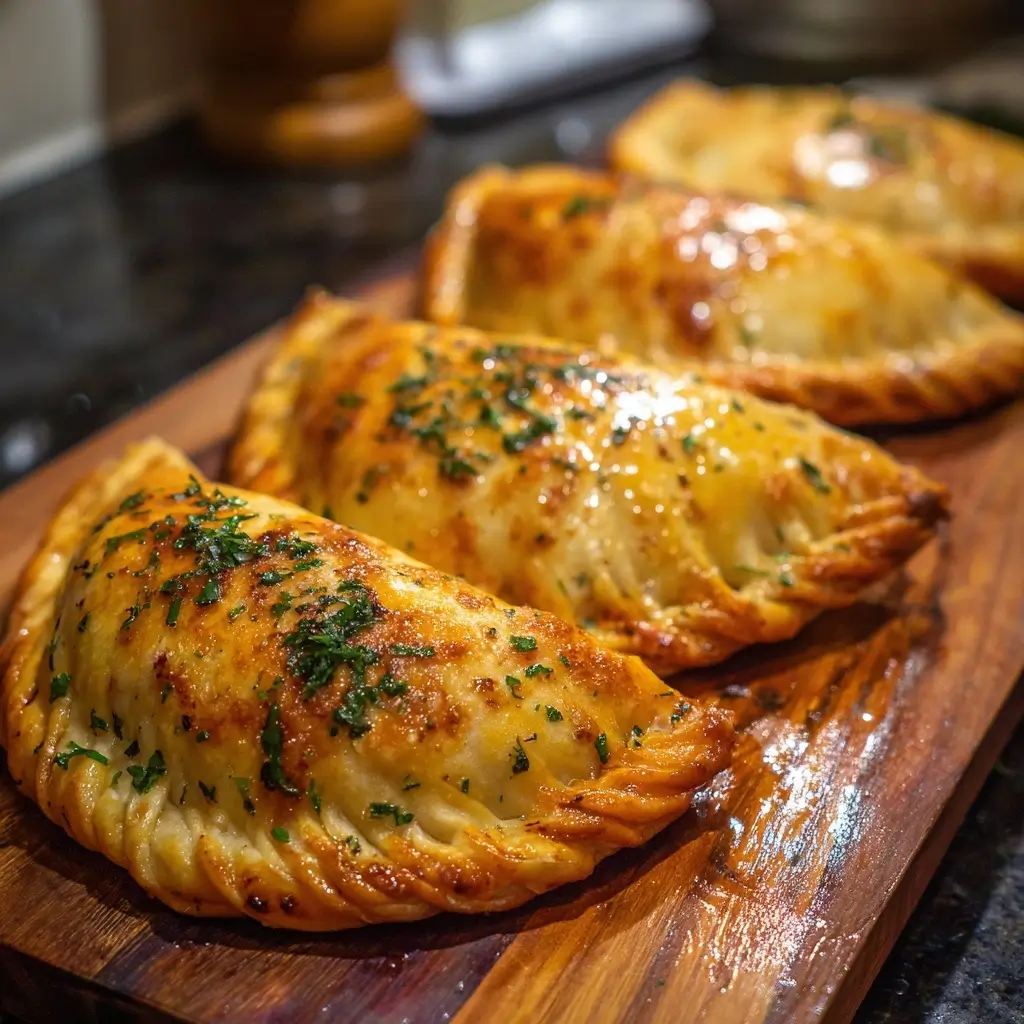
Chicken empanadas are a beloved handheld delight—flaky, golden pockets of savory goodness that bridge continents and cultures with every bite. Originating in the Iberian Peninsula and evolving across Latin America, the Philippines, the Caribbean, and beyond, empanadas represent culinary adaptability at its finest. In their most iconic form, they feature tender, well-seasoned shredded or ground chicken encased in a buttery, crisp pastry crust—baked or fried to perfection. Whether served as street food, party appetizers, Sunday family fare, or freezer-friendly meal prep, chicken empanadas satisfy cravings with comforting warmth, bold flavor, and satisfying texture. This comprehensive guide dives deep into every facet of the dish—from historical roots and regional distinctions to nutrition science, pro-level techniques, and creative riffs—ensuring you don’t just make empanadas—you master them.
The History
The story of the empanada begins over a millennium ago, with early references to “empanar” (Spanish for “to wrap in bread”) appearing in medieval Iberian cookbooks like the 13th-century Libro de Arte Coquinaria by Ruperto de Nola. Influenced by Moorish, Jewish, and Roman culinary traditions—including stuffed pastries like burekas and samsa—the concept traveled with Spanish and Portuguese colonizers across the globe. In Latin America, indigenous ingredients (like corn masa in Argentina’s empanadas de humita or Andean potatoes) merged with European techniques, yielding distinct regional identities: Argentina and Uruguay favor beef-filled, oven-baked versions with a rich, flaky wheat dough; Chilean empanadas often include hard-boiled eggs, olives, and onions in a baked empanada de pino; in Puerto Rico, empanadillas are smaller, deep-fried, and frequently filled with picadillo-style chicken or seafood. Meanwhile, the Philippines adopted empanadas during 300+ years of Spanish rule, transforming them into empanadas de Vigan—sweet-savory treats made with glutinous rice flour dough and filled with green papaya, longganisa, and egg. Today, chicken empanadas reflect this layered diaspora: a symbol of resilience, resourcefulness, and cross-cultural exchange—evolving continuously through home kitchens, immigrant communities, and modern fusion chefs alike.
Ingredients Breakdown
Understanding each ingredient’s role unlocks consistency, flavor depth, and textural harmony:
- Chicken: Boneless, skinless chicken thighs are preferred over breasts for superior moisture, richness, and tenderness—especially after slow simmering or sautéing. Thighs contain more intramuscular fat (5–7% vs. 1–2% in breasts), which prevents dryness and enhances umami. Shredded is ideal for even distribution and structural integrity inside the filling.
- Aromatics (Onion, Garlic, Bell Pepper): Yellow onion provides sweet depth when caramelized; garlic adds pungent, savory backbone; red or green bell pepper contributes subtle sweetness and vegetal brightness while improving mouthfeel. Sautéing until translucent (not browned) preserves freshness and avoids bitterness.
- Spices & Herbs: Ground cumin offers earthy warmth; smoked paprika adds complexity and subtle char (substitute sweet paprika if unavailable); dried oregano (preferably Mexican or Cuban varieties) lends floral-herbal notes; freshly ground black pepper delivers volatile heat. Optional but impactful: a pinch of ground coriander for citrusy nuance or a dash of chipotle powder for smoky heat.
- Liquid Components: Chicken broth (preferably low-sodium, homemade or high-quality store-bought) builds savory foundation and controls moisture. A splash of white wine (e.g., Sauvignon Blanc) deglazes the pan and lifts fond, adding acidity and aromatic lift. Lime juice—added only at the end—brightens the entire profile and balances richness.
- Fat & Umami Enhancers: Olive oil or neutral oil (avocado, grapeseed) ensures even sautéing and carries fat-soluble flavors. A tablespoon of tomato paste, cooked until brick-red, deepens color and adds concentrated sweetness and glutamate-rich savoriness. Optional umami boosters: 1 tsp soy sauce, ½ tsp fish sauce, or a small piece of dried shiitake mushroom steeped in broth.
- Thickeners: All-purpose flour (1–2 tsp) or masa harina (for gluten-free or corn-forward authenticity) helps bind juices without gumminess. Cornstarch slurry (1 tsp cornstarch + 1 tbsp cold water) is a last-resort option if excess liquid remains post-cooking.
- Pastry Dough: Traditional Argentine-style uses a lard-and-butter enriched wheat dough for flakiness and tenderness; Filipino versions use rice flour or cassava for chewiness; Mexican empanadas de harina rely on all-purpose flour with baking powder for slight lift. Store-bought puff pastry or pie crust offers convenience but lacks authenticity—homemade dough rewards effort with unparalleled control over texture and flavor.
- Egg Wash: A simple blend of 1 large egg + 1 tbsp milk or cream creates a glossy, deeply golden finish and seals edges effectively. For vegan options, use unsweetened plant milk + 1 tsp agave or maple syrup.
Step-by-Step Recipe
- Prepare the Chicken: Place 1 lb boneless, skinless chicken thighs in a medium saucepan. Cover with 2 cups low-sodium chicken broth, 1 bay leaf, 2 garlic cloves (smashed), and ½ tsp black peppercorns. Bring to a gentle simmer over medium-low heat, then reduce to low, cover, and poach for 18–22 minutes—until internal temperature reaches 165°F (74°C). Remove chicken, reserve ½ cup broth, and shred meat finely using two forks. Discard bay leaf and aromatics.
- Sauté Aromatics: In a large skillet over medium heat, warm 2 tbsp olive oil. Add 1 medium yellow onion (finely diced), 1 red bell pepper (diced), and 3 garlic cloves (minced). Sauté 6–8 minutes, stirring frequently, until softened and fragrant—but not browned.
- Bloom Spices: Stir in 1½ tsp ground cumin, 1 tsp smoked paprika, 1 tsp dried oregano, ½ tsp black pepper, and ¼ tsp red pepper flakes (optional). Cook 1 minute until fragrant, stirring constantly to prevent burning.
- Add Tomato Paste & Deglaze: Push veggies to the side; add 1 tbsp tomato paste to center of pan. Cook 1 minute until darkened slightly. Pour in ¼ cup dry white wine, scraping up browned bits. Simmer 2 minutes until nearly evaporated.
- Combine & Simmer Filling: Add shredded chicken, reserved ½ cup broth, 1 tbsp lime juice, 1 tsp soy sauce (optional), and salt to taste (start with ¾ tsp). Reduce heat to low and simmer uncovered 8–10 minutes, stirring occasionally, until mixture thickens and moisture is absorbed. It should hold its shape when scooped—not runny, not crumbly. Cool completely (refrigerate 30 min if rushed) before assembling.
- Prepare Dough: While filling cools, make dough: In food processor, pulse 2 cups all-purpose flour, 1 tsp salt, 1 tsp sugar, and 1 tsp baking powder. Add ½ cup cold unsalted butter (cubed) and ¼ cup cold lard or vegetable shortening. Pulse until pea-sized crumbs form. Drizzle in 6–8 tbsp ice-cold water (1 tbsp at a time), pulsing just until dough begins to clump. Turn onto floured surface; knead gently 3–4 times. Divide into 16 equal balls (about 2.5 oz each). Cover with damp towel; rest 20 minutes.
- Roll & Fill: On lightly floured surface, roll each ball into 6-inch circle (~1/8″ thick), rotating and flipping to prevent sticking. Place 2–3 tbsp cooled filling centered on half the circle. Moisten edge with water or egg wash. Fold dough over to create half-moon shape; press edges to seal. Crimp decoratively with fork or fingers, ensuring no air pockets remain. Pierce top once with fork to vent.
- Bake to Perfection: Preheat oven to 375°F (190°C) with rack in middle position. Line two baking sheets with parchment. Arrange empanadas seam-side down, spaced 1″ apart. Brush generously with egg wash. Bake 25–28 minutes—rotating pans top-to-bottom halfway—until deeply golden, puffed, and crisp. Internal temp should read 165°F. Cool on wire rack 5 minutes before serving.
Tips
- Cool the Filling Completely: Warm filling melts butter in dough, causing leaks and soggy bottoms. Refrigerate for at least 30 minutes—or freeze filling scoops on a tray for 15 minutes—to expedite assembly.
- Chill Dough Between Steps: If dough becomes sticky or soft while rolling, return to fridge for 10 minutes. Cold fat = flaky layers.
- Seal Like a Pro: Use a dab of water or egg wash along the entire perimeter—not just corners. Press firmly with fingertips, then reinforce with fork tines pressed at ¼” intervals. For extra security, fold edge inward once before crimping (“double-crimp”).
- Prevent Soggy Bottoms: Bake on preheated heavy-gauge baking sheets (or place a pizza stone in oven while preheating). Avoid overcrowding—steam must escape freely.
- Golden Finish Hack: For ultra-glossy shine, brush with second coat of egg wash 5 minutes before removing from oven.
- Freezing Success: Freeze unbaked empanadas on parchment-lined trays until solid (2 hours), then transfer to airtight freezer bags. Bake straight from frozen—add 8–10 minutes to bake time and tent loosely with foil if browning too quickly.
- Reheating Without Sogginess: Never microwave. Instead, reheat in 350°F oven for 12–15 minutes on wire rack—or air fry at 375°F for 6–8 minutes, flipping halfway.
- Taste & Adjust Before Filling: Always season filling in stages: after sautéing aromatics, after adding spices, and again after simmering. Adjust salt, acid (lime), and heat incrementally.
- Batch Efficiency: Make dough and filling up to 2 days ahead. Store filling separately in airtight container in fridge; dough wrapped tightly in plastic—both will keep freshness intact.
- Visual Doneness Cue: Empanadas are done when the crust is uniformly amber-gold—not pale blond—and sounds hollow when tapped lightly.
Variations and Customizations
Regional Twists
- Mexican-Inspired: Add ¼ cup roasted corn, 2 tbsp pickled red onions, 1 chipotle in adobo (minced), and crumbled queso fresco to filling. Use masa harina-based dough (1 cup masa + ½ cup all-purpose flour + 2 tbsp lard).
- Philippine-Style (Vigan Empanadas): Replace chicken with ½ lb ground chicken + ½ cup grated green papaya + 2 tbsp brown sugar + 1 tbsp soy sauce + 1 tsp vinegar. Use rice flour dough (1 cup rice flour + ¼ cup tapioca starch + ½ tsp salt + ½ cup warm water + 2 tbsp lard).
- Puerto Rican Empanadillas: Use finely ground chicken with sofrito (onion, garlic, cilantro, culantro, ají dulce), capers, green olives, and raisins. Fry instead of bake—350°F oil, 3–4 minutes per batch.
- Argentine Pino-Style: Incorporate 1 chopped hard-boiled egg, 6 sliced green olives, and ¼ cup diced roasted red pepper into chicken filling. Serve with chimichurri.
Dietary Adaptations
- Gluten-Free: Substitute all-purpose flour with GF all-purpose blend (with xanthan gum) + 1 tbsp psyllium husk powder for elasticity. Use certified GF broth and tamari instead of soy sauce.
- Keto/Low-Carb: Skip traditional dough; use almond flour–coconut flour crust (¾ cup blanched almond flour + ¼ cup coconut flour + 2 tbsp psyllium + 1 egg + 2 tbsp melted butter) or lettuce cups as vessels.
- Vegan: Swap chicken for 1.5 cups cooked lentils + ½ cup crumbled tempeh + 1 tbsp nutritional yeast. Use vegan butter and flax “egg” wash (1 tbsp ground flax + 2.5 tbsp water).
- High-Protein Boost: Stir in ¼ cup crumbled feta or cotija, or fold in 2 tbsp chopped roasted almonds or pepitas before sealing.
Flavor & Texture Upgrades
- Umami Bomb: Add 1 tsp miso paste (white or chickpea) to simmering filling, or 1 rehydrated dried porcini mushroom (finely minced).
- Herb Freshness: Stir in 2 tbsp chopped fresh cilantro, parsley, or epazote *after* cooling—never before baking, to preserve vibrancy.
- Heat Control: For layered spice: bloom dried chiles (guajillo, ancho) in oil before sautéing aromatics—or finish with pickled jalapeño relish as garnish.
- Texture Contrast: Fold in ¼ cup toasted pine nuts, crushed plantain chips, or crispy shallots just before filling.
- Sweet-Savory Balance: Add 1 tbsp apple butter or quince paste to filling for subtle fruitiness—ideal with smoked paprika and thyme.
Health Considerations and Nutritional Value
Chicken empanadas can be both nourishing and balanced—with mindful ingredient choices and portion awareness. A standard 5-inch baked empanada (made with lean chicken thigh, moderate fat, and whole-wheat or hybrid dough) typically contains approximately 280–320 calories, 14–18g protein, 32–38g carbohydrates (of which 2–3g fiber), and 12–15g total fat (4–5g saturated). Key health considerations include:
- Protein Quality: Chicken thighs provide complete protein with all nine essential amino acids, plus selenium, niacin (B3), vitamin B6, and phosphorus—supporting muscle repair, metabolism, and immune function.
- Fat Profile: Using a combination of butter (for flavor) and heart-healthy monounsaturated fats (olive oil, avocado oil) improves lipid balance. Limiting lard or shortening reduces dietary cholesterol and saturated fat.
- Carbohydrate Source: Opting for whole-wheat pastry flour (25–30% whole grain) or oat flour increases fiber, slows glucose absorption, and promotes satiety. Adding mashed sweet potato or cauliflower to dough further boosts micronutrients and lowers net carbs.
- Sodium Management: Homemade fillings cut sodium by up to 60% versus store-bought versions. Rely on herbs, citrus, vinegars, and spice blends instead of excess salt. Rinse canned beans or olives thoroughly if used.
- Glycemic Impact: Baking—not frying—reduces calorie density and acrylamide formation. Pairing empanadas with high-fiber sides (black bean salad, roasted broccoli, avocado salsa) moderates blood sugar response.
- Allergen Awareness: Naturally gluten-free options exist (masa, rice flour, cassava), but cross-contamination risk is high in shared kitchens. Clearly label for nut, dairy, egg, or shellfish substitutions.
- Portion Guidance: One empanada makes a satisfying appetizer; two constitute a light main course. For weight management, pair with a large mixed green salad dressed in lemon-tahini vinaigrette.
- Functional Additions: Incorporate turmeric (anti-inflammatory), ginger (digestive aid), or spinach purée (iron + folate) into dough or filling for added wellness benefits without compromising taste.
While traditionally indulgent, modern empanadas align beautifully with Mediterranean, DASH, or flexitarian dietary patterns—proving that heritage foods can evolve with nutritional science, not against it.
Ingredients
For the Filling
- 1 lb boneless, skinless chicken thighs
- 2 cups low-sodium chicken broth (plus extra as needed)
- 1 large yellow onion, finely diced (about 1½ cups)
- 1 red bell pepper, finely diced (about 1 cup)
- 3 garlic cloves, minced
- 2 tbsp olive oil or avocado oil
- 1 tbsp tomato paste
- ¼ cup dry white wine (e.g., Sauvignon Blanc or Albariño)
- 1½ tsp ground cumin
- 1 tsp smoked paprika (or sweet paprika)
- 1 tsp dried oregano (Mexican or Cuban preferred)
- ½ tsp freshly ground black pepper
- ¼ tsp red pepper flakes (optional)
- 1 tbsp fresh lime juice (added after cooking)
- 1 tsp low-sodium soy sauce or tamari (optional, for umami)
- ¾–1 tsp fine sea salt (adjust to taste)
- 1 tbsp all-purpose flour or masa harina (for thickening)
For the Dough
- 2 cups (250g) all-purpose flour, plus more for dusting
- 1 tsp fine sea salt
- 1 tsp granulated sugar
- 1 tsp baking powder (optional, for slight lift)
- ½ cup (113g) cold unsalted butter, cubed
- ¼ cup (57g) cold lard or vegetable shortening
- 6–8 tbsp ice-cold water
For Assembly & Baking
- 1 large egg
- 1 tbsp milk or heavy cream
- Flaky sea salt (Maldon), for finishing (optional)
Directions
- Poach the Chicken: In a medium saucepan, combine chicken thighs, 2 cups broth, 1 bay leaf, 2 smashed garlic cloves, and ½ tsp black peppercorns. Bring to a gentle simmer over medium-low heat. Reduce heat to low, cover, and poach for 18–22 minutes, until internal temperature reaches 165°F. Transfer chicken to cutting board; reserve ½ cup broth. Shred meat finely with two forks. Discard bay leaf and aromatics.
- Sauté Aromatics: Heat olive oil in a large nonstick or stainless skillet over medium heat. Add onion and bell pepper; cook 6–8 minutes, stirring occasionally, until softened. Add garlic; cook 1 minute more until fragrant.
- Bloom Spices: Stir in cumin, smoked paprika, oregano, black pepper, and red pepper flakes. Cook 1 minute, stirring constantly.
- Add Tomato Paste & Deglaze: Push vegetables aside; add tomato paste to center. Cook 1 minute until darkened. Pour in white wine, scraping bottom to release fond. Simmer 2 minutes until mostly evaporated.
- Simmer Filling: Add shredded chicken, reserved ½ cup broth, soy sauce (if using), and salt. Reduce heat to low. Simmer uncovered 8–10 minutes, stirring often, until thickened. Stir in lime juice. Cool completely—refrigerate 30 minutes minimum.
- Make Dough: In food processor, pulse flour, salt, sugar, and baking powder. Add cold butter and lard. Pulse until mixture resembles coarse meal with pea-sized pieces. Drizzle in ice water, 1 tbsp at a time, pulsing just until dough begins to clump. Turn onto floured surface; gather and knead gently 3–4 times. Divide into 16 equal portions (~2.5 oz each). Cover with damp towel; rest 20 minutes.
- Assemble: Roll each portion into 6-inch circle (~1/8″ thick). Place 2–3 tbsp cooled filling on one half. Moisten edge with water. Fold over; press edges to seal. Crimp with fork or fingers. Pierce top once.
- Bake: Preheat oven to 375°F (190°C). Line two heavy baking sheets with parchment. Arrange empanadas seam-side down. Whisk egg and milk; brush generously over tops. Bake 25–28 minutes—rotating pans halfway—until golden brown and crisp. Cool 5 minutes on wire rack. Serve warm.
FAQ
- Can I use chicken breast instead of thighs?
- Yes—but with caveats. Breast cooks faster and dries out more easily. Poach for only 12–14 minutes, and consider adding 1 tbsp mayonnaise or Greek yogurt to the filling for moisture retention. Thighs are strongly recommended for juiciness and flavor.
- Why did my empanadas leak during baking?
- Most commonly due to insufficient sealing (air pockets or weak crimp), warm filling, or overfilling. Ensure edges are fully moistened and pressed—double-crimp if needed. Always cool filling and measure precisely (no more than 3 tbsp per 6″ circle).
- Can I air fry chicken empanadas?
- Absolutely. Preheat air fryer to 375°F. Lightly spray basket and empanadas with avocado oil. Cook 10–12 minutes, flipping halfway, until golden and crisp. Best for small batches (4–6 at a time) to ensure airflow.
- How do I prevent a tough or chewy crust?
- Overworking dough develops gluten—leading to toughness. Handle minimally; chill dough adequately; and avoid adding too much water. Also, ensure fat stays cold—melting before baking causes dense, leathery results.
- Can I make these ahead and freeze?
- Yes—unbaked empanadas freeze exceptionally well. Freeze on parchment-lined tray until solid (2 hrs), then bag airtight. Bake from frozen: add 8–10 minutes to bake time and tent with foil first 15 minutes if browning too fast.
- What dipping sauces pair best with chicken empanadas?
- Classic pairings include chimichurri (Argentina), avocado crema (Mexico), mango-habanero salsa (Caribbean), garlic-aioli (Spain), or banana ketchup (Philippines). For lighter options: lime-cilantro yogurt or roasted tomato-cumin coulis.
- Is there a way to make them healthier without sacrificing flavor?
- Yes: use whole-wheat or oat flour (up to 50% substitution), replace half the butter with olive oil in dough, increase veggie ratio (add zucchini or spinach purée), reduce sodium by 30%, and bake—not fry. Flavor remains robust thanks to layered spices and acid balance.
- My dough cracked while rolling—what went wrong?
- Too cold or too dry. Let dough sit at room temperature 5–10 minutes before rolling. If still cracking, sprinkle lightly with water and knead once more. Alternatively, cover and rest 15 minutes—gluten relaxes, making it pliable.
- Can I use store-bought dough?
- You can—but expect trade-offs. Puff pastry yields dramatic flakiness but higher sodium and less control over ingredients. Pie crust works but lacks traditional tenderness. For best results, use refrigerated all-butter pie dough and roll thinner (⅛”) before filling.
- How long do baked empanadas last?
- Refrigerated in airtight container: up to 4 days. Reheat in oven or air fryer (not microwave) for optimal texture. Unbaked, frozen empanadas last up to 3 months.
Summary
Chicken empanadas are a globally cherished, endlessly adaptable handheld pastry—steeped in centuries of cultural exchange and refined through generations of home cooks who transformed humble ingredients into moments of celebration and comfort.
By mastering the balance of tender spiced chicken, aromatic fillings, and flaky golden crust—alongside smart substitutions, make-ahead strategies, and regional inspiration—you don’t just follow a recipe—you inherit and honor a living tradition, one delicious, hand-held bite at a time.