Introduction
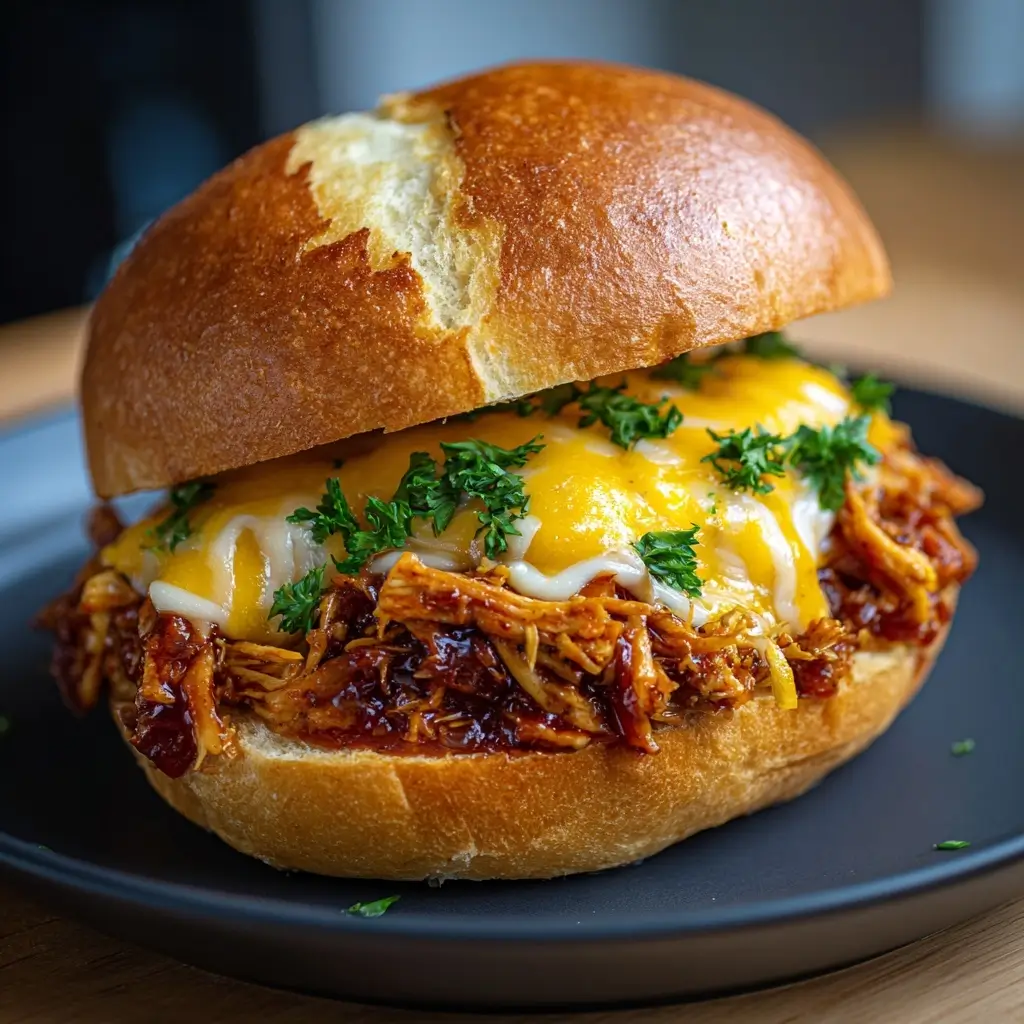
BBQ Pulled Chicken Sandwiches are the quintessential American comfort food—tender, smoky, tangy, and deeply satisfying. Whether served at backyard cookouts, tailgates, or cozy weeknight dinners, this dish effortlessly bridges the gap between rustic tradition and modern convenience. Unlike its pork-based counterpart, pulled chicken offers a leaner, milder canvas that absorbs bold barbecue flavors with remarkable grace. Its versatility makes it ideal for meal prep, crowd-feeding, and dietary customization—gluten-free, low-carb, dairy-free, and even keto-friendly adaptations are all within easy reach. More than just a sandwich, it’s a culinary canvas: each bite tells a story of slow-cooked patience, regional spice wisdom, and the simple joy of tearing tender shreds apart with two forks.
The History
The origins of pulled meat trace back centuries to the American South, where resourcefulness, wood-fired cooking, and preservation techniques shaped iconic barbecue traditions. While pulled pork dominates historical narratives—especially in North Carolina and Tennessee—pulled chicken emerged later as both an economic and practical evolution. In the mid-20th century, as chicken became more affordable and widely available (thanks to industrial farming advances and USDA standardization), home cooks and roadside smokehouses began adapting traditional low-and-slow methods to poultry. Early versions appeared in Depression-era “thrift meals,” where tough stewing hens were simmered for hours until fork-tender, then tossed in homemade vinegar-based sauces. By the 1970s and ’80s, electric slow cookers revolutionized accessibility—making fall-off-the-bone chicken possible without constant tending. Regional interpretations soon flourished: Kansas City–style sweet and molasses-kissed, Memphis–inspired dry-rubbed and sauce-on-the-side, Texas-style with bold cumin and chipotle heat, and Carolina–influenced mustard-and-vinegar tang. Today, BBQ pulled chicken is not only a staple across U.S. diners and food trucks but has also gained global traction—from Tokyo yakitori-inspired renditions to Berlin street food stalls reimagining it with gochujang and yuzu.
Ingredients Breakdown
Every exceptional BBQ pulled chicken starts with thoughtful ingredient selection—not just for flavor, but for texture, moisture retention, and depth of umami. Below is a detailed breakdown of each component and why it matters:
- Chicken Thighs (bone-in, skin-on preferred): Rich in collagen and intramuscular fat, thighs stay succulent through long, slow cooking—unlike lean breast meat, which easily dries out. Bone-in adds gelatinous body to the cooking liquid; skin contributes subtle richness and helps lock in moisture during initial searing.
- Chicken Breast (optional, for texture contrast): When used sparingly (up to 25% of total poultry), white meat adds delicate flakiness and balances the thigh’s heft—but should never dominate the blend.
- Smoked Paprika: Not merely for color—it delivers earthy, slightly sweet, and subtly smoky notes without actual wood smoke. Opt for *hot* smoked paprika if you crave gentle heat, or *sweet* for pure aroma.
- Garlic Powder & Onion Powder: Dehydrated forms offer concentrated, evenly dispersed savory depth—more reliable than fresh in slow-cooked applications where volatile compounds can dissipate.
- Ground Cumin: Adds warm, nutty complexity and acts as a natural tenderizer by breaking down muscle fibers over time.
- Dry Mustard Powder: An often-overlooked secret weapon—it brightens the rub, cuts through richness, and enhances Maillard browning during sear.
- Unsweetened Apple Cider Vinegar: Provides essential acidity to balance sweetness and fat while gently denaturing proteins for tenderness. Raw, unpasteurized varieties add probiotic nuance.
- Worcestershire Sauce: A fermented umami bomb containing anchovies, tamarind, molasses, and garlic—deepens savoriness and adds layered funkiness.
- Tomato Paste (double-concentrated): Roasted and reduced, it contributes rich lycopene depth, natural sugars for caramelization, and thickening power—far superior to ketchup for foundational sauce structure.
- Low-Sugar BBQ Sauce: Choose one with minimal high-fructose corn syrup and no artificial colors. Look for clean labels listing apple juice, blackstrap molasses, or date syrup as sweeteners—and always taste before adding; many store-bought sauces are overly sweet or thin.
- Chicken Broth (low-sodium, preferably homemade): Forms the braising liquid base—adds collagen-rich body and prevents evaporation-related toughness. Bone broth elevates mouthfeel with natural gelatin.
- Yellow or Vidalia Onions (thinly sliced): Their mild sweetness softens into jammy ribbons during cooking, lending aromatic sweetness and textural contrast.
- Fresh Lime Juice (added at the end): A non-negotiable finish—brightens all other flavors, lifts heaviness, and provides enzymatic freshness that cuts through smoke and fat.
- High-Heat Oil (avocado, grapeseed, or refined coconut): With smoke points above 450°F, these ensure clean searing without bitter off-notes.
Optional but transformative upgrades include a splash of bourbon (for caramelized oak notes), a tablespoon of fish sauce (for stealthy umami), or a teaspoon of ground coriander (for citrusy warmth).
Step-by-Step Recipe
- Prep & Pat Dry (10 minutes): Remove chicken from fridge 30 minutes prior to cooking. Pat thighs *extremely* dry with paper towels—moisture is the enemy of crust formation. Trim excess fat but leave a thin layer for flavor.
- Season Generously (5 minutes): In a small bowl, whisk together 2 tbsp smoked paprika, 1½ tsp garlic powder, 1½ tsp onion powder, 1 tsp ground cumin, 1 tsp dry mustard, 1 tsp black pepper, 1½ tsp fine sea salt, and ¼ tsp cayenne (optional). Rub mixture *deeply* into every crevice of the chicken—don’t be shy. Let rest uncovered at room temp for 20 minutes.
- Sear for Depth (8–10 minutes): Heat 2 tbsp high-heat oil in a heavy-bottomed Dutch oven or stainless steel pot over medium-high flame. Once shimmering (not smoking), place thighs skin-side down. Press gently with a spatula for 30 seconds to prevent curling. Sear undisturbed for 5–6 minutes until deeply bronzed and crisp. Flip and sear second side 2–3 minutes. Transfer to a plate; pour off all but 1 tbsp fat.
- Sauté Aromatics (5 minutes): Reduce heat to medium. Add 1 large thinly sliced yellow onion and sauté until translucent and beginning to soften (~3 min). Stir in 3 tbsp tomato paste and cook, stirring constantly, for 2 minutes until brick-red and fragrant—this step unlocks deep roasted sweetness.
- Deglaze & Build Base (3 minutes): Pour in ½ cup unsweetened apple cider vinegar, scraping vigorously to lift browned bits (fond) from the pot bottom—the foundation of your sauce’s soul. Simmer 1 minute to cook off raw acidity. Stir in 2 tbsp Worcestershire, 1 tsp smoked sea salt, and 1 cup low-sodium chicken broth.
- Braise Low & Slow (3–4 hours): Return seared chicken to pot, nestling pieces skin-side up. Liquid should come halfway up chicken—not submerge. Cover tightly with lid or heavy-duty foil. Place in preheated 300°F oven—or use stovetop on lowest possible simmer (maintain gentle bubble at edge only). Braise 3 hours for bone-in thighs; check at 2h 45m. Chicken is ready when meat pulls cleanly from bone with light pressure and internal temp reads 195–205°F (thermometer inserted into thickest part, avoiding bone).
- Cool & Shred (15 minutes): Carefully remove chicken to a large rimmed baking sheet. Let rest 15 minutes—this allows juices to redistribute. Discard bones and skin (or reserve skin for chicharrón garnish). Using two forks, shred meat into fine, even strands—avoid overworking or clumping. Reserve ¾ cup braising liquid.
- Reduce Sauce & Combine (10 minutes): Strain remaining braising liquid through a fine-mesh sieve into a saucepan; discard solids. Simmer over medium-low heat 5–7 minutes until reduced by one-third and glossy. Whisk in ¾ cup low-sugar BBQ sauce and 1 tbsp fresh lime juice. Taste and adjust: add pinch of brown sugar if too sharp, dash of hot sauce if flat, or splash of vinegar if cloying.
- Final Toss & Rest (5 minutes): Gently fold shredded chicken into warm sauce. Let meld off-heat for 5 minutes—do not recook. Stir in 2 tbsp finely chopped fresh cilantro or parsley just before serving.
Tips
- Don’t Skip the Sear: That caramelized crust isn’t just for looks—it creates hundreds of new flavor compounds (Maillard reaction) that infuse the entire braise. Skipping it yields bland, boiled-tasting chicken.
- Low & Slow Is Non-Negotiable: Cooking below 300°F preserves moisture and allows collagen to convert slowly to gelatin. Higher temps cause protein squeeze-out and dry shreds.
- Resist the Urge to Stir While Braising: Every time you lift the lid, heat escapes and steam dissipates—adding up to 20+ extra minutes and risking uneven cooking.
- Shred While Warm, Not Hot: Too-hot chicken becomes stringy and slippery; too-cool chicken resists absorption. The 15-minute rest is the Goldilocks zone.
- Save Your Braising Liquid: Reduced and seasoned, it doubles as a killer pan sauce for roasted vegetables, a base for soups, or a glaze for grilled shrimp.
- Toast Whole Spices First: For maximum impact, toast cumin seeds and coriander in a dry skillet until fragrant, then grind—freshly ground spices offer exponentially more aroma and potency.
- Acid Last, Always: Vinegar and citrus added early can toughen proteins over time. Reserve them for finishing to preserve brightness and tenderness.
- Use a Probe Thermometer: Guesswork leads to undercooked or overcooked results. Insert probe into thickest part near bone—195°F is ideal for shreddability without mush.
- Freeze Smart: Portion cooled pulled chicken in 2-cup vacuum-sealed bags with ¼ cup sauce. Thaw overnight in fridge and reheat gently in saucepan with splash of broth—never microwave solo.
- Rest Before Serving: Let dressed sandwiches sit wrapped in foil for 5 minutes before cutting—allows flavors to marry and prevents sauce bleed-out onto buns.
Variations and Customizations
BBQ pulled chicken is gloriously adaptable—here’s how to tailor it to any palate, pantry, or occasion:
Regional Twists
- Carolina Gold: Replace tomato-based BBQ sauce with 1 cup whole-grain mustard, ¼ cup honey, 3 tbsp apple cider vinegar, 1 tbsp hot sauce, and 1 tsp turmeric. Serve with pickled red onions.
- Texas Smokehouse: Add 1 tsp chipotle powder + 1 tsp ancho chile powder to rub. Finish with 2 tbsp brewed strong coffee + 1 tsp cocoa powder in sauce reduction.
- Kansas City Sweet: Use brown sugar–molasses BBQ sauce and stir in 1 tbsp bourbon + 1 tsp cinnamon post-shred.
- Alabama White Sauce Style: Skip tomato sauce entirely. Toss shredded chicken in classic mayo-based white sauce (Duke’s mayo, apple cider vinegar, prepared horseradish, lemon zest, cayenne).
Dietary Adaptations
- Keto/Low-Carb: Use sugar-free BBQ sauce (like G Hughes or Tessemae’s), omit carrots/onions in braise, and serve in butter lettuce cups or portobello “buns.”
- Gluten-Free: Verify Worcestershire (Lea & Perrins GF version) and BBQ sauce labels. Thicken reduced sauce with xanthan gum (¼ tsp) instead of flour.
- Dairy-Free: Naturally compliant—just ensure BBQ sauce contains no butter or whey (most don’t).
- Vegan “Pulled” Option: Substitute king oyster mushrooms (shredded lengthwise) or young green jackfruit (canned in brine, drained & rinsed). Braise same way; add 1 tbsp nutritional yeast to sauce for umami depth.
Flavor Infusions
- Herb Garden: Fold in 2 tbsp chopped rosemary + 1 tbsp lemon thyme after shredding.
- Asian Fusion: Swap BBQ sauce for ⅓ cup hoisin, 2 tbsp rice vinegar, 1 tbsp soy sauce (tamari for GF), 1 tsp grated ginger, and 1 tsp sesame oil.
- Mediterranean: Toss with lemon-tahini drizzle, crumbled feta, kalamata olives, and chopped mint.
- Breakfast Style: Mix with 1 tbsp Dijon mustard, 1 tsp maple syrup, and serve on toasted brioche with fried egg and crispy prosciutto.
Texture & Presentation Upgrades
- Crunch Factor: Top with quick-pickled cucumbers, jicama slaw, or crushed kettle-cooked potato chips.
- Smoky Depth (No Smoker Needed): Add ½ tsp liquid smoke to braising liquid—or char onion slices on grill before sautéing.
- Gourmet Bun Pairings: Brioche (butter-toasted), pretzel rolls (soft & salty), ciabatta (rustic chew), or gluten-free millet-seed rolls.
- Deconstructed Platter: Serve components family-style: warm chicken, warm sauce on side, toasted buns, slaw, pickles, and jalapeño rings for DIY assembly.
Health Considerations and Nutritional Value
A 6-ounce serving (approx. 1½ cups pulled chicken with ¼ cup sauce on a whole-grain bun) delivers approximately:
- Calories: 420–480 (varies by sauce/bun choice)
- Protein: 38–42g (excellent complete protein source with all 9 essential amino acids)
- Fat: 14–18g (mostly unsaturated from chicken thighs; heart-healthy when balanced)
- Carbohydrates: 32–38g (primarily from bun & sauce—reduced to 8–12g with lettuce wrap)
- Fiber: 4–6g (with whole-grain bun or added slaw)
- Vitamins/Minerals: Rich in niacin (B3), selenium, vitamin B6, phosphorus, and zinc—critical for metabolism, immunity, and cellular repair.
Key Health Notes:
- Thighs vs. Breasts: Though higher in fat, chicken thighs contain more monounsaturated fats (similar to olive oil) and significantly more vitamin B12 and iron—making them nutritionally superior for sustained energy and red blood cell health.
- Sodium Watch: Store-bought BBQ sauces average 250–400mg sodium per 2 tbsp. Make your own low-sodium version using tomato paste, vinegar, spices, and date syrup to cut sodium by 60%.
- Sugar Awareness: Traditional sauces pack 12–16g sugar per ¼ cup. Opt for brands sweetened with fruit juice concentrate or skip added sugar entirely—relying on natural sweetness from onions, carrots, and reduced braising liquid.
- Advanced Gut Support: Add 1 tsp apple cider vinegar (raw, with mother) to finished sauce—provides acetic acid to aid digestion and promote beneficial gut flora.
- Anti-Inflammatory Boost: Turmeric (¼ tsp in rub) + black pepper (enhances curcumin absorption) + garlic (allicin) create a synergistic trio shown in clinical studies to reduce systemic inflammation.
- Food Safety Reminder: Always reheat pulled chicken to 165°F internally. Never hold between 40°F–140°F for more than 2 hours—refrigerate within 1 hour of cooking.
Ingredients
- 2½ lbs bone-in, skin-on chicken thighs (about 8–10 pieces)
- 2 tbsp avocado oil or high-heat grapeseed oil
- 1 large yellow onion, thinly sliced
- 3 tbsp double-concentrated tomato paste
- ½ cup unsweetened apple cider vinegar
- 2 tbsp Worcestershire sauce (gluten-free if needed)
- 1 cup low-sodium chicken broth (preferably homemade or bone broth)
- ¾ cup low-sugar BBQ sauce (see recommendations above)
- 1 tbsp fresh lime juice (plus extra for garnish)
- 2 tbsp finely chopped fresh cilantro or flat-leaf parsley
Dry Rub:
- 2 tbsp smoked paprika (sweet or hot)
- 1½ tsp garlic powder
- 1½ tsp onion powder
- 1 tsp ground cumin
- 1 tsp dry mustard powder
- 1 tsp freshly ground black pepper
- 1½ tsp fine sea salt
- ¼ tsp cayenne pepper (optional, for heat)
Directions
- Pat chicken thighs extremely dry with paper towels. In a small bowl, combine all dry rub ingredients. Rub mixture thoroughly over all surfaces of chicken. Let sit uncovered at room temperature for 20 minutes.
- Preheat oven to 300°F. Heat oil in a heavy 5–6 quart Dutch oven over medium-high heat until shimmering. Working in batches if needed, place chicken skin-side down in pot. Press gently with spatula for first 30 seconds. Sear undisturbed for 5–6 minutes until deeply golden and crisp. Flip and sear second side for 2–3 minutes. Transfer to plate; pour off all but 1 tablespoon fat.
- Reduce heat to medium. Add sliced onion; sauté 3 minutes until softened. Stir in tomato paste; cook 2 minutes until darkened and fragrant.
- Pour in apple cider vinegar, scraping up all browned bits. Simmer 1 minute. Stir in Worcestershire and chicken broth.
- Nestle seared chicken back into pot, skin-side up. Liquid should reach halfway up chicken. Cover tightly with lid or heavy-duty foil.
- Transfer to preheated oven. Braise 3 hours (or until meat pulls easily from bone and registers 195–205°F internally). Check at 2h 45m.
- Remove chicken to baking sheet. Let rest 15 minutes. Discard bones and skin. Shred meat finely with two forks.
- Strain braising liquid through fine-mesh sieve into saucepan. Simmer 5–7 minutes until reduced by one-third. Whisk in BBQ sauce and lime juice.
- Gently fold shredded chicken into warm sauce. Rest off-heat 5 minutes. Stir in fresh cilantro or parsley.
- Build sandwiches: Toast buns lightly, spread with extra BBQ sauce or mayo, pile high with chicken, top with slaw or pickles, and serve immediately.
FAQ
- Can I make this in a slow cooker?
- Absolutely—but with adjustments. Sear chicken first (non-negotiable for flavor). Place in slow cooker with aromatics and liquid. Cook on LOW 6–7 hours (not HIGH—dries out chicken). Shred, reduce liquid separately on stove, then combine.
- Can I use frozen chicken?
- Yes, but thaw completely first. Never braise from frozen—it causes uneven cooking and extends time dangerously into bacterial “danger zone.” Plan ahead or use cold-water thaw method (30 mins per pound).
- Why is my pulled chicken dry?
- Most common causes: using breast meat exclusively, skipping the sear, braising above 300°F, lifting the lid too often, or overcooking past 205°F. Thighs are your best friend here.
- How long does it last in the fridge?
- Properly stored in airtight container: 4 days refrigerated, 3 months frozen. Always reheat to 165°F internal temp.
- Can I make it ahead for a party?
- Yes! Braise and shred 2 days ahead. Store chicken and sauce separately. Reheat sauce gently, then combine and warm through—prevents mushiness.
- What’s the best bun for BBQ pulled chicken?
- Brioche is classic for its buttery softness and slight sweetness. Pretzel rolls add delightful chew and salt balance. For health-conscious: whole-wheat buns, multigrain, or gluten-free seeded rolls. Toasting is mandatory for structural integrity.
- My sauce is too thin—how do I thicken it?
- Simmer uncovered 5–8 minutes longer. For instant thickening: mix 1 tsp cornstarch with 1 tbsp cold water, whisk into warm sauce, and simmer 1 minute until glossy.
- Can I grill the finished pulled chicken?
- Yes—for smoky char and caramelized edges. Spread on lightly oiled grill grates over medium heat; cook 2–3 minutes per side until warmed through and lightly crisped.
- Is this kid-friendly?
- Easily! Omit cayenne, use mild BBQ sauce, and serve with apple slices, carrot sticks, or baked sweet potato fries. The natural sweetness and tender texture appeal broadly.
- What sides pair best?
- Classic: creamy coleslaw, baked beans, dill pickle chips, mac & cheese. Lighter options: grilled corn salad, cucumber-dill yogurt slaw, roasted sweet potatoes, or black bean & mango salsa.
Summary
BBQ Pulled Chicken Sandwiches are a masterclass in accessible, soul-satisfying cooking—transforming humble thighs into tender, smoke-kissed perfection through low-and-slow braising, layered spice, and smart acid balance. With endless regional riffs, dietary flexibility, and make-ahead ease, it’s a recipe that earns its place at every table—from Sunday suppers to holiday feasts.
Whether you’re honoring Southern tradition or reinventing it with global flair, this dish proves that extraordinary flavor doesn’t require complexity—just respect for ingredients, patience with process, and joy in sharing.