Introduction
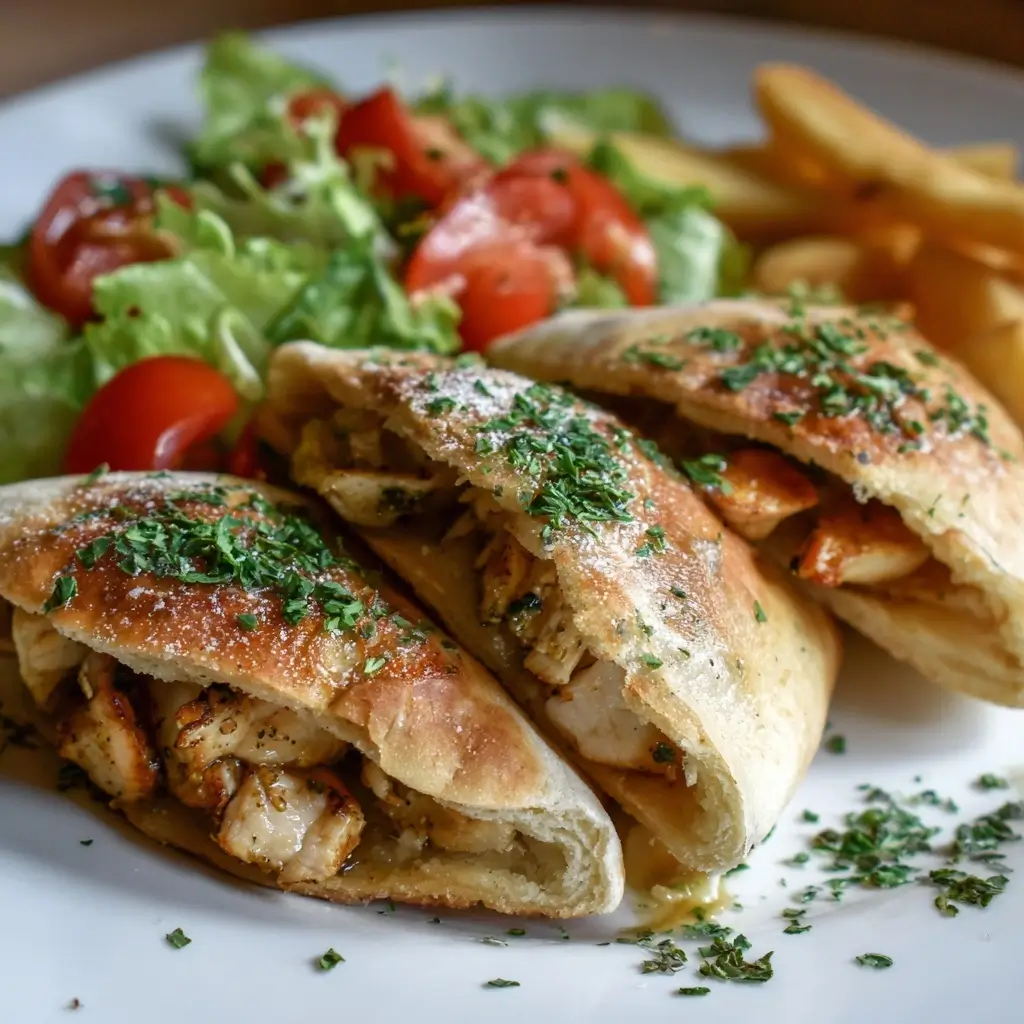
Chicken Pita Pockets are a beloved, versatile, and satisfying meal that seamlessly bridges the gap between casual lunchtime convenience and wholesome, restaurant-quality flavor. Whether you’re packing a quick weekday lunch for work or school, hosting a relaxed weekend gathering, or simply craving something fresh, protein-rich, and handheld, this dish delivers on every front. At its core, it features tender, flavorful grilled or roasted chicken nestled inside soft, pillowy pita bread—transformed into a pocket—and generously layered with crisp vegetables, creamy dressings, and zesty seasonings. Unlike heavier sandwiches or calorie-laden wraps, Chicken Pita Pockets offer a naturally portion-controlled format that encourages balance, texture contrast, and vibrant taste in every bite. What makes them truly special is their adaptability: they’re as at home on a Mediterranean café menu as they are in a busy parent’s meal-prep rotation—or even as an elegant appetizer when cut into bite-sized pinwheels.
The History
The origins of the Chicken Pita Pocket trace back—not to a single inventor—but to the rich culinary crossroads of the Eastern Mediterranean and Middle East, where pita bread has been a dietary cornerstone for over 4,000 years. Archaeological evidence suggests early forms of leavened flatbreads similar to pita were baked in ancient Mesopotamia and Egypt, later evolving across Greece, Lebanon, Turkey, Israel, and Syria. Traditional “pocket” pita—characterized by its hollow interior formed during high-heat baking—became especially popular in the mid-20th century as commercial ovens enabled consistent steam expansion. While classic preparations featured falafel, lamb, or hummus, the incorporation of grilled chicken gained momentum in the 1970s–80s, fueled by rising global interest in lean protein, American health trends, and the proliferation of Mediterranean-inspired fast-casual concepts like Zoe’s Kitchen, Cava, and Byblos. Immigrant chefs and home cooks alike began experimenting, blending regional spices (like za’atar and sumac) with familiar proteins, eventually giving rise to what we now recognize as the modern Chicken Pita Pocket: a globally resonant, nutrition-forward handheld meal rooted in centuries-old tradition yet continually reinvented for contemporary palates and lifestyles.
Ingredients Breakdown
Understanding each ingredient’s role elevates both flavor and function in your Chicken Pita Pockets. Let’s explore them beyond the shopping list:
- Chicken Breast or Thighs: Boneless, skinless chicken breast offers lean protein and mild flavor—ideal for absorbing marinades—but can dry out if overcooked. Chicken thighs, meanwhile, provide richer taste, juicier texture, and greater forgiveness during grilling or roasting due to higher fat content. For maximum tenderness, consider brining (30 minutes in 1 cup water + 1 tbsp salt) or pounding to even thickness before cooking.
- Pita Bread: Authentic pocket pita (not Greek-style flatbread or “pocketless” varieties) is essential for structural integrity. Look for fresh, pliable pitas—slightly warm or gently steamed—to ensure easy pocket opening without tearing. Whole wheat or sprouted grain pitas add fiber, B vitamins, and nutty depth; gluten-free options made from tapioca, sorghum, or almond flour are widely available for dietary needs.
- Marinade Components: A well-balanced marinade typically includes acid (lemon juice or vinegar), oil (olive or avocado), aromatics (minced garlic, grated ginger), herbs (oregano, thyme, parsley), and spices (paprika, cumin, coriander). The acid tenderizes while the oil carries fat-soluble flavors. Marinating for at least 30 minutes—or up to 24 hours refrigerated—yields dramatically deeper flavor penetration and moisture retention.
- Fresh Vegetables: Cucumber (English or Persian for crunch and low bitterness), tomatoes (vine-ripened Roma or heirloom for sweetness and less seed moisture), red onion (soaked briefly in ice water to mellow sharpness), and leafy greens (romaine hearts, butter lettuce, or baby spinach) contribute hydration, fiber, enzymes, and phytonutrients. Shredded carrots, radishes, or pickled turnips add color, texture, and probiotic benefits.
- Creamy Elements: Tzatziki remains the gold standard—Greek yogurt strained to remove excess whey, blended with grated cucumber (squeezed dry), garlic, lemon, dill, and a touch of olive oil. Its cooling effect balances bold spices. Alternatives include garlic aioli, lemon-dill labneh, avocado crema, or dairy-free cashew-based sauces fortified with nutritional yeast for umami.
- Herbs & Garnishes: Fresh mint and flat-leaf parsley aren’t mere garnishes—they’re aromatic powerhouses containing volatile oils (e.g., rosmarinic acid, limonene) linked to anti-inflammatory and digestive support. Toasted pine nuts, slivered almonds, or crushed pistachios lend crunch and heart-healthy monounsaturated fats.
- Seasoning Finishes: A final drizzle of high-quality extra-virgin olive oil adds polyphenols and satiety; flaky sea salt enhances all other flavors; sumac offers tangy, wine-like brightness; and a sprinkle of za’atar (a Levantine blend of thyme, sesame, sumac, and salt) ties the entire profile together with earthy, citrusy complexity.
Step-by-Step Recipe
- Prep the Chicken (15 minutes + marinating time): Cut boneless, skinless chicken breasts or thighs into uniform 1-inch strips or cubes. In a non-reactive bowl, combine ¼ cup fresh lemon juice, ⅓ cup extra-virgin olive oil, 4 minced garlic cloves, 1 tbsp dried oregano, 1 tsp ground cumin, ½ tsp smoked paprika, 1 tsp kosher salt, and ½ tsp freshly ground black pepper. Add chicken, toss thoroughly, cover, and refrigerate for minimum 30 minutes—or ideally 2–4 hours (or overnight for deepest flavor).
- Toast or Warm the Pitas (3 minutes): Heat a dry cast-iron skillet or griddle over medium heat. Lightly brush each pita with olive oil (optional but recommended for pliability). Warm each side for 30–45 seconds until soft, fragrant, and slightly puffed—never crispy. Transfer to a clean kitchen towel and cover to retain steam and flexibility. Do not attempt to open pockets while cold—warmth is essential for gentle separation without ripping.
- Cook the Chicken (8–12 minutes): Heat 1 tbsp olive oil in a large stainless steel or cast-iron pan over medium-high heat. Remove chicken from marinade (reserve marinade) and pat *very* dry with paper towels—this ensures proper searing, not steaming. Cook in a single layer without overcrowding, turning once, until golden-brown and cooked through (165°F internal temp; ~5–6 minutes per side for strips, ~7–8 minutes for cubes). Optional: Deglaze pan with reserved marinade, simmer 2 minutes to reduce and cook off raw garlic edge, then pour over cooked chicken for glossy finish.
- Prepare Fresh Components (10 minutes): While chicken rests (5 minutes—critical for juicy results), slice English cucumber into thin half-moons, dice Roma tomatoes, thinly slice red onion and soak in cold water with 1 tsp vinegar for 5 minutes, then drain. Chop ¼ cup fresh parsley and 2 tbsp fresh mint. If making tzatziki: combine 1 cup full-fat Greek yogurt, ½ cup finely grated and squeezed-dry cucumber, 2 minced garlic cloves, 1 tbsp lemon juice, 1 tsp chopped dill, ½ tsp salt, and 1 tsp olive oil. Chill until ready.
- Assemble the Pockets (5 minutes): Gently open the warm pita by sliding a butter knife along the inner edge of the pocket—avoid sawing. Spoon 2–3 tbsp tzatziki down the center. Layer ¾ cup shredded romaine or butter lettuce. Add ½ cup warm chicken, followed by ¼ cup cucumber, 3–4 tomato pieces, 1 tbsp red onion, and a generous pinch of parsley and mint. Drizzle with extra tzatziki or olive oil, and finish with a dusting of sumac or za’atar. Fold bottom flap up and tuck in sides for secure handheld eating—or serve open-faced for presentation.
Tips
- Prevent Soggy Pitas: Always pat vegetables—especially cucumbers and tomatoes—completely dry before assembling. Consider salting tomato wedges lightly and draining on paper towels for 5 minutes to draw out excess moisture.
- Maximize Flavor Depth: Char your vegetables—grill zucchini ribbons or cherry tomatoes alongside the chicken for smoky-sweet notes. Toast whole cumin and coriander seeds in a dry pan before grinding for a more aromatic, nuanced marinade.
- Meal-Prep Smart: Cook and marinate chicken up to 3 days ahead; store separately from wet ingredients. Assemble pockets within 1–2 hours of serving. For grab-and-go lunches, pack components in compartmentalized bento boxes with a small insulated pouch for tzatziki.
- Ensure Even Cooking: Use a meat thermometer—not visual cues—to verify doneness. Chicken breast should reach exactly 165°F (74°C); thighs can go up to 175°F (80°C) for optimal tenderness without dryness.
- Boost Shelf Life Naturally: Add a splash of apple cider vinegar or lemon juice to your tzatziki—it lowers pH, inhibiting bacterial growth and extending freshness by 1–2 days in the fridge.
- Perfect Pocket Opening: If pitas resist splitting, insert two fingers into the natural seam at the top edge and gently rotate outward while applying light pressure—like opening a book. Avoid forcing from the side, which tears the structure.
- Add Umami Layers: Stir 1 tsp white miso paste or ½ tsp fish sauce into your marinade—it deepens savoriness without detectable flavor, especially helpful when using leaner chicken breast.
- Texture Contrast Matters: Include at least one crunchy element—shaved fennel, julienned jicama, toasted sunflower seeds, or even crumbled baked pita chips—for sensory satisfaction and prolonged satiety.
Variations and Customizations
Chicken Pita Pockets are infinitely adaptable—here’s how to tailor them across cuisines, diets, and occasions:
- Mediterranean-Inspired: Swap tzatziki for lemony labneh, add kalamata olives, crumbled feta, roasted red peppers, and a drizzle of oregano-infused olive oil. Finish with dried mint and a pinch of orange zest.
- Mexican Fusion: Marinate chicken in chipotle adobo, lime, cumin, and cilantro. Use jalapeño-lime crema instead of tzatziki, fill with pickled red onions, black beans, corn salsa, avocado slices, and crumbled cotija cheese.
- Asian Sesame-Ginger: Marinate chicken in tamari, rice vinegar, grated ginger, toasted sesame oil, and honey. Fill with quick-pickled daikon, shredded cabbage, scallions, edamame, and a tahini-ginger drizzle. Top with toasted sesame seeds and microgreens.
- Low-Carb/Keto: Skip pita entirely—use large butter lettuce or romaine “boats,” or wrap tightly in collard green leaves (blanched 10 seconds in boiling water to soften). Boost healthy fats with sliced avocado, macadamia nuts, and olive oil–based dressings.
- Vegan/Vegetarian: Replace chicken with marinated and grilled portobello caps, spiced chickpeas (roasted with harissa and lemon), or tempeh strips. Use dairy-free tzatziki (coconut yogurt base) and load up on seasonal roasted vegetables.
- Kid-Friendly: Use mild herb-marinated chicken (skip garlic/onion), creamy dill dip instead of tzatziki, shredded cheddar or mozzarella, and fun additions like diced apples, grapes, or honey-roasted carrots. Serve deconstructed for dipping.
- Breakfast Version: Grill chicken with turmeric and black pepper, stuff into warmed pita with scrambled eggs or tofu scramble, sautéed spinach, feta, and a dollop of herbed Greek yogurt.
- Gourmet Appetizer: Cut pitas into quarters, fill with finely diced chicken, herbed goat cheese, caramelized onions, and arugula. Secure with toothpicks and serve chilled or room temperature as elegant finger food.
Health Considerations and Nutritional Value
A well-constructed Chicken Pita Pocket is a nutritionally intelligent meal—balanced, nutrient-dense, and inherently modifiable for diverse health goals. A standard serving (1 large whole-wheat pita + 5 oz grilled chicken + ½ cup vegetables + 3 tbsp tzatziki + 1 tsp olive oil) clocks in at approximately 480–520 calories, with roughly 38–42g protein, 18–22g healthy fats, and 42–48g complex carbohydrates. Let’s break down its functional benefits:
- High-Quality Lean Protein: Chicken provides all nine essential amino acids, supporting muscle synthesis, immune function, and satiety hormones (leptin, GLP-1). Thigh meat adds iron (heme form, highly bioavailable) and zinc—crucial for wound healing and cognitive performance.
- Fiber-Rich Carbohydrates: Whole-wheat pita delivers 5–7g of dietary fiber per serving—fueling beneficial gut bacteria (Bifidobacteria, Akkermansia), stabilizing blood sugar, and reducing LDL cholesterol via viscous beta-glucan-like compounds.
- Phytonutrient Powerhouse: Cucumber contains cucurbitacins (anti-proliferative compounds); tomatoes supply lycopene (enhanced by olive oil’s fat); garlic and onions deliver allicin (cardiovascular protector); and parsley/mint are rich in apigenin and rosmarinic acid—potent antioxidants shown to mitigate oxidative stress and neuroinflammation.
- Probiotic & Enzyme Support: Homemade tzatziki made with live-culture yogurt introduces beneficial Lactobacillus strains, improving gut barrier integrity and nutrient absorption. Adding fermented elements like sauerkraut or kimchi boosts diversity further.
- Heart-Healthy Fats: Extra-virgin olive oil contributes oleocanthal (natural NSAID-like activity) and hydroxytyrosol—both clinically associated with reduced arterial plaque formation and improved endothelial function.
- Dietary Adaptations: For hypertension: reduce added salt and emphasize potassium-rich ingredients (spinach, tomatoes, avocado). For diabetes: prioritize low-glycemic veggies and monitor pita portion size (½ pita may suffice). For IBS: opt for low-FODMAP swaps—swap garlic/onion for infused oil, use lactose-free yogurt, and avoid high-FODMAP additions like chickpeas or apples.
- What to Watch: Store-bought tzatziki or dressings often contain added sugars, preservatives, and excessive sodium—always check labels. Pre-grilled chicken strips may be injected with saline solutions, inflating sodium by 300–500mg per serving. When dining out, request sauces on the side and ask for whole-grain pita—many establishments default to refined white versions.
Ingredients
- 1 lb boneless, skinless chicken breast or thighs, cut into 1-inch strips or cubes
- ¼ cup fresh lemon juice (about 2 large lemons)
- ⅓ cup extra-virgin olive oil, plus extra for brushing
- 4 garlic cloves, finely minced
- 1 tbsp dried oregano
- 1 tsp ground cumin
- ½ tsp smoked paprika
- 1 tsp kosher salt, plus more to taste
- ½ tsp freshly ground black pepper
- 6–8 fresh pocket pitas (whole wheat preferred), warmed
- 1 cup full-fat plain Greek yogurt (for tzatziki)
- ½ cup English cucumber, finely grated and squeezed dry
- 2 tbsp fresh dill, finely chopped
- 1 tbsp fresh lemon juice (for tzatziki)
- 2 garlic cloves, finely minced (for tzatziki)
- ½ tsp salt (for tzatziki)
- 1 tsp extra-virgin olive oil (for tzatziki)
- 1 English cucumber, thinly sliced
- 2 Roma tomatoes, diced
- ½ medium red onion, very thinly sliced
- 4 cups shredded romaine or butter lettuce
- ¼ cup fresh flat-leaf parsley, chopped
- 2 tbsp fresh mint leaves, chopped
- Flaky sea salt, sumac, or za’atar, for finishing
Directions
- In a large non-reactive bowl, whisk together lemon juice, olive oil, minced garlic, oregano, cumin, smoked paprika, 1 tsp kosher salt, and ½ tsp black pepper. Add chicken and toss to coat evenly. Cover and refrigerate for at least 30 minutes or up to 24 hours.
- When ready to cook, heat 1 tbsp olive oil in a large skillet or grill pan over medium-high heat. Remove chicken from marinade (reserve marinade) and pat *thoroughly* dry with paper towels. Cook chicken in a single layer without crowding, flipping once, until deeply golden and cooked through (165°F internal temperature), about 5–6 minutes per side for strips. Optional: Return reserved marinade to pan, simmer 2 minutes, then pour over cooked chicken.
- Let chicken rest for 5 minutes before slicing or using whole. Meanwhile, prepare tzatziki: In a medium bowl, combine Greek yogurt, grated/squeezed cucumber, dill, lemon juice, minced garlic, ½ tsp salt, and 1 tsp olive oil. Stir well, cover, and refrigerate for at least 15 minutes to meld flavors.
- Warm pitas: Heat a dry skillet over medium heat. Lightly brush each pita with olive oil and warm for 30–45 seconds per side until soft and pliable. Wrap in a clean kitchen towel to keep warm and steamy.
- To assemble: Gently open each pita by inserting a butter knife into the top seam and rotating outward. Spread 2 tablespoons tzatziki inside each pocket. Layer with lettuce, warm chicken, cucumber, tomato, red onion, parsley, and mint. Drizzle with additional tzatziki or olive oil, and finish with a pinch of flaky salt and sumac or za’atar. Fold bottom flap up and tuck in sides to secure. Serve immediately.
FAQ
- Can I make Chicken Pita Pockets ahead of time?
- Yes—with smart planning. Marinate and cook chicken up to 3 days in advance and refrigerate in an airtight container. Prepare tzatziki up to 4 days ahead. However, do not assemble until 1–2 hours before serving to prevent sogginess. Store components separately in labeled containers for seamless assembly.
- Why does my pita tear when I try to open the pocket?
- Pitas tear when cold, stale, or overly dry. Always use fresh pitas and warm them gently in a skillet or oven (350°F for 3–4 minutes) to restore pliability. Never microwave—steam builds unevenly and causes bursting. If still resistant, choose pitas labeled “pocket-style” or “steam-baked”—some brands (like Joseph’s or Oroweat) guarantee reliable pockets.
- Is there a way to make these gluten-free?
- Absolutely. Use certified gluten-free pita (made from brown rice, teff, or almond flour) or substitute with large, flexible gluten-free tortillas (look for cassava or coconut-based). Ensure all marinade ingredients—including soy sauce substitutes and spice blends—are certified GF, as cross-contamination is common in spice mills.
- My tzatziki is watery—how do I fix it?
- Excess moisture almost always comes from un-squeezed cucumber. Always grate cucumber, place in a clean kitchen towel, and wring *vigorously* until no liquid remains. Also, use full-fat Greek yogurt—not low-fat or regular yogurt—which contains less whey. If already watery, strain tzatziki through cheesecloth in the fridge for 30 minutes before serving.
- Can I freeze Chicken Pita Pockets?
- Freezing assembled pockets is not recommended—the pita becomes gummy and vegetables lose texture. However, cooked, cooled chicken freezes beautifully for up to 3 months. Portion into freezer bags with marinade liquid, thaw overnight in the fridge, then reheat gently in a skillet with a splash of broth before assembling.
- What’s the best way to reheat leftover chicken?
- For optimal texture, reheat chicken in a covered skillet over low heat with 1 tbsp broth or water, stirring occasionally—this gently steams rather than dries it out. Avoid microwaving uncovered, which causes rubberiness. Alternatively, slice and add to a warm grain bowl or salad.
- Are Chicken Pita Pockets suitable for weight loss?
- Yes—when built intentionally. Prioritize lean chicken breast, whole-grain pita (½–1 per serving), abundant non-starchy vegetables, and controlled portions of healthy fats (1 tsp olive oil, 1 tbsp nuts/seeds). Skip sugary dressings and high-calorie cheeses. A well-balanced pocket supports satiety, steady energy, and sustainable calorie control without deprivation.
- How do I keep them from falling apart while eating?
- Structure is key: Start with a sturdy, warm pita; layer creamy tzatziki first (it acts as “glue”); place lettuce next (creates a moisture barrier); then chicken and veggies. Fold the bottom flap upward and gently press inward—tucking the sides in creates a secure, self-contained package. For picnics or travel, wrap tightly in parchment paper, then foil or parchment-lined reusable wrap.
Summary
Chicken Pita Pockets are a nutritionally balanced, culturally rich, and endlessly customizable handheld meal—combining lean protein, fiber-rich whole grains, antioxidant-packed vegetables, and probiotic-rich dairy in one satisfying, portable format. Rooted in ancient Mediterranean tradition yet vibrantly adaptable to modern dietary needs—from keto and vegan to gluten-free and kid-approved—they exemplify how simple, whole-food ingredients can deliver exceptional flavor, texture, and wellness in every bite.