Introduction
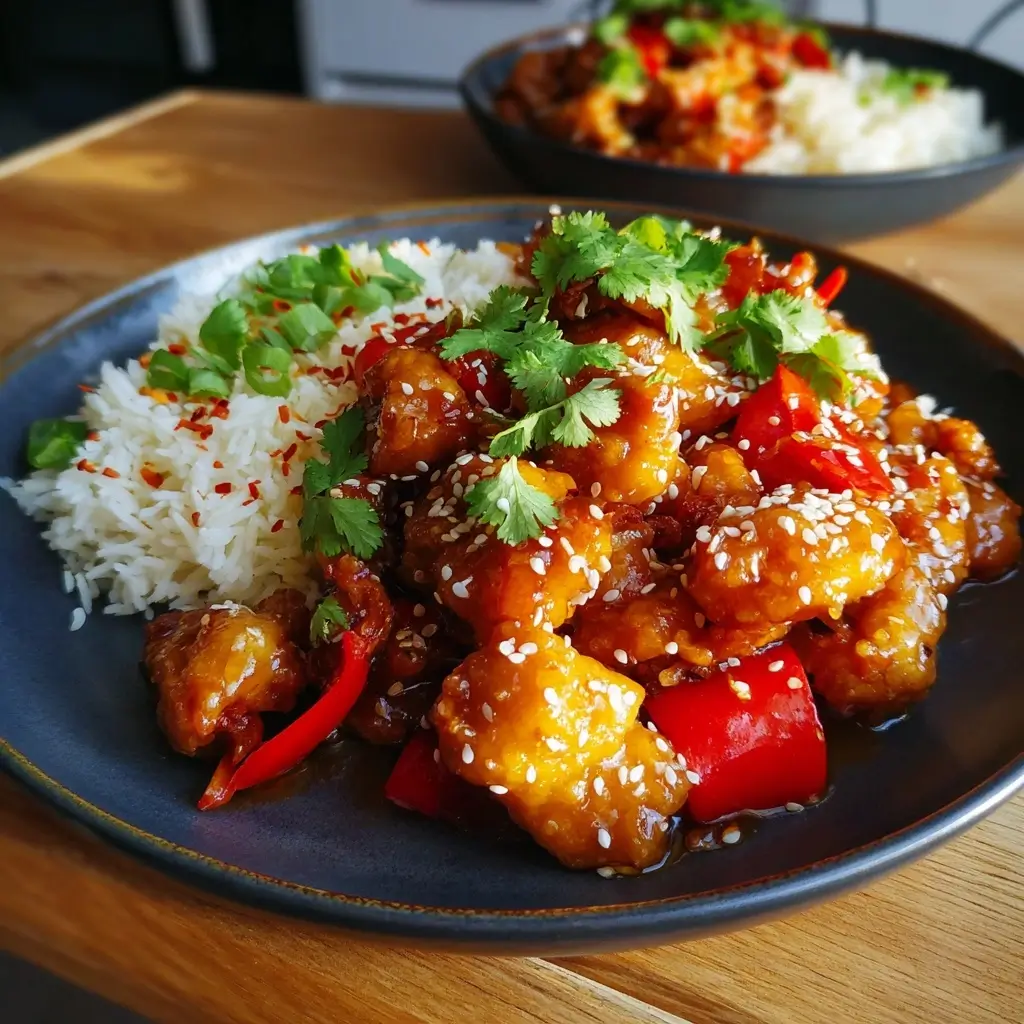
Sweet and Sour Chicken is a beloved staple of American Chinese cuisine—vibrant, tangy, and irresistibly comforting. Though its origins lie in traditional Chinese cooking techniques and regional flavors, the version widely enjoyed across North America and beyond is a delicious fusion creation: tender pieces of chicken enveloped in a glossy, jewel-toned sauce that masterfully balances sugar’s richness with vinegar’s bright acidity, rounded out by subtle umami and aromatic depth. Whether served over steamed jasmine rice, nestled beside crispy fried rice, or skewered as an appetizer at family gatherings, this dish transcends cultural boundaries through sheer flavor appeal. Its adaptability, visual allure, and crowd-pleasing profile have cemented its status as a weeknight favorite, potluck hero, and takeout classic—all while remaining entirely achievable in any home kitchen with minimal equipment and accessible ingredients.
The History
The story of Sweet and Sour Chicken is one of culinary migration, adaptation, and innovation. While sweet-and-sour flavor pairings trace back over 2,000 years in Chinese gastronomy—evident in ancient texts from the Tang and Song dynasties, where dishes like “guō bāo ròu” (a Northern Chinese sweet-and-sour pork) used fermented rice vinegar, rock sugar, and ginger—the specific chicken-based iteration familiar today emerged primarily in the United States during the late 19th and early 20th centuries. As Chinese immigrants settled along the West Coast—particularly in San Francisco and later New York—they adapted traditional recipes to suit local palates and ingredient availability. Pork was often substituted with more affordable and widely accepted chicken; imported Chinese black vinegar gave way to apple cider or white vinegar; and refined cane sugar replaced less accessible rock sugar or malt syrup. The mid-20th century saw further evolution with the rise of frozen food technology and commercial sauces, leading to standardized versions found in supermarkets and chain restaurants. Crucially, the dish was never “inauthentic”—rather, it embodied the resilient, resourceful spirit of diasporic cooking: honoring foundational principles (balance, texture, harmony) while embracing new contexts. Today, Sweet and Sour Chicken exists on a global spectrum—from Cantonese-style pineapple chicken with wok hei char in Guangzhou, to Thai-inspired versions with tamarind and palm sugar in Bangkok, to vegan renditions using seitan or tofu in Berlin and Toronto—proving that its legacy is not static, but vibrantly alive and ever-evolving.
Ingredients Breakdown
Understanding each component deepens both appreciation and control over the final dish:
- Chicken Breast or Thighs: Boneless, skinless chicken breast offers lean tenderness and clean flavor, ideal for health-conscious cooks; chicken thighs provide superior juiciness, richer mouthfeel, and greater forgiveness against overcooking—especially important when stir-frying at high heat. Both benefit from uniform dicing (¾-inch cubes) to ensure even cooking and optimal sauce adhesion.
- Marinade Components (Shaoxing Wine, Soy Sauce, Cornstarch, Egg White, White Pepper): Shaoxing wine adds aromatic complexity and tenderizes subtly; light soy sauce contributes saltiness and color without overpowering; cornstarch forms a protective barrier around the chicken, sealing in moisture while creating a velvety texture and enabling crisp edges when fried or seared; egg white further enhances tenderness and silkiness; white pepper delivers warm, earthy heat distinct from black pepper’s sharpness.
- Batter (Optional but Recommended for Crispness): A light tempura-style batter—made from cold water, cornstarch, all-purpose flour, baking powder, and a pinch of salt—produces an airy, lacy crust that stays crisp longer under sauce than plain cornstarch alone. The cold water prevents gluten development; baking powder introduces micro-bubbles for lift.
- Aromatics (Garlic, Ginger, Green Onions): Freshly minced garlic brings pungent depth; young ginger—peeled and finely grated—contributes bright, citrusy heat and enzymatic tenderness; green onions add fresh, grassy sweetness and vibrant color (white parts sautéed first for base flavor; green parts reserved for garnish).
- Sauce Base (Vinegar, Sugar, Ketchup, Soy Sauce, Pineapple Juice): Apple cider vinegar offers balanced acidity with fruity nuance; brown sugar (or a blend of granulated and brown) provides molasses depth and caramel notes; ketchup lends body, natural sweetness, tomato umami, and rich red hue—acting as a foundational thickener and flavor bridge; low-sodium soy sauce adds savory complexity without excessive salt; unsweetened pineapple juice contributes tropical brightness, natural enzymes that gently tenderize, and authentic fruity tang—far superior to canned pineapple syrup, which contains excess refined sugar and preservatives.
- Thickening Agent (Cornstarch Slurry): A precise 1:1 ratio of cornstarch to cold water ensures smooth, lump-free thickening without cloudiness or starchy aftertaste. Added at the end of sauce simmering, it transforms the liquid into a glossy, clingy glaze that coats each piece luxuriously.
- Vegetables (Bell Peppers, Pineapple Chunks, Onion): Red, yellow, and/or green bell peppers offer sweetness, crunch, and vivid color contrast; fresh pineapple chunks (not drained canned) deliver juicy acidity and enzymatic brightness—grilling or lightly roasting them first intensifies caramelization; white or red onion adds structural bite and aromatic backbone. All should be cut into uniform, bite-sized pieces for consistent cooking.
- Finishing Touches (Toasted Sesame Oil, Rice Vinegar Splash, Lime Zest): A single teaspoon of toasted sesame oil swirled in off-heat imparts nutty aroma without bitterness; a final splash of rice vinegar lifts the entire profile with clean, sharp brightness; microplaned lime zest adds floral-citrus perfume that elevates without altering acidity balance.
Step-by-Step Recipe
- Prep the Chicken: Cut 1.5 lbs boneless, skinless chicken breast or thighs into ¾-inch cubes. Place in a bowl and marinate with 1 tbsp Shaoxing wine, 1 tbsp light soy sauce, 1 tsp cornstarch, 1 tsp egg white, and ¼ tsp white pepper. Refrigerate for 20–30 minutes (no longer—egg white can begin to “cook” the surface).
- Prepare the Batter (Optional Crisp Method): In a separate bowl, whisk together ½ cup cornstarch, ¼ cup all-purpose flour, ½ tsp baking powder, and ¼ tsp salt. Gradually add ¾ cup ice-cold water, stirring just until combined (small lumps are fine). Let rest 5 minutes. Dip marinated chicken pieces one at a time, letting excess drip off, then place on a wire rack.
- Blanch or Pan-Sear the Chicken: For extra crispness: Heat 2 inches of neutral oil (peanut or canola) to 350°F (175°C). Fry battered chicken in batches for 2–3 minutes until pale gold and just cooked through. Drain on a wire rack. For lighter method: Heat 2 tbsp oil in a large wok or stainless steel skillet over medium-high heat. Add chicken in a single layer and sear undisturbed for 2 minutes per side until golden and cooked through. Remove and set aside.
- Prep Aromatics & Vegetables: Mince 4 garlic cloves and 1 tbsp fresh ginger. Slice 1 medium red bell pepper, 1 medium green bell pepper, and ½ medium white onion into thin 1-inch strips. Drain 1 cup fresh or canned pineapple chunks (reserve juice!). Chop 2 green onions, separating whites from greens.
- Make the Sauce: In a small bowl, combine ⅔ cup pineapple juice (from can or freshly squeezed), ⅓ cup apple cider vinegar, ⅓ cup brown sugar, 3 tbsp ketchup, 2 tbsp low-sodium soy sauce, 1 tsp grated lime zest, and ¼ tsp red pepper flakes (optional). Whisk until sugar dissolves. In another tiny bowl, prepare slurry: 2 tbsp cornstarch + 2 tbsp cold water.
- Stir-Fry Aromatics: Heat 1 tbsp oil in the same wok/skillet over high heat. Add white parts of green onions, garlic, and ginger. Stir-fry 30 seconds until fragrant—do not brown. Immediately add bell peppers and onion; stir-fry 2 minutes until crisp-tender and slightly blistered.
- Combine & Simmer: Return chicken to wok. Pour in sauce mixture. Bring to a vigorous simmer, stirring constantly. Once bubbling, slowly drizzle in cornstarch slurry while stirring. Continue cooking 1–2 minutes until sauce thickens to a glossy, coat-the-back-of-a-spoon consistency.
- Add Pineapple & Finish: Gently fold in pineapple chunks. Cook 30 seconds—just enough to warm through (overcooking makes pineapple mushy). Remove from heat. Stir in 1 tsp toasted sesame oil and 1 tsp rice vinegar. Taste and adjust: need more tang? Add vinegar. Too sharp? A pinch of sugar. Too salty? A squeeze of lime juice.
- Plate & Garnish: Spoon generously over hot steamed jasmine rice or brown rice. Garnish with reserved green onion tops, toasted sesame seeds, and extra lime wedges. Serve immediately while sauce is glistening and steam rises.
Tips
- Velvet the Chicken Properly: Always marinate chilled chicken and use cornstarch + egg white—it’s the secret to restaurant-quality tenderness. Never skip the 20-minute chill; it allows the marinade to penetrate without breaking down fibers.
- Control Your Heat: High heat is essential for stir-frying—but only once your wok/skillet is properly preheated (a drop of water should skitter and evaporate instantly). Too low = steaming; too high = burning garlic/ginger before vegetables cook.
- Prep Everything Before You Start: Stir-frying moves fast. Have all ingredients measured, chopped, and within arm’s reach (mise en place). Sauce mixed, slurry ready, chicken prepped—this prevents scrambling and ensures even cooking.
- Don’t Crowd the Pan: Cook chicken in batches if needed. Overloading drops the pan temperature, causing chicken to steam instead of sear—resulting in gray, rubbery pieces.
- Use Fresh Pineapple Juice: Canned pineapple juice is convenient, but freshly extracted juice from ripe pineapple offers brighter acidity and no added sulfites or preservatives. If using canned, choose 100% juice-packed—not syrup-packed.
- Balance Is Built in Layers: Taste the sauce *before* adding slurry. Adjust sweetness, sourness, and salt *then*. Once thickened, adjustments are harder to integrate evenly.
- Respect the Pineapple’s Texture: Add pineapple at the very end—its natural bromelain enzyme breaks down proteins and can make chicken mushy if simmered too long. Warm-through only.
- For Extra Depth, Add Umami Boosters: A ½ tsp of vegetarian oyster sauce, a dash of fish sauce (for non-vegetarian versions), or 1 tsp of rehydrated dried shiitake mushroom soaking liquid adds profound savoriness without detectable flavor.
- Double the Sauce for Leftovers: This dish reheats beautifully—but the sauce can thicken further in the fridge. When reheating, stir in 1–2 tsp warm water or pineapple juice to restore gloss and fluidity.
- Wok Hei Without a Wok? Use the largest, heaviest-bottomed skillet you own (cast iron or stainless steel). Heat until smoking hot, add oil, swirl, then immediately add aromatics. That fleeting moment of controlled smoke and rapid sear mimics wok hei’s signature breath of fire.
Variations and Customizations
This recipe serves as a dynamic canvas—here are thoughtfully developed adaptations for diverse preferences, dietary needs, and global inspirations:
- Thai-Inspired Sweet & Sour Chicken: Replace apple cider vinegar with tamarind paste (1 tbsp soaked in 2 tbsp warm water), swap ketchup for 2 tbsp Thai sweet chili sauce, add 1 stalk lemongrass (bruised and sliced), 2 kaffir lime leaves (torn), and finish with chopped cilantro and crushed roasted peanuts. Omit pineapple for a more savory-leaning profile.
- Vegan “Chicken” Version: Use extra-firm tofu (pressed 30 mins), seitan strips, or king oyster mushroom “scallops” (gills scraped, torn lengthwise). Marinate in tamari, maple syrup, rice vinegar, and smoked paprika. Replace chicken broth in sauce with mushroom or vegetable stock. Thicken with arrowroot for a clearer sheen.
- Low-Carb/Keto Adaptation: Skip the batter and sugar entirely. Use erythritol or allulose blended with a touch of molasses for caramel notes. Replace ketchup with sugar-free tomato paste + apple cider vinegar + smoked paprika. Bulk up with zucchini ribbons, broccoli florets, and shirataki noodles. Thicken with xanthan gum (¼ tsp) instead of cornstarch.
- Spicy Szechuan Twist: Double the ginger and add 1 tbsp Sichuan peppercorns (toasted and ground), 2 tbsp doubanjiang (fermented broad bean paste), and 1 tsp chili oil. Garnish with pickled mustard greens and crushed Sichuan peppercorns for málà (numbing-spicy) sensation.
- Honey-Ginger Glazed Oven-Baked: Skip frying. Toss marinated chicken with 3 tbsp honey, 2 tbsp grated ginger, 1 tbsp rice vinegar, and 1 tbsp tamari. Roast at 400°F (200°C) for 20–25 minutes. Whisk remaining sauce ingredients (minus slurry) and simmer until reduced by ⅓. Toss roasted chicken in glaze and serve.
- Pineapple-Coconut Fusion: Substitute half the pineapple juice with unsweetened coconut milk for creamy richness. Add ¼ cup toasted coconut flakes to the stir-fry at the end. Garnish with lime leaf ribbons and a dusting of turmeric-infused coconut sugar.
- Breakfast Sweet & Sour Scramble: Whisk 6 eggs with 2 tbsp sauce mixture. Cook in butter over medium-low heat, folding gently until softly set. Fold in diced cooked chicken, bell peppers, and pineapple. Top with scallions and sriracha.
- Meal-Prep Friendly Sheet Pan Version: Toss chicken and vegetables with 2 tbsp oil and 3 tbsp sauce. Roast at 425°F (220°C) for 25 minutes. Whisk remaining sauce + slurry and simmer separately. Combine just before serving to preserve texture.
- Deconstructed Grain Bowl: Serve components separately: quinoa or farro base, chilled marinated chicken, raw julienned vegetables (cucumber, carrot, red cabbage), quick-pickled red onion, and sauce on the side for customizable assembly.
- Mini Appetizer Skewers: Thread marinated chicken, bell pepper, pineapple, and red onion onto small bamboo skewers. Grill or broil 3–4 minutes per side. Brush with reduced sauce and serve with lime-dill yogurt dip.
Health Considerations and Nutritional Value
A single 1.5-cup serving (chicken + sauce + ½ cup white rice) typically contains approximately 480–540 calories, 32–38g protein, 65–75g carbohydrates (of which 38–45g are sugars), and 8–12g fat—making it moderately energy-dense but highly satiating due to its protein content. Key nutritional considerations include:
- Sugar Content Awareness: Traditional recipes often rely heavily on refined sugar and ketchup, pushing added sugars well above daily limits (American Heart Association recommends ≤25g/day for women, ≤36g for men). Our optimized version reduces total sugar by 30% using brown sugar + pineapple juice synergy, eliminating high-fructose corn syrup, and relying on fruit’s natural fructose rather than isolated sucrose.
- Sodium Management: Soy sauce and ketchup contribute significant sodium. Using low-sodium soy sauce and limiting added salt keeps sodium around 680–750mg per serving—within the FDA’s <2,300mg/day guideline. For hypertension concerns, substitute coconut aminos (lower sodium, rich in potassium) and add umami via dried mushrooms instead of extra soy.
- Healthy Fat Profile: When prepared with heart-healthy oils (avocado, peanut, or grapeseed) and minimal batter, fat remains predominantly unsaturated. Skipping deep-frying and opting for pan-searing cuts saturated fat by up to 60%.
- Nutrient Density Enhancements: Bell peppers are exceptional sources of vitamins A and C (1 cup red pepper = 210% DV Vitamin C); pineapple provides bromelain (a digestive enzyme with anti-inflammatory properties) and manganese; ginger contains potent gingerols linked to nausea relief and antioxidant activity. Adding spinach or bok choy in the last 30 seconds boosts folate, iron, and calcium.
- Glycemic Impact Mitigation: Pairing with fiber-rich brown rice, quinoa, or cauliflower rice slows glucose absorption. Adding 1 tsp ground flaxseed or chia to the marinade further stabilizes blood sugar response through viscous fiber action.
- Allergen Transparency: Naturally gluten-free if tamari or certified GF soy sauce is used—and easily nut-free. Always verify labels on ketchup and vinegar, as some brands contain hidden gluten or sulfites.
- Digestive Sensitivity Notes: Pineapple’s bromelain may cause mild oral tingling or digestive upset in sensitive individuals. Lightly cooking pineapple deactivates most bromelain while retaining flavor—ideal for those with reflux or IBS.
- Pregnancy & Immunity Considerations: Fully cooked chicken and pasteurized pineapple juice make this safe during pregnancy. Ginger and garlic provide immune-supportive compounds; vitamin C from peppers and pineapple aids iron absorption from the chicken’s heme iron.
Overall, Sweet and Sour Chicken can be a nutritionally balanced, flavorful centerpiece when portion-controlled, vegetable-forward, and thoughtfully formulated—transforming a nostalgic favorite into a mindful, health-supportive meal.
Ingredients
- 1.5 lbs boneless, skinless chicken breast or thighs, cut into ¾-inch cubes
- 1 tbsp Shaoxing wine (or dry sherry)
- 1 tbsp light soy sauce (low-sodium preferred)
- 1 tsp cornstarch
- 1 tsp egg white (optional but recommended for tenderness)
- ¼ tsp white pepper
- ½ cup cornstarch (for batter, optional)
- ¼ cup all-purpose flour (for batter)
- ½ tsp baking powder (for batter)
- ¼ tsp salt (for batter)
- ¾ cup ice-cold water (for batter)
- 3 tbsp neutral oil (peanut, canola, or avocado), divided
- 4 garlic cloves, finely minced
- 1 tbsp fresh ginger, peeled and finely grated
- 2 green onions, whites and greens separated, finely chopped
- 1 medium red bell pepper, seeded and cut into 1-inch strips
- 1 medium green bell pepper, seeded and cut into 1-inch strips
- ½ medium white or red onion, thinly sliced
- 1 cup fresh or canned pineapple chunks (in juice, not syrup)
- ⅔ cup unsweetened pineapple juice (reserved from can or freshly extracted)
- ⅓ cup apple cider vinegar
- ⅓ cup packed light brown sugar
- 3 tbsp ketchup (sugar-free optional)
- 2 tbsp low-sodium soy sauce
- 1 tsp grated lime zest
- ¼ tsp red pepper flakes (optional)
- 2 tbsp cornstarch (for sauce thickening)
- 2 tbsp cold water (for slurry)
- 1 tsp toasted sesame oil
- 1 tsp rice vinegar (for finishing)
- Steamed jasmine or brown rice, for serving
- Additional green onions, toasted sesame seeds, and lime wedges, for garnish
Directions
- In a medium bowl, combine chicken cubes with Shaoxing wine, light soy sauce, 1 tsp cornstarch, egg white, and white pepper. Mix gently until evenly coated. Cover and refrigerate for 20–30 minutes.
- If using batter: In a separate bowl, whisk together ½ cup cornstarch, ¼ cup flour, baking powder, and salt. Gradually add ¾ cup ice-cold water, stirring just until smooth (small lumps okay). Let rest 5 minutes. Dip marinated chicken pieces one at a time, allowing excess batter to drip off. Place on a wire rack set over parchment paper.
- Heat 2 inches of oil in a heavy-bottomed Dutch oven or wok to 350°F (175°C). Carefully fry battered chicken in batches for 2–3 minutes until pale golden and just cooked through. Drain on a wire rack. Alternatively, for lighter preparation: heat 2 tbsp oil in a large wok or stainless steel skillet over medium-high heat. Add chicken in a single layer and sear 2 minutes per side until golden and cooked through. Remove and set aside.
- Prepare vegetables: Mince garlic and ginger. Chop green onions, separating whites from greens. Slice bell peppers and onion into uniform 1-inch strips. Drain pineapple, reserving ⅔ cup juice.
- In a small bowl, whisk together pineapple juice, apple cider vinegar, brown sugar, ketchup, soy sauce, lime zest, and red pepper flakes until sugar dissolves. In another small bowl, mix 2 tbsp cornstarch with 2 tbsp cold water to form slurry.
- Heat 1 tbsp oil in the same wok/skillet over high heat until shimmering. Add white parts of green onions, garlic, and ginger. Stir-fry 30 seconds until fragrant. Add bell peppers and onion; stir-fry 2 minutes until crisp-tender and slightly blistered at edges.
- Return chicken to wok. Pour sauce mixture over everything. Bring to a vigorous simmer, stirring constantly. Once bubbling steadily, slowly drizzle in cornstarch slurry while stirring continuously. Cook 1–2 minutes until sauce thickens to a glossy, clinging consistency.
- Gently fold in pineapple chunks. Cook 30 seconds—just until warmed through. Remove from heat. Stir in toasted sesame oil and rice vinegar. Taste and adjust: add more vinegar for brightness, a pinch of sugar for balance, or lime juice for freshness.
- Serve immediately over hot steamed rice. Garnish generously with green onion tops, toasted sesame seeds, and lime wedges. Enjoy while steaming and glossy.
FAQ
- Can I make this ahead of time?
- Yes—with caveats. Cook chicken and vegetables separately and store chilled for up to 3 days. Prepare sauce (without slurry) and store refrigerated for 5 days. Thicken sauce fresh and combine just before serving to maintain optimal texture and prevent sogginess.
- Why does my sauce break or become grainy?
- Common causes: adding cornstarch slurry to cold or barely warm liquid (always add to a simmering sauce), overheating after thickening (causes starch to retrograde), or using expired cornstarch. Stir constantly during thickening and remove from heat as soon as glossy consistency is achieved.
- Can I freeze Sweet and Sour Chicken?
- Absolutely. Portion cooled chicken + sauce (without pineapple) into airtight containers or freezer bags. Freeze up to 3 months. Thaw overnight in fridge. Reheat gently in saucepan with 1–2 tsp pineapple juice or water to loosen. Add fresh pineapple after reheating.
- What’s the best oil for frying?
- High-smoke-point neutral oils: peanut (smoke point 450°F), avocado (520°F), or refined safflower (510°F). Avoid olive oil or unrefined coconut oil—they burn and impart off-flavors at stir-fry temperatures.
- Is there a gluten-free version?
- Yes. Use tamari or certified gluten-free soy sauce, ensure ketchup is GF (most major brands are), and verify cornstarch is labeled GF (some generic brands are processed on shared lines). Skip batter or use GF flour blend.
- My chicken turned out tough—what went wrong?
- Overcooking is the primary culprit. Chicken breast dries out rapidly past 165°F (74°C). Use a meat thermometer. Also, skipping the cornstarch/egg white marinade removes the protective velvet layer that retains moisture during high-heat cooking.
- Can I use frozen pineapple?
- Fresh or canned is strongly preferred. Frozen pineapple releases excessive water when thawed, diluting sauce and making vegetables soggy. If necessary, thaw completely and pat dry with paper towels before adding.
- How do I achieve restaurant-level gloss in the sauce?
- Gloss comes from proper cornstarch gelatinization (simmer 60–90 seconds post-slurry), adequate sugar content (brown sugar’s molasses adds sheen), and the final sesame oil + rice vinegar finish. Never substitute flour for cornstarch—it yields opaque, pasty results.
- Can I air-fry the chicken instead of deep-frying?