Introduction
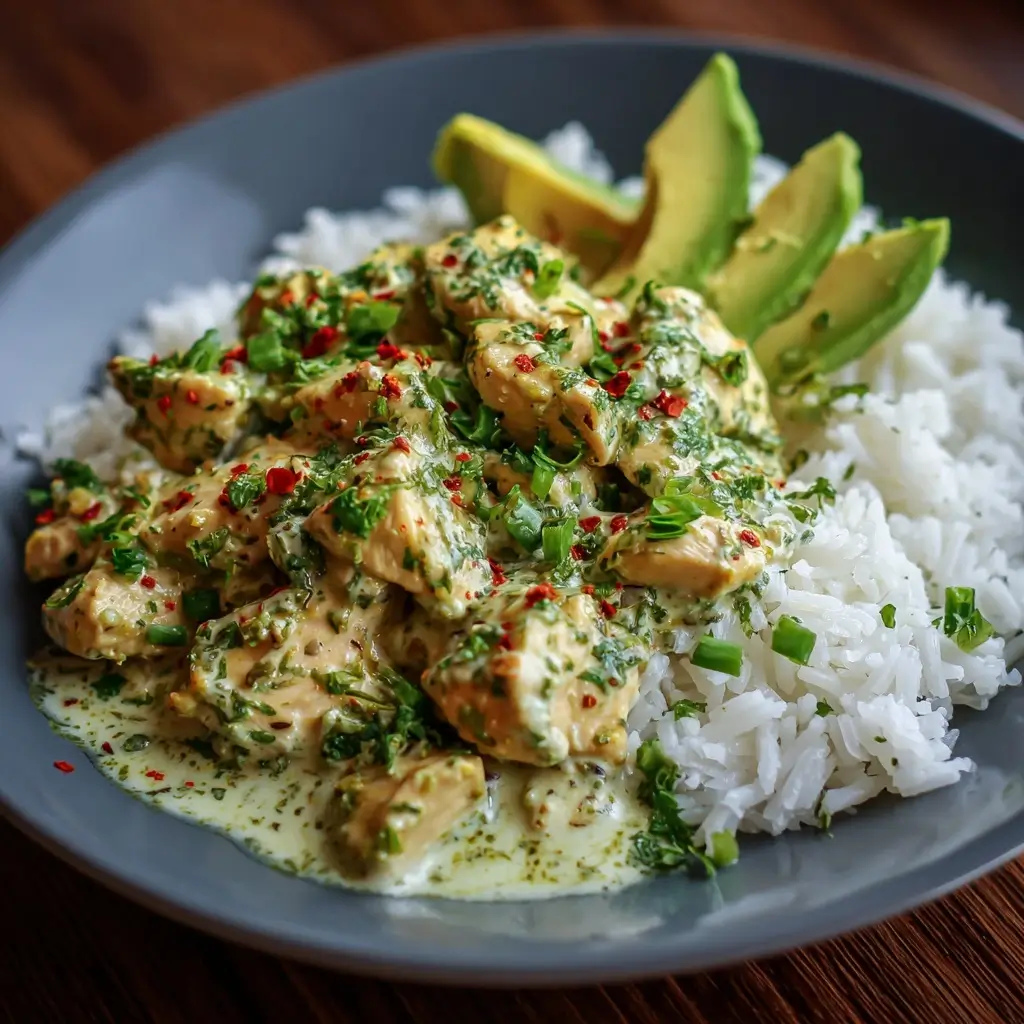
Creamy Avocado Chicken is a modern, nutrient-dense dish that seamlessly bridges the gap between indulgence and wellness. Born from the growing demand for quick, flavorful, and health-conscious meals, this recipe transforms humble pantry staples and fresh produce into a luxuriously smooth, vibrant, and satisfying main course. Unlike traditional creamy chicken dishes that rely heavily on dairy-based sauces—often laden with saturated fats and artificial thickeners—Creamy Avocado Chicken leverages the natural creaminess, healthy monounsaturated fats, and subtle nutty-sweet flavor of ripe avocados to create a velvety sauce that’s both rich and refreshingly light. It’s a dish equally at home on a weeknight dinner table, a packed lunchbox, a potluck spread, or even as an elegant appetizer served chilled on crostini. Its versatility, visual appeal (think vibrant green hues against golden-brown chicken), and clean-label profile make it a standout favorite among home cooks, meal-preppers, nutritionists, and food bloggers alike.
The History
While avocado-based sauces have ancient roots in Mesoamerican cuisine—most notably in pre-Columbian preparations using mashed avocado, chilies, and herbs—the fusion of avocado with cooked poultry is a relatively recent culinary evolution. The earliest documented references to avocado-chicken pairings appear in mid-20th-century California cookbooks, where chefs began experimenting with California-grown avocados alongside grilled or roasted chicken as part of the burgeoning “Californian Cuisine” movement—a philosophy emphasizing local, seasonal, and minimally processed ingredients. However, the *creamy* iteration—where avocado functions not just as a garnish or side but as the foundational sauce base for sautéed or shredded chicken—gained widespread traction only in the 2010s. This surge coincided with heightened public awareness of heart-healthy fats, the rise of gluten-free and dairy-free dietary lifestyles, and the viral popularity of “green goddess” and “avocado everything” trends on social media platforms like Pinterest and Instagram. Food scientists and culinary educators further validated the concept by highlighting avocado’s emulsifying properties (thanks to its natural lecithin content) and pH-stable texture when blended with acidic ingredients like lime juice—making it uniquely suited for cold or gently warmed applications without browning or separation. Today, Creamy Avocado Chicken exists in countless regional and cultural adaptations—from Tex-Mex-inspired versions with chipotle and cilantro to Mediterranean twists with lemon, oregano, and feta—and continues to evolve as a canvas for global flavors and functional nutrition.
Ingredients Breakdown
Understanding each component’s role elevates both the flavor and functionality of this dish:
- Chicken Breast or Thighs: Boneless, skinless chicken breast offers lean protein and a mild canvas, while thighs provide superior tenderness, juiciness, and richer flavor due to higher intramuscular fat—ideal for longer simmering or shredding. Both are excellent sources of niacin, selenium, and high-quality complete protein.
- Ripe Hass Avocados: The cornerstone of creaminess. Hass avocados are preferred for their thick, buttery flesh, higher oil content (up to 20% by weight), and deep green, almost purplish-black skin when perfectly ripe. Their natural oils emulsify seamlessly with citrus and aromatics, creating a stable, luscious texture. Unripe avocados lack sufficient oil and yield a stringy, bitter result; overripe ones may introduce off-flavors or excessive browning.
- Fresh Lime Juice: Critical for balancing richness and preventing enzymatic browning (polyphenol oxidase activity). Its acidity brightens the dish, enhances perception of salt, and helps preserve the avocado’s vibrant green hue for several hours. Bottled lime juice lacks volatile aromatic compounds and often contains preservatives that dull flavor.
- Garlic & Red Onion: Provide savory depth and aromatic complexity. Raw red onion adds a crisp, sweet-sharp bite, while minced garlic contributes pungent alliin-derived sulfur compounds that mellow beautifully when lightly sautéed with the chicken. For enhanced digestibility, consider roasting the garlic first.
- Fresh Cilantro: A signature herb offering citrusy, earthy, and slightly peppery notes. Its volatile oils (e.g., aldehyde decanals) contribute significantly to the dish’s freshness. Note: Genetic variation means ~4–14% of the population perceive cilantro as soapy—offer it as a garnish for customization.
- Extra-Virgin Olive Oil: Used both for cooking the chicken (high smoke point varieties) and finishing the sauce (cold-pressed, fruity EVOO). Rich in polyphenols like oleocanthal (a natural anti-inflammatory) and monounsaturated fats, it boosts bioavailability of fat-soluble nutrients in avocado (e.g., lutein, beta-carotene).
- Sea Salt & Freshly Ground Black Pepper: Not mere seasonings—they’re functional. Salt enhances cellular water retention in chicken during cooking, improving juiciness, while pepper’s piperine increases curcumin and other phytonutrient absorption.
- Optional Enhancers: Greek yogurt or coconut milk (for extra tang or dairy-free creaminess), jalapeño or serrano peppers (capsaicin for metabolism support), toasted cumin seeds (antioxidant-rich depth), or a splash of apple cider vinegar (for nuanced acidity).
Step-by-Step Recipe
- Prep the Chicken: Pat boneless, skinless chicken breasts or thighs completely dry with paper towels—this ensures proper searing and prevents steaming. Slice uniformly into ½-inch thick strips or cubes for even cooking. Season generously with sea salt and freshly ground black pepper.
- Sear to Perfection: Heat 1 tablespoon extra-virgin olive oil in a large nonstick or stainless-steel skillet over medium-high heat until shimmering (about 350°F). Add chicken in a single layer without overcrowding (work in batches if needed). Sear undisturbed for 3–4 minutes per side until deeply golden brown and cooked through (internal temperature 165°F). Transfer to a clean plate and let rest for 5 minutes to retain juices.
- Build the Aromatics: In the same skillet, reduce heat to medium. Add 1 tablespoon olive oil, 2 finely minced garlic cloves, and ¼ cup finely diced red onion. Sauté gently for 2–3 minutes until fragrant and translucent—but do not brown the garlic, as bitterness will develop.
- Combine & Cool: In a high-speed blender or food processor, combine 2 large, pitted, scooped Hass avocados (about 1 ½ cups flesh), the warm (not hot) sautéed garlic-onion mixture, juice of 2 large limes (approx. ¼ cup), ½ cup fresh cilantro leaves (stems removed), ½ teaspoon sea salt, and ¼ teaspoon freshly ground black pepper. Blend on low, then gradually increase to high for 45–60 seconds until completely smooth, scraping down sides as needed. For optimal texture, avoid overheating the blender motor—pulse if necessary.
- Integrate Gently: Transfer the creamy avocado mixture to a large mixing bowl. Using a silicone spatula, fold in the rested, warm (not piping hot) seared chicken pieces. Add optional mix-ins now: ¼ cup crumbled queso fresco, 1 finely minced jalapeño (seeds removed), or 2 tablespoons toasted pepitas. Fold just until evenly coated—overmixing can cause slight textural breakdown.
- Rest & Marinate: Cover tightly with plastic wrap pressed directly onto the surface to limit air exposure. Refrigerate for at least 30 minutes (ideal for flavor melding) or up to 4 hours. Do not freeze—the avocado’s water content will separate upon thawing.
- Final Garnish & Serve: Just before serving, stir gently and adjust seasoning. Top with additional lime wedges, extra cilantro, thinly sliced radishes, microgreens, or a drizzle of high-quality olive oil. Serve chilled or at cool room temperature.
Tips
- Selecting Perfect Avocados: Gently squeeze near the stem end—not the broad base. A ripe Hass yields slightly to gentle pressure, like a ripe peach. If it feels mushy or has deep indentations, it’s overripe. Avoid avocados with cracked skin or dark, sunken spots.
- Preventing Browning: Beyond lime juice, adding 1 teaspoon of finely grated red onion (its natural quercetin acts as an antioxidant) or a small pinch of ascorbic acid (vitamin C powder) significantly extends vibrant green color for up to 8 hours.
- Blending Temperature Matters: Never blend hot ingredients with avocado—it causes rapid oxidation and a grainy texture. Always let aromatics cool to below 90°F before blending. If short on time, chill the sautéed mixture in the freezer for 5 minutes.
- Texture Troubleshooting: If sauce is too thick, add lime juice 1 teaspoon at a time. If too thin, blend in 1 extra tablespoon of avocado flesh or 1 teaspoon of soaked chia seeds (for binding + omega-3s). Avoid water—it dilutes flavor and promotes separation.
- Make-Ahead Mastery: Prepare the avocado sauce base (without chicken) up to 1 day ahead—store under olive oil layer in an airtight container. Cook and cool chicken separately; combine no more than 2 hours before serving for best texture.
- Nonstick Skillet Secret: For flawless chicken sear, ensure your pan is properly preheated—flick a few drops of water; they should skitter and evaporate instantly. Then add oil and wait 10 seconds before adding chicken.
- Herb Substitutions: No cilantro? Try fresh basil (for Italian flair), mint (for Middle Eastern lift), or dill (for a bright, grassy note). Avoid dried herbs—they lack essential oils and taste dusty.
Variations and Customizations
- Tex-Mex Avocado Chicken: Stir in 1 teaspoon smoked paprika, ½ teaspoon ground cumin, 1 tablespoon pickled red onions, and 2 tablespoons crumbled cotija cheese. Serve in warm corn tortillas with pickled jalapeños.
- Mediterranean Avocado Chicken: Replace cilantro with 2 tablespoons chopped fresh dill and 1 tablespoon chopped flat-leaf parsley. Add ¼ cup halved Kalamata olives, 2 tablespoons crumbled feta, and a drizzle of lemon-infused olive oil.
- Asian-Inspired Avocado Chicken: Swap lime for yuzu or rice vinegar, omit cilantro, and add 1 tablespoon grated fresh ginger, 1 teaspoon tamari (gluten-free soy sauce), 1 teaspoon toasted sesame oil, and 1 tablespoon chopped scallions. Garnish with sesame seeds and nori strips.
- Smoky Chipotle Avocado Chicken: Blend in 1–2 canned chipotle peppers in adobo sauce (adjust for heat), ½ teaspoon ground coriander, and a pinch of cocoa powder for depth. Excellent as a taco filling or dip.
- Green Goddess Avocado Chicken: Add ¼ cup blanched spinach or kale (for extra nutrients and color), 1 tablespoon chopped chives, and 1 teaspoon tarragon vinegar. Ideal for salads or grain bowls.
- Dairy-Free “Ranch” Style: Mix in 2 tablespoons unsweetened almond milk, 1 teaspoon apple cider vinegar, ½ teaspoon onion powder, and ¼ teaspoon garlic powder for a creamy, herbed dip consistency.
- Breakfast Avocado Chicken Scramble: Fold warm, shredded Creamy Avocado Chicken into soft-scrambled eggs with cherry tomatoes and arugula—serve in avocado halves.
Health Considerations and Nutritional Value
A 1-cup (approx. 225g) serving of Creamy Avocado Chicken (made with 4 oz chicken breast, 1 large avocado, lime, olive oil, and aromatics) delivers approximately:
- Calories: 380–420 kcal
- Protein: 32–36 g (65–72% of Daily Value)—supports muscle synthesis, satiety, and metabolic function.
- Healthy Fats: 24–28 g total fat, of which 18–21 g are heart-healthy monounsaturated fats (primarily oleic acid), shown in clinical studies to improve LDL/HDL cholesterol ratios and reduce inflammation markers like CRP.
- Fiber: 8–10 g (32–40% DV)—from avocado and optional vegetables, promoting gut microbiome diversity and steady blood glucose response.
- Potassium: ~950 mg (27% DV)—critical for electrolyte balance, nerve transmission, and counteracting sodium-induced hypertension.
- Vitamins & Phytonutrients: Exceptionally rich in Vitamin K (45% DV—essential for bone and vascular health), Vitamin C (35% DV—immune support and collagen synthesis), folate (25% DV—DNA repair), lutein/zeaxanthin (eye-protective carotenoids), and glutathione precursors (supporting liver detoxification pathways).
Dietary Accommodations: Naturally gluten-free, dairy-free (if no yogurt added), low-carb/keto-friendly (net carbs ~6g/serving), and paleo-compliant. Easily adapted for Whole30 (omit honey or maple syrup if used in variations). For low-FODMAP diets, reduce garlic/onion and use garlic-infused oil instead. Those with avocado allergy (rare but possible, often linked to latex-fruit syndrome) should avoid entirely. Individuals on blood-thinning medication (e.g., warfarin) should monitor consistent vitamin K intake—consult a dietitian for personalized guidance.
Ingredients
- 1.5 lbs boneless, skinless chicken breasts or thighs
- 2 large ripe Hass avocados (about 1 ½ cups flesh)
- ¼ cup fresh lime juice (2–3 large limes)
- 2 tablespoons extra-virgin olive oil, divided
- 2 cloves garlic, finely minced
- ¼ cup finely diced red onion
- ½ cup fresh cilantro leaves, stems removed
- 1 teaspoon fine sea salt (plus more to taste)
- ½ teaspoon freshly ground black pepper
- Lime wedges, extra cilantro, radish slices, and olive oil for garnish
Directions
- Pat chicken dry thoroughly with paper towels. Cut into uniform ½-inch strips or cubes. Season generously with salt and pepper.
- Heat 1 tablespoon olive oil in a large skillet over medium-high heat until shimmering. Add chicken in a single layer; sear 3–4 minutes per side until golden and internal temperature reaches 165°F. Transfer to a plate; rest 5 minutes.
- Reduce heat to medium. Add remaining 1 tablespoon olive oil, garlic, and red onion to the same skillet. Sauté 2–3 minutes until soft and fragrant (do not brown).
- In a high-speed blender, combine avocado flesh, warm garlic-onion mixture, lime juice, cilantro, salt, and pepper. Blend on low, then high for 45–60 seconds until ultra-smooth.
- In a large bowl, gently fold warm chicken into avocado mixture. Add any optional mix-ins (e.g., jalapeño, cheese, seeds).
- Cover surface directly with plastic wrap. Refrigerate 30 minutes to 4 hours.
- Stir gently before serving. Garnish lavishly and enjoy chilled or cool-room temperature.
FAQ
- Can I use frozen chicken?
- Yes—but thaw completely in the refrigerator overnight and pat *extremely* dry before cooking. Frozen chicken releases excess moisture, hindering proper sear and diluting the sauce.
- Why does my avocado sauce turn brown so quickly?
- Browning is caused by oxidation of polyphenols. Ensure lime juice is freshly squeezed (not bottled), blend at cool temperatures, press plastic wrap directly on the surface, and consider adding 1 tsp grated red onion or a pinch of vitamin C powder for extended freshness.
- Can I make this ahead for meal prep?
- Absolutely. The sauce base (avocado + aromatics) holds well for 24 hours refrigerated under oil. Cook and cool chicken separately; combine no more than 2 hours before eating to preserve ideal texture and color.
- What if I don’t have a high-speed blender?
- A food processor works well—pulse until smooth, scraping sides frequently. For a rustic texture, mash avocado with a fork and whisk in other ingredients by hand. Avoid immersion blenders unless very high-powered—they often leave fibrous bits.
- Is there a vegetarian version?
- Yes! Replace chicken with 1.5 cups cooked chickpeas (tossed in smoked paprika and roasted), 1 cup marinated tofu cubes, or 2 cups roasted cauliflower florets. Adjust lime and salt to taste.
- Can I freeze Creamy Avocado Chicken?
- Not recommended. Freezing causes avocado’s water and oil to separate irreversibly, resulting in a watery, grainy, unappetizing texture upon thawing—even with stabilizers.
- How do I fix a sauce that’s too spicy?
- Add 1–2 tablespoons plain full-fat Greek yogurt or a splash of coconut milk to mellow heat. A pinch of sugar or honey also balances capsaicin burn, but avoid if following strict keto or low-sugar protocols.
Summary
Creamy Avocado Chicken is a nutritionally sophisticated, globally inspired dish that celebrates the creamy richness of ripe avocados, the lean protein of perfectly seared poultry, and the bright, aromatic complexity of fresh herbs and citrus—crafted for both culinary delight and holistic wellness. With endless customization potential, make-ahead ease, and science-backed health benefits, it’s far more than a trend—it’s a timeless, adaptable cornerstone of modern mindful eating.