Introduction
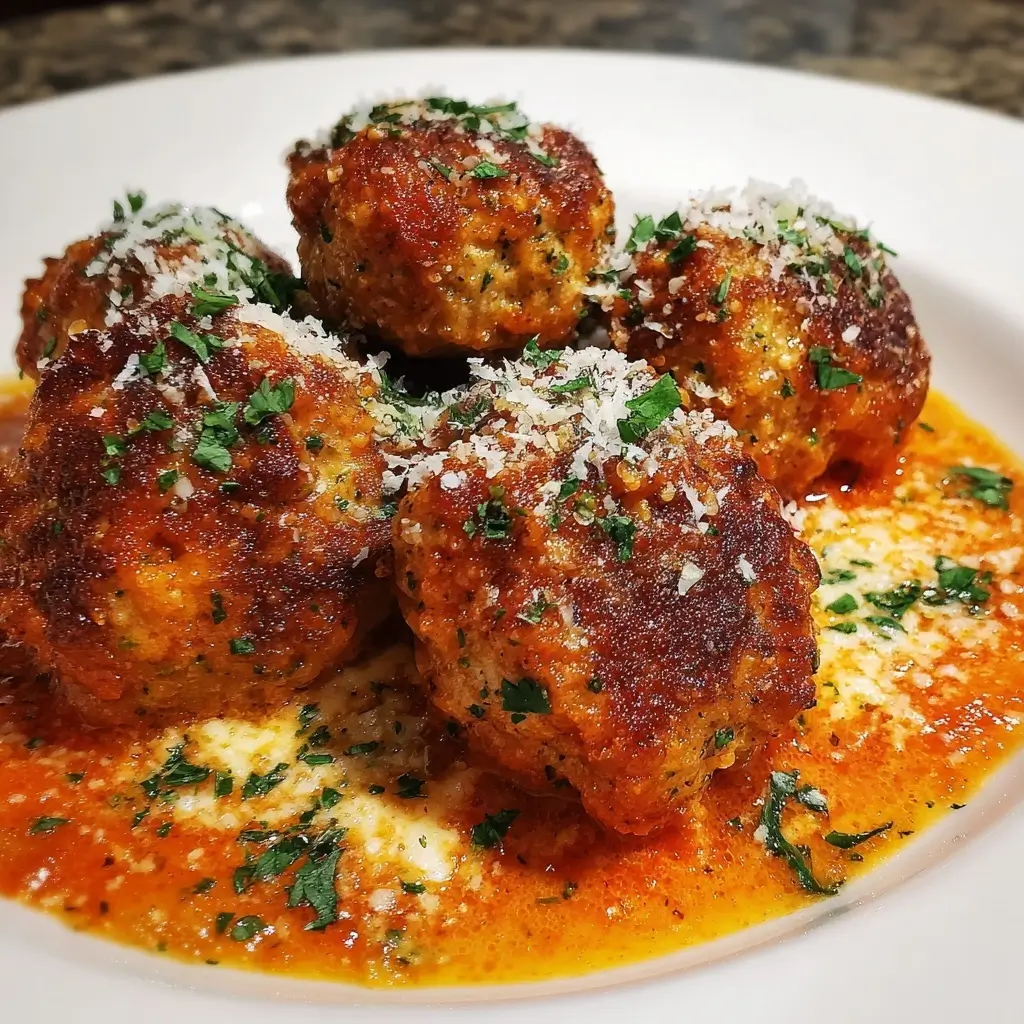
Chicken Parmesan Meatballs are a beloved modern twist on two Italian-American classics: traditional meatballs and Chicken Parmesan. Combining the tender juiciness of ground chicken with the bold, savory flavors of garlic, herbs, Parmesan cheese, marinara sauce, and melted mozzarella, these bite-sized delights deliver restaurant-quality taste with the convenience of easy prep and versatile serving options. Whether baked, air-fried, or pan-seared—and served over pasta, tucked into subs, skewered as appetizers, or enjoyed solo—they bridge comfort food tradition with lighter, protein-forward appeal. Their growing popularity reflects a broader culinary shift toward leaner proteins without sacrificing richness, depth, or nostalgic satisfaction.
The History
While no single documented origin exists for Chicken Parmesan Meatballs, their emergence is deeply rooted in the evolution of Italian-American cuisine throughout the 20th and early 21st centuries. Traditional Italian polpette—meatballs made from beef, pork, or veal—were adapted by immigrants in the United States to reflect local ingredients, budget constraints, and changing dietary preferences. By the mid-1900s, “Chicken Parmesan” itself emerged as a stateside innovation—inspired by southern Italian eggplant-based dishes like melanzane alla parmigiana, but substituting breaded and fried chicken cutlets layered with tomato sauce and cheese. As home cooks sought healthier alternatives in the 1980s–1990s, ground chicken gained traction as a lean substitute for red meat, leading to creative hybrids. Food blogs, cooking shows, and social media accelerated the fusion: chefs and home cooks began binding seasoned ground chicken with ricotta, Parmesan, and herbs, then baking or frying the mixture into meatballs before finishing them under broiler-melted mozzarella and simmering them in robust marinara—thus birthing the Chicken Parmesan Meatball as we know it today. It’s not found in nonna’s 1940s recipe box—but it *feels* like it should be.
Ingredients Breakdown
Every exceptional Chicken Parmesan Meatball relies on a thoughtful balance of texture, moisture, umami, and aromatic depth. Below is an in-depth analysis of each core component and its functional role:
- Ground Chicken (1 lb, 93% lean / 7% fat): Provides a mild, tender base. A small amount of fat is essential for moisture and binding; ultra-lean (99%) chicken can yield dry, crumbly meatballs. Dark meat or a blend of breast and thigh offers superior flavor and succulence.
- Freshly Grated Parmesan Cheese (½ cup): Adds intense umami, saltiness, and granular structure that helps bind while contributing nutty complexity. Pre-grated versions contain anti-caking agents (e.g., cellulose) that impede melting and compromise texture—always grate fresh.
- Ricotta Cheese (¼ cup, whole-milk preferred): Acts as a moisture-retaining “glue,” lending creaminess and subtle sweetness. Whole-milk ricotta provides optimal fat content for tenderness; low-fat versions may curdle or separate during cooking.
- Breadcrumbs (½ cup): Serves dual purposes: absorbs excess moisture and provides gentle structure. Plain, unseasoned, dry breadcrumbs work best. Panko yields a lighter, airier crumb; Italian-style adds herbs but may overpower subtler notes. Soaked in milk (½ tbsp) for 2 minutes creates a panade—further enhancing tenderness.
- Fresh Garlic (2 large cloves, finely minced or pressed): Delivers pungent, aromatic heat that permeates the entire meatball. Raw garlic mellows beautifully during baking and complements tomato acidity.
- Fresh Basil & Parsley (2 tbsp each, finely chopped): Fresh herbs—not dried—are non-negotiable for brightness and authenticity. Basil contributes sweet-anise notes; parsley adds clean, grassy freshness. Dried versions lack volatile oils and result in muted, dusty flavor.
- Egg (1 large, room temperature): Functions as the primary binder. Cold eggs can cause uneven mixing and temperature shock during cooking; room-temp ensures smooth integration and stable emulsion.
- Extra-Virgin Olive Oil (1 tbsp): Enriches mouthfeel and carries fat-soluble flavor compounds. Use a mild, fruity EVOO—not robust or peppery—to avoid clashing with delicate chicken and herbs.
- Sea Salt & Freshly Ground Black Pepper (to taste): Salt enhances all other flavors and aids protein solubilization for better binding. Always season in layers: lightly in the mix, then adjust final seasoning after tasting a cooked tester.
- Marinara Sauce (3–4 cups, high-quality, low-sugar): Should be rich, balanced, and herb-forward—not overly sweet or acidic. San Marzano-based sauces offer ideal depth. Simmered homemade sauce allows full flavor control; reputable jarred brands (e.g., Rao’s, Victoria, Mama Mia) save time without sacrifice.
- Fresh Mozzarella (8 oz, low-moisture, shredded or torn into ½-inch pieces): Melts smoothly, stretches luxuriously, and browns beautifully under the broiler. Avoid pre-shredded “pizza cheese” blends containing anti-caking starches—they resist melting and create greasy pools.
- Optional Flavor Enhancers: 1 tsp red pepper flakes (for gentle heat), 1 tbsp grated lemon zest (for brightness), 1 tsp fennel pollen (for subtle salami-like nuance), or 2 tbsp finely grated pecorino romano (for sharper saltiness).
Step-by-Step Recipe
- Prep & Chill Ingredients: Remove chicken from refrigerator 15 minutes before use. Measure and prep all ingredients: grate cheeses, mince garlic, chop herbs, whisk egg, and portion marinara. Chilling the bowl and hands slightly before mixing prevents fat smearing and overworking.
- Make the Panade (Optional but Recommended): In a small bowl, combine breadcrumbs and milk. Let sit 2 minutes until fully absorbed and creamy. This step dramatically improves tenderness and prevents density.
- Combine Dry & Wet Components Separately: In a large mixing bowl, whisk together breadcrumbs (panade), Parmesan, herbs, garlic, salt, and pepper. In a separate bowl, whisk egg, ricotta, olive oil, and optional zest or spices until homogenous.
- Gently Mix the Meat Mixture: Add ground chicken to the dry mixture. Pour wet mixture over top. Using clean hands or a silicone spatula, fold *just until combined*—no more than 45–60 seconds. Overmixing develops myosin, resulting in rubbery, tough meatballs. The mixture should look shaggy and slightly loose—not smooth or pasty.
- Test for Seasoning & Texture: Heat a small nonstick skillet over medium heat. Scoop 1 tsp of mixture, flatten, and cook 1–2 minutes per side until cooked through. Taste and adjust salt, herbs, or acidity (a splash of balsamic or lemon juice can balance richness). If too wet, add 1 tsp more breadcrumbs; if too dry, add ½ tsp olive oil or ricotta.
- Portion & Shape: Use a 1.5-tablespoon cookie scoop or measuring spoon for uniform 1.25-inch meatballs (~24 total). Roll gently between palms—do not compact. Place on a parchment-lined baking sheet spaced 1 inch apart. Refrigerate uncovered for 20 minutes to firm up; this prevents spreading during cooking.
- Preheat & Prep Baking Sheet: Position oven rack in upper third. Preheat oven to 400°F (200°C). Line a second baking sheet with parchment and lightly coat with olive oil or nonstick spray for post-bake saucing.
- Bake Until Set & Lightly Golden: Arrange chilled meatballs on prepared sheet. Bake 18–22 minutes, rotating pan halfway, until exterior is lightly golden and internal temperature reaches 165°F (74°C) when tested with an instant-read thermometer inserted into center of a meatball.
- Simmer in Marinara: While meatballs bake, warm marinara in a wide, shallow Dutch oven or deep skillet over medium-low heat. Gently add baked meatballs using a slotted spoon, submerging about ¾ of the way. Simmer uncovered 12–15 minutes, turning gently every 4 minutes with a silicone spoon, until sauce thickens slightly and coats meatballs. Avoid vigorous stirring to prevent breakage.
- Add Mozzarella & Broil: Transfer meatballs and sauce to the oiled baking sheet, arranging in a single layer. Sprinkle evenly with mozzarella. Broil on high (6 inches from element) for 2–3 minutes—watch closely—until cheese is bubbling, golden, and lightly speckled. Optional: sprinkle with fresh basil or parsley immediately after broiling.
- Rest & Serve: Let rest 5 minutes before serving. Resting allows juices to redistribute and cheese to set slightly—preventing sliding off when plated. Garnish with extra grated Parmesan and a drizzle of high-quality EVOO.
Tips
- Chill Everything: Cold ingredients + cold hands = less fat smearing and tighter texture. Chill mixing bowl, utensils, and even the ground chicken for 10 minutes before starting.
- Don’t Skip the Panade: That 2-minute breadcrumb-and-milk soak makes the difference between tender, juicy meatballs and dense, dry ones. It hydrates gluten gently and prevents shrinkage.
- Use a Scale for Consistency: For perfect uniformity (critical for even cooking), weigh meatballs at 1.3 oz (37g) each. This also helps with meal prep portioning.
- Low-and-Slow Simmering: Never boil the marinara after adding meatballs. A gentle simmer preserves texture and prevents disintegration. If sauce reduces too much, stir in 2–3 tbsp reserved pasta water or low-sodium chicken broth.
- Broiling Safety: Keep oven door slightly ajar with a wooden spoon when broiling to monitor closely—mozzarella goes from golden to burnt in under 30 seconds.
- Freeze Smart: Freeze unbaked meatballs on a parchment-lined tray (flash-freeze 2 hours), then transfer to labeled freezer bags. Cook from frozen: add 5–7 minutes to bake time. Fully cooked meatballs freeze well for up to 3 months—reheat in sauce to retain moisture.
- Prevent Sticking: When shaping, lightly dampen hands with cold water or olive oil—not flour or cornstarch, which can create a gummy surface.
- Acidity Balance: If your marinara tastes flat, stir in ½ tsp balsamic vinegar or 1 tsp lemon juice *after* simmering meatballs—it brightens without overwhelming.
- Herb Timing Matters: Stir delicate fresh herbs (basil, parsley) into the meat mixture *and* reserve half for garnish. Add hardy herbs like oregano or thyme to the marinara while warming.
- Thermometer Is Truth: Visual cues (golden brown, firm to touch) aren’t reliable for ground chicken. An instant-read thermometer is essential—165°F (74°C) is the only safe and accurate target.
Variations and Customizations
Chicken Parmesan Meatballs are a remarkably adaptable canvas. Here’s how to tailor them for dietary needs, global flair, or seasonal inspiration:
- Gluten-Free: Substitute certified GF panko or almond flour (¼ cup) for breadcrumbs. Ensure marinara and grated cheeses are GF-certified (some Parmesan contains wheat-based anti-caking agents).
- Keto/Low-Carb: Replace breadcrumbs with 3 tbsp crushed pork rinds + 1 tbsp flaxseed meal. Use full-fat ricotta and skip sugar-added marinara. Serve over zucchini noodles or roasted cauliflower “rice.”
- Dairy-Free: Swap ricotta for unsweetened cashew ricotta (soaked cashews + lemon + nutritional yeast); use vegan mozzarella shreds (Miyoko’s or Daiya) and omit Parmesan or use nutritional yeast (3 tbsp). Choose olive oil-based marinara with no cheese powder.
- Spicy Arrabbiata Style: Add 1 tsp crushed Calabrian chiles or ½ tsp chipotle powder to meat mixture. Use arrabbiata sauce and top with pickled cherry peppers before broiling.
- Lemon-Herb Mediterranean: Add 1 tbsp lemon zest + 1 tsp dried oregano to meat mixture. Substitute feta crumbles for half the mozzarella and finish with kalamata olives and fresh dill.
- Asian-Inspired Umami Bomb: Replace basil/parsley with 1 tbsp finely grated ginger + 2 scallions + 1 tsp toasted sesame oil. Use tamari-based “marinara” (blended tomatoes, tamari, rice vinegar, garlic, ginger, hoisin). Top with scallions and sesame seeds.
- Smoky Chipotle: Add 1 tsp chipotle purée + ½ tsp smoked paprika to meat mixture. Use chipotle-tomato sauce and top with crumbled cotija and avocado crema.
- Stuffed Surprise: Press a small cube of fresh mozzarella (½ tsp) or sun-dried tomato into center of each raw meatball before shaping—creates a molten, flavorful core.
- Meal-Prep Power Bowls: Bake meatballs plain (no sauce/cheese), then portion with quinoa, roasted vegetables, and warmed marinara on the side. Reheat components separately to preserve texture.
- Appetizer Skewers: Make mini meatballs (¾ inch), bake, simmer briefly in reduced marinara, then thread onto rosemary or bamboo skewers. Top with micro basil and a drizzle of balsamic glaze.
Health Considerations and Nutritional Value
Chicken Parmesan Meatballs can be a nutritionally intelligent choice—when thoughtfully composed and portioned. A standard serving (3 meatballs + ½ cup marinara + 1 oz mozzarella) provides approximately:
- Calories: 380–420 kcal
- Protein: 32–36g (excellent source; supports muscle maintenance and satiety)
- Fat: 18–22g (mostly unsaturated from olive oil, chicken, and cheese; ~7g saturated)
- Carbohydrates: 12–16g (primarily from tomatoes, herbs, and minimal breadcrumbs; fiber ~2g)
- Sodium: 680–850mg (varies widely by marinara brand—opt for <600mg/serving labels)
- Vitamins & Minerals: Rich in selenium (immune support), vitamin B6 (metabolism), calcium (bone health), lycopene (antioxidant from tomatoes), and probiotics (if using fermented ricotta or live-culture marinara).
Key Health Notes:
- Lean Protein Advantage: Chicken breast is lower in saturated fat than traditional beef-pork meatballs—supporting heart health when consumed regularly as part of a balanced diet.
- Antioxidant-Rich Sauce: Tomatoes provide lycopene, enhanced by olive oil’s fats for optimal absorption. Cooking increases lycopene bioavailability by up to 35%.
- Calcium & Probiotics: Ricotta and mozzarella contribute calcium; some artisanal ricottas contain live cultures beneficial for gut microbiota.
- Watch the Sodium: Jarred marinara can contain >800mg sodium per cup. Choose “No Salt Added” or make your own with canned San Marzano tomatoes, garlic, onion, olive oil, and fresh herbs.
- Portion Awareness: While nutrient-dense, cheese and olive oil contribute significant calories. Stick to 3–4 meatballs per main dish serving to maintain calorie balance.
- Allergen Considerations: Naturally gluten-free if breadcrumbs are omitted or substituted; contains dairy (casein) and egg. Not suitable for strict vegans or those with egg allergy (substitute flax “egg”: 1 tbsp ground flax + 2.5 tbsp water, rested 5 min).
- Pregnancy & Immune Considerations: Ensure chicken reaches 165°F internally. Avoid raw sprouts or unpasteurized cheeses unless clearly labeled safe.
Ingredients
- 1 pound (450g) ground chicken (93% lean, preferably thigh or blend)
- ½ cup (50g) freshly grated Parmesan cheese (not pre-grated)
- ¼ cup (60g) whole-milk ricotta cheese
- ½ cup (30g) plain dry breadcrumbs (or GF panko)
- ½ tablespoon (7ml) whole milk (for panade)
- 2 large cloves garlic, finely minced or pressed
- 2 tablespoons fresh basil leaves, finely chopped
- 2 tablespoons fresh flat-leaf parsley, finely chopped
- 1 large egg, room temperature
- 1 tablespoon (15ml) extra-virgin olive oil
- 1 teaspoon fine sea salt (plus more to taste)
- ½ teaspoon freshly ground black pepper
- 3–4 cups (720–960ml) high-quality marinara sauce (low-sugar, no added preservatives)
- 8 ounces (225g) low-moisture mozzarella cheese, shredded or torn into ½-inch pieces
- Optional garnishes: extra grated Parmesan, fresh basil or parsley, drizzle of EVOO, red pepper flakes
Directions
- Prepare panade: In a small bowl, combine breadcrumbs and milk. Let stand 2 minutes until fully absorbed.
- In a large bowl, whisk together Parmesan, herbs, garlic, salt, and pepper. In a separate bowl, whisk egg, ricotta, and olive oil until smooth.
- Add ground chicken to dry mixture. Pour wet mixture over top. Using clean hands, gently fold just until combined—about 45 seconds. Do not overmix.
- Test seasoning: Cook 1 tsp mixture in a skillet. Adjust salt or herbs as needed.
- Using a 1.5-tbsp scoop, portion mixture and gently roll into 1.25-inch balls (≈24). Place on parchment-lined baking sheet. Refrigerate uncovered 20 minutes.
- Preheat oven to 400°F (200°C). Line second baking sheet with parchment; lightly coat with olive oil.
- Bake chilled meatballs 18–22 minutes, until golden and internal temp reaches 165°F (74°C).
- Warm marinara in Dutch oven over medium-low heat. Gently add baked meatballs. Simmer uncovered 12–15 minutes, turning gently every 4 minutes.
- Transfer meatballs and sauce to oiled baking sheet. Top evenly with mozzarella.
- Broil on high (6 inches from element) 2–3 minutes until cheese is bubbly and golden-speckled.
- Rest 5 minutes. Garnish and serve hot.
FAQ
- Can I make these ahead of time?
- Absolutely. Unbaked meatballs freeze beautifully for up to 3 months. Baked (unsauced) meatballs keep refrigerated for 4 days or frozen for 2 months. Fully assembled (sauced + cheesed) meatballs reheat best in sauce on stove or covered in oven at 325°F for 15–20 minutes.
- Why did my meatballs fall apart?
- Most commonly due to overmixing (which tightens proteins), insufficient binder (too little egg/ricotta/panade), or using ultra-lean chicken without added fat. Also ensure you’re not stirring vigorously while simmering—gentle turns only.
- Can I air-fry instead of bake?
- Yes! Air-fry at 375°F (190°C) for 12–14 minutes, shaking basket halfway, until golden and 165°F internally. Then proceed with simmering and broiling steps.
- What’s the best marinara to use?
- Look for brands with simple ingredients: tomatoes, olive oil, garlic, onions, herbs, salt—no added sugar, citric acid, or “natural flavors.” Rao’s Homemade, Victoria, or Muir Glen Organic are consistently excellent. For full control, make your own with San Marzano tomatoes, slow-simmered 45 minutes with aromatics.
- Can I use ground turkey instead?
- Yes—but choose 93% lean dark-meat turkey for best moisture and flavor. Avoid 99% lean white-meat turkey, which dries out easily. Add 1 tsp olive oil to the mix for insurance.
- How do I reheat leftovers without drying them out?
- Never microwave alone. Instead, gently simmer in extra marinara on stove over low heat for 8–10 minutes, covered. Or bake covered at 325°F for 18 minutes. Always add 2 tbsp liquid (broth or pasta water) before reheating.
- Are these kid-friendly?
- Extremely—mild flavor, soft texture, fun size, and customizable spice level. Many parents report success hiding spinach purée (2 tbsp) or grated carrots (¼ cup) in the mixture for added nutrients.
- Can I grill these?
- Yes—with caution. Skewer 2–3 meatballs per soaked bamboo skewer. Grill over medium indirect heat 8–10 minutes, turning often, until 165°F. Finish with sauce and cheese under a foil tent with a hot charcoal briquette on top for “broiling.”
- What wine pairs well?
- A vibrant, medium-bodied red like Chianti Classico or Barbera d’Alba cuts through richness and complements tomato acidity. For white lovers, try a crisp Vermentino or unoaked Pinot Grigio.
- Can I make them vegetarian?
- Not authentically “chicken” — but a delicious plant-based version uses blended chickpeas, walnuts, nutritional yeast, and umami-rich mushrooms. Search our site for “Vegetarian Parmesan “Meatballs” for the full recipe.
Summary
Chicken Parmesan Meatballs masterfully unite lean protein, artisanal cheese, garden-fresh herbs, and slow-simmered tomato sauce into a tender, flavorful, and endlessly adaptable dish—ideal for weeknight dinners, entertaining, meal prep, or creative culinary experimentation. With mindful ingredient selection, precise technique, and smart customization, they deliver comforting nostalgia, robust nutrition, and restaurant-worthy results—all from your own kitchen.