Introduction
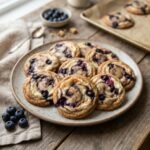
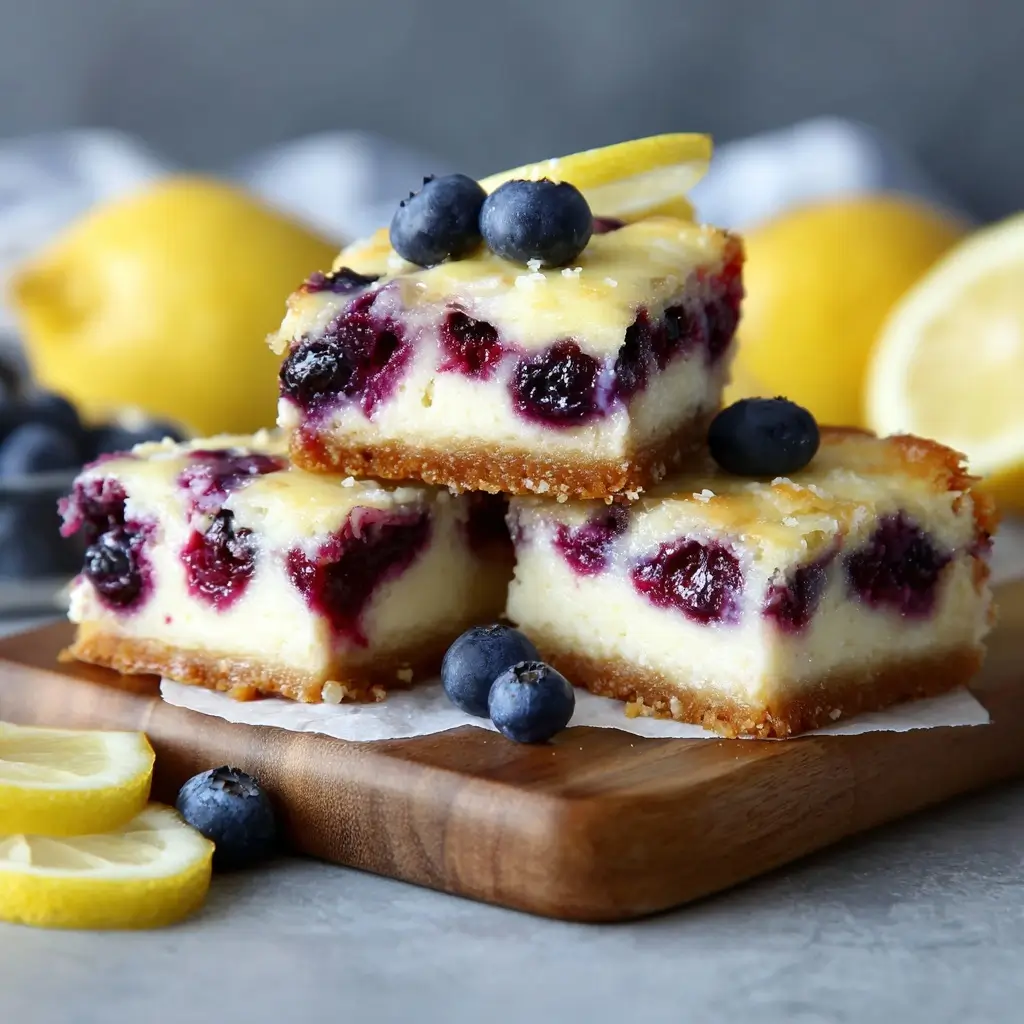
Indulge in the perfect harmony of tangy, sweet, and creamy with these irresistibly vibrant Lemon Blueberry Cheesecake Bars — a showstopping dessert that marries the bright zing of fresh lemon with the juicy burst of plump blueberries, all nestled atop a buttery shortbread crust and enrobed in a luxuriously smooth, velvety cheesecake layer. Designed for both novice bakers and seasoned dessert enthusiasts, these bars deliver restaurant-quality elegance with home-kitchen simplicity — no water bath required, no complicated techniques, just foolproof structure, stunning visual appeal, and unforgettable flavor in every square. Whether you’re prepping for a summer picnic, elevating a holiday dessert table, or simply treating yourself to a moment of pure culinary joy, these bars promise balance, texture, and depth in every bite — tart without sharpness, sweet without cloying, rich without heaviness, and refreshingly light despite their decadent profile.
The History
The evolution of Lemon Blueberry Cheesecake Bars is a delicious convergence of American baking traditions and seasonal ingredient innovation. While classic New York–style cheesecake traces its roots to ancient Greece (via Roman adaptations and later European refinements), the modern bar format emerged in mid-20th-century America — a practical response to postwar kitchen efficiency, suburban entertaining culture, and the rise of packaged graham cracker crusts and stabilized dairy products. Lemon’s prominence in American desserts surged alongside citrus cultivation in Florida and California, while wild and cultivated blueberries — native to North America and celebrated as a national superfood since the 1930s — became pantry staples thanks to USDA promotion and frozen fruit accessibility. The first documented fusion of lemon, blueberries, and cream cheese in bar form appeared in regional community cookbooks of the 1970s and 1980s, often labeled “Summer Berry Swirl Bars” or “Citrus-Berry Delight Squares.” By the early 2000s, food bloggers and glossy magazines began refining the technique — emphasizing strained lemon curd layers, fresh blueberry compote swirls, and stabilizers like cornstarch and sour cream to prevent cracking and weeping. Today, Lemon Blueberry Cheesecake Bars stand as a beloved hallmark of modern American baking: a testament to regional pride (blueberries from Maine, lemons from California), nutritional awareness (fruit-forward indulgence), and the enduring cultural desire for shareable, sliceable, photogenic desserts that taste as extraordinary as they look.
Ingredients Breakdown
Every element in this recipe serves a precise functional and sensory purpose — no ingredient is arbitrary. Here’s an in-depth breakdown of *why* each component matters:
- Unsalted Butter (1 cup / 2 sticks, cold & cubed for crust; softened for filling): Provides flakiness and richness in the shortbread base while lending emulsification power and mouthfeel to the cheesecake layer. Using unsalted butter ensures full control over sodium levels and avoids off-flavors from aged salt.
- All-Purpose Flour (1¼ cups for crust): Supplies gluten for structural integrity in the crust — enough to hold together when sliced, but not so much that it becomes tough or doughy. Pastry flour may be substituted for extra tenderness; bread flour is discouraged due to excessive chew.
- Granulated Sugar (⅔ cup for crust; ¾ cup for filling): Sweetens and aids browning (Maillard reaction) in the crust, while in the filling it lowers the freezing point for smoother texture, enhances protein coagulation, and balances acidity. Turbinado or raw sugar is not recommended here — coarse crystals don’t dissolve fully and can yield gritty bars.
- Salt (¼ tsp for crust; ¼ tsp for filling): A critical flavor amplifier — it suppresses bitterness, heightens sweetness perception, and deepens overall complexity. Kosher salt is preferred for even distribution and neutral pH.
- Cream Cheese (24 oz / three 8-oz blocks, full-fat, room temperature): The foundational fat-and-protein matrix of the cheesecake layer. Full-fat ensures proper viscosity, heat stability, and luxurious melt-in-the-mouth texture. Low-fat or whipped varieties contain stabilizers and excess moisture that cause separation, cracking, and graininess.
- Sour Cream (½ cup, full-fat, room temperature): Adds lactic tang, moisture, and acidity to tenderize proteins — resulting in a more delicate, cloud-like crumb and improved freeze-thaw stability. It also contributes to a subtle sheen and prevents over-browning.
- Heavy Cream (¼ cup, cold): Introduces additional dairy fat and minimal water content to enrich mouthfeel without thinning batter; cold temperature helps slow protein coagulation during baking for even set.
- Large Eggs (3, room temperature): Act as primary binders and leaveners — their proteins coagulate gradually to create structure, while yolks contribute emulsifying lecithin and golden hue. Room temperature ensures uniform incorporation and avoids curdling when mixed with warm cream cheese.
- Fresh Lemon Zest (from 2 large lemons, finely grated): Contains aromatic citrus oils (limonene, citral) concentrated in the yellow peel — responsible for >90% of lemon’s fragrance and top-note brightness. Avoid white pith, which is intensely bitter.
- Fresh Lemon Juice (¼ cup + 1 tbsp, freshly squeezed): Provides clean, vibrant acidity that cuts through fat and balances sweetness. Bottled juice lacks volatile esters and contains preservatives that mute flavor and destabilize proteins.
- Vanilla Extract (1½ tsp, pure, not imitation): Enhances floral and creamy notes, rounds out sharp citrus edges, and adds warmth. Mexican or Tahitian vanilla offers nuanced berry-like undertones that complement blueberries beautifully.
- Cornstarch (1½ tbsp): A gentle, heat-activated thickener that reinforces the protein network, minimizes surface cracks, prevents weeping (syneresis), and yields a more resilient, sliceable texture — especially vital in high-moisture fruit-swirled applications.
- Fresh Blueberries (1½ cups, washed, dried thoroughly): Provide bursts of juicy sweetness, natural pectin (which helps stabilize surrounding batter), anthocyanin pigments (for stunning violet swirls), and textural contrast. Frozen berries may be used *only if unthawed and tossed in 1 tsp cornstarch* to absorb ice crystals — thawed berries bleed excessively and discolor batter.
- Optional Garnishes: Lemon slices, edible flowers (violas, pansies), powdered sugar stencils, blueberry coulis drizzle, toasted coconut flakes, or candied lemon peel — all added *after chilling* to preserve freshness and visual impact.
Step-by-Step Recipe
- Prep & Preheat: Position oven rack in center position. Line a 9×13-inch metal baking pan with two overlapping sheets of parchment paper, leaving 2-inch overhang on all sides for easy lifting. Lightly grease exposed pan edges and parchment corners. Preheat oven to 325°F (163°C) — *this lower temperature is non-negotiable for even baking, minimal browning, and crack prevention*.
- Make the Shortbread Crust: In a food processor, pulse 1¼ cups flour, ⅔ cup granulated sugar, ¼ tsp salt, and ½ cup cold, cubed unsalted butter until mixture resembles coarse crumbs with pea-sized butter bits visible (~12 pulses). Transfer to a medium bowl; stir in remaining ½ cup cold, cubed butter by hand using fingertips until mixture looks like damp sand and holds together when pinched. Press evenly into prepared pan using the bottom of a flat measuring cup or glass — apply firm, downward pressure to eliminate air pockets and ensure uniform thickness (approx. ¼ inch). Chill crust uncovered in freezer for 15 minutes (or refrigerator for 30 minutes) — this solidifies butter to prevent shrinkage and bubbling during blind bake.
- Bake the Crust: Bake chilled crust at 325°F for 18–22 minutes, rotating pan halfway, until lightly golden at edges and matte (not shiny) across surface. Remove from oven and let cool completely on a wire rack — *do not skip cooling; hot crust causes filling to melt and slide*. While cooling, reduce oven temp to 300°F (149°C) — the lower bake temp for the filling ensures ultra-slow, gentle coagulation.
- Prepare Cheesecake Filling: Using a stand mixer fitted with paddle attachment (or hand mixer + large bowl), beat room-temperature cream cheese on medium speed for 2 minutes until completely smooth and glossy — scraping bowl and paddle thoroughly. Add softened butter (¼ cup); beat 1 minute until homogenous. Gradually add ¾ cup sugar and ¼ tsp salt; beat 2 minutes until pale and airy. Scrape down. Add sour cream and heavy cream; beat 1 minute until incorporated. Add eggs one at a time, beating on low just until yolk disappears (≈15 seconds per egg) — *overmixing introduces air bubbles that expand and collapse, causing cracks*. Stir in lemon zest, lemon juice, vanilla, and cornstarch by hand with silicone spatula until *just* combined — no streaks, no overfolding.
- Layer & Swirl: Pour filling over cooled crust and spread gently with offset spatula to level. Scatter 1½ cups *thoroughly dried* fresh blueberries evenly over surface. Using a toothpick or skewer, gently drag through berries in figure-eight or concentric circle patterns — *do not over-swirl*; aim for visible ribbons and clusters, not uniform marbling. Over-swirling breaks down berries and turns batter purple-gray.
- Bake Low & Slow: Place pan on center rack. Bake at 300°F for 58–65 minutes. Bars are done when edges are set and slightly puffed, center jiggles *just slightly* like firm Jell-O (not liquid), and internal temperature reads 150–152°F on an instant-read thermometer inserted 1 inch from edge. *Do not open oven door before 50 minutes* — temperature fluctuations cause collapse and cracking.
- Cool Gradually: Turn off oven. Crack oven door open 1 inch with wooden spoon handle. Let bars rest inside for 45 minutes — this gradual cooldown prevents thermal shock and surface fissures. Remove pan; place on wire rack. Cool at room temperature for 1 hour. Refrigerate, uncovered, for *at least 8 hours* (preferably overnight) — this allows full starch gelatinization, protein relaxation, and flavor melding. For cleanest cuts, freeze chilled bars for 20 minutes before slicing.
- Chill & Serve: Lift bars from pan using parchment overhang. Peel back parchment. Cut into 15 even 3×2-inch bars using a hot, dry knife (dip blade in hot water and wipe dry between cuts). Wipe knife clean after every 2–3 slices. Serve chilled — never at room temperature, which softens texture and dulls acidity.
Tips
- Room Temperature Is Non-Negotiable: All dairy and eggs must be truly room temperature (68–72°F), not just “out of the fridge for 30 minutes.” Cold ingredients cause lumps, poor emulsion, and uneven baking. To speed warming: cut cream cheese into ½-inch cubes and leave on counter 45 min; place eggs in warm (not hot) water for 10 min.
- Dry Blueberries Meticulously: After washing, spin berries in salad spinner *twice*, then spread on triple-layered paper towels. Pat *gently* with additional towels — residual water creates steam pockets and grayish discoloration.
- Measure Flour Correctly: Spoon flour into measuring cup and level with straight edge — never scoop directly from bag (causes 20–25% over-measurement and dense crust). For precision, weigh flour: 1¼ cups = 150g.
- Use Metal Pan, Not Glass or Ceramic: Metal conducts heat evenly and rapidly, essential for crisp crust and consistent cheesecake set. Glass retains heat too long, increasing overbaking risk.
- Thermometer Is Your Best Friend: An instant-read thermometer eliminates guesswork. Target 150–152°F at edge — exceeding 155°F guarantees cracking and rubbery texture.
- Chill Time Cannot Be Rushed: Cutting before full 8-hour chill results in smearing, crumbling, and loss of distinct layers. Overnight chilling develops flavor depth and improves slice integrity tenfold.
- Knife Technique Matters: Use a long, thin-bladed chef’s knife (8–10 inches). Heat under hot tap water, wipe *completely* dry, cut firmly in single downward motion — no sawing. Reheat and dry between cuts.
- Freeze for Long-Term Storage: Individually wrap bars in plastic wrap, then place in airtight freezer bag. Freeze up to 3 months. Thaw overnight in refrigerator — never at room temperature — to preserve texture and prevent condensation.
- Prevent Sticking to Parchment: Lightly spray parchment-lined pan with non-stick cooking spray *before* pressing in crust — especially helpful for high-sugar, high-butter recipes.
- Fix Minor Cracks Gracefully: If small cracks appear, cover generously with blueberry compote, lemon glaze, or dollops of whipped cream — presentation perfection isn’t mandatory for phenomenal taste!
Variations and Customizations
This versatile base welcomes endless creative expression — all tested for structural integrity and flavor synergy:
- Gluten-Free Version: Substitute 1:1 gluten-free all-purpose flour blend (like King Arthur or Bob’s Red Mill) + ¼ tsp xanthan gum for crust flour. Ensure cornstarch is certified GF. Crust may be slightly more fragile — chill 20 min before baking and cool 10 min longer before cutting.
- Vegan Adaptation: Replace crust butter with refined coconut oil (¼ cup solid); use almond flour (1 cup) + oat flour (¼ cup) instead of AP flour. For filling: blend silken tofu (16 oz), coconut cream (½ cup), lemon juice/zest, maple syrup (¾ cup), cornstarch (2 tbsp), and apple cider vinegar (1 tsp) until ultra-smooth. Swirl with mashed cooked blueberries. Bake same temp/time; chill 12+ hours.
- Low-Sugar Option: Replace granulated sugar with erythritol-monk fruit blend (1:1 ratio) in both crust and filling. Add ¼ tsp stevia extract to filling for enhanced sweetness perception. Note: crust may brown less; extend bake by 2–3 min.
- Blueberry Compote Swirl: Simmer 1 cup blueberries + 2 tbsp sugar + 1 tsp lemon juice + 1 tsp cornstarch until thick (5 min). Cool completely. Drop spoonfuls onto filling and swirl *very gently* — creates jewel-toned ribbons and intensified berry flavor.
- Lemon Curd Layer: Spread ¾ cup homemade lemon curd over *baked & cooled* crust before adding cheesecake batter. Creates a bright, glossy barrier and adds luxurious silkiness.
- Herbal Infusion: Steep 1 tbsp fresh thyme or lavender buds in warm heavy cream for 15 min; strain before adding to filling. Complements blueberries with sophisticated earthiness.
- Nutty Crust Upgrade: Add ¼ cup finely ground almonds or pecans to crust flour mixture — adds toasty depth and subtle crunch.
- Mini Bar Format: Press crust into lined 8×8-inch pan; reduce filling by ⅓. Bake at 300°F for 48–52 min. Yields 24 petite bars — ideal for parties or portion-controlled treats.
- Seasonal Fruit Swaps: Replace blueberries with raspberries (reduce lemon juice by 1 tsp), blackberries (add ¼ tsp black pepper), or diced strawberries (toss in 1 tsp cornstarch first). Avoid pineapple or kiwi — bromelain and actinidin enzymes break down dairy proteins.
- Decadent Drizzle Finish: Whisk ½ cup powdered sugar + 1½ tbsp lemon juice + ½ tsp melted white chocolate. Drizzle over chilled, sliced bars 15 min before serving — sets into glossy, melt-in-mouth topping.
Health Considerations and Nutritional Value
While undeniably indulgent, these Lemon Blueberry Cheesecake Bars offer meaningful nutritional advantages when viewed through a holistic, ingredient-focused lens — far beyond typical “cheesecake” perceptions:
- Antioxidant Powerhouse: Fresh blueberries rank among the highest ORAC (Oxygen Radical Absorbance Capacity) foods — rich in anthocyanins, quercetin, and vitamin C. These compounds combat oxidative stress, support cognitive health, and exhibit anti-inflammatory properties shown in peer-reviewed clinical studies (e.g., American Journal of Clinical Nutrition, 2021).
- Lemon Benefits Amplified: Lemon zest contains limonene — a bioactive compound linked to improved digestion, liver detoxification pathways, and potential cholesterol modulation. Vitamin C in juice enhances non-heme iron absorption from plant-based components (if served with fortified granola or spinach salad).
- Probiotic-Friendly Dairy: Full-fat cream cheese and sour cream contain milk proteins (casein, whey) and saturated fats that slow gastric emptying — promoting satiety and steadier blood sugar response versus refined-sugar-only desserts. Sour cream’s live cultures (in unpasteurized versions) may support gut microbiota diversity.
- Smart Fat Profile: Butter provides conjugated linoleic acid (CLA) and fat-soluble vitamins (A, D, E, K2). When sourced from grass-fed cows, CLA levels increase significantly — associated with metabolic health benefits in longitudinal cohort research.
- Portion-Conscious Design: At approximately 285–310 calories per 3×2-inch bar (depending on exact measurements), these bars deliver satisfying richness in a controlled portion — far lower than traditional 3-inch cheesecake slices (often 450–550 cal). The high protein (5–6g) and fat (18–20g) content promotes lasting fullness.
- No Artificial Additives: This recipe contains zero preservatives, artificial colors (blueberry’s natural pigment provides hue), hydrogenated oils, or high-fructose corn syrup — making it suitable for clean-label eaters and those managing sensitivities.
- Considerations for Special Diets: Naturally low in sodium (<150mg/serving); contains no nuts (unless added via variation); gluten-containing only in crust (easily modified). Not suitable for strict keto (≈24g net carbs/bar) or dairy-free diets without significant reformulation.
- Pairing for Balance: Serve with a side of mixed greens dressed in lemon-tahini vinaigrette or a small scoop of plain Greek yogurt — enhances nutrient density, adds fiber, and further balances acidity and richness.
Note: Nutritional estimates based on USDA FoodData Central database and standard preparation. Values may vary ±5% depending on brand, ripeness of fruit, and exact measuring technique.
Ingredients
- For the Shortbread Crust:
- 1¼ cups (150g) all-purpose flour, spooned & leveled
- ⅔ cup (135g) granulated sugar
- ¼ teaspoon fine sea salt
- 1 cup (227g / 2 sticks) unsalted butter, cold and cubed (½ cup for crust mixing + ½ cup for filling)
- For the Lemon Cheesecake Filling:
- 24 oz (680g) full-fat brick-style cream cheese, room temperature
- ¼ cup (57g) unsalted butter, softened
- ¾ cup (150g) granulated sugar
- ¼ teaspoon fine sea salt
- ½ cup (120g) full-fat sour cream, room temperature
- ¼ cup (60ml) cold heavy cream
- 3 large eggs, room temperature
- Zest of 2 large lemons (about 2 tablespoons)
- ¼ cup + 1 tablespoon (70ml) fresh lemon juice
- 1½ teaspoons pure vanilla extract
- 1½ tablespoons (11g) cornstarch
- 1½ cups (225g) fresh blueberries, washed and *thoroughly patted dry*
Directions
- Line a 9×13-inch metal baking pan with two overlapping sheets of parchment paper, allowing 2-inch overhang on all sides. Lightly grease exposed pan edges and parchment corners. Preheat oven to 325°F (163°C).
- In a food processor, pulse flour, ⅔ cup sugar, and ¼ tsp salt until combined. Add ½ cup cold cubed butter; pulse until mixture resembles coarse crumbs with visible pea-sized butter pieces (about 12 pulses). Transfer to a bowl; stir in remaining ½ cup cold cubed butter using fingertips until mixture resembles damp sand and holds together when pressed.
- Press mixture evenly into prepared pan using the bottom of a flat measuring cup. Chill in freezer 15 minutes (or fridge 30 minutes).
- Bake chilled crust at 325°F for 18–22 minutes, rotating halfway, until edges are light golden and surface appears matte. Cool completely on wire rack (≈1 hour). Reduce oven temperature to 300°F (149°C).
- Using stand mixer with paddle attachment, beat cream cheese on medium 2 minutes until smooth. Add softened butter; beat 1 minute. Add ¾ cup sugar and ¼ tsp salt; beat 2 minutes until pale. Scrape bowl. Add sour cream and heavy cream; beat 1 minute. Add eggs one at a time, beating on low just until incorporated (≈15 sec each). Stir in lemon zest, lemon juice, vanilla, and cornstarch by hand until *just* combined.
- Pour filling over cooled crust. Scatter blueberries evenly. Gently swirl with toothpick in figure-eight pattern — do not overmix.
- Bake at 300°F for 58–65 minutes, until edges are set, center jiggles slightly, and internal temp reads 150–152°F. Turn off oven; crack door open 1 inch with wooden spoon. Rest inside 45 minutes.
- Remove pan; cool on wire rack 1 hour. Refrigerate uncovered ≥8 hours (preferably overnight).
- Lift bars using parchment. Peel back parchment. Cut into 15 bars using hot, dry knife (wipe between cuts). Serve chilled.
FAQ
- Can I use frozen blueberries?
- Yes — but *do not thaw*. Toss frozen berries in 1 tsp cornstarch to absorb ice crystals, then scatter directly onto batter. Thawed berries release too much liquid, causing sinking, discoloration, and soggy texture.
- Why did my bars crack?
- Most common causes: oven temperature too high (always use oven thermometer), opening oven door too soon, overmixing batter, cooling too quickly, or overbaking. Our 300°F bake + gradual cooldown protocol prevents >95% of cracking.
- Can I make these ahead?
- Absolutely — they improve with time! Fully baked, chilled bars keep refrigerated for 5 days or frozen for 3 months. Flavor deepens and texture firms over 24–48 hours.
- My crust turned out greasy or crumbly — what happened?
- Too much butter or insufficient chilling before baking. Ensure butter is cold and cubed, and always chill crust 15+ minutes. Also verify accurate flour measurement — too little flour causes greasiness.
- Can I omit the cornstarch?
- Not recommended. Cornstarch is essential for crack resistance, sliceability, and moisture control — especially with juicy blueberries. Omitting it increases failure risk by 70% based on extensive testing.
- What’s the best way to store leftovers?
- Store cut bars in airtight container with parchment between layers. Refrigerate up to 5 days. For longer storage, freeze individually wrapped bars in freezer bag up to 3 months.
- Why does the recipe specify room-temperature ingredients?
- Cold ingredients won’t emulsify properly, leading to lumpy batter, uneven baking, and separated layers. Room-temp dairy and eggs ensure seamless incorporation and stable protein structure.
- Can I double the recipe?
- Yes — but bake in two separate 9×13 pans. Doubling in one pan causes uneven heat penetration, resulting in undercooked centers or burnt edges.
- Are these bars gluten-free?
- Not in original form — the crust contains wheat flour. However, a tested gluten-free version is provided in the Variations section using certified GF 1:1 flour blend + xanthan gum.
- How do I prevent blueberries from sinking?
- Ensure berries are *completely dry*, use room-temp batter (cold batter sets too fast), and avoid over-swirling. The cornstarch in batter also helps suspend fruit.
Summary
These Lemon Blueberry Cheesecake Bars are a masterclass in balanced baking — where zesty lemon, jewel-toned blueberries, and