Introduction
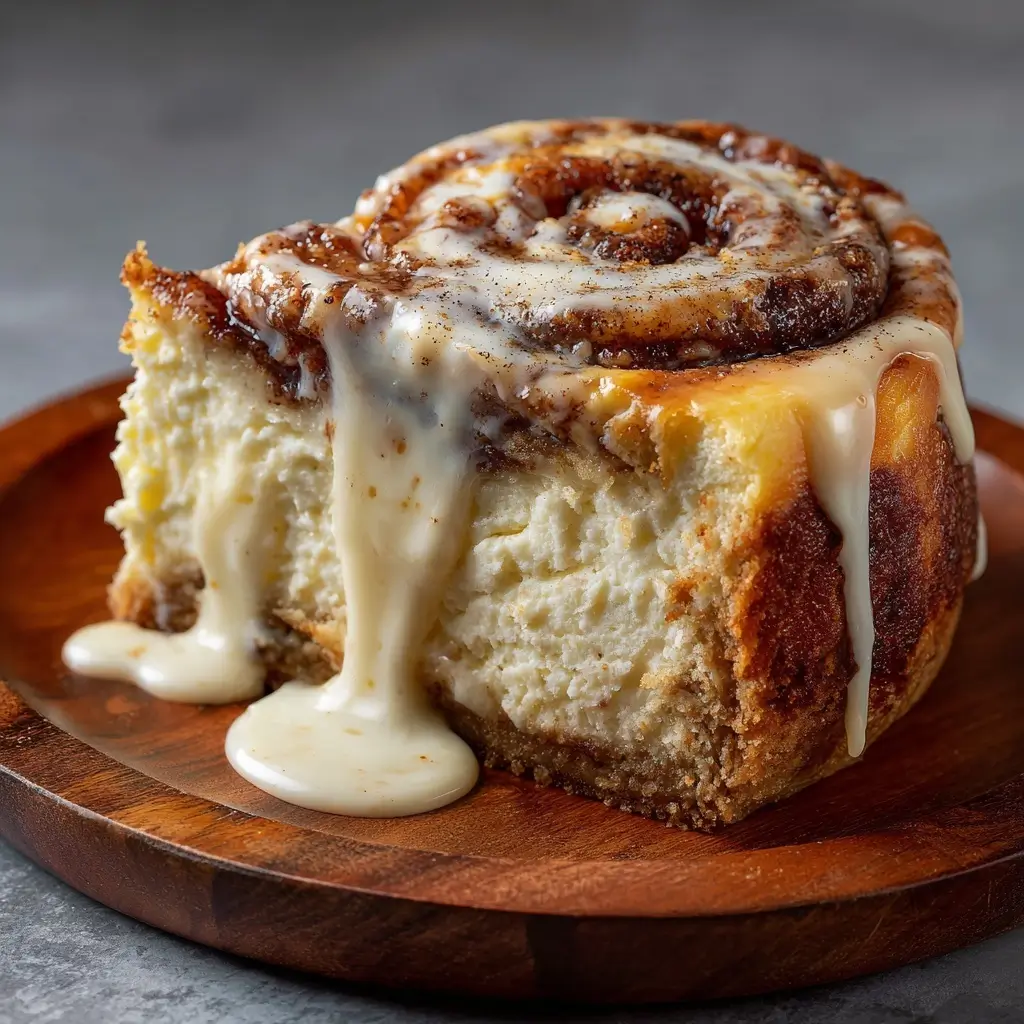
Welcome to the ultimate fusion dessert experience: Cinnamon Roll Cheesecake. This decadent, show-stopping confection marries two beloved American classics—the buttery, spiced warmth of a homemade cinnamon roll and the luxuriously smooth, rich tang of New York–style cheesecake—into one harmonious, layered masterpiece. Imagine tender, swirls of brown sugar–cinnamon filling embedded in a dense yet creamy cheesecake base, crowned with a glossy, crack-free surface, drizzled with velvety cream cheese glaze, and finished with flaky cinnamon-sugar crumbles or toasted pecans for textural contrast. Whether served at holiday gatherings, bridal showers, birthday celebrations, or simply as a weekend indulgence, this dessert delivers nostalgia, sophistication, and irresistible aroma all at once. It’s not just a dessert—it’s an edible hug wrapped in spice, cream, and love.
The History
The evolution of the Cinnamon Roll Cheesecake is a delicious case study in culinary cross-pollination. While traditional cheesecake dates back over 2,000 years to ancient Greece—and later flourished in Renaissance Europe and mid-20th-century America—cinnamon rolls trace their roots to Scandinavian bakers in the 17th century, gaining popularity across Northern Europe and eventually migrating to North America via Swedish and German immigrants. In the U.S., cinnamon rolls became a staple of Midwestern diners and church bake sales by the early 1900s, while cream cheese-based cheesecake rose to fame after the 1872 invention of Philadelphia Cream Cheese and its popularization by Arnold Reuben and later, the iconic Junior’s and Lindy’s recipes.
Though no single “inventor” is credited, food bloggers and professional pastry chefs began experimenting with hybrid desserts in the late 2000s and early 2010s, spurred by viral social media trends celebrating “deconstructed” or “layered” classics. Early iterations appeared on platforms like Food52 and King Arthur Baking, but it was the rise of Instagram-friendly baking content—featuring golden-brown spirals peeking through glossy cheesecake tops—that catapulted the Cinnamon Roll Cheesecake into mainstream consciousness around 2016–2017. Since then, it has been featured in Bon Appétit, Food & Wine, and even Martha Stewart Living, often reimagined as mini-muffin versions, pull-apart loaf cakes, or deconstructed parfaits—but the full-size, springform pan version remains the gold standard for home bakers seeking wow-factor results.
Ingredients Breakdown
Every exceptional Cinnamon Roll Cheesecake hinges on ingredient integrity, precision, and purposeful layering. Below is a comprehensive breakdown—not just of what goes in, but *why* each component matters:
- Graham Cracker Crust Base: Made from finely ground graham crackers (not digestive biscuits or shortbread), melted unsalted butter, and a touch of granulated sugar and ground cinnamon. The graham cracker’s honeyed, slightly toasted notes complement both the cinnamon filling and the tangy cheesecake without overpowering. The butter must be fully melted and cooled to avoid premature softening of the crumbs; pressing firmly ensures a non-crumbly, cohesive base that supports the dense filling.
- Cheesecake Batter Core: A triple-filtered blend of full-fat, brick-style cream cheese (never whipped or low-fat), sour cream (for moisture, acidity, and subtle tang), heavy cream (for silkiness and reduced cracking risk), large eggs at room temperature (critical for emulsification), granulated sugar (for structure and sweetness balance), pure vanilla extract (not imitation), and a pinch of fine sea salt (to elevate all flavors). Optional additions include a tablespoon of lemon juice (brightens richness) or a teaspoon of cornstarch (improves stability during slow baking).
- Cinnamon-Sugar Swirl: A thick, spreadable paste made from dark brown sugar (for molasses depth), ground Saigon or Ceylon cinnamon (higher oil content = more aromatic punch), softened unsalted butter, and a splash of whole milk or cream. Unlike runny fillings, this swirl must hold its shape when piped or dolloped onto the batter—too thin, and it sinks; too stiff, and it won’t ripple beautifully during baking.
- Cream Cheese Glaze: Whipped until airy and smooth using full-fat cream cheese, powdered sugar (sifted to prevent grittiness), pure vanilla, a pinch of salt, and just enough heavy cream or milk to reach a pourable-yet-coating consistency. This glaze is applied *after cooling*, sealing in moisture and adding a final layer of creamy-sweet contrast.
- Finishing Touches: A light dusting of cinnamon-sugar, flaky sea salt crystals (to cut sweetness), toasted walnuts or pecans (for crunch and nutty warmth), or even candied ginger or orange zest for seasonal flair.
Step-by-Step Recipe
- Prep & Preheat: Position oven rack in the center. Preheat oven to 325°F (163°C). Wrap the *outside* of a 9-inch springform pan tightly with two overlapping layers of heavy-duty aluminum foil (prevents water seepage during water bath). Lightly grease the foil and pan sides.
- Make the Crust: Pulse 1 ½ cups graham cracker crumbs (about 12 full sheets), ¼ cup granulated sugar, 1 tsp ground cinnamon, and ¼ tsp salt in a food processor until uniform. Add 6 tbsp melted unsalted butter; pulse until moistened and clumping. Press firmly and evenly into the bottom *and 1 inch up the sides* of the prepared pan. Chill for at least 30 minutes (or freeze for 15) to set.
- Prepare Swirl Filling: In a small bowl, beat ¼ cup softened unsalted butter with ½ cup dark brown sugar, 1 tbsp ground cinnamon, and 1 tsp vanilla until smooth and spreadable (~2 mins). Stir in 1 tsp whole milk only if needed to loosen slightly. Set aside at cool room temperature.
- Make Cheesecake Batter: Using a stand mixer fitted with paddle attachment (or hand mixer), beat 24 oz (3 standard bricks) full-fat cream cheese at medium speed until completely smooth and creamy (~3–4 mins), scraping bowl frequently. Add 1 cup granulated sugar and beat 2 more minutes until fluffy. Add 1 cup full-fat sour cream, ½ cup heavy cream, 2 tsp pure vanilla, and ½ tsp fine sea salt; mix until just combined. Add eggs one at a time, mixing *only until yolk disappears* (overmixing = air pockets = cracks). Scrape bowl thoroughly. Batter should be thick, glossy, and free of lumps.
- Layer & Swirl: Pour ~⅔ of the batter over chilled crust. Smooth top. Dollop spoonfuls of cinnamon swirl filling evenly across surface. Top with remaining batter. Using a thin knife or skewer, gently drag through layers in a figure-eight or zigzag motion to create marbled ribbons—do *not* over-swirl; aim for defined, lazy spirals.
- Water Bath Setup: Place springform pan inside a larger roasting pan. Carefully pour hot (not boiling) water into roasting pan until it reaches halfway up the springform sides (~1.5 inches deep). Cover *top* of springform loosely with foil or use a silicone lid.
- Bake Low & Slow: Bake at 325°F for 1 hour 20 minutes. Rotate pan halfway. Cheesecake is done when edges are set and center jiggles *slightly* like Jell-O (not sloshes). Turn off oven, crack door open 1 inch with a wooden spoon, and let cool inside for 1 hour.
- Chill Thoroughly: Remove from water bath. Run thin knife around edge to loosen. Cool completely at room temp (~2 hours), then refrigerate *uncovered* for at least 12 hours—or ideally, 24–48 hours—for optimal texture, clean slicing, and flavor melding.
- Glaze & Garnish: Just before serving, prepare glaze: Beat 4 oz softened cream cheese, 1 cup sifted powdered sugar, 1 tsp vanilla, ¼ tsp salt, and 2–3 tbsp heavy cream until smooth and pourable. Drizzle generously over chilled cake. Sprinkle with cinnamon-sugar and flaky salt. Optional: add toasted nuts or fresh berries.
Tips
- Room Temperature Is Non-Negotiable: All dairy (cream cheese, sour cream, eggs, butter) must be at true room temperature (68–72°F)—not just “out of the fridge.” Cold ingredients cause lumps, curdling, and uneven baking. Plan ahead: take them out 3–4 hours before starting.
- Strain Your Batter (Optional but Recommended): For ultra-smooth texture, pour batter through a fine-mesh sieve into the pan. This catches undissolved sugar granules, egg bits, or tiny cream cheese lumps.
- Swirl Smart: Use a piping bag with a wide round tip to pipe cinnamon filling in concentric circles before topping with remaining batter—then swirl once with a toothpick. This yields more controlled, bakery-style spirals.
- Prevent Cracking Like a Pro: Beyond the water bath: avoid opening the oven door for first 75 minutes; don’t overmix eggs; cool gradually; and never rush chilling—even overnight isn’t enough for perfect sliceability.
- Springform Seal Check: Before water bath, test for leaks: place pan on counter, pour ¼ cup warm water inside, wait 1 minute. If water seeps out, reinforce foil or switch pans.
- Freezing Success: Fully baked, unglazed cheesecake freezes beautifully for up to 3 months. Wrap *tightly* in plastic + foil. Thaw overnight in fridge, then glaze and serve.
- Slice Cleanly: Use a long, thin-bladed knife dipped in hot water and wiped dry between each cut. For extra sharpness, chill knife in freezer for 5 minutes beforehand.
- Flavor Infusion Hack: Steep 1 cinnamon stick and 1 star anise pod in warm heavy cream for 20 minutes before adding to batter—strain and use infused cream for deeper, complex spice notes.
Variations and Customizations
This recipe is gloriously adaptable—whether you’re accommodating dietary needs, celebrating seasons, or simply craving novelty. Here are 12 tested, chef-approved variations:
- Vegan Cinnamon Roll Cheesecake: Substitute cashew cream (soaked raw cashews blended with lemon juice, maple syrup, and coconut oil) for dairy; use gluten-free graham-style crust (almond flour + oats + date paste); swirl with coconut sugar–cinnamon paste.
- Gluten-Free Version: Use certified GF graham cracker crumbs or almond flour–coconut sugar crust; ensure all extracts and spices are GF-certified. Texture remains indistinguishable.
- Pumpkin Spice Swirl: Replace cinnamon swirl with pumpkin purée + brown sugar + pumpkin pie spice + ginger. Pair with maple-infused glaze.
- Apple-Cinnamon Harvest: Fold 1 cup finely diced, sautéed apples (with butter, brown sugar, and cardamom) into the swirl. Top with caramel drizzle and candied apple chips.
- Maple-Bacon Crunch: Add ½ cup chopped, crispy maple-glazed bacon to the crust and swirl. Finish with maple cream cheese glaze and extra bacon crumbles.
- Chai-Spiced: Infuse batter with chai tea concentrate (steep 2 bags in warm cream); swirl with black tea–brown sugar–ginger paste; garnish with crystallized ginger.
- Blueberry-Lemon Swirl: Replace cinnamon swirl with lemon-zest–blueberry compote (reduced with cornstarch). Glaze with lemon cream cheese.
- Mini Mason Jar Versions: Layer crust, batter, swirl, and glaze in 8-oz wide-mouth mason jars. Bake in water bath in roasting pan for 40–45 mins. Perfect for gifts!
- Chocolate-Cinnamon Fusion: Add ¼ cup Dutch-process cocoa to crust; fold ½ cup mini chocolate chips into batter; swirl with mocha-cinnamon paste (espresso + cinnamon + brown sugar).
- Orange-Cardamom: Swap vanilla for orange extract; add 1 tsp ground cardamom to swirl; glaze with orange–cream cheese and orange zest.
- Everything Bagel Cheesecake (Savory Twist): Crust: everything bagel seasoning + parmesan + butter. Swirl: garlic-infused brown butter + thyme + toasted sesame. Glaze: herb-flecked mascarpone.
- Ube-Cinnamon Swirl: Purple yam powder swirled with cinnamon–brown sugar paste; violet-hued glaze with ube extract and toasted coconut flakes.
Health Considerations and Nutritional Value
While Cinnamon Roll Cheesecake is inherently indulgent, mindful preparation can enhance its nutritional profile without sacrificing joy. A standard slice (1/12 of 9-inch cake, approx. 220g) contains roughly:
- Calories: 580–640 kcal
- Total Fat: 38–42g (22–26g saturated)
- Carbohydrates: 52–58g (38–44g sugars)
- Protein: 8–10g
- Fiber: 0.5–1g (can increase to 3–4g with GF oat or almond flour crust)
- Sodium: 320–380mg
Nutrient Highlights:
- Cinnamon: Contains cinnamaldehyde, shown in studies to support healthy blood sugar metabolism and possess antioxidant and anti-inflammatory properties.
- Cream Cheese & Sour Cream: Provide bioavailable calcium, vitamin A, and conjugated linoleic acid (CLA), linked in research to potential metabolic benefits.
- Vanilla Extract: Rich in vanillin—a polyphenol with demonstrated neuroprotective and antimicrobial activity.
Dietary Notes & Modifications:
- Lower-Sugar Option: Reduce granulated sugar by ¼ cup; use monk fruit–erythritol blend (1:1 ratio) in both batter and swirl. Note: texture may be slightly denser.
- Higher-Protein Boost: Add 2 scoops unflavored collagen peptides or whey isolate to batter—no taste or texture change, +15g protein per slice.
- Lactose Sensitivity: Use lactose-free cream cheese, sour cream, and heavy cream—or explore cultured cashew-based alternatives.
- Heart-Healthy Tweaks: Substitute 2 tbsp of butter in crust with avocado oil; use Greek yogurt (full-fat) in place of ¼ cup sour cream.
- Mindful Serving: Pair with fresh seasonal fruit (berries, poached pear) and a small handful of walnuts to balance macros and add fiber + omega-3s.
As with all desserts, portion awareness and occasional enjoyment—not restriction—are keys to sustainable, joyful eating.
Ingredients
Makes one 9-inch cheesecake (12–14 servings)
For the Graham Cracker Crust:
- 1 ½ cups (150g) fine graham cracker crumbs (about 12 full sheets)
- ¼ cup (50g) granulated sugar
- 1 teaspoon (2g) ground cinnamon
- ¼ teaspoon fine sea salt
- 6 tablespoons (85g) unsalted butter, melted and cooled
For the Cinnamon Swirl Filling:
- ¼ cup (60g) unsalted butter, softened to room temperature
- ½ cup (100g) dark brown sugar, packed
- 1 tablespoon (6g) ground cinnamon (preferably Saigon or Ceylon)
- 1 teaspoon pure vanilla extract
- 1 teaspoon whole milk or heavy cream (optional, only if mixture is too stiff)
For the Cheesecake Batter:
- 24 ounces (680g) full-fat brick-style cream cheese, room temperature (3 standard 8-oz packages)
- 1 cup (200g) granulated sugar
- 1 cup (240g) full-fat sour cream, room temperature
- ½ cup (120ml) heavy cream (36% fat), room temperature
- 2 teaspoons pure vanilla extract
- ½ teaspoon fine sea salt
- 4 large eggs, room temperature (200g total, weighed in shell)
For the Cream Cheese Glaze:
- 4 ounces (113g) full-fat cream cheese, softened
- 1 cup (120g) powdered sugar, sifted
- 1 teaspoon pure vanilla extract
- ¼ teaspoon fine sea salt
- 2–3 tablespoons heavy cream or whole milk
For Garnish (Optional but Recommended):
- 1 tablespoon cinnamon-sugar (½ tsp cinnamon + 1 tbsp sugar)
- Pinch of flaky sea salt (e.g., Maldon)
- ¼ cup toasted pecans or walnuts, chopped
Directions
- Preheat & Prep Pan: Adjust oven rack to center position. Preheat oven to 325°F (163°C). Wrap the *outside* of a 9-inch springform pan with two overlapping sheets of heavy-duty aluminum foil, ensuring full coverage from base to top rim. Lightly grease foil and pan interior.
- Make Crust: In a food processor, pulse graham cracker crumbs, granulated sugar, cinnamon, and salt until uniform. Add melted butter; pulse until mixture resembles wet sand and holds together when pinched. Press firmly into bottom and 1 inch up sides of pan. Chill 30 minutes (or freeze 15 minutes).
- Prepare Swirl: In small bowl, beat softened butter, brown sugar, cinnamon, and vanilla with electric mixer on medium until smooth and glossy (~2 minutes). Stir in milk only if too thick. Set aside at cool room temperature.
- Make Batter: In stand mixer with paddle attachment, beat cream cheese on medium until perfectly smooth and creamy (~4 minutes), scraping bowl often. Add granulated sugar; beat 2 minutes until fluffy. Add sour cream, heavy cream, vanilla, and salt; mix until just combined. Add eggs one at a time, mixing *only until yolk disappears*. Scrape bowl thoroughly. Batter should be thick, lump-free, and glossy.
- Layer & Swirl: Pour ~¾ of batter (about 4 cups) into chilled crust. Smooth top. Drop heaping tablespoon-sized dollops of cinnamon swirl evenly over batter. Top with remaining batter. Using a thin knife or toothpick, gently drag through layers in slow figure-eights to create marbled swirls—do not overmix.
- Water Bath: Place springform pan inside a larger roasting pan. Carefully pour hot tap water (140–150°F) into roasting pan until water reaches halfway up springform sides (~1.5 inches). Cover roasting pan tightly with foil or use oven-safe lid.
- Bake: Bake at 325°F for 1 hour 20 minutes. Rotate pan halfway through. Cake is done when edges are puffed and set, and center jiggles *just slightly* (like firm Jell-O). Do not open oven during first 75 minutes.
- Cool Gradually: Turn oven off. Crack oven door open 1 inch with wooden spoon. Let cake cool inside oven for 1 hour. Carefully remove from water bath. Run thin knife around edge. Cool completely on wire rack (~2 hours).
- Chill Overnight: Refrigerate *uncovered* for minimum 12 hours—ideally 24–48 hours—for flawless texture and clean slices.
- Glaze & Serve: Just before serving, beat glaze ingredients until smooth and pourable. Drizzle generously over cake. Sprinkle with cinnamon-sugar, flaky salt, and toasted nuts. Slice with hot, clean knife. Store covered in fridge up to 5 days.
FAQ
- Can I make this without a water bath?
- No—water bath is essential for even, gentle heat transfer, preventing cracks, curdling, and over-browning. Skip it, and you risk a dry, fissured, or sunken cake. If concerned about leaks, double-wrap foil and test first.
- Why did my swirl sink to the bottom?
- Most commonly due to overly thin swirl (too much liquid added) or batter that was too warm when layered. Ensure swirl is thick and spreadable—not runny—and that batter is cool (not warm from mixing). Also, avoid over-swirling.
- Can I use low-fat cream cheese or sour cream?
- Strongly discouraged. Reduced-fat dairy lacks the fat structure needed for stability, leading to grainy texture, poor setting, and increased cracking. Full-fat is non-negotiable for success.
- My cake cracked on top—what went wrong?
- Possible causes: oven temperature too high, opening oven door too soon, cooling too quickly, overmixing batter, or insufficient water in bath. Follow gradual cooling protocol strictly.
- How do I store leftovers?
- Keep tightly covered in refrigerator for up to 5 days. For longer storage, freeze unglazed cake (wrapped in plastic + foil) up to 3 months. Thaw overnight in fridge before glazing and serving.
- Can I bake this in a regular cake pan?
- No—springform is required for clean release. A standard cake pan will trap steam and make removal impossible without destroying the cake. Don’t substitute.
- Is there a way to make it ahead for Thanksgiving or Christmas?
- Absolutely! Bake and chill up to 2 days ahead. Glaze and garnish the morning of serving. You can even freeze unbaked crust and pre-portion swirls for assembly day.
- What’s the best cinnamon to use?
- Saigon cinnamon (Vietnamese) offers bold, sweet heat. Ceylon (“true” cinnamon) is milder and more floral. Avoid Cassia—it’s harsh and bitter when baked in quantity.
- Can I add fruit to the swirl?
- Fresh fruit adds excess moisture and causes sinking. Instead, use *cooked-down, thickened* compotes (simmered with cornstarch) or dried fruit rehydrated in warm spice syrup.
- Why does my glaze look dull or separate?
- Using cold cream cheese or insufficient beating. Always soften cream cheese fully and beat glaze until completely smooth and airy—scraping bowl often. Add cream slowly to control consistency.
Summary
Cinnamon Roll Cheesecake is the pinnacle of nostalgic decadence—a masterfully balanced fusion of spiced, buttery swirls and luxuriously creamy, tangy cheesecake, built on a crisp graham cracker foundation and crowned with velvety cream cheese glaze and artisanal garnishes.
With meticulous attention to ingredient temperature, water bath technique, and patient chilling, this showstopping dessert delivers restaurant-quality elegance, unforgettable aroma, and soul-warming comfort—all in one unforgettable slice.