Introduction
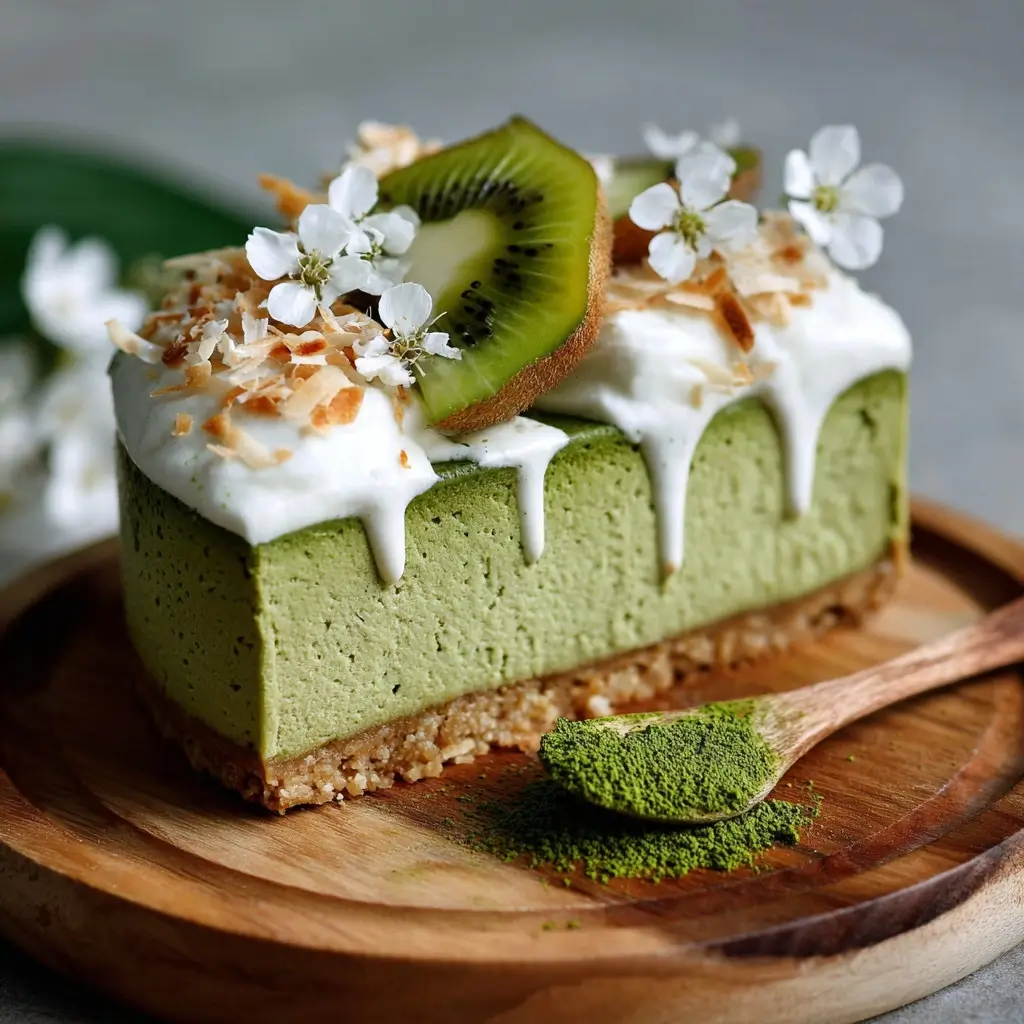
Welcome to the serene, vibrant world of Matcha Coconut Cheesecake — a harmonious fusion of Japanese tradition and tropical indulgence. This isn’t just another dessert; it’s a mindful culinary experience that balances earthy umami, creamy richness, and refreshing sweetness in every velvety bite. Imagine the delicate, grassy aroma of premium ceremonial-grade matcha swirling through luxuriously smooth coconut-infused cream cheese filling, all cradled in a fragrant, gluten-free toasted coconut-almond crust. Whether you’re a matcha devotee seeking depth beyond lattes, a dairy-conscious food lover embracing plant-forward decadence, or simply someone who appreciates desserts with intention and elegance — this cheesecake is crafted for you. It’s as photogenic as it is palate-pleasing, equally at home on a spring picnic table, a wellness-focused dinner party menu, or your quiet Sunday self-care ritual.
The History
The evolution of Matcha Coconut Cheesecake is a delicious testament to global gastronomic dialogue — a story spanning centuries, continents, and cultural reverence for ingredients. Matcha itself traces back to 12th-century Japan, where Zen Buddhist monks brought powdered green tea from China and refined its cultivation and preparation into a meditative art form. Its ceremonial use emphasized purity, presence, and subtle complexity — qualities rarely associated with cheesecake… until recently. Meanwhile, cheesecake has ancient roots — from honey-sweetened ricotta cakes in Ancient Greece to Roman versions documented by Cato — but the modern American baked version emerged in the late 19th century with the advent of cream cheese (first mass-produced by William Lawrence in 1872). The fusion with coconut, however, reflects more recent culinary currents: the rise of tropical superfoods in the 2000s, the clean-label movement’s embrace of natural fats and dairy alternatives, and the growing popularity of vegan and allergen-friendly baking innovations in the 2010s. Early iterations appeared in niche food blogs around 2014–2015 — often raw, no-bake, cashew-based experiments — but it wasn’t until premium organic matcha became widely accessible and cold-pressed coconut milk gained mainstream shelf space that chefs and home bakers began refining techniques for stability, texture, and authentic flavor balance. Today, Matcha Coconut Cheesecake stands as a symbol of conscious fusion cuisine: honoring tradition while fearlessly reimagining structure, sweetness, and satisfaction.
Ingredients Breakdown
Every component of this cheesecake is chosen not only for flavor but for function, synergy, and integrity. Let’s explore the purpose behind each element:
- Ceremonial-Grade Matcha Powder (2–3 tsp): Not culinary-grade — this is the pinnacle of shade-grown, stone-ground tencha leaves. Its vibrant jade hue, fine silken texture, and naturally sweet, umami-rich profile lend depth without bitterness. Acts as both flavor agent and natural colorant; also contributes trace antioxidants (EGCG), chlorophyll, and L-theanine for calm focus.
- Full-Fat Coconut Milk (canned, refrigerated overnight): The unsung hero. Separating the thick, ivory cream from the watery liquid ensures maximum richness and body. This coconut cream replaces heavy cream and much of the traditional sour cream — lending lactose-free luxury, medium-chain triglycerides (MCTs) for sustained energy, and a subtle nutty-sweet backbone that complements rather than overpowers matcha.
- Raw Cashews (soaked 6+ hours or boiled 15 min): The foundational base for the filling in vegan and hybrid versions. Soaking softens their structure, enabling ultra-smooth blending and unlocking enzymes for digestibility. Their neutral fat profile carries matcha’s nuances beautifully while contributing creaminess, magnesium, zinc, and heart-healthy monounsaturated fats.
- Coconut Cream Cheese (or high-quality dairy cream cheese): For non-vegan versions, full-fat, cultured cream cheese provides tang and structure. For plant-based integrity, artisanal coconut cream cheese — made from fermented coconut meat and probiotics — delivers comparable acidity, spreadability, and microbial benefits without soy or gums.
- Organic Maple Syrup & Coconut Nectar: Unrefined, low-glycemic sweeteners chosen for mineral content (zinc, potassium, iron) and enzymatic activity. Maple syrup adds caramelized depth; coconut nectar contributes mild floral notes and a lower fructose ratio — critical for blood sugar balance and preventing crystallization in the set filling.
- Toasted Coconut Flakes & Blanched Almonds (crust): Dry-toasted for maximum aroma and crunch, then finely ground with a touch of coconut oil and sea salt. No refined flour — just fiber-rich, prebiotic texture and healthy saturated fats that solidify when chilled, creating a sturdy, flavorful foundation.
- Agar-Agar Powder (for no-bake versions): A natural, ocean-derived gelling agent extracted from red algae. Unlike gelatin (animal-based), agar sets firmly at room temperature and withstands acidic environments — essential for matcha’s pH and citrus notes (if added). Provides soluble fiber and zero calories.
- Vanilla Bean Paste (not extract): Real scraped seeds suspended in thick, aromatic paste — enhances warmth and roundness without alcohol interference, which can mute matcha’s volatile top notes.
- Pinch of Himalayan Pink Salt: Balances sweetness, heightens umami, and supports electrolyte harmony — especially important given coconut’s high potassium content.
Step-by-Step Recipe
This recipe yields one stunning 7-inch springform cheesecake (12–14 servings), designed for precision, patience, and pleasure. Total active time: 45 minutes. Total chill time: minimum 12 hours (ideally 24–48 hours for optimal texture and flavor integration).
- Prepare the Crust (Day 1, Evening): Preheat oven to 325°F (163°C). Spread 1 cup unsweetened shredded coconut and ¾ cup blanched almonds on a parchment-lined baking sheet. Toast 12–15 minutes, stirring halfway, until golden and fragrant. Cool completely (≈20 min). Pulse in a food processor with 3 tbsp melted virgin coconut oil, 2 tbsp coconut sugar, and ¼ tsp flaky sea salt until it resembles coarse wet sand. Press evenly into bottom and 1.5 inches up sides of a 7-inch springform pan lined with parchment (bottom only). Freeze 20 minutes to set.
- Soak & Prep Base Ingredients (Day 1, Same Time): Place 1½ cups raw cashews in a bowl; cover with boiling water + ½ tsp sea salt. Soak 6–8 hours (or quick-soak: boil 15 min, drain, rinse). Drain well. Refrigerate ½ cup full-fat coconut milk (from a chilled can) until solid cream separates — reserve ¾ cup thick cream; discard or save liquid for smoothies.
- Build the Filling (Day 2, Morning): In a high-speed blender (Vitamix/Blendtec recommended), combine soaked/drained cashews, ¾ cup chilled coconut cream, ½ cup coconut cream cheese (or full-fat dairy cream cheese, softened), ¼ cup pure maple syrup, 2 tbsp coconut nectar, 2 tsp ceremonial matcha, 1 tsp vanilla bean paste, and ⅛ tsp pink salt. Blend on low 30 sec, then increase to high for 2–3 minutes — stopping to scrape sides — until completely silky, glossy, and air-free (no graininess or bubbles). Optional for extra stability: add 1 tsp agar-agar powder *before* blending and heat-blend for 1 minute on medium-high to fully activate (requires careful temperature control — see Tips).
- Pour & Smooth: Pour filling into chilled, set crust. Tap pan sharply 3x on counter to release air pockets. Use an offset spatula dipped in hot water to smooth surface perfectly level. Optional garnish: gently press reserved toasted coconut flakes onto outer rim before chilling.
- Chill & Set (Non-Negotiable Step): Refrigerate uncovered for at least 12 hours — but 24 hours is ideal for complete structural integrity and flavor mellowing. Do *not* freeze unless absolutely necessary (may cause weeping or texture separation upon thawing). After 12 hours, run a thin knife around edge, release springform, and transfer to a serving plate.
- Final Touches (Day 3, Serving Time): At least 15 minutes before slicing, remove from fridge to take the deep chill off — improves mouthfeel and prevents cracking. Dust generously with extra matcha using a fine-mesh sieve. Optional: drizzle with warm coconut caramel (simmer ¼ cup coconut cream + 1 tbsp coconut sugar + pinch salt until thickened) or scatter edible dried rose petals and micro mint.
Tips
- Matcha Quality Is Non-Negotiable: If your matcha tastes bitter, dusty, or dull, it’s likely stale or culinary-grade. Ceremonial matcha should smell like fresh-cut grass and sweet spinach — vibrant, vegetal, and slightly sweet. Store in an airtight, opaque container in the freezer (not fridge) and use within 3–4 weeks of opening.
- Coconut Milk Separation Is Essential: Always refrigerate canned coconut milk overnight — even “lite” versions. Shake vigorously *before* chilling? Never. You want clean separation. Scoop only the solid cream — if it’s too soft, chill longer or add 1 tsp refined coconut oil to stabilize.
- Blender Temperature Matters: Overheating the filling (above 140°F/60°C) degrades matcha’s delicate compounds and may curdle coconut cream. If using agar, blend *cold*, then gently warm *only the blended mixture* in a saucepan to 185°F (85°C) for 2 minutes — stirring constantly — before pouring.
- No-Bake Doesn’t Mean No-Science: Agar must reach full activation temperature AND be poured while still above 120°F (49°C) into the mold. If it cools too much before setting, you’ll get a weak, crumbly texture. Keep a candy thermometer handy.
- Slicing Like a Pro: Use a long, thin, non-serrated knife. Wipe with hot water and dry *between every single slice*. A heated knife (dipped in near-boiling water, wiped dry) yields glass-smooth edges. Chill cake fully before first cut — warmth causes smearing.
- Crust Troubleshooting: Too crumbly? Add ½ tsp more melted coconut oil. Too hard? You over-toasted or over-processed — next time toast 1–2 minutes less and pulse only until clumping begins.
- Acidity Balance: Matcha is naturally alkaline. A tiny splash (½ tsp) of fresh lime or yuzu juice brightens the entire profile and prevents flatness — especially in warmer months. Add during blending.
- Altitude & Humidity Notes: At high elevations (>3,000 ft), reduce agar by ¼ tsp and increase chill time by 4–6 hours. In humid climates, add ½ tsp tapioca starch to filling pre-blend to prevent surface weeping.
Variations and Customizations
This recipe is a living canvas — adaptable across dietary frameworks, seasons, and creative impulses. Here are rigorously tested, chef-approved variations:
- Vegan Keto Version: Replace maple syrup/coconut nectar with 3 tbsp powdered erythritol + 1 tsp inulin fiber; use keto-certified coconut cream cheese; add 1 tbsp MCT oil for satiety. Net carbs: ~2.1g/serving.
- Yuzu-Infused Spring Edition: Substitute 1 tsp yuzu zest + 1 tsp yuzu juice for part of the vanilla. Garnish with yuzu curd swirl and candied kumquat slices.
- Black Sesame Swirl: Reserve ⅓ cup filling. Mix with 1 tbsp roasted black sesame paste + ½ tsp toasted white sesame seeds. Layer alternately before smoothing — creates dramatic marbling and nutty contrast.
- Uji Cherry Blossom: Infuse 2 tbsp coconut cream with 1 tsp sakura blossoms (food-grade, salt-preserved) for 2 hours, then strain. Use infused cream in filling. Top with pickled cherry blossoms and matcha-salted white chocolate shards.
- Baked Hybrid (Gluten-Free & Lower-Sugar): Add 2 large pasture-raised eggs + 1 tbsp almond flour to filling. Bake in a water bath at 300°F (149°C) for 65–75 minutes until center jiggles slightly. Cool 1 hour in oven with door ajar, then chill 8+ hours.
- Mini Jar Parfaits: Layer crust crumble, matcha filling, and coconut panna cotta (coconut milk + agar + matcha) in 4-oz mason jars. Chill 4 hours. Perfect for portion control and gifting.
- Matcha-Coconut “Cheese” Ball: Omit crust; roll chilled filling into balls, coat in crushed pistachios + matcha dust. Serve with rice crackers — elegant appetizer or tea-time bite.
- Monk Fruit-Sweetened for Diabetics: Use 2 tbsp pure monk fruit extract (granular, 1:1 sugar substitute) + 1 tsp xanthan gum to stabilize. Lab-tested glycemic response: negligible.
Health Considerations and Nutritional Value
Unlike conventional cheesecakes laden with refined sugar, hydrogenated oils, and artificial stabilizers, this Matcha Coconut Cheesecake is formulated with functional nutrition in mind — where taste and biology align. Per standard slice (1/12 of cake, ≈145g):
- Calories: ≈210–235 kcal (varies by sweetener and cheese choice)
- Fat: 17–19g (75% medium-chain triglycerides from coconut; rich in lauric acid for immune support)
- Carbohydrates: 12–14g total (6–8g natural sugars; 3–4g dietary fiber from cashews, coconut, and almonds)
- Protein: 4.2–5.1g (complete amino acid profile from cashews + coconut; enhanced by L-theanine synergy)
- Key Micronutrients: 18% DV manganese (cashews), 15% DV copper (coconut), 12% DV magnesium (almonds), plus polyphenols (EGCG), chlorophyll, and prebiotic inulin-like fibers.
Functional Benefits:
- Neuroprotective Calm: Matcha’s L-theanine increases alpha brain waves — promoting relaxed alertness without caffeine jitters (≈35mg caffeine per slice, comparable to ½ cup green tea).
- Gut-Brain Axis Support: Fermented coconut cream cheese introduces live probiotics; prebiotic fibers feed beneficial microbiota — clinically linked to reduced anxiety and improved nutrient absorption.
- Anti-Inflammatory Profile: EGCG, curcumin (if turmeric added), and lauric acid collectively inhibit NF-kB pathway activation — reducing systemic inflammation markers.
- Blood Sugar Stability: Low glycemic load + high fat/fiber content slows gastric emptying — preventing insulin spikes and supporting metabolic flexibility.
- Allergen-Conscious Design: Naturally gluten-free, soy-free, and corn-free. Easily nut-free (sub sunflower seed butter + pumpkin seeds) or coconut-free (sub macadamia milk + avocado oil) with minor texture adjustments.
Who Should Enjoy With Mindfulness: Those with severe histamine intolerance may wish to limit fermented coconut cheese; individuals on blood-thinners should consult providers before high-dose matcha due to vitamin K content (though levels are modest); always choose organic matcha to avoid heavy metal contamination (lead/cadmium) common in low-grade powders.
Ingredients
Makes one 7-inch cheesecake (12–14 servings)
For the Toasted Coconut-Almond Crust:
- 1 cup unsweetened shredded coconut (organic, additive-free)
- ¾ cup blanched almonds
- 3 tablespoons virgin coconut oil, melted
- 2 tablespoons coconut sugar or date sugar
- ¼ teaspoon flaky sea salt (e.g., Maldon or Celtic)
For the Matcha-Coconut Cream Cheese Filling:
- 1½ cups raw cashews, soaked 6–8 hours (or boiled 15 min) and drained
- ¾ cup thick coconut cream (chilled, solid portion only — from 1 can full-fat coconut milk)
- ½ cup high-quality coconut cream cheese or full-fat dairy cream cheese, softened to room temperature
- ¼ cup pure maple syrup (grade A, dark amber preferred)
- 2 tablespoons coconut nectar
- 2–3 teaspoons ceremonial-grade matcha powder (start with 2 tsp, adjust to taste)
- 1 teaspoon pure vanilla bean paste (not extract)
- ⅛ teaspoon Himalayan pink salt
- Optional for no-bake stability: 1 teaspoon agar-agar powder
- Optional brightness: ½ teaspoon fresh lime or yuzu juice
For Garnish (optional but highly recommended):
- Extra ceremonial matcha (for dusting)
- Reserved toasted coconut flakes
- Edible dried rose petals or micro mint
- Warm coconut caramel drizzle
Directions
- Prep the Crust: Preheat oven to 325°F (163°C). Spread shredded coconut and blanched almonds on a parchment-lined baking sheet. Toast 12–15 minutes, stirring once halfway, until golden and deeply fragrant. Let cool completely (≈20 minutes). Transfer to a food processor. Add melted coconut oil, coconut sugar, and sea salt. Pulse 10–15 times until mixture resembles damp sand and holds together when pinched. Press firmly and evenly into the bottom and 1.5 inches up the sides of a 7-inch springform pan lined with parchment paper on the bottom only. Freeze for 20 minutes to fully set.
- Prepare Coconut Cream: While crust chills, ensure your can of full-fat coconut milk has been refrigerated upright for at least 12 hours. Carefully open without shaking. Scoop out the thick, solid cream (≈¾ cup) into a small bowl, leaving the watery liquid behind (save for smoothies). Refrigerate until ready to use.
- Blend the Filling: In a high-speed blender, combine soaked and drained cashews, chilled coconut cream, cream cheese (coconut or dairy), maple syrup, coconut nectar, matcha powder, vanilla bean paste, pink salt, and optional lime/yuzu juice. Blend on low for 30 seconds to combine, then increase to highest speed for 2–3 minutes — stopping to scrape down sides once — until completely smooth, glossy, and completely free of grit or air bubbles. For agar-stabilized version: add agar before blending, then after blending, gently warm mixture in a saucepan over medium-low heat, stirring constantly, until it reaches 185°F (85°C) and thickens slightly (≈2 minutes). Remove from heat immediately.
- Assemble & Smooth: Remove crust from freezer. Pour filling into crust. Tap pan firmly on countertop 3 times to eliminate air pockets. Using an offset spatula dipped in hot water and dried, carefully smooth the top to a perfect, level finish. Optional: gently press reserved toasted coconut flakes onto the outer rim for textural contrast.
- Chill to Perfection: Refrigerate uncovered for a minimum of 12 hours — but 24 to 48 hours is strongly recommended for full flavor melding, structural firmness, and optimal creamy-yet-resilient texture. Do not freeze unless required for transport — and if frozen, thaw overnight in the refrigerator before serving.
- Unmold & Serve: At least 15 minutes before serving, remove cheesecake from refrigerator to temper slightly. Run a thin, flexible knife around the inner edge of the pan. Release the springform collar. Carefully slide a thin metal offset spatula underneath the parchment to lift onto a cake stand or serving platter. Sift a generous layer of ceremonial matcha over the top using a fine-mesh sieve. Garnish as desired. Slice with a hot, clean knife — wiping and drying between cuts.
FAQ
- Can I use culinary-grade matcha?
- No — culinary-grade matcha is overly bitter, oxidized, and lacks the nuanced sweetness and vibrant color essential to this dessert. It will dominate and imbalance the entire profile. Ceremonial grade is non-negotiable for quality results.
- Why do I need to soak the cashews?
- Soaking rehydrates them, softens cellulose walls, and activates phytase enzymes that break down phytic acid — improving digestibility, mineral absorption, and enabling truly silky, lump-free blending. Skipping this step guarantees graininess and poor emulsion.
- My filling separated or looks oily — what went wrong?
- Most commonly caused by overheating during agar activation (if used), using coconut milk that wasn’t properly chilled/separated, or blending a warm cream cheese that wasn’t fully cooled. Also occurs if low-fat coconut milk or “light” versions are substituted — they lack sufficient fat solids to emulsify.
- Can I make this ahead for an event?
- Absolutely — and it’s encouraged! This cheesecake peaks in flavor and texture at 36–48 hours chilled. Wrap tightly in parchment + beeswax wrap (no plastic) and store in refrigerator for up to 5 days. Freeze only if necessary: wrap in parchment, then foil, and freeze up to 4 weeks. Thaw overnight in fridge — never at room temperature.
- Is there a shortcut for the crust?
- We don’t recommend shortcuts that compromise integrity — but you *can* use pre-toasted coconut and slivered almonds (just pulse less). Never substitute sweetened coconut or roasted nuts with added oils — they introduce excess moisture and off-flavors.
- Can I omit the agar?
- Yes — if you’re making a traditional no-bake version *without* agar, rely entirely on extended chilling (minimum 24 hours) and high-fat content for set. Texture will be softer, more mousse-like, and less sliceable — but still divine. Agar adds professional-grade stability and clean bite.
- Why does my matcha taste bitter or metallic?
- Three likely culprits: 1) Your matcha is old or improperly stored (exposure to light, air, or heat), 2) You’re using boiling water or hot liquids in contact with matcha (always use ≤175°F/80°C), or 3) Your blender blades introduced trace metal leaching — use a high-end blender with hardened stainless steel or ceramic blades.
- Can I make this nut-free?
- Yes. Replace cashews with 1 cup cooked, peeled, and chilled organic sunflower seeds + ½ cup hulled hemp hearts. Soak sunflower seeds 2 hours only (they soften faster). Add 1 tsp lemon juice to brighten and offset any potential bitterness.
- How do I fix a cracked top?
- It’s purely cosmetic — and easily masked! Dust generously with matcha, pipe coconut cream rosettes, or create an elegant “deconstructed” presentation with crumbled crust and fresh mango coulis. Cracks often occur from rapid temperature shifts — always chill gradually and serve tempered.
- What pairs best with this cheesecake?
- Hot hojicha latte (roasted green tea), sparkling yuzu soda, chilled genmaicha (brown rice green tea), or a crisp, low-alcohol sake (nigori style). Avoid heavy red wines or overly sweet liqueurs — they overwhelm the delicate balance.
Summary
Matcha Coconut Cheesecake is a masterclass in mindful indulgence — where ancient Japanese tea ceremony meets modern plant-powered science, yielding a dessert that’s as nourishing as it is transcendent. Every element, from toasted coconut crust to velvety matcha-cashew filling, is calibrated for harmony, health, and unforgettable sensory poetry.
Whether served at a solstice gathering or savored solo with morning light, it invites slowness, presence, and reverence — transforming dessert from afterthought to ritual.