Introduction
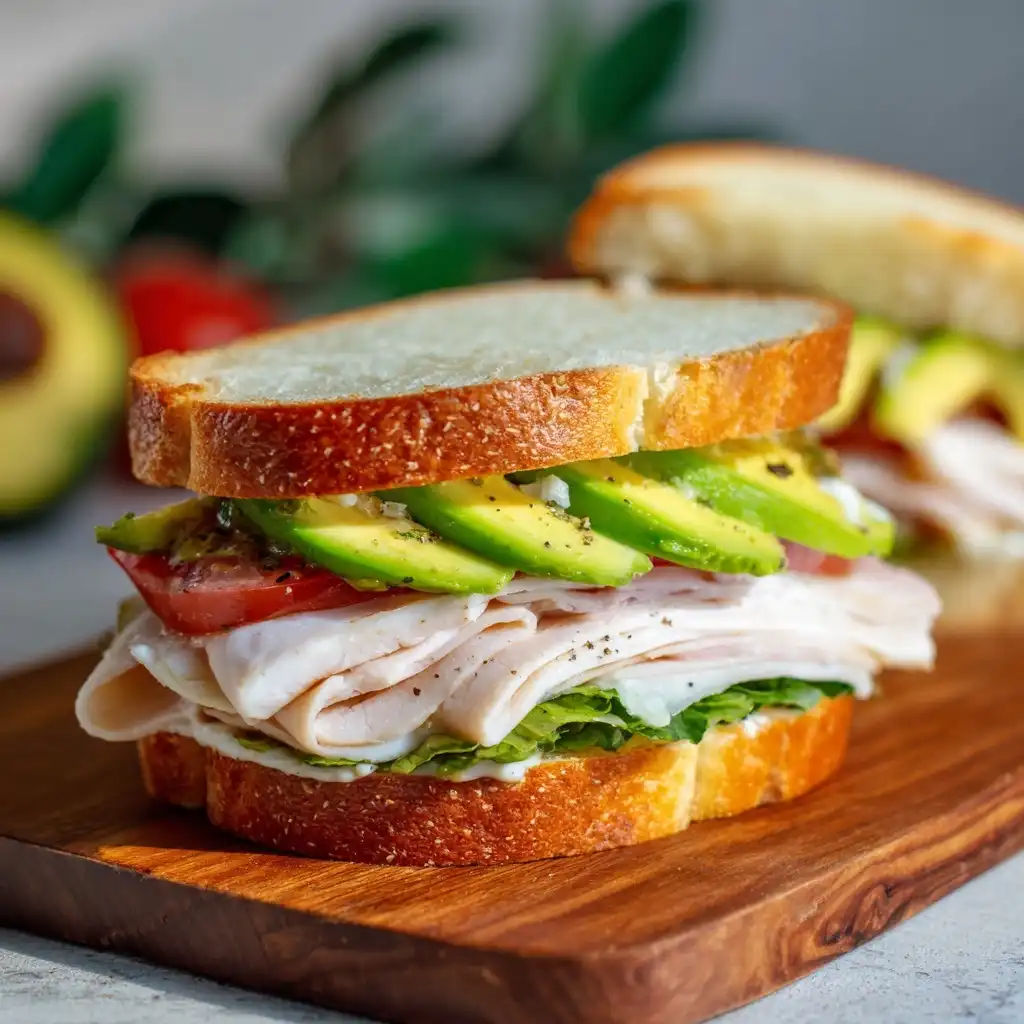
The Classic Turkey Avocado Sandwich is more than just a quick lunch—it’s a harmonious blend of lean protein, creamy richness, vibrant freshness, and satisfying texture that has earned its place as a modern staple in home kitchens, office break rooms, and gourmet delis alike. Unlike heavy, overly processed alternatives, this sandwich celebrates simplicity, balance, and whole-food integrity—making it equally suitable for a nourishing weekday meal, a post-workout refuel, or an elegant picnic centerpiece. Its enduring popularity stems from its adaptability: it’s endlessly customizable yet reliably delicious, health-conscious without sacrificing indulgence, and effortlessly elegant in presentation. Whether you’re seeking a low-carb lunch alternative, a family-friendly packed meal, or a mindful upgrade to your usual sandwich routine, the turkey avocado combination delivers on flavor, nutrition, and versatility—all while requiring minimal prep time and pantry staples.
The History
While no single inventor or year can be credited with the birth of the turkey avocado sandwich, its rise reflects broader culinary and cultural shifts across the late 20th and early 21st centuries. Turkey meat gained prominence in American sandwiches following World War II, when surplus turkey production—spurred by government agricultural programs—and growing health awareness led consumers to seek leaner alternatives to ham, roast beef, and bologna. By the 1970s and ’80s, sliced turkey breast became a fixture in delicatessens and supermarket deli counters, prized for its mild flavor and versatility.
Meanwhile, avocados—long cultivated in Mesoamerica and revered by the Aztecs as “the fertility fruit”—underwent a dramatic rebranding in the United States. Once considered exotic, fatty, and even suspicious (the USDA classified avocados as a “fruit” only after a landmark 1914 court case), they began gaining mainstream traction in the 1990s thanks to aggressive marketing by the California Avocado Commission, nutritional research highlighting monounsaturated fats, and the rise of California cuisine emphasizing fresh, local, and ingredient-driven dishes. Chefs like Wolfgang Puck and Alice Waters championed avocado not just as garnish but as a star ingredient—slathered on toast, folded into salads, and, crucially, layered onto sandwiches.
The convergence of these two trends—lean, accessible turkey and creamy, nutrient-dense avocado—gave rise to what we now recognize as the Classic Turkey Avocado Sandwich. It appeared organically in food magazines (such as Bon Appétit’s 1998 “Healthy Lunches That Don’t Suck” feature), proliferated through early food blogs in the mid-2000s, and cemented its status when Starbucks added a version to its national menu in 2012—a move widely interpreted as signaling its arrival as a bona fide American lunch classic. Today, it stands as a quiet icon of mindful eating: unpretentious, deeply satisfying, and rooted in the evolving understanding of fat as functional—not forbidden.
Ingredients Breakdown
Every exceptional turkey avocado sandwich begins with intentionality—even in its simplicity. Below is a detailed, chef-informed breakdown of each core component, including why it matters, what to look for, and common pitfalls to avoid:
- Turkey Breast (Sliced): Opt for roasted, oven-baked, or slow-simmered turkey breast—not cured, smoked, or heavily processed deli slices laden with sodium nitrite, phosphates, or added sugars. Look for labels stating “no antibiotics ever,” “minimally processed,” and “under 400 mg sodium per 2-oz serving.” Thin-sliced (about 1/8-inch thick) ensures even distribution and prevents bulky layers that compromise structural integrity. For superior flavor and moisture, consider roasting your own turkey breast with rosemary, garlic, and olive oil, then chilling and slicing it thinly.
- Avocado: Hass avocados are preferred for their creamy texture, rich flavor, and reliable ripeness indicators (deep green to near-black skin that yields gently to palm-pressure—not fingertip pressure, which bruises the flesh). Avoid avocados with sunken spots, cracks, or a rancid odor at the stem end. A perfectly ripe avocado should feel like a firm-yet-pliable tennis ball. Underripe avocados lack creaminess; overripe ones turn stringy or develop brown, oxidized streaks that impart bitterness.
- Bread: The foundation demands both structure and subtlety. Artisan sourdough offers tangy complexity and a chewy crumb that holds up to moist fillings; whole grain or seeded multigrain adds fiber, nuttiness, and staying power; sprouted grain bread provides enhanced digestibility and amino acid profile. Avoid ultra-soft, preservative-laden sandwich loaves—they compress, tear, and contribute little beyond empty carbs. Toasting is non-negotiable: it creates a moisture barrier, adds textural contrast, and stabilizes the sandwich for clean cutting and handling.
- Spread Base: While avocado itself acts as a spread, a secondary layer enhances adhesion, brightness, and depth. High-quality mayonnaise (preferably made with cage-free eggs and expeller-pressed oils) adds richness and emulsifying power. Dijon mustard contributes subtle heat and acidity to cut through richness. Greek yogurt or mashed white bean spread offers a protein-boosted, lower-fat alternative. Lemon or lime juice isn’t just for preventing browning—it lifts the entire profile with volatile citrus oils.
- Leafy Greens: Butter lettuce or Bibb lettuce provides delicate sweetness and tender crunch without wateriness. Spinach adds iron and earthiness; arugula introduces a pleasant peppery bite. Avoid iceberg—it’s mostly water and offers negligible nutrition or flavor impact. Always dry greens thoroughly—excess moisture is the #1 cause of soggy sandwiches.
- Supporting Accents (Optional but Recommended): Thinly sliced red onion adds sharpness and antioxidants; tomato (vine-ripened, seeded, and patted dry) contributes juiciness and lycopene; cucumber ribbons offer cool, crisp hydration; microgreens lend visual elegance and phytonutrient density. Pickled vegetables (like jalapeños or red onions) introduce acidity and probiotic benefits. Fresh herbs—cilantro, dill, or basil—add aromatic complexity rarely found in standard deli fare.
Step-by-Step Recipe
This meticulously tested method ensures optimal texture, flavor layering, and structural integrity—every time.
- Select & Prep Your Avocado: Choose one ripe Hass avocado. Cut lengthwise around the pit, twist to separate halves, and carefully remove the pit with a spoon or knife tap. Scoop flesh into a small bowl. Add ½ tsp fresh lemon juice, ⅛ tsp fine sea salt, and a pinch of freshly ground black pepper. Mash gently with a fork until mostly smooth but with slight texture remaining—avoid over-mixing into a paste. Set aside.
- Toast & Cool Your Bread: Use two ¼-inch-thick slices of your chosen bread. Toast in a toaster, oven, or skillet over medium heat until golden brown and crisp on both sides—approximately 3–4 minutes per side in a dry skillet. Let cool for 1 minute on a wire rack. Cooling prevents steam from softening the crust and ensures the avocado spread adheres cleanly.
- Apply the Base Spread: On the *inner* side of one toasted slice, evenly spread 1 tbsp of high-quality mayonnaise or Dijon mustard (or a 50/50 blend). This thin, flavorful base seals the bread and improves adhesion for subsequent layers.
- Layer the Greens: Place ¾ cup of dry, chilled butter lettuce or baby spinach directly onto the spread. Press gently to adhere. This creates a moisture-absorbing buffer between bread and wetter ingredients.
- Add the Turkey: Arrange 4–5 oz (about 8–10 thin slices) of cold, high-quality turkey breast evenly over the greens. Slight overlap is ideal—no gaps, no towering piles. If using roasted turkey, ensure it’s well-chilled to prevent warming the avocado.
- Spread the Avocado: Using an offset spatula or butter knife, evenly distribute the mashed avocado mixture over the turkey in a thin, uniform layer (~⅛-inch thick). Start from the center and work outward—this prevents tearing the delicate turkey slices.
- Incorporate Accent Ingredients: Layer 3–4 thin slices of seeded, pat-dried tomato; 2–3 rings of red onion; and 4–5 ribbons of English cucumber. For extra zing, add 1 tsp of quick-pickled red onion or 2 thin jalapeño slices.
- Season Thoughtfully: Lightly sprinkle the top layer with flaky sea salt (e.g., Maldon), freshly cracked black pepper, and a whisper of smoked paprika or everything bagel seasoning—just enough to enhance, not dominate.
- Cap & Press: Place the second toasted slice, spread-side down, atop the filling. Apply gentle, even pressure with the palm of your hand for 10 seconds—this encourages cohesion without squeezing out fillings.
- Cut & Serve: Using a serrated knife, cut diagonally from corner to corner. Wipe the blade between cuts for clean edges. Serve immediately—or wrap tightly in parchment paper (not plastic wrap, which traps condensation) and refrigerate for up to 90 minutes before serving, if preparing ahead.
Tips
- Ripen Avocados Strategically: Store unripe avocados in a brown paper bag with an apple or banana for 2–3 days—the ethylene gas accelerates ripening. Never refrigerate unripe avocados; once ripe, refrigeration slows further ripening for up to 3 days.
- Prevent Browning Without Compromising Flavor: While lemon juice helps, excessive amounts can make avocado taste sour. Instead, press plastic wrap directly onto the avocado surface (if prepping ahead) or store mashed avocado with the pit intact in an airtight container—surprisingly effective due to the pit’s localized antioxidant effect.
- Toast Beyond “Golden”: Aim for deep amber edges and audible crispness—this level of toasting creates a hydrophobic barrier that resists moisture migration for up to 25 minutes longer than lightly toasted bread.
- Chill Components Separately: Keep turkey, avocado mash, and greens refrigerated until assembly. Warm ingredients melt the avocado’s structure and promote sogginess.
- Use the “Dry-Stack” Method: Assemble greens first, then turkey, then avocado—never reverse the order. Wet ingredients (avocado, tomato) must always sit *above* absorbent layers (greens) and *below* protective layers (top bread).
- Slice Against the Grain (for Roasted Turkey): If carving your own turkey breast, always slice perpendicular to the muscle fibers—this shortens them, resulting in more tender, less stringy bites.
- Upgrade Your Salt: Finishing salts (like flaky sea salt or smoked sel gris) add bursts of salinity and texture that table salt cannot replicate—sprinkle *after* assembly, never before.
- Invest in a Bench Scraper: For flawless, even avocado spreading—especially on textured bread—nothing beats the control and thin profile of a stainless steel bench scraper.
- Make It a Wrap? Read On—But Know the Trade-offs: While wraps offer portability, traditional flour tortillas often overpower delicate flavors and add significant refined carbs. Opt instead for large, pliable collard green leaves, grilled whole-wheat lavash, or low-carb almond-flour tortillas—each offering distinct nutritional advantages and structural reliability.
Variations and Customizations
The beauty of this sandwich lies in its chameleon-like ability to reflect personal taste, dietary goals, seasonal availability, and global inspiration—all while retaining its foundational identity. Here are 12 thoughtfully curated variations, each with rationale and execution notes:
- Mediterranean Twist: Swap turkey for grilled lemon-herb chicken; replace avocado with smashed Kalamata olives and tzatziki; add roasted red peppers, crumbled feta, and fresh oregano.
- Smoky Southwest: Use chipotle-marinated turkey; mix avocado with lime zest, cumin, and a dash of hot sauce; layer with pickled red onions, pepper jack cheese, and crushed tortilla chips for crunch.
- Asian-Inspired: Substitute turkey with shredded ginger-scallion rotisserie chicken; bind avocado with wasabi aioli and rice vinegar; add quick-pickled daikon, nori strips, and toasted sesame seeds.
- Vegan “Turkey” Version: Replace turkey with marinated, baked tempeh or smoky seitan slices; use mashed avocado blended with nutritional yeast and turmeric for “egg salad” depth; add sunflower seed “bacon” and dill pickle ribbons.
- Breakfast Sandwich: Grill the bread in pastured egg wash; top avocado with a soft-scrambled egg, crumbled crispy prosciutto, and chive blossoms; finish with hot honey drizzle.
- Gourmet Deli Style: Use house-cured turkey breast; elevate avocado with truffle oil and aged balsamic glaze; add cornichons, grainy mustard, and Gruyère shavings melted under the broiler.
- Low-Carb/Keto Adaptation: Serve open-faced on grilled portobello caps or almond flour flatbread; double the avocado and turkey; omit tomato; add bacon crumbles and blue cheese crumbles.
- Kid-Friendly “Hidden Veggie”: Blend avocado with steamed cauliflower and spinach; use mild turkey; add mild cheddar and apple matchsticks for natural sweetness; serve as pinwheels wrapped in whole wheat tortillas.
- Thanksgiving Leftover Remix: Incorporate leftover herb-roasted turkey, cranberry-orange relish (strained of excess liquid), sage-infused mayo, and candied pecans—transforming holiday remnants into next-day brilliance.
- Spicy Sriracha-Lime: Whisk sriracha, lime juice, and honey into the avocado; top with julienned jicama, cilantro, and crushed peanuts; serve on toasted brioche for luxurious contrast.
- Herb Garden Fresh: Fold finely chopped chives, tarragon, parsley, and chervil into the avocado; use heirloom tomato and edible flowers; serve on levain with a drizzle of basil oil.
- Protein-Packed Power Wrap: Use a high-protein spinach tortilla; layer turkey, avocado, hard-boiled egg whites, hemp hearts, and spinach; bind with Greek yogurt-dill sauce instead of mayo.
Remember: customization should enhance—not obscure—the integrity of the original. Prioritize balance: creamy + crunchy, rich + acidic, salty + sweet, warm + cool. And always taste each component individually before assembling—you’ll catch imbalances early.
Health Considerations and Nutritional Value
A well-constructed Classic Turkey Avocado Sandwich is a masterclass in functional nutrition—delivering synergistic macronutrients, bioactive compounds, and digestive support in every bite. Below is a comprehensive analysis based on a standard serving (2 slices artisan whole grain bread, 5 oz roasted turkey breast, ½ medium Hass avocado, 1 tbsp avocado-based spread, 1 cup dry spinach, ¼ cup sliced tomato, and minimal seasoning):
- Calories: ~485 kcal—well within ideal lunch range (400–600 kcal), supporting satiety without excess energy load.
- Protein: ~38 g—meeting ~75% of the RDA for adult women and ~65% for men. Turkey provides all 9 essential amino acids, particularly leucine for muscle synthesis, while avocado contributes plant-based protein and enzyme cofactors that aid amino acid absorption.
- Healthy Fats: ~24 g total fat, of which ~15 g are heart-healthy monounsaturated fats (MUFAs) from avocado—proven to reduce LDL cholesterol, improve insulin sensitivity, and support brain-derived neurotrophic factor (BDNF) production. Includes 3.5 g of omega-3 ALA from avocado and whole grains.
- Fiber: ~12 g—nearly half the daily recommended intake (25–38 g). Comes from whole grain bread (4–5 g), avocado (6.7 g), spinach (0.7 g), and tomato (0.5 g). Soluble fiber (from avocado and oats in whole grain bread) feeds beneficial gut microbiota, producing short-chain fatty acids linked to reduced inflammation and improved immune regulation.
- Vitamins & Minerals: Exceptionally rich in potassium (1,120 mg—32% DV), supporting blood pressure regulation and counteracting sodium; vitamin K1 (120 mcg—100% DV) from spinach and avocado for bone and vascular health; folate (110 mcg—28% DV) critical for DNA synthesis and methylation; vitamin E (3.2 mg—21% DV) and lutein (420 mcg) for ocular and cognitive protection.
- Phytonutrients & Antioxidants: Contains apigenin (in parsley/basil accents), lycopene (in tomato), glutathione (in avocado), and polyphenols (in whole grains and tea-infused bread options)—all working synergistically to neutralize free radicals, modulate Nrf2 pathway activity, and reduce oxidative stress biomarkers like 8-OHdG.
- Glycemic Impact: Low glycemic load (~11) due to high fiber, healthy fat, and protein content—resulting in gradual glucose release and sustained energy, making it appropriate for prediabetic and insulin-resistant individuals.
- Dietary Considerations: Naturally gluten-free if prepared on certified GF bread or lettuce wrap; dairy-free (unless cheese is added); low-FODMAP compliant when onion/garlic are omitted or replaced with chives/scallion greens; easily adapted for renal diets (low-phosphorus turkey, limited avocado portion) or cardiac rehab (reduced sodium, no added nitrites).
Important Notes: Nutritional value varies significantly based on ingredient quality and preparation. Deli turkey with >800 mg sodium per serving, refined white bread, or excessive mayonnaise can shift this from health-supportive to inflammatory. Likewise, adding fried elements, sugary sauces, or highly processed cheeses negates inherent benefits. When built mindfully, however, this sandwich aligns with evidence-based patterns like the Mediterranean, DASH, and MIND diets—associated in longitudinal studies (e.g., Nurses’ Health Study, PREDIMED) with 25–30% lower risk of cardiovascular events and cognitive decline.
Ingredients
- 2 slices (¼-inch thick) artisan whole grain, sprouted grain, or sourdough bread
- 1 ripe Hass avocado (about 6 oz)
- ½ teaspoon fresh lemon juice (plus extra for optional garnish)
- ¼ teaspoon fine sea salt (plus flaky sea salt for finishing)
- ⅛ teaspoon freshly ground black pepper
- 1 tablespoon high-quality mayonnaise or Dijon mustard (or ½ tbsp each)
- 4–5 ounces high-quality, minimally processed roasted turkey breast (thinly sliced, cold)
- 1 cup dry, chilled butter lettuce or baby spinach leaves
- ¼ cup vine-ripened tomato, seeded and patted dry with paper towel
- 2–3 thin rings red onion (optional, or substitute quick-pickled red onion)
- 4–5 thin ribbons English cucumber (optional)
- Fresh herbs (cilantro, dill, or basil), for garnish (optional)
- Smoked paprika or everything bagel seasoning, for finishing (optional)
Directions
- Prepare the avocado: Cut the avocado in half, remove the pit, and scoop the flesh into a small bowl. Add lemon juice, fine sea salt, and black pepper. Mash gently with a fork until creamy but still slightly textured—about 15–20 seconds. Set aside at room temperature.
- Toast the bread: Heat a dry skillet over medium heat or preheat toaster/toaster oven. Toast bread slices until deeply golden and crisp on both sides—about 3–4 minutes per side in skillet, or until internal temp reaches 325°F (163°C) for optimal moisture resistance. Transfer to a wire rack and let cool for 60 seconds.
- Apply base spread: Turn one slice over and spread 1 tbsp mayonnaise or mustard evenly across the inner surface.
- Layer greens: Place dry lettuce or spinach over the spread, pressing lightly to adhere.
- Add turkey: Arrange turkey slices evenly over greens, slightly overlapping to cover surface completely.
- Spread avocado: Using a small offset spatula or butter knife, evenly spread the mashed avocado mixture over the turkey in a thin, consistent layer.
- Add accent vegetables: Top with tomato slices (pat dry again if needed), red onion, and cucumber ribbons.
- Season: Lightly sprinkle with flaky sea salt, black pepper, and optional smoked paprika or seasoning blend.
- Cap the sandwich: Place the second toasted slice—spread-side down—over the filling. Press gently but firmly with the palm of your hand for 10 seconds to encourage cohesion.
- Cut and serve: Using a serrated knife, cut diagonally from corner to corner. Wipe blade clean between cuts. Serve immediately, or wrap loosely in parchment paper and refrigerate up to 90 minutes before serving.
FAQ
- Can I make this sandwich ahead of time?
- Yes—with caveats. Assemble no more than 90 minutes before serving. To maximize freshness: store components separately (avocado mash in airtight container with pit + lemon juice pressed to surface; turkey and greens chilled separately); toast bread just before assembly; avoid adding tomato or cucumber until final 15 minutes. For true make-ahead convenience, prepare “sandwich kits” in mason jars: layer avocado mash on bottom, then turkey, then greens—seal and refrigerate. Shake gently before dumping into a bowl and assembling on fresh toast.
- Why does my sandwich get soggy so quickly?
- Sogginess almost always results from one or more of these: (1) Untoasted or under-toasted bread (lacks moisture barrier); (2) Wet greens or tomatoes (always dry thoroughly); (3) Warm turkey or avocado (chill all components); (4) Over-spreading avocado (use thin, even layer—not dollops); (5) Using soft, porous bread (opt for dense, artisanal loaves). Prevention is 95% of the battle—structure precedes flavor.
- Is avocado really that healthy, given its fat content?
- Absolutely—and that fat is precisely why it’s so beneficial. Avocado’s monounsaturated fats improve lipid profiles, increase satiety hormones (PYY, GLP-1), and dramatically boost absorption of fat-soluble nutrients (e.g., carotenoids in tomato and spinach increase by 4.5x when consumed with avocado). Research in the Journal of the American Heart Association confirms regular avocado consumption correlates with lower BMI, waist circumference, and metabolic syndrome prevalence—even without calorie restriction.
- What’s the best way to slice turkey breast at home?
- Chill roasted turkey breast thoroughly (at least 2 hours). Use a long, thin, very sharp slicing knife (10–12 inches). Rest the breast on its side, stabilize with claw-hand grip, and slice against the grain in smooth, confident strokes—applying pressure on the forward stroke only. For deli-thin results, partially freeze turkey for 45 minutes before slicing.
- Can I freeze this sandwich?
- Not recommended. Freezing destroys avocado’s cellular structure (turning it brown, mushy, and bitter) and makes bread rubbery or stale upon thawing. However, you *can* freeze roasted turkey breast (up to 3 months, vacuum-sealed), mashed avocado (with extra lemon juice, in ice cube trays), and even pre-toasted bread (freeze in airtight bag, toast straight from freezer).
- How do I add more protein without compromising texture?
- Strategically: add 1–2 thin slices of nitrate-free provolone or Swiss; include 1 hard-boiled egg white, sliced; fold in 1 tbsp hemp hearts or pumpkin seeds into the avocado mash; or layer in marinated, baked tofu or tempeh. Avoid dense, dry proteins like jerky or dried meats—they disrupt moisture balance.
- Is there a gluten-free version that doesn’t sacrifice taste or structure?
- Yes—choose certified gluten-free sprouted brown rice bread, almond flour flatbread, or cassava tortillas. Toast thoroughly. For ultra-sturdy structure, try grilling large collard green leaves brushed with olive oil until pliable—then use as a wrap. All retain authentic flavor while meeting strict GF requirements.
- What beverages pair best with this sandwich?
- Opt for drinks that complement—not compete with—its creamy, savory, subtly bright profile. Excellent choices include chilled hibiscus-ginger infusion (anti-inflammatory, palate-cleansing), sparkling water with lemon and fresh mint, cold-brew coffee (low-acid, rich umami synergy), or a light, unoaked Chardonnay (if serving for brunch). Avoid sugary sodas or highly tannic red wines—they overwhelm nuance.
- Can kids enjoy this sandwich, even if they’re picky eaters?
- Yes—with smart adaptations: use fun-shaped cookie cutters for mini-sandwiches; roll into pinwheels with mild cheese and apple; swap avocado for “green goddess” dip (avocado + Greek yogurt + spinach); serve deconstructed on