Introduction
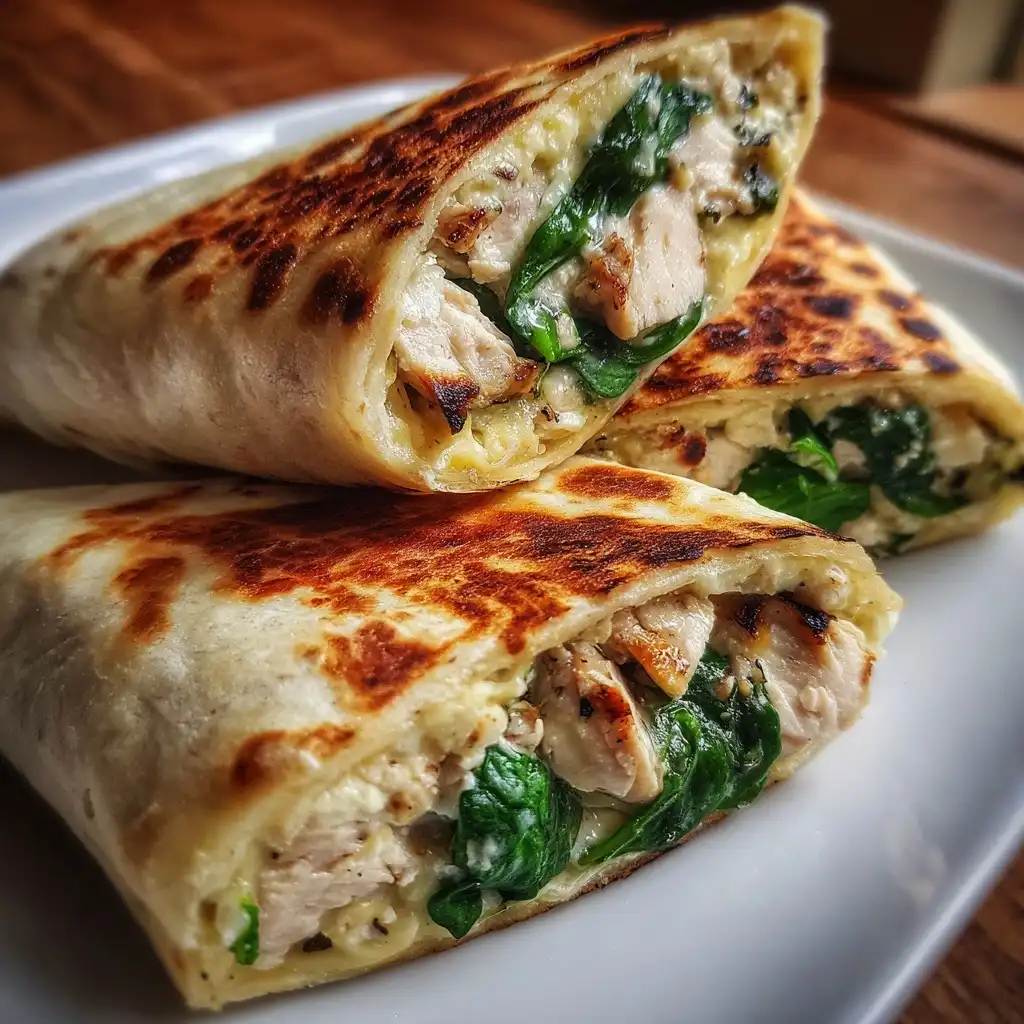
The Turkey Spinach Feta Wrap is a vibrant, nutrient-dense, and effortlessly satisfying meal that bridges the gap between hearty comfort food and light, health-conscious dining. Born from the modern demand for quick yet wholesome lunches and on-the-go meals, this wrap combines lean protein, earthy greens, tangy cheese, and zesty seasonings into a portable, flavor-packed package. Whether you’re packing it for work, serving it at a casual brunch, or enjoying it as a post-workout refuel, the Turkey Spinach Feta Wrap delivers balanced macronutrients, layered textures, and Mediterranean-inspired brightness—all wrapped snugly in a soft, pliable tortilla. Its versatility, minimal prep time, and adaptability to dietary preferences (gluten-free, dairy-free, low-carb, etc.) have cemented its status as a staple in home kitchens, meal-prep routines, and even café menus across North America and Europe.
The History
While no single inventor or origin date can be credited, the Turkey Spinach Feta Wrap evolved organically from several culinary currents converging in the late 20th and early 21st centuries. Its roots trace back to the broader “wrap revolution” of the 1980s and ’90s—when American consumers, inspired by Mexican burritos, Middle Eastern gyros, and Greek souvlaki pitas—began embracing the concept of encasing savory fillings in flatbreads as a healthier, more customizable alternative to sandwiches. Turkey, long promoted by U.S. agricultural campaigns and nutrition guidelines as a lean, accessible white meat, rose in popularity following the cholesterol-conscious ’80s and became a go-to protein in deli counters and pre-packaged lunch kits. Simultaneously, spinach gained widespread recognition as a “superfood” after USDA dietary reports highlighted its exceptional folate, iron, and antioxidant profile—and feta cheese surged in mainstream appeal following the “Mediterranean Diet boom” of the early 2000s, bolstered by clinical studies linking it to heart health and anti-inflammatory benefits. Food bloggers, dietitians, and cooking shows (notably on the Food Network and later YouTube) began pairing these three ingredients together around 2007–2010, touting their synergistic flavors and nutritional harmony. By 2013, the combination appeared regularly in meal-planning apps, Whole Foods prepared-food sections, and Weight Watchers’ weekly menus—solidifying its identity not just as a recipe, but as a cultural shorthand for smart, flavorful, intentional eating.
Ingredients Breakdown
Each component in the Turkey Spinach Feta Wrap plays a distinct functional and sensory role—contributing texture, moisture, umami, acidity, creaminess, or freshness. Understanding their individual properties helps elevate both flavor and structure:
- Whole-Wheat or Sprouted Grain Tortillas (8–10 inch): Provide complex carbohydrates, dietary fiber (3–5g per wrap), B vitamins, and gentle chew. Sprouted varieties offer enhanced bioavailability of minerals like magnesium and zinc, while whole-wheat adds satiating insoluble fiber. Look for brands with minimal added sugars (<2g per serving) and no hydrogenated oils.
- Lean Roasted Turkey Breast (3–4 oz, sliced or shredded): The primary protein source—delivering ~22–26g high-quality, complete protein with under 2g fat per serving. Opt for nitrate-free, low-sodium options (ideally <350mg sodium per serving) to avoid processed-meat drawbacks. Deli-sliced turkey should be moist—not dry or rubbery—to maintain wrap integrity.
- Fresh Baby Spinach (1–1½ cups, tightly packed): Adds volume, crunch, and a subtle sweetness with zero calories from fat. Rich in non-heme iron (enhanced by vitamin C from lemon juice or tomatoes), lutein, and nitrates shown to support vascular function. Avoid mature or stemmed spinach—it’s tougher and more bitter.
- Crumble-Style Feta Cheese (⅓–½ cup, preferably domestic or Greek PDO-certified): Supplies salty tang, creamy crumble, and ~6–8g of protein per serving. Made from sheep’s or goat’s milk (or blends), authentic feta contains beneficial CLA (conjugated linoleic acid) and calcium. Lower-sodium versions (under 300mg per ¼ cup) are available for hypertension-conscious eaters.
- Red Onion (2–3 thin slices, or 2 tbsp finely diced): Offers sharp, sulfurous bite and quercetin—a potent flavonoid antioxidant linked to reduced inflammation and improved endothelial function. Soaking in cold water for 5 minutes mellows pungency while preserving nutrients.
- Cherry Tomatoes (¼ cup, halved): Contribute juicy acidity, lycopene (a heat-stable carotenoid with proven cardiovascular and photoprotective effects), and natural sweetness that balances feta’s saltiness.
- Kalamata Olives (4–6 pitted, halved): A signature Mediterranean touch—rich in monounsaturated fats (oleic acid), polyphenols like oleuropein, and sodium-potassium balance. Their briny depth complements turkey without overpowering.
- Herbaceous Finish (1 tbsp fresh dill + 1 tsp chopped mint or parsley): Dill enhances feta’s aromatic profile; mint adds cooling contrast; parsley contributes chlorophyll and apiol. All are rich in volatile oils with digestive and antimicrobial properties.
- Signature Lemon-Dijon Dressing (3 tbsp): Whisk together 1½ tbsp extra-virgin olive oil (high in oleocanthal), 1 tbsp fresh lemon juice (vitamin C, citric acid for iron absorption), 1 tsp Dijon mustard (vinegar, turmeric, and emulsifying power), ½ tsp dried oregano, pinch of black pepper, and optional ¼ tsp honey for rounded acidity. This dressing binds ingredients, prevents sogginess (thanks to mustard’s stabilizing effect), and amplifies every flavor note.
Optional enhancements include: avocado slices (for creaminess and potassium), cucumber ribbons (for hydration and crunch), sun-dried tomatoes (for umami depth), toasted pine nuts or slivered almonds (for healthy fats and texture), or a sprinkle of za’atar for Levantine flair.
Step-by-Step Recipe
- Prep the Dressing: In a small bowl, vigorously whisk together olive oil, lemon juice, Dijon mustard, oregano, black pepper, and honey (if using) until fully emulsified—about 45 seconds. Set aside to allow flavors to meld.
- Hydrate & Prep Vegetables: Rinse baby spinach thoroughly and spin dry in a salad spinner (excess water = soggy wrap). Thinly slice red onion and soak in ice water for 5 minutes; drain and pat dry. Halve cherry tomatoes and pit/k切 Kalamatas. Chop fresh herbs.
- Warm the Tortilla: Heat a dry stainless steel or nonstick skillet over medium-low heat. Place tortilla in pan for 15–20 seconds per side—just until pliable and fragrant, with faint golden speckles. Do not overheat or crisp. Transfer to a clean kitchen towel and cover loosely to retain steam and flexibility.
- Layer Strategically: Lay warm tortilla flat on a cutting board or plate. Spread 1 tsp of dressing evenly over the center third—this creates a moisture barrier. Arrange turkey slices in an even layer, slightly overlapping, leaving a 1-inch border at the top and bottom. Scatter spinach evenly over turkey—press gently to compress. Dot with feta crumbles, then arrange tomatoes, onions, olives, and herbs in orderly rows atop the spinach.
- Roll with Precision: Fold the bottom edge up over the filling, tucking tightly. Fold in both sides inward about 1 inch—this seals the ends. Then, roll forward firmly but gently, applying even pressure to compact layers without squeezing out fillings. If desired, wrap rolled tortilla in parchment paper, then foil or reusable beeswax wrap for transport.
- Rest & Slice (Optional but Recommended): Let the wrap rest seam-side down for 3–5 minutes—this allows dressing to lightly coat ingredients and helps tortilla rehydrate slightly for easier slicing. For presentation or portion control, slice diagonally with a serrated knife into two halves; secure each half with a toothpick if needed.
Tips
- Tortilla Flexibility Is Key: Cold or stale tortillas crack. Always warm them—even 5 seconds in the microwave (covered with a damp paper towel) works in a pinch. Corn tortillas can be used for gluten-free needs, but require double-layering or par-cooking to prevent tearing.
- Dress Greens Last—Not First: Toss spinach separately with ½ tsp dressing *just before assembling* to avoid wilting. Never pour dressing directly onto bare tortilla and let sit—it will seep through and cause splitting.
- Slice Turkey Against the Grain: For tender, melt-in-your-mouth texture, cut roasted turkey perpendicular to muscle fibers. Shredding works well for pulled-style wraps or meal prep batches.
- Feta Storage Matters: Keep feta submerged in brine in the fridge. Drain and pat dry 10 minutes before use—excess liquid dilutes flavor and causes slippage. For ultra-creamy texture, crumble feta with your fingers rather than a fork.
- Build Your Wrap Like a Sandwich: Place wettest ingredients (tomatoes, olives) next to turkey—not directly against the tortilla. Greens act as a natural buffer. Reserve herbs for the very top layer—they stay vibrant and aromatic.
- Meal-Prep Smart: Assemble wraps up to 1 day ahead—but store *unwrapped*, seam-side down on parchment-lined container, with a damp paper towel tucked beside (not touching) to maintain tortilla pliability. Add dressing only when ready to eat, or pack it separately in a tiny leak-proof container.
- Crisp Without Cooking: For textural contrast, quickly pan-sear assembled wraps in a dry skillet over medium heat for 60–90 seconds per side—just until golden and lightly blistered. This seals the seam and adds irresistible warmth and crunch.
- Acid Is Your Ally: A final micro-grating of lemon zest over the finished wrap brightens all components and cuts through richness—don’t skip it.
Variations and Customizations
This wrap is endlessly adaptable—whether adjusting for allergies, macros, cultural preferences, seasonal produce, or culinary curiosity:
- Gluten-Free: Use certified GF brown rice, almond flour, or cassava tortillas—or serve as a deconstructed “Turkey Spinach Feta Bowl” over quinoa or mixed greens.
- Dairy-Free/Vegan: Swap feta for almond- or tofu-based feta alternatives (marinated in lemon, capers, and nutritional yeast), and use vegan mayo or tahini-lemon dressing. Add roasted chickpeas or marinated tempeh for protein.
- Low-Carb/Keto: Replace tortilla with large butter lettuce leaves (romaine hearts or iceberg cups), grilled portobello caps, or thinly sliced zucchini “wraps” (blanched 30 sec). Increase olive oil and olives; omit tomatoes or limit to 2 halves.
- High-Protein Boost: Add 1 hard-boiled egg (sliced), 2 tbsp hemp hearts, or ¼ cup cooked lentils. Or double the turkey portion and add a spoonful of Greek yogurt-based tzatziki.
- Mediterranean Upgrade: Include artichoke hearts, roasted red peppers, crumbled pistachios, and a drizzle of high-quality pomegranate molasses.
- Southwest Twist: Swap feta for cotija, add black beans, pickled jalapeños, corn kernels, and chipotle-lime crema.
- Breakfast Version: Use scrambled eggs or tofu scramble instead of turkey, add sautéed mushrooms, and finish with avocado and hot sauce.
- Kid-Friendly: Skip raw onion and olives; use mild feta or ricotta salata; add shredded carrots and apple matchsticks; serve with honey-dijon dip on the side.
- Meal-Prep Freezer Option: Assemble wraps without tomatoes/olives (add fresh when thawing), wrap tightly in freezer-safe parchment + foil, freeze up to 3 weeks. Thaw overnight in fridge, then add fresh veggies and dressing before eating.
Health Considerations and Nutritional Value
A standard Turkey Spinach Feta Wrap (made with one 10-inch whole-wheat tortilla, 3.5 oz turkey, 1½ cups spinach, ⅓ cup feta, ¼ cup tomatoes, 2 tbsp red onion, 4 olives, 1 tbsp herbs, and 3 tbsp lemon-Dijon dressing) delivers approximately:
- Calories: 420–480 kcal
- Protein: 32–36g (65–75% RDA for average adult)
- Total Fat: 18–22g (mostly unsaturated—olive oil, olives, feta)
- Saturated Fat: 6–8g (within recommended limits; feta contributes ~4g)
- Carbohydrates: 34–38g (including 6–8g dietary fiber)
- Sugar: 4–6g (naturally occurring from tomatoes, onion, honey—no added sugar)
- Sodium: 680–850mg (moderate; easily reduced by choosing low-sodium turkey and feta)
- Vitamins & Minerals: Provides >100% DV of Vitamin A (spinach), >150% DV Vitamin K (spinach + olive oil), 45% DV Folate (spinach + wheat), 30% DV Calcium (feta + spinach), plus significant iron, magnesium, potassium, zinc, and antioxidants including lutein, lycopene, quercetin, and oleuropein.
Functional Health Highlights:
- Cardiovascular Support: Monounsaturated fats (olive oil, olives), potassium (spinach, tomatoes), and nitrates (spinach) collectively promote healthy blood pressure, arterial elasticity, and LDL oxidation resistance.
- Digestive Wellness: High fiber content (whole grain + greens) feeds beneficial gut microbiota; lemon juice and mustard stimulate gastric acid production for optimal protein digestion.
- Anti-Inflammatory Profile: Polyphenols from olives, herbs, and lemon; omega-3 precursors in spinach; and CLA in feta work synergistically to modulate NF-kB and COX-2 pathways.
- Iron Absorption Optimization: Vitamin C from lemon and tomatoes significantly enhances non-heme iron uptake from spinach—making this wrap far more effective for iron status than spinach alone.
- Blood Sugar Balance: Low glycemic load (GL ≈ 12), high protein/fiber content, and vinegar in Dijon help blunt postprandial glucose spikes—ideal for prediabetic or insulin-sensitive individuals.
Who Should Modify? Those with hypertension may opt for low-sodium turkey and feta; individuals with IBS may reduce onion/olives or choose lactose-free feta; people managing kidney disease should consult a renal dietitian regarding potassium and phosphorus levels (though spinach and feta are moderate sources); those with histamine sensitivity may benefit from fresh (not aged) feta and immediate consumption.
Ingredients
- 1 (10-inch) whole-wheat or sprouted grain tortilla (certified gluten-free if needed)
- 3.5 oz (about ¾ cup) nitrate-free, low-sodium roasted turkey breast, sliced thin or shredded
- 1½ cups fresh baby spinach, washed and thoroughly dried
- ⅓ cup crumbled feta cheese (sheep’s milk preferred; low-sodium option available)
- ¼ cup cherry tomatoes, halved
- 2 tbsp red onion, very thinly sliced and soaked in ice water for 5 minutes, then drained
- 4–6 pitted Kalamata olives, halved
- 1 tbsp fresh dill, finely chopped
- 1 tsp fresh mint or flat-leaf parsley, finely chopped
- For the Lemon-Dijon Dressing:
- 1½ tbsp extra-virgin olive oil
- 1 tbsp fresh lemon juice (½ small lemon)
- 1 tsp Dijon mustard
- ½ tsp dried oregano
- ¼ tsp freshly ground black pepper
- ¼ tsp raw honey or maple syrup (optional, for balance)
Directions
- In a small mixing bowl, combine olive oil, lemon juice, Dijon mustard, oregano, black pepper, and honey (if using). Whisk vigorously for 45 seconds until smooth, thickened, and fully emulsified. Set aside.
- Rinse baby spinach in cold water and spin dry completely in a salad spinner. Lay flat on clean kitchen towels to air-dry for 2 minutes—crucial for preventing sogginess.
- Thinly slice red onion and submerge in a small bowl of ice water for exactly 5 minutes. Drain, gently squeeze between paper towels, and set aside.
- Heat a 8-inch stainless steel or nonstick skillet over medium-low heat. Place tortilla in dry pan and cook for 15 seconds, flip, cook another 15 seconds—until warm, soft, and slightly puffed. Transfer to a clean plate and cover loosely with a folded kitchen towel.
- Spread 1 teaspoon of the prepared dressing evenly over the center third of the warm tortilla—avoid edges.
- Arrange turkey slices in a single, slightly overlapping layer over the dressed area. Gently press down to adhere.
- Evenly scatter dried spinach over turkey. Press lightly with fingertips to create a cohesive layer.
- Dot with feta crumbles, then arrange tomato halves, drained red onion, Kalamata olives, dill, and mint/parsley in neat, horizontal rows.
- Fold the bottom edge of the tortilla up and over the filling, tucking tightly. Fold left and right sides inward about 1 inch each. Roll forward firmly but gently, applying steady pressure to seal and compact.
- Place seam-side down on a cutting board and rest for 4 minutes. For serving, slice diagonally with a serrated knife. Serve immediately—or wrap tightly for later.
FAQ
- Can I make this wrap ahead of time?
- Yes—with caveats. Assemble up to 1 day in advance, but store *undressed* and *unwrapped* in an airtight container lined with parchment, seam-side down, with a lightly damp (not wet) paper towel placed beside—not touching—the wrap. Refrigerate. Add dressing and fresh herbs just before eating. Tomatoes and olives are best added fresh to preserve texture and prevent weeping.
- Why does my wrap fall apart when I bite into it?
- Three common culprits: (1) Tortilla was too cold or stale—always warm before assembling; (2) Too much wet ingredient (e.g., undrained tomatoes or feta); (3) Improper rolling technique—ensure you tuck the bottom edge *first*, fold in the sides *second*, then roll tightly forward. Also, resting seam-down for 3–5 minutes helps ingredients settle and binding agents (like mustard in dressing) activate.
- Is feta cheese healthy despite being salty?
- Yes—when consumed in moderation. Authentic feta is lower in calories and fat than many aged cheeses (e.g., cheddar), contains beneficial bacteria (especially unpasteurized versions), and provides calcium, phosphorus, and CLA. Sodium can be managed by choosing low-sodium feta (look for <250mg per ¼ cup) and balancing with potassium-rich spinach and tomatoes.
- Can I use frozen spinach?
- Not recommended. Frozen spinach releases excessive water when thawed, leading to a soggy, unstructured wrap. It also lacks the textural brightness and enzymatic activity (e.g., myrosinase for glucosinolate conversion) found in raw baby spinach. Stick with fresh for optimal results.
- What’s the best way to reheat a leftover wrap?
- Avoid the microwave—it steams the tortilla and makes fillings rubbery. Instead, unwrap and place seam-side down in a dry, preheated cast-iron skillet over medium heat for 60–90 seconds per side until golden and warmed through. This crisps the exterior while keeping interiors moist.
- How do I keep this wrap low-calorie?
- Reduce olive oil to 1 tsp, omit honey, use ¼ cup feta instead of ⅓, skip olives or reduce to 2, and increase spinach volume to 2 cups (adds bulk and nutrients for negligible calories). Choose a 8-inch low-carb tortilla or lettuce cup alternative.
- Can I freeze this wrap?
- Absolutely—ideal for batch cooking. Assemble without tomatoes, olives, or fresh herbs. Wrap tightly in parchment paper, then aluminum foil or freezer-safe wrap. Freeze up to 3 weeks. Thaw overnight in the refrigerator, then add fresh veggies, herbs, and dressing before eating.
- What wine or beverage pairs well with this wrap?
- A crisp, high-acid white such as Assyrtiko (Greek), Sauvignon Blanc, or Vermentino complements the lemon, feta, and herbs beautifully. For non-alcoholic options, try sparkling water with lemon and crushed mint, or chilled hibiscus tea—both echo the bright, tangy notes.
Summary
The Turkey Spinach Feta Wrap is a masterclass in balanced, flavorful, and functional eating—uniting lean protein, phytonutrient-rich greens, probiotic-adjacent cheese, heart-healthy fats, and vibrant aromatics in one portable, customizable package.
With its roots in Mediterranean tradition and modern nutritional science, it satisfies hunger, supports metabolic health, adapts seamlessly to dietary needs, and proves that nutritious food need never sacrifice depth, texture, or joy.