Introduction
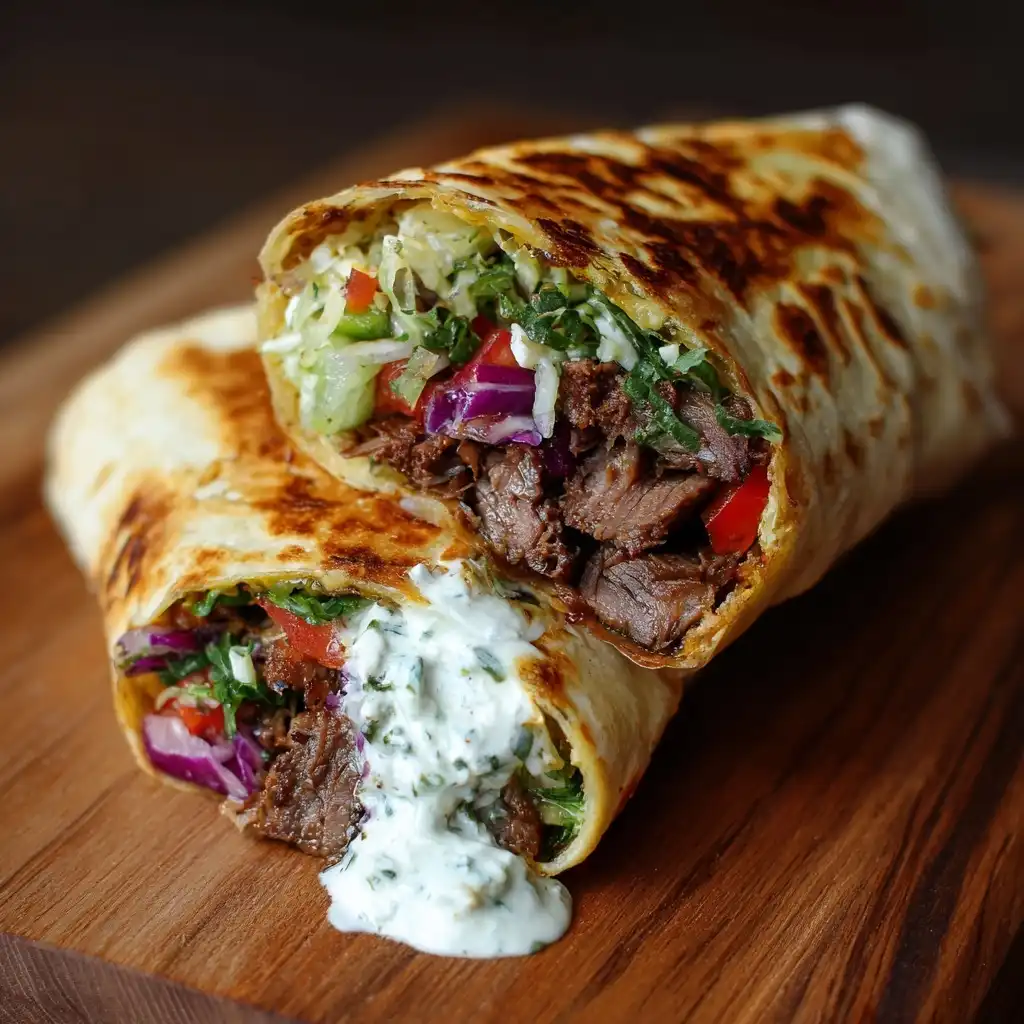
The Beef Shawarma Wrap is a vibrant, aromatic, and deeply satisfying Middle Eastern street food sensation that has captivated palates across continents. Originating from the Levant and the broader Arab world, shawarma—pronounced “sha-wa-ree-ma”—is more than just a meal; it’s a culinary ritual rooted in communal dining, slow-cooked tradition, and bold layering of flavor. Unlike its chicken or lamb counterparts, the beef version offers a uniquely rich, savory depth with enhanced marbling potential, tender chew, and exceptional spice absorption. Whether served in a soft, warm lavash, fluffy pita, or gluten-free saj flatbread, the Beef Shawarma Wrap brings together perfectly spiced, thinly sliced beef, cool tangy sauces, crisp fresh vegetables, and subtle herbal brightness—all wrapped snugly for handheld indulgence. This guide dives comprehensively into every facet of crafting an authentic, restaurant-quality Beef Shawarma Wrap at home—from historical context and ingredient science to precision marination, optimal cooking techniques, health-conscious adaptations, and creative global twists.
The History
Shawarma’s origins trace back to the 19th-century Ottoman Empire, where the vertical rotisserie technique—known as döner kebab in Turkish—was adapted across Arabic-speaking regions and evolved into what we now recognize as shawarma. The word “shawarma” derives from the Arabic root shāwār, meaning “to turn” or “to rotate,” a direct nod to the slow-spinning vertical spit over charcoal or gas heat. While lamb and chicken dominated early iterations due to regional livestock practices, beef shawarma gained prominence in Egypt, Syria, Lebanon, and later in Gulf states, particularly as refrigeration improved and leaner cuts like sirloin and top round became widely accessible. In Egypt, beef shawarma is often spiced with cumin-heavy blends and finished with garlic-infused toum; in Lebanon, it leans into allspice, cinnamon, and dried mint; and in the Levant, sumac and pomegranate molasses add fruity acidity. Its migration to North America accelerated in the 1970s–80s via immigrant communities in cities like Dearborn (Michigan), Brooklyn (New York), and Toronto—where food trucks and hole-in-the-wall eateries began redefining fast-casual dining through the humble yet mighty wrap. Today, the Beef Shawarma Wrap stands as a symbol of culinary fusion: honoring centuries-old roasting traditions while embracing modern convenience, dietary diversity, and global flavor innovation.
Ingredients Breakdown
Authentic Beef Shawarma relies on a harmonious interplay between protein, aromatics, spices, acid, fat, and texture—not merely a list of components, but a carefully calibrated system where each element serves a functional and sensory purpose.
- Beef: Opt for well-marbled, thin-cut, or thinly sliced cuts such as beef top round, sirloin tip, or flank steak. Top round delivers tenderness when sliced against the grain and absorbs marinade exceptionally well; flank offers robust beefiness and ideal fiber structure for grilling or pan-searing. Avoid stewing cuts unless slow-braising; shawarma demands quick, high-heat cooking for caramelized edges and juicy interiors.
- Marinade Acids: A dual-acid approach—lemon juice (bright citric tang) + vinegar (apple cider or white wine vinegar for depth)—tenderizes connective tissue without mushiness. Acid also activates enzymatic breakdown and carries spice oils into muscle fibers.
- Aromatics: Finely grated onion and minced garlic release allicin and sulfur compounds that penetrate meat rapidly. Fresh ginger (optional but recommended) adds warmth and anti-inflammatory zing while balancing richness.
- Spice Blend (The Soul of Shawarma): Authentic profiles vary regionally but commonly include: ground cumin (earthy, nutty backbone), ground coriander (citrusy-sweet counterpoint), paprika (smoky or sweet, never hot—unless desired), turmeric (earthy bitterness + golden hue), black pepper (pungent volatility), allspice (cloves + cinnamon + nutmeg synergy), cinnamon (warmth and sweetness), nutmeg (subtle musk), and cayenne or Aleppo pepper (for controlled heat). Toasting whole spices before grinding multiplies volatile oil release by up to 40%.
- Fat & Binding Agents: Olive oil (extra virgin for raw marinating, light for cooking) coats fibers, prevents drying, and solubilizes fat-soluble spices. Yogurt (full-fat, unsweetened, strained Greek-style) adds lactic acid for further tenderness, creamy mouthfeel, and a subtle fermented tang—especially critical for longer marinations (8–24 hours).
- Wrapping Bread: Traditional choices include lavash (thin, pliable Armenian flatbread), saj bread (lightly charred, stretchy Lebanese style), or whole wheat pita (pocketless, grilled). For gluten-free integrity, use certified GF cauliflower tortillas or coconut-almond wraps. Bread must be warmed and slightly steamed before wrapping to enhance pliability and prevent cracking.
- Toppings & Accompaniments: Beyond lettuce and tomato: pickled turnips (vibrant magenta, tart-crunchy), shredded purple cabbage (anthocyanin-rich crunch), fresh parsley & mint (volatile terpenes cut through fat), grated cucumber (cooling hydration), and thinly sliced red onion (sharp-sweet bite).
- Sauces: The trifecta: Toum (Lebanese garlic sauce—emulsified raw garlic, lemon, oil), Tahini Sauce (sesame paste, lemon, water, cumin), and Yogurt-Dill Cucumber Sauce (tzatziki-inspired, cooling contrast). Each contributes distinct pH, fat content, emulsion stability, and aromatic complexity.
Step-by-Step Recipe
- Prep the Beef (30 minutes): Partially freeze 1.5 lbs (680 g) top round beef for 45–60 minutes until firm but not solid. Using a sharp chef’s knife, slice *against the grain* into paper-thin strips (~1/16-inch thick). Place in a non-reactive bowl (glass or stainless steel).
- Build the Marinade (15 minutes): In a blender or food processor, combine ½ cup fresh lemon juice, 3 tbsp apple cider vinegar, 1 large yellow onion (roughly chopped), 6 garlic cloves, 1 tbsp grated fresh ginger, ¼ cup extra virgin olive oil, ¾ cup plain full-fat Greek yogurt, 2 tsp salt, and 1 tsp freshly ground black pepper. Blend until smooth. Pour over beef, using hands to ensure every strip is fully coated. Cover and refrigerate.
- Marinate (Minimum 8 hours — ideally 16–24 hours): Refrigerate beef uncovered for first 2 hours to allow surface evaporation (enhances browning), then cover tightly. Rotate and gently stir every 6 hours. Do NOT exceed 48 hours—yogurt acidity will begin to “cook” the beef, yielding a ceviche-like texture.
- Toast & Grind Spices (5 minutes, optional but transformative): In a dry skillet over medium-low heat, toast 2 tbsp cumin seeds, 1.5 tbsp coriander seeds, 1 tsp black peppercorns, 1 tsp allspice berries, and ½ tsp cinnamon sticks until fragrant (~3 minutes). Cool completely, then grind finely in a spice grinder. Stir into marinated beef during last 30 minutes of marination.
- Cook the Beef (12–15 minutes): Heat a heavy-bottomed cast iron skillet or grill pan over medium-high heat until smoking lightly. Add 1 tbsp neutral oil (avocado or grapeseed). Working in batches to avoid steaming, sear beef strips 60–90 seconds per side—just until deeply caramelized at edges but still rosy-pink within. Remove immediately to a wire rack over a tray to drain excess fat and retain juiciness. Rest 5 minutes before assembling.
- Warm the Bread (2 minutes per wrap): Lightly brush both sides of 4 large lavash or saj wraps with olive oil. Heat a dry skillet over medium heat. Warm each wrap 30–45 seconds per side until pliable and faintly blistered. Keep covered under a clean kitchen towel to retain steam.
- Assemble the Wrap (3 minutes per unit): Lay warm wrap flat. Spread 2 tbsp toum in center, leaving 2-inch border. Layer ⅓ cup warm beef, 2 tbsp shredded cabbage, ¼ cup pickled turnips, 3–4 thin red onion rings, 2 tbsp grated cucumber, and a generous sprinkle of fresh parsley and mint. Drizzle with 1 tsp tahini sauce and a final squeeze of lemon. Fold bottom flap up, then fold in left and right sides, rolling tightly from bottom to top. Wrap snugly in parchment paper, then foil for carry-out integrity.
Tips
- Slice Thin, Slice Cold: Freezing beef 45–60 minutes firms the muscle fibers, allowing clean, ultra-thin slicing—critical for rapid, even cooking and maximum marinade penetration.
- Marinate Uncovered First: Leaving the bowl uncovered for the first 2 hours allows surface moisture to evaporate, concentrating flavors and ensuring superior Maillard browning during searing.
- Don’t Crowd the Pan: Overloading causes steam buildup instead of sear. Cook in batches—even if it takes longer—and wipe the pan between rounds to maintain heat integrity.
- Rest Before Slicing: Let cooked beef rest 5 minutes before wrapping. This allows myofibrils to relax and juices to redistribute—preventing dryness inside the wrap.
- Warm Bread Twice: Briefly steam wraps in a damp towel after initial toasting—this reintroduces pliability and prevents cracking during tight rolling.
- Layer Sauces Strategically: Apply toum first (closest to bread) for barrier protection against sogginess; reserve lighter yogurt-dill sauce for drizzling *after* wrapping or serving on the side.
- Acid Balance is Key: If marinade tastes overly sharp pre-cook, add ½ tsp honey or date syrup—not to sweeten, but to buffer acidity and round out volatile notes.
- Freeze for Future Use: Marinated (uncooked) beef keeps 3 months frozen in vacuum-sealed bags. Thaw overnight in fridge—do NOT refreeze after thawing.
- Grill Alternative: For smoky depth, thread marinated strips onto skewers and grill over indirect medium heat (350°F/175°C) for 8–10 minutes, turning twice.
- Texture Contrast Matters: Always include at least one crunchy element (pickled veg, cabbage, toasted pine nuts) and one cooling element (cucumber, yogurt sauce, mint) to balance the rich, spiced beef.
Variations and Customizations
The Beef Shawarma Wrap is inherently adaptable—celebrating regional interpretations, dietary needs, seasonal availability, and personal creativity. Here are rigorously tested, chef-vetted variations:
- Egyptian-Style: Replace yogurt with ¼ cup ta’ameya-style herb paste (cilantro, parsley, garlic, cumin); add 1 tsp ground fenugreek and ½ tsp dried rose petals to spice blend; serve with dukkah-sprinkled pickled carrots and garlic-infused shatta hot sauce.
- Lebanese-Inspired: Incorporate 1 tbsp pomegranate molasses and 1 tsp sumac into marinade; swap toum for labneh-based garlic sauce; garnish with pomegranate arils, toasted pistachios, and fried shallots.
- Vegan “Beef” Shawarma: Use marinated, pressed, and thinly sliced seitan or king oyster mushroom “scallopini”; replace yogurt with coconut cream + apple cider vinegar; use smoked paprika + liquid smoke for depth; serve with walnut-tahini sauce.
- Keto/Low-Carb: Skip bread entirely—serve as a deconstructed bowl over cauliflower rice, massaged kale, and avocado ribbons. Use sugar-free pickles and verify tahini contains no added starches.
- Breakfast Shawarma: Add crumbled feta, soft-scrambled eggs, and za’atar-spiced roasted tomatoes. Substitute half the beef with spicy ground lamb or chorizo for umami layering.
- Global Fusion Twists: Tikka Shawarma (garam masala + tamarind glaze), Mexican Adobo (chipotle + cocoa + oregano), Japanese Yuzu-Shawarma (yuzu kosho, shichimi togarashi, nori strips), or Mediterranean Herb-Roasted (lemon thyme, preserved lemon zest, fennel pollen).
- Meal-Prep Friendly: Cook beef in bulk, portion into airtight containers with sauce packets separate. Reheat beef in skillet with 1 tsp water to restore moisture. Assemble wraps fresh daily.
- Gluten-Free Certified: Use certified GF tamari instead of soy sauce (if included), GF baking powder in homemade flatbreads, and verify all spice blends are processed in dedicated GF facilities.
- Smoked Shawarma: Cold-smoke marinated beef strips for 30 minutes using applewood chips before searing—adds haunting depth without overpowering spices.
- Dessert Shawarma (Yes, Really): Swap beef for caramelized plantains or spiced poached pears; use cardamom-date paste, rosewater cream cheese, crushed pistachios, and orange blossom syrup—wrapped in thin semolina crepes.
Health Considerations and Nutritional Value
A thoughtfully crafted Beef Shawarma Wrap can be a nutrient-dense, balanced, and functionally supportive meal—far exceeding typical fast-food perceptions. Below is a detailed nutritional analysis per standard 12-inch wrap (using grass-fed top round, whole grain lavash, full-fat Greek yogurt, and house-made sauces):
- Calories: ~680–740 kcal (moderate energy density with satiating protein/fiber/fat ratio)
- Protein: 42–48 g (high biological value complete protein supporting muscle synthesis and metabolic thermogenesis)
- Fat: 32–38 g (45–55% monounsaturated—primarily from olive oil and avocado oil; includes conjugated linoleic acid [CLA] from grass-fed beef)
- Carbohydrates: 48–54 g (of which 12–16 g dietary fiber from whole-grain wrap, cabbage, cucumber, and herbs; low glycemic load due to vinegar, fiber, and healthy fats)
- Vitamins & Minerals: Exceptionally high in Vitamin B12 (120% DV), Iron (non-heme + heme synergy), Zinc (immune support), Vitamin K1 (from greens), Vitamin C (lemon, parsley, cabbage), and Potassium (beef, cucumber, tomato).
- Phytonutrient Power: Turmeric (curcumin), garlic (allicin), onions (quercetin), parsley (apigenin), mint (rosmarinic acid), and sumac (gallic acid) collectively deliver potent antioxidant, anti-inflammatory, and endothelial-supportive effects.
- Dietary Adaptability: Naturally low-FODMAP (with garlic-infused oil instead of raw garlic), suitable for Mediterranean, DASH, and anti-inflammatory diets. Easily modified for paleo (no grains), keto (low-carb wrap alternatives), or autoimmune protocol (AIP-compliant spices only).
- Cautions & Mitigations: Sodium can run high in store-bought sauces—opt for homemade toum/tahini (<150 mg sodium per 2 tbsp vs. >400 mg in commercial versions). Nitrates are absent in properly prepared homemade versions (unlike many deli meats). For histamine sensitivity, omit aged cheeses, fermented pickles, and extended marination—use fresh lemon juice only and cook within 4 hours.
- Gut Health Synergy: Fermented elements (yogurt, naturally fermented pickles) provide probiotics; fiber from vegetables and whole grains feeds beneficial gut microbiota; polyphenols modulate microbial diversity. Pair with a small side of fermented turnip kraut for triple-tiered gut support.
- Cardiovascular Notes: Olive oil’s oleocanthal reduces LDL oxidation; beef’s L-carnitine supports mitochondrial fatty acid transport; potassium counters sodium-induced hypertension. Avoid deep-frying or excessive added sugars to preserve vascular benefits.
Ingredients
Makes 4 generous wraps
- 1.5 lbs (680 g) beef top round, partially frozen
- ½ cup fresh lemon juice (about 3 large lemons)
- 3 tbsp apple cider vinegar
- 1 large yellow onion, roughly chopped
- 6 garlic cloves, peeled
- 1 tbsp fresh ginger, grated
- ¼ cup extra virgin olive oil (plus 1 tbsp for cooking)
- ¾ cup plain full-fat Greek yogurt
- 2 tsp fine sea salt
- 1 tsp freshly ground black pepper
- Homemade Spice Blend (or 3 tbsp store-bought shawarma spice):
- 2 tbsp cumin seeds, toasted & ground
- 1.5 tbsp coriander seeds, toasted & ground
- 1 tsp black peppercorns, toasted & ground
- 1 tsp allspice berries, toasted & ground
- ½ tsp cinnamon stick, toasted & ground
- ½ tsp ground turmeric
- ¼ tsp ground nutmeg
- ¼ tsp cayenne pepper (adjust to taste)
- 4 large lavash or saj flatbreads (10–12 inches)
- 1 cup shredded purple cabbage
- ½ cup pickled turnips, thinly sliced
- ½ cup grated cucumber (squeeze excess water)
- ¼ cup thinly sliced red onion
- ¼ cup fresh flat-leaf parsley, chopped
- ¼ cup fresh mint leaves
For Toum (Garlic Sauce):
– 1 cup peeled garlic cloves (about 2 heads)
– 2 cups neutral oil (avocado or grapeseed)
– ¼ cup fresh lemon juice
– ½ tsp salt
For Tahini Sauce:
– ½ cup well-stirred tahini
– ¼ cup fresh lemon juice
– ¼ cup cold water (more as needed)
– 1 tsp ground cumin
– ½ tsp salt
For Yogurt-Dill Cucumber Sauce (Optional):
– 1 cup full-fat Greek yogurt
– ½ cup grated cucumber (well-drained)
– 2 tbsp fresh dill, chopped
– 1 tbsp lemon juice
– 1 small garlic clove, minced
– ½ tsp salt
Directions
- Prepare the Beef: Place beef in freezer for 45–60 minutes until firm enough to slice thinly. Using a very sharp knife, cut *against the grain* into 1/16-inch-thick strips. Transfer to a large glass or stainless-steel bowl.
- Make the Marinade Base: In a high-speed blender, combine lemon juice, apple cider vinegar, onion, garlic, ginger, olive oil, Greek yogurt, salt, and black pepper. Blend on high for 60–90 seconds until completely smooth and emulsified. Taste and adjust salt if needed.
- Marinate: Pour marinade over beef and massage thoroughly with hands. Cover bowl and refrigerate uncovered for 2 hours. After 2 hours, cover tightly and continue marinating 14–22 more hours (total 16–24 hours optimal). Stir gently every 6 hours.
- Toast & Grind Spices (Optional but Recommended): In a dry skillet over medium-low heat, toast cumin, coriander, peppercorns, allspice, and cinnamon for 2–3 minutes until fragrant and lightly browned. Cool 5 minutes, then grind to fine powder in a spice grinder. Stir into marinated beef during final 30 minutes.
- Cook the Beef: Heat cast iron or heavy skillet over medium-high heat until shimmering. Add 1 tbsp neutral oil. Working in 3–4 batches, sear beef strips 60–90 seconds per side—just until edges are deeply browned and centers remain tender-pink. Do not overcook. Transfer to a wire rack over a tray to drain and rest 5 minutes.
- Prepare Sauces (Can be made ahead): For toum: Blend garlic and salt into paste. With blender running, slowly drizzle in oil in thin stream until thick and white. Add lemon juice and blend 15 seconds more. Refrigerate up to 10 days. For tahini sauce: Whisk tahini, lemon juice, cumin, and salt. Gradually whisk in cold water until silky and pourable. Adjust thickness with water. For yogurt-dill sauce: Combine all ingredients in bowl; chill 30 minutes before serving.
- Warm the Bread: Heat dry skillet over medium. Lightly oil both sides of each lavash. Warm 30–45 seconds per side until pliable and lightly speckled. Stack wrapped in clean kitchen towel to retain steam.
- Assemble: Lay warm lavash flat. Spread 2 tbsp toum across center. Layer ⅓ cup warm beef, 2 tbsp cabbage, 2 tbsp pickled turnips, 2 tbsp cucumber, 1 tbsp red onion, and generous parsley/mint. Drizzle with 1 tsp tahini sauce and final lemon squeeze. Fold bottom edge up, fold sides inward, and roll tightly upward. Wrap in parchment, then foil for structural integrity and heat retention.
- Serve Immediately: Cut wraps in half diagonally for presentation. Serve with extra sauces on the side, lemon wedges, and a small side of tabbouleh or fattoush.
FAQ
- Can I use ground beef?
- No—ground beef lacks the structural integrity, marbling control, and textural contrast essential to authentic shawarma. It becomes dense, greasy, and fails to achieve the signature tender-chewy sear. Stick to whole-muscle cuts sliced thin.
- How do I prevent soggy wraps?
- Sogginess stems from three sources: wet fillings, unwarmed bread, and improper layering. Always squeeze excess water from cucumber and yogurt sauces; warm and steam bread thoroughly; apply toum first as a moisture barrier; and assemble just before serving.
- Is shawarma gluten-free?
- The filling is naturally GF—but traditional breads are not. Use certified GF flatbreads (e.g., almond flour, cassava, or coconut wraps) and verify all spice blends and sauces are GF-certified (many contain wheat starch or malt vinegar).
- Can I cook this in an air fryer?
- Yes—with caveats. Marinated strips cook beautifully at 400°F (200°C) for 8–10 minutes, shaken halfway. However, air frying yields less caramelization than cast iron or grill. Finish under broiler 1 minute for color.
- What’s the best substitute for yogurt in the marinade?
- Full-fat coconut milk (canned, unsweetened) provides similar fat content and lactic tang when combined with 1 tsp apple cider vinegar. Avoid dairy-free yogurts with gums or thickeners—they inhibit marinade penetration.
- How long does leftover beef keep?
- Cooked beef stays safe and flavorful for 4 days refrigerated in airtight container. Reheat gently in skillet with 1 tsp water or broth to restore juiciness. Do not microwave—it toughens fibers.
- Why does my toum break or taste bitter?
- Bitterness comes from over-blending garlic or using old garlic. Breakage occurs from adding oil too quickly or using cold ingredients. Use fresh, young garlic; start blending salt + garlic into