Introduction
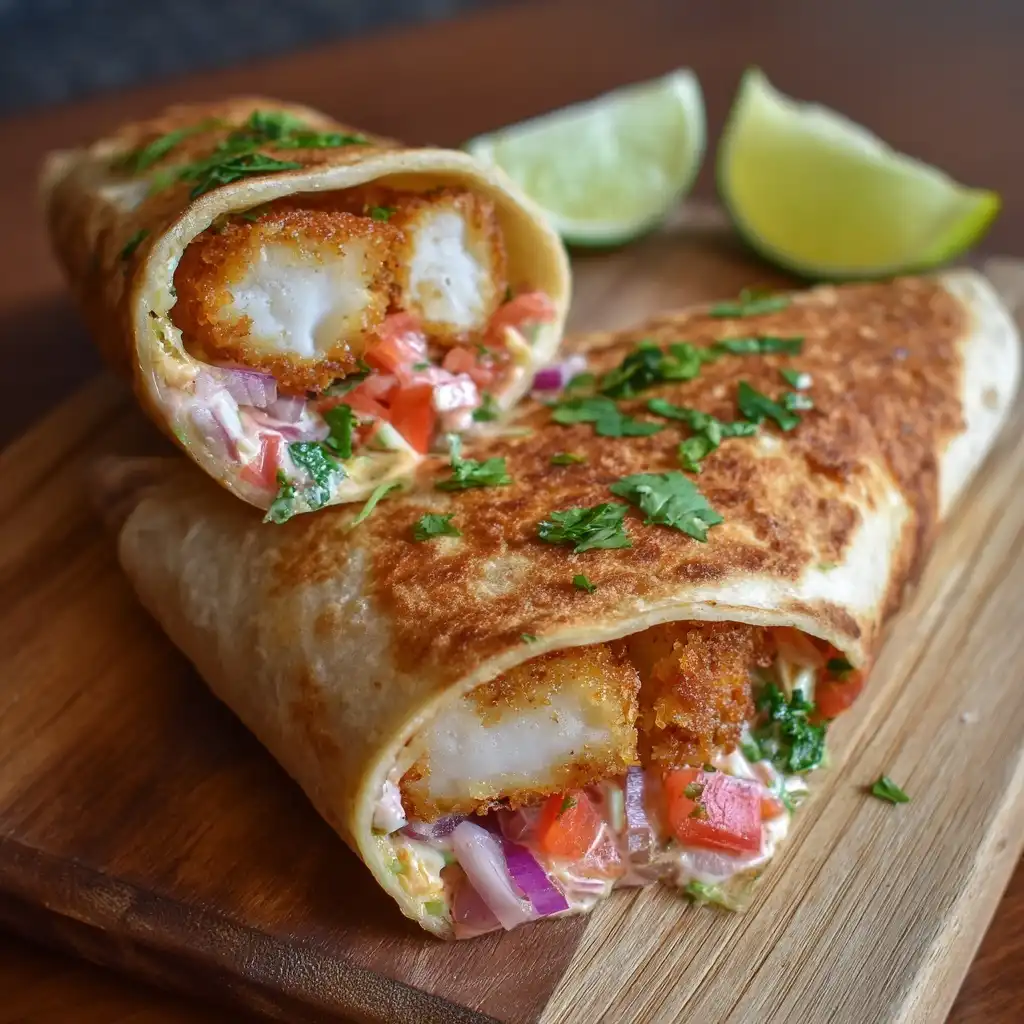
Welcome to the ultimate guide for crafting the perfect Crispy Fish Taco Wrap—a vibrant, textural, and deeply flavorful fusion dish that bridges coastal Mexican tradition with modern, portable convenience. Unlike traditional hard-shell or soft-corn taco formats, the Crispy Fish Taco Wrap reimagines the classic by encasing golden, flaky fish in a warm, pliable, and often lightly charred tortilla—transforming it into a handheld, mess-minimized, flavor-packed meal ideal for weeknight dinners, beachside picnics, game-day snacks, or healthy lunch prep. This isn’t just another taco variation; it’s a culinary evolution where crunch meets creaminess, heat meets freshness, and nutrition meets indulgence—all wrapped (literally) in one satisfying bite.
The History
The roots of the Crispy Fish Taco Wrap stretch across continents and centuries—but its modern incarnation is unmistakably born from Baja California’s iconic fish taco legacy. In the 1950s, street vendors in Ensenada began serving battered and fried local white fish—like dogfish, halibut, or shark—on handmade corn tortillas, topped simply with shredded cabbage and a squeeze of lime. This humble, ocean-to-table staple gained international fame in the 1980s when San Diego chef Ralph Rubio tasted them during a fishing trip and brought the concept north, launching Rubio’s Coastal Grill in 1983. As food culture evolved, chefs and home cooks alike began experimenting: swapping corn for flour or hybrid tortillas, adding global spices (like smoked paprika or gochujang), incorporating creamy slaws and zesty sauces, and ultimately embracing the “wrap” format—inspired by Middle Eastern shawarma, Vietnamese banh mi rolls, and American deli-style burrito trends. By the early 2010s, the Crispy Fish Taco Wrap emerged as a menu staple at upscale casual eateries, food trucks, and wellness-focused cafés—celebrated for its adaptability, visual appeal, and balanced macro profile. Today, it stands as a testament to cross-cultural culinary innovation: a Mexican soul, Californian spirit, and globally conscious sensibility—all rolled into one irresistible package.
Ingredients Breakdown
Every exceptional Crispy Fish Taco Wrap rests on four foundational pillars—each non-negotiable for authenticity, texture, and harmony:
- The Fish: Mild, firm-fleshed, sustainably sourced white fish is essential. Opt for wild-caught cod, hake, mahi-mahi, or responsibly farmed tilapia. Avoid overly delicate varieties (like sole) that fall apart during frying—or oily fish (like mackerel) that overpower the balance. Skinless fillets, cut into 2–2.5-inch batons or evenly sized portions, ensure uniform crispness and easy wrapping.
- The Batter & Breading System: A double-layered approach delivers unmatched crunch and adhesion. First, a seasoned buttermilk or beer-based wet brine tenderizes and seasons the fish deeply. Then, a dry dredge—typically a blend of all-purpose flour, fine cornmeal (for grit and golden color), cornstarch (for extra crispness and reduced oil absorption), and a symphony of spices (chili powder, cumin, garlic powder, onion powder, chipotle, and a whisper of cayenne)—creates a shatteringly crisp, aromatic crust. Optional panko or crushed tortilla chips add even more structural drama.
- The Tortilla: The unsung hero. While traditional tacos use small corn tortillas, the wrap demands something larger, flexible, and heat-responsive. Flour tortillas (8–10 inches) made with lard or high-fat vegetable shortening offer superior pliability and subtle richness. For gluten-free integrity, certified GF almond-flour or cassava-based wraps hold up beautifully when warmed. Corn tortillas can be used—if doubled and warmed thoroughly—to add earthy depth, though they require more careful handling.
- The Supporting Cast (Toppings & Accoutrements): These aren’t garnishes—they’re functional flavor architects. A cool, tangy slaw (cabbage, radish, jicama, red onion, lime, apple cider vinegar, and a touch of agave) cuts through richness. A creamy sauce—think chipotle aioli, avocado crema, or tomatillo-cilantro ranch—adds fat, acidity, and herbaceous lift. Fresh elements like pickled red onions, micro cilantro, crumbled cotija or queso fresco, and quick-pickled jalapeños provide brightness, funk, salt, and controlled heat. Lime wedges are mandatory—not optional—for finishing acidity.
Step-by-Step Recipe
- Prepare the Fish Brine (30–60 minutes ahead): In a large bowl, whisk together 1 cup buttermilk (or ¾ cup milk + ¼ cup lime juice), 2 tbsp hot sauce (Cholula or Valentina), 1 tsp smoked paprika, 1 tsp ground cumin, 1 tsp garlic powder, ½ tsp onion powder, 1 tsp kosher salt, and ½ tsp black pepper. Add 1 lb skinless white fish fillets, cut into 2-inch x ½-inch strips. Gently submerge, cover, and refrigerate for 30 minutes (up to 1 hour—do not exceed or texture suffers).
- Make the Dry Dredge: In a wide, shallow dish, combine 1 cup all-purpose flour, ½ cup fine yellow cornmeal, ¼ cup cornstarch, 1 tbsp chili powder, 1 tsp chipotle powder, 1 tsp dried oregano, 1 tsp salt, and ½ tsp cayenne. Whisk thoroughly and set aside.
- Heat the Oil: Fill a heavy-bottomed Dutch oven or deep skillet with 1.5 inches of high-smoke-point oil (avocado, peanut, or refined sunflower). Heat over medium-high to 350–365°F (use a candy thermometer—critical for consistent crispness). Maintain temperature throughout frying.
- Bread & Fry the Fish: Remove fish from brine, letting excess drip off. Dredge each piece thoroughly in the dry mixture, pressing gently to adhere. Shake off excess. Carefully lower 4–5 pieces at a time into hot oil—do not crowd. Fry for 2.5–3.5 minutes, turning once, until deep golden brown and internal temp reaches 145°F. Transfer to a wire rack set over a baking sheet lined with parchment—not paper towels—to preserve crispness. Sprinkle immediately with flaky sea salt.
- Warm the Tortillas: Heat a dry cast-iron skillet or griddle over medium. Warm each tortilla for 15–20 seconds per side until pliable and lightly speckled. Stack under a clean kitchen towel to keep warm and steam-softened.
- Assemble the Wrap: Lay a warm tortilla flat. Center 3–4 crispy fish strips slightly below the midpoint. Top generously with ¼ cup lime-cabbage slaw, 2 tbsp chipotle crema, 1 tbsp pickled red onions, a pinch of crumbled cotija, and a few cilantro leaves. Squeeze fresh lime juice over all.
- Wrap with Precision: Fold the bottom third up over the filling. Fold left and right sides inward tightly. Roll forward firmly but gently—tucking as you go—to seal. Optional: Secure with a toothpick or wrap snugly in parchment paper for carry-out integrity.
Tips
- Temperature Control Is Everything: Oil below 350°F yields greasy, soggy fish; above 375°F burns the exterior before the interior cooks. Use a reliable thermometer—and adjust heat as needed between batches.
- Double-Dredging for Maximum Crunch: For ultra-crisp results, dip brined fish in dry mix → let rest 2 minutes → dip again in brine → dredge a second time. This creates a thick, ridged, “crown”-like crust.
- Keep It Dry, Keep It Crisp: Pat fish *very* dry before brining if surface moisture is present. After brining, blot *gently* with paper towels—never rub. Excess water = steam = sogginess.
- Tortilla Flexibility Hack: If using flour tortillas prone to tearing, microwave stacked tortillas (covered with damp paper towel) for 15 seconds before warming on the griddle—this adds steam-based elasticity.
- Fry in Batches, Not All at Once: Overcrowding drops oil temp, steams instead of fries, and causes sticking. Allow oil to fully recover to 360°F between batches.
- Sauce Consistency Matters: Creamy sauces should be thick enough to cling—not pool. Thin with lime juice or water *drop by drop*. Too thin = leaky wraps; too thick = clumpy mouthfeel.
- Prep Components Ahead: Slaw, sauces, pickled onions, and even batter-dredged (unfried) fish can be prepped 1 day ahead and refrigerated separately. Fry only just before assembling for peak texture.
- The “Rest & Drain” Rule: Never place fried fish directly on paper towels—it traps steam and softens the crust. Always use a wire rack. For make-ahead service, re-crisp in a 400°F air fryer for 2–3 minutes.
Variations and Customizations
The Crispy Fish Taco Wrap is gloriously modular—designed for dietary needs, seasonal produce, pantry inventory, and bold personal taste:
- Pescatarian & Sustainable Swaps: Replace conventional white fish with line-caught albacore tuna chunks (lightly seared, not fried), grilled swordfish steaks, or marinated and baked salmon fillets. Use MSC-certified or Ocean Wise–approved seafood.
- Gluten-Free Transformation: Swap all-purpose flour for a 1:1 GF blend (with xanthan gum), use certified GF cornmeal and cornstarch, and choose GF tortillas (blue corn, cassava, or almond flour). Verify all spices/sauces are GF-certified (many chili powders contain wheat fillers).
- Vegan/Vegetarian Version: Substitute battered and fried hearts of palm, young green jackfruit (shredded and pressed), or tofu “fish” (made with nori, dulse, and kelp powder for oceanic umami). Use aquafaba-based “buttermilk” and nutritional yeast in breading.
- Global Flavor Twists:
- Korean-Mexican: Swap chili powder for gochugaru; add ginger and soy to brine; top with kimchi slaw and sesame-ginger crema.
- Thai-Inspired: Use lemongrass and fish sauce in brine; coat with rice flour + coconut flakes; serve with mango-jalapeño slaw and Thai basil crema.
- Mediterranean: Brine with lemon zest, oregano, and capers; dust with za’atar and sumac; top with cucumber-tomato-feta salad and tzatziki.
- Low-Carb/Keto Adaptation: Skip tortillas entirely—serve as a “deconstructed wrap bowl”: crispy fish over massaged kale, jicama ribbons, avocado, roasted pepitas, and lime-herb vinaigrette.
- Breakfast Wrap Edition: Add a runny-yolk fried egg, crumbled chorizo, black beans, and roasted poblano strips—transforming it into a savory morning powerhouse.
- Spice-Level Spectrum: Mild? Omit cayenne, use ancho instead of chipotle. Medium? Keep as written. Fiery? Add minced serranos to slaw, habanero hot sauce to crema, and a sprinkle of Tajín Clásico on the finished wrap.
Health Considerations and Nutritional Value
A well-crafted Crispy Fish Taco Wrap can be both deeply satisfying and nutritionally intelligent—with mindful ingredient choices elevating its wellness profile:
- Protein Powerhouse: A 4-oz serving of cod provides ~20g high-quality, complete protein—supporting muscle synthesis, satiety, and metabolic health. Omega-3 fatty acids (especially in fatty fish like mahi-mahi or salmon variations) contribute to cardiovascular and cognitive function.
- Smart Carbohydrates: Whole-grain or sprouted flour tortillas add fiber (3–5g per wrap), slowing glucose absorption and supporting gut microbiota. Blue corn tortillas offer anthocyanin antioxidants and a lower glycemic index than standard white flour.
- Healthy Fats in Focus: Using avocado or olive oil for frying (if temperature permits) introduces monounsaturated fats. Avocado crema and cotija cheese deliver beneficial fats without excessive saturated load—especially when portion-controlled (1–2 tbsp crema, 1 tbsp cheese).
- Phytonutrient Density: Slaw ingredients—red cabbage (anthocyanins), jicama (prebiotic inulin), radishes (glucosinolates), lime (vitamin C & bioflavonoids)—create a synergistic antioxidant matrix that combats oxidative stress and supports detox pathways.
- Reducing Sodium & Hidden Sugars: Skip pre-made seasoning blends (often laden with MSG and sodium). Make your own spice mix. Opt for unsweetened plant-based milks in vegan versions. Choose low-sodium cotija or feta alternatives if managing hypertension.
- Portion Awareness: One fully assembled wrap (including tortilla, fish, slaw, sauce, cheese) ranges from 480–650 calories depending on size and ingredients—making it a balanced meal, not a snack. Pair with a simple side salad or roasted vegetables to round out micronutrients.
- Allergen Notes: Naturally nut-free and dairy-free (if omitting cheese/crema), but always verify labels on pre-made sauces, tortillas, and spices for cross-contamination warnings (soy, wheat, mustard, sulfites).
Ingredients
- For the Fish & Batter:
- 1 lb skinless, boneless white fish fillets (cod, hake, mahi-mahi, or tilapia), cut into 2-inch x ½-inch strips
- 1 cup buttermilk (or ¾ cup whole milk + ¼ cup fresh lime juice)
- 2 tbsp Cholula or Valentina hot sauce
- 1 tsp smoked paprika
- 1 tsp ground cumin
- 1 tsp garlic powder
- ½ tsp onion powder
- 1 tsp kosher salt
- ½ tsp freshly ground black pepper
- 1 cup all-purpose flour (or certified GF 1:1 blend)
- ½ cup fine yellow cornmeal
- ¼ cup cornstarch
- 1 tbsp chili powder
- 1 tsp chipotle powder
- 1 tsp dried oregano
- ½ tsp cayenne pepper (adjust to taste)
- Vegetable, avocado, or peanut oil for frying (approx. 2 cups)
- For the Lime-Cabbage Slaw:
- 3 cups thinly shredded green cabbage
- ½ cup matchstick-cut jicama
- ¼ cup finely sliced red onion
- ¼ cup shredded purple cabbage (for color)
- 2 tbsp fresh lime juice
- 1 tbsp apple cider vinegar
- 1 tsp agave nectar or honey
- ½ tsp toasted cumin seeds
- ½ tsp kosher salt
- ¼ tsp black pepper
- For the Chipotle Crema:
- ½ cup full-fat sour cream or Mexican crema
- 2 tbsp mashed canned chipotles in adobo (seeds removed for mild heat)
- 1 tbsp fresh lime juice
- 1 tsp minced garlic
- ½ tsp ground cumin
- ¼ tsp smoked paprika
- ¼ tsp kosher salt
- For Assembly:
- 4 large (10-inch) flour tortillas (or GF alternative)
- ½ cup quick-pickled red onions
- ¼ cup crumbled cotija or queso fresco
- Fresh cilantro leaves
- Lime wedges, for serving
- Flaky sea salt, for finishing
Directions
- Brine the Fish: In a non-reactive bowl, whisk together buttermilk, hot sauce, smoked paprika, cumin, garlic powder, onion powder, salt, and pepper. Add fish strips, ensuring full submersion. Cover and refrigerate 30–60 minutes.
- Prepare Slaw: In a medium bowl, combine cabbage, jicama, red onion, and purple cabbage. In a small jar, shake lime juice, apple cider vinegar, agave, cumin seeds, salt, and pepper until emulsified. Pour over vegetables and toss well. Refrigerate for at least 20 minutes (up to 2 days).
- Make Chipotle Crema: In a blender or food processor, combine sour cream, chipotles, lime juice, garlic, cumin, smoked paprika, and salt. Blend until completely smooth. Adjust lime or salt to taste. Chill until ready to use.
- Prepare Pickled Onions: Thinly slice 1 small red onion. Submerge in equal parts apple cider vinegar and warm water with 1 tsp sugar and 1 tsp salt for 15 minutes. Drain before using.
- Heat Oil: Pour oil into a heavy pot to 1.5-inch depth. Heat over medium-high to 350–365°F. Maintain with thermometer.
- Dredge & Fry: Remove fish from brine, letting excess drip. Place dry dredge ingredients in a wide dish. Dredge each strip thoroughly, shaking off excess. Fry in batches (4–5 pieces) for 2.5–3.5 minutes, turning once, until golden and cooked through. Transfer to wire rack; season immediately with flaky salt.
- Warm Tortillas: Heat a dry skillet over medium. Warm each tortilla 15–20 sec per side until soft and pliable. Stack under towel.
- Assemble Wraps: Lay tortilla flat. Place 3–4 fish strips just below center. Top with ¼ cup slaw, 2 tbsp crema, 1 tbsp pickled onions, 1 tbsp cheese, and cilantro. Squeeze lime juice over all.
- Wrap Tightly: Fold bottom edge up over filling. Fold left and right sides in. Roll forward firmly, tucking filling as you go. Serve immediately—or wrap in parchment for grab-and-go.
FAQ
- Can I bake the fish instead of frying?
- Yes—but texture shifts significantly. For “oven-crispy” results: pat fish *extremely* dry, coat in dredge + 1 tbsp neutral oil, and bake on a wire rack at 425°F for 12–15 minutes, flipping halfway. Finish under broiler 1–2 minutes for extra crunch. Expect less shatter, more “crust.”
- What’s the best way to reheat leftovers?
- Avoid the microwave—it steams and sogs. Instead, use an air fryer at 375°F for 3–4 minutes, or a lightly oiled skillet over medium for 2–3 minutes per side. Re-warm tortillas separately.
- Why does my batter fall off during frying?
- Most common causes: (1) Fish not patted dry before brining, (2) Brine too watery (add 1 tsp mustard to brine for better adhesion), (3) Not letting excess brine drip off before dredging, (4) Overcrowding the pan causing temp drop and steam buildup.
- Can I freeze the battered fish for later?
- Absolutely. After dredging (but before frying), lay coated fish on a parchment-lined tray, freeze solid (2 hours), then transfer to an airtight freezer bag. Fry straight from frozen—add 30–60 seconds to cook time. Do not thaw first.
- Is there a low-oil version without sacrificing crunch?
- Try “oven-frying” with a convection setting: spray heavily with avocado oil spray after dredging, place on wire rack, and bake at 450°F convection for 10–12 minutes, flipping once. Or use an air fryer: spray with oil, cook at 400°F for 10–12 minutes, shaking basket halfway.
- How do I prevent soggy wraps?
- Three non-negotables: (1) Drain fried fish on a wire rack—not paper towels, (2) Ensure slaw is well-drained (squeeze gently in a clean towel if needed), (3) Apply creamy sauce *after* slaw—not underneath—to create a moisture barrier.
- What wine or beverage pairs best?
- Crisp, high-acid whites shine: Albariño, Vinho Verde, or unoaked Sauvignon Blanc cut through richness. For beer lovers, a bright Mexican lager (Modelo Especial) or citrus-forward IPA balances spice. Non-alcoholic: Hibiscus agua fresca or cold-brewed green tea with lime.
- Can I make this kid-friendly?
- Easily! Reduce or omit cayenne and chipotle. Use mild Monterey Jack instead of cotija. Add shredded cheddar or mozzarella. Swap slaw for shredded lettuce + diced apple. Serve with lime-dipped fish strips and a side of crema for dipping.
Summary
The Crispy Fish Taco Wrap is a masterclass in balance—where golden, flaky fish meets cool, zesty slaw and velvety-spiced crema, all enrobed in a warm, supple tortilla that holds its shape without compromise.
Rooted in Baja tradition yet endlessly adaptable for dietary needs, global flavors, and modern wellness goals, it proves that indulgence and nourishment don’t just coexist—they elevate each other, one perfectly wrapped bite at a time.