Introduction
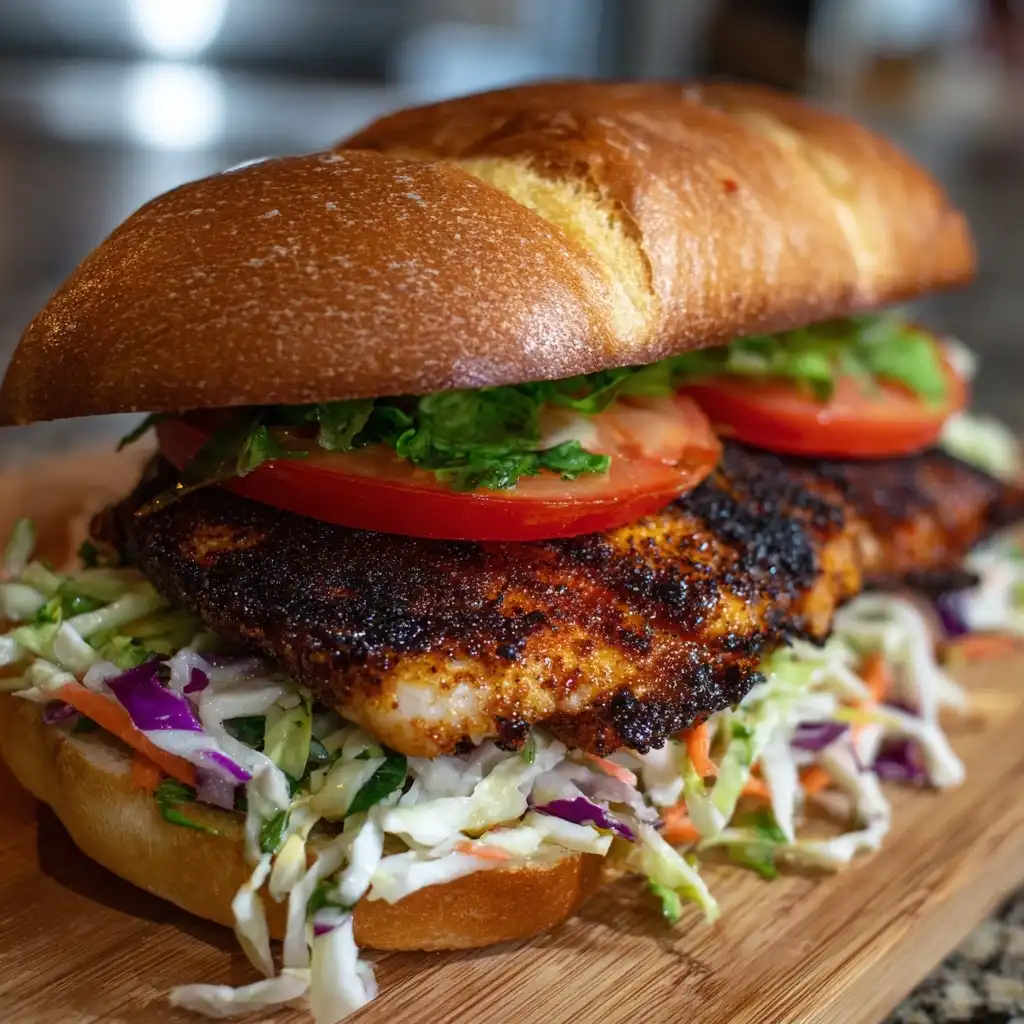
The Blackened Fish Sandwich is a bold, flavorful, and restaurant-worthy dish that brings the fiery, aromatic essence of Cajun cooking to the humble fish sandwich. With its signature charred crust, tender flaky interior, and vibrant toppings, it strikes the perfect balance between smoky heat, bright acidity, and creamy richness. Whether served on a toasted brioche bun, artisanal ciabatta roll, or even gluten-free seeded bread, this sandwich delivers a multisensory experience — crispy, spicy, juicy, and refreshing all at once. Far from being just another seafood lunch option, the blackened fish sandwich embodies culinary craftsmanship: a technique-driven preparation rooted in regional tradition, elevated with modern sensibility, and endlessly adaptable to personal taste, dietary needs, and seasonal ingredients.
The History
The origins of blackening trace back to 1970s New Orleans, where legendary chef Paul Prudhomme revolutionized American cuisine by popularizing the technique at his flagship restaurant, K-Paul’s Louisiana Kitchen. While searing fish over high heat with spice rubs had existed in various forms across the South and Caribbean, Prudhomme codified and branded “blackening” — using a custom blend of paprika, cayenne, thyme, oregano, garlic powder, onion powder, salt, and black pepper — and applied it with theatrical precision: heating a cast-iron skillet until smoking, coating fish fillets generously in the spice mix, then cooking them rapidly to create an intensely flavored, darkened (but not burnt) crust. Though often mischaracterized as “burnt,” authentic blackening relies on the Maillard reaction and controlled charring, not combustion. The technique quickly transcended fine dining, entering home kitchens, food trucks, and fast-casual chains — and the blackened fish sandwich emerged as a natural evolution, marrying Prudhomme’s bold method with the American love for handheld, customizable, crave-worthy sandwiches. Today, it stands as a beloved staple across coastal regions, Southern diners, health-conscious cafes, and gourmet seafood markets alike — a testament to how regional innovation can reshape national food culture.
Ingredients Breakdown
Every component of the blackened fish sandwich plays a vital role — not merely as filler or garnish, but as intentional counterpoint to the star: the blackened fish. Below is a comprehensive, chef-level breakdown of each ingredient category:
- Fish Fillets (6–8 oz total): Opt for sustainably sourced, skinless, boneless, firm-fleshed white fish such as wild-caught Gulf red snapper, Atlantic cod, Alaskan pollock, or line-caught mahi-mahi. Avoid overly delicate varieties like sole or flounder, which may disintegrate during aggressive blackening. Thickness matters: ¾-inch fillets ensure ideal crust development without overcooking the center. Pat dry thoroughly — moisture is the enemy of adhesion and crust formation.
- Blackening Spice Rub (Homemade Preferred): A balanced blend must harmonize heat, earthiness, sweetness, and depth. Core components include smoked paprika (for color and subtle smoke), sweet Hungarian paprika (for richness), cayenne pepper (adjustable heat), dried thyme and oregano (herbal backbone), garlic and onion powders (umami foundation), freshly ground black pepper (bright pungency), and fine sea salt (enhances all flavors). Optional but recommended: a pinch of ground coriander for citrusy nuance and a whisper of brown sugar (¼ tsp per tbsp spice) to aid caramelization without sweetness.
- High-Smoke-Point Oil: Use refined avocado oil, grapeseed oil, or light olive oil — never extra virgin olive oil or butter alone — to safely withstand the 450°F+ temperatures required for proper blackening. Butter may be added *after* initial sear (in the last 30 seconds) for flavor and sheen, but never as the sole cooking fat.
- The Bun: Choose a sturdy, slightly sweet, and soft-yet-structured roll: brioche (buttery and resilient), potato rolls (light and fluffy with great moisture absorption), or pretzel buns (toasted crunch + malty depth). Lightly butter and grill or toast both cut sides until golden-brown — this creates a moisture barrier against fish juices and adds textural contrast.
- Signature Slaw or Topping Base: A cool, crunchy, tangy slaw is non-negotiable for balance. Classic versions use shredded green cabbage, red onion, carrot, and celery tossed in a Creole mustard–lime vinaigrette (Dijon, fresh lime juice, apple cider vinegar, a touch of honey, and neutral oil). For creamier appeal, a remoulade variation incorporates roasted garlic, capers, chopped parsley, and a splash of hot sauce.
- Layering Enhancers: Pickled jalapeños (for vinegary heat), avocado slices or smashed guacamole (for lush fat and cooling effect), microgreens or butter lettuce (for freshness and visual pop), and heirloom tomato slices (ripe but firm, lightly salted) round out the structural and flavor profile. Optional luxury additions: crispy fried shallots, pickled red onions, or a drizzle of chipotle aioli.
- Finishing Accents: Fresh herbs (cilantro, dill, or flat-leaf parsley), flaky sea salt (Maldon), cracked black pepper, and a final squeeze of lime or lemon juice right before serving elevate aroma and brightness.
Step-by-Step Recipe
- Prep the Fish: Place fillets on a wire rack set over a baking sheet. Pat *extremely* dry with paper towels — repeat until no moisture remains visible. Let air-dry uncovered in the refrigerator for 15–20 minutes. This step is critical for maximum spice adherence and crust formation.
- Make the Spice Rub: In a small bowl, whisk together 2 tbsp smoked paprika, 1 tbsp sweet paprika, 1½ tsp cayenne (reduce to 1 tsp for mild, increase to 2 tsp for fiery), 1 tsp dried thyme, 1 tsp dried oregano, 1 tsp garlic powder, 1 tsp onion powder, 1 tsp freshly ground black pepper, and 1½ tsp fine sea salt. Optional: add ¼ tsp ground coriander and ⅛ tsp brown sugar. Store extras in an airtight jar for up to 6 months.
- Season Generously: Place fillets on parchment-lined surface. Coat *both sides* liberally with spice rub — press gently to adhere. Do not skip the edges. Let rest 5 minutes at room temperature while preheating skillet.
- Heat the Skillet: Place a heavy 12-inch cast-iron skillet over medium-high heat for 2 minutes. Add 1½ tbsp high-smoke-point oil and swirl to coat. Heat until oil shimmers and just begins to emit thin wisps of smoke (~475°F). Do not walk away — this stage demands full attention.
- Blacken the Fish: Carefully place fillets in skillet, smooth-side down first. Press gently with a spatula for 5 seconds to ensure contact. Cook undisturbed for 2 minutes — do not move, peek, or press again. You’ll hear vigorous sizzling followed by a deepening crackle. When edges darken and release easily, flip using a thin, flexible metal spatula. Cook second side 1 minute 45 seconds for ¾-inch fillets (adjust ±15 sec per ⅛-inch thickness). For optional butter finish: add 1 tbsp cold unsalted butter and 1 clove smashed garlic to skillet during last 30 seconds; tilt pan and spoon foaming butter over fish.
- Rest & Assess: Transfer fish to a clean wire rack. Rest 2 minutes — this allows residual heat to finish cooking the center while juices redistribute. Check doneness: internal temp should read 135–140°F; flesh should flake easily with gentle pressure but remain moist.
- Toast the Buns: While fish rests, butter cut sides of buns and grill in same skillet (wiped clean) or on a griddle over medium heat until deeply golden and crisp — about 1.5 minutes per side.
- Assemble with Intention: Start with bottom bun. Spread 1 tbsp remoulade or slaw dressing. Layer ¼ cup slaw. Place fish centered atop slaw. Top with 2–3 avocado slices, 2–3 tomato wedges, 3–4 pickled jalapeño rings, and a small handful of microgreens. Drizzle with lime juice, sprinkle with flaky salt and cilantro. Crown with top bun — press *gently* to nestle layers.
- Serve Immediately: Present whole, or cut diagonally with a serrated knife. Serve with extra lime wedges, additional slaw on the side, and a chilled beverage — think hibiscus iced tea, cucumber-mint sparkling water, or a crisp pilsner.
Tips
- Ventilation is Non-Negotiable: Blackening produces significant smoke. Turn on range hood to highest setting, open windows, and consider lighting a scented candle *after* cooking to neutralize residual odor — never during, as fragrance interferes with seasoning perception.
- Skip the Non-Stick Pan: Cast iron is essential — it retains and radiates intense, even heat needed for true blackening. Stainless steel works in a pinch, but avoid non-stick coatings, which degrade at high temps and inhibit crust formation.
- Spice Adhesion Hack: For ultra-sticky rub, mist fillets *very lightly* with filtered water or lime juice *before* applying spices — just enough to make surface tacky, not wet.
- Batch Cooking Tip: To serve multiple people without crowding the pan, blacken fish in batches — keep cooked fillets warm on a wire rack over a baking sheet in a 200°F oven for up to 10 minutes. Never stack or cover — steam softens the crust.
- Don’t Fear the Smoke Ring: A thin, dark outer rim (1–2 mm) is ideal — it’s where complex, roasted, almost coffee-like notes develop. True burning (bitter, acrid, thick black char) means skillet was too hot, oil degraded, or fish was too wet.
- Salting Timing Matters: Salt goes into the spice rub — *not* directly on raw fish beforehand — to prevent premature protein breakdown and moisture leaching.
- Acid Is Your Ally: Always serve with lime or lemon on the side. Citrus cuts through richness, brightens spices, and balances heat — never omit this finishing touch.
- Knife Skills Matter: Use a sharp, flexible fillet knife to portion cooked fish — sawing tears delicate flesh. Slice at a 45° angle in one confident motion for elegant presentation.
- Leftover Reinvention: Flake cooled blackened fish into grain bowls (with farro, roasted sweet potatoes, black beans, and chipotle crema), fold into omelets, or toss with pasta and arugula for a lightning-fast dinner.
- Smoke Detector Strategy: If alarms are sensitive, temporarily disable (per safety code guidelines) or relocate detector during cooking — but never ignore fire safety fundamentals.
Variations and Customizations
The blackened fish sandwich is inherently versatile — a canvas for global inspiration, dietary accommodation, and seasonal creativity. Below are thoughtfully curated variations, each preserving the soul of blackening while offering distinct character:
- Southwest Style: Swap traditional slaw for a jicama-apple-corn salsa with lime, cilantro, and roasted poblano. Top with crumbled cotija cheese, pickled red onion, and a chipotle-lime aioli. Use mahi-mahi or catfish for robust flavor compatibility.
- Mediterranean Twist: Replace Cajun spices with a blend of za’atar, sumac, smoked paprika, lemon zest, and crushed fennel seed. Serve on grilled pita or focaccia with tzatziki, shaved cucumber, kalamata olives, and fresh mint. Opt for branzino or sea bass.
- Vegan “Blackened” Option: Marinate extra-firm tofu or king oyster mushroom “scallops” in blackening spices + tamari + liquid smoke + maple syrup. Pan-sear in avocado oil. Layer with cashew-based “remoulade,” beetroot slaw, and avocado. Bun: sprouted grain or seeded sourdough.
- Low-Carb/Keto Build: Skip the bun entirely. Serve blackened fish over a bed of massaged kale and shredded Brussels sprouts, topped with avocado ribbons, radish matchsticks, hemp seeds, and lemon-caper vinaigrette. Wrap in large butter lettuce leaves for handheld ease.
- Breakfast Sandwich: Blacken a thinner tilapia or flounder fillet, top with a runny-yolk fried egg, pepper-jack cheese, and chipotle-maple syrup–drizzled sweet potato hash on an English muffin. Add pickled red onion for brightness.
- Asian-Inspired Fusion: Use gochujang-spiked blackening rub (replace half paprika with gochujang paste + toasted sesame oil). Serve on steamed bao buns with quick-pickled daikon-carrot, nori strips, scallion oil, and yuzu-kosho mayo.
- Seafood Medley Sandwich: Combine blackened fish with seared scallops and shrimp, all coated in same spice blend. Layer with lemon-dill aioli, heirloom tomato, and arugula on a multi-grain roll.
- Kid-Friendly Mild Version: Reduce cayenne to ¼ tsp, add 1 tsp nutritional yeast for umami depth, and incorporate 1 tsp freeze-dried cheddar powder into rub. Serve with mild avocado-cilantro crema and apple slaw instead of cabbage.
- Gourmet Upscale Build: Use line-caught halibut, finish with browned butter and lemon-thyme gastrique. Elevate bun to house-made brioche with saffron infusion. Top with black garlic aioli, compressed watermelon radish, and edible flowers.
- Grill-Outdoor Variation: Preheat charcoal or gas grill to 500°F+. Oil grates well. Sear fish directly over flame for 2 minutes per side, then move to cooler zone to finish. Adds subtle woodsmoke nuance — especially with cherry or pecan wood chips.
Health Considerations and Nutritional Value
A well-constructed blackened fish sandwich is not only delicious but nutritionally intelligent — when prepared mindfully. Below is a detailed analysis based on a standard 6-oz wild-caught cod version on a toasted brioche bun, with classic slaw and avocado (approx. 620–710 calories total, depending on oil and bun size):
- High-Quality Protein: Fish provides ~35–42g complete protein per serving — rich in all nine essential amino acids, supporting muscle synthesis, satiety, and metabolic function.
- Omega-3 Fatty Acids: Cold-water varieties like cod, snapper, and salmon deliver EPA and DHA — clinically shown to reduce triglycerides, support cognitive health, lower systemic inflammation, and improve endothelial function. A single serving offers 300–800mg, contributing meaningfully toward the recommended 1,000–2,000mg weekly intake.
- Antioxidant-Rich Spices: Cayenne contains capsaicin (thermogenic, anti-inflammatory), paprika supplies lycopene and vitamin A (immune and vision support), thyme and oregano offer rosmarinic acid (neuroprotective), and garlic powder contributes allicin precursors (cardiovascular benefits).
- Fiber & Phytonutrients: Slaw contributes 4–6g dietary fiber (supports gut microbiota and glycemic control), plus glucosinolates from cabbage (detoxification support) and anthocyanins from red onion (antioxidant power).
- Healthy Fats: Avocado and oils contribute monounsaturated fats (heart-healthy, cholesterol-modulating) and vitamin E (cellular protection). Omega-6:Omega-3 ratio remains favorable when using avocado or grapeseed oil instead of corn or soybean oil.
- Sodium Awareness: The rub contributes ~480–620mg sodium per serving — moderate for most, but those managing hypertension may reduce salt by 25% and boost herb volume for flavor compensation. Rinsing pickled toppings also helps.
- Considerations for Specific Diets:
- Gluten-Free: Use certified GF buns or lettuce wraps; verify spice blend contains no wheat-based fillers (many commercial blends use maltodextrin derived from corn, but always check labels).
- Pescatarian/Vegan: As noted in Variations, plant-based alternatives maintain texture and umami while offering fiber and phytochemical diversity — though omega-3 profile shifts to ALA (less bioavailable than EPA/DHA).
- Low-Histamine: Avoid aged or fermented toppings (e.g., traditional remoulade); opt for fresh lime vinaigrette, cucumber ribbons, and dill. Consume fish within 24 hours of purchase and cook immediately after thawing.
- Keto/Low-Carb: Focus on healthy fat ratios, minimize bun carbs, and prioritize non-starchy vegetables. Monitor total net carbs (slaw and bun combined should stay under 10g for strict keto).
- Cooking Method Advantage: Compared to deep-frying or battering, blackening uses minimal oil and no breading — slashing unnecessary calories, saturated fat, and advanced glycation end-products (AGEs) linked to chronic disease.
- Mercury & Sustainability Note: Prioritize low-mercury, MSC- or ASC-certified species: Pacific cod, US-farmed barramundi, or pole-and-line-caught mahi-mahi. Avoid tilefish, swordfish, and king mackerel. Use Seafood Watch app for real-time regional recommendations.
Ingredients
Makes 2 generous sandwiches
- 2 (6 oz each) skinless, boneless white fish fillets (cod, red snapper, or mahi-mahi), ¾-inch thick
- 3 tbsp homemade blackening spice rub (see breakdown above)
- 1½ tbsp refined avocado oil (or grapeseed oil)
- 1 tbsp unsalted butter (optional, for finishing)
- 2 brioche or potato buns, split
- 2 tbsp high-quality remoulade or Creole mustard–lime slaw dressing
- ½ cup shredded green cabbage–carrot–red onion slaw (dressed)
- ½ ripe Hass avocado, thinly sliced
- 2–3 thin slices heirloom tomato
- 4–6 rings pickled jalapeño
- Fresh cilantro leaves and microgreens
- Flaky sea salt (Maldon or Jacobsen)
- Freshly cracked black pepper
- 2 lime wedges, for serving
Directions
- Place fish fillets on a wire rack over a baking sheet. Pat *thoroughly* dry with paper towels — repeat 3–4 times until completely moisture-free. Refrigerate uncovered for 15 minutes.
- In a small bowl, combine all blackening spice ingredients. Set aside.
- Remove fish from fridge. Coat both sides and edges generously with spice rub, pressing gently to adhere. Let sit at room temperature 5 minutes.
- Heat a 12-inch cast-iron skillet over medium-high heat for 2 minutes. Add oil; heat until shimmering and emitting thin smoke (approx. 475°F).
- Carefully place fillets in skillet, smooth-side down. Press lightly for 5 seconds. Cook undisturbed for 2 minutes.
- Flip fillets using a thin metal spatula. Cook 1 minute 45 seconds. In last 30 seconds, add butter and garlic; spoon foaming butter over fish.
- Transfer fish to wire rack; rest 2 minutes.
- Wipe skillet clean. Butter cut sides of buns; toast in skillet over medium heat until golden and crisp — ~1.5 min per side.
- Spread remoulade on bottom bun. Layer slaw, fish, avocado, tomato, jalapeños, and greens. Sprinkle with flaky salt and pepper. Squeeze lime over top. Cap with top bun.
- Serve immediately with extra lime and chilled beverage.
FAQ
- Can I blacken fish in an air fryer?
- Not authentically — air fryers lack the sustained, radiant heat (≥450°F) and direct contact needed for Maillard-driven crust formation. You’ll get roasted, not blackened, results. Best alternative: use air fryer to reheat leftovers or crisp buns.
- Why does my fish stick to the pan?
- Three primary causes: (1) insufficient skillet heat — pan must be smoking-hot before adding fish; (2) moving fish too soon — wait until edges darken and release naturally; (3) excess moisture — re-dry fillets if condensation appears during resting.
- Can I prepare the spice rub ahead of time?
- Absolutely — in fact, it improves with 1–2 days’ rest as flavors meld. Store in a cool, dark, airtight container for up to 6 months. Avoid plastic bags — essential oils degrade faster.
- Is blackened fish safe for pregnant women?
- Yes — when using low-mercury, fully cooked fish (internal temp ≥145°F). Avoid raw toppings (e.g., ceviche-style elements) and unpasteurized dairy. Consult your OB-GYN for personalized guidance.
- What’s the best way to reheat leftovers?
- Reheat fish *only* in a 350°F oven on a wire rack for 6–8 minutes — preserves texture. Never microwave (makes fish rubbery and intensifies fishy odor). Toast buns separately.
- Can I blacken frozen fish?
- Strongly discouraged. Thaw completely in refrigerator overnight, then pat *extremely* dry. Ice crystals cause dangerous splattering and prevent crust formation.
- How do I adjust heat level for kids or sensitive palates?
- Reduce cayenne by 75%, increase smoked paprika by 50%, and add ½ tsp ground cumin + 1 tsp brown sugar for warmth and balance. Serve with cooling cucumber-yogurt sauce instead of spicy remoulade.
- Is there a difference between blackening and grilling?
- Yes — blackening is a stovetop technique using cast iron, dry spice rub, and ultra-high heat for rapid crust formation. Grilling imparts smoke flavor but typically yields less consistent char and more variable doneness due to flame fluctuation.
- Can I use this rub on other proteins?
- Yes — it shines on chicken breasts, shrimp, pork chops, and even cauliflower steaks. Adjust cook time accordingly and always monitor internal temps (chicken: 165°F, pork: 145°F).
- Why does my kitchen smell smoky for hours?
- Blackening aerosolizes volatile compounds from spices and oil. Mitigate by running exhaust fan during + 10 min after cooking, simmering cinnamon sticks + orange peel post-cooking, and wiping stovetop/grease filters immediately.
Summary
The Blackened Fish Sandwich is a masterclass in contrast — fiery yet balanced, rustic yet refined, deeply flavorful yet nutritionally potent — rooted in New Orleans culinary ingenuity and endlessly reinvented for modern palates and lifestyles. With its signature charred crust, tender flaky center, and vibrant, cooling accompaniments, it transforms simple seafood into a memorable, satisfying, and wholly customizable meal experience.
Whether you’re honoring tradition with a classic cod-and-brioche build or exploring global riffs with gochujang-rubbed mahi-mahi on bao, every iteration celebrates technique, seasonality, and intention — proving that exceptional flavor and thoughtful nourishment need never be mutually exclusive.