Introduction
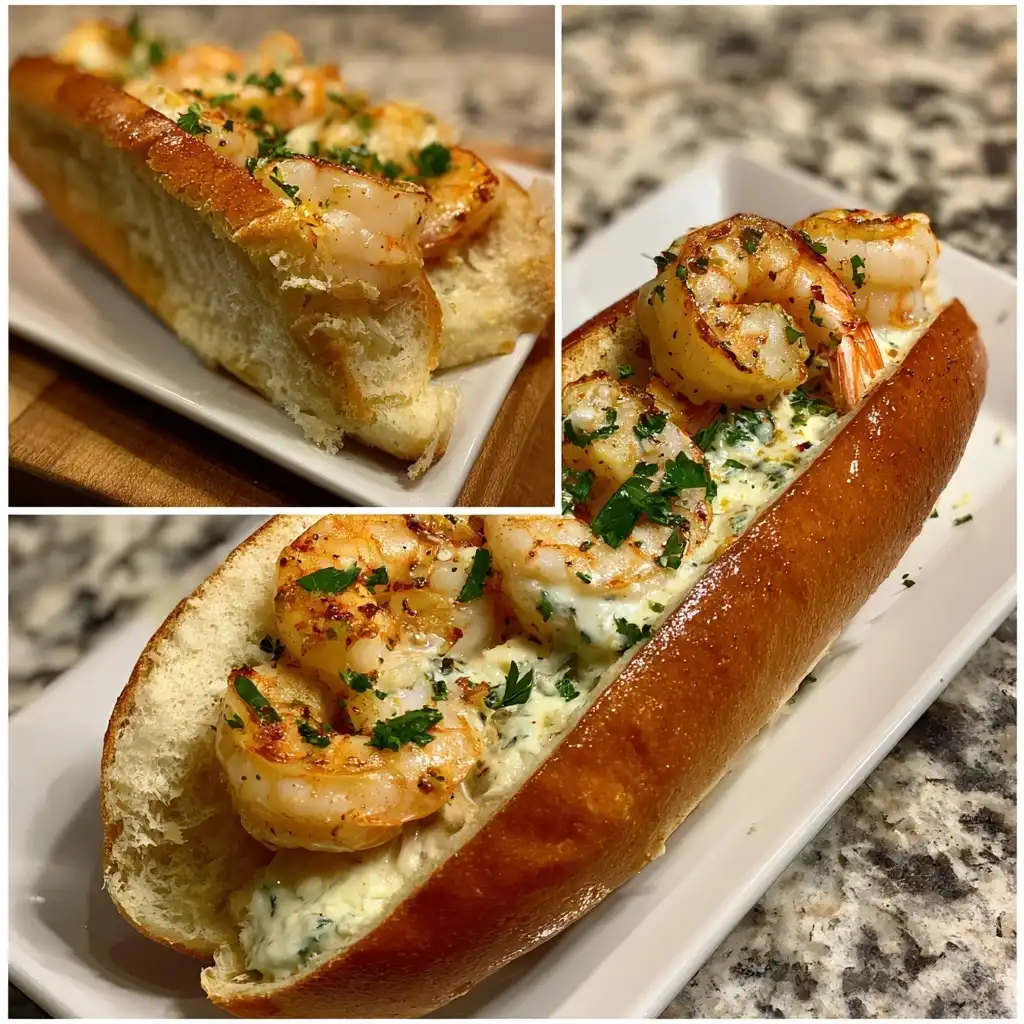
The Garlic Butter Shrimp Roll is a luxurious, restaurant-worthy appetizer or light main course that marries the sweet brininess of premium shrimp with the rich, aromatic depth of garlic-infused browned butter—then elegantly wrapped in soft, pillowy brioche or scallion pancake for handheld indulgence. Far more than just a fusion snack, it’s a culinary celebration of texture contrast (crisp-edged shrimp, velvety butter, tender-crisp herbs), temperature balance (warm filling, slightly cool herb garnish), and layered umami—where each bite delivers a harmonious crescendo of savory, sweet, tangy, and herbal notes. Whether served at an elegant dinner party, as part of a gourmet brunch spread, or even reimagined for meal prep-friendly lunches, this roll strikes the perfect equilibrium between approachability and sophistication—proving that extraordinary flavor doesn’t require complexity, but rather intention, quality ingredients, and thoughtful technique.
The History
While no single documented “origin story” exists for the Garlic Butter Shrimp Roll—as it represents a modern culinary evolution rather than a centuries-old tradition—its roots are deeply interwoven with several global foodways. The foundational technique of sautéing shrimp in garlic and butter traces back to classic French crevettes à la provençale and Italian gamberi al burro e aglio, both emphasizing simplicity and ingredient purity. Meanwhile, the concept of wrapping savory fillings in soft, enriched dough or thin pancakes echoes East Asian traditions like Chinese chūn juǎn (spring rolls) and Korean ssam (leaf wraps), later adapted in Japanese tekka maki-inspired seafood rolls and contemporary American “fusion sushi” trends of the early 2000s. The rise of food blogs, Instagram-driven plating aesthetics, and the artisanal brioche movement in the 2010s catalyzed its formal emergence: chefs and home cooks began experimenting with butter-basted Gulf shrimp, compound herb butters, and house-made scallion pancakes or miso-enriched brioche—culminating in what we now recognize as the Garlic Butter Shrimp Roll. Its popularity surged post-pandemic as home cooks sought elevated yet achievable recipes that delivered restaurant-level satisfaction without takeout fees—solidifying its place not as a passing trend, but as a modern classic in the evolving canon of global comfort food.
Ingredients Breakdown
Every element of this roll serves a distinct sensory and structural purpose—no ingredient is arbitrary. Below is a detailed functional analysis:
- Large Shrimp (U15–U21 count): Sustainably sourced, wild-caught Gulf or Pacific white shrimp provide optimal sweetness, firm texture, and clean oceanic flavor. Deveined with tails removed (for ease of rolling), they’re briefly marinated to enhance tenderness without compromising integrity.
- Unsalted European-Style Butter (82–84% fat): High-fat content ensures richer mouthfeel and superior browning (maillard reaction), yielding nutty, caramelized notes. Unsalted allows precise sodium control; European-style adds depth due to longer culturing.
- Fresh Garlic (minced, not pressed): Mincing—not pressing or grating—preserves volatile sulfur compounds responsible for aromatic complexity. Added late in cooking prevents acrid bitterness from over-browning.
- Shallots (finely diced): Provide subtle allium sweetness and floral nuance that bridges garlic’s pungency and butter’s richness—more refined than onion, less aggressive than raw garlic.
- Dry White Wine (Sauvignon Blanc or Pinot Grigio): Adds bright acidity to cut through fat, enhances shrimp’s natural sweetness, and deglazes the pan to lift fond—infusing the butter with layered complexity.
- Fresh Lemon Zest & Juice: Zest contributes volatile citrus oils for aromatic lift; juice adds finishing acidity that balances richness and brightens the entire profile.
- Flat-Leaf Parsley & Chives (micro-chopped): Parsley offers grassy, peppery freshness; chives deliver delicate onion essence—both added off-heat to preserve vibrancy and color.
- High-Quality Brioche Rolls (or Scallion Pancakes): Brioche provides buttery, eggy richness and tender-yet-structured crumb ideal for holding moist fillings without sogginess. Alternatively, house-made scallion pancakes offer chewy-crisp contrast and savory depth—ideal for gluten-sensitive adaptations using rice flour or millet-based versions.
- Optional Umami Boosters: A pinch of white miso paste whisked into warm butter adds fermented depth; a dusting of toasted nori powder lends oceanic nuance; a few drops of yuzu kosho (Japanese citrus-chili paste) introduces subtle heat and citrus complexity.
Step-by-Step Recipe
- Prep & Marinate (15 minutes): Pat shrimp *extremely* dry with paper towels. In a bowl, combine shrimp with 1 tsp olive oil, ½ tsp smoked paprika, ¼ tsp white pepper, and ½ tsp sea salt. Gently toss and refrigerate uncovered for 10–15 minutes—this firms texture and enhances surface sear.
- Toast Brioche (5 minutes): Lightly butter insides of split brioche rolls. Toast in a skillet over medium-low heat until golden and crisp—about 2 minutes per side. Transfer to wire rack; keep warm in low oven (200°F/95°C).
- Brown the Butter (6–8 minutes): In a heavy-bottomed stainless steel or copper skillet, melt 6 tbsp butter over medium heat. Swirl constantly as it foams, then turns golden and emits a nutty aroma. Remove from heat *just before* brown specks form—carryover cooking will complete browning. Immediately stir in minced shallots and let steep 2 minutes.
- Sear the Shrimp (3–4 minutes): Wipe skillet clean. Heat 1 tbsp neutral oil (avocado or grapeseed) over medium-high. Add shrimp in single layer; cook 1 minute per side until opaque and lightly caramelized. Remove and set aside on paper towel-lined plate.
- Build the Sauce (4 minutes): Return browned butter mixture to skillet over medium heat. Add minced garlic; stir 30 seconds until fragrant—do not brown. Pour in ¼ cup white wine; simmer 1 minute to reduce by half. Whisk in lemon zest, lemon juice, and optional miso. Fold in reserved shrimp and parsley-chive blend. Cook 60 seconds—just to warm through.
- Assemble with Precision (2 minutes): Spoon 3–4 tbsp warm shrimp mixture onto center of toasted brioche bottom. Top with microgreens or additional chives. Place brioche top gently—press *lightly* to adhere. Slice diagonally with serrated knife for clean presentation. Serve immediately.
Tips
- Shrimp Dryness is Non-Negotiable: Excess moisture causes steaming instead of searing—leading to rubbery texture and diluted flavor. Pat twice: once after thawing, again after marinating.
- Butter Browning Requires Vigilance: Use a light-colored pan to monitor color change. Remove from heat at pale amber—dark amber = burnt, bitter notes. If over-browned, discard and restart; compromised butter cannot be salvaged.
- Garlic Timing is Critical: Adding garlic to cold butter or too early causes it to stew and turn acrid. Always add minced garlic to *hot*, already-browned butter *off the heat*, then return to stove only to finish sauce.
- Wine Selection Matters: Avoid oaky or overly tannic wines—they clash with delicate shrimp. Choose high-acid, low-alcohol whites with citrus/mineral notes. For non-alcoholic version, substitute 3 tbsp sparkling apple cider + 1 tsp rice vinegar.
- Brioche Texture Control: Toasting *before* filling prevents sogginess. For make-ahead prep, toast rolls up to 4 hours ahead; re-crisp in air fryer (350°F/175°C for 1 min) before assembling.
- Herb Freshness is Key: Chop parsley and chives immediately before adding—pre-chopping oxidizes them, dulling flavor and turning parsley brown. Store herbs stem-down in water (like flowers) for maximum longevity.
- Assembly Temperature Balance: Fillings should be warm—not hot—to avoid melting brioche structure or releasing excess steam inside the roll. Ideal temp: 135–145°F (57–63°C).
- Cutting Technique: Use a *serrated* knife with gentle sawing motion—not downward pressure—to prevent squeezing out filling. Wipe blade between cuts for pristine presentation.
Variations and Customizations
Regional Twists
- Coastal Mediterranean: Substitute shrimp with grilled calamari rings; replace butter with olive oil infused with lemon thyme and preserved lemon pulp; wrap in grilled lavash flatbread.
- Yokohama Harbor Style: Add 1 tsp yuzu juice and ½ tsp grated daikon radish to sauce; use shiso leaves instead of parsley; wrap in thin, chewy mochi-wrapped nori sheets.
- Bayou Cajun: Toss shrimp in ½ tsp cayenne, ¼ tsp dried thyme, and 1 tsp filé powder pre-sear; finish sauce with 1 tbsp Creole mustard and pickled okra relish; serve in cornmeal-dusted hoagie rolls.
Dietary Adaptations
- Gluten-Free: Use certified GF brioche (e.g., Schar or Canyon Bakehouse) or gluten-free scallion pancakes made with tapioca and rice flours. Verify all sauces and seasonings are GF-certified.
- Dairy-Free/Vegan: Replace butter with cultured coconut butter or high-smoke-point vegan butter (e.g., Miyoko’s); use king oyster mushroom “shrimp” marinated in seaweed broth and nori; finish with kelp granules and lemon verbena.
- Pescatarian-Low Carb: Skip bread entirely—serve as lettuce cups (butter lettuce or romaine hearts); double herbs and add avocado ribbons for creaminess and healthy fats.
Protein Swaps & Upscales
- Lobster & Scallop Duo: Replace half shrimp with hand-cut Maine lobster tail and dry-seared diver scallops. Finish with truffle oil and edible gold leaf.
- Smoked Salmon Infusion: Fold 2 tbsp finely chopped cold-smoked salmon into warm sauce; garnish with dill fronds and crème fraîche drizzle.
- Plant-Based “Shrimp”: Use hearts of palm or konjac root marinated in Old Bay, liquid smoke, and beet juice for color—then pan-sear until caramelized edges form.
Health Considerations and Nutritional Value
A single Garlic Butter Shrimp Roll (based on one large U15 shrimp, 1.5 tbsp browned butter, ½ brioche roll, and full herb garnish) delivers approximately:
- Calories: 385–420 kcal
- Protein: 22–26g (excellent source; complete amino acid profile from shrimp)
- Fat: 24–28g (predominantly unsaturated from butter and olive oil; includes beneficial CLA and butyric acid)
- Carbohydrates: 22–26g (mainly from brioche; fiber ~1.5g)
- Vitamins & Minerals: Exceptionally high in selenium (85% DV), vitamin B12 (120% DV), iodine (65% DV), and zinc (40% DV). Moderate amounts of vitamin D, omega-3s (EPA/DHA), and antioxidants (quercetin from shallots, limonene from lemon zest).
Health Notes: While rich, this dish offers significant functional benefits: selenium supports thyroid health and antioxidant defense; B12 aids neurological function and red blood cell formation; iodine regulates metabolism; and the polyphenols in lemon zest and parsley combat oxidative stress. To optimize wellness impact: choose wild-caught, MSC-certified shrimp to minimize heavy metal exposure; use organic, grass-fed butter for higher omega-3 and CLA content; limit added sodium by omitting extra salt and relying on natural mineral content. Those managing cholesterol should note that dietary cholesterol from shrimp has minimal impact on serum levels for most individuals—current research emphasizes saturated fat moderation over cholesterol restriction. Pairing with a side of roasted asparagus or arugula salad further boosts phytonutrient diversity and fiber intake.
Ingredients
- 1 lb (450g) large raw shrimp (U15–U21 count), peeled, deveined, tails removed
- 6 tbsp (85g) unsalted European-style butter
- 1 tbsp (15ml) extra-virgin olive oil
- 2 large shallots, finely diced (about ⅓ cup)
- 4 cloves garlic, minced (not pressed)
- ¼ cup (60ml) dry white wine (Sauvignon Blanc or Pinot Grigio)
- Zest and juice of 1 large organic lemon (about 1 tsp zest, 1½ tbsp juice)
- ¼ tsp freshly ground white pepper
- ½ tsp smoked paprika (sweet or hot, to taste)
- ¾ tsp fine sea salt (plus more to taste)
- ¼ cup (15g) fresh flat-leaf parsley, micro-chopped
- 2 tbsp (6g) fresh chives, finely snipped
- 4 premium brioche rolls (4–5 inches long), split horizontally
- Extra virgin olive oil or melted butter, for toasting
- Microgreens or lemon wedges, for garnish (optional)
Directions
- Prepare the Shrimp: Place shrimp on a double-layer of paper towels. Pat *thoroughly* dry on all sides. In a medium bowl, combine shrimp, 1 tbsp olive oil, smoked paprika, white pepper, and ½ tsp sea salt. Gently toss to coat. Refrigerate uncovered for 10–15 minutes.
- Toast the Brioche: Lightly brush the cut sides of each brioche roll with olive oil or melted butter. Heat a large nonstick or cast-iron skillet over medium-low heat. Place rolls cut-side down; toast 2–2.5 minutes until deeply golden and crisp. Flip and toast cut-side up for 1 minute. Transfer to a wire rack; keep warm in a 200°F (95°C) oven while preparing filling.
- Brown the Butter: In a heavy-bottomed stainless steel skillet, melt butter over medium heat. Swirl constantly. After 3–4 minutes, butter will foam, then subside. Continue swirling until it turns golden-amber and smells intensely nutty (about 6–7 minutes total). Immediately remove from heat. Stir in diced shallots. Let steep off-heat for 2 minutes.
- Sear the Shrimp: Wipe skillet clean with a paper towel. Heat remaining 1 tsp olive oil over medium-high heat until shimmering. Add shrimp in a single layer (work in batches if needed). Cook 1 minute, flip, cook 1 more minute until opaque and lightly browned at edges. Transfer to a paper towel-lined plate; tent loosely with foil.
- Finish the Sauce: Return shallot-butter mixture to skillet over medium heat. Add minced garlic; stir constantly for 30 seconds until fragrant. Pour in white wine; simmer 60–90 seconds, scraping up any browned bits, until reduced by half. Whisk in lemon zest, lemon juice, and remaining ¼ tsp sea salt. Reduce heat to low.
- Combine & Warm: Gently fold in seared shrimp and ¾ of the parsley-chive mixture. Cook 60 seconds—just until shrimp are heated through (do not boil). Remove from heat. Stir in remaining herbs.
- Assemble Immediately: Spoon 3–4 tablespoons of warm shrimp mixture onto the bottom half of each toasted brioche roll. Top with a small pinch of microgreens or extra chives if desired. Carefully place top half over filling. Press *very gently* to adhere.
- Serve: Cut each roll diagonally with a serrated knife. Serve immediately while warm and aromatic. Optional accompaniments: lemon wedges, extra herb oil (blend parsley, chives, olive oil, lemon zest), or chilled cucumber-dill salad.
FAQ
Can I make this ahead of time?
You can fully prepare components up to 1 day ahead: toast brioche (store airtight at room temp), brown butter (cool, refrigerate in sealed jar), and chop herbs (store submerged in ice water in fridge). However, shrimp must be cooked and assembled *immediately* before serving—reheating compromises texture and releases moisture, leading to soggy rolls.
What if I can’t find brioche?
Excellent alternatives include: Portuguese papo secos (crisp outside, airy inside), Japanese milk bread (shokupan), or even high-quality ciabatta rolls sliced thin and lightly grilled. Avoid dense, seeded, or sourdough-heavy breads—they overpower delicate shrimp flavor and lack structural cohesion when wrapped.
Is there a lower-calorie version?
Yes—reduce butter to 3 tbsp and add 1 tbsp low-sodium vegetable broth to maintain sauce volume; substitute half the brioche with grilled zucchini ribbons or butter lettuce cups; increase herbs and lemon zest for flavor without calories; skip toasting to save ~40 kcal per roll.
Can I freeze leftovers?
We strongly advise against freezing assembled rolls—the brioche becomes gummy and shrimp turns rubbery upon thawing. However, uncooked marinated shrimp freezes well for 3 months; browned butter freezes for 6 months in ice cube trays (portion 1 tbsp per cube).
Why use white pepper instead of black?
White pepper provides warm, earthy heat without the sharp, floral notes and visible flecks of black pepper—which can distract from the refined visual presentation and delicate balance of flavors. It’s traditional in fine seafood preparations for its subtlety and seamless integration.
My sauce broke—what went wrong?
A broken sauce (separated, greasy) occurs when butter is overheated during finishing or cold shrimp is added to hot butter. Solution: Remove from heat, whisk in 1 tsp cold water or lemon juice vigorously. If still broken, slowly whisk in 1 tsp warm broth while emulsifying. Prevention: Keep final warming gentle and ensure shrimp is at room temp before folding in.
Can I use frozen shrimp?
Absolutely—but thaw *slowly* in the refrigerator overnight, then pat *extremely* dry. Never thaw under warm water or in microwave—this causes mushiness and dilutes flavor. For best results, buy IQF (individually quick frozen) shrimp labeled “dry-packed” (no sodium tripolyphosphate).
Summary
The Garlic Butter Shrimp Roll is a masterclass in balancing luxurious richness with vibrant freshness—where expertly seared, sweet shrimp luxuriate in nutty browned butter, aromatic shallots, and bright lemon, all enrobed in tender, golden brioche for an unforgettable handheld experience. It honors global culinary traditions while embracing modern sensibilities: deeply flavorful yet nutritionally resonant, effortlessly elegant yet grounded in accessible technique and seasonal, sustainable ingredients.