Introduction
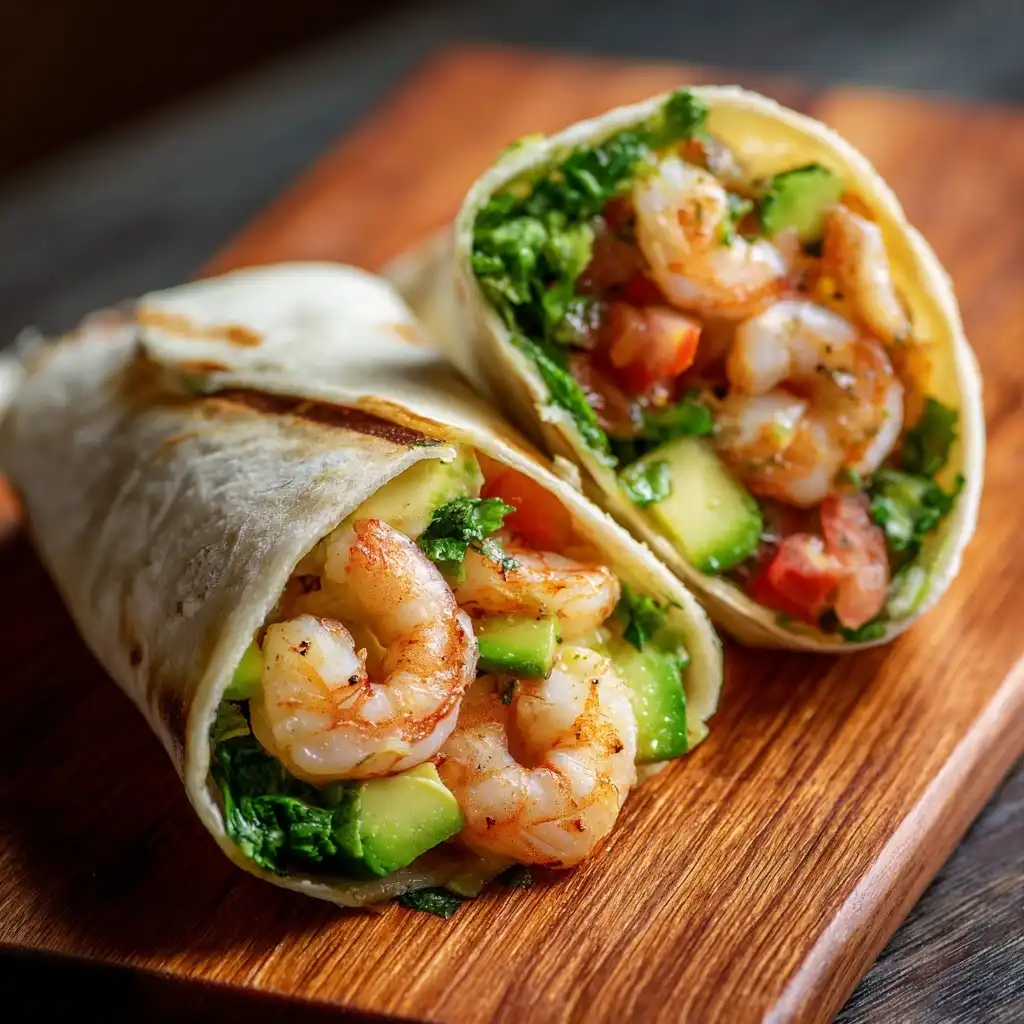
The Shrimp Avocado Wrap is a vibrant, nutrient-dense, and restaurant-worthy handheld meal that effortlessly bridges the gap between gourmet freshness and everyday convenience. Celebrated for its creamy texture, briny-sweet seafood notes, and crisp vegetable crunch, this wrap has surged in popularity across health-conscious households, meal-prep enthusiasts, and busy professionals seeking satisfying yet light lunches. Unlike heavy, carb-laden alternatives, it delivers bold flavor without compromise—balancing protein-rich shrimp, heart-healthy monounsaturated fats from ripe avocado, fiber-packed greens, and zesty citrus or herb-infused dressings—all elegantly encased in a soft, pliable tortilla or grain-free alternative. Whether served chilled after a quick assembly or warmed gently for enhanced aroma and melt-in-your-mouth tenderness, the Shrimp Avocado Wrap embodies modern culinary values: simplicity, seasonality, balance, and mindful indulgence.
The History
While no single inventor or definitive origin story exists for the Shrimp Avocado Wrap, its roots trace back to the broader evolution of the American wrap phenomenon in the late 20th century—a direct offshoot of Mexican-inspired burritos and Middle Eastern-style gyros and falafel wraps. The 1980s and 1990s saw a cultural shift toward portable, customizable meals as urban lifestyles accelerated and dietary awareness grew. Chefs and home cooks alike began experimenting with lighter proteins and richer, plant-based fats—making shrimp (a lean, low-mercury seafood staple) and avocado (a California-grown superfood gaining national acclaim post-1994 NAFTA, which expanded avocado imports) natural collaborators. Early iterations appeared in West Coast cafés, juice bars, and boutique delis—often branded as “California Wraps” or “Coastal Lunch Rolls”—emphasizing freshness over fryer heat. Food media played a pivotal role: Martha Stewart Living featured a version in 1997; Bon Appétit spotlighted avocado-shrimp pairings in their 2003 “Summer Seafood” issue; and the rise of food blogs circa 2008–2012 (notably minimalist cooking sites like Smitten Kitchen and budget-conscious platforms like Budget Bytes) democratized the recipe with step-by-step photos and pantry-friendly swaps. Today, the Shrimp Avocado Wrap stands as a globally adaptable icon—found on menus from Tokyo fusion bistros to Berlin vegan cafes—testament to its timeless synergy of taste, texture, and nutritional intelligence.
Ingredients Breakdown
Every exceptional Shrimp Avocado Wrap begins with intentional, high-quality components—each selected not only for flavor but for functional contribution to structure, mouthfeel, and satiety:
- Shrimp: Large (21/25 or 26/30 count per pound), wild-caught Gulf or Pacific shrimp are ideal—sweet, firm, and low in contaminants. Pre-cooked shrimp offer speed and consistency; raw shrimp allow for custom seasoning and searing (e.g., garlic-lemon or chili-lime). Always devein and pat dry to prevent sogginess.
- Avocado: Hass avocados at peak ripeness (yields slightly to gentle palm pressure, skin deep purple-black) provide ideal creaminess and rich, buttery depth. Their natural oils emulsify dressings and bind fillings without added mayonnaise.
- Tortilla Base: Whole wheat, spinach, tomato, or sprouted grain tortillas (8–10 inches) offer flexibility and fiber. For gluten-free needs: almond-flour, coconut, or cassava tortillas hold up well when lightly warmed. Low-carb alternatives include large butter lettuce leaves (romaine hearts or bibb), collard green “wraps” (blanched for pliability), or grilled portobello caps.
- Vegetables & Herbs: A dynamic trio ensures crunch, color, and phytonutrient diversity: thinly sliced red cabbage (for peppery bite and anthocyanin antioxidants), julienned cucumber (cooling hydration), and shredded romaine or baby spinach (mild base + folate). Fresh cilantro, dill, or chives add aromatic brightness; microgreens or sprouts (alfalfa, radish) elevate visual appeal and enzyme activity.
- Acid & Aromatics: Fresh lime or lemon juice is non-negotiable—it brightens shrimp, slows avocado browning, and balances richness. Minced red onion or shallot contributes sharp-sweet complexity; roasted garlic paste adds umami depth without raw bite.
- Binders & Creaminess: Beyond avocado, Greek yogurt (unsweetened, 2% or full-fat), mashed white beans, or cashew cream provide protein and tang while reducing saturated fat versus traditional mayo. A touch of Dijon mustard or wasabi paste can subtly amplify flavor without overpowering.
- Seasonings & Umami Boosters: Fine sea salt, freshly cracked black pepper, smoked paprika, Old Bay seasoning (for Chesapeake flair), or everything bagel seasoning lend dimension. Optional umami enhancers: a pinch of nutritional yeast, toasted sesame oil, or finely grated Parmesan (for non-vegan versions).
Step-by-Step Recipe
- Prep the Shrimp: If using raw shrimp, toss with 1 tsp olive oil, ½ tsp smoked paprika, ¼ tsp garlic powder, and a pinch of cayenne. Heat a stainless steel or cast-iron skillet over medium-high. Sear 1–2 minutes per side until opaque and lightly caramelized. Cool completely on a wire rack. If using pre-cooked shrimp, rinse under cool water, drain thoroughly, and pat ultra-dry with paper towels.
- Ripen & Prep the Avocado: Cut avocado in half, remove pit, scoop flesh into a bowl. Mash with a fork until mostly smooth but with slight texture remaining. Immediately stir in 1 tbsp fresh lime juice, ¼ tsp fine sea salt, and 1 tsp minced red onion—this acidulated mash will stay vibrant green for up to 2 hours.
- Build the Flavor Base: In a small mixing bowl, combine 3 tbsp plain Greek yogurt, 1 tsp Dijon mustard, 1 tsp chopped fresh dill, ½ tsp lemon zest, and a grind of black pepper. Whisk until silky. Fold in cooled shrimp gently—do not overmix to preserve texture.
- Warm the Tortilla: Place tortilla on a dry skillet over medium-low heat for 15–20 seconds per side until pliable and faintly speckled. Alternatively, wrap 3–4 tortillas in damp paper towels and microwave for 15 seconds. This prevents tearing during rolling.
- Layer Strategically: Lay tortilla flat on a clean surface. Spread avocado mash evenly across center, leaving 1-inch borders. Top with shrimp-yogurt mixture in a tight horizontal band. Arrange shredded romaine down the center, then layer red cabbage ribbons and cucumber matchsticks directly over shrimp. Finish with a sprinkle of cilantro leaves and microgreens.
- Roll with Precision: Lift the bottom edge over filling, tucking tightly. Fold in both sides snugly—like an envelope. Continue rolling forward with firm, even pressure, applying gentle downward pressure to compact layers. Seal seam with a dab of avocado mash or yogurt if needed.
- Chill & Set (Optional but Recommended): Wrap finished roll tightly in parchment paper, then plastic wrap. Refrigerate upright (seam-side down) for 20–30 minutes. This firms ingredients, enhances cohesion, and makes slicing clean and presentable.
- Serve: Slice diagonally into two generous pinwheels using a serrated knife. Wipe blade between cuts. Serve immediately with lime wedges, extra avocado slices, and a small ramekin of chipotle aioli or mango salsa for dipping.
Tips
- Prevent Sogginess: Always pat shrimp and vegetables bone-dry before assembling. Layer avocado mash first as a moisture barrier between tortilla and wetter ingredients. Avoid adding dressing directly to greens—toss them separately and drain well.
- Avocado Browning Hack: Beyond lime juice, add ¼ tsp ascorbic acid (vitamin C) powder to mashed avocado—it’s odorless, tasteless, and extends green freshness by hours. Store unused mash with pit intact, pressed plastic wrap directly on surface.
- Tortilla Integrity Secret: Never skip warming—even “ready-to-eat” tortillas benefit from brief heat. Cold tortillas crack; overheated ones become gummy. Use a thermometer: ideal temp is 120–130°F.
- Meal-Prep Mastery: Assemble wraps up to 24 hours ahead—but keep components separate until 1 hour before serving. Store shrimp salad, avocado mash, and cut veggies in airtight containers layered with parchment. Assemble cold, then chill 20 minutes before slicing.
- Cutting Technique: Use a sharp, serrated knife (like a bread knife) and apply gentle sawing motion—not downward pressure. Chill wrapped rolls for optimal slice definition. For Instagram-worthy presentation, dust plate with sumac or smoked salt and garnish with edible flowers.
- Flavor Amplification: Toast whole cumin seeds in a dry pan until fragrant, then grind and fold ¼ tsp into shrimp mixture. Or infuse olive oil with smashed garlic and rosemary for drizzling over finished wrap.
- Kid-Friendly Adaptation: Swap shrimp for flaked cooked cod or canned salmon (well-drained). Replace red onion with sweet Vidalia slivers. Add a thin smear of mashed peas or roasted beet puree for natural color and iron boost.
Variations and Customizations
The Shrimp Avocado Wrap is a masterclass in culinary versatility—adaptable across diets, seasons, cultures, and pantries. Here’s how to reimagine it with intention and creativity:
- Mediterranean Twist: Replace lime with lemon juice; use crumbled feta, kalamata olives, diced tomatoes, and chopped oregano. Swap tortilla for warm pita or lavash. Drizzle with za’atar-spiced olive oil.
- Asian-Inspired Fusion: Marinate shrimp in tamari, rice vinegar, grated ginger, and sesame oil. Use nori strips, shredded daikon, pickled carrots, and scallions. Bind with wasabi-mayo or miso-ginger yogurt. Serve with tamari-dipped seaweed snacks.
- Spicy Southwest Style: Toss shrimp with chipotle adobo, roasted corn, black beans, jalapeño ribbons, and crumbled cotija. Add avocado crema (avocado + sour cream + lime + cilantro). Use spinach tortilla or blue corn wrap.
- Vegan/Vegetarian Version: Substitute shrimp with marinated king oyster mushrooms (sliced thick, sautéed until meaty), hearts of palm “scallops,” or spiced chickpeas. Boost umami with liquid smoke and nori flakes. Use tofu-based “shrimp” or jackfruit for texture mimicry.
- Breakfast Wrap Reinvention: Scramble eggs with turmeric and dill, layer with shrimp, avocado, and sautéed spinach. Add a swipe of sriracha-honey sauce. Best served warm with a side of roasted sweet potato cubes.
- Low-Carb/Keto Adaptation: Skip tortilla entirely—use large butter lettuce cups or collard green leaves. Increase healthy fats: add sliced almonds, macadamia nuts, or avocado oil mayo. Include fermented foods like kimchi or sauerkraut for gut support.
- Brunch Showstopper: Add poached egg on top of assembled wrap just before serving (yolk creates luxurious sauce). Garnish with micro-cress and truffle salt. Pair with sparkling rosemary lemonade.
- Global Pantry Swaps: Thai: swap lime for calamansi, add mint and crushed peanuts. Indian: use mango chutney, curry-spiced shrimp, and cilantro-mint chutney. Peruvian: add aji amarillo paste, sweet potato ribbons, and queso fresco.
Health Considerations and Nutritional Value
A thoughtfully constructed Shrimp Avocado Wrap is a powerhouse of bioavailable nutrients—designed to nourish, sustain energy, and support long-term wellness. A standard 10-inch whole-wheat wrap with ½ cup cooked shrimp (4 oz), ½ medium avocado, 1 cup mixed greens, ¼ cup red cabbage, ¼ cup cucumber, 2 tbsp Greek yogurt, and lime juice delivers approximately:
- Calories: 420–480 kcal (moderate energy density, ideal for lunch or active recovery)
- Protein: 28–32g (complete amino acid profile from shrimp + complementary plant proteins; supports muscle synthesis and satiety)
- Healthy Fats: 22–26g (primarily monounsaturated—oleic acid from avocado—and omega-3s from shrimp; improves lipid profiles and reduces inflammation)
- Fiber: 10–12g (from whole grains, avocado, vegetables, and legume-based binders; promotes digestive regularity and microbiome diversity)
- Vitamins & Minerals: Exceptionally rich in Vitamin K (greens), Vitamin E (avocado), B12 & selenium (shrimp), folate (spinach), potassium (cucumber, avocado), and lutein/zeaxanthin (kale or romaine)—all vital for cardiovascular, cognitive, ocular, and immune health.
Dietary Notes & Modifications:
- Gluten Sensitivity: Certified GF tortillas (look for GFCO seal) or lettuce wraps ensure safety. Beware hidden gluten in marinades, spice blends, or pre-cooked shrimp (check for wheat-based broth).
- Pescatarian & Flexitarian Friendly: Naturally aligns with these patterns—provides marine-sourced omega-3s (DHA/EPA) often missing in plant-only diets.
- Low-Sodium Options: Use unsalted shrimp, skip added salt, rely on herbs, citrus, and spices for flavor. Rinse canned beans or olives thoroughly.
- Pregnancy-Safe: Fully cooked shrimp (internal temp ≥145°F) and pasteurized dairy/yogurt make this wrap ideal for expectant mothers needing extra protein, iron, and choline.
- Diabetes-Friendly: Low glycemic impact due to high fiber/fat/protein ratio. Monitor tortilla portion (opt for 7-inch or low-carb leaf wrap) and avoid sugary sauces.
- Allergen Awareness: Shellfish allergy requires complete avoidance—substitute with firm white fish or tempeh. Dairy-free? Use coconut yogurt or silken tofu blend. Nut-free? Skip nut-based tortillas and garnishes.
Cautions: Individuals with histamine intolerance should limit aged cheeses, fermented toppings, or prolonged shrimp storage. Those on blood thinners should maintain consistent vitamin K intake (don’t drastically increase/decrease leafy greens day-to-day).
Ingredients
- 12 large (21/25 count) raw or pre-cooked shrimp, peeled and deveined
- 1 ripe Hass avocado
- 1 tablespoon fresh lime juice (plus extra for serving)
- ¼ teaspoon fine sea salt (plus more to taste)
- ¼ cup plain nonfat or 2% Greek yogurt
- 1 teaspoon Dijon mustard
- 1 tablespoon finely chopped fresh dill (or cilantro)
- 1 teaspoon finely grated lemon zest
- ⅛ teaspoon freshly ground black pepper
- 4 (8- to 10-inch) whole wheat, spinach, or gluten-free tortillas
- 2 cups torn romaine or baby spinach leaves
- ½ cup thinly shredded red cabbage
- ½ cup julienned English cucumber (unpeeled for nutrients)
- 2 tablespoons finely minced red onion or shallot
- 2 tablespoons fresh cilantro leaves (plus extra for garnish)
- Microgreens or sprouts (optional, for garnish)
- Lime wedges, for serving
- Optional additions: sliced radishes, cherry tomato halves, crumbled feta, toasted pepitas, or chipotle aioli for dipping
Directions
- In a medium skillet over medium-high heat, warm 1 teaspoon olive oil. If using raw shrimp, season with ¼ tsp smoked paprika, pinch of cayenne, and a grind of black pepper. Cook 1–2 minutes per side until opaque and pink. Transfer to a plate and let cool completely. If using pre-cooked shrimp, rinse, drain, and pat extremely dry with paper towels.
- Halve and pit the avocado. Scoop flesh into a small bowl. Add 1 tbsp lime juice, ¼ tsp salt, and minced red onion. Mash with a fork until creamy but textured. Set aside.
- In another bowl, whisk together Greek yogurt, Dijon mustard, lemon zest, dill, remaining lime juice, and black pepper. Gently fold in cooled shrimp—do not overmix.
- Heat a dry skillet over medium-low. Warm each tortilla for 15–20 seconds per side until soft and pliable. Stack and cover with a clean kitchen towel to retain steam and flexibility.
- Place one tortilla on a clean work surface. Spread ¼ of the avocado mixture in a 3-inch-wide band across the center, leaving 1-inch margins on all sides.
- Top avocado with ¼ of the shrimp-yogurt mixture in a tight line. Layer with ½ cup romaine, 2 tbsp red cabbage, 2 tbsp cucumber, and a sprinkle of cilantro.
- Lift the bottom edge of the tortilla over the filling, tucking tightly. Fold left and right edges inward firmly. Continue rolling forward, applying steady downward pressure to compact layers. Seal seam with a tiny dab of avocado mash if needed.
- Wrap completed roll tightly in parchment paper, then plastic wrap. Refrigerate seam-side down for 20–30 minutes to set.
- Using a serrated knife, slice each wrap diagonally into two even pinwheels. Wipe blade clean between cuts for neat presentation.
- Serve immediately with lime wedges, extra cilantro, and optional dipping sauce. Best enjoyed within 2 hours of assembly for optimal texture and freshness.
FAQ
- Can I make this wrap ahead of time?
- Yes—with smart layering. Assemble up to 24 hours in advance only if components are kept separate: store shrimp salad, avocado mash (with pit + plastic wrap), and prepped veggies in individual airtight containers. Combine and roll no more than 1 hour before serving. Fully assembled wraps hold well refrigerated for up to 6 hours—but texture softens after 3 hours.
- What’s the best tortilla to prevent cracking?
- Sprouted grain, spinach, or almond-flour tortillas offer superior pliability and nutrient density. Always warm before rolling—even “soft” store-bought varieties benefit from 15 seconds on a dry skillet or 10 seconds wrapped in damp paper towel in the microwave. Cold tortillas lack elasticity and tear easily.
- How do I keep the avocado from turning brown?
- Acid is key: lime or lemon juice inhibits enzymatic browning. For extended freshness, add ⅛ tsp ascorbic acid (vitamin C) powder to mashed avocado—it’s undetectable in flavor but highly effective. Storing with the pit intact and pressing plastic wrap directly onto the surface also helps significantly.
- Can I freeze Shrimp Avocado Wraps?
- Not recommended. Freezing causes avocado to become watery and grainy, shrimp to toughen, and tortillas to lose structural integrity upon thawing. Instead, freeze cooked shrimp separately (up to 3 months) and prep fresh avocado and veggies daily.
- Is there a way to make this spicy without overwhelming heat?
- Absolutely. Infuse mild heat gradually: start with ¼ tsp smoked paprika in the shrimp marinade, add a few thin jalapeño ribbons (seeds removed), or swirl in ½ tsp chipotle in adobo (blended smooth). Serve with cooling elements—cucumber, yogurt sauce, or avocado—to balance.
- Can I use frozen shrimp?
- Yes—and it’s often the most sustainable, affordable choice. Thaw overnight in the refrigerator or use the cold-water method (place sealed bag in cold water for 15–20 minutes). Drain *extremely* well and pat dry—excess moisture is the #1 cause of soggy wraps.
- What are good side dishes to serve with this wrap?
- Complement its freshness and lightness: chilled cucumber-dill soup, roasted beet and orange salad, air-fried zucchini fries, quinoa-tabbouleh, or a simple seaweed salad. For beverages: hibiscus iced tea, mint-cucumber water, or sparkling water with lime and rosemary.
- How do I scale this recipe for a crowd?
- Double or triple ingredients—but assemble individually. Set up a “wrap bar”: arrange warmed tortillas, shrimp salad, avocado mash, veggie stations (cabbage, cucumber, greens), herb bowls, and sauces. Guests build their own—ensuring customization and minimizing sogginess. Prep components up to 1 day ahead.
- Why does my wrap fall apart when I bite into it?
- Common culprits: tortilla too cold or dry, overfilling (max ¾ cup total filling per 10-inch wrap), insufficient tucking technique, or skipping the chill step. Also verify your avocado isn’t overly runny—mash just until cohesive, not soupy.
- Are there vegetarian alternatives that mimic shrimp’s texture?
- Yes! Try hearts of palm (shredded and sautéed with Old Bay), king oyster mushrooms (cut lengthwise, marinated, then grilled), or konjac “shrimp” (rehydrated and simmered in seaweed stock). For binding, add nori flakes and a splash of tamari to replicate oceanic umami.
Summary
The Shrimp Avocado Wrap is a masterful fusion of clean protein, creamy heart-healthy fats, vibrant produce, and zesty acidity—crafted for flavor, function, and effortless elegance. With infinite variations, strong nutritional credentials, and adaptable preparation, it’s far more than a lunch—it’s a lifestyle staple rooted in balance, seasonality, and joyful nourishment.