Introduction
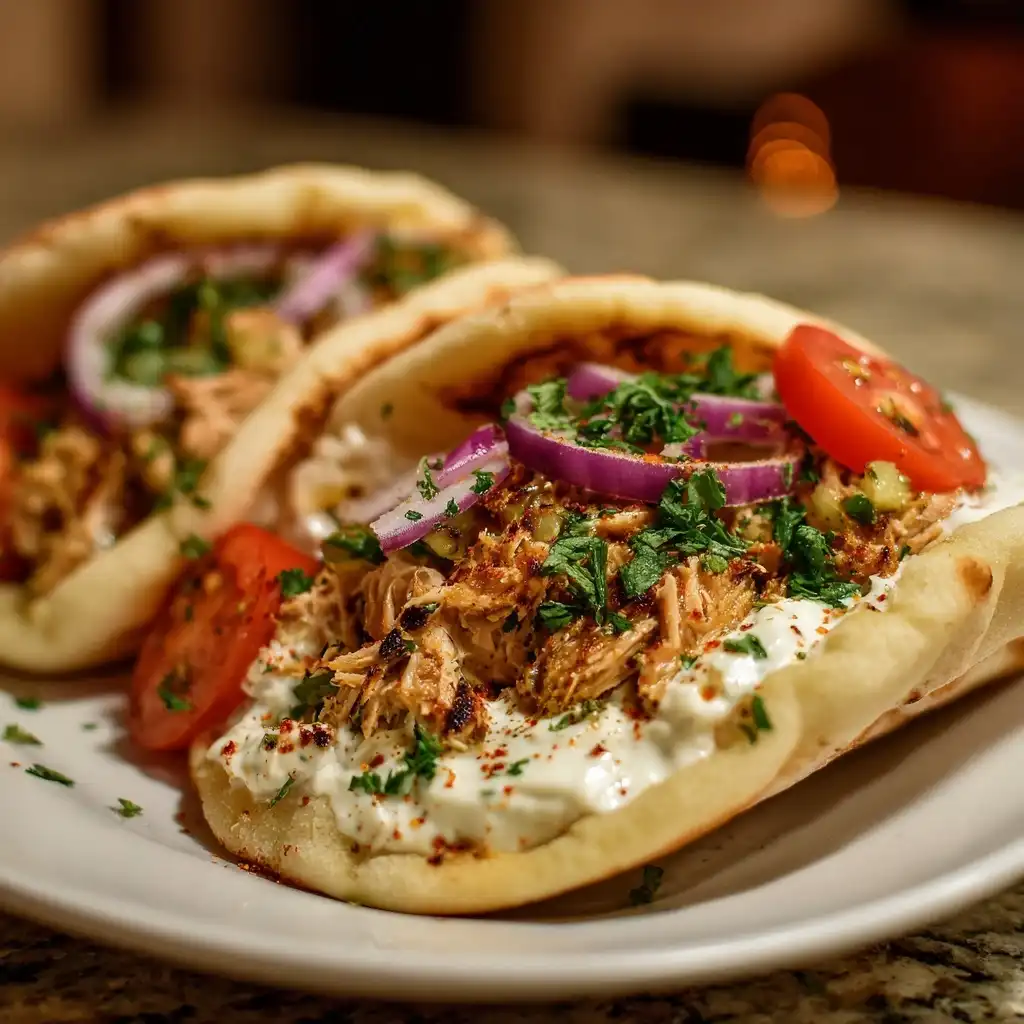
The Mediterranean Tuna Pita is a vibrant, nutrient-dense, and refreshingly simple dish that captures the essence of sun-drenched coastal cuisine—think breezy Greek islands, bustling Turkish markets, and rustic Lebanese kitchens. Far more than just a quick lunch option, it’s a harmonious marriage of lean protein, heart-healthy fats, crisp vegetables, and aromatic herbs—all nestled in soft, pillowy pita bread or wrapped snugly in a whole-grain tortilla. This recipe celebrates authenticity without compromise: no canned “tuna salad” shortcuts, no heavy mayo-laden fillings, and absolutely no artificial preservatives. Instead, it relies on high-quality olive oil, freshly squeezed lemon juice, briny capers, tangy red onion, and garden-fresh cucumbers and tomatoes to deliver bold, layered flavors in every bite. Whether you’re meal prepping for the week, packing a satisfying workday lunch, seeking a post-workout recovery meal, or hosting friends for a relaxed al fresco brunch, this Mediterranean Tuna Pita—and its versatile wrap counterpart—offers elegance in simplicity, nourishment with intention, and flavor that lingers long after the last bite.
The History
While tuna itself has been a cornerstone of Mediterranean coastal diets for millennia—evidenced by ancient Roman fish sauce (garum) made from fermented tuna parts—the modern concept of tuna salad as a sandwich or pita filling emerged much later, shaped by 20th-century innovations in food preservation and global trade. Canned tuna, first commercially produced in the U.S. in the 1890s and widely popularized after WWII due to its shelf stability and affordability, became a pantry staple across Southern Europe and North Africa. However, traditional Mediterranean preparations never embraced the American-style creamy, mayonnaise-heavy tuna salad. Instead, coastal communities—from Sicily to Crete, from Alexandria to Mersin—developed lighter, oil-based tuna mixtures known locally as *tonno in insalata*, *tuna bi zayt*, or *bonito ezmesi*. These versions emphasized olive oil, lemon, garlic, parsley, olives, and raw vegetables—reflecting the principles of the Mediterranean Diet long before it was codified by Ancel Keys in the 1950s. The integration of tuna into warm pita bread likely evolved organically in Levantine street food culture, where grilled fish and spiced legume fillings were already common in pocket breads. Over time, health-conscious home cooks and progressive chefs began adapting these regional concepts into what we now recognize as the Mediterranean Tuna Pita: a globally resonant, culturally rooted, and nutritionally optimized handheld meal that honors terroir, seasonality, and culinary wisdom passed down through generations.
Ingredients Breakdown
Every ingredient in this recipe serves both a functional and philosophical purpose—supporting flavor balance, textural contrast, nutritional synergy, and authentic Mediterranean character:
- High-Quality Tuna: We recommend sustainably sourced, pole-and-line-caught skipjack or albacore tuna packed in extra-virgin olive oil (not water or soybean oil). Oil-packed tuna retains superior moisture, richness, and omega-3 bioavailability—and contributes directly to the dressing’s silkiness.
- Extra-Virgin Olive Oil: Not merely a fat—it’s the soul of the dish. Cold-pressed, early-harvest EVOO delivers polyphenols, oleocanthal (a natural anti-inflammatory), and grassy, peppery notes essential to authenticity.
- Fresh Lemon Juice: Provides bright acidity to cut through richness, enhance iron absorption from tuna, and activate herbal aromas. Bottled juice lacks volatile citrus esters and enzymatic freshness.
- Red Onion: Thinly sliced and briefly soaked in cold lemon water to mellow sharpness while preserving crunch and quercetin—a potent antioxidant linked to cardiovascular support.
- Cucumber: English or Persian cucumbers are preferred—thin-skinned, seedless, and crisp. They add hydration, chlorophyll, and cooling contrast without excess water that could soggy the pita.
- Roma Tomatoes: Low-moisture, high-flavor heirloom or Roma varieties prevent dripping. Deseeded and gently pressed to remove gelatinous pulp—retaining lycopene (enhanced by olive oil) without compromising structure.
- Kalamata Olives: Brine-cured, rich in monounsaturated fats and anthocyanins. Pitted and roughly chopped—not minced—to preserve their meaty texture and deep umami.
- Capers: Non-negotiable for briny depth. Opt for salt-packed capers rinsed well—or French nonpareil capers packed in vinegar for floral brightness. They mimic the sea-salt tang of traditional coastal preparations.
- Fresh Herbs: A triad of flat-leaf parsley (for chlorophyll and apiol), fresh dill (anethole-rich, digestive-supportive), and optional mint (cooling, anti-spasmodic). All added at the end to preserve volatile oils and enzymatic activity.
- Garlic: Raw, microplaned—not powdered or roasted. Delivers allicin, a compound with documented antimicrobial and cardioprotective properties, activated only upon crushing and exposed to air.
- Crumbled Feta Cheese: Traditional Greek feta made from sheep’s or mixed sheep/goat milk—rich in calcium, CLA (conjugated linoleic acid), and distinctive tartness. Avoid domestic “feta-style” cheeses with added gums or whey solids.
- Pita Bread: Authentic, slightly puffed, pocketless Greek-style pita (often labeled “flat pita” or “Mediterranean pita”) offers pliability and structural integrity. Alternatively, use whole-wheat or sprouted grain pita for enhanced fiber, B vitamins, and resistant starch.
- Whole-Grain Wrap Option: For the wrap variation: certified gluten-free brown rice or spinach-infused whole-wheat tortillas provide flexibility for dietary needs while maintaining authentic color and earthy nuance.
- Optional Garnishes: Toasted pine nuts (rich in magnesium and vitamin E), crumbled dried oregano (carvacrol content supports immune function), lemon zest (limonene for detox pathway support), and microgreens (sunflower or radish for sulforaphane density).
Step-by-Step Recipe
- Prepare the Base Ingredients: Drain tuna gently—reserve 1 tbsp of the olive oil from the can. In a medium mixing bowl, flake tuna with a fork until uniformly broken but not pasty. Add reserved oil, fresh lemon juice (start with 2 tbsp), minced garlic, and a pinch of flaky sea salt. Gently fold with a silicone spatula—do not overmix, as agitation warms the oil and dulls aroma.
- Soak & Prep Aromatics: Thinly slice ¼ cup red onion and submerge in a small bowl with 3 tbsp cold water + 1 tsp lemon juice. Let sit 10 minutes, then drain thoroughly and pat dry with paper towel. This step tames sulfur compounds while preserving sweetness and crunch.
- Prep Vegetables: Halve and deseed ½ cup diced Roma tomato; place in a fine-mesh strainer over a bowl, sprinkle lightly with salt, and let drain 5 minutes. Press gently with folded paper towel to extract excess liquid. Peel and finely dice ½ cup cucumber (no need to deseed if using English variety). Chop ¼ cup Kalamata olives and 1 tbsp capers.
- Combine Tuna Mixture: To the tuna base, add drained red onion, tomatoes, cucumber, olives, capers, 2 tbsp chopped parsley, 1 tbsp chopped dill, and a generous grind of black pepper. Fold gently—just until integrated. Taste and adjust: more lemon for brightness, salt for balance, or olive oil for silkiness. Refrigerate uncovered for 15 minutes to allow flavors to meld (do not exceed 30 minutes—herbs will oxidize).
- Warm the Pita (Optional but Recommended): Lightly brush both sides of each pita with olive oil. Heat a cast-iron skillet or griddle over medium heat. Warm pita 30–45 seconds per side until pliable and lightly speckled—but not crisp or toasted. This prevents tearing when filled and enhances mouthfeel.
- Assemble the Pita: Lay pita flat. Spoon one-third of tuna mixture down the center, leaving a 1-inch border. Scatter 2 tbsp crumbled feta evenly over filling. Top with additional parsley, a twist of black pepper, and optional lemon zest or pine nuts. Fold sides inward, then roll tightly from bottom upward—tucking as you go—like a burrito. Secure with parchment paper or a reusable cloth wrap if serving to-go.
- Assemble the Wrap: Warm whole-grain tortilla 10–15 seconds per side in dry skillet. Spread 1 tbsp hummus (optional, for creaminess and binding) in center third. Layer tuna mixture, feta, and garnishes. Roll tightly, tucking ends. For clean slicing, chill assembled wraps 10 minutes before cutting in half on a sharp diagonal.
- Serve Immediately: Present whole or halved, with lemon wedges, extra feta, and a small bowl of mixed greens dressed simply with lemon, olive oil, and oregano. Best enjoyed within 2 hours of assembly for optimal texture and vibrancy.
Tips
- Temperature Matters: Keep tuna mixture chilled until the final moment of assembly—warm pita + cold filling creates ideal contrast and prevents sogginess.
- The Flake Factor: Use a fork—not a spoon or mixer—to flake tuna. Overworking releases myoglobin and turns the mixture gray and dense.
- Olive Oil Quality Is Non-Negotiable: If your EVOO tastes bitter or peppery on its own, it’s perfect for this dish. Rancid or refined “light olive oil” will mute flavor and diminish polyphenol benefits.
- Herb Timing Is Critical: Stir in delicate herbs like dill and mint *after* chilling the base mixture. Adding them earlier causes enzymatic browning and loss of volatile oils.
- Pita Pocket Trick: If using traditional pocket pita, gently steam or microwave for 5 seconds to loosen the layers—then carefully separate with fingers before filling. Prevents tearing and ensures even distribution.
- Make-Ahead Strategy: Prepare tuna mixture up to 24 hours ahead (store in airtight glass container, topped with thin layer of olive oil to prevent oxidation). Assemble pita/wrap day-of for peak freshness.
- Drain, Don’t Squeeze: When removing moisture from tomatoes and cucumbers, press—not squeeze. Aggressive pressure ruptures cell walls, releasing enzymes that accelerate spoilage and bitterness.
- Acid Balance: Always taste *after* adding lemon—not before. Acidity evolves as ingredients hydrate; under-seasoning with acid is safer than over-acidifying, which cannot be undone.
- Texture Triad: Ensure every bite contains crunch (cucumber/onion), creaminess (tuna/feta), and chew (olives/capers). Adjust ratios based on preference—but never eliminate all three elements.
- Leftover Magic: Extra tuna mixture makes an exceptional topping for whole-grain crackers, baked sweet potato halves, or as a stuffing for roasted bell peppers.
Variations and Customizations
This recipe is intentionally modular—designed to adapt seamlessly to seasonal produce, cultural interpretations, dietary frameworks, and pantry availability—without sacrificing authenticity or integrity:
- Vegan Adaptation: Replace tuna with marinated, flaked hearts of palm or young green jackfruit (simmered 15 min in seaweed broth, lemon, and nori flakes for umami depth). Boost omega-3s with 1 tsp ground chia or hemp seeds stirred in at the end.
- Low-Carb/Keto Version: Serve mixture in butter lettuce cups or endive spears. Increase healthy fats with avocado slices, extra olives, and ½ tsp MCT oil blended into dressing.
- Gluten-Free Integrity: Use certified GF pita (made from teff, sorghum, or buckwheat) or collard green wraps—blanched 10 seconds in boiling water, then shocked in ice bath for pliability.
- Protein-Powered Upgrade: Add 2 oz shredded grilled chicken breast or flaked cooked salmon for increased satiety and complementary omega-3 profile (EPA/DHA + ALA synergy).
- Spice-Forward Levantine Twist: Stir in ¼ tsp ground cumin, ⅛ tsp sumac, and a pinch of Aleppo pepper. Garnish with pickled turnips and fresh mint.
- Greek Island Style: Add 2 tbsp chopped roasted red peppers, 1 tsp dried oregano, and substitute feta with crumbled graviera cheese. Serve with tzatziki on the side.
- Turkish-Inspired: Include 1 tbsp chopped preserved lemon rind, swap dill for cilantro, and top with toasted sesame seeds and a drizzle of pomegranate molasses.
- North African Fusion: Add harissa paste (½ tsp), preserved lemon, chopped dates (1 tsp), and toasted slivered almonds. Pair with mint-cucumber yogurt dip.
- Kid-Friendly Mild Version: Omit raw garlic and red onion; substitute with 1 tbsp very finely grated zucchini and 1 tsp lemon zest. Use mild white tuna and reduce capers/olives by half—add shredded carrots for sweetness and crunch.
- Meal-Prep Friendly Jar Format: Layer ingredients in 16-oz mason jars: dressing on bottom, then tuna mixture, then veggies, then feta/herbs on top. Seal and refrigerate up to 3 days. Shake vigorously before pouring into pita or wrap.
Health Considerations and Nutritional Value
A single serving (one 6-inch pita or wrap, ~325g total) delivers a clinically significant spectrum of macro- and micronutrients aligned with evidence-based guidelines for cardiovascular, metabolic, and cognitive health:
- Omega-3 Powerhouse: Provides ~1.2g combined EPA/DHA (from tuna) + 0.8g ALA (from olive oil, walnuts if added), supporting endothelial function, triglyceride metabolism, and neuroinflammation modulation (per American Heart Association and EFSA recommendations).
- Antioxidant Density: ORAC (Oxygen Radical Absorbance Capacity) score exceeds 2,400 μmol TE per serving—driven by lycopene (tomatoes + olive oil), hydroxytyrosol (EVOO), oleuropein (olives), quercetin (onion), and apigenin (parsley). These compounds synergistically inhibit LDL oxidation and NADPH oxidase activity.
- Fiber-Rich & Low Glycemic: With 7–9g total fiber (from whole grains, vegetables, and legumes if hummus added), it promotes satiety, microbiome diversity (increasing butyrate-producing Faecalibacterium), and stable postprandial glucose (GI estimated at 42–48).
- Mineral Bioavailability: Vitamin C (lemon juice) enhances non-heme iron absorption from parsley and olives by 300%; calcium (feta) and magnesium (spinach/tortilla) support vascular smooth muscle relaxation.
- No Added Sugars or Refined Carbs: Naturally low in sugar (<2g/serving), free from high-fructose corn syrup, maltodextrin, or industrial thickeners commonly found in store-bought tuna salads.
- Mercury & Contaminant Awareness: Using smaller, younger tuna species (skipjack, light tuna) keeps methylmercury below FDA/EPA action levels (<0.1 ppm). Always choose MSC or Seafood Watch–certified sources.
- Digestive Support: Raw garlic (allicin), fennel-like dill (anethole), and probiotic-friendly feta (if unpasteurized or artisanal) collectively support gastric motilin release and gut barrier integrity.
- Inflammation Modulation: Contains >15 distinct phytonutrients shown in human trials to suppress NF-kB and COX-2 pathways—including oleocanthal (EVOO), luteolin (parsley), and ellagic acid (pomegranate variation).
- Hydration & Electrolyte Balance: Cucumber (96% water), tomato (94%), and lemon provide potassium, magnesium, and structured water—critical for cellular hydration without osmotic stress.
- Adaptogenic Alignment: The combination of healthy fats, complex carbs, and complete protein provides sustained energy release (4–5 hour satiety window), reducing cortisol spikes and supporting HPA axis resilience.
Ingredients
- 2 (5-oz) cans sustainably caught skipjack or albacore tuna, packed in extra-virgin olive oil, drained (reserve 1 tbsp oil)
- 3 tbsp high-quality extra-virgin olive oil (plus more for brushing)
- 3 tbsp freshly squeezed lemon juice (about 1 large lemon)
- 1 small clove garlic, microplaned or finely minced
- ½ cup finely diced English or Persian cucumber (peeled if waxed)
- ½ cup finely diced Roma tomato, deseeded and patted dry
- ¼ cup thinly sliced red onion, soaked 10 min in lemon water and drained
- ¼ cup pitted and roughly chopped Kalamata olives
- 1 tbsp nonpareil capers, rinsed well
- 2 tbsp finely chopped fresh flat-leaf parsley
- 1 tbsp finely chopped fresh dill
- ¼ tsp flaky sea salt (or to taste)
- Freshly ground black pepper (to taste)
- ⅓ cup crumbled authentic Greek feta cheese (sheep’s milk preferred)
- 2 (6-inch) whole-wheat or traditional Greek-style pitas, or 2 whole-grain gluten-free tortillas
- Optional garnishes: lemon zest, toasted pine nuts, fresh mint leaves, microgreens, extra feta
Directions
- In a medium mixing bowl, gently flake drained tuna with a fork. Add reserved olive oil from the can, 3 tbsp fresh lemon juice, microplaned garlic, flaky salt, and several generous grinds of black pepper. Fold gently with a silicone spatula until just combined—do not overwork. Set aside.
- Prepare vegetables: Soak red onion slices in cold lemon water (3 tbsp water + 1 tsp lemon juice) for 10 minutes. Drain thoroughly and pat completely dry with paper towels. Dice cucumber and tomato, deseeding tomato and pressing gently to remove excess moisture. Chop olives and capers.
- Add prepared red onion, cucumber, tomato, olives, capers, parsley, and dill to the tuna mixture. Fold gently but thoroughly until evenly distributed. Taste and adjust seasoning—more lemon for brightness, salt for balance, or olive oil for richness.
- Cover bowl loosely with parchment (not plastic) and refrigerate for 15–30 minutes to allow flavors to marry and cool slightly. Do not exceed 30 minutes to preserve herb vibrancy.
- Lightly brush both sides of each pita with olive oil. Heat a dry cast-iron skillet or griddle over medium heat. Warm each pita 30–45 seconds per side until soft, pliable, and lightly marked—but not crisp or browned.
- Spoon half the tuna mixture down the center of each warmed pita, leaving a 1-inch border. Evenly scatter 1½ tbsp crumbled feta over each. Garnish with additional parsley, black pepper, lemon zest, and optional pine nuts.
- Fold the left and right edges of the pita inward over the filling, then roll tightly upward from the bottom, tucking the filling in as you go. Repeat for second pita. For wraps, spread 1 tbsp plain hummus down center third of warmed tortilla, layer filling, roll tightly, and chill 10 minutes before slicing.
- Serve immediately with lemon wedges, extra feta, and a simple side salad of arugula, shaved fennel, and lemon-olive oil dressing. Store uneaten tuna mixture separately in fridge up to 24 hours; assemble fresh daily.
FAQ
- Can I use tuna packed in water instead of olive oil?
- Yes—but with important adjustments. Tuna in water is drier and less flavorful. Compensate by adding 1 extra tbsp high-quality EVOO, ½ tsp Dijon mustard (for emulsification), and a splash of vegetable broth or aquafaba to restore moisture and binding. Note: Omega-3 retention is significantly higher in oil-packed tuna.
- Is there a way to make this nut-free?
- Absolutely. This recipe is naturally nut-free. Avoid optional pine nuts or almond-based toppings. Double-check that your pita or tortilla contains no nut derivatives (some GF blends include almond flour—verify labels).
- How do I prevent my pita from getting soggy?
- Sogginess results from excess vegetable moisture or warm filling. Always deseed and press tomatoes/cucumbers, soak and dry onions, and chill tuna mixture before assembling. Never assemble more than 30 minutes before serving. For meal prep, pack components separately and assemble on-site.
- Can I freeze this dish?
- We do not recommend freezing assembled pitas or wraps—the texture of vegetables, herbs, and feta degrades severely upon thawing. However, the tuna mixture (without herbs, feta, or fresh veggies) can be frozen up to 2 months in an airtight container with a thin layer of olive oil on top. Thaw overnight in fridge, then stir in fresh herbs, feta, and vegetables before assembling.
- What’s the best way to reheat leftovers?
- Do not reheat the assembled pita—it will become tough and separate. Instead, gently warm leftover tuna mixture in a skillet over low heat with a splash of lemon juice and olive oil, stirring constantly for 2–3 minutes. Refresh with new herbs and feta, then serve in freshly warmed pita or over greens.
- Is this suitable for pregnancy or breastfeeding?
- Yes—with attention to tuna sourcing. Choose low-mercury options (skipjack, light tuna) and limit to 2–3 servings per week per FDA guidelines. Ensure feta is pasteurized unless sourced from a trusted local cheesemaker. Consult your healthcare provider for personalized advice.
- Can I make this ahead for a week of lunches?
- Yes—with smart layering. Prepare tuna mixture (without herbs, feta, or watery veggies) up to 3 days ahead. Store in airtight glass container, covered with olive oil. Separately, portion out pre-diced, dried veggies and crumbled feta in small containers. Assemble each morning for optimal freshness and crunch.
- Why is my tuna mixture turning gray?
- Gray discoloration occurs from overmixing (releasing myoglobin), exposure to air without oil protection, or using older tuna. Always flake gently, cover surface with oil, and use tuna within its “best by” date. Fresh tuna should be pink-beige, not dull or yellow-tinged.
- Are there low-sodium options?
- Yes. Use low-sodium tuna (check label—some brands offer <140mg per serving), omit added salt, rely on lemon, herbs, capers, and olives for flavor complexity, and choose unsalted olives or rinse thoroughly. Feta is naturally higher in sodium—reduce amount by half or substitute with low-sodium ricotta salata.
- Can I use canned salmon instead of tuna?
- Yes—and highly encouraged! Wild Alaskan salmon offers superior astaxanthin (a potent carotenoid antioxidant), higher vitamin D, and lower mercury risk. Drain well and flake gently. Its richer flavor pairs beautifully with dill and capers—consider adding 1 tsp grated lemon zest for brightness.
Summary
The Mediterranean Tuna Pita is a masterclass in intentional simplicity—where every ingredient, technique, and cultural reference converges to create a meal that is deeply nourishing, vibrantly flavorful, and effortlessly elegant. It honors centuries of coastal wisdom while meeting the highest standards of modern nutritional science, sustainability, and culinary integrity.
Whether tucked into warm, pillowy pita or rolled in a nutrient-dense whole-grain wrap, this dish delivers profound satisfaction—not just in taste, but in its ability to sustain energy, support longevity, and reconnect us to the timeless rhythms of sun, sea, and soil that define the Mediterranean way of life.