Introduction
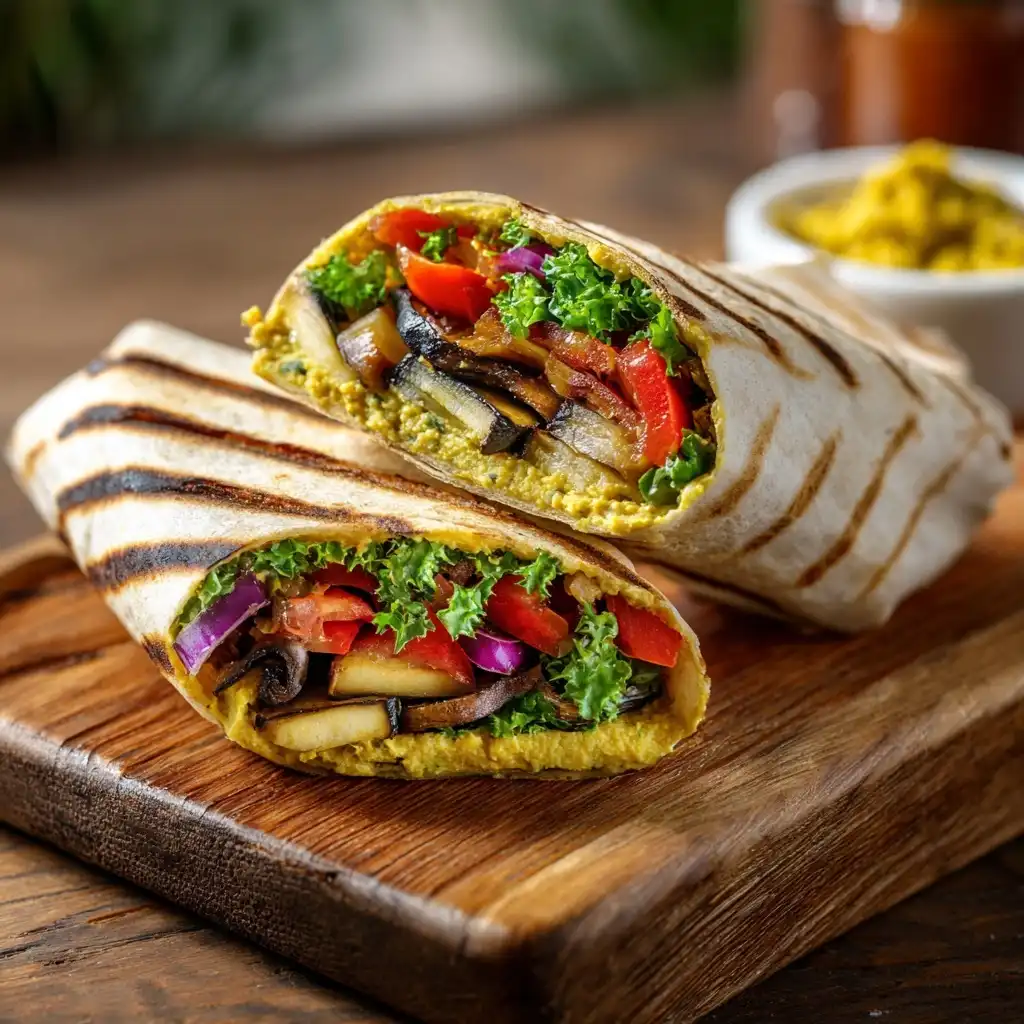
The Grilled Veggie Hummus Wrap is a vibrant, nutrient-dense, and flavor-packed handheld meal that effortlessly bridges the gap between Mediterranean tradition and modern plant-forward eating. Born from the marriage of smoky charred vegetables, creamy house-made or artisanal hummus, and soft whole-grain wraps, this dish celebrates seasonal produce while delivering satisfying texture, depth, and wholesome sustenance. Whether enjoyed as a light lunch, post-workout refuel, picnic staple, or vegan-friendly dinner option, the Grilled Veggie Hummus Wrap stands out for its simplicity, adaptability, and bold yet balanced profile—offering layers of earthiness, tang, creaminess, and crunch without relying on heavy dressings or processed ingredients. Its growing popularity across health-conscious cafes, meal-prep communities, and plant-based food blogs reflects a broader cultural shift toward intentional, colorful, and minimally processed eating.
The History
While the exact origin of the “Grilled Veggie Hummus Wrap” remains undocumented in culinary archives, its lineage traces back through several influential food movements. Hummus itself has ancient roots—evidence suggests chickpea-based pastes were consumed in the Levant over 10,000 years ago, with refined versions appearing in 13th-century Arabic cookbooks like *Kitab al-Tabikh*. The modern spread gained global traction in the mid-to-late 20th century, especially after Middle Eastern immigrants introduced it widely across North America and Europe. Meanwhile, the concept of grilling vegetables—once a rustic farmhouse technique—was elevated by California cuisine pioneers in the 1970s and 1980s who championed fire-kissed produce as centerpieces rather than sides. The fusion into a wrap format emerged organically in the early 2000s alongside the rise of fast-casual healthy eateries (think chains like Sweetgreen, Cava, and local juice bars), where portability, customization, and visual appeal became key drivers. What began as an ad-hoc assembly of leftovers—grilled zucchini from last night’s dinner, leftover hummus, and a tortilla—evolved into a consciously crafted, nutritionally optimized handheld meal embraced by dietitians, food stylists, and home cooks alike. Today, it symbolizes a harmonious convergence of ancestral wisdom, sustainable cooking practices, and contemporary wellness values.
Ingredients Breakdown
Every exceptional Grilled Veggie Hummus Wrap begins with thoughtfully selected, high-quality components—each playing a distinct functional and sensory role:
- Hummus Base: Made from cooked chickpeas, tahini (sesame seed paste), fresh lemon juice, garlic, extra-virgin olive oil, and a pinch of sea salt. Optional enhancements include roasted red pepper, sun-dried tomato, harissa, or herbs like dill or parsley—adding complexity, color, and nutritional synergy (tahini contributes calcium and healthy fats; lemon boosts iron absorption from chickpeas).
- Grilled Vegetables: A dynamic medley chosen for complementary textures and caramelization potential: bell peppers (red/yellow/orange for sweetness and vitamin C), zucchini and eggplant (for meaty tenderness and fiber), red onion (for sharpness and prebiotic inulin), portobello mushrooms (umami depth and B vitamins), and optionally asparagus or cherry tomatoes (for freshness and lycopene). All are sliced uniformly to ensure even charring and marinated in a blend of olive oil, balsamic vinegar or apple cider vinegar, smoked paprika, cumin, oregano, black pepper, and a touch of maple syrup or agave for balanced char.
- Wrap Vehicle: Typically a soft, pliable whole-wheat, spinach, or sprouted grain tortilla (6–8 inches) offering structure without overpowering. Gluten-free options include brown rice or cassava flour wraps, while low-carb alternatives may use large butter lettuce leaves, grilled collard greens, or thin lavash. The ideal wrap balances flexibility (to prevent cracking), mild flavor (to let fillings shine), and structural integrity (to hold moisture without disintegrating).
- Supporting Elements: Fresh herbs (cilantro, mint, or basil) add aromatic brightness; crumbled feta or vegan feta offers salty contrast; toasted pine nuts, walnuts, or pepitas contribute crunch and omega-3s; microgreens or arugula lend peppery freshness and enzymes; a final drizzle of herb-infused olive oil or lemon-tahini sauce ties everything together with glossy richness.
Step-by-Step Recipe
- Prep & Marinate (30 minutes): Slice vegetables uniformly (¼-inch thick for peppers/onions, ½-inch rounds for zucchini/eggplant, gills removed from mushrooms). In a large bowl, whisk marinade: ¼ cup extra-virgin olive oil, 2 tbsp fresh lemon juice, 1 tbsp balsamic vinegar, 1 tsp smoked paprika, ½ tsp ground cumin, 1 minced garlic clove, 1 tsp maple syrup, ½ tsp sea salt, and ¼ tsp black pepper. Toss vegetables gently to coat; let marinate at room temperature for 20–30 minutes (or refrigerate up to 2 hours for deeper flavor).
- Preheat Grill or Grill Pan (5 minutes): Heat outdoor grill, cast-iron grill pan, or indoor electric grill to medium-high (375–400°F). Lightly oil grates or pan surface to prevent sticking.
- Grill Vegetables (12–18 minutes): Arrange vegetables in single layers (avoid overcrowding). Grill zucchini and eggplant 4–5 minutes per side until tender-crisp with defined grill marks; peppers and onions 6–8 minutes total, turning occasionally; mushrooms 5–6 minutes per side until deeply caramelized and juicy. Remove each batch as done and place on a cooling rack or parchment-lined tray—do not stack, or steam will soften texture.
- Prepare Hummus & Wrap Components (10 minutes): If using store-bought hummus, stir well and adjust consistency with 1–2 tsp warm water or lemon juice if too thick. For homemade, blend drained chickpeas, ⅓ cup tahini, ¼ cup lemon juice, 2 garlic cloves, ½ tsp salt, and 3–4 tbsp ice water until ultra-smooth (4–5 minutes), then finish with 2 tbsp EVOO. Warm wraps briefly (5–10 seconds per side in dry skillet or microwave covered with damp paper towel) to enhance pliability.
- Assemble Wraps (5 minutes per wrap): Lay wrap flat. Spread ⅓–½ cup hummus evenly over center third, leaving 1-inch borders. Layer grilled veggies in overlapping fashion—not piled high, but arranged lengthwise for even distribution. Top with 1 tbsp crumbled feta (optional), 1 tbsp toasted nuts/seeds, a small handful of fresh herbs and greens, and a final drizzle of lemon-tahini sauce or herb oil. Fold bottom edge up over filling, fold in left and right sides, then roll tightly away from you—applying gentle pressure to seal.
- Rest & Serve (2 minutes): Let wrapped sandwich rest seam-side down for 2 minutes to allow hummus to slightly adhere and stabilize structure. Slice diagonally for presentation or serve whole. Best enjoyed within 1–2 hours for optimal texture—though can be refrigerated (wrapped tightly in parchment + foil) for up to 24 hours.
Tips
- Grill Like a Pro: Pat vegetables *very* dry before marinating—excess water inhibits caramelization. Use tongs with silicone tips to avoid piercing delicate flesh (which releases juices prematurely). Rotate vegetables 90° halfway through grilling for crosshatch marks and even heat exposure.
- Hummus Consistency Matters: Overly thick hummus won’t spread smoothly and can cause tearing; overly thin hummus leaks. Aim for “soft-serve ice cream” texture—add cold water 1 tsp at a time while blending. Chilling hummus for 30 minutes before use improves spreadability.
- Wrap Integrity Secrets: Never skip warming the wrap—it activates starches for elasticity. For gluten-free wraps, brush lightly with aquafaba (chickpea brine) before warming to improve flexibility. If making ahead, line wraps with parchment paper before rolling—prevents sticking and eases unwrapping later.
- Season in Layers: Salt vegetables before marinating (enhances flavor penetration), season again just before grilling (for surface enhancement), and finish with flaky sea salt post-grill for textural contrast and burst of salinity.
- Prevent Sogginess: Let grilled vegetables cool completely before assembling—steam trapped inside the wrap creates condensation. Place a small square of parchment or lettuce leaf directly beneath hummus as a moisture barrier. Avoid adding wet ingredients (like raw tomato or excess dressing) unless served immediately.
- Meal Prep Smart: Grill all vegetables in batches and store in airtight containers layered with parchment—lasts 4–5 days refrigerated. Portion hummus into silicone muffin cups and freeze; thaw overnight in fridge. Assemble wraps only when ready to eat—or prepare “wrap kits” with labeled components for grab-and-go convenience.
Variations and Customizations
The Grilled Veggie Hummus Wrap is inherently modular—designed to reflect personal taste, seasonal abundance, dietary needs, and global inspiration. Here’s how to reimagine it endlessly:
- Dietary Adaptations: Vegan: Skip feta or use almond-based feta; ensure hummus contains no honey. Gluten-Free: Choose certified GF wraps or lettuce cups. Low-Carb/Keto: Swap wrap for grilled portobello “buns,” nori sheets, or jicama ribbons. Oil-Free: Replace marinade oil with vegetable broth or aquafaba; roast instead of grill.
- Global Twists: Mediterranean: Add kalamata olives, artichoke hearts, and oregano-infused hummus. Mexican-Inspired: Use chipotle-lime hummus, grilled corn, pickled red onion, avocado slices, and cilantro-lime crema. Indian Fusion: Masala-spiced hummus, grilled cauliflower “steaks,” mango chutney swirl, and fresh mint-cilantro chutney. East Asian: Miso-ginger hummus, grilled shiitake and bok choy, pickled daikon, sesame-ginger drizzle, and scallions.
- Protein Boosters: Add grilled halloumi cheese (holds shape beautifully), marinated tempeh strips, spiced lentil patty crumbles, baked tofu cubes, or shredded rotisserie chicken (for omnivores). For extra plant protein, layer in cooked quinoa or farro.
- Texture & Crunch Upgrades: Include roasted chickpeas, crushed roasted seaweed (nori), julienned jicama, crispy shallots, or toasted coconut flakes. For acidity contrast: quick-pickled carrots, golden beets, or radishes.
- Herb & Flavor Infusions: Blend fresh herbs directly into hummus (basil, dill, cilantro); infuse olive oil with rosemary or thyme; add citrus zest (lemon, orange, lime) to marinade or finishing oil; incorporate edible flowers (nasturtiums, pansies) for elegance and peppery nuance.
- Seasonal Rotations: Spring: Asparagus, spring onions, fava beans, pea shoots, lemon-thyme hummus. Summer: Heirloom tomatoes, zucchini blossoms, corn, basil, sun-dried tomato hummus. Fall: Roasted delicata squash, caramelized Brussels sprouts, apples, sage-walnut hummus. Winter: Roasted beetroot, parsnip ribbons, pomegranate arils, orange-cardamom hummus.
Health Considerations and Nutritional Value
A well-constructed Grilled Veggie Hummus Wrap is a nutritional powerhouse—delivering synergistic macro- and micronutrients with functional benefits far beyond basic caloric value. A standard 12-inch wrap (using whole-wheat tortilla, ½ cup traditional hummus, 1.5 cups mixed grilled vegetables, 1 tbsp olive oil, 1 tbsp feta, and toppings) provides approximately 420–480 calories, with roughly 15–18g plant-based protein, 12–15g heart-healthy monounsaturated fats, 10–14g dietary fiber (nearly half the daily recommended intake), and a full spectrum of phytonutrients.
Vitamin & Mineral Highlights: Vitamin C (from bell peppers, lemon, tomatoes) supports collagen synthesis and immune resilience; folate (chickpeas, spinach wraps, asparagus) aids DNA repair and red blood cell formation; potassium (zucchini, eggplant, mushrooms) helps regulate blood pressure and fluid balance; magnesium (tahini, greens, whole grains) supports muscle function and nervous system calm; and antioxidants like lycopene (tomatoes), anthocyanins (purple cabbage or beets), and lutein (zucchini, spinach) combat oxidative stress and support eye and cognitive health.
Gut & Metabolic Health: The combination of prebiotic fibers (onions, garlic, artichokes, chicory root if added), resistant starch (cooled chickpeas), and polyphenols (olive oil, herbs, spices) fosters a diverse, robust gut microbiome—linked to improved immunity, mood regulation, and reduced systemic inflammation. The low glycemic load (thanks to high fiber, healthy fat, and protein) ensures steady blood sugar response—making it especially beneficial for individuals managing insulin resistance or prediabetes.
Considerations & Modifications: Those with IBS may reduce FODMAPs by omitting onion/garlic (substitute infused oil) and choosing canned (rinsed) chickpeas over dried. Individuals monitoring sodium should opt for low-salt or no-salt-added hummus and skip added cheese or olives. For kidney concerns, limit high-potassium veggies like tomatoes and potatoes unless medically cleared. Always choose organic produce when possible—especially for the “Dirty Dozen” (bell peppers, spinach, kale)—to minimize pesticide exposure.
Ingredients
- 1 large red bell pepper, seeded and sliced into ¼-inch strips
- 1 large yellow bell pepper, seeded and sliced into ¼-inch strips
- 1 medium zucchini, trimmed and sliced into ¼-inch diagonal ovals
- 1 small eggplant, ends trimmed and sliced into ¼-inch rounds
- 1 medium red onion, peeled and cut into ½-inch thick rings (keep layers intact)
- 2 large portobello mushroom caps, stems and gills removed, wiped clean
- ¼ cup extra-virgin olive oil (plus extra for brushing)
- 3 tbsp fresh lemon juice (about 1½ lemons)
- 1 tbsp balsamic vinegar
- 1½ tsp smoked paprika
- 1 tsp ground cumin
- 1 tsp dried oregano
- 2 garlic cloves, finely minced
- 1 tsp pure maple syrup or agave nectar
- 1 tsp fine sea salt (plus more to taste)
- ½ tsp freshly ground black pepper
- 4 (8-inch) whole-wheat or sprouted grain tortillas (or gluten-free alternative)
- 1½ cups classic or flavored hummus (see recipe notes for homemade option)
- ½ cup crumbled feta cheese (optional; omit for vegan version)
- ¼ cup toasted pine nuts, walnuts, or pumpkin seeds
- ½ cup fresh cilantro leaves, roughly chopped
- 1 cup baby arugula or mixed greens
- Lemon-tahini drizzle (2 tbsp tahini + 1 tbsp lemon juice + 1 tsp maple syrup + 2–3 tbsp warm water, whisked smooth)
- Flaky sea salt and freshly cracked black pepper, for finishing
Directions
- In a large non-reactive bowl, whisk together olive oil, lemon juice, balsamic vinegar, smoked paprika, cumin, oregano, minced garlic, maple syrup, sea salt, and black pepper until fully emulsified.
- Add bell peppers, zucchini, eggplant, red onion rings, and portobello caps to the marinade. Gently toss with hands or silicone spatula to coat evenly. Let sit at room temperature for 25–30 minutes, turning once halfway through.
- Preheat grill or heavy-bottomed grill pan over medium-high heat (375–400°F). Lightly oil grates or pan surface.
- Remove vegetables from marinade (reserve excess marinade), shaking off excess liquid. Grill vegetables in batches, avoiding crowding: bell peppers and onions 6–8 minutes total, turning every 2 minutes; zucchini and eggplant 4–5 minutes per side; mushrooms 5–6 minutes per side—until tender, deeply marked, and slightly blistered. Transfer each batch to a wire rack set over a baking sheet to cool—do not stack or cover.
- While vegetables cool, prepare hummus if making from scratch: combine 1½ cups cooked chickpeas (with liquid), ⅓ cup tahini, ¼ cup lemon juice, 2 garlic cloves, ½ tsp salt, and 3 tbsp ice water in a high-speed blender. Blend 4 minutes, scraping sides, until ultra-smooth. Stream in 1–2 tbsp more water if needed. Finish with 2 tbsp olive oil and blend 30 seconds more. Adjust seasoning.
- Warm tortillas one at a time in a dry skillet over medium heat for 10–15 seconds per side, or wrap in a damp paper towel and microwave for 10 seconds. Keep covered with a clean kitchen towel.
- Assemble wraps: Lay a warm tortilla flat. Spread ⅓ cup hummus in a horizontal band across center third (approx. 4 inches wide). Layer grilled vegetables evenly over hummus—place sturdiest items (mushrooms, eggplant) first, then peppers, zucchini, onions. Sprinkle with feta (if using), toasted nuts/seeds, cilantro, and arugula. Drizzle generously with lemon-tahini sauce.
- Fold bottom edge of tortilla up over filling. Fold left and right edges inward about 1 inch. Roll tightly away from you, applying gentle downward pressure to compact filling. Seal seam with a light press or dab of hummus.
- Let rest seam-side down for 2 minutes before slicing in half on a sharp diagonal. Serve immediately—or wrap tightly in parchment paper, then foil, for portable enjoyment within 24 hours.
FAQ
- Can I make this recipe without a grill?
- Absolutely! A cast-iron grill pan, ridged electric griddle, or even a heavy-bottomed stainless steel skillet works beautifully. For oven-roasting, arrange marinated vegetables on a parchment-lined sheet pan and roast at 425°F for 20–25 minutes, flipping halfway, until caramelized and tender.
- Is store-bought hummus acceptable—or is homemade essential?
- High-quality store-bought hummus (look for short ingredient lists: chickpeas, tahini, lemon, garlic, olive oil, salt) is perfectly suitable—and often more convenient. However, homemade hummus offers superior creaminess, customizable flavor, lower sodium, and no preservatives or stabilizers. Bonus: aquafaba from canned chickpeas makes an excellent egg replacer or binder in other recipes.
- How do I prevent my wrap from falling apart?
- Three keys: (1) Warm the wrap to activate its pliability; (2) Don’t overfill—aim for ~1½ cups total filling per 8-inch wrap; (3) Roll tightly and let rest seam-down for 2 minutes to allow natural adhesion from hummus and residual warmth. Using a slightly thicker hummus (not runny) also improves binding.
- Can I prep this ahead for weekday lunches?
- Yes—with smart staging. Grill vegetables and store in airtight container (up to 5 days). Make hummus and store separately (up to 1 week refrigerated). Toast nuts and chop herbs ahead. Assemble wraps the morning of—or prepare “wrap kits” with labeled components in bento boxes. Avoid assembling more than 24 hours in advance to preserve texture.
- What’s the best way to reheat leftovers?
- Do not microwave assembled wraps—the tortilla turns rubbery and vegetables lose texture. Instead, gently rewarm grilled vegetables in a skillet with a splash of water or broth, then assemble fresh. Alternatively, enjoy cold—it’s delicious at room temperature!
- Are there nut-free alternatives to tahini in hummus?
- Yes! Sunflower seed butter or roasted pumpkin seed butter offer similar creaminess and mineral density (plus zinc and magnesium). Note: they’ll impart a subtle earthy flavor—complementary to roasted vegetables. Ensure seed butter is unsweetened and unsalted for best results.
- My hummus tastes bland—how can I elevate it?
- Boost depth with roasted garlic or caramelized onion purée; add umami with a dash of soy sauce or nutritional yeast; brighten with preserved lemon or sumac; or enrich with a swirl of harissa, roasted red pepper, or fresh herbs blended in. Always taste and adjust acid (lemon/vinegar) and salt last—they’re flavor amplifiers.
- Can I freeze grilled vegetables for future wraps?
- Technically yes—but texture suffers significantly upon thawing (becomes mushy). Better to freeze *uncooked* marinated vegetables (up to 3 months), then grill straight from frozen (add 2–3 minutes per side). Or freeze cooked hummus in portioned ice cube trays—thaw overnight in fridge.
Summary
The Grilled Veggie Hummus Wrap is a masterclass in simple, intentional cooking—uniting fire-kissed seasonal vegetables, creamy protein-rich hummus, and nourishing whole grains into a portable, flavorful, and deeply satisfying meal that honors both tradition and innovation. With endless customization potential, strong nutritional credentials, and adaptable preparation methods, it’s not just a recipe—it’s a versatile, joyful framework for everyday wellness.
Whether you’re meal-prepping for busy weekdays, hosting a vibrant vegetarian gathering, or simply craving a colorful, grounding bite, this wrap delivers on taste, texture, and nourishment—proving that wholesome food need never compromise on excitement or soul-satisfying depth.