Introduction
The Avocado Chickpea Smash Sandwich is a vibrant, nutrient-dense plant-based masterpiece that has surged in popularity across health-conscious kitchens, vegan cafes, and meal-prep communities alike. Far more than just a trendy lunch option, it represents a harmonious fusion of creamy richness, earthy depth, and bright, zesty freshness—all packed between two slices of wholesome bread. This sandwich effortlessly bridges the gap between indulgence and wellness: it’s satisfying enough to serve as a hearty main course yet light enough to leave you feeling energized rather than sluggish. Its versatility makes it ideal for busy professionals seeking a 10-minute lunch, parents packing school-safe allergen-friendly meals, fitness enthusiasts prioritizing clean protein and healthy fats, or anyone simply craving something flavorful, colorful, and deeply nourishing without relying on processed meats or dairy. At its core, this recipe celebrates whole-food simplicity—no artificial binders, no refined oils (when made thoughtfully), and no hidden sugars—just real ingredients working in synergy to deliver exceptional taste, texture, and nutritional payoff.
The History
While the precise origin of the Avocado Chickpea Smash Sandwich remains unattributed to a single inventor or culinary movement, its emergence can be traced to the confluence of several powerful food trends and cultural shifts over the past decade. Its roots lie in the broader “mash-up” evolution of vegetarian and vegan spreads—inspired by traditional Middle Eastern hummus, Mediterranean tzatziki, and South Asian chana masala—but reimagined for modern Western sandwich culture. The rise of avocado toast in the early 2010s laid critical groundwork, normalizing avocado as a creamy, versatile base for savory toppings. Simultaneously, chickpeas gained spotlight as a sustainable, affordable, and nutritionally robust legume—dubbed the “superbean” by dietitians and environmental scientists alike. As plant-based eating moved beyond niche diets into mainstream consciousness (fueled by documentaries like *Forks Over Knives*, climate awareness, and rising lactose intolerance diagnoses), home cooks began experimenting with chickpeas not just as salads or stews, but as creamy, spreadable alternatives to tuna or egg salad—hence the birth of the “chickpea smash.” Early iterations appeared on food blogs around 2015–2016, often labeled “vegan tuna salad” or “chickpea avocado mash,” typically featuring lemon, red onion, celery, and dill. By 2018–2019, Instagram-driven food aesthetics elevated the dish further—vibrant green hues, artisanal sourdough, microgreens, and edible flowers transformed it from humble lunchbox fare into an aesthetic and nutritional statement. Today, it features on menus at Whole Foods Market delis, Chipotle’s “Lifestyle Bowls” spin-offs, and even fine-dining vegetarian restaurants offering deconstructed versions with fermented black garlic aioli and sprouted grain crisps—proof that this humble smash continues to evolve while staying grounded in integrity, accessibility, and flavor-first philosophy.
Ingredients Breakdown
Every ingredient in the Avocado Chickpea Smash Sandwich serves a distinct functional and sensory purpose—contributing to flavor balance, textural contrast, nutritional synergy, and structural integrity. Below is an in-depth exploration of each component:
- Avocados (ripe but firm): The creamy foundation. Rich in heart-healthy monounsaturated fats (particularly oleic acid), fiber, potassium (more per gram than bananas), and over 20 vitamins and minerals—including K, E, C, B6, folate, and lutein for eye health. Their natural buttery texture binds the mixture without needing mayonnaise or oil, while their subtle nuttiness complements earthier notes. Opt for Hass avocados—they yield the ideal dense, creamy consistency when mashed.
- Chickpeas (canned, low-sodium, or home-cooked): The protein and fiber powerhouse. One cup delivers ~14.5 g plant-based protein and 12.5 g dietary fiber—supporting satiety, gut microbiome diversity (thanks to resistant starch), and stable blood sugar. Chickpeas also contain manganese, folate, iron, and polyphenols with antioxidant activity. Rinsing thoroughly removes excess sodium and the starchy liquid (aquafaba), which can lend a slightly metallic aftertaste if left intact.
- Red onion (finely minced): Adds sharp, aromatic pungency and a crisp bite that cuts through richness. Contains quercetin—a potent anti-inflammatory flavonoid—and sulfur compounds linked to cardiovascular and immune support. Soaking in cold water for 5–10 minutes mellows intensity while preserving crunch and bioactive benefits.
- Celery (finely diced): Contributes refreshing crunch, subtle bitterness, and mild sodium-balancing electrolytes. Its apigenin content supports relaxation and cellular repair. Uniform dicing ensures even distribution and prevents overwhelming bites.
- Fresh cilantro or parsley (chopped): Bright herbal lift and phytonutrient density. Cilantro offers coriander oil (anti-microbial) and linalool (calming); parsley is exceptionally high in vitamin K (critical for bone and vascular health) and apiol. Use stems too—they’re nutrient-rich and add texture.
- Lemon juice (freshly squeezed): The essential acidulant. Enhances all other flavors via umami amplification, prevents browning of avocado through citric acid inhibition of polyphenol oxidase, and boosts non-heme iron absorption from chickpeas by up to 300%. Bottled lemon lacks volatile citrus oils and enzymatic freshness—never substitute.
- Dijon mustard: Adds tangy complexity, subtle heat, and emulsifying power (thanks to mustard seed mucilage). Contains selenium and glucosinolates shown in studies to support detoxification pathways. A small amount goes a long way—too much overwhelms; too little leaves the mix flat.
- Garlic (microplaned or finely grated): Not just for flavor—allicin (its primary bioactive compound) forms only upon crushing/grating raw garlic and exhibits well-documented antimicrobial, antithrombotic, and cholesterol-modulating effects. Let it rest 10 minutes post-grating before mixing to maximize allicin yield.
- Ground cumin: Warm, earthy, slightly smoky—adds depth and digestive support (traditionally used to ease bloating and gas). Toasting whole cumin seeds before grinding unlocks volatile oils and intensifies aroma. Even ¼ tsp transforms the profile from “salad-like” to “globally inspired.”
- Smoked paprika (sweet or hot): Imparts subtle barbecue nuance and rich carotenoid antioxidants (capsanthin, beta-cryptoxanthin). Unlike regular paprika, smoked varieties contain phenolic compounds formed during oak-smoking—adding both flavor dimension and oxidative protection.
- Sea salt & freshly ground black pepper: Not mere seasonings—they’re functional. Salt enhances sweetness perception and suppresses bitterness; coarse black pepper increases curcumin bioavailability (if turmeric is added later) and contains piperine, a natural bioenhancer for multiple phytonutrients.
- Optional add-ins: Diced pickled jalapeños (for probiotic tang and capsaicin metabolism boost), capers (briny umami and quercetin), nori flakes (iodine and oceanic savoriness), hemp hearts (omega-3 ALA + complete protein), or nutritional yeast (B12-fortified cheesy depth).
Step-by-Step Recipe
- Prep the Base Ingredients: Drain and thoroughly rinse 1 (15 oz) can of low-sodium chickpeas under cold water. Pat dry gently with a clean kitchen towel or paper towels—excess moisture prevents proper mashing and leads to a watery, unstable filling. Place in a medium mixing bowl.
- Mash the Chickpeas: Using a fork, potato masher, or pastry cutter (avoid blenders or food processors—they over-process and create gluey texture), mash chickpeas until mostly broken down but still retaining slight texture—think coarse cottage cheese, not smooth paste. This provides body and chew.
- Prepare Aromatics: Finely mince ¼ cup red onion and soak in ice water for 5 minutes to mellow sharpness. Drain well. Dice ¼ cup celery into ⅛-inch pieces. Chop 2 tbsp fresh cilantro or flat-leaf parsley (including tender stems). Microplane 1 small clove of garlic—let sit 10 minutes before adding.
- Add Avocados: Halve, pit, and scoop flesh from 2 ripe (but not mushy) Hass avocados directly into the bowl with mashed chickpeas. Add lemon juice (from ½ large lemon, ~1 tbsp), Dijon mustard (1 tsp), ground cumin (¼ tsp), smoked paprika (¼ tsp), sea salt (½ tsp), and freshly ground black pepper (¼ tsp).
- Combine Gently: Using a silicone spatula or sturdy spoon, fold all ingredients together just until evenly distributed—do not overmix. You want visible flecks of green, specks of red onion, and texture variation. Taste and adjust: more lemon for brightness, salt for balance, cumin for warmth, or a pinch of cayenne for heat.
- Rest & Marinate: Cover bowl tightly with beeswax wrap or lid and refrigerate for at least 20 minutes (up to 2 hours). This allows flavors to meld, garlic to mellow slightly, and avocado to firm up—making the smash easier to spread and less prone to sliding out of bread.
- Select & Toast Bread: Choose hearty, high-fiber options: sprouted whole grain, seeded rye, oat sourdough, or gluten-free brown rice bread. Lightly toast until golden and crisp—this prevents sogginess and adds structural integrity and nutty depth. Avoid ultra-soft sandwich loaves unless lightly grilled.
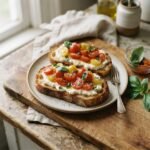
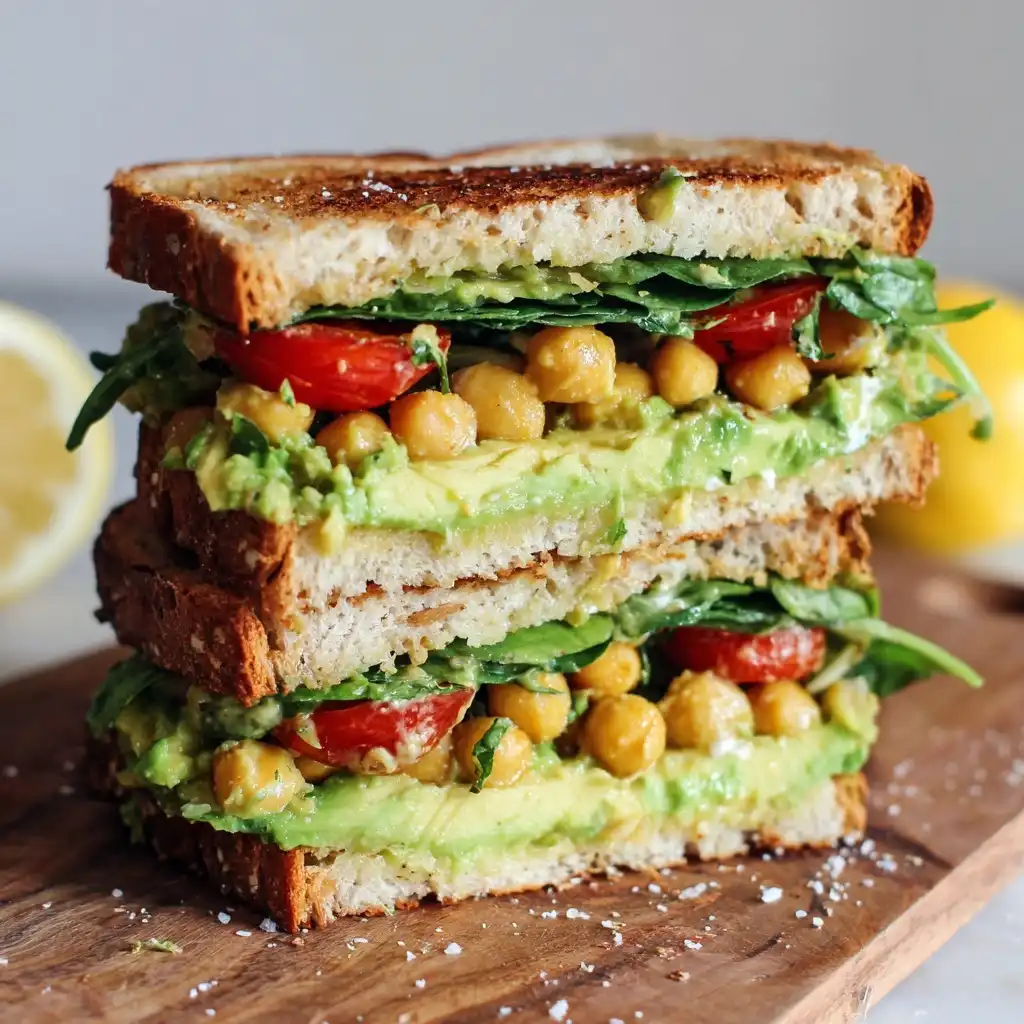
- Assemble Thoughtfully: Spread smash generously (¾ cup per sandwich) onto one toasted slice. Layer complementary textures: thinly sliced cucumber ribbons, butter lettuce or baby spinach, heirloom tomato slices (pat dry), pickled red onions, and microgreens. Top with second slice—press gently.
- Final Touches: Slice diagonally for visual appeal and easier handling. Secure with a reusable bamboo skewer if packing. Serve immediately—or wrap tightly in parchment paper for on-the-go freshness (avocado holds well for 4–6 hours refrigerated).
Tips
- Avocado Ripeness is Non-Negotiable: Too firm = chalky, hard-to-mash; too soft = brown, stringy, bitter. Perfect ripeness yields to gentle palm pressure—not finger indentation—and skin should be deep green to near-black with no shiny patches.
- Never Skip the Lemon Juice: It’s not just for flavor—it chemically inhibits enzymatic browning. Even with lemon, store leftovers in an airtight container with avocado pit nestled in center and plastic wrap pressed directly onto surface to minimize oxygen exposure.
- Texture Control Matters: For a chunkier “deconstructed” feel, reserve ¼ cup whole chickpeas and fold in last. For ultra-smooth (ideal for wraps), use a potato masher + extra ½ tbsp lemon juice and 1 tsp aquafaba (liquid from canned chickpeas) as natural binder.
- Bread Selection Strategy: Match bread strength to filling weight. Delicate smash (light on chickpeas) pairs with brioche; hearty smash (extra chickpeas + seeds) demands dense, seedy loaf. For gluten-free, choose bread with xanthan gum or psyllium husk for elasticity.
- Prevent Sogginess Like a Pro: Always pat wet ingredients (tomatoes, cucumbers, sprouts) dry. Toast bread until edges are crisp—even if interior stays soft. Consider “barrier layers”: thin smear of hummus or tahini on bread before smash acts as moisture shield.
- Meal Prep Friendly: Make smash base (chickpeas + aromatics + spices) up to 3 days ahead. Store separately from avocado. Mash avocado fresh and combine day-of for peak color and texture.
- Flavor Layering Hack: Bloom dried spices (cumin, paprika) in ½ tsp olive oil over low heat for 30 seconds before adding to mixture—unlocks fat-soluble flavor compounds and deepens aroma.
- Consistency Rescue: If mixture becomes too wet, stir in 1 tbsp ground flaxseed or chia seeds—they absorb liquid and add omega-3s. If too dry, add ½ tsp lemon juice or cold-pressed avocado oil (not olive oil—it overpowers).
- Freezing Note: Do NOT freeze assembled sandwiches or avocado-containing smash—the high water content in avocado causes cell rupture and unpleasant mushiness upon thawing. Freeze plain mashed chickpea base only (without avocado, onion, or herbs) for up to 2 months.
- Serving Temperature Wisdom: Serve smash chilled but not ice-cold—refrigerated too long dulls flavor perception. Let sit 5 minutes at room temp before assembling for optimal taste release.
Variations and Customizations
This recipe is a dynamic canvas—adaptable to global cuisines, seasonal produce, dietary needs, and personal cravings. Here’s how to innovate with intention:
- Mediterranean Twist: Swap cumin/paprika for ½ tsp dried oregano + ¼ tsp lemon zest. Add 2 tbsp chopped kalamata olives, 1 tbsp crumbled feta (or almond feta), and roasted red peppers. Serve on pita or focaccia.
- Southwest Fiesta: Add ¼ cup corn kernels (grilled or thawed frozen), 2 tbsp black beans, 1 tsp chipotle in adobo (minced), and 1 tbsp chopped fresh lime cilantro. Top with avocado crema (blended avocado + lime + Greek yogurt or coconut yogurt).
- Asian-Inspired Umami Bomb: Replace lemon with rice vinegar (1 tbsp), Dijon with 1 tsp tamari or coconut aminos, and add 1 tsp toasted sesame oil, 1 tsp grated ginger, 1 scallion (thinly sliced), and ½ tsp furikake. Garnish with nori strips and pickled daikon.
- Breakfast Smash: Add ¼ tsp turmeric + pinch black pepper (for curcumin absorption), 1 tbsp sun-dried tomatoes (chopped), and top with sliced hard-boiled egg (or tofu “egg” for vegan) and arugula. Serve on multigrain English muffin.
- Curry Chickpea Fusion: Toast ½ tsp mustard seeds + ½ tsp curry powder in 1 tsp ghee or coconut oil; cool before stirring in. Add 1 tbsp golden raisins, 1 tsp chopped mint, and serve with mango chutney drizzle.
- Low-Carb/Keto Adaptation: Replace chickpeas entirely with 1 cup mashed cauliflower (steamed & squeezed dry) + ¼ cup hemp hearts + extra avocado. Boost fat with 1 tbsp MCT oil or avocado oil. Serve in butter lettuce cups or grilled portobello “buns.”
- Kid-Friendly Mild Version: Omit onion, garlic, and spices. Add 1 tbsp unsweetened applesauce, 1 tsp maple syrup, and 1 tbsp creamy almond butter for subtle sweetness and binding. Use whole wheat mini bagels or rice cakes.
- Gourmet Deli Style: Fold in 2 tbsp finely chopped roasted beets (for color + earthiness), 1 tbsp toasted walnuts, and 1 tsp orange zest. Serve open-faced on walnut levain with frisée and champagne vinaigrette.
- Allergen-Safe (Top 9 Free): Ensure mustard is gluten-free and certified soy/nut/dairy/egg free. Use sunflower seed butter instead of tahini if needed. Verify spice blends are processed in dedicated facilities. Top with jicama slaw instead of celery/onion.
- Protein-Packed Power-Up: Stir in 2 tbsp cooked quinoa, 1 tbsp pumpkin seeds, and 1 tsp nutritional yeast. Or add 1 scoop unflavored pea protein isolate blended with lemon juice first to avoid grittiness.
Health Considerations and Nutritional Value
A single serving (¾ cup smash on 2 slices whole grain bread, ~450–550 calories depending on additions) delivers exceptional macro- and micronutrient density with clinically meaningful benefits:
- Heart Health Champion: Monounsaturated fats (avocado), soluble fiber (chickpeas), potassium (avocado + celery), and polyphenols (onion, garlic, lemon) collectively support healthy blood pressure, LDL cholesterol reduction, arterial elasticity, and reduced inflammation markers like CRP. Studies link regular avocado intake to 22% lower risk of coronary heart disease (*Journal of the American Heart Association*, 2022).
- Gut Microbiome Nourishment: Chickpeas provide prebiotic fiber (raffinose, stachyose) that feeds beneficial Bifidobacteria and Lactobacillus. Fermentable fiber produces short-chain fatty acids (butyrate) that strengthen intestinal lining, regulate immunity, and reduce systemic inflammation. Pairing with fermented toppings (kimchi slaw, sauerkraut) multiplies probiotic impact.
- Blood Sugar Balance: Low glycemic load (<7), high fiber (15–18g/serving), and healthy fats slow gastric emptying and blunt postprandial glucose spikes—making it ideal for prediabetes, PCOS, and metabolic syndrome management. Cumin and cinnamon (optional add-in) enhance insulin sensitivity.
- Plant-Based Protein Completeness: While chickpeas lack methionine and avocado lacks lysine, together they form a more complete amino acid profile. Adding seeds (hemp, pumpkin) or nutritional yeast bridges any remaining gaps—delivering ~20g highly bioavailable protein per serving.
- Antioxidant & Phytochemical Synergy: The combination creates “food matrix effects”—where nutrients enhance each other’s absorption and activity. Vitamin C (lemon) boosts iron uptake from chickpeas; fat (avocado) enables absorption of fat-soluble carotenoids (paprika, spinach); black pepper amplifies curcumin (if turmeric added). This network effect far exceeds isolated supplement benefits.
- Digestive Comfort Considerations: Introduce gradually if new to high-fiber legumes—start with ½ serving and drink ample water. Soaking dried chickpeas overnight before cooking (if using) reduces oligosaccharides that cause gas. Fennel or ginger tea post-meal aids digestion.
- Weight Management Support: High satiety index due to volume, fiber, protein, and fat promotes prolonged fullness and reduces snacking. Research shows high-fiber plant foods correlate with lower BMI and visceral fat accumulation over time (*American Journal of Clinical Nutrition*).
- Neuroprotective Potential: Avocado’s lutein and monounsaturated fats support cognitive function and reduce age-related neural decline. Garlic’s S-allyl cysteine crosses the blood-brain barrier, showing promise in Alzheimer’s prevention models.
- Pregnancy & Lactation Friendly: Excellent source of folate (critical for neural tube development), iron (enhanced by vitamin C), choline (avocado), and hydration-supportive potassium—while being naturally low in mercury, sodium, and additives.
- Environmental Nutrition Bonus: Chickpeas fix nitrogen in soil, require 43x less water than beef per gram of protein, and generate minimal greenhouse gases—making this sandwich a climate-conscious choice aligned with planetary health guidelines (EAT-Lancet Commission).
Ingredients
- 1 (15 oz) can low-sodium chickpeas, drained, rinsed, and patted very dry
- 2 ripe Hass avocados, halved, pitted, and scooped
- ¼ cup finely minced red onion, soaked in ice water for 5 minutes and drained
- ¼ cup finely diced celery (about 1 medium stalk)
- 2 tablespoons finely chopped fresh cilantro or flat-leaf parsley (including tender stems)
- 1 tablespoon freshly squeezed lemon juice (½ large lemon)
- 1 teaspoon Dijon mustard (gluten-free if needed)
- 1 small garlic clove, microplaned or finely grated (let sit 10 minutes)
- ¼ teaspoon ground cumin, preferably toasted and freshly ground
- ¼ teaspoon smoked paprika (sweet or hot)
- ½ teaspoon fine sea salt, plus more to taste
- ¼ teaspoon freshly ground black pepper
- Optional enhancements: 1 tablespoon hemp hearts, 1 teaspoon capers, 1 tablespoon pickled jalapeños (drained), pinch of cayenne, ½ teaspoon apple cider vinegar for extra tang
- For serving: 4 slices hearty whole grain or sprouted bread, toasted; butter lettuce or baby spinach; sliced heirloom tomato (patted dry); microgreens; cucumber ribbons
Directions
- In a medium mixing bowl, add the drained and patted-dry chickpeas. Using a fork or potato masher, mash them until mostly broken down but still retaining some texture—avoid over-mashing into a paste.
- Add the scooped avocado flesh, soaked and drained red onion, diced celery, chopped cilantro or parsley, lemon juice, Dijon mustard, microplaned garlic, ground cumin, smoked paprika, sea salt, and black pepper.
- Fold gently with a silicone spatula or sturdy spoon until all ingredients are evenly incorporated and the mixture reaches a cohesive, spreadable consistency—about 1 minute. Do not overmix; aim for visible flecks and gentle texture variation.
- Taste thoughtfully and adjust seasoning: add more lemon for brightness, salt for balance, cumin for warmth, or a pinch of cayenne for heat. Remember flavors will meld as it chills.
- Cover the bowl tightly with a lid or beeswax wrap and refrigerate for at least 20 minutes (up to 2 hours) to allow flavors to harmonize and the mixture to firm slightly for easier spreading.
- While chilling, toast your chosen bread until golden and crisp on the outside—this prevents sogginess and adds structural integrity.
- To assemble, spread approximately ¾ cup of the chilled smash evenly onto one toasted slice. Layer with greens, tomato, cucumber, and any additional garnishes. Top with second slice of toast and press gently.
- Slice diagonally for presentation and ease of eating. Serve immediately, or wrap tightly in parchment paper for portable freshness. Best enjoyed within 4–6 hours of preparation for optimal texture and color.
FAQ
- Can I make this ahead of time?
- Yes—with caveats. The base (chickpeas + aromatics + spices) can be prepared 2–3 days in advance and refrigerated. However, add avocado and lemon juice only up to 2 hours before serving to prevent browning and texture degradation. For longer storage, freeze plain mashed chickpea mixture (without avocado, onion, or herbs) for up to 2 months—thaw overnight in fridge and fresh-mash avocado day-of.
- Why does my smash turn brown so quickly?
- Browning occurs due to oxidation of avocado’s polyphenols when exposed to air. Prevention strategies: always use fresh lemon/lime juice (citric acid inhibits enzyme activity), press plastic wrap directly onto the surface of stored smash, keep the avocado pit embedded in the mixture, and store in an airtight container. Even with precautions, expect slight edge darkening after 6 hours—still safe and flavorful.
- Can I use dried chickpeas instead of canned?
- Absolutely—and highly recommended for superior flavor and texture. Soak ½ cup dried chickpeas overnight in plenty of water with 1 tsp baking soda (reduces cooking time and gas-causing compounds). Drain, rinse, then simmer in fresh water with bay leaf and garlic clove for 45–60 minutes until tender but not mushy. Cool completely before mashing. Home-cooked chickpeas have firmer texture and richer flavor than canned.
- Is this sandwich suitable for meal prep?
- Yes—with smart layering. Prepare smash base (no avocado) and chop veggies separately. Portion into containers. Assemble sandwiches the night before or morning-of: spread smash, then add dry toppings (lettuce, cucumber), followed by moist ones (tomato) just before sealing. Use parchment paper between layers if stacking. Avoid storing assembled sandwiches >12 hours.
- How do I make it gluten-free?
- Choose certified gluten-free bread (look for GF oats, brown rice, or sorghum-based loaves). Ensure Dijon mustard and spices are certified GF (many contain wheat-derived vinegar or anti-caking agents). Cross-contamination is rare but verify if severe sensitivity exists. Gluten-free bread toasts best at slightly lower heat—watch closely.
- Can I make it oil-free?
- Easily. This recipe requires no added oil—avocado provides all necessary creaminess and healthy fats. Avoid substituting with water or vinegar, which dilutes flavor and structure. If extra moisture is needed, use ½ tsp aquafaba (canned chickpea liquid) or lemon juice instead.
- What if I don’t like cilantro?
- No problem! Substitute with flat-leaf parsley (most neutral), basil (for Italian flair), dill (for tangy freshness), or chives (for mild onion essence). Mint works beautifully in Mediterranean or Asian variations. All offer similar phytonutrient