Introduction
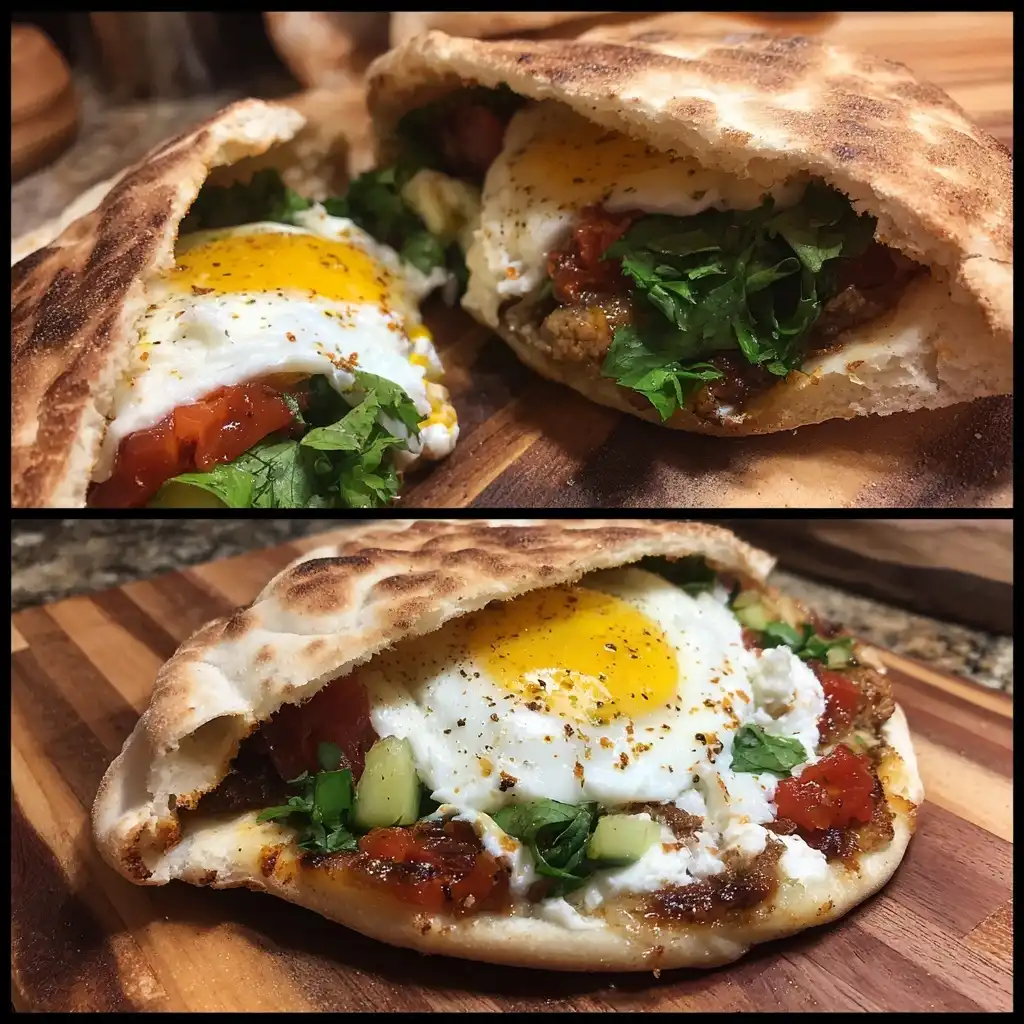
The Mediterranean Egg Pita is a vibrant, nutrient-dense breakfast or lunch staple that marries the bold flavors of the Eastern Mediterranean with the comforting simplicity of eggs and warm pita bread. Rooted in the culinary traditions of Greece, Lebanon, Turkey, and Egypt—where eggs are often paired with fresh herbs, tangy cheeses, roasted vegetables, and zesty sauces—it’s more than just a meal: it’s a celebration of seasonal produce, aromatic spices, and mindful eating. Whether enjoyed hot off the griddle or packed for a portable, protein-rich on-the-go option, this dish embodies the essence of the Mediterranean diet—colorful, plant-forward, heart-healthy, and deeply satisfying without heaviness.
The History
Eggs have long held cultural and practical significance across Mediterranean civilizations—from ancient Greek symposia where soft-boiled eggs were served as palate cleansers, to Ottoman-era Levantine kitchens where shakshuka-style egg dishes simmered in clay pots over low flames. In rural Greece, farmers’ wives traditionally prepared avgolemono-inspired omelets with lemon zest and dill; in coastal Tunisia and Libya, eggs were folded into spiced tomato-and-pepper relishes long before shakshuka gained global fame. The integration of pita—a leavened flatbread with origins traced to Mesopotamia over 4,000 years ago—brought portability and texture contrast to egg-based preparations. By the mid-20th century, urban street vendors in cities like Beirut and Alexandria began serving “egg pitas” stuffed with scrambled eggs, feta, olives, and parsley as affordable, hearty fare for laborers and students alike. Today’s Mediterranean Egg Pita is a modern evolution—honoring ancestral techniques while embracing accessibility, dietary inclusivity, and global flavor fusion.
Ingredients Breakdown
Every element in this recipe serves both functional and sensory purpose—building layers of umami, acidity, creaminess, crunch, and freshness:
- Eggs: The protein foundation—preferably pasture-raised for richer yolks and higher omega-3 content. Whisked with a splash of milk or unsweetened almond milk for tenderness.
- Pita Bread: Whole-wheat or sprouted grain pita preferred for fiber and B-vitamins; lightly toasted or warmed to enhance pliability and prevent sogginess.
- Olive Oil: Extra-virgin, cold-pressed—used for sautéing and finishing. Rich in polyphenols and oleocanthal (a natural anti-inflammatory compound).
- Garlic & Onion: Aromatic base—finely minced red onion adds sweetness and bite; garlic contributes depth and immune-supportive allicin.
- Tomatoes: Vine-ripened or sun-dried tomatoes (rehydrated) for concentrated lycopene—a powerful antioxidant enhanced by heat and fat.
- Spinach or Swiss Chard: Baby spinach preferred for mild flavor and quick wilting; chard offers earthier notes and higher magnesium content.
- Feta Cheese: Traditional brined sheep’s or goat’s milk feta—salty, crumbly, and rich in calcium and conjugated linoleic acid (CLA). Vegan alternatives include almond-feta or tofu-based versions marinated in lemon juice, capers, and nutritional yeast.
- Kalamata Olives: Pit-in for authenticity and intense, fruity brininess; rich in monounsaturated fats and hydroxytyrosol—an olive polyphenol linked to cardiovascular protection.
- Fresh Herbs: Dill, mint, and flat-leaf parsley—each contributing unique volatile oils (e.g., carvone in dill, rosmarinic acid in rosemary-family herbs) that aid digestion and elevate aroma.
- Lemon Juice & Zest: Bright acidity balances richness and boosts iron absorption from leafy greens (vitamin C enhances non-heme iron bioavailability).
- Spices: Smoked paprika (for depth and mild heat), ground cumin (digestive support), and a whisper of sumac (tart, tangy Middle Eastern berry powder high in antioxidants).
- Optional Add-Ins: Roasted red peppers (vitamin A/C), artichoke hearts (prebiotic fiber), pickled red onions (probiotic potential), harissa paste (capsaicin for metabolism), or a drizzle of tahini sauce (sesame lignans + calcium).
Step-by-Step Recipe
- Prep Work (10 minutes): Finely dice ½ small red onion and 1 garlic clove. Halve ½ cup cherry tomatoes. Roughly chop 1 cup baby spinach. Crumble ¼ cup feta. Pit and halve 6–8 Kalamata olives. Wash and dry herbs; finely chop 2 tbsp each parsley and dill, plus 1 tsp mint. Zest and juice ½ lemon.
- Warm the Pita (2 minutes): Heat a dry cast-iron skillet or griddle over medium-low. Warm two 6-inch whole-wheat pitas for 30 seconds per side until pliable and slightly puffed. Wrap in a clean kitchen towel to keep soft and steamy.
- Sauté Aromatics (4 minutes): In the same skillet, heat 1 tbsp extra-virgin olive oil. Add red onion and sauté 2 minutes until translucent. Stir in garlic and smoked paprika; cook 30 seconds until fragrant—do not brown.
- Build the Veggie Base (3 minutes): Add cherry tomatoes and a pinch of salt; cook 2 minutes until softened and beginning to release juices. Fold in spinach and stir until just wilted (about 60 seconds). Remove from heat and transfer to a bowl; let cool slightly.
- Whisk & Cook Eggs (5 minutes): In a separate bowl, whisk 4 large eggs with 2 tbsp unsweetened almond milk, ¼ tsp cumin, generous black pepper, and lemon zest. Heat 1 tsp olive oil in the skillet over medium-low. Pour in egg mixture; gently stir with a silicone spatula, folding from edges inward. When eggs are ~80% set (soft, creamy curds forming), remove from heat.
- Combine & Season (2 minutes): Gently fold warm veggie mixture into eggs. Stir in crumbled feta, olives, lemon juice, chopped herbs, and a pinch of sumac. Taste and adjust: more lemon for brightness, salt only if needed (feta and olives provide sodium), or a drizzle of olive oil for silkiness.
- Assemble the Pita (2 minutes): Spoon half the egg mixture into the center of one warm pita. Fold bottom flap up, then fold left and right sides inward, rolling gently to enclose filling. Repeat with second pita. For extra crispness, return seam-side down to the warm skillet for 60–90 seconds per side.
- Finish & Serve (1 minute): Slice each pita wrap diagonally. Garnish with extra herbs, lemon wedge, and optional dollop of tzatziki or harissa-tahini swirl. Serve immediately while warm and fragrant.
Tips
- Prevent Soggy Pita: Always warm pitas before filling—and never add wet ingredients (like un-drained tomatoes or excess lemon juice) directly onto the bread. Instead, incorporate moisture into the egg mixture so it’s absorbed during cooking.
- Egg Texture Mastery: Low-and-slow heat is non-negotiable. High heat causes rubbery eggs and uneven cooking. Remove eggs from heat just before fully set—they’ll continue to cook from residual warmth.
- Feta Tip: Crumble feta at the very end—adding it too early can make eggs grainy. For melty texture, use a small amount of crumbled feta *inside* the pita before adding eggs, then top with more after cooking.
- Make-Ahead Friendly: Prep all veggies and herbs the night before; store separately in airtight containers. Cooked egg filling keeps refrigerated for up to 3 days—reheat gently in skillet with a splash of water to restore moisture.
- Freezing Note: While assembled pitas don’t freeze well (pita becomes gummy), cooked egg-vegetable mixture freezes beautifully for up to 2 months. Thaw overnight in fridge and reheat slowly.
- Grill Option: For smoky depth, grill warm pitas for 30 seconds per side over medium charcoal or gas flame before filling.
- Herb Substitutions: No dill? Use chervil or tarragon. No mint? Try basil or lemon balm. Always add delicate herbs *after* cooking to preserve volatile oils and color.
- Nonstick Hack: If your skillet isn’t well-seasoned, line it with parchment paper cut to size—prevents sticking and simplifies cleanup without sacrificing flavor.
Variations and Customizations
Dietary Adaptations
- Vegan Mediterranean Egg Pita: Replace eggs with a chickpea flour batter (½ cup chickpea flour + ½ cup water + 1 tsp turmeric + ½ tsp black salt/kala namak for eggy aroma). Cook like a thin socca pancake, then fill as directed. Use almond-feta and omit honey-based dressings.
- Gluten-Free: Substitute certified GF pita (made with brown rice, teff, or sorghum flours) or use large collard green leaves or grilled portobello caps as wraps.
- Keto/Low-Carb: Skip pita entirely—serve filling in lettuce cups (butter or romaine) or over cauliflower rice. Boost healthy fats with avocado slices and extra olives.
- Dairy-Free: Omit feta or use fermented coconut yogurt-based “feta.” Ensure cheese substitutes contain no casein.
Regional Twists
- Greek-Inspired: Add crumbled dried oregano, quartered pepperoncini, and a spoonful of avgolemono-style lemon-egg drizzle (whisk 1 egg yolk + 2 tbsp lemon juice + 2 tbsp hot veggie broth; temper and stir in off-heat).
- Lebanese Za’atar Pita: Sprinkle 1 tsp za’atar over eggs before folding; add thin strips of roasted eggplant and a swipe of toum (garlic sauce).
- Turkish Menemen Style: Sauté tomatoes, green peppers, and onions until jammy; stir in eggs and cook slowly until custardy. Top with Aleppo pepper and fresh mint.
- North African Twist: Stir harissa paste into eggs while cooking; garnish with preserved lemon peel and toasted cumin seeds.
Protein & Veggie Swaps
- Proteins: Grilled halloumi, shredded rotisserie chicken, flaked baked cod, marinated tempeh, or white beans (cannellini or Great Northern) for added fiber.
- Vegetables: Roasted zucchini ribbons, caramelized fennel slivers, blanched asparagus tips, grated raw beetroot, or sautéed mushrooms.
- Texture Boosters: Toasted pine nuts, crushed pistachios, pomegranate arils, or crispy capers.
Health Considerations and Nutritional Value
A single serving (one 6-inch whole-wheat pita filled with the full recipe) delivers approximately 420–470 calories, with balanced macros: ~22g protein, ~24g healthy fats (mostly monounsaturated), and ~38g complex carbohydrates—including 8–10g of dietary fiber. Key health highlights include:
- Cardiovascular Support: Olive oil’s oleic acid, olives’ polyphenols, and potassium-rich spinach help regulate blood pressure and improve endothelial function.
- Antioxidant Density: Lycopene (tomatoes + heat + oil), vitamin C (lemon), vitamin K (greens), and anthocyanins (purple olives) work synergistically to reduce oxidative stress and chronic inflammation.
- Gut Health: Prebiotic fiber from whole grains and greens feeds beneficial gut bacteria; fermented elements (if using unpasteurized olives or pickled onions) contribute probiotics.
- Bone & Metabolic Health: Feta supplies calcium and phosphorus; spinach provides magnesium and vitamin K2 (when fermented); eggs offer choline—critical for liver and brain function.
- Low Glycemic Impact: With a GI estimated under 50, this meal supports steady blood sugar—especially when paired with healthy fats and fiber that slow glucose absorption.
- Allergen Notes: Naturally nut-free and soy-free (unless using soy-based alternatives). Contains dairy (feta) and gluten (pita)—both easily substituted as noted above.
- Mindful Sodium Awareness: While feta and olives contribute sodium (~480mg/serving), it remains within WHO daily recommendations (<2,000mg). Reduce salt elsewhere in your day, or rinse olives briefly to decrease sodium by ~25%.
This dish aligns seamlessly with evidence-based guidelines from the American Heart Association, Oldways Mediterranean Diet Pyramid, and the EAT-Lancet Commission for planetary health—prioritizing whole foods, minimal processing, and biodiversity on the plate.
Ingredients
- 4 large pasture-raised eggs
- 2 tbsp unsweetened almond milk or whole milk
- 2 tbsp extra-virgin olive oil, divided (plus more for finishing)
- ½ small red onion, finely diced
- 1 garlic clove, minced
- ½ cup cherry tomatoes, halved
- 1 cup baby spinach, roughly chopped
- ¼ cup crumbled traditional feta cheese (sheep/goat milk)
- 6–8 Kalamata olives, pitted and halved
- 2 tbsp fresh flat-leaf parsley, finely chopped
- 2 tbsp fresh dill, finely chopped
- 1 tsp fresh mint, finely chopped
- Zest and juice of ½ lemon
- ½ tsp smoked paprika
- Pinch of sumac
- Freshly ground black pepper, to taste
- Two 6-inch whole-wheat or sprouted grain pitas
- Optional: 2 tbsp tzatziki, harissa-tahini swirl, or lemon-dill yogurt sauce for serving
Directions
- In a medium bowl, whisk together eggs, almond milk, lemon zest, smoked paprika, cumin, and several grinds of black pepper until fully combined and slightly frothy.
- Heat 1 tablespoon olive oil in a 10-inch nonstick or well-seasoned cast-iron skillet over medium-low heat. Add red onion and sauté for 2 minutes, stirring occasionally, until softened but not browned.
- Add minced garlic and cook for 30 seconds—just until fragrant. Stir in cherry tomatoes and a pinch of salt; cook for 2 minutes, pressing gently with spatula to release juices.
- Add spinach and stir constantly for 60–90 seconds, until just wilted. Transfer vegetable mixture to a heatproof bowl and set aside.
- Wipe skillet clean with a paper towel if needed, then heat remaining 1 teaspoon olive oil over medium-low heat. Pour in egg mixture. Let sit undisturbed for 20 seconds, then gently fold edges toward center with a silicone spatula, tilting pan to allow uncooked egg to flow underneath. Continue folding every 30–45 seconds until eggs are softly set but still glossy (about 4–4.5 minutes total).
- Remove skillet from heat. Immediately fold in the reserved vegetable mixture, crumbled feta, Kalamata olives, lemon juice, parsley, dill, mint, and sumac. Stir gently to combine without breaking up curds.
- While eggs rest, warm pitas in the same skillet (no oil needed) for 30 seconds per side over medium-low heat until pliable and lightly puffed. Stack and wrap in a clean kitchen towel to retain steam.
- Spoon half the egg mixture onto the lower third of one warm pita. Fold the bottom edge up over the filling, then fold left and right edges inward, rolling tightly to seal. Press seam-side down in skillet for 60 seconds to crisp lightly. Repeat with second pita.
- Cut each pita wrap in half diagonally. Serve immediately, garnished with extra herbs, lemon wedge, and optional sauce on the side.
FAQ
- Can I make this ahead for meal prep?
- Absolutely. Cook the egg-vegetable mixture and store in an airtight container in the refrigerator for up to 3 days. Warm gently in a skillet with 1 tsp water or olive oil to refresh moisture. Toast fresh pitas just before assembling for best texture.
- Why does my pita crack when I fold it?
- Pita becomes brittle when cold or stale. Always use fresh or day-old pita, warmed thoroughly until soft and pliable. If reheating frozen pita, thaw first, then steam or skillet-warm—not microwave alone, which dries it out.
- Is there a way to make this spicy?
- Yes! Add ¼–½ tsp crushed red pepper flakes with the garlic, stir in 1 tsp harissa paste with the eggs, or finish with pickled jalapeños and a dusting of Aleppo pepper.
- Can I use regular yellow onions instead of red?
- You can—but red onion offers milder sweetness and higher quercetin (an anti-inflammatory flavonoid). If using yellow onion, reduce quantity by 25% and sauté longer for caramelization to mellow sharpness.
- What’s the best cheese substitute for someone avoiding dairy?
- Try a house-made almond feta (soaked almonds blended with lemon, nutritional yeast, miso, and sea salt) or a high-quality store-bought version made from cashews or tofu. Avoid highly processed “vegan cheeses” with refined oils and gums—they lack the bright salinity and crumble texture essential here.
- My eggs always stick—even with oil. What am I doing wrong?
- Three likely culprits: 1) Skillet not hot enough before adding oil (heat pan first, then oil), 2) Using high heat (eggs need gentle, even warmth), or 3) Disturbing too soon—let eggs set for 20–30 seconds before folding. A well-seasoned cast-iron or ceramic-coated pan works best.
- Can I bake this instead of stovetop?
- Yes—for a sheet-pan version: Whisk eggs with seasonings and pour into a parchment-lined 9×13 baking dish. Scatter sautéed veggies, feta, and olives on top. Bake at 350°F (175°C) for 18–22 minutes until just set. Cool slightly, cut into squares, and serve wrapped in warm pita or over greens.
- How do I keep this vegan while preserving authentic flavor?
- Chickpea flour batter mimics eggs well—but for true depth, add ½ tsp black salt (kala namak) for sulfurous “eggy” aroma, 1 tsp white miso for umami, and a splash of apple cider vinegar for subtle tang. Sauté all veggies in olive oil with smoked paprika and lemon zest before combining.
- Is this suitable for pregnancy or postpartum recovery?
- Yes—with caveats: Use pasteurized eggs if concerned about salmonella risk (though pasture-raised, refrigerated eggs carry extremely low risk). Include ample folate (spinach), choline (eggs), iron (with lemon for absorption), and omega-3s (olive oil, optional walnuts). Consult your provider before major dietary changes.
- Can kids enjoy this?
- Entirely! Mild herbs and creamy feta appeal to young palates. Skip spicy additions, finely mince veggies, and let kids assemble their own mini pitas—a fun, interactive way to encourage veggie acceptance and fine motor development.
Summary
The Mediterranean Egg Pita is a harmonious, nutrient-packed fusion of ancient tradition and modern wellness—featuring pasture-raised eggs, whole-grain pita, antioxidant-rich vegetables, briny olives, herbaceous freshness, and heart-healthy olive oil.
It’s endlessly adaptable for dietary needs, deeply flavorful without excess salt or sugar, and designed to nourish the body, delight the senses, and honor the time-honored rhythms of Mediterranean cooking—where every ingredient tells a story of sun, soil, sea, and community.