Introduction
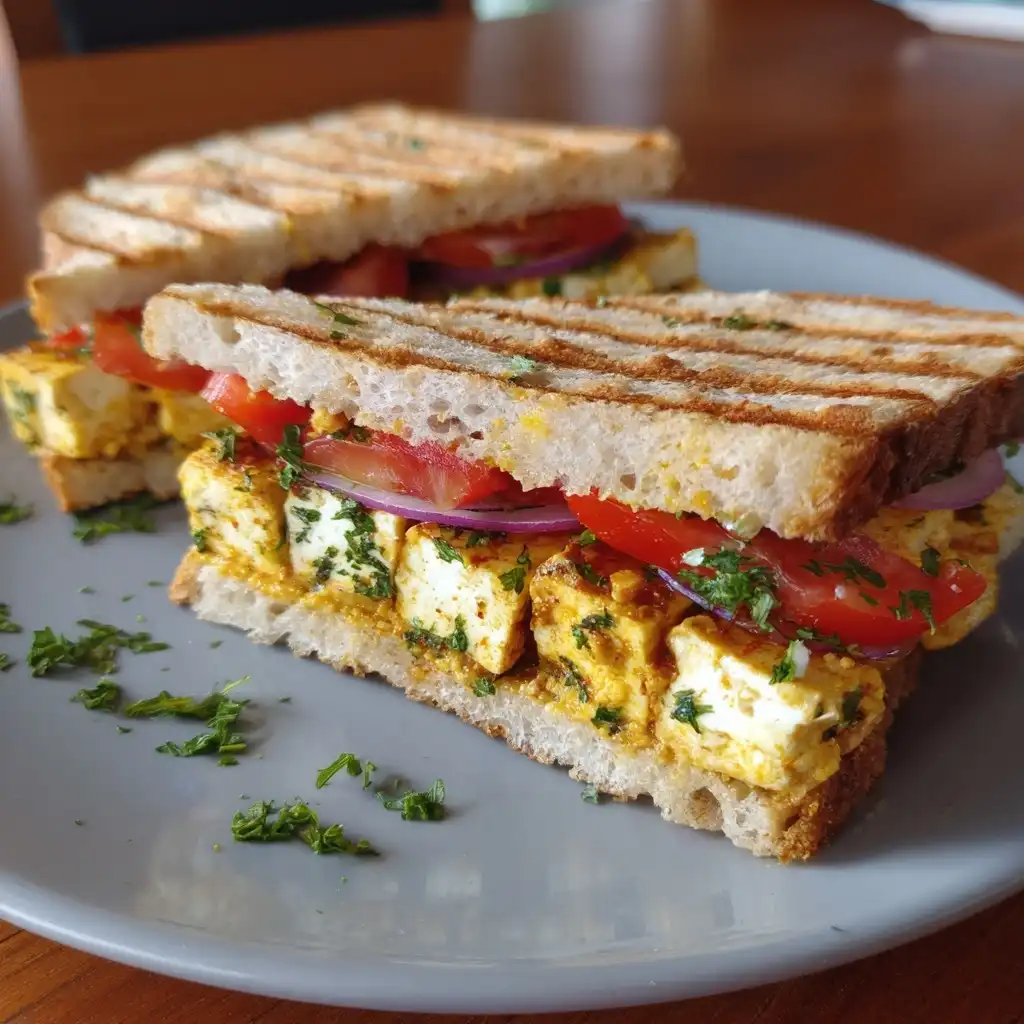
The Mediterranean Paneer Sandwich is a vibrant, nutrient-dense fusion dish that bridges the creamy richness of Indian cottage cheese with the sun-kissed flavors of the Mediterranean basin. Far more than a simple lunch option, it’s a culinary celebration—where the mild, squeaky tenderness of paneer meets zesty lemon, briny olives, aromatic oregano, crisp cucumbers, and velvety roasted red peppers. Designed for health-conscious food lovers, busy professionals, students, and plant-forward eaters (including vegetarians and flexitarians), this sandwich delivers bold taste without compromise—no frying, no heavy sauces, and no artificial additives. Whether enjoyed chilled on a picnic blanket, packed for work or school, or served as an elegant appetizer at a summer gathering, the Mediterranean Paneer Sandwich embodies balance: creamy yet refreshing, hearty yet light, traditional yet boldly innovative.
The History
While paneer itself traces its origins to the Indian subcontinent over 2,000 years ago—likely introduced via Persian and Central Asian trade routes—the concept of pairing it with Mediterranean ingredients is a modern, diasporic evolution. In the late 20th and early 21st centuries, as global migration increased and pantry access diversified, South Asian home cooks in Europe, North America, and the Middle East began experimenting with local staples—feta alternatives led to seasoned paneer; Greek yogurt became a base for herb-infused spreads; and sun-dried tomatoes replaced tamarind in chutney-inspired fillings. Food bloggers, dietitians, and chefs like Meera Sodha (UK), Anupy Singla (USA), and Chef Yotam Ottolenghi (via cross-cultural influence) helped popularize such hybrids—emphasizing whole foods, texture contrast, and layered umami. The Mediterranean Paneer Sandwich crystallized as a distinct format around 2015–2017, appearing in vegetarian meal-prep guides, wellness magazines like *Mindful* and *Clean Eating*, and Instagram-driven food communities celebrating “global vegetarianism.” Its rise mirrors broader culinary trends: the deconstruction of regional boundaries, the elevation of vegetarian protein, and the growing demand for meals that are both culturally resonant and nutritionally intelligent.
Ingredients Breakdown
Every element in this sandwich serves a functional and sensory purpose—flavor, texture, nutrition, and shelf stability. Let’s explore each ingredient beyond the list:
- Paneer (200g, fresh, low-moisture): Unlike soft, high-water paneer used in curries, this version benefits from firmer, slightly drier paneer—either homemade (pressed 4+ hours) or store-bought “grating” or “snack” paneer. Its dense structure holds up to marinating without disintegrating and provides ~18g high-quality vegetarian protein per 100g.
- Extra Virgin Olive Oil (3 tbsp): Not just fat—it’s the carrier for polyphenols, oleocanthal (a natural anti-inflammatory), and volatile aromatics released when warmed. Opt for a medium-fruity, peppery Greek or Spanish EVOO for best results.
- Fresh Lemon Juice (2 tbsp, ~1 large lemon): Adds brightness and acidity critical for cutting through paneer’s richness. Vitamin C also enhances non-heme iron absorption from spinach and parsley.
- Garlic (2 small cloves, finely minced or microplaned): Raw garlic contributes allicin—a compound with antimicrobial and cardiovascular benefits—but mellowed by olive oil and time. For gentler flavor, lightly sauté first.
- Dried Oregano (1½ tsp, preferably Greek or Turkish): Contains carvacrol and thymol—potent antioxidants—and imparts that unmistakable “Mediterranean terroir.” Crush between fingers before adding to release essential oils.
- Sumac (1 tsp): A tangy, crimson Middle Eastern berry powder rich in anthocyanins and organic acids. It adds a gentle sourness reminiscent of dried cranberries—distinct from lemon but complementary.
- Kalamata Olives (¼ cup, pitted & roughly chopped): A source of monounsaturated fats, sodium (in moderation), and polyphenols like hydroxytyrosol. Their salty-briny punch balances sweetness from roasted peppers.
- Romanesco or Roasted Red Peppers (½ cup, finely diced): Roasted red peppers add natural sweetness, lycopene (enhanced bioavailability when cooked with oil), and vitamin C. Romanesco offers fractal crunch, fiber, and sulforaphane precursors.
- Cucumber (½ cup, English or Persian, unpeeled & finely diced): High water content (96%) provides juiciness and cooling contrast. Skin retains silica and flavonoids—leave it on!
- Red Onion (¼ cup, very finely minced or quick-pickled): Raw onion brings sharpness and quercetin; quick-pickling (5 min in lemon juice + pinch salt) mellows bite while preserving crunch and prebiotic fructans.
- Fresh Parsley & Mint (¼ cup each, flat-leaf parsley + tender mint leaves): Not garnish—they’re functional. Parsley is among the highest dietary sources of vitamin K1; mint contains rosmarinic acid (anti-allergenic) and aids digestion. Chop just before mixing to preserve volatile oils.
- Spinach (1 cup, baby or young leaves, tightly packed): Adds chlorophyll, magnesium, folate, and subtle earthiness. Baby spinach wilts slightly under warm paneer—intentionally creating a “layered wilt” effect.
- Whole Grain Pita, Sourdough Flatbread, or Seeded Lavash (2 medium rounds): Choose sprouted or fermented options for improved mineral bioavailability and lower glycemic impact. Avoid ultra-soft, preservative-laden pitas that tear easily.
- Optional Enhancements: Toasted pine nuts or slivered almonds (crunch + vitamin E); crumbled vegan feta (for extra salt/umami); harissa drizzle (smoky heat); preserved lemon zest (intense citrus oil).
Step-by-Step Recipe
- Prepare the Paneer: Pat 200g paneer cubes (¾-inch) completely dry with clean kitchen towels or paper towels. Excess moisture prevents marinade adhesion and causes sogginess later. Place in a non-reactive bowl (glass or ceramic).
- Make the Mediterranean Marinade: In a small bowl, whisk together 3 tbsp extra virgin olive oil, 2 tbsp fresh lemon juice, 2 minced garlic cloves, 1½ tsp dried oregano, 1 tsp sumac, ½ tsp fine sea salt, and ¼ tsp freshly ground black pepper. Taste and adjust—should be bright, herbal, and well-balanced—not overly acidic or salty.
- Marinate the Paneer: Pour marinade over paneer. Gently fold with a silicone spatula—do not stir vigorously. Cover and refrigerate for minimum 30 minutes (ideal: 2–4 hours). Do not exceed 8 hours—prolonged acid exposure may cause graininess.
- Prep the Vegetables: While paneer marinates, dice cucumber, roasted red peppers, red onion, and Kalamata olives uniformly (~¼-inch). Roughly chop parsley and mint. Rinse and spin-dry spinach. If quick-pickling onions: combine ¼ cup lemon juice, ½ tsp salt, and minced onion; let sit 5 minutes, then drain well.
- Warm the Paneer (Optional but Recommended): Heat a non-stick or cast-iron skillet over medium-low. Add marinated paneer with all marinade. Cook 3–4 minutes per side, gently turning with a spatula, until golden and slightly caramelized at edges. Remove from heat and cool 5 minutes—warm (not hot) paneer blends better without wilting greens excessively.
- Assemble the Filling: In a large mixing bowl, combine cooled paneer (with residual marinade), cucumbers, peppers, olives, pickled onion, parsley, mint, and spinach. Fold gently using a wide spatula—just until evenly distributed. Avoid overmixing to preserve texture integrity.
- Prepare the Bread: Lightly toast pita or flatbread on a dry griddle or skillet for 30–45 seconds per side—enough to add pliability and prevent tearing, but not so much that it becomes brittle. Alternatively, warm in a 300°F oven for 2 minutes.
- Build the Sandwich: Lay flatbread on a clean surface. Spoon ¾ cup filling onto the lower third. Fold bottom edge up over filling, then fold left and right flaps inward, and roll tightly away from you into a secure cylinder. Wrap snugly in parchment paper, then foil or reusable beeswax wrap for carry. Or serve open-faced for immediate eating.
- Rest Before Serving (Crucial!): Let assembled sandwiches rest seam-side down for 10–15 minutes. This allows flavors to marry, starches in bread to relax, and excess liquid from vegetables to be reabsorbed—resulting in a cohesive, non-drippy bite.
Tips
- Paneer Texture Matters: If your paneer is too soft or crumbly, freeze it solid for 20 minutes before cubing—this firms the curds and improves sliceability.
- Acid Timing: Always add lemon juice *after* warming paneer—not before—to avoid curdling during heating. Reserve 1 tsp fresh juice to stir in at the end for maximum brightness.
- No-Sog Rule: Salt cucumbers and spinach separately in a fine-mesh strainer for 5 minutes before assembly, then squeeze gently in a clean towel. This removes ~30% excess water without sacrificing nutrients.
- Make-Ahead Mastery: Marinate paneer up to 2 days ahead. Prep all vegetables (except herbs and spinach) up to 1 day ahead—store separately in airtight containers lined with paper towels. Assemble only within 2 hours of serving for optimal texture.
- Grill Variation: Skewer marinated paneer cubes and grill over charcoal or gas for smoky depth—baste with reserved marinade. Cool completely before assembling.
- Bread Substitutions: Use gluten-free seeded buckwheat lavash, low-carb almond-flour tortillas, or even large butter lettuce cups for keto or paleo adaptations.
- Flavor Layering Hack: Toast whole cumin seeds + dried oregano in a dry pan for 45 seconds, then grind. Stir ½ tsp into marinade for deeper earthiness.
- Child-Friendly Tweaks: Omit raw garlic and red onion; substitute roasted zucchini for peppers; add a thin smear of unsweetened applesauce for subtle sweetness.
- Serving Temperature: Best enjoyed at cool room temperature (65–70°F)—never ice-cold (mutes aroma) nor warm (wilts greens).
- Leftover Magic: Extra filling makes an exceptional grain bowl base (over farro or freekeh), omelet stuffing, or baked frittata layer.
Variations and Customizations
This recipe is intentionally modular—designed to evolve with seasons, pantries, and preferences. Here are 12 thoughtfully curated variations:
- Greek-Inspired: Replace olives with crumbled sheep’s milk feta; add quartered cherry tomatoes and a spoonful of tzatziki-swirled Greek yogurt.
- Lebanese Za’atar Twist: Swap oregano/sumac for 2 tsp authentic za’atar (thyme, sumac, sesame); include toasted pine nuts and pomegranate arils.
- Spanish Paprika Style: Add ½ tsp smoked paprika (pimentón dulce) and 1 tbsp finely diced manchego; garnish with pickled guindilla peppers.
- North African Harissa Heat: Whisk 1 tsp harissa paste into marinade; fold in preserved lemon peel and chopped dates for sweet-heat balance.
- Spring Herb Garden: Replace parsley/mint with equal parts dill, chives, tarragon, and lemon balm—harvested same-day for peak volatile oils.
- Roasted Veggie Medley: Substitute grilled eggplant, zucchini ribbons, and caramelized red onions for raw veggies—adds deep sweetness and fiber.
- Protein-Powered: Add 2 tbsp cooked green lentils or mashed white beans to filling for +5g plant protein and creamier mouthfeel.
- Vegan Adaptation: Use pressed, marinated tofu or soy-based “paneer” (like Tofoo); replace honey (if any) with date syrup; ensure bread is egg/dairy-free.
- Breakfast Version: Add a soft-scrambled egg layer, sprinkle of Aleppo pepper, and avocado slices—serve open-faced with a poached egg on top.
- Low-FODMAP Option: Omit garlic/onion; use garlic-infused oil and green onion tops only; swap wheat pita for certified low-FODMAP gluten-free flatbread.
- Meal-Prep Jars: Layer dressing at bottom, then grains (farro/quinoa), roasted veggies, paneer, and greens in mason jars. Shake to mix before eating.
- Festive Presentation: Serve as mini “sandwich bites”: cut assembled wraps into 1-inch wheels, secure with toothpicks, and top with microgreens and edible flowers.
Health Considerations and Nutritional Value
A single serving (one 6-inch wrapped sandwich, approx. 385g) delivers a synergistic blend of macro- and micronutrients backed by clinical and epidemiological evidence:
- Complete Plant Protein Profile: Paneer provides all nine essential amino acids, especially leucine (3.2g/serving)—critical for muscle protein synthesis. Combined with whole-grain bread and legume-enhanced versions, PDCAAS score approaches 1.0.
- Cardiovascular Support: Olive oil’s oleic acid + polyphenols reduce LDL oxidation; potassium from spinach/cucumber + magnesium from paneer and whole grains support healthy blood pressure regulation (per American Heart Association guidelines).
- Gut Microbiome Benefits: Fermented bread (sourdough) contains prebiotics (resistant starch) and postbiotics (lactic acid); raw garlic, onions, and parsley feed beneficial Bifidobacterium and Lactobacillus strains.
- Antioxidant Density: ORAC value exceeds 2,800 μmol TE/100g—driven by lycopene (peppers), anthocyanins (olives), vitamin C (lemon/cucumber), and apigenin (parsley). These compounds mitigate oxidative stress linked to chronic inflammation.
- Low Glycemic Impact: With GI estimated at 48–52 (low), thanks to high-fiber bread, healthy fats, and acid from lemon—slowing gastric emptying and glucose absorption (per International Tables of Glycemic Index).
- Vitamin K Synergy: Spinach (K1) + olive oil (fat) ensures optimal absorption—supporting bone matrix formation (osteocalcin activation) and vascular health.
- Considerations for Special Diets: Naturally vegetarian and can be made vegan, gluten-free, nut-free, or low-sodium (<250mg with no added salt). Avoid if allergic to dairy (paneer), though lactose content is minimal (<0.1g/100g due to whey removal).
- Nutrition Facts (Approximate per Serving): Calories: 395 | Protein: 22g | Total Fat: 24g (Saturated: 8g) | Carbohydrates: 31g (Dietary Fiber: 6.2g, Sugars: 4.1g) | Sodium: 380mg | Calcium: 320mg | Iron: 3.1mg | Vitamin A: 1850 IU | Vitamin C: 42mg | Folate: 110mcg DFE.
Ingredients
- 200g firm, fresh paneer, cut into ¾-inch cubes
- 3 tbsp extra virgin olive oil (preferably Greek or Spanish)
- 2 tbsp freshly squeezed lemon juice (from ~1 large lemon)
- 2 small garlic cloves, finely minced or microplaned
- 1½ tsp dried oregano (crushed between fingers)
- 1 tsp sumac
- ½ tsp fine sea salt (adjust to taste)
- ¼ tsp freshly ground black pepper
- ¼ cup Kalamata olives, pitted and roughly chopped
- ½ cup roasted red peppers (jarred or homemade), drained and finely diced
- ½ cup English or Persian cucumber, unpeeled and finely diced
- ¼ cup red onion, very finely minced or quick-pickled*
- ¼ cup fresh flat-leaf parsley, finely chopped
- ¼ cup fresh mint leaves, finely chopped
- 1 cup baby spinach, rinsed and thoroughly dried
- 2 medium whole-grain pitas, sourdough flatbreads, or seeded lavash wraps
*Quick-pickle option: Combine minced red onion with ¼ cup lemon juice and ½ tsp salt; let sit 5 minutes, then drain well.
Directions
- Pat paneer dry with clean kitchen towels until no moisture remains on surface. Place in a glass or ceramic bowl.
- In a small bowl, whisk together olive oil, lemon juice, minced garlic, oregano, sumac, salt, and pepper until emulsified.
- Pour marinade over paneer. Gently fold to coat. Cover and refrigerate 30 minutes to 4 hours.
- Prepare vegetables: Dice cucumber, roasted peppers, and olives. Mince red onion. Chop parsley and mint. Rinse and spin-dry spinach.
- (Optional but recommended) Heat a non-stick skillet over medium-low. Add marinated paneer with all liquid. Cook 3–4 minutes per side until golden at edges. Transfer to a plate; cool 5 minutes.
- In a large bowl, combine cooled paneer (with residual marinade), cucumbers, roasted peppers, olives, red onion, parsley, mint, and spinach. Gently fold until evenly distributed.
- Lightly toast flatbreads on a dry skillet for 30–45 seconds per side until pliable but not crisp.
- Spoon ¾ cup filling onto lower third of each flatbread. Fold bottom edge up, fold sides in, and roll tightly away from you.
- Wrap snugly in parchment, then foil or reusable wrap. Rest seam-side down for 10–15 minutes before serving.
- Enjoy at cool room temperature. Store extras in fridge up to 24 hours (best quality within 12 hours).
FAQ
- Can I use store-bought paneer?
- Yes—but read labels carefully. Opt for brands with only milk and food-grade acid (citric or acetic acid) listed. Avoid those with stabilizers (guar gum), preservatives (potassium sorbate), or excessive salt (>200mg per 100g). Brands like Bega, Verka, or local artisanal makers often yield best texture.
- Is there a way to make this ahead for meal prep?
- Absolutely. Marinate paneer up to 2 days ahead. Chop sturdy vegetables (peppers, olives, cucumber) 1 day ahead—store in separate airtight containers lined with paper towels. Assemble sandwiches no more than 2 hours before eating. For true make-ahead: prepare filling (without spinach), store chilled, and add fresh greens just before rolling.
- Why does my sandwich get soggy?
- Sogginess arises from three main culprits: 1) Undrained vegetables—always salt and squeeze cucumber/spinach; 2) Warm paneer added to cold greens—cool paneer fully before mixing; 3) Over-marinating paneer (>4 hours)—acid breaks down proteins. Also, never skip the 10-minute rest—it allows structural cohesion.
- Can I grill the paneer instead of pan-searing?
- Yes! Skewer marinated cubes and grill over medium heat (375°F) for 2–3 minutes per side until grill marks appear and edges firm. Let cool completely before assembling—grilled paneer adds smoky depth and reduces moisture further.
- What’s the best bread for this sandwich?
- Look for high-fiber, low-additive options: sprouted whole-wheat pita (3g+ fiber per piece), sourdough flatbread (fermentation lowers phytic acid), or seeded lavash (rich in omega-3s). Avoid ultra-soft, enriched pitas—they lack structural integrity and contain added sugars.
- Is this sandwich suitable for weight management?
- Yes—when portion-controlled. At ~395 calories with 22g protein and 6g fiber, it promotes satiety and steady energy. The healthy fats slow digestion, reducing insulin spikes. Pair with a side of mixed greens rather than chips or crackers for balanced macros.
- Can I freeze this sandwich?
- Not recommended. Freezing degrades paneer’s texture (makes it rubbery), causes vegetables to weep upon thawing, and compromises bread integrity. However, marinated paneer freezes beautifully for up to 2 months—thaw overnight in fridge before use.
- How do I adapt this for a nut allergy?
- This recipe is naturally nut-free. Just verify your bread and any optional add-ins (e.g., pine nuts) are processed in dedicated nut-free facilities. Substitute sunflower or pumpkin seeds for crunch if desired.
- Why use sumac instead of lemon only?
- Sumac provides malic and citric acids plus unique tannins—offering layered tartness that doesn’t “sharpen” like lemon alone. It also contributes antioxidants not found in citrus and pairs exceptionally well with olive oil and oregano—creating a trinity of Mediterranean phytochemical synergy.
- Can kids enjoy this sandwich?
- Yes—with minor tweaks: omit raw garlic and red onion; use milder herbs (basil instead of oregano); add a thin layer of unsweetened applesauce or mashed banana for subtle sweetness; cut into fun shapes with cookie cutters. Involve them in assembling—it boosts acceptance!
Summary
The Mediterranean Paneer Sandwich is a masterclass in intentional fusion—honoring the integrity of Indian paneer while embracing the antioxidant-rich, herb-forward, vegetable-abundant ethos of Mediterranean cuisine. It delivers robust flavor, textural harmony, and clinically supported nutritional benefits without reliance on processed ingredients or excessive sodium.
With customizable components, make-ahead flexibility, and adaptations for nearly every dietary need—from vegan and gluten-free to low-FODMAP and heart-healthy—it transcends trend status to become a timeless, nourishing cornerstone of modern vegetarian cooking.