Introduction
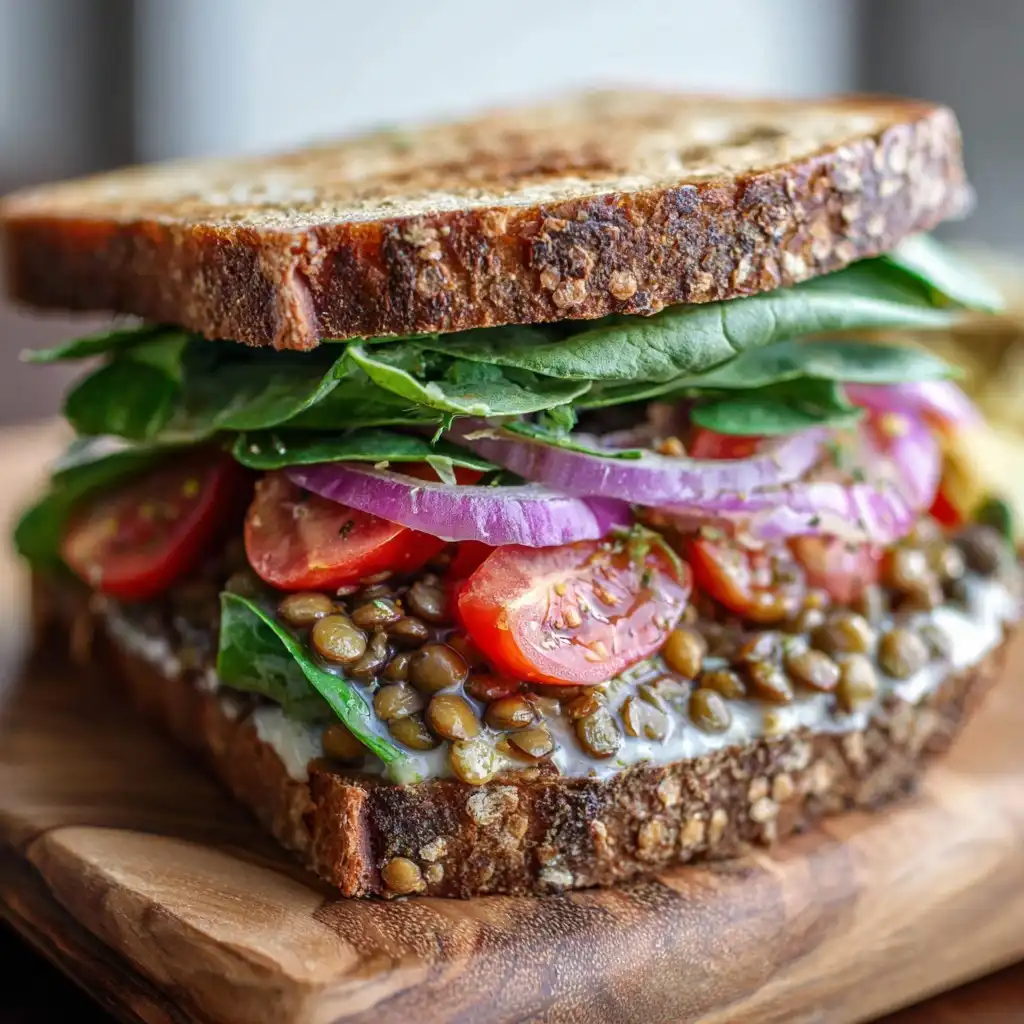
The Mediterranean Lentil Sandwich is a vibrant, nutrient-dense, plant-powered meal that marries the earthy heartiness of lentils with the bright, herbaceous, and tangy flavors characteristic of the Mediterranean basin. Far from being just another vegetarian sandwich, it’s a culinary celebration of regional staples—sun-ripened tomatoes, briny olives, sharp feta, aromatic oregano, lemon-kissed tahini, and slow-simmered French green or brown lentils—that come together in perfect harmony. Whether served open-faced on toasted rustic sourdough, tucked into a warm whole-grain pita, or elegantly wrapped in a soft spinach or za’atar-infused lavash, this sandwich delivers bold flavor, satisfying texture, and remarkable satiety—all while remaining naturally gluten-free (when prepared with GF bread/wraps) and easily adaptable for vegan, dairy-free, or low-sodium diets. It’s as at home on a sun-drenched café terrace in Santorini as it is in a busy urban lunchbox—proof that wholesome eating need never sacrifice depth, complexity, or joy.
The History
While no single “Mediterranean Lentil Sandwich” appears in ancient cookbooks, its roots run deep across millennia and multiple civilizations bordering the Mediterranean Sea. Lentils—among the earliest domesticated crops, cultivated since at least 11,000 BCE in the Fertile Crescent—were revered by Egyptians, Greeks, and Romans alike not only for their hardiness and shelf stability but also for symbolic associations with prosperity and longevity. In Greek cuisine, lentils appear in lentil soup (fakes soupa), traditionally seasoned with olive oil, lemon, and onions—a dish often served with crusty bread that foreshadows today’s sandwich concept. Meanwhile, Levantine and Turkish traditions embraced lentil-based spreads like muhammara-adjacent lentil dips and spiced lentil fillings for stuffed grape leaves (dolma) and flatbreads. The modern sandwich iteration emerged organically in the late 20th and early 21st centuries, accelerated by the global rise of the Mediterranean Diet as a gold standard for health, coupled with increased demand for flavorful, protein-rich vegetarian options. Chefs and home cooks—from Athens to Tel Aviv, Barcelona to Beirut—began reimagining traditional lentil preparations as portable, layered, texturally dynamic handheld meals, integrating local produce, artisanal cheeses, and heritage grains. Today, the Mediterranean Lentil Sandwich stands as a living testament to culinary continuity: an ancient legume, revitalized through cross-cultural exchange, seasonal wisdom, and contemporary wellness values.
Ingredients Breakdown
Every component in this sandwich serves both functional and sensory purpose—building layers of umami, acidity, creaminess, crunch, and herbal freshness. Below is a detailed breakdown of core ingredients and their roles:
- Lentils (French green/Puy or brown): Chosen for their firm, peppery bite and ability to hold shape after cooking—unlike red lentils, which disintegrate into mush. Puy lentils offer superior texture and a subtle mineral note; brown lentils provide accessibility and affordability without sacrificing integrity.
- Aromatics (onion, garlic, celery, carrot): The classic mirepoix base builds foundational savory depth. Sautéing them slowly in extra virgin olive oil unlocks natural sweetness and creates a rich, aromatic platform for the lentils.
- Dry white wine or vegetable broth: Deglazes the pan, lifting fond and adding complexity. Wine contributes brightness and acidity; low-sodium broth ensures control over salt content.
- Tomatoes (fresh heirloom or vine-ripened): Not merely garnish—these add juicy sweetness, acidity, and lycopene-rich color. Diced small to integrate seamlessly; lightly salted and drained to prevent sogginess.
- Kalamata olives: Briny, fruity, and slightly tart—these deliver essential Mediterranean salinity and fat. Pitted and roughly chopped to distribute bursts of flavor without overwhelming.
- Feta cheese (sheep’s milk preferred): Crumbled for salty, tangy, creamy contrast. Authentic Greek feta adds complexity from aging in brine; vegan alternatives (almond- or tofu-based, marinated in lemon and herbs) maintain structural and flavor integrity.
- Fresh herbs (parsley, mint, dill, oregano): A quartet of freshness—flat-leaf parsley for grassy balance, mint for cooling lift, dill for delicate anise nuance, and dried oregano for earthy backbone. Never omitted; they are the soul of the sandwich.
- Lemon juice & zest: The indispensable acid—zest provides volatile citrus oils for aroma; juice delivers sharp, clean brightness that cuts through richness and unifies all elements.
- Extra virgin olive oil (EVOO): Used twice—once for sautéing (robust, early-harvest), once for finishing (fragrant, late-harvest). Imparts polyphenols, fruitiness, and a velvety mouthfeel.
- Tahini-lemon sauce: A creamy, nutty, tangy binder that replaces mayonnaise. Made with well-stirred tahini, fresh lemon, garlic, a touch of maple syrup or date paste (for balance), and ice-cold water to achieve drizzleable consistency. Enriches without heaviness.
- Bread/Wrap medium: Critical structural element. Options include: thick-cut, grilled sourdough (toasted for chew and crispness); whole-wheat pita (warmed and split for pocket-style assembly); seeded multigrain lavash (flexible yet sturdy); or gluten-free buckwheat tortillas (nutty and pliable). Texture contrast is non-negotiable—soft fillings require resilient, slightly chewy or crisp carriers.
- Optional texture enhancers: Toasted pine nuts or slivered almonds (for buttery crunch); pickled red onions (for sweet-tart acidity and vivid color); arugula or baby spinach (peppery freshness and nutritional density); roasted red peppers (smoky-sweet depth).
Step-by-Step Recipe
- Prepare the lentils: Rinse 1 cup dry French green or brown lentils under cold water. Place in a medium saucepan with 3 cups low-sodium vegetable broth or water, 1 bay leaf, and ½ tsp black peppercorns. Bring to a gentle simmer over medium heat, then reduce heat to low, cover partially, and cook 20–25 minutes (green) or 25–30 minutes (brown) until tender but still holding shape—never mushy. Drain thoroughly in a fine-mesh sieve, discarding bay leaf and peppercorns. Spread lentils on a parchment-lined tray to cool completely (at least 20 minutes). This prevents steaming and ensures ideal texture.
- Sauté the aromatics: Heat 2 tbsp extra virgin olive oil in a large nonstick skillet over medium-low heat. Add 1 finely diced yellow onion, 2 minced garlic cloves, 1 finely diced celery stalk, and 1 finely diced medium carrot. Sauté gently for 8–10 minutes, stirring frequently, until softened and translucent but not browned. Add 1 tsp dried oregano and cook 30 seconds more until fragrant.
- Build the lentil base: Stir in the cooled lentils, ¼ cup dry white wine (or additional broth), and 1 tbsp tomato paste. Cook 3–4 minutes, stirring constantly, allowing liquid to reduce and flavors to meld. Remove from heat and let cool slightly (5 minutes).
- Combine the filling: In a large mixing bowl, combine the warm lentil mixture with 1 cup finely diced ripe tomatoes (seeds and excess juice gently squeezed out), ⅓ cup chopped Kalamata olives, ½ cup crumbled feta cheese, ¼ cup finely chopped fresh flat-leaf parsley, 2 tbsp finely chopped fresh mint, 1 tbsp finely chopped fresh dill, 1 tbsp lemon juice, 1 tsp lemon zest, 1 tbsp extra virgin olive oil, ½ tsp freshly ground black pepper, and ¼ tsp flaky sea salt (adjust to taste—remember feta and olives contribute salt). Gently fold with a silicone spatula until evenly distributed. Taste and adjust: more lemon for brightness, more herbs for freshness, more olive oil for richness.
- Prepare the tahini-lemon sauce: In a small bowl, whisk together ⅓ cup well-stirred tahini, 3 tbsp fresh lemon juice, 1 small minced garlic clove, 1 tsp pure maple syrup (or date paste), ¼ tsp ground cumin, and a pinch of cayenne (optional). Gradually whisk in ice-cold water, 1 tsp at a time (typically 3–5 tsp), until smooth, creamy, and pourable—not runny, not thick. Cover and refrigerate for at least 15 minutes to allow flavors to marry.
- Toast and prep bread/wrap: Lightly brush both sides of 4 slices of sourdough (or 2 whole pitas/lavash) with olive oil. Toast in a preheated skillet or toaster oven until golden and crisp on the outside, tender within. For wraps, warm gently in a dry skillet for 15 seconds per side to enhance pliability.
- Assemble with intention: Spread 2 tbsp tahini-lemon sauce evenly on each toasted bread slice or wrap surface. Layer with ¾ cup lentil mixture, distributing evenly. Top with optional additions: a small handful of arugula, 2 tbsp pickled red onions, 1 tbsp toasted pine nuts, and a final sprinkle of flaky salt and cracked black pepper. For wraps, place filling slightly off-center, fold sides inward, then roll tightly from bottom to top, tucking as you go. Secure with parchment paper and a twine tie if serving to-go.
- Rest and serve: Let assembled sandwiches rest for 5 minutes before cutting or serving—this allows sauces to settle and flavors to harmonize. Serve immediately, accompanied by lemon wedges, extra tahini sauce, and a simple cucumber-tomato salad dressed in lemon and olive oil.
Tips
- Cool lentils completely before mixing: Warm lentils will wilt herbs, melt feta into streaks, and cause tomatoes to weep—cooling preserves texture and vibrancy.
- Drain tomatoes religiously: Use a fine-mesh sieve or paper towels to remove every trace of excess moisture. Wet tomatoes = soggy sandwiches.
- Chop everything uniformly small: Aim for ¼-inch dice on vegetables and herbs. Consistent size ensures even distribution and bite-friendly texture.
- Season in layers: Salt the cooking water for lentils, season the sautéed aromatics, and finish with flaky salt. Each layer builds dimension.
- Use high-quality EVOO: This isn’t the place for neutral oil. A robust, peppery Greek or Spanish EVOO adds unmistakable Mediterranean character.
- Don’t skip the lemon zest: The essential oils in the peel carry intense citrus aroma—juice alone can’t replicate it.
- Make components ahead: Cook lentils and prepare tahini sauce up to 4 days ahead; store separately in airtight containers in the fridge. Assemble within 2 hours of serving for optimal texture.
- Press gently when wrapping: Too much pressure compacts the filling and squeezes out sauce. Roll with confident, even pressure instead.
- Toast bread *after* spreading sauce: If applying tahini to room-temp bread, toast briefly afterward (30 sec per side) to set the sauce and create a subtle barrier against sogginess.
- Embrace visual layering: When assembling open-faced, arrange tomatoes, olives, and feta visibly on top—color and texture cues elevate perceived value and enjoyment.
Variations and Customizations
This recipe is intentionally modular—designed to reflect your pantry, dietary needs, seasonal availability, and cultural preferences. Here are thoughtfully curated variations:
- Vegan Mediterranean Lentil Wrap: Omit feta; replace with ½ cup marinated tofu “feta” (cubed extra-firm tofu soaked 2 hrs in 3 tbsp lemon juice, 2 tbsp olive oil, 1 tsp oregano, ½ tsp garlic powder, ¼ tsp salt) or ⅓ cup crumbled almond feta. Boost umami with 1 tsp nutritional yeast in the lentil mix. Ensure tahini sauce uses maple syrup (not honey).
- Gluten-Free Pita Pocket: Use certified GF pita or schär lavash. Fill generously with lentil mixture, shredded romaine, sliced cucumber ribbons, and a drizzle of preserved lemon vinaigrette (minced preserved lemon + olive oil + lemon juice).
- Mezze-Inspired Open-Faced Crostini: Spoon lentil mixture onto thick, grilled crostini. Top with crumbled feta, microgreens, edible flowers, and a single Kalamata olive skewered with a rosemary sprig. Drizzle with pomegranate molasses reduction.
- North African Twist: Add 1 tsp harissa paste to the lentil base; swap mint for cilantro; top with quick-pickled carrots and golden raisins; garnish with toasted cumin seeds.
- Greek Island Style: Incorporate ¼ cup chopped roasted red peppers and 2 tbsp capers; use sheep’s milk feta exclusively; finish with a dusting of dried oregano and a shower of crumbled dried mint.
- Low-Sodium Adaptation: Omit added salt entirely; rely on lemon, herbs, olives, and feta for flavor. Rinse olives thoroughly. Use no-salt-added broth and unsalted roasted nuts.
- High-Protein Power Wrap: Add ¼ cup cooked quinoa or farro to the lentil mixture; include 2 tbsp hemp hearts or sunflower seed butter blended into the tahini sauce.
- Kid-Friendly Version: Omit raw garlic and oregano; reduce olives to 1 tbsp (finely minced); add 1 tbsp sun-dried tomato paste for natural sweetness; use mild goat cheese instead of feta; serve in fun-shaped whole-grain wraps cut with cookie cutters.
- Winter Root Vegetable Edition: Replace fresh tomatoes with ½ cup roasted diced beets and carrots; add 1 tbsp orange zest and 1 tsp ground coriander; top with crumbled goat cheese and toasted walnuts.
- Meal-Prep Mason Jar Lunch: Layer in wide-mouth 16-oz jars: 2 tbsp tahini sauce (bottom), ¾ cup lentil mixture, 2 tbsp arugula, 1 tbsp pickled onions. Seal and refrigerate up to 3 days. Shake gently before eating—or invert into a bowl.
Health Considerations and Nutritional Value
The Mediterranean Lentil Sandwich is a nutritional powerhouse rooted in evidence-based wellness principles. A standard serving (one 4-inch-wide wrap or two open-faced halves) delivers approximately 420–480 calories, with balanced macronutrients and exceptional micronutrient density:
- Plant-Based Protein (22–26g): Lentils provide complete amino acid profile when paired with whole grains (bread/wrap), supporting muscle maintenance, satiety, and blood sugar regulation. Combined with tahini and optional nuts/seeds, protein quality rivals animal sources.
- Dietary Fiber (15–18g): Nearly 60% of daily needs—mostly soluble fiber from lentils and tahini, promoting gut microbiome diversity, cholesterol metabolism, and sustained energy release. Prevents post-lunch crashes.
- Heart-Healthy Fats (20–24g): Primarily monounsaturated (oleic acid from EVOO and tahini) and omega-3 ALA (from walnuts/pine nuts, if added). Clinically shown to reduce LDL oxidation, improve endothelial function, and lower inflammation markers like CRP.
- Antioxidant & Phytonutrient Rich: Lycopene (tomatoes), oleuropein (EVOO), hydroxytyrosol (olives), apigenin (parsley), rosmarinic acid (oregano), and anthocyanins (purple olives) work synergistically to combat oxidative stress and support cellular repair.
- Vitamin & Mineral Density: Excellent source of non-heme iron (enhanced by vitamin C from lemon/tomatoes), folate (critical for DNA synthesis), magnesium (muscle/nerve function), potassium (blood pressure regulation), and calcium (feta, fortified tahini).
- Glycemic Control Friendly: Low glycemic load (<15) due to high fiber, healthy fats, and acidic components (lemon, vinegar in pickles) that slow carbohydrate absorption—ideal for prediabetes or metabolic syndrome management.
- Dietary Adaptability: Naturally low in saturated fat and cholesterol-free. Easily modified for sodium restriction (rinse olives/feta, omit added salt), vegan requirements (plant-based cheese alternatives), or FODMAP sensitivity (swap onion/garlic for infused oil, use green lentils only, limit garlic-infused tahini).
- Notable Considerations: Individuals with iron overload disorders (hemochromatosis) should moderate lentil intake. Those on blood thinners (e.g., warfarin) should maintain consistent vitamin K intake (abundant in parsley, spinach, kale)—consult dietitian for personalized guidance. Gluten-sensitive individuals must verify wrap/bread certification.
Long-term adherence to a Mediterranean-style dietary pattern—including meals like this one—is associated in peer-reviewed research with up to 30% reduced risk of cardiovascular disease, 25% lower incidence of type 2 diabetes, improved cognitive resilience in aging, and enhanced longevity. This sandwich isn’t just food—it’s preventive medicine served deliciously.
Ingredients
- 1 cup dry French green (Puy) or brown lentils, rinsed
- 3 cups low-sodium vegetable broth or water
- 1 bay leaf
- ½ tsp black peppercorns
- 2 tbsp extra virgin olive oil (plus more for finishing)
- 1 medium yellow onion, finely diced
- 2 garlic cloves, minced
- 1 medium carrot, finely diced
- 1 celery stalk, finely diced
- 1 tsp dried oregano
- ¼ cup dry white wine (or additional broth)
- 1 tbsp tomato paste
- 1 cup ripe heirloom or vine-ripened tomatoes, finely diced and drained
- ⅓ cup Kalamata olives, pitted and roughly chopped
- ½ cup crumbled feta cheese (sheep’s milk preferred)
- ¼ cup fresh flat-leaf parsley, finely chopped
- 2 tbsp fresh mint, finely chopped
- 1 tbsp fresh dill, finely chopped
- 1 tbsp fresh lemon juice
- 1 tsp lemon zest
- ½ tsp freshly ground black pepper
- ¼ tsp flaky sea salt (adjust to taste)
- For Tahini-Lemon Sauce:
- ⅓ cup well-stirred tahini
- 3 tbsp fresh lemon juice
- 1 small garlic clove, minced
- 1 tsp pure maple syrup or date paste
- ¼ tsp ground cumin
- Pinch of cayenne (optional)
- 3–5 tsp ice-cold water
- For Assembly:
- 4 slices artisan sourdough, whole-wheat pita, or seeded lavash
- Handful of baby arugula or spinach (optional)
- Pickled red onions (optional)
- Toasted pine nuts or slivered almonds (optional)
- Lemon wedges, for serving
Directions
- Rinse lentils thoroughly. Combine with broth (or water), bay leaf, and peppercorns in a medium saucepan. Bring to a gentle simmer over medium heat, then reduce to low, cover partially, and cook 20–30 minutes until tender but firm. Drain well and spread on a parchment-lined tray to cool completely (20+ mins).
- Heat 2 tbsp olive oil in a large skillet over medium-low. Add onion, garlic, carrot, and celery. Sauté 8–10 minutes until soft and fragrant. Stir in oregano for 30 seconds.
- Add cooled lentils, wine (or broth), and tomato paste. Cook 3–4 minutes, stirring, until liquid reduces. Remove from heat; cool 5 minutes.
- In a large bowl, combine warm lentil mixture with tomatoes, olives, feta, parsley, mint, dill, lemon juice, lemon zest, 1 tbsp olive oil, black pepper, and sea salt. Fold gently. Taste and adjust seasoning.
- Make tahini sauce: Whisk tahini, lemon juice, garlic, maple syrup, cumin, and cayenne. Gradually whisk in ice water until creamy and drizzleable. Refrigerate 15+ minutes.
- Toast bread/wrap: Brush with olive oil and toast until golden and crisp.
- Spread 2 tbsp tahini sauce on each bread slice or wrap. Layer with ¾ cup lentil mixture. Top with arugula, pickled onions, and pine nuts if using. Finish with flaky salt and black pepper.
- Let rest 5 minutes before serving. Accompany with lemon wedges and extra tahini sauce.
FAQ
- Can I use canned lentils?
- Yes—but with caveats. Drain and rinse 2 (15-oz) cans thoroughly. Pat dry with paper towels. Skip the cooking step, but still sauté aromatics and build flavor with wine/tomato paste. Canned lentils are softer, so chill well before mixing and avoid over-stirring. Best for quick weeknight versions; dried lentils yield superior texture and flavor control.
- Why do you cool the lentils before mixing?
- Cooling prevents the heat from wilting delicate fresh herbs, melting feta into greasy streaks, and causing tomatoes to release excess water—ensuring each bite remains vibrant, textured, and cohesive.
- My tahini sauce is too thick/thin. How do I fix it?
- Tahini is temperamental! If too thick: whisk in ½ tsp ice water at a time until desired consistency. If too thin: stir in ½ tsp more tahini and let rest 5 minutes—the sesame solids will re-emulsify. Always use ice-cold water for best results.
- How long does this keep in the fridge?
- Filling (without bread/wrap) lasts 4 days refrigerated in an airtight container. Tahini sauce keeps 1 week. Assembled sandwiches are best eaten within 2 hours. For meal prep: store components separately and assemble day-of.
- What’s the best bread for maximum crunch without sogginess?
- Thick-cut, naturally leavened sourdough with a sturdy crumb and deeply caramelized crust. Toast it well—both sides—until audibly crisp. The crust acts as a moisture barrier, while the chewy interior absorbs sauce without disintegrating.
- Can I freeze the lentil filling?
- Yes—freeze for up to 3 months in portioned, freezer-safe containers. Thaw overnight in the fridge, then bring to room temperature before assembling. Note: Fresh herbs and feta are best added after thawing for optimal flavor and texture.
- I’m allergic to nuts. Is tahini safe?
- Yes—tahini is made from sesame seeds, not tree nuts. However, always check labels for “may contain nuts” warnings due to shared facility processing if allergy is severe.
- What wine pairs beautifully with this sandwich?
- A crisp, mineral-driven Assyrtiko from Santorini or a dry Rosé from Provence complements the brine, herbs, and lemon perfectly. For non-alcoholic: sparkling water with lemon and a sprig of mint.
- Can I make this oil-free?
- Absolutely. Sauté aromatics in ¼ cup vegetable broth instead of oil. Use avocado or silken tofu blended with lemon and herbs as a creamy binder instead of tahini sauce. Flavor remains vibrant—just slightly less rich.
- Is this suitable for pregnancy?
- Yes—and highly recommended! Lentils provide critical folate, iron, and fiber. Just ensure feta is pasteurized (most commercial brands are) and avoid unpasteurized dairy or raw sprouts if included. Consult your OB-GYN for personalized advice.
Summary
The Mediterranean Lentil Sandwich is a masterclass in plant-forward, culturally rooted nutrition—where ancient legumes meet sun-drenched herbs, briny olives, zesty lemon, and creamy tahini to create a handheld feast that nourishes body and spirit alike.
Effortlessly adaptable, deeply flavorful, and scientifically aligned with longevity-promoting dietary patterns, it proves that eating well doesn’t mean compromising on satisfaction, tradition, or joy—it means embracing abundance, seasonality, and the profound wisdom of the Mediterranean table.