Introduction
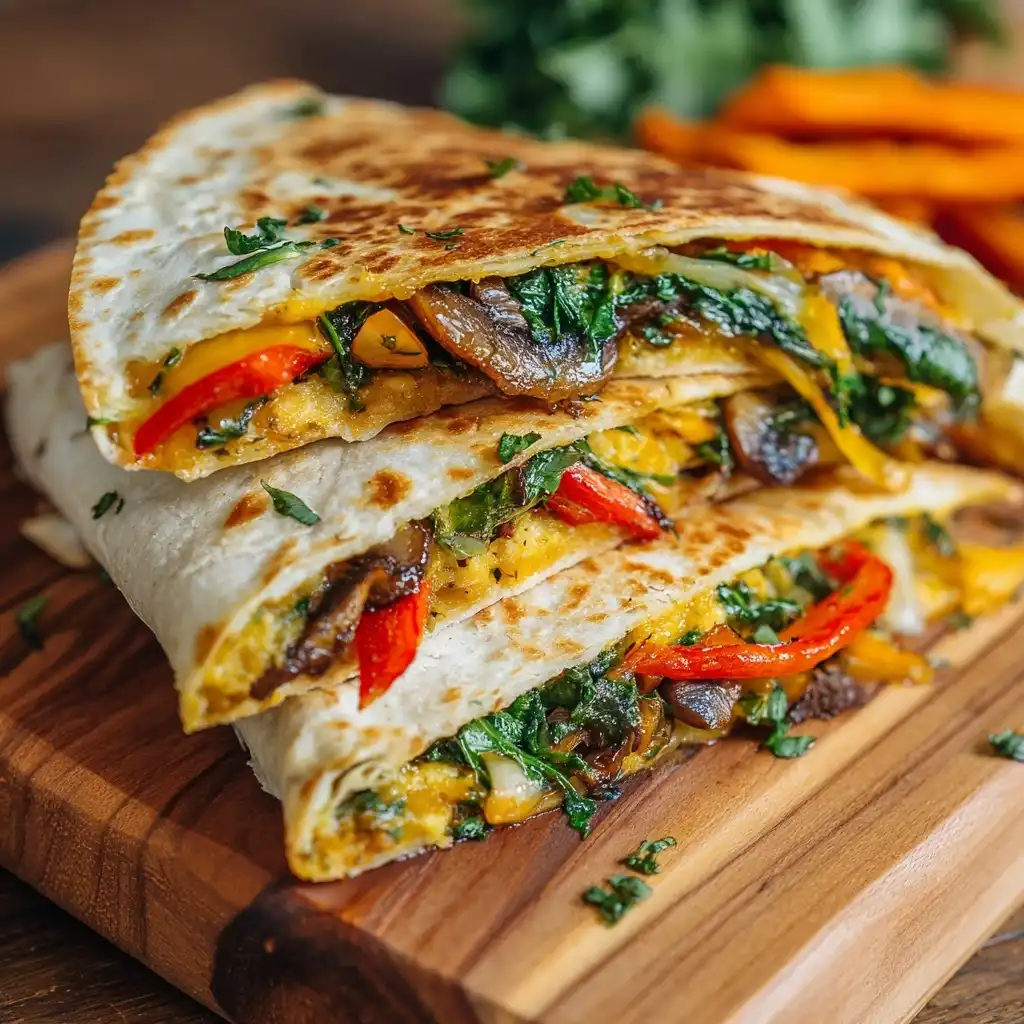
Welcome to your ultimate guide to the Cheesy Veggie Quesadilla Wrap—a vibrant, nutrient-dense, and deeply satisfying fusion dish that bridges the comforting familiarity of a classic quesadilla with the portable convenience of a wrap. Unlike traditional folded quesadillas served in wedges, this innovative version is assembled like a burrito-style wrap: warm, pliable tortillas are generously layered with melty cheese, roasted or sautéed seasonal vegetables, aromatic herbs, and zesty seasonings—then tightly rolled for easy handheld enjoyment. Whether you’re packing lunch for work, fueling up before a hike, satisfying post-workout hunger, or serving a crowd at a casual get-together, this recipe delivers bold flavor, rich texture contrast (creamy, crispy, tender-crisp), and remarkable versatility—all while being naturally vegetarian and easily adaptable to vegan, gluten-free, or low-carb preferences. It’s more than just a meal—it’s a canvas for creativity, nutrition, and culinary joy.
The History
The Cheesy Veggie Quesadilla Wrap is a modern evolution born from centuries of cross-cultural culinary exchange. Its roots trace back to colonial-era Mexico, where Spanish settlers introduced dairy—particularly cow’s milk cheeses like queso fresco and panela—to indigenous Mesoamerican communities who had long used corn tortillas as edible utensils and vessels. The word “quesadilla” itself derives from the Spanish queso (cheese) and the diminutive suffix -illa, originally describing a simple fried or griddled tortilla folded around cheese. Over time, regional variations emerged: in northern Mexico, flour tortillas became standard; in central states, corn reigned supreme; and street vendors began stuffing them with squash blossoms, huitlacoche, or shredded chicken.
The “wrap” adaptation gained traction in the late 20th century across U.S. college campuses, health-conscious cafés, and Tex-Mex fast-casual chains seeking portability and customization. Inspired by burritos, gyros, and Vietnamese bánh mì, chefs and home cooks alike began rolling quesadilla fillings into large, soft tortillas—retaining the hallmark golden-brown, cheese-sealed crust but adding structural integrity and layered bite. The “veggie-forward” iteration surged in popularity during the 2010s with the rise of Meatless Mondays, farm-to-table movements, and increased awareness of plant-based nutrition. Today, the Cheesy Veggie Quesadilla Wrap stands as a delicious testament to culinary globalization: honoring ancestral techniques while embracing contemporary values of flexibility, wellness, and sustainability.
Ingredients Breakdown
Understanding each component elevates both flavor and function. Here’s a detailed breakdown—not just *what* goes in, but *why* it matters:
- Tortillas: Medium-large (10–12 inch) flour tortillas are ideal for wrapping—soft, pliable, and sturdy enough to hold generous fillings without tearing. Look for brands with minimal ingredients (flour, water, salt, oil) and no preservatives or dough conditioners. Whole wheat or sprouted grain options boost fiber and micronutrients. Corn tortillas can be used for authenticity or gluten-free needs—but require warming and stacking (2 per wrap) for structural support.
- Cheeses: A strategic blend is key. Melting cheeses (Monterey Jack, Oaxaca, mild cheddar, or young Gouda) provide gooey cohesion and stretch. Flavor-forward cheeses (crumbled feta, cotija, smoked gouda, or sharp aged cheddar) add saltiness, tang, or umami depth. Fresh cheeses (ricotta, goat cheese, or queso fresco) contribute creaminess and brightness—best added *after* cooking to preserve texture.
- Vegetables: Prioritize variety in color, texture, and cooking method. Roasted veggies (bell peppers, zucchini, red onion, sweet potato, cauliflower) develop deep caramelized sweetness and concentrated flavor. Sautéed greens (spinach, Swiss chard, kale) wilt down beautifully and add iron and folate. Raw additions (shredded purple cabbage, julienned jicama, fresh corn kernels, or microgreens) inject crunch, enzymes, and phytonutrient diversity. Always pat roasted or sautéed veggies dry—excess moisture is the #1 cause of soggy wraps.
- Aromatics & Seasonings: Sautéed garlic and onions form the savory base. Smoked paprika adds warmth without heat; cumin lends earthy complexity; chili powder or chipotle powder contributes subtle smokiness and depth. Fresh cilantro, lime zest, and chopped scallions stirred in *after* cooking brighten the entire profile. A splash of lime juice just before wrapping balances richness.
- Fats: Use avocado oil or refined coconut oil for high-heat roasting/sautéing (neutral flavor, high smoke point). Reserve extra-virgin olive oil or melted grass-fed butter for brushing the exterior before griddling—it creates that irresistible golden, shatteringly crisp crust.
- Optional Enhancements: Black beans or pinto beans (rinsed and warmed) add plant-based protein and fiber. Pickled red onions or jalapeños bring acidity and brightness. A thin schmear of roasted red pepper hummus, chipotle crema, or avocado mash acts as both binder and flavor amplifier.
Step-by-Step Recipe
- Prep & Roast Vegetables (25–30 minutes): Preheat oven to 425°F (220°C). Toss 1½ cups diced zucchini, 1 cup sliced red bell pepper, ¾ cup diced red onion, and ½ cup cubed sweet potato with 1 tbsp avocado oil, 1 tsp smoked paprika, ½ tsp ground cumin, ¼ tsp garlic powder, ½ tsp sea salt, and freshly cracked black pepper. Spread evenly on a parchment-lined baking sheet. Roast 22–28 minutes, flipping halfway, until edges are caramelized and centers are tender-crisp. Let cool slightly, then drain any excess liquid in a fine-mesh strainer—press gently with paper towels.
- Sauté Aromatics & Greens (5 minutes): Heat 1 tsp avocado oil in a nonstick skillet over medium heat. Add 2 minced garlic cloves and ¼ cup finely diced yellow onion; sauté 2 minutes until fragrant. Stir in 2 cups packed baby spinach and ½ cup chopped Swiss chard; cook 60–90 seconds until just wilted. Remove from heat, stir in 1 tbsp fresh lime juice and 2 tbsp chopped cilantro. Set aside to cool.
- Warm Tortillas (2 minutes): Stack 4 large flour tortillas and wrap tightly in damp paper towels. Microwave on high for 30–45 seconds until soft and pliable. Alternatively, heat individually on a dry cast-iron skillet over medium for 15 seconds per side—no oil needed. Keep wrapped in a clean kitchen towel to retain steam and flexibility.
- Assemble Each Wrap (3 minutes per wrap): Lay one warm tortilla flat on a clean surface. Sprinkle ¼ cup shredded Monterey Jack evenly over the center, leaving a 1-inch border. Spoon ⅓ of the roasted veggie mixture over cheese. Top with ¼ of the wilted greens, 2 tbsp crumbled feta, and 1 tbsp pickled red onions. Drizzle with 1 tsp lime juice and a pinch of flaky sea salt. Optional: add 2 tbsp rinsed black beans or 1 tbsp avocado mash.
- Roll Tightly (1 minute per wrap): Fold the bottom third of the tortilla up over the filling. Fold the left and right sides inward snugly—like an envelope. Roll forward firmly and steadily away from you, applying gentle pressure to compact layers and seal the seam. Place seam-side down on a plate. Repeat for remaining wraps.
- Griddle for Golden Crispness (4–5 minutes per wrap): Heat a lightly oiled (½ tsp oil) cast-iron or heavy-bottomed skillet over medium-low heat. Place wrap seam-side down. Press gently with a spatula and cook 2–2.5 minutes until deeply golden and crisp. Flip carefully and cook opposite side 2–2.5 minutes more, pressing again. For extra crunch, brush exterior lightly with melted butter or olive oil before griddling.
- Rest & Slice (2 minutes): Transfer cooked wraps to a wire rack and let rest 2–3 minutes—this allows cheese to fully set and prevents filling from oozing out when cut. Slice diagonally with a serrated knife for clean presentation. Serve immediately.
Tips
- Temperature Control is Everything: Too hot a skillet = burnt exterior + cold interior. Too low = greasy, pale, limp wraps. Maintain medium-low heat and adjust as needed—your first wrap is a temperature test.
- Dry Veggies Religiously: Even 1 tsp of excess moisture turns crisp tortillas into chewy steamed pockets. After roasting or sautéing, always strain, blot, and cool fillings completely before assembling.
- Don’t Overfill: A common mistake! Aim for ¾ cup total filling per 10–12″ tortilla. Overstuffing causes tearing, uneven cooking, and messy unrolling.
- The “Envelope Fold” Prevents Leaks: Folding the sides in before rolling traps steam and creates structural integrity. It also distributes weight evenly so the wrap holds its shape.
- Use a Bench Scraper or Wide Spatula: These tools give you leverage to lift and flip heavy, cheesy wraps without breaking them—especially critical when flipping mid-griddle.
- Double-Wrap for Meal Prep: After cooling completely, wrap each quesadilla tightly in parchment paper, then aluminum foil or reusable beeswax wrap. Freeze for up to 3 months. Reheat from frozen in a 375°F oven for 18–22 minutes—or air fry at 360°F for 10–12 minutes, flipping halfway.
- Griddle in Batches—Not All at Once: Crowding the pan drops temperature and creates steam instead of sear. Cook max 2 wraps at a time in a 12-inch skillet.
- Add Acid Last: Lime juice, vinegar-based pickles, or yogurt-based sauces should be added *just before rolling*, not mixed into warm fillings—heat dulls their brightness and can cause separation.
- Let It Rest Before Cutting: Skipping the 2–3 minute rest leads to molten cheese spillage and collapsed structure. Patience rewards you with neat slices and intact layers.
- Toast Your Tortillas Ahead: Lightly griddling tortillas *before* filling (15 sec/side) enhances flavor and creates a subtle barrier against sogginess—especially helpful with juicy veggies like tomatoes or mushrooms.
Variations and Customizations
This recipe thrives on personalization. Explore these globally inspired and dietary-specific adaptations:
- Mediterranean Veggie Wrap: Swap Monterey Jack for crumbled feta and grated Parmesan. Use roasted eggplant, cherry tomatoes, Kalamata olives, artichoke hearts, and baby arugula. Season with dried oregano, lemon zest, and a drizzle of high-quality olive oil.
- Southwest Black Bean & Corn: Add ½ cup rinsed black beans and ½ cup grilled corn kernels. Boost spice with chipotle powder and fire-roasted green chiles. Top with avocado slices and cilantro-lime crema.
- Breakfast Quesadilla Wrap: Replace veggies with scrambled eggs or tofu scramble, sautéed potatoes, caramelized onions, and pepper jack cheese. Finish with hot sauce and a sprinkle of everything bagel seasoning.
- Vegan Version: Use certified vegan tortillas and cheeses (Miyoko’s, Daiya Cutting Board, or Violife). Bind with mashed avocado or cashew-based “queso.” Add nutritional yeast for umami. Roast veggies with tamari and maple syrup for depth.
- Gluten-Free Option: Choose certified GF tortillas (Siete Almond Flour, Mission GF, or Cassava-based brands). Note: GF tortillas are more delicate—warm thoroughly, use two stacked per wrap, and avoid overfilling. Brush with oil before griddling for added resilience.
- Keto/Low-Carb Adaptation: Substitute large, thin lettuce leaves (butter or romaine) or keto-friendly almond-flour tortillas. Load up on high-fat, low-carb veggies: asparagus, broccoli rabe, mushrooms, and cauliflower rice. Use full-fat cheeses and top with avocado and bacon bits.
- Protein-Packed Power Wrap: Add grilled chicken strips, shredded carnitas, marinated tempeh, or lentil-walnut “taco meat.” Ensure proteins are fully cooked and cooled before assembly.
- Umami Bomb Version: Incorporate dried shiitake mushrooms (rehydrated and finely chopped), miso-glazed eggplant, nori flakes, and white miso–thinned tahini drizzle. Pair with Swiss or Gruyère cheese.
- Herb Garden Fresh: Feature seasonal herbs as stars: basil ribbons, mint leaves, dill fronds, and chervil. Combine with heirloom tomatoes, cucumber ribbons, and fresh mozzarella. Finish with balsamic glaze.
- Sweet-Savory Fall Wrap: Roast delicata squash, red onion, and apples with cinnamon, sage, and brown sugar. Pair with sharp cheddar, goat cheese, toasted pecans, and a drizzle of apple cider reduction.
Health Considerations and Nutritional Value
A single 10-inch Cheesy Veggie Quesadilla Wrap (made with whole wheat tortilla, ¼ cup Monterey Jack, ½ cup roasted mixed veggies, ¼ cup wilted greens, 1 tbsp feta, and 1 tsp olive oil) provides approximately:
- Calories: 385–420 kcal
- Protein: 16–19g (supports muscle repair, satiety, and metabolic function)
- Fiber: 7–9g (from whole grains, legumes, and diverse vegetables—promotes digestive health, stabilizes blood sugar, and feeds beneficial gut microbiota)
- Healthy Fats: 18–22g (predominantly monounsaturated from olive oil, avocado, and nuts/seeds—supports heart health, hormone balance, and absorption of fat-soluble vitamins A, D, E, and K)
- Vitamins & Minerals: Exceptionally rich in vitamin A (from sweet potato, spinach, bell peppers), vitamin C (bell peppers, lime), folate (spinach, black beans), potassium (zucchini, sweet potato), and calcium (cheese, fortified tortillas). Contains antioxidants like lycopene (tomatoes), lutein (kale), and anthocyanins (purple cabbage).
Health-Conscious Swaps & Notes:
- Sodium Management: Use low-sodium cheese, skip added salt in roasting, and rely on herbs, citrus, and spices for flavor. Rinse canned beans thoroughly.
- Lactose Sensitivity: Opt for aged cheeses (cheddar, Gouda, Parmesan), which contain minimal lactose—or choose lactose-free dairy alternatives.
- Digestive Comfort: If raw onions or cruciferous veggies cause bloating, pre-cook them thoroughly or substitute with well-tolerated options like carrots, zucchini, or spinach.
- Blood Sugar Balance: The combo of complex carbs (whole grain tortilla), fiber-rich veggies, and protein/fat slows glucose absorption—making this a balanced choice for prediabetes or insulin resistance. Avoid sugary sauces and excessive starchy veggies (e.g., too much sweet potato).
- Pregnancy & Immune Support: Pasteurized cheeses are safe; include folate-rich spinach and vitamin C–rich peppers to support fetal development and immune resilience.
- Anti-Inflammatory Focus: Emphasize turmeric, ginger, garlic, leafy greens, berries (as a side), and omega-3–rich additions like ground flaxseed or walnuts.
This dish aligns seamlessly with Mediterranean, DASH, and plant-forward dietary patterns—demonstrating how indulgent flavors and nourishing ingredients coexist effortlessly.
Ingredients
- 4 (10–12 inch) soft flour tortillas (whole wheat, sprouted, or gluten-free as needed)
- 1 cup shredded Monterey Jack cheese (or Oaxaca, mild cheddar)
- ½ cup crumbled feta or cotija cheese
- 1½ cups diced zucchini (½-inch cubes)
- 1 cup sliced red bell pepper (½-inch strips)
- ¾ cup finely diced red onion
- ½ cup peeled and cubed sweet potato (½-inch cubes)
- 2 tbsp avocado oil (divided)
- 1 tsp smoked paprika
- ½ tsp ground cumin
- ¼ tsp garlic powder
- ½ tsp fine sea salt (plus more to taste)
- Freshly ground black pepper
- 2 cloves garlic, minced
- 2 cups packed baby spinach
- ½ cup chopped Swiss chard or kale
- 2 tbsp fresh lime juice (plus extra for finishing)
- ¼ cup chopped fresh cilantro
- ¼ cup pickled red onions (store-bought or homemade)
- 1 tsp olive oil or melted grass-fed butter (for griddling)
- Flaky sea salt and lime wedges (for serving)
Directions
- Preheat oven to 425°F (220°C). Line a large baking sheet with parchment paper.
- In a large bowl, combine zucchini, red bell pepper, red onion, and sweet potato. Drizzle with 1 tbsp avocado oil, smoked paprika, cumin, garlic powder, ½ tsp sea salt, and several grinds of black pepper. Toss vigorously until evenly coated.
- Spread vegetables in a single layer on prepared baking sheet. Roast 22–28 minutes, stirring and flipping halfway, until edges are deeply caramelized and centers are tender but not mushy. Transfer to a fine-mesh strainer placed over a bowl; let drain 5 minutes. Pat dry gently with paper towels. Set aside to cool completely.
- Heat remaining 1 tsp avocado oil in a medium nonstick skillet over medium heat. Add minced garlic and diced yellow onion; sauté 1–2 minutes until translucent and fragrant. Stir in spinach and Swiss chard; cook 60–90 seconds until just wilted. Remove from heat. Stir in 1 tbsp lime juice and 2 tbsp cilantro. Cool completely.
- Wrap tortillas in a damp paper towel and microwave on high for 30–45 seconds until warm and pliable. Or heat individually in a dry skillet over medium for 15 seconds per side. Keep wrapped in a clean kitchen towel.
- Assemble wraps: Lay one tortilla flat. Sprinkle ¼ cup Monterey Jack over center. Top with ⅓ of roasted veggies, ¼ of wilted greens, 2 tbsp feta, and 1 tbsp pickled onions. Drizzle with ½ tsp lime juice and a pinch of flaky salt.
- Fold bottom third up, fold sides in, then roll tightly away from you. Place seam-side down on plate. Repeat with remaining tortillas and fillings.
- Heat olive oil or melted butter in a 12-inch cast-iron or heavy skillet over medium-low heat. Place one wrap seam-side down. Press gently with a spatula and cook 2–2.5 minutes until golden brown and crisp. Carefully flip and cook opposite side 2–2.5 minutes more, pressing again.
- Transfer to a wire rack and let rest 2–3 minutes. Slice diagonally with a serrated knife. Serve warm with lime wedges, extra pickled onions, and optional avocado slices or chipotle crema.
FAQ
- Can I make these ahead of time?
- Absolutely! Assemble uncooked wraps up to 1 day ahead—wrap tightly in plastic wrap and refrigerate. Griddle just before serving. For longer storage, freeze cooked (cooled) wraps individually in parchment + foil for up to 3 months. Reheat in oven or air fryer—never microwave (makes tortillas rubbery).
- Why did my wrap fall apart?
- Most often due to excess moisture in fillings, under-toasted tortillas, or insufficient rolling pressure. Ensure all veggies are thoroughly drained and cooled, tortillas are warm and flexible, and you use the envelope fold technique. Also, let it rest before cutting.
- Can I use corn tortillas?
- Yes—but they’re less pliable. Warm two corn tortillas stacked together in a damp towel for 45 seconds. Fill and roll quickly. Expect a more rustic, slightly crisper texture. Best for immediate serving.
- What’s the best cheese for melting?
- Oaxaca and Monterey Jack melt most smoothly. For sharper flavor, blend with 1 part aged cheddar or Gouda to 2 parts melter. Avoid pre-shredded cheeses—they contain anti-caking starches that inhibit melt.
- How do I prevent sticking to the pan?
- Use adequate oil (½ tsp per wrap), ensure skillet is properly preheated (a drop of water should skitter), and avoid moving the wrap too soon. Let the first side fully crisp before flipping.
- Are these freezer-friendly?
- Yes! Cooked and fully cooled wraps freeze exceptionally well. Wrap tightly in parchment, then foil or freezer-safe bags. Label with date. Reheat from frozen—no thawing needed.
- Can I make a giant batch for a party?
- Effortlessly. Double or triple the filling components and roast in batches. Keep fillings separate and chilled. Warm tortillas in batches. Assemble and griddle just before serving for peak texture.
- What dipping sauces pair best?
- Classic: Chipotle-lime crema (Greek yogurt + chipotle in adobo + lime zest + cilantro). Bright: Mango-avocado salsa. Creamy: Roasted red pepper hummus. Tangy: Pickled jalapeño ranch. Vegan: Cashew queso with roasted garlic.
- How do I keep wraps warm for a crowd?
- Place cooked wraps seam-side down on a wire rack set over a baking sheet. Cover loosely with foil and keep in a 200°F (95°C) oven for up to 30 minutes. Do not seal tightly—trapped steam makes tortillas soggy.
- Can kids help make these?
- Perfect for kitchen teamwork! Kids can tear lettuce, rinse beans, stir fillings, sprinkle cheese, and practice rolling (with supervision near the stove). It’s a fun, tactile way to build food confidence and veggie acceptance.
Summary
The Cheesy Veggie Quesadilla Wrap is a brilliantly adaptable, nutritionally robust, and deeply flavorful handheld meal that honors Mexican culinary roots while embracing modern global tastes and wellness priorities. With its golden-crisp exterior, creamy-cheesy core, and vibrant medley of roasted, sautéed, and fresh vegetables, it satisfies cravings without compromise—whether you’re meal prepping, entertaining, or simply craving comfort with consciousness.
From customizable fillings and dietary adaptations to pro tips for foolproof texture and make-ahead mastery, this recipe empowers home cooks of all levels to create restaurant-quality, wholesome wraps that nourish the body, delight the palate, and spark joy—one delicious, shareable roll at a time.