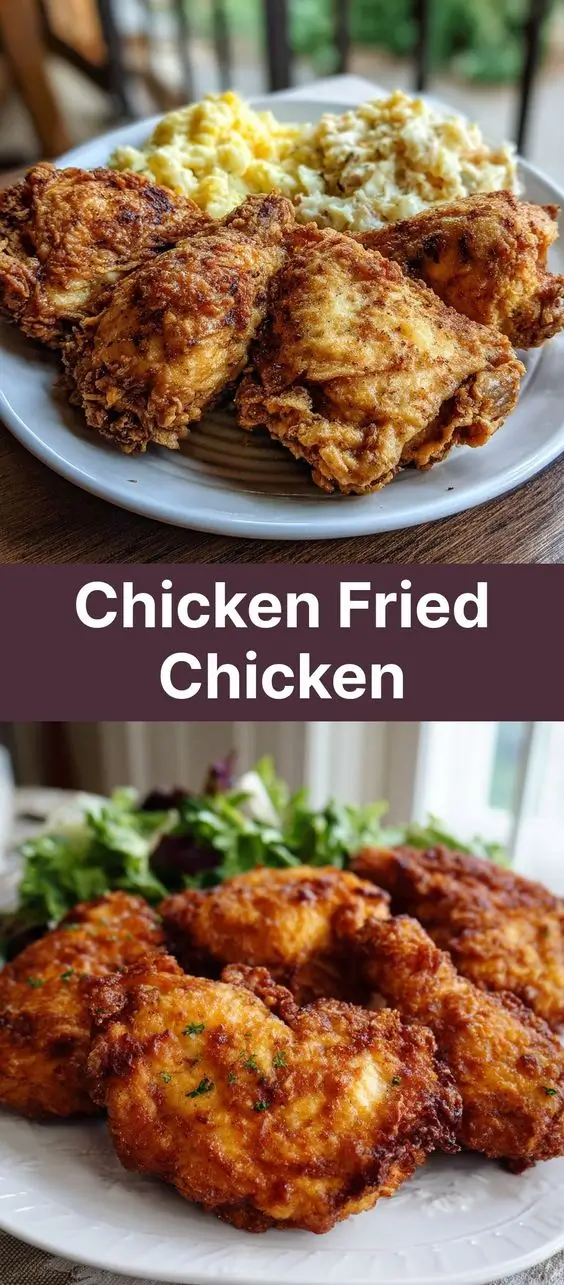
Chicken Fried Chicken: The Ultimate Comfort Food Classic
The History of Chicken Fried Chicken
While the term “chicken fried chicken” might sound redundant at first, it actually refers to a beloved Southern culinary tradition that marries deep-fried technique with tenderized meat—typically chicken—coated in seasoned flour and served with rich gravy. The dish evolved from European schnitzel traditions brought over by German and Austrian immigrants who settled in Texas during the 19th century. These settlers adapted their classic breaded veal cutlets to use more readily available chicken, giving birth to what would become known as “chicken fried steak”—a dish traditionally made with cube steak.
Over time, chefs and home cooks began applying the same preparation method to actual chicken, coining the phrase “chicken fried chicken” both humorously and descriptively. It’s essentially a meta-dish: chicken prepared in the style of chicken-fried steak. This delicious paradox has gained popularity across American diners, especially in the South, where comfort food reigns supreme. Today, chicken fried chicken stands as a testament to culinary creativity—transforming humble ingredients into something crispy, juicy, and deeply satisfying.
Ingredients Breakdown
To achieve the perfect plate of chicken fried chicken, selecting high-quality ingredients is crucial. Each component plays a vital role in building flavor, texture, and overall satisfaction:
- Boneless, Skinless Chicken Breasts or Thighs (2 lbs): Choose thick-cut breasts for a leaner option or thighs for richer moisture and flavor. The meat will be pounded thin, so uniform thickness ensures even cooking.
- Buttermilk (2 cups): Acts as a marinade that tenderizes the chicken while adding tanginess. Its acidity breaks down proteins gently, resulting in juicier meat after frying.
- Eggs (3 large): Whisked and used as a binding agent between the buttermilk-soaked chicken and the flour coating. They help create an extra-crispy crust.
- All-Purpose Flour (2 cups): The base of the breading. Provides structure and crispness when fried. For added depth, some recipes mix in cornstarch or rice flour.
- Panko Breadcrumbs (½ cup, optional): Adds extra crunch and flakiness to the crust when combined with regular flour.
- Seasonings: A blend of salt (2 tsp), black pepper (1 tsp), garlic powder (1 tbsp), onion powder (1 tbsp), smoked paprika (1 tsp), cayenne pepper (½ tsp for heat), dried thyme (½ tsp), and dried oregano (½ tsp) brings complexity and warmth to the coating.
- Oil for Frying (vegetable, canola, or peanut oil, about 4–6 cups): High smoke point oils are essential for maintaining consistent frying temperature without burning.
- Unsalted Butter (¼ cup): Used in making the creamy milk gravy, contributing richness and body.
- Whole Milk or Half-and-Half (2 cups): Forms the liquid base of the gravy. Whole milk gives a lighter result; half-and-half adds luxurious creaminess.
- Worcestershire Sauce (1 tsp): Enhances umami notes in the gravy, balancing the richness.
- Fresh Parsley (for garnish): Brightens the finished dish with color and freshness.
Step-by-Step Recipe
- Prepare the Chicken: Start by slicing boneless chicken breasts horizontally into two thinner cutlets. Place each piece between sheets of plastic wrap and gently pound to about ¼-inch thickness using a meat mallet or rolling pin. This ensures tenderness and even cooking.
- Marinate in Buttermilk: In a large bowl, combine buttermilk, one beaten egg, 1 teaspoon of salt, ½ teaspoon black pepper, and 1 teaspoon garlic powder. Add the chicken pieces, ensuring they’re fully submerged. Cover and refrigerate for at least 2 hours—or ideally overnight—for maximum tenderness and flavor infusion.
- Set Up Breading Station: Prepare three shallow bowls:
- Bowl 1: Whisk remaining 2 eggs with 1 tablespoon water.
- Bowl 2: Mix flour, panko breadcrumbs (if using), and all seasonings thoroughly.
- Bowl 3: Reserved dry flour mixture for final dredge (optional double-coating).
- Dredge the Chicken: Remove one chicken piece from buttermilk, letting excess drip off. Dip into the egg wash, then coat generously in the seasoned flour. Press firmly to adhere crumbs. For extra crunch, return to egg wash and flour a second time—a technique known as “double breading.” Place on a wire rack and let rest for 10 minutes to set the coating.
- Heat the Oil: Pour oil into a heavy-bottomed skillet or Dutch oven to a depth of about ½ inch. Heat over medium-high until it reaches 350°F (use a thermometer for accuracy). Maintaining proper temperature prevents greasiness and ensures golden-brown results.
- Fry the Chicken: Carefully place 2–3 chicken pieces into hot oil, avoiding overcrowding. Fry for 3–4 minutes per side, flipping once, until deep golden brown and internal temperature reaches 165°F. Transfer to a paper towel-lined tray or wire rack to drain. Keep warm in a 200°F oven while preparing the rest.
- Make the Cream Gravy: In the same skillet (drain excess oil, leaving about 3 tablespoons), melt butter over medium heat. Sprinkle in ⅓ cup of the reserved seasoned flour and whisk constantly for 1–2 minutes to form a roux. Gradually pour in milk, stirring continuously to prevent lumps. Cook until thickened, about 5–7 minutes. Stir in Worcestershire sauce, additional salt and pepper to taste. Simmer gently for another 2 minutes. Strain if necessary for ultra-smooth texture.
- Assemble and Serve: Plate the fried chicken immediately, smothering each piece generously with warm cream gravy. Garnish with chopped parsley and serve alongside mashed potatoes, green beans, or biscuits for a complete Southern feast.
Tips for Perfect Chicken Fried Chicken
- Don’t Skip the Resting Step: After breading, allowing the chicken to sit for 10–15 minutes helps the coating adhere better during frying, reducing clumping and shedding.
- Maintain Oil Temperature: Use a deep-fry or candy thermometer to monitor oil. If too cool (<325°F), the chicken absorbs oil and becomes soggy. Too hot (>375°F) burns the outside before the inside cooks through.
- Use a Wire Rack, Not Paper Towels Alone: Placing fried chicken on a wire rack allows air circulation, keeping the bottom crispy instead of steaming.
- Double-Dip for Extra Crunch: Repeating the egg and flour steps creates a thicker, craggier crust reminiscent of restaurant-style versions.
- Season Every Layer: Salt and spice not just the flour, but also the buttermilk brine and gravy. Layered seasoning builds complex flavor throughout.
- Keep Gravy Warm: If serving later, cover and reheat gently on low, adding a splash of milk if it thickens too much upon standing.
- Fry in Batches: Overcrowding lowers oil temperature rapidly. Patience yields superior texture.
Variations and Customizations
One of the joys of chicken fried chicken is its versatility. Whether you’re catering to dietary needs or simply want to experiment, here are inspired ways to customize the dish:
- Gluten-Free Version: Replace all-purpose flour with a gluten-free blend (like rice or almond flour), add xanthan gum if needed for binding, and use gluten-free breadcrumbs or crushed cornflakes for crunch.
- Keto-Friendly Option: Use almond flour, grated Parmesan cheese, and keto-approved spices for the coating. Fry in avocado oil and serve with sugar-free gravy made from unsweetened almond milk.
- Spicy Kick: Add 1–2 teaspoons of chili powder, chipotle powder, or hot sauce to the buttermilk marinade. Top with pickled jalapeños or drizzle with sriracha-infused honey gravy.
- Herb-Infused Crust: Mix finely chopped rosemary, thyme, or sage directly into the flour for aromatic flair.
- Paleo/Whole30 Adaptation: Skip grains entirely—coat chicken in coconut flour and fry in ghee or tallow. Use coconut milk-based gravy thickened with arrowroot.
- Vegan Twist (Plant-Based “Chicken”): Use seitan cutlets, soy curls, or pressed tofu slabs. Marinate in plant-based buttermilk (soy milk + lemon juice), bread accordingly, and fry. Make dairy-free gravy using nutritional yeast and cashew milk.
- Cajun Style: Swap standard seasonings for Cajun spice blends—include mustard powder, celery seed, and bell pepper flakes. Serve with red eye gravy or Creole tomato sauce.
- Honey Butter Glaze: Instead of traditional white gravy, finish with a sweet-savory glaze made from melted butter, honey, Dijon mustard, and apple cider vinegar.
- Baked Alternative:
: For a healthier take, spray breaded chicken with olive oil and bake at 400°F for 20–25 minutes, flipping halfway. Results are less crispy but still flavorful.
- Sous Vide Prep: For ultimate juiciness, vacuum-seal seasoned chicken and cook sous vide at 145°F for 1.5 hours before chilling, breading, and frying briefly to crisp.
Health Considerations and Nutritional Value
Chicken fried chicken is undeniably indulgent, but understanding its nutritional profile can help balance enjoyment with wellness goals:
Nutritional Overview (per 6 oz serving with gravy):
- Calories: ~650–800 kcal
- Protein: ~35–40g (excellent source from chicken)
- Total Fat: ~30–40g (varies based on oil absorption and gravy richness)
- Saturated Fat: ~8–12g
- Carbohydrates: ~45–60g (primarily from breading and flour-based gravy)
- Sodium: ~900–1,300mg (high due to seasoning, gravy, and processed ingredients)
- Cholesterol: ~120–150mg
Health Notes:
- Heart-Healthy Modifications: Use skinless chicken thighs or breasts, limit sodium by reducing added salt, and opt for heart-healthy oils like avocado or olive oil (though smoke point matters). Serve with steamed vegetables instead of fries.
- Breading Impact: Traditional flour coatings contribute significant carbs and calories. Baking or air-frying reduces fat content dramatically.
- Gravy Caution: Cream gravies are high in saturated fat and sodium. Substitute low-fat milk, use whole wheat flour for fiber, or make mushroom-onion gravy for vegetable content.
- Balanced Meal Pairing: Offset heaviness with fiber-rich sides like roasted Brussels sprouts, quinoa salad, or a fresh garden slaw.
- Portion Control: Enjoy moderate servings—one piece with a small ladle of gravy—and savor slowly. Often, satisfaction comes from taste and texture, not quantity.
Full Ingredients List
- 2 lbs boneless, skinless chicken breasts or thighs, sliced and pounded
- 2 cups buttermilk
- 3 large eggs, divided
- 2 cups all-purpose flour
- ½ cup panko breadcrumbs (optional)
- 2 tsp salt, plus more to taste
- 1 tsp black pepper, plus more to taste
- 1 tbsp garlic powder
- 1 tbsp onion powder
- 1 tsp smoked paprika
- ½ tsp cayenne pepper (adjust to preference)
- ½ tsp dried thyme
- ½ tsp dried oregano
- 4–6 cups vegetable, canola, or peanut oil (for frying)
- ¼ cup unsalted butter (for gravy)
- 2 cups whole milk or half-and-half
- 1 tsp Worcestershire sauce
- Fresh parsley, chopped (for garnish)
Directions Recap
- Pound chicken to ¼-inch thickness and marinate in seasoned buttermilk for 2+ hours.
- Set up breading station: flour mix, egg wash, optional second dredge.
- Dredge chicken thoroughly, pressing coating to adhere. Let rest 10 minutes.
- Heat oil to 350°F in a deep skillet.
- Fry chicken in batches, 3–4 minutes per side, until golden and cooked through.
- Drain on a wire rack; keep warm.
- Make gravy: melt butter, whisk in flour to form roux, slowly add milk, stir until thickened, season to taste.
- Serve hot chicken smothered in gravy, garnished with parsley.
FAQ
Q: Can I make chicken fried chicken ahead of time?
A: Yes, but best results come from finishing just before serving. You can marinate chicken up to 24 hours in advance and bread it 1–2 hours ahead. Store breaded pieces on a tray in the fridge. Reheat cooked chicken in a 375°F oven for 10–12 minutes to restore crispness.
Q: Why did my breading fall off?
A: Common causes include insufficient drying after buttermilk, skipping the resting step, oil temperature being too low, or touching/bumping the chicken too soon after placing in oil. Ensure each layer adheres properly and maintain steady heat.
Q: Can I freeze chicken fried chicken?
A: Absolutely. Cool completely, place in airtight containers or freezer bags, and freeze for up to 3 months. Reheat in oven or air fryer—avoid microwave to preserve crispiness.
Q: Is there a dairy-free version?
A: Yes! Substitute buttermilk with unsweetened almond milk + 1 tbsp lemon juice or vinegar. Use dairy-free margarine in gravy and non-dairy milk alternatives. Check spice blends for hidden dairy additives.
Q: What’s the difference between chicken fried chicken and fried chicken?
A: While both involve battered and fried chicken, “chicken fried chicken” specifically refers to the preparation style of chicken-fried steak—tenderized, breaded with flour and egg, pan-fried, and served with white gravy. Traditional Southern fried chicken often uses different seasonings, may include skin, and isn’t typically topped with gravy.
Q: Can I use an air fryer?
A: Yes. Spray breaded chicken generously with oil and cook at 375°F for 18–22 minutes, flipping halfway. Results are less crunchy than deep-frying but significantly lower in fat. Finish under broiler for extra crisp.
Summary
Chicken fried chicken is a decadent twist on Southern comfort food, featuring tenderized chicken cutlets breaded, fried to golden perfection, and smothered in creamy milk gravy. Combining bold flavors, satisfying crunch, and soul-warming richness, it’s a dish that turns simple ingredients into an unforgettable meal.