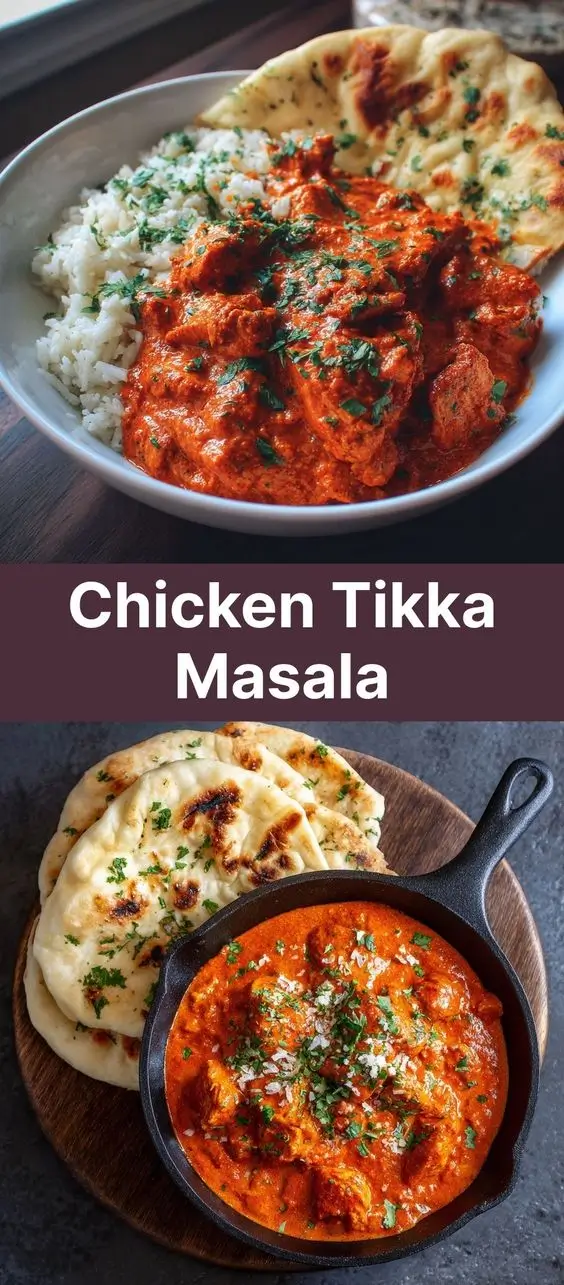
Chicken Tikka Masala: A Culinary Masterpiece of Flavor and Tradition
Introduction
Chicken Tikka Masala is one of the most beloved and widely recognized dishes in the global culinary landscape. Revered for its rich, creamy tomato-based sauce and tender pieces of spiced grilled chicken, it has become a staple not only in Indian restaurants around the world but also in home kitchens across continents. Often hailed as Britain’s national dish, Chicken Tikka Masala represents a beautiful fusion of South Asian flavors with Western palates, embodying cultural exchange through food. Its vibrant color, intoxicating aroma, and harmonious blend of spices make it an irresistible favorite among meat lovers and spice enthusiasts alike.
The History
The origins of Chicken Tikka Masala are shrouded in both legend and debate, reflecting the dynamic nature of culinary evolution. While the dish draws heavily from traditional Indian cooking techniques—particularly those of Punjab—its exact birthplace remains contested. One popular theory suggests that it was invented in the 1960s or 70s by a Bangladeshi chef working in Glasgow or Birmingham, who improvised a solution for a customer complaining that his chicken tikka was too dry. The chef reportedly combined a spiced tomato sauce (possibly inspired by butter chicken) with cream and spices, poured it over grilled chicken chunks, and thus, Chicken Tikka Masala was born.
Another version credits Indian chefs in London for creating the dish as a way to cater to British tastes, blending the smoky charred chicken tikka with a milder, creamier gravy than typically found in traditional Indian curries. Despite its disputed roots, Chicken Tikka Masala gained immense popularity throughout the UK during the 1980s and 90s, eventually becoming synonymous with Indian cuisine in the West—even more so than many authentic regional Indian dishes.
In 2001, then-British Foreign Secretary Robin Cook famously declared Chicken Tikka Masala a “true British national dish,” emphasizing how immigrant communities adapted their cuisines to local ingredients and preferences, symbolizing multiculturalism. Whether born out of necessity, creativity, or cultural adaptation, Chicken Tikka Masala stands today as a testament to the power of food to transcend borders and bring people together.
Ingredients Breakdown
The magic of Chicken Tikka Masala lies in its complex layering of ingredients, each contributing to the depth of flavor, texture, and aroma. Here’s a detailed breakdown:
- Chicken: Boneless chicken thighs or breasts are commonly used. Thighs are preferred for their juiciness and ability to retain moisture during grilling and simmering.
- Yogurt: Full-fat plain yogurt acts as a marinade base, tenderizing the chicken while adding tanginess and helping spices adhere.
- Lemon Juice: Enhances the acidity in the marinade, aiding in protein breakdown and boosting flavor.
- Ginger-Garlic Paste: A fundamental component in Indian cooking, this paste adds pungency, warmth, and aromatic depth.
- Spices (Marinade): Includes ground cumin, coriander, turmeric, paprika, garam masala, and chili powder. These infuse the chicken with earthy, warm, and mildly spicy notes.
- Oil: Neutral oil like vegetable or canola helps distribute fat-soluble flavors and prevents sticking during cooking.
- Onions: Yellow or red onions form the base of the sauce, caramelized to sweetness before being blended into a smooth consistency.
- Tomatoes: Canned crushed tomatoes or tomato purée provide body, acidity, and natural sweetness. Fresh ripe tomatoes can be used when in season.
- Butter or Ghee: Adds richness and silkiness to the sauce, enhancing mouthfeel and carrying fat-soluble flavors.
- Cream: Heavy cream or coconut milk gives the sauce its signature luxurious texture and mellows the heat.
- Spices (Sauce): Additional layers include bay leaves, cinnamon stick, cardamom pods, cloves, cumin seeds, and Kashmiri red chili powder for color and mild heat.
- Fresh Herbs: Cilantro (coriander leaves) is used for garnish, offering a bright, citrusy finish.
- Sugar or Honey (optional): Balances acidity from tomatoes, especially if they’re overly tart.
Step-by-Step Recipe
Ingredients
- 1.5 lbs (700g) boneless, skinless chicken thighs, cut into 1.5-inch pieces
- ½ cup plain full-fat yogurt
- 1 tbsp lemon juice
- 1 tbsp ginger-garlic paste (or 1 inch ginger + 4 garlic cloves, finely minced)
- 1 tsp ground cumin
- 1 tsp ground coriander
- ½ tsp turmeric powder
- 1 tsp paprika
- 1 tsp garam masala
- ½ tsp chili powder (adjust to taste)
- Salt to taste
- 2 tbsp vegetable oil (plus extra for brushing)
- 2 medium onions, finely chopped
- 2 tbsp butter or ghee
- 2 tbsp tomato paste
- 1 can (14 oz / 400g) crushed tomatoes
- 1 cup heavy cream (or coconut milk for dairy-free option)
- 1 tsp sugar (optional)
- 1 tsp garam masala (for finishing)
- ½ cup water or chicken broth (as needed)
- Fresh cilantro, chopped (for garnish)
Directions
- Marinate the Chicken: In a large bowl, combine yogurt, lemon juice, ginger-garlic paste, cumin, coriander, turmeric, paprika, garam masala, chili powder, salt, and 1 tablespoon of oil. Add chicken pieces and mix thoroughly until well coated. Cover and refrigerate for at least 2 hours, preferably overnight for maximum flavor infusion.
- Preheat Grill or Oven: Preheat your grill, broiler, or oven to 400°F (200°C). Line a baking sheet with foil and place a wire rack on top. Lightly brush the rack with oil to prevent sticking.
- Cook the Chicken: Thread marinated chicken onto skewers (if using wooden ones, soak them in water for 30 minutes first). Place on the rack and cook for 12–15 minutes, turning halfway, until chicken is cooked through and slightly charred at the edges. Alternatively, pan-sear in batches over high heat. Set aside.
- Prepare the Sauce Base: Heat 2 tablespoons of oil and 2 tablespoons of butter in a large, deep skillet or Dutch oven over medium heat. Add chopped onions and sauté for 8–10 minutes until golden brown and soft.
- Add Aromatics: Stir in tomato paste and cook for 1–2 minutes to deepen the flavor. Then add crushed tomatoes, stirring well. Simmer uncovered for 10–12 minutes, allowing the sauce to thicken and raw tomato taste to dissipate.
- Blend (Optional for Smooth Texture): For a silky-smooth sauce, carefully transfer the onion-tomato mixture to a blender and puree until smooth. Return to the pot.
- Simmer the Sauce: Pour in ½ cup water or broth and bring to a gentle simmer. Stir in cream gradually, mixing well. Add sugar (if using), additional garam masala, and adjust salt and spice levels. Let the sauce simmer gently for another 8–10 minutes to meld the flavors.
- Add Chicken: Gently fold in the grilled chicken pieces along with any juices. Simmer for 5–7 minutes to allow the chicken to absorb the sauce. Avoid boiling vigorously after adding cream to prevent curdling.
- Finish and Serve: Taste and adjust seasoning—add more salt, cream, or spices as desired. Sprinkle with fresh cilantro just before serving.
Tips
- Use Chicken Thighs: They stay juicier and more flavorful than breasts, especially after grilling and simmering.
- Don’t Skip the Marinade Time: At least 2 hours is essential; overnight marination yields significantly better results.
- Char the Chicken Well: A good sear adds smokiness reminiscent of tandoori cooking. If you don’t have a grill, use a cast-iron skillet on high heat.
- Slow-Caramelize Onions: Take time to brown the onions properly—they contribute sweetness and depth crucial to the sauce.
- Blend the Sauce: Blending creates a restaurant-quality, velvety texture. Use an immersion blender directly in the pot for convenience.
- Balance Acidity: If the tomatoes are too sharp, add a pinch of sugar or a splash of cream to balance the flavor.
- Avoid Curdling: Keep the heat low when adding cream and never let the sauce boil rapidly after dairy is added.
- Rest Before Serving: Letting the curry sit for 10–15 minutes off heat allows flavors to settle and intensify.
- Reheats Well: Chicken Tikka Masala often tastes even better the next day as the spices mature.
Variations and Customizations
Chicken Tikka Masala is wonderfully adaptable to different dietary needs, regional preferences, and creative interpretations:
- Dairy-Free Version: Substitute yogurt with coconut yogurt and use coconut milk instead of cream. Replace butter with vegan margarine or oil.
- Low-Fat Option: Use Greek yogurt in the marinade and replace cream with evaporated skim milk or cashew cream for reduced fat content.
- Smoky Flavor (Tandoori Style): Add a few drops of liquid smoke to the marinade or finish the sauce with smoked paprika for authentic tandoor essence.
- Vegetarian/Vegan Twist: Replace chicken with paneer, tofu, mushrooms, or cauliflower. Marinate and grill similarly for a plant-based version.
- Extra Spicy: Increase chili powder or add fresh green chilies, cayenne pepper, or a dash of hot sauce to intensify the heat.
- North Indian vs. British Style: Traditional versions may use fewer spices and less cream, while British renditions tend to be sweeter, thicker, and milder.
- Keto-Friendly: Omit sugar, use full-fat cream, and serve with cauliflower rice instead of naan or basmati rice.
- Aromatic Infusions: Add whole spices like star anise, fennel seeds, or dried fenugreek leaves (kasuri methi) for complexity.
- Grill Alternatives: Air-fry the chicken at 400°F (200°C) for 12–15 minutes, shaking halfway, for a healthier yet still flavorful result.
Health Considerations and Nutritional Value
While Chicken Tikka Masala is undeniably delicious, it’s important to consider its nutritional profile, particularly when consumed regularly:
- Protein-Rich: Chicken provides high-quality lean protein essential for muscle repair and satiety.
- Healthy Fats: Yogurt and cream contribute saturated fats, but moderate consumption within a balanced diet is acceptable. Using low-fat dairy reduces overall fat content.
- Calorie Density: Due to cream, butter, and oil, this dish can be calorie-dense. A typical serving (1.5 cups) ranges between 400–600 calories depending on preparation.
- Carbohydrates: Naturally low in carbs unless served with rice or naan. Can be made keto-friendly with appropriate sides.
- Vitamins and Minerals: Tomatoes offer vitamin C, lycopene (a powerful antioxidant), and potassium. Turmeric contains curcumin, known for anti-inflammatory properties.
- Sodium Levels: Store-bought sauces or excessive salt can make the dish high in sodium. Prepare from scratch to control salt intake.
- Digestive Benefits: Ginger and garlic aid digestion and possess antimicrobial qualities. Spices like cumin and coriander support gut health.
- Allergens: Contains dairy (yogurt, cream, butter) and potential gluten (if served with naan). Always check labels for cross-contamination if allergies are a concern.
- Balanced Eating Tip: Serve with steamed vegetables, quinoa, or brown rice to increase fiber and nutrient density.
FAQ
Is Chicken Tikka Masala Indian?
While it draws inspiration from Indian cooking techniques and spices, Chicken Tikka Masala is widely considered a British-Indian dish. It likely originated in the UK as a fusion creation catering to Western tastes.
Can I make it without a grill?
Absolutely. You can bake the marinated chicken on a tray at 400°F (200°C) for 15–18 minutes or pan-sear in a skillet until fully cooked and slightly charred.
How long does it keep in the fridge?
Properly stored in an airtight container, Chicken Tikka Masala lasts 3–4 days in the refrigerator. Reheat gently on the stove to avoid separating the cream.
Can I freeze Chicken Tikka Masala?
Yes, it freezes well for up to 3 months. Freeze before adding cream for best texture, then add fresh cream when reheating.
What should I serve with Chicken Tikka Masala?
Classic pairings include basmati rice, garlic naan, roti, or jeera rice. A side of cucumber raita or mango chutney complements the richness perfectly.
Why is my sauce too thin or too thick?
If too thin, simmer longer to reduce. If too thick, stir in warm broth or water, ¼ cup at a time, until desired consistency is reached.
Can I use canned chicken?
You can, but it won’t have the same texture or flavor. Grilled or baked fresh chicken is highly recommended for authenticity.
Is it spicy?
Traditional versions are mildly spiced. Heat level can be adjusted by reducing or increasing chili powder and fresh chilies.
Can I make it in a slow cooker?
Yes! Marinate and sear chicken first, then add to the slow cooker with sauce ingredients. Cook on low for 4–6 hours, stir in cream in the last 30 minutes.
What’s the difference between Butter Chicken and Chicken Tikka Masala?
Butter Chicken (Murgh Makhani) typically uses shredded or cubed chicken in a smoother, sweeter tomato-cream sauce with less spice. Chicken Tikka Masala uses grilled chicken tikka in a more robust, spiced sauce, often with deeper tomato flavor and slight tanginess.
Summary
Chicken Tikka Masala is a globally cherished dish that blends smoky grilled chicken with a luxuriously spiced tomato-cream sauce, representing a perfect harmony of tradition and innovation. Whether enjoyed in a cozy restaurant or homemade with love, it continues to win hearts one bite at a time.