Introduction
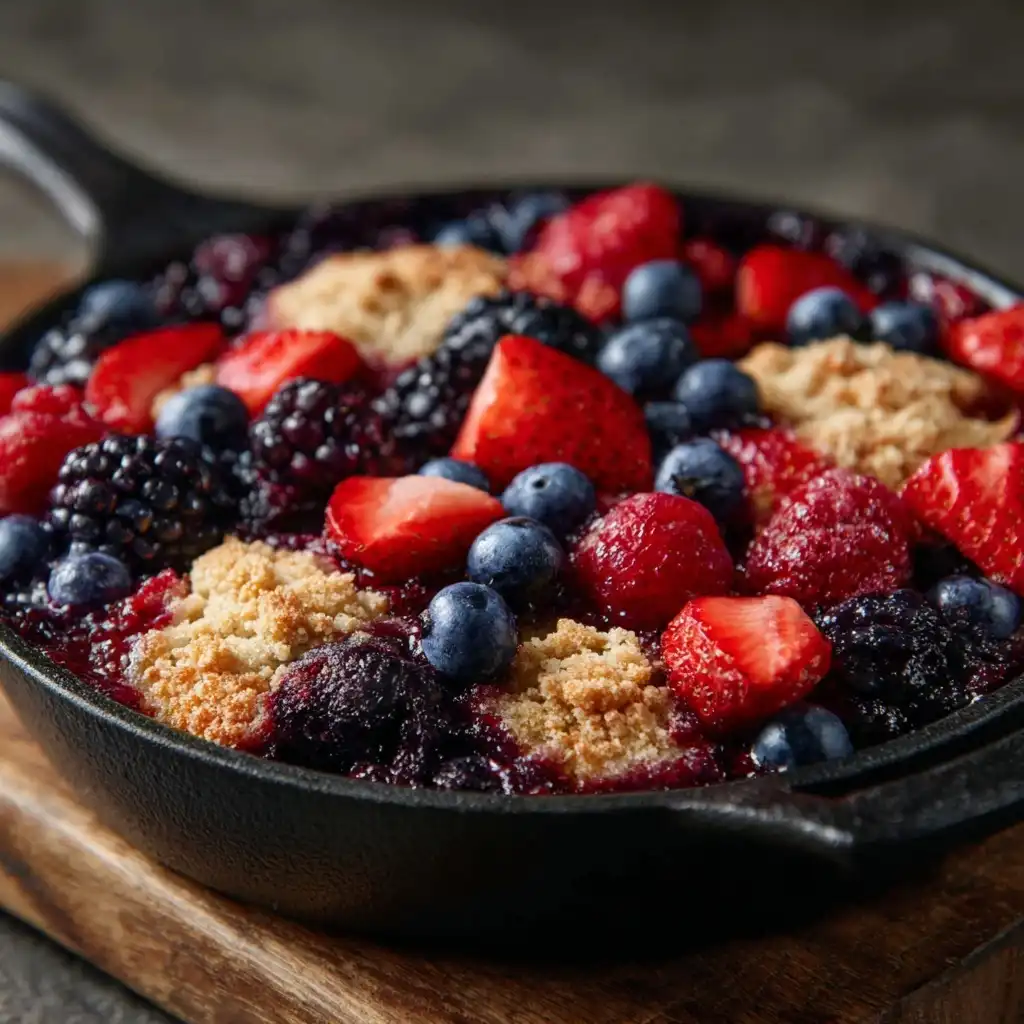
Gluten-free mixed berry cobbler is a soul-warming, naturally vibrant dessert that celebrates the peak sweetness and tartness of seasonal berries—without compromising on texture, flavor, or inclusivity. Whether you’re managing celiac disease, non-celiac gluten sensitivity, wheat allergy, or simply choosing a mindful, grain-conscious lifestyle, this cobbler delivers all the nostalgic charm of a classic Southern favorite—golden, biscuit-like topping crowning a bubbling, jewel-toned berry filling—while remaining 100% gluten free. Unlike many gluten-free desserts that rely heavily on gums or starches and suffer from grittiness or gummy textures, this recipe is thoughtfully engineered for structural integrity, tender crumb, balanced sweetness, and bold fruit-forward character. It’s as suitable for a Sunday supper with family as it is for a potluck at a gluten-free support group—or even as an elegant finish to a dinner party where dietary needs vary widely. What truly sets this version apart is its emphasis on whole-food integrity: no artificial flavors, no refined starch overload, minimal added sugar (with natural sweetener options), and smart substitutions that enhance—not mask—the inherent brightness of raspberries, blueberries, blackberries, and strawberries.
The History
The cobbler’s roots stretch back to 18th-century American colonial kitchens, where resourceful cooks transformed simple pantry staples—fruit, flour, fat, and leavening—into comforting baked desserts. Its name likely derives from the “cobbled” appearance of the rustic, dropped-biscuit or cake-like topping, evoking uneven cobblestone streets. Early versions used whatever flour was available—often coarse, low-gluten cornmeal or stone-ground wheat—and were baked in cast-iron skillets over open hearths. As wheat flour became more standardized in the 19th and early 20th centuries, cobblers grew sweeter, richer, and more uniform—but also less accessible to those with gluten-related disorders. The modern gluten-free cobbler emerged gradually alongside advances in alternative flours: first rice flour blends in the 1980s, then improved xanthan gum formulations in the 1990s, and finally the golden era of the 2010s onward, marked by sophisticated 1:1 GF flour systems, ancient grain blends (like teff, sorghum, and millet), and better understanding of starch-protein-fat ratios. Mixed berry cobblers gained special prominence as farmers’ markets and frozen fruit innovation expanded access to high-quality, unsweetened, additive-free berry blends year-round—making this dessert both seasonally expressive and reliably achievable. Today, gluten-free mixed berry cobbler stands not as a compromise, but as a culinary evolution—one that honors tradition while embracing science, sustainability, and inclusive hospitality.
Ingredients Breakdown
Every ingredient in this gluten-free mixed berry cobbler serves a precise functional and sensory role—no filler, no afterthoughts. Let’s explore them in depth:
- Gluten-Free All-Purpose Flour Blend (3 cups): Not just any blend will do. We recommend a high-quality, commercially tested 1:1 substitute containing brown rice flour, white rice flour, tapioca starch, and potato starch—ideally with added xanthan gum (if not, see Tips). Avoid single-flour substitutes like almond or coconut alone, which lack structure; likewise, steer clear of oat flour unless certified gluten-free and enzymatically tested (cross-contamination risk is high). Our preferred brands include King Arthur Measure for Measure GF, Bob’s Red Mill 1-to-1 Baking Flour, or Cup4Cup Wholesome. Each contributes differently: rice flours lend neutrality and crispness, tapioca adds chew and sheen, potato starch improves tenderness and moisture retention.
- Granulated Sweetener (¾ cup + 2 tbsp total): Divided between filling and topping. Organic cane sugar is our baseline for clean flavor and reliable caramelization—but maple sugar, coconut sugar (for deeper molasses notes), or monk fruit–erythritol blends (for low-glycemic needs) work beautifully with minor adjustments. Note: liquid sweeteners like honey or maple syrup are not recommended in the topping—they disrupt gluten-free dough hydration and cause excessive spreading.
- Unsalted Butter (½ cup / 1 stick, cold & cubed): Crucial for flakiness and richness. Use European-style (82–83% butterfat) if available—it yields a more luxurious, less crumbly topping. Plant-based options? Yes—but choose a high-fat, neutral-tasting vegan butter (e.g., Miyoko’s Creamery or Melt Organic), not margarine or spreads with high water content, which steam excessively and collapse the topping.
- Baking Powder (2 tsp) & Baking Soda (¼ tsp): A dual-leavening system ensures lift without bitterness. The soda reacts with the natural acidity of the berries (especially blackberries and raspberries) to enhance rise and brighten flavor—don’t omit it, even if your GF flour blend already contains leaveners.
- Full-Fat Buttermilk (¾ cup, well-shaken): Adds tang, tenderness, and activates leaveners. For dairy-free, use homemade “buttermilk”: combine ¾ cup unsweetened plain almond, soy, or oat milk (preferably fortified with calcium) + 1 tbsp lemon juice or apple cider vinegar, let sit 5–7 minutes until slightly curdled. Avoid canned coconut milk—it’s too thick and imparts strong flavor.
- Fine Sea Salt (1 tsp): Enhances sweetness and balances acidity. Never skip—even in desserts. Use finely ground for even distribution.
- Mixed Berries (6 cups total, fresh or frozen): A harmonious quartet: 1½ cups each of blueberries (antioxidant-rich, firm), blackberries (earthy depth), raspberries (bright acidity), and hulled, quartered strawberries (juiciness and fragrance). Frozen berries are excellent year-round—do not thaw before using (prevents soggy filling); just add 1–2 extra minutes to baking time. Avoid pre-sweetened or syrup-packed mixes—they introduce unpredictable liquid and excess sugar.
- Cornstarch (¼ cup): The ideal thickener for berry fillings—clear, neutral, and highly effective at high heat. Arrowroot works as a 1:1 substitute (slightly glossier finish); tapioca starch is acceptable but can become stringy if overcooked. Never use flour—it leaves a raw, chalky taste and cloudy appearance in GF applications.
- Lemon Zest (1 tbsp) & Fresh Lemon Juice (2 tbsp): These aren’t optional extras—they’re flavor catalysts. Zest carries volatile citrus oils that lift the entire aromatic profile; juice balances sweetness and prevents cloying richness. Meyer lemons offer floral nuance; regular Eureka adds zing.
- Vanilla Extract (1 tsp pure, alcohol-based): Adds warmth and complexity. Avoid imitation—its harsh, synthetic note clashes with delicate berries. For extra luxury, infuse 1 split vanilla bean into warm buttermilk before mixing.
- Optional Garnishes: Vanilla bean ice cream (GF-certified), lightly sweetened coconut whipped cream, toasted sliced almonds or pecans, edible lavender buds, or a drizzle of reduced balsamic glaze for gourmet contrast.
Step-by-Step Recipe
- Preheat & Prep: Position oven rack in the lower third. Preheat oven to 375°F (190°C). Lightly grease a deep 9×13-inch ceramic or glass baking dish (or two 8-inch square dishes for portion control) with butter or GF cooking spray. Line bottom with parchment paper for effortless removal (optional but recommended).
- Prepare the Berry Filling: In a large, non-reactive bowl (stainless steel or glass), gently combine all 6 cups of mixed berries. Add ¾ cup granulated sweetener, ¼ cup cornstarch, 1 tbsp lemon zest, 2 tbsp lemon juice, and 1 tsp pure vanilla extract. Stir with a silicone spatula—just until evenly coated. Avoid crushing berries; fold gently from bottom up. Let sit 15 minutes at room temperature to draw out natural juices and begin maceration.
- Make the Gluten-Free Cobbler Topping: In a chilled medium bowl, whisk together 3 cups GF flour blend, remaining 2 tbsp sweetener, 2 tsp baking powder, ¼ tsp baking soda, and 1 tsp fine sea salt. Add cold, cubed butter. Using a pastry cutter, two forks, or fingertips, cut butter into flour mixture until it resembles coarse meal with some pea-sized pieces remaining (about 2–3 minutes). Do not overwork—cold butter = flaky layers.
- Incorporate Wet Ingredients: Make a well in center. Pour in ¾ cup buttermilk (well-shaken or freshly made dairy-free version). Gently fold with a spatula or wooden spoon just until a shaggy, slightly sticky dough forms—about 12–15 strokes. It should hold together when pinched but not be smooth or elastic. If too dry, add 1 tsp cold buttermilk; if too wet, dust with 1 tsp GF flour. Do not overmix—this is critical for tender texture.
- Assemble the Cobbler: Pour macerated berry mixture into prepared baking dish, spreading evenly. Using a ¼-cup measuring scoop or two spoons, drop 8–10 generous mounds of dough over the berries, spacing them evenly. Gently press each mound down *slightly* to flatten just enough to cover surface—but leave visible berry pockets for visual appeal and steam vents. Do not spread or pat flat.
- Bake to Perfection: Place dish on a rimmed baking sheet (to catch potential bubbles/overflows). Bake at 375°F for 55–65 minutes. First 30 minutes: topping will rise and begin to set. At 40 minutes, check—edges should bubble vigorously; center should shimmer but not look soupy. Rotate dish halfway for even browning. Final 10–15 minutes: topping turns deep golden brown, crust firms, and berries bubble thickly around edges. A skewer inserted into topping (not berry layer) should emerge with moist crumbs—not wet batter.
- Cool & Set: Remove from oven and place on a wire rack. Resist cutting! Let cool for *at least 45 minutes*—this allows cornstarch to fully activate and filling to thicken into a lush, jammy consistency. Cutting too soon releases precious syrup and creates a watery mess. For optimal texture and flavor melding, wait 1.5–2 hours before serving warm—or chill overnight for a stunning cold-set version (reheat individual portions).
Tips
- Chill Everything: Cold butter, cold buttermilk, and even chilling the mixing bowl for 10 minutes before making topping dramatically improves flakiness and prevents premature melting.
- Weigh Your Flour: Spoon-and-level is inconsistent with GF flours due to varying densities. For precision, weigh 3 cups GF flour at 360g (±5g). Too much flour = dry, dense topping; too little = greasy, collapsed crust.
- No Overmixing Rule: Gluten-free batters lack gluten networks, so overmixing doesn’t develop toughness—but it *does* over-activate starches, leading to gummy, rubbery results. Fold only until cohesive.
- Frozen Berries? No Thaw Needed: Adding frozen berries straight from freezer helps regulate oven temperature and prevents excess liquid release during initial bake. Just increase bake time by 5–8 minutes.
- Boost Browning Naturally: Brush uncooked topping mounds with 1 tbsp heavy cream or full-fat coconut milk and sprinkle with turbinado sugar before baking for a sparkling, caramelized crown.
- Altitude Adjustments: Above 3,000 ft? Reduce baking powder to 1½ tsp, increase oven temp to 385°F, and add 1–2 tbsp extra buttermilk to topping.
- Stovetop Shortcut for Runny Fillings: If your berries are exceptionally juicy (e.g., peak-season strawberries), simmer ½ cup of the macerated mixture in a small saucepan over medium heat for 3–4 minutes until thickened, then stir back in before baking.
- Make-Ahead Magic: Prepare berry filling up to 24 hours ahead; store covered in fridge. Make topping dough, shape into 8 disks, wrap in parchment, and refrigerate up to 12 hours—or freeze up to 1 month (bake from frozen, +8–10 min).
- Revive Leftovers: Reheat individual servings in toaster oven or air fryer (350°F, 6–8 min) for crisp topping. Microwave makes topping soggy—avoid unless absolutely necessary.
Variations and Customizations
This cobbler is a canvas—adaptable to seasons, pantries, preferences, and even global inspirations:
- Single-Berry Spotlight: Swap the mixed blend for 6 cups of one standout variety—e.g., wild blueberry (intense, tart), golden raspberry (delicate, floral), or marionberry (blackberry-raspberry hybrid, jammy and complex).
- Stone Fruit Fusion: Replace 2 cups berries with peeled, sliced ripe peaches or nectarines (add 1 extra tsp cornstarch). Complements cinnamon or cardamom in topping.
- Tropical Twist: Use 3 cups mixed berries + 3 cups diced mango and pineapple. Add ½ tsp grated fresh ginger and 1 star anise pod (removed before baking) to filling.
- Herb-Infused: Stir 1 tsp finely chopped fresh thyme or lemon verbena into berry filling—pairs magically with strawberries and blackberries.
- Spiced Topping: Add 1 tsp ground cinnamon + ¼ tsp ground ginger + pinch of freshly grated nutmeg to dry topping ingredients.
- Nutty Crumble Variation: Replace ½ cup GF flour with ½ cup finely ground toasted almonds or pecans. Top with 2 tbsp sliced almonds before baking.
- Chocolate-Dipped Berries: Toss 1 cup of berries in 2 tbsp melted 70% dark chocolate (GF-certified) before folding into filling—creates decadent pockets.
- Savory-Sweet Option: Add 1 tbsp balsamic vinegar + 1 tsp Dijon mustard to filling; top with rosemary-infused butter in dough.
- Mini Individual Cobblers: Bake in six 6-oz ramekins (reduce time to 35–40 min). Perfect for portion control or elegant presentation.
- Vegan & Refined Sugar-Free: Use coconut oil (solid, cold) instead of butter; maple sugar or date paste (reduced to thick syrup) in filling; flax “buttermilk” (1 tbsp ground flax + ¾ cup plant milk).
Health Considerations and Nutritional Value
This gluten-free mixed berry cobbler prioritizes nutrient density without sacrificing indulgence. Here’s what makes it a thoughtful choice:
- Naturally Rich in Antioxidants: Berries rank among the highest foods for ORAC (Oxygen Radical Absorbance Capacity) value. Blueberries deliver anthocyanins for cognitive support; raspberries provide ellagic acid (anti-inflammatory); blackberries offer vitamin C and fiber synergy; strawberries boast fisetin (neuroprotective flavonoid).
- Fiber-Focused: 6 cups of mixed berries contribute ~18g of dietary fiber—nearly 75% of the daily recommended intake—supporting gut microbiome diversity, satiety, and stable blood sugar. GF flours like brown rice and sorghum add additional soluble and insoluble fiber.
- Lower Glycemic Impact: By using modest sweetener (¾ cup for 12+ servings) and relying on fruit’s natural fructose, the glycemic load remains moderate—especially when served without ice cream. Substituting ¼ cup of sugar with monk fruit blend reduces net carbs further.
- No Artificial Additives: Free from preservatives, artificial colors (common in commercial GF mixes), hydrogenated oils, or synthetic emulsifiers—aligning with clean-label, whole-food principles.
- Dairy Flexibility: Easily adapted for lactose intolerance or dairy allergy without nutritional trade-offs—plant-based buttermilk retains calcium and protein balance when fortified.
- Calorie-Conscious Serving: One generous 1¼-cup serving (including topping) contains approximately 320–360 kcal, 55g carbs (18g fiber, 22g natural sugars), 5g protein, and 9g fat—significantly lighter than traditional cobblers using all-purpose wheat flour and double the butter.
- Supports Gut Health: Many certified GF flour blends now include prebiotic fibers like inulin or resistant starch. Pairing with probiotic-rich toppings (coconut yogurt, kefir ice cream) enhances synbiotic benefits.
- Notable Micronutrients: Per serving: 30% DV vitamin C, 25% DV manganese (berry skin), 15% DV vitamin K (from greens in strawberries/blackberries), plus magnesium and potassium.
- Cautions: While GF, it is not low-sugar, low-calorie, or low-carb. Those managing diabetes should monitor portions and pair with protein/fat (e.g., Greek yogurt). Always verify GF certification on all packaged ingredients—especially baking powder, vanilla, and oats—to avoid hidden gluten (e.g., wheat starch in some “gluten-removed” beers or malt vinegar).
Ingredients
- 6 cups mixed fresh or frozen unsweetened berries (blueberries, blackberries, raspberries, strawberries)
- ¾ cup organic cane sugar (plus 2 tbsp), divided
- ¼ cup cornstarch (or arrowroot powder)
- 1 tbsp finely grated lemon zest
- 2 tbsp fresh lemon juice
- 1 tsp pure vanilla extract
- 3 cups certified gluten-free all-purpose flour blend (with xanthan gum)
- 2 tsp aluminum-free baking powder
- ¼ tsp baking soda
- 1 tsp fine sea salt
- ½ cup (1 stick) unsalted butter, very cold and cubed
- ¾ cup full-fat buttermilk (or dairy-free buttermilk substitute), well-shaken or freshly prepared
Directions
- Preheat oven to 375°F (190°C). Grease a 9×13-inch baking dish and line bottom with parchment paper (optional).
- In a large bowl, gently toss berries with ¾ cup sugar, cornstarch, lemon zest, lemon juice, and vanilla. Let sit 15 minutes.
- In another bowl, whisk GF flour, 2 tbsp sugar, baking powder, baking soda, and salt. Cut in cold butter until mixture resembles coarse crumbs.
- Add buttermilk; stir gently with spatula until shaggy dough forms (12–15 strokes max). Do not overmix.
- Pour berry mixture into prepared dish. Drop dough by ¼-cup scoops evenly over berries. Gently flatten tops slightly.
- Bake on center rack for 55–65 minutes, until topping is deep golden and berries bubble thickly at edges.
- Cool on wire rack for at least 45 minutes before serving. Best served warm, optionally with GF vanilla ice cream.
FAQ
- Can I make this cobbler nut-free?
- Yes—ensure your GF flour blend is nut-free (many contain almond or hazelnut flour). King Arthur and Bob’s Red Mill GF 1-to-1 are safe, soy-free, and tree-nut-free options. Also verify butter or vegan butter contains no nut oils.
- Why did my topping sink or become gummy?
- Most common causes: (1) Overmixing the dough—starches gelatinize prematurely; (2) Butter too warm—melts before oven heat sets structure; (3) Underbaking—topping needs full 55+ minutes to set; (4) Using too much liquid—measure buttermilk precisely; (5) High-moisture berries not drained—never thaw frozen berries beforehand.
- Is oat flour safe for gluten-free diets?
- Only if certified gluten-free. Regular oats are cross-contaminated with wheat, barley, and rye in fields and processing facilities. Look for labels stating “certified gluten-free oats” (e.g., Glutenfreeda, Bob’s Red Mill GF Oats) and limit to ≤¼ cup in this recipe.
- Can I prepare this the night before and bake in the morning?
- Absolutely. Assemble filling and topping separately—refrigerate filling covered; shape topping into disks, wrap in parchment, refrigerate. Assemble cold and bake straight from fridge—add 5–7 minutes to bake time.
- What’s the best way to store leftovers?
- Cool completely, cover tightly with beeswax wrap or lid, and refrigerate up to 5 days. Reheat portions in oven or air fryer—not microwave—for best texture. Freeze unbaked assembled cobbler up to 3 months (wrap dish tightly in foil + freezer bag); bake from frozen, +12–15 min.
- Can I use honey or maple syrup instead of sugar?
- In the filling? Yes—but reduce other liquids by 1 tbsp and add ½ tsp extra cornstarch. In the topping? No. Liquid sweeteners disrupt gluten-free dough hydration, causing spreading and greasiness. Stick to granulated sweeteners for topping.
- My berries released too much liquid—how do I fix it?
- Next time, add 1–2 tsp extra cornstarch. For current batch: carefully spoon off excess liquid before baking, or pour berries into a fine-mesh strainer for 2 minutes (reserve juice to stir back in after baking if desired). You can also pre-thicken ½ cup berry juice on stove.
- Is this safe for people with celiac disease?
- Yes—if every ingredient is certified gluten-free (flour, baking powder, vanilla, oats if used, even sprinkles or garnishes) and prepared in a dedicated GF environment (no shared sifters, colanders, or wooden spoons used for wheat flour).
- Can I make it egg-free?
- Yes—this recipe is naturally egg-free! No eggs required for structure or binding, thanks to the balanced GF flour/starch/butter/buttermilk system.
- What’s the difference between cobbler, crisp, and crumble?
- A cobbler has a biscuit- or cake-like topping baked directly over fruit. A crisp features an oat-based, buttery streusel with flour, sugar, and spices. A crumble is British-inspired—similar to crisp but often denser, sometimes with nuts or breadcrumbs (not GF unless substituted). This is a true cobbler—soft, tender, and steamed-underneath.
Summary
This gluten-free mixed berry cobbler redefines what inclusive baking can be: deeply flavorful, texturally triumphant, nutritionally thoughtful, and steeped in both heritage and innovation—delivering golden, tender biscuit mounds over a luxuriously thick, vibrant, antioxidant-rich berry compote without a trace of gluten or compromise.
From farm-fresh summer abundance to pantry-rescue frozen fruit, from cozy family dinners to elegantly accommodating gatherings, it proves that dietary restriction need never mean dessert deprivation—only deeper intention, smarter technique, and sweeter rewards.