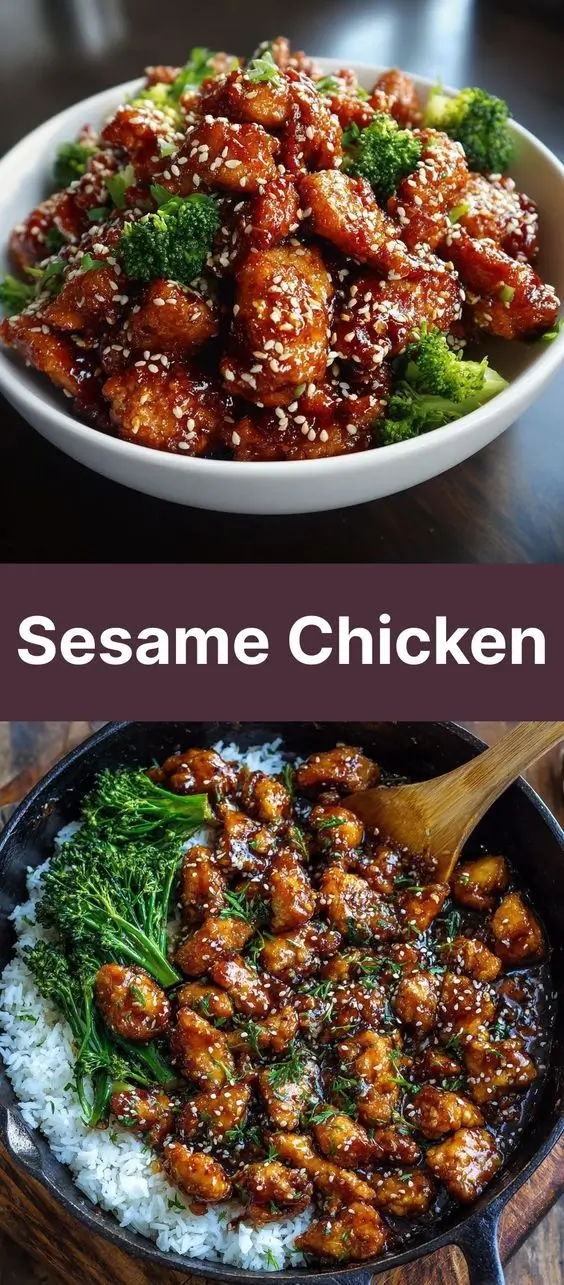
Sesame Chicken: A Flavorful Journey Through Taste and Tradition
The History of Sesame Chicken
Sesame chicken is a beloved staple in Chinese-American cuisine, renowned for its rich, savory-sweet flavor profile and glossy, aromatic sauce. While it’s widely enjoyed in American Chinese restaurants, its roots trace back to traditional Chinese culinary techniques that have been adapted over time to suit Western palates. The dish likely evolved from gu lao ji (sweet and sour chicken), a Cantonese specialty, but with a distinct twist—sesame oil and toasted sesame seeds were incorporated to elevate the nutty depth and aroma.
During the 20th century, as Chinese immigrants brought their culinary traditions to North America, they began modifying recipes using locally available ingredients and catering to American tastes, which often favor sweeter and less spicy flavors. Sesame chicken emerged during this period as a perfect balance of crisp fried chicken, a sticky-sweet sauce, and the earthy crunch of sesame seeds. Though not commonly found in China in its current form, sesame chicken has become an iconic representation of fusion cuisine, symbolizing cultural adaptation and culinary creativity.
Today, sesame chicken graces menus across the United States, often served over steamed rice or alongside vegetables like broccoli and bell peppers. Its popularity continues to grow, inspiring countless home cooks and chefs alike to experiment with variations while maintaining the dish’s signature essence: a harmony of texture, sweetness, tang, and umami.
Ingredients Breakdown: What Makes Sesame Chicken Shine
The magic of sesame chicken lies in its carefully balanced ingredients, each contributing to the overall taste, texture, and aroma. Here’s a detailed look at what goes into crafting this delectable dish:
- Chicken Breast or Thighs: Boneless, skinless chicken breasts are most commonly used for their lean texture and mild flavor. However, chicken thighs can be substituted for a juicier, more tender result due to their higher fat content.
- Cornstarch: Essential for coating the chicken before frying, cornstarch creates a light, crispy exterior that holds up well against the thick sauce without becoming soggy.
- Egg White: Used as a binder in the dredging process, egg white helps the cornstarch adhere evenly to the chicken pieces, ensuring uniform crispiness.
- Soy Sauce: Provides saltiness and umami depth. Low-sodium soy sauce is recommended to control salt levels, especially since other ingredients also contribute sodium.
- Hoisin Sauce: This thick, sweet, and slightly tangy sauce made from soybeans, garlic, vinegar, and sugar adds body and complexity to the glaze.
- Rice Vinegar: Adds brightness and acidity, balancing the sweetness of the sauce. Apple cider vinegar can be used as a substitute if needed.
- Brown Sugar: Contributes a deep caramel-like sweetness and helps thicken the sauce. Honey or maple syrup may be used for variation.
- Garlic and Ginger: Freshly minced garlic and grated ginger infuse the sauce with warm, pungent notes that enhance the overall flavor profile.
- Sesame Oil: A small amount of toasted sesame oil imparts a rich, nutty aroma that defines the dish. It’s typically added at the end to preserve its volatile fragrance.
- Toasted Sesame Seeds: Both white and black sesame seeds are often sprinkled on top for visual appeal and a delightful crunch.
- Vegetable Oil: For frying—neutral in flavor and high in smoke point, making it ideal for achieving golden-brown chicken without overpowering other ingredients.
- Green Onions: Sliced thinly and used as garnish, adding freshness and color contrast.
- Optional Add-ins: Bell peppers, carrots, broccoli, or snap peas can be stir-fried and served alongside or mixed into the dish for added nutrition and texture.
Step-by-Step Recipe: How to Make Authentic-Tasting Sesame Chicken at Home
Creating restaurant-quality sesame chicken at home is easier than you might think. Follow these detailed steps to achieve perfectly crispy chicken coated in a luscious, glossy sauce.
Preparation Time:
20 minutes | Cooking Time: 20 minutes | Total Time: 40 minutes | Servings: 4
Ingredients:
- 1.5 lbs (680g) boneless, skinless chicken breasts, cut into 1-inch cubes
- 2 large egg whites
- ½ cup cornstarch
- ¼ tsp salt
- ¼ tsp white pepper (optional)
- Vegetable oil, for frying (about 1–2 cups)
- 3 tbsp soy sauce (low-sodium preferred)
- 3 tbsp hoisin sauce
- 2 tbsp brown sugar (packed)
- 1 tbsp rice vinegar
- 1 tsp sesame oil
- 3 cloves garlic, minced
- 1 tbsp fresh ginger, grated
- ¼ cup water or chicken broth
- 2 tbsp cornstarch + 2 tbsp water (slurry, for thickening)
- 3 green onions, sliced diagonally
- 2 tbsp toasted sesame seeds (white or mixed)
- Optional: 1 cup stir-fry vegetables (broccoli, bell peppers, carrots)
Directions:
- Prepare the Chicken: In a large bowl, season chicken cubes with a pinch of salt and white pepper. In a separate shallow dish, beat the egg whites until frothy. Place cornstarch in another dish. Dip each piece of chicken first into the egg white, allowing excess to drip off, then coat thoroughly with cornstarch. Shake off any extra starch and place on a plate or tray. Let rest for 10–15 minutes to allow the coating to set.
- Heat the Oil: In a deep skillet or wok, heat about 1 inch of vegetable oil over medium-high heat until it reaches 350°F (175°C). To test, drop a small piece of coated chicken into the oil—if it sizzles immediately and rises to the surface, the oil is ready.
- Fry the Chicken: Carefully add the chicken pieces in batches, avoiding overcrowding. Fry for 3–4 minutes per batch, turning occasionally, until golden brown and cooked through (internal temperature should reach 165°F / 74°C). Remove with a slotted spoon and drain on a wire rack or paper towels. Repeat until all chicken is fried. For extra crispiness, you can double-fry: fry once for 2 minutes, let cool slightly, then fry again for 1–2 minutes until crisp.
- Make the Sauce: In a clean saucepan or wok, heat 1 tablespoon of vegetable oil over medium heat. Add minced garlic and grated ginger; sauté for 30 seconds until fragrant but not browned. Stir in soy sauce, hoisin sauce, brown sugar, and rice vinegar. Mix well and bring to a gentle simmer.
- Thicken the Sauce: In a small bowl, mix 2 tablespoons cornstarch with 2 tablespoons cold water to create a slurry. Slowly pour the slurry into the simmering sauce while stirring constantly. Continue cooking for 1–2 minutes until the sauce thickens to a glossy, honey-like consistency. If using, add chopped vegetables now and cook for 2–3 minutes until tender-crisp.
- Add Sesame Oil and Finish: Remove the sauce from heat and stir in sesame oil for fragrance. Return the fried chicken to the pan and gently toss to coat every piece evenly with the sauce. Be careful not to break the crispy coating.
- Garnish and Serve: Transfer to a serving platter. Sprinkle generously with toasted sesame seeds and sliced green onions. Serve immediately over steamed jasmine rice, brown rice, or cauliflower rice for a low-carb option.
Tips for Perfect Sesame Chicken Every Time
- Don’t Skip the Egg White Coating: It creates a lighter, crispier crust compared to flour alone and helps the cornstarch stick better.
- Use Fresh Garlic and Ginger: Pre-minced versions lack the vibrant punch that fresh ingredients provide.
- Control Sauce Thickness: If the sauce becomes too thick, thin it with a splash of water or broth. If too thin, add a bit more cornstarch slurry.
- Keep Chicken Warm While Frying: Place finished batches on a wire rack in a warm oven (200°F / 95°C) to maintain crispness while frying the rest.
- Toast Your Own Sesame Seeds: Lightly toast raw sesame seeds in a dry pan over medium heat for 2–3 minutes until golden and fragrant. This enhances their nutty flavor significantly.
- Double-Fry for Extra Crisp: Like authentic fried chicken, a second fry locks in crunch and improves texture retention when sauced.
- Balance Sweetness: Taste the sauce before adding chicken. Adjust with a splash of rice vinegar for more tang or a bit more hoisin for sweetness.
- Avoid Overcooking the Chicken: Since it’s already fully cooked after frying, just warm it through when tossing with the sauce.
Variations and Customizations
Sesame chicken is highly adaptable—here are some creative ways to personalize the recipe:
- Sesame Tofu (Vegan Option): Replace chicken with extra-firm tofu, pressed and cubed. Coat and fry the same way for a plant-based version.
- Spicy Sesame Chicken: Add 1–2 teaspoons of chili garlic sauce, sriracha, or red pepper flakes to the sauce for heat.
- Pineapple Sesame Chicken: Stir in canned pineapple chunks for a tropical twist reminiscent of sweet and sour chicken.
- Gluten-Free Version: Use tamari instead of soy sauce and ensure all other sauces (hoisin) are certified gluten-free. Cornstarch is naturally gluten-free.
- Honey-Glazed Sesame Chicken: Substitute brown sugar with honey for a floral sweetness and natural shine.
- Baked Sesame Chicken (Healthier Option): Skip frying—coat chicken in cornstarch and bake at 425°F (220°C) for 20–25 minutes, flipping halfway, until golden and cooked through. Then toss with sauce.
- Using Ground Chicken: Form into small meatballs, coat and fry, then toss in sauce for bite-sized sesame chicken bites.
- Noodle Bowl Style: Serve over lo mein noodles, udon, or rice noodles instead of rice.
- Keto-Friendly Version: Replace sugar with erythritol or monk fruit sweetener, use almond flour mixed with pork rind crumbs for coating, and serve with zucchini noodles.
Health Considerations and Nutritional Value
While delicious, traditional sesame chicken is relatively high in calories, carbohydrates, and sodium due to frying and sugary sauces. However, mindful modifications can make it healthier without sacrificing flavor.
Nutritional Profile (Per Serving, Approximate – 1/4 of recipe with white rice):
- Calories: ~550–650 kcal
- Protein: 30–35g
- Fat: 18–22g (mostly from frying oil and sesame oil)
- Carbohydrates: 65–75g (primarily from cornstarch, sugar, and rice)
- Sodium: 900–1200mg (depending on soy sauce and hoisin brand)
- Sugar: 15–20g
Health Tips:
- Reduce Sodium: Use low-sodium soy sauce and low-sugar hoisin sauce. Rinse bottled sauces if overly salty.
- Lowers Fat Content: Bake instead of fry, or use an air fryer to achieve crispiness with minimal oil.
- Increase Fiber: Serve over brown rice, quinoa, or cauliflower rice. Add more vegetables to boost fiber and micronutrients.
- Portion Control: Stick to a 4–6 oz portion of chicken and ½ cup of rice to manage calorie intake.
- Heart-Healthy Oils: If frying, consider using avocado oil for its high smoke point and monounsaturated fats.
- Allergen Notes: Contains soy and sesame (common allergens). Always check labels on hoisin sauce for hidden allergens like wheat or shellfish (some brands contain oyster extract).
FAQ: Frequently Asked Questions About Sesame Chicken
Q: Is sesame chicken the same as orange chicken?
A: No. While both are Chinese-American dishes featuring fried chicken in a sweet sauce, orange chicken has a citrus-forward flavor from orange zest and juice, whereas sesame chicken emphasizes nuttiness from sesame oil and seeds.
Q: Can I make sesame chicken ahead of time?
A: Yes, but best results come from assembling just before serving. You can prep components separately—marinate chicken, make sauce, chop veggies—and store them refrigerated. Fry and combine when ready to eat.
Q: Why is my sauce too thick/thin?
A: Too thick? Add water or broth 1 tablespoon at a time. Too thin? Simmer longer or add more cornstarch slurry (1 tsp cornstarch + 1 tsp water).
Q: Can I freeze sesame chicken?
A: Freezing is not ideal—the texture of the fried chicken becomes soggy upon thawing. However, the sauce freezes well for up to 3 months. Reheat and toss with freshly fried chicken.
Q: What sides go well with sesame chicken?
A: Steamed white or brown rice, fried rice, lo mein noodles, stir-fried vegetables, egg rolls, or a simple cucumber salad.
Q: Is there a difference between white and black sesame seeds?
A: White sesame seeds are hulled and milder; black ones are unhulled, offering a slightly earthier taste and more calcium. Using both adds visual contrast and flavor complexity.
Q: Can I use peanut oil for frying?
A: Yes, peanut oil works well and adds a subtle nutty note, but avoid if serving to those with allergies.
Summary
Sesame chicken is a mouthwatering fusion of crispy fried chicken and a glossy, sweet-savory sauce infused with sesame flavor, beloved in Chinese-American cuisine. With customizable options and tips for healthier preparation, it’s a versatile dish perfect for weeknight dinners or special occasions.