Introduction
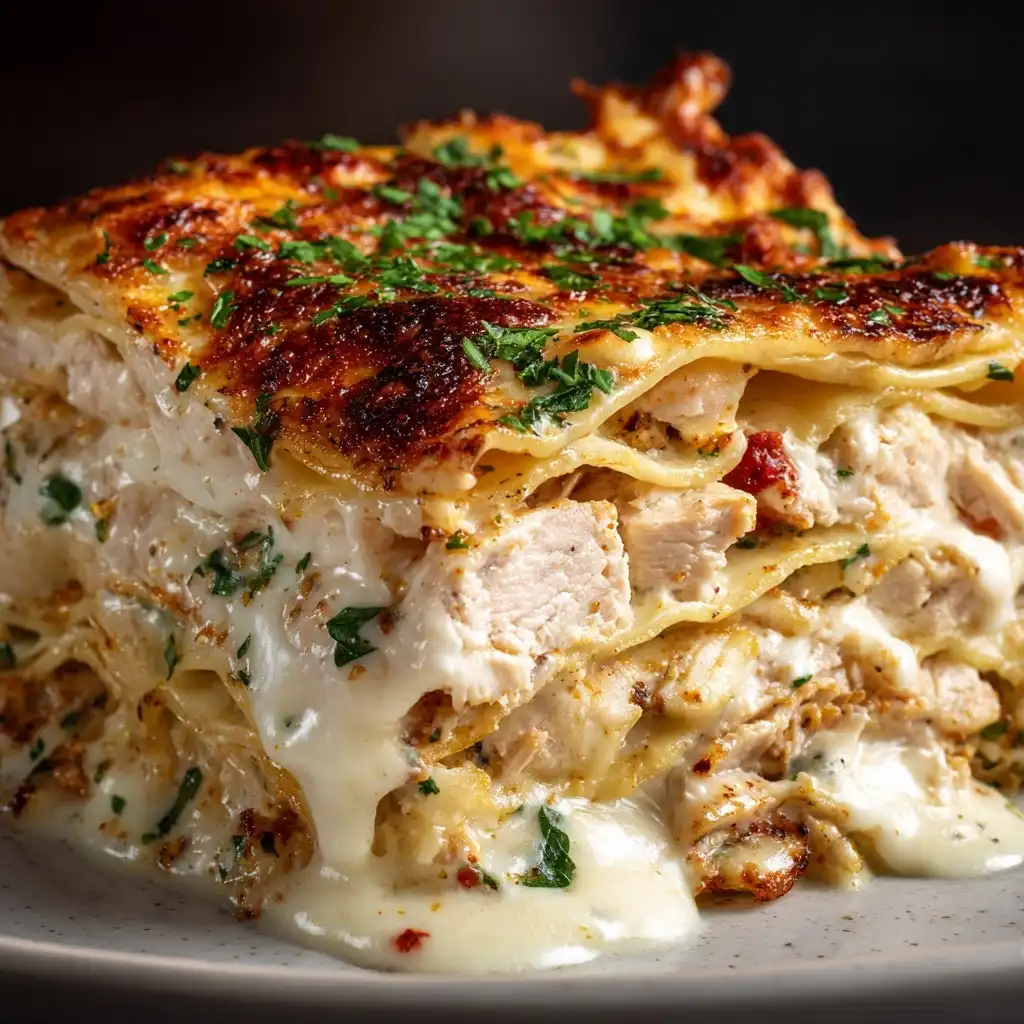
Cajun Chicken Alfredo Lasagna is a bold, rich, and deeply satisfying fusion dish that marries the fiery, aromatic soul of Louisiana’s Cajun cuisine with the creamy, indulgent comfort of Italian-American lasagna—and the velvety luxury of classic fettuccine Alfredo. This isn’t just lasagna with a little spice—it’s a meticulously layered symphony where smoky-savory chicken, herb-flecked Cajun seasoning, slow-reduced roasted garlic Alfredo sauce, and tender no-boil lasagna noodles converge into a golden-baked, bubbling, cheese-crowned masterpiece. Whether served at a family Sunday dinner, a holiday potluck, or as an impressive centerpiece for date night, this recipe delivers restaurant-quality depth and complexity while remaining approachable for home cooks of all skill levels. It honors tradition without being bound by it—offering flexibility in heat level, protein swaps, dairy alternatives, and even make-ahead convenience—all without sacrificing authenticity or mouthwatering impact.
The History
The origins of Cajun Chicken Alfredo Lasagna lie not in a single historical moment, but in the delicious cultural crossroads of American culinary evolution. Traditional Cajun cooking emerged from the Acadian exiles who settled in rural south Louisiana in the 18th century, developing a rustic, one-pot “cuisine of necessity” centered on the “holy trinity” (onions, bell peppers, celery), smoked meats, rice, and bold seasonings like cayenne, paprika, thyme, and file powder. Meanwhile, Alfredo sauce—as we know it today—was popularized in the U.S. by Italian-American restaurateurs in the early 20th century, evolving far beyond its Roman roots (where it was originally just butter and Parmigiano-Reggiano tossed with fresh fettuccine) into a luxuriously cream-and-cheese-based sauce often enriched with garlic, herbs, and sometimes even mascarpone. Lasagna itself traces back to medieval Italy, but the American version—featuring ricotta, mozzarella, and meat layers baked between flat pasta sheets—became iconic post-WWII with the rise of processed cheeses, canned tomatoes, and accessible dry pasta. Cajun Chicken Alfredo Lasagna is thus a modern American heirloom: born from home cooks experimenting in the 1990s and 2000s—first in Southern kitchens blending local spices with Italian staples, then amplified by food blogs, cable cooking shows, and viral social media reels. Its popularity surged as consumers sought bolder flavors, protein-forward comfort food, and dishes that could feed crowds while delivering wow-factor presentation and aroma—the unmistakable scent of seared Cajun chicken, caramelized onions, and toasted nutmeg-infused Alfredo wafting through the house is practically its own origin story.
Ingredients Breakdown
Every element in this lasagna serves a distinct purpose—flavor foundation, textural contrast, structural integrity, or aromatic lift. Understanding *why* each ingredient is included deepens both technique and customization potential:
- Cajun Seasoning (Homemade or Trusted Brand): Not just “spicy”—a balanced blend of 8–12 ingredients including smoked paprika (for depth and color), garlic powder (umami backbone), onion powder (sweet-savory resonance), dried oregano & thyme (earthy herbal notes), cayenne (controlled heat), white/black pepper (bright, sharp bite), mustard powder (subtle tang), and sometimes celery seed or file powder (for authentic Gulf Coast nuance). Avoid pre-made blends loaded with excess salt or anti-caking agents; homemade ensures freshness and heat control.
- Boneless, Skinless Chicken Breasts or Thighs: Breasts offer lean tenderness; thighs provide richer flavor, juicier texture, and superior spice absorption due to higher fat content. For best results, brine chicken in buttermilk + Cajun seasoning for 30–60 minutes before cooking—this guarantees moisture retention and deeper flavor penetration.
- Heavy Cream & Whole Milk: The dual-dairy base for the Alfredo creates ideal viscosity: heavy cream contributes unctuous body and heat stability (prevents curdling), while whole milk adds subtle sweetness and balances richness. Evaporated milk is a brilliant low-curdlage alternative for those avoiding ultra-high-fat dairy.
- Fresh Garlic (Roasted & Minced): Roasting transforms raw garlic’s pungency into sweet, caramelized, almost balsamic-like mellowness—essential for rounding out the sharpness of Cajun spices without losing aromatic presence. Reserve a few raw cloves for garnish or finishing oil if desired.
- Grated Parmigiano-Reggiano (Not Pre-Grated): Freshly grated is non-negotiable—pre-shredded cheeses contain cellulose and anti-caking agents that inhibit melting and create graininess. Real Parmigiano adds salty, nutty, umami punch that cuts through fat and binds the sauce.
- Ricotta Cheese (Whole-Milk, Drained): Provides creamy structure, mild tang, and tender layer cohesion. Draining (in cheesecloth or paper towels for 20+ minutes) prevents watery layers and ensures a luxuriously dense, spoonable texture—not soupy or rubbery.
- Mozzarella (Low-Moisture, Whole-Milk): Melts evenly, browns beautifully, and provides essential stretch and chew. Avoid fresh mozzarella (too wet) or part-skim (less flavorful and prone to rubberiness).
- No-Boil Lasagna Noodles: Engineered to hydrate fully during baking—eliminating prep time and preventing mush. Ensure they’re *oven-ready*, not just “no-boil,” and verify compatibility with your sauce’s moisture level (this recipe’s thick Alfredo + ricotta combo is ideal).
- Vegetables (Onion, Bell Pepper, Celery – The Holy Trinity): Sautéed until deeply softened and lightly caramelized, they build foundational savory-sweet depth. Add a splash of dry sherry or white wine during sautéing for extra complexity.
- Herbs & Aromatics (Fresh Parsley, Bay Leaf, Nutmeg): Fresh parsley added at the end brightens the dish; a single bay leaf simmers gently in the Alfredo for earthy resonance; a pinch of freshly grated nutmeg (not ground) unlocks warmth and sophistication rarely found in “creamy pasta” dishes.
Step-by-Step Recipe
- Prep & Brine the Chicken (30–60 min ahead): Slice 1.5 lbs boneless, skinless chicken thighs (or breasts) into ½-inch thick strips. In a bowl, combine 1 cup buttermilk, 2 tbsp homemade Cajun seasoning, 1 tsp garlic powder, and 1 tsp onion powder. Submerge chicken, cover, and refrigerate for minimum 30 minutes (up to 4 hours). This step is transformative—don’t skip it.
- Roast the Garlic (20 min): Preheat oven to 400°F. Slice the top ¼ inch off 1 whole head of garlic. Drizzle generously with olive oil, wrap tightly in foil, and roast for 20 minutes until cloves are soft and golden. Cool slightly, then squeeze pulp into a small bowl. Mash with a fork until smooth. Set aside.
- Sauté the Holy Trinity & Aromatics (10 min): In a large, deep skillet or Dutch oven over medium heat, warm 2 tbsp unsalted butter + 1 tbsp olive oil. Add 1 finely diced yellow onion, 1 diced green bell pepper, and 2 ribs finely diced celery. Sauté 6–8 minutes until very soft and translucent. Stir in 4 minced raw garlic cloves and 1 tsp dried thyme; cook 1 minute more until fragrant.
- Cook the Chicken (8–10 min): Remove chicken from buttermilk (discard marinade), pat *very* dry with paper towels. Season lightly with salt. Increase heat to medium-high. Add chicken to skillet in a single layer; cook 4–5 minutes per side until deeply browned and cooked through (165°F internal temp). Transfer to a cutting board; let rest 5 minutes, then dice into ½-inch cubes. Reserve skillet with drippings.
- Build the Cajun Alfredo Sauce (12–15 min): In the same skillet (add 1 tbsp butter if needed), whisk in ¼ cup all-purpose flour. Cook 1 minute to remove raw taste. Gradually whisk in 2 cups warmed whole milk and 1 cup heavy cream (or evaporated milk). Bring to gentle simmer, whisking constantly. Reduce heat to low. Whisk in roasted garlic paste, 1½ cups freshly grated Parmigiano-Reggiano, ½ tsp freshly grated nutmeg, 1 bay leaf, and 1 tsp Worcestershire sauce. Simmer 8–10 minutes, stirring frequently, until thickened to coat the back of a spoon. Discard bay leaf. Stir in diced chicken and ¼ cup chopped fresh parsley. Taste and adjust: add more Cajun seasoning for heat, lemon zest for brightness, or a splash of cream for silkiness.
- Prepare the Ricotta Layer (5 min): In a medium bowl, combine 2 cups well-drained whole-milk ricotta, 1 large egg, ½ cup grated Parmigiano, 1 tsp dried oregano, ½ tsp black pepper, and ¼ tsp cayenne (optional, for layered heat). Mix until smooth and uniform. Set aside.
- Assemble the Lasagna (10 min): Preheat oven to 375°F. Lightly grease a 9×13-inch deep baking dish (at least 3 inches tall). Spread 1 cup Alfredo sauce evenly across bottom. Place 4 no-boil lasagna noodles lengthwise, slightly overlapping (they’ll expand). Top with ⅓ of ricotta mixture (dollop and spread gently). Sprinkle with ½ cup shredded low-moisture mozzarella. Repeat layers twice more (sauce → noodles → ricotta → mozzarella), ending with a final layer of noodles. Pour remaining Alfredo sauce over top, spreading evenly. Sprinkle with 1½ cups mozzarella and ½ cup Parmigiano. Dot with 2 tbsp cold butter pieces for golden, crisp peaks.
- Bake Covered, Then Uncovered (60–70 min total): Cover tightly with greased aluminum foil (prevents drying and cheese scorching). Bake 45 minutes. Carefully remove foil. Continue baking 15–25 minutes until top is deeply golden, edges are bubbling vigorously, and center is set (a knife inserted near center should come out clean, not soupy). Let rest uncovered for *minimum 20 minutes* before slicing—this allows layers to set and prevents collapse.
- Rest, Garnish & Serve (Essential!): Resting is non-negotiable—it stabilizes the delicate ricotta-Alfredo emulsion and lets noodles fully hydrate. Just before serving, sprinkle with additional chopped parsley, a dusting of smoked paprika, and optional pickled jalapeño rings or crispy fried shallots for contrast.
Tips
- Brining is Your Secret Weapon: Buttermilk brining doesn’t just add moisture—it tenderizes proteins via lactic acid and carries seasoning deep into the muscle fibers. For even better results, add 1 tsp baking soda to the brine (creates a velveting effect akin to Chinese stir-fry techniques).
- Sauce Consistency is Everything: Alfredo should be thick enough to cling to a spoon but fluid enough to spread easily. If too thick after simmering, whisk in warm milk, 1 tablespoon at a time. If too thin, simmer uncovered 2–3 minutes longer or whisk in a slurry of 1 tsp cornstarch + 1 tbsp cold milk.
- Noodle Hydration Hack: No-boil noodles need ample liquid to cook properly. If your Alfredo seems slightly thinner than expected, add ¼ cup reserved pasta water or low-sodium chicken broth to the sauce before assembling—it won’t dilute flavor but ensures perfect noodle texture.
- Layering Logic Matters: Always start and end with sauce—not noodles—to prevent dry, burnt edges. The bottom sauce layer steams the first noodle layer; the top sauce layer insulates and enriches the final cheese crust.
- Cheese Temperature is Crucial: Grate cheeses *just before using*. Cold, freshly grated cheese melts more evenly and integrates smoothly. Pre-grated cheese contains starches that repel moisture and cause separation.
- The Rest Is Non-Negotiable: Cutting too soon releases steam and causes layers to slide apart. 20 minutes minimum allows starches in the noodles and ricotta to fully set. For make-ahead meals, cool completely, refrigerate overnight, then bake covered at 350°F for 60 minutes + uncovered for 20 minutes.
- Golden Crust Guarantee: For maximum browning and texture, broil on high for the final 2–3 minutes—but watch *constantly*. Or, brush the top cheese layer with garlic-infused olive oil before the final bake for extra sheen and aroma.
- Make-Ahead Mastery: Assemble up to 24 hours ahead, cover tightly, and refrigerate unbaked. Add 10–15 minutes to covered bake time. Or freeze assembled (unbaked) lasagna for up to 3 months—thaw overnight in fridge before baking.
Variations and Customizations
This recipe is gloriously adaptable—whether accommodating dietary needs, seasonal produce, pantry constraints, or personal cravings:
- Vegetarian Cajun “Chicken” Alfredo Lasagna: Replace chicken with 2 cups chopped cremini mushrooms (sautéed until deeply browned) + 1 cup cooked, crumbled tempeh or textured vegetable protein (TVP) rehydrated in Cajun-spiced veggie broth. Boost umami with 2 tbsp tomato paste sautéed with the trinity and 1 tsp soy sauce in the Alfredo.
- Seafood Twist: Swap chicken for 1 lb peeled, deveined shrimp (added in last 2 minutes of Alfredo simmering) and ½ cup lump crabmeat (folded in gently at the end). Add 1 tsp Old Bay seasoning to the Cajun blend and finish with dill instead of parsley.
- Gluten-Free Version: Use certified GF no-boil lasagna noodles (like Barilla GF or Tinkyada) and ensure your Cajun seasoning and Worcestershire are GF. Thicken Alfredo with 1 tbsp GF cornstarch or arrowroot instead of flour.
- Dairy-Free / Vegan: Use cashew-based Alfredo (soaked raw cashews blended with nutritional yeast, garlic, lemon juice, and unsweetened almond milk), tofu ricotta (blended firm tofu + lemon + herbs), and vegan mozzarella shreds (Miyoko’s or Violife work best). Boost savoriness with white miso paste in the “Alfredo.”
- Low-Carb/Keto: Replace noodles with thinly sliced zucchini or eggplant (salted, drained, and patted dry) or use low-carb lasagna sheets (like Julian Bakery). Increase healthy fats: add ¼ cup grated pecorino, 2 tbsp ghee to the sauce, and top with crispy pancetta bits.
- Spice-Level Spectrum: Mild: Omit cayenne, use sweet paprika, add 1 tbsp honey to Alfredo. Medium: Stick to recipe. Hot: Add 1–2 tsp chipotle powder to Cajun blend + 1 minced serrano pepper to trinity sauté. Nuclear: Infuse cream with 1 deseeded habanero (remove after simmering) and finish with ghost pepper hot sauce drizzle.
- Seasonal & Gourmet Upgrades: Spring: Fold in blanched asparagus tips and peas; top with lemon zest. Summer: Add grilled corn kernels and cherry tomatoes. Fall: Incorporate roasted butternut squash purée into ricotta layer. Winter: Stir in chopped kale or Swiss chard sautéed with garlic. Gourmet: Use aged Gouda in place of half the mozzarella, add truffle oil to finished dish, or top with edible flowers.
- Sheet Pan Shortcut: For weeknight ease: Layer sauce, noodles, ricotta, chicken, and cheese in a single layer on a rimmed baking sheet. Cover with foil and bake at 375°F for 45 minutes. Uncover, top with extra cheese, and broil 3–5 minutes. Less elegant, equally delicious.
Health Considerations and Nutritional Value
While undeniably indulgent, Cajun Chicken Alfredo Lasagna can be thoughtfully optimized for balanced nutrition without sacrificing satisfaction. A standard 12-serving batch (9×13 pan) yields approximately:
- Per Serving (1/12th pan, ~1.5 cups): ~580–640 calories | 32–38g protein | 34–42g carbohydrates (of which 3–4g fiber) | 32–38g total fat (16–20g saturated) | 850–1,100mg sodium | Rich in calcium (35% DV), vitamin B12 (45% DV), selenium (60% DV), and niacin (50% DV).
- Protein Powerhouse: Chicken provides complete, lean protein; ricotta and Parmigiano contribute casein for sustained satiety; mozzarella adds additional high-quality dairy protein. This makes the dish exceptionally filling and supportive of muscle maintenance.
- Smart Fat Choices: While rich, the fats are predominantly unsaturated (from olive oil, chicken thigh skin if used, and nuts in Parmigiano) and include conjugated linoleic acid (CLA) from grass-fed dairy options. Choosing thighs over breasts increases heart-healthy monounsaturated fats.
- Reducing Sodium Thoughtfully: Homemade Cajun seasoning cuts sodium by 60% vs. store-bought. Using low-sodium broth (if adding), omitting added salt until tasting, and rinsing canned goods (if using) further controls intake. Flavor comes from herbs, aromatics, and umami—not just salt.
- Increasing Fiber & Micronutrients: Adding spinach (wilted into ricotta), roasted red peppers (blended into Alfredo), or lentils (mixed with chicken) boosts fiber, folate, and antioxidants. Using whole-wheat or legume-based no-boil noodles adds 4–6g fiber per serving.
- Managing Saturated Fat: Substitute half the heavy cream with evaporated skim milk or light coconut milk. Use part-skim ricotta (though full-fat is recommended for texture) and reduce mozzarella by ¼ cup, replacing with extra Parmigiano for intense flavor with less fat.
- Considerations for Specific Diets: Gluten-free versions are naturally higher in protein and lower in refined carbs. Dairy-free versions rely on nuts/seeds, offering healthy fats and plant-based protein—but require careful fortification with calcium and B12. Keto versions significantly increase healthy fats and reduce net carbs to <10g/serving.
- Mindful Indulgence Strategy: Pair a moderate portion (1 cup) with a large, vibrant salad dressed in lemon-tahini or apple cider vinaigrette. Leftovers reheat beautifully and taste even better the next day as flavors meld—making meal prep highly efficient and reducing food waste.
Ingredients
- 1.5 lbs boneless, skinless chicken thighs (or breasts), cut into ½-inch strips
- 1 cup buttermilk
- 3 tbsp homemade Cajun seasoning (see note), divided
- 1 whole head garlic
- 2 tbsp unsalted butter, plus more for dotting
- 1 tbsp olive oil
- 1 medium yellow onion, finely diced
- 1 medium green bell pepper, finely diced
- 2 ribs celery, finely diced
- 4 cloves garlic, minced (raw)
- 1 tsp dried thyme
- ¼ cup all-purpose flour (or GF flour blend)
- 2 cups whole milk, warmed
- 1 cup heavy cream (or evaporated milk)
- 1½ cups freshly grated Parmigiano-Reggiano cheese, divided
- ½ tsp freshly grated nutmeg
- 1 bay leaf
- 1 tsp Worcestershire sauce (GF if needed)
- ¼ cup chopped fresh flat-leaf parsley, divided
- 2 cups whole-milk ricotta cheese, well-drained
- 1 large egg
- ½ tsp freshly ground black pepper
- ¼ tsp cayenne pepper (optional)
- 12 no-boil lasagna noodles (regular or GF)
- 2 cups shredded low-moisture mozzarella cheese, divided
- Smoked paprika and extra parsley for garnish
Note: Homemade Cajun Seasoning = 2 tbsp smoked paprika, 1 tbsp garlic powder, 1 tbsp onion powder, 1 tsp dried oregano, 1 tsp dried thyme, 1 tsp black pepper, 1 tsp white pepper, 1 tsp cayenne pepper, ½ tsp mustard powder, ½ tsp celery seed. Store in an airtight jar for up to 6 months.
Directions
- Brine chicken in buttermilk + 2 tbsp Cajun seasoning for 30–60 minutes. Pat dry thoroughly.
- Preheat oven to 400°F. Roast garlic head (drizzled with oil, wrapped in foil) for 20 minutes. Cool, then squeeze pulp into a bowl; mash smooth.
- In a large skillet, heat butter + oil over medium. Sauté onion, bell pepper, and celery until very soft (6–8 min). Add raw garlic and thyme; cook 1 min.
- Increase heat to medium-high. Add chicken in a single layer; cook 4–5 min per side until browned and cooked through (165°F). Rest 5 min, then dice.
- Whisk flour into skillet drippings; cook 1 min. Gradually whisk in warm milk and cream. Bring to simmer. Reduce heat to low.
- Stir in roasted garlic, 1½ cups Parmigiano, nutmeg, bay leaf, Worcestershire, and 2 tbsp parsley. Simmer 8–10 min until thickened. Discard bay leaf. Stir in chicken.
- In a bowl, mix ricotta, egg, ½ cup Parmigiano, black pepper, and optional cayenne until smooth.
- Preheat oven to 375°F. Grease a 9×13-inch baking dish. Spread 1 cup Alfredo on bottom. Layer 4 noodles, ⅓ ricotta, ½ cup mozzarella. Repeat twice. Top with final 4 noodles.
- Pour remaining Alfredo over top. Sprinkle with remaining mozzarella and ½ cup Parmigiano. Dot with 2 tbsp cold butter.
- Cover tightly with greased foil. Bake 45 minutes. Remove foil; bake 15–25 min more until golden and bubbling.
- Let rest uncovered for 20 minutes minimum. Garnish with parsley, smoked paprika, and optional jalapeños. Slice and serve.
FAQ
- Can I use store-bought Alfredo sauce?
- Technically yes—but it’s strongly discouraged. Most jarred Alfredos contain stabilizers, excessive sodium, artificial flavors, and lack the nuanced depth, balanced fat profile, and fresh garlic/cheese character essential to this dish. They also rarely hold up to layering and baking without separating or becoming greasy. Making it from scratch takes only 15 extra minutes and delivers transformative quality.
- Why do you recommend chicken thighs over breasts?
- Thighs have a higher fat content (especially when cooked with skin-on and then removed), which translates to superior moisture retention, richer flavor absorption of the Cajun spices, and a more forgiving texture during baking—breasts can easily dry out, even with brining. That said, breasts work perfectly fine if you prefer leaner protein; just reduce bake time by 5 minutes and check internal temp early.
- Can I prepare this lasagna entirely ahead of time?
- Absolutely—and it’s highly recommended! Assemble up to 24 hours in advance, cover tightly with plastic wrap + foil, and refrigerate unbaked. When ready to bake, remove plastic wrap, cover with foil, and bake at 375°F for 60 minutes covered, then 20 minutes uncovered. For freezing, assemble unbaked, wrap *extremely* well in foil + freezer-safe plastic, and freeze up to 3 months. Thaw overnight in the fridge before baking as directed.
- My lasagna came out watery. What went wrong?
- Three common culprits: 1) Ricotta wasn’t drained sufficiently—always press for 20+ minutes. 2) Alfredo sauce was too thin before assembling—simmer until it coats the back of a spoon thickly. 3) Using fresh mozzarella or high-moisture cheese instead of low-moisture shred—these release water during baking. Also, skipping the mandatory 20-minute rest allows trapped steam to escape, causing sogginess.
- Is there a way to make this lighter without losing flavor?
- Yes! Use evaporated skim milk instead of heavy cream (retains body without saturated fat), substitute half the mozzarella with part-skim, and increase vegetables—add 2 cups baby spinach to the ricotta layer or 1 cup roasted zucchini to the Alfredo. Boost flavor with extra herbs, citrus zest, and smoked paprika rather than