Introduction
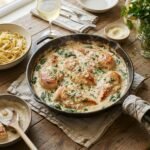
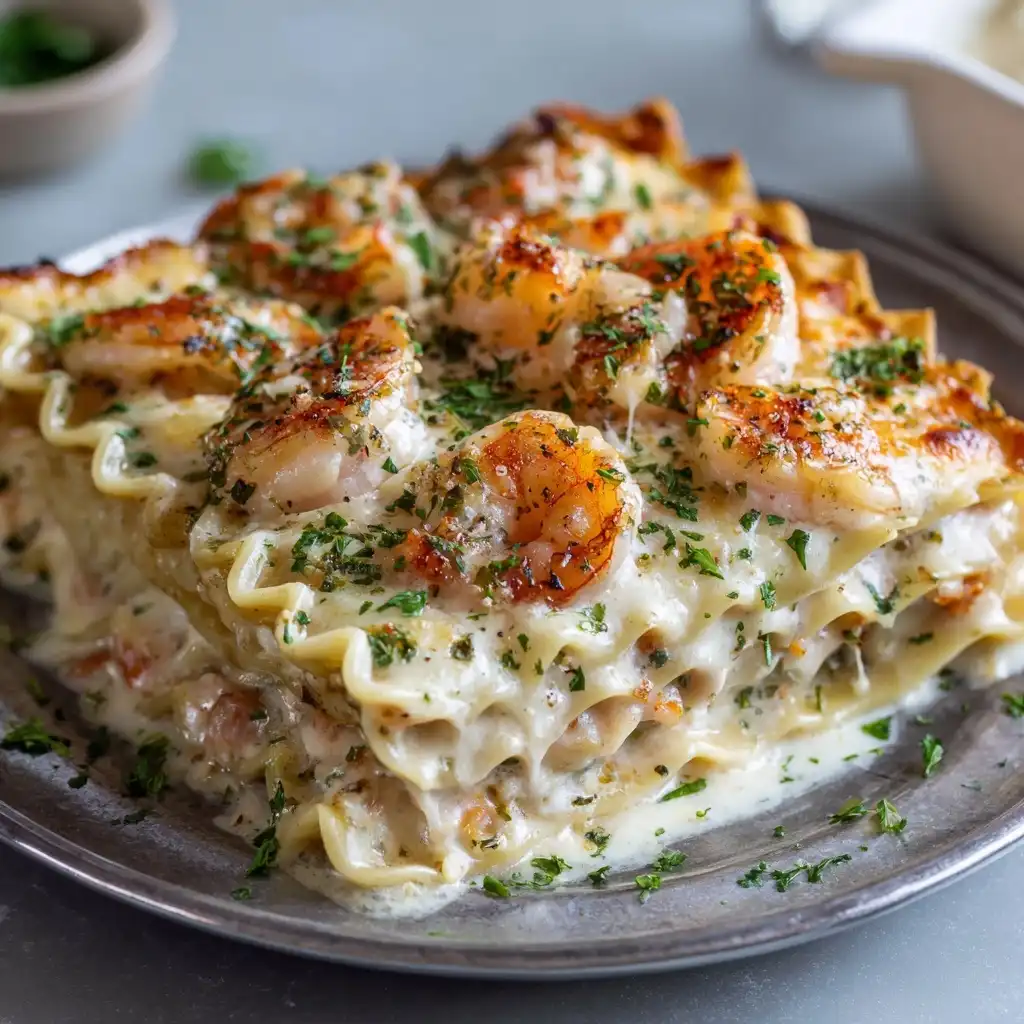
Garlic Butter Shrimp Lasagna is a luxurious, restaurant-worthy fusion dish that marries the comforting layers of classic Italian lasagna with the succulent sweetness of Gulf shrimp and the rich, aromatic depth of garlic-infused browned butter. Far from a mere twist on tradition, this recipe reimagines lasagna as an elegant yet approachable centerpiece—ideal for special dinners, holiday gatherings, or impressing guests without sacrificing homestyle warmth. Unlike traditional ricotta- or béchamel-based versions, this iteration features a velvety garlic butter sauce that coats each tender shrimp and delicate noodle layer, while fresh herbs, parmesan, and a hint of lemon zest elevate the entire dish to new heights of sophistication and flavor harmony.
The History
While lasagna traces its origins to 13th-century Italy—first documented in the medieval text De honesta voluptate et valetudine—and shrimp has long been a staple in Mediterranean coastal cuisines, the Garlic Butter Shrimp Lasagna is a distinctly modern American-Italian creation born from culinary cross-pollination. Its roots lie in the late 20th-century rise of “surf-and-turf” interpretations in upscale Italian-American restaurants, where chefs began experimenting with seafood in traditionally meat- or vegetable-forward pasta bakes. The popularity of garlic butter as a preparation method surged alongside the artisanal butter movement of the 2000s, especially with the widespread availability of high-fat European-style butters ideal for browning. Simultaneously, consumer demand for premium, sustainable seafood—particularly wild-caught Gulf shrimp—gave rise to more intentional, ingredient-forward preparations. This lasagna emerged organically from home cooks and food bloggers seeking to elevate weeknight meals with gourmet flair, combining pantry staples with accessible luxury. Over the past decade, it has evolved through countless iterations on platforms like Instagram, TikTok, and food blogs—each version refining technique, balancing richness with brightness, and prioritizing texture contrast—ultimately crystallizing into the refined, deeply flavorful, and technically thoughtful dish we celebrate today.
Ingredients Breakdown
Every component in Garlic Butter Shrimp Lasagna plays a precise, purposeful role—no ingredient is incidental. Below is a detailed functional analysis:
- Shrimp (24–30 count, peeled & deveined, tails off): Opt for sustainably harvested, wild-caught Gulf or Atlantic shrimp—they offer superior sweetness, firm texture, and clean brininess. Avoid frozen-in-brine or sodium-tripolyphosphate-treated shrimp, which can water out and mute flavor. Size matters: 24–30 count ensures even cooking without overcooking; smaller shrimp turn rubbery, larger ones remain under-seasoned at their core.
- Unsalted European-style butter (1 cup / 2 sticks): High fat content (82–86%) yields richer browning, deeper nuttiness, and silkier emulsification. Unsalted allows full control over sodium levels—critical when pairing with salty Parmesan and optional anchovy paste.
- Fresh garlic (8 large cloves, finely minced): Freshly minced (not pre-minced or jarred) delivers volatile sulfur compounds essential for aromatic intensity. Mincing—not pressing—preserves cellular integrity, releasing flavor gradually during gentle sautéing rather than burning instantly.
- Shallots (2 large, finely diced): Provide subtle allium sweetness and floral complexity without the harshness of onions—acting as a bridge between garlic’s pungency and the shrimp’s oceanic notes.
- Dry white wine (½ cup Sauvignon Blanc or Pinot Grigio): Adds acidity and fruit-forward lift while deglazing fond and dissolving collagen from shrimp shells (if using shell-on for stock). Alcohol fully evaporates, leaving only bright, nuanced flavor.
- Heavy cream (1¼ cups): Supplies body, fat-soluble flavor carrier, and temperature buffer—preventing curdling when combined with acidic wine and hot butter. Lower-fat alternatives (half-and-half, whole milk) lack stability and richness, risking graininess or separation.
- Freshly grated Parmigiano-Reggiano (1¾ cups, divided): Authentic DOP-certified cheese offers crystalline umami, nutty depth, and optimal meltability. Pre-grated shreds contain anti-caking agents (cellulose) that impede melting and create greasy pools.
- Ricotta (2 cups, whole-milk, drained overnight in cheesecloth): Draining removes excess whey, concentrating flavor and preventing lasagna from becoming watery. Whole-milk ricotta provides creamy fat and mild tang—low-fat versions turn chalky and separate.
- Fresh spinach (10 oz, baby or flat-leaf, blanched & squeezed dry): Blanching deactivates oxalic acid (reducing bitterness), sets vibrant green color, and removes surface grit. Squeezing eliminates 90%+ of residual water—critical for structural integrity in layered baking.
- No-boil lasagna noodles (12 sheets, oven-ready): Engineered to hydrate fully in the oven using moisture from sauces. Boiling first leads to mushiness. Look for brands with added durum wheat semolina for superior tensile strength and al dente bite after baking.
- Lemon zest (from 1 large organic lemon) + juice (1 tbsp): Zest contributes volatile citrus oils for top-note fragrance; juice adds finishing acidity to cut through fat—both are non-negotiable for balance.
- Fresh herbs (¼ cup chopped flat-leaf parsley + 2 tbsp chopped chives): Added post-bake for freshness, color, and herbal brightness. Heat destroys their delicate volatiles—so they’re reserved for garnish.
- Optional umami boosters: 1 tsp anchovy paste (melts invisibly into butter, amplifying savoriness), pinch of red pepper flakes (for subtle heat), or ¼ tsp grated nutmeg (enhances dairy richness).
Step-by-Step Recipe
- Prep & Preheat: Position oven rack in center position. Preheat oven to 375°F (190°C). Lightly grease a 9×13-inch ceramic or stainless steel baking dish (avoid dark nonstick, which over-browns edges). Set aside.
- Drain Ricotta: Line a fine-mesh strainer with double-layered cheesecloth or coffee filter. Place over bowl. Add ricotta, cover with plastic wrap, and refrigerate 8–24 hours. Discard whey.
- Blanch Spinach: Bring 4 quarts salted water to rolling boil. Submerge spinach 30 seconds until wilted and vivid green. Immediately plunge into ice water. Drain, squeeze *forcefully* in clean towel until nearly dry. Chop coarsely.
- Brown Butter Base: In heavy-bottomed 4-quart Dutch oven, melt butter over medium-low heat. Swirl occasionally. Once foaming subsides (5–7 min), butter turns golden amber with nutty aroma and brown specks. *Immediately* remove from heat—residual heat continues browning.
- Sauté Aromatics: Stir in shallots and garlic. Cook 2 minutes until fragrant but *not browned*. Add red pepper flakes (if using) and cook 30 seconds.
- Deglaze & Reduce: Pour in white wine. Scrape bottom vigorously with wooden spoon to lift caramelized bits. Simmer 3–4 minutes until reduced by half and alcohol evaporates.
- Enrich Sauce: Whisk in heavy cream, lemon juice, anchovy paste (if using), and 1 cup Parmesan. Simmer gently 5 minutes until slightly thickened (coats back of spoon). Remove from heat. Stir in lemon zest. Cool 10 minutes.
- Combine Shrimp Filling: In large bowl, gently fold together drained ricotta, blanched spinach, ½ cup Parmesan, 1 tsp kosher salt, ½ tsp black pepper, and nutmeg (if using). In separate bowl, toss shrimp with 2 tbsp cooled garlic butter sauce (reserve rest) and 1 tbsp lemon juice—this precoats shrimp, ensuring even seasoning.
- Layer Strategically: Spread ¾ cup sauce in bottom of dish. Layer 4 no-boil noodles (slightly overlapping). Top with ⅓ ricotta-spinach mixture, then ⅓ shrimp (arranged in single layer, not piled). Drizzle with ⅓ remaining sauce. Repeat twice more (noodles → ricotta → shrimp → sauce). Final layer: 4 noodles, remaining sauce, and remaining ¼ cup Parmesan.
- Bake Covered: Cover tightly with aluminum foil (tent so it doesn’t touch cheese). Bake 35 minutes.
- Uncover & Brown: Remove foil. Increase heat to 400°F (200°C). Bake 12–15 minutes until top is deep golden, edges bubble vigorously, and internal temperature reaches 165°F (74°C) at center.
- Rest Imperatively: Remove from oven. Let stand *undisturbed* 25 minutes. This allows starches to set, layers to coalesce, and residual heat to finish cooking shrimp gently—preventing rubberiness and ensuring clean slices.
- Garnish & Serve: Sprinkle generously with parsley and chives. Cut into 12 squares with sharp chef’s knife dipped in hot water between cuts. Serve immediately.
Tips
- Butter Browning Precision: Use a light-colored pan (stainless steel or enameled cast iron) to monitor color change accurately. Dark pans obscure browning stages, leading to burnt butter. If butter smokes, discard and restart—burnt notes ruin the entire dish.
- Shrimp Temperature Control: Pat shrimp *extremely dry* before tossing with sauce. Wet shrimp steam instead of absorbing flavors and release water during baking. For ultimate tenderness, use “dry-packed” shrimp (no additives) and never thaw under warm water—refrigerator thawing overnight preserves texture.
- No-Boil Noodle Hydration Hack: If your noodles seem stiff or prone to cracking, brush each sheet lightly with warm milk before layering—it jumpstarts hydration without making them gummy.
- Sauce Consistency Calibration: If sauce thickens too much during reduction, whisk in 1–2 tbsp warm broth or cream. If too thin, simmer 1–2 extra minutes—but never boil vigorously, which can break the emulsion.
- Cheese Grating Technique: Freeze Parmesan wedge for 15 minutes before grating—cold cheese shreds cleanly without clumping. Use a microplane for ultra-fine, fast-melting texture in the sauce; box grater for topping.
- Resting Is Non-Negotiable: Cutting too soon releases trapped steam and liquid, causing layers to slide and sauce to pool. The 25-minute rest transforms texture—making it sliceable, cohesive, and luxuriously creamy.
- Oven Thermometer Verification: Many ovens run hot or cold. Use an oven thermometer to confirm accuracy—especially critical for the final browning stage, where 25°F variance causes burning or pale tops.
- Make-Ahead Mastery: Assemble up to 24 hours ahead (unbaked), cover tightly, refrigerate. Add 5–7 minutes to covered bake time. Or bake fully, cool completely, refrigerate up to 3 days, then reheat covered at 325°F (165°C) for 40–45 minutes.
Variations and Customizations
- Seafood Medley Lasagna: Replace half the shrimp with lump crabmeat (picked, rinsed, patted dry) or scallops (sliced horizontally into ¼-inch rounds). Add 1 tbsp Old Bay seasoning to butter sauce for Chesapeake flair.
- Vegetarian “Shrimp” Lasagna: Substitute hearts of palm (julienned, marinated in nori-infused soy sauce + lemon) or king oyster mushrooms (sliced thick, roasted until chewy). Boost umami with 1 tbsp white miso paste whisked into sauce.
- Spicy Calabrian Version: Infuse butter with 3 chopped Calabrian chiles + 1 tsp chile oil. Stir in 2 tbsp chopped preserved lemon rind for tangy heat. Top with chili crisp before serving.
- Herbes de Provence Twist: Add 1 tsp dried Herbes de Provence to ricotta mixture. Finish with lavender honey drizzle (½ tsp) and crushed pistachios for floral-sweet contrast.
- Low-Carb/Zucchini Noodle Lasagna: Replace noodles with 6 medium zucchinis, spiralized into ribbons. Salt ribbons, let sit 10 minutes, then squeeze *aggressively* dry. Layer same as noodles—reduce bake time by 10 minutes.
- Gluten-Free Adaptation: Use certified GF no-boil lasagna noodles (Tinkyada or Barilla GF). Ensure all sauces and cheeses are GF-certified (some Parmesan contains gluten-containing anti-caking agents).
- Instant Pot “No-Bake” Shortcut: Layer in 7-quart IP liner: sauce → noodles → fillings → sauce → cheese. Pressure cook on high 12 minutes, natural release 15 minutes. Broil 3 minutes for browning.
- Freezer-Friendly Assembly: Assemble unbaked lasagna in freezer-safe dish. Wrap *twice* in plastic, then foil. Freeze up to 3 months. Bake from frozen: cover, 375°F for 1 hour 20 minutes; uncover, 400°F for 20 minutes.
Health Considerations and Nutritional Value
Garlic Butter Shrimp Lasagna balances indulgence with notable nutritional benefits—when prepared mindfully. A standard 1-cup (approx. 320g) serving provides approximately:
- Calories: 485 kcal (moderate for a main course; 22% from protein, 54% from fat, 24% from carbs)
- Protein: 32g (excellent source—shrimp and dairy deliver all 9 essential amino acids)
- Healthy Fats: 28g total fat, with 16g unsaturated (omega-3 ALA from spinach, monounsaturated from olive oil if used in prep, conjugated linoleic acid from grass-fed butter)
- Vitamins & Minerals: 120% DV Vitamin B12 (shrimp), 95% DV Selenium (shrimp), 65% DV Vitamin A (spinach), 45% DV Calcium (cheeses), plus significant zinc, choline, and folate.
- Fiber: 3g (from spinach and whole-wheat noodles if substituted)
- Sodium: ~720mg (controllable—omit added salt if using salted butter or pre-salted shrimp; rely on Parmesan’s natural saltiness)
Key Health Notes:
- Shrimp Cholesterol Myth Debunked: While shrimp contains dietary cholesterol (~165mg/serving), modern research (American Heart Association, 2021) confirms it has minimal impact on blood LDL cholesterol for most people—especially when paired with heart-healthy fats and fiber.
- Browned Butter Benefits: The Maillard reaction creates antioxidant compounds (e.g., diacetyl, furans) with potential anti-inflammatory properties. Ghee-style clarified butter reduces lactose for sensitive individuals.
- Garlic’s Power: Allicin (activated when garlic is crushed and rested 10 minutes before cooking) supports cardiovascular health, immune function, and may inhibit platelet aggregation.
- Mindful Modifications: Reduce saturated fat by substituting ¼ cup butter with extra-virgin olive oil. Boost fiber by using 50% whole-wheat no-boil noodles. Add ½ cup roasted cherry tomatoes for lycopene and vitamin C.
- Portion Wisdom: Serve with a large arugula-lemon salad (adds enzymes aiding fat digestion) and ½ cup roasted asparagus (prebiotic fiber). Avoid heavy sides—this dish is nutritionally complete.
Ingredients
- 1 cup (2 sticks / 227g) unsalted European-style butter
- 8 large garlic cloves, finely minced
- 2 large shallots, finely diced (about ¾ cup)
- ½ cup dry white wine (Sauvignon Blanc or Pinot Grigio)
- 1¼ cups heavy cream (36–40% fat)
- 1¾ cups freshly grated Parmigiano-Reggiano, divided (plus extra for garnish)
- 2 cups whole-milk ricotta, drained overnight
- 10 oz fresh baby spinach, blanched and squeezed extremely dry
- 24–30 count wild-caught shrimp, peeled, deveined, tails off (about 1 lb / 450g)
- 12 no-boil oven-ready lasagna noodles
- Zest and juice of 1 large organic lemon
- ¼ cup chopped fresh flat-leaf parsley
- 2 tbsp chopped fresh chives
- 1 tsp kosher salt (plus more to taste)
- ½ tsp freshly ground black pepper
- (Optional) 1 tsp anchovy paste, ¼ tsp freshly grated nutmeg, pinch red pepper flakes
Directions
- Preheat oven to 375°F (190°C). Grease a 9×13-inch baking dish.
- Drain ricotta in cheesecloth-lined strainer overnight (or at least 8 hours) in refrigerator.
- Bring 4 quarts salted water to boil. Blanch spinach 30 seconds; shock in ice water. Squeeze dry in towel until nearly moisture-free. Chop.
- In heavy-bottomed Dutch oven, melt butter over medium-low heat. Swirl until golden brown with nutty aroma (5–7 min). Remove from heat immediately.
- Add shallots and garlic; sauté 2 min until fragrant. Stir in red pepper flakes (if using) 30 sec.
- Pour in wine; scrape pot. Simmer 3–4 min until reduced by half.
- Whisk in cream, lemon juice, anchovy paste (if using), and 1 cup Parmesan. Simmer 5 min until thickened. Stir in lemon zest. Cool 10 min.
- In bowl, combine drained ricotta, spinach, ½ cup Parmesan, salt, pepper, nutmeg (if using). In another bowl, toss shrimp with 2 tbsp cooled sauce and 1 tbsp lemon juice.
- Spread ¾ cup sauce in dish. Layer 4 noodles. Top with ⅓ ricotta mix, ⅓ shrimp (single layer), ⅓ sauce. Repeat twice.
- Top with final 4 noodles, remaining sauce, and remaining ¼ cup Parmesan.
- Cover tightly with foil. Bake 35 min.
- Uncover. Increase heat to 400°F (200°C). Bake 12–15 min until golden and bubbling.
- Let rest 25 minutes. Garnish with parsley and chives. Cut and serve.
FAQ
- Can I use frozen shrimp?
- Yes—but only high-quality IQF (individually quick frozen) shrimp, thawed *slowly* in refrigerator overnight. Never microwave or soak in warm water. Pat *thoroughly* dry before use to prevent steaming.
- Why do I need to drain the ricotta?
- Excess whey dilutes flavor, creates pooling liquid, and prevents proper layer adhesion. Draining concentrates taste and ensures creamy, cohesive texture.
- Can I make this ahead and freeze it?
- Absolutely. Assemble unbaked, wrap tightly in plastic + foil, freeze up to 3 months. Bake from frozen: cover, 375°F for 1 hr 20 min; uncover, 400°F for 20 min. Rest 30 min before cutting.
- What if I don’t have no-boil noodles?
- You can use regular lasagna noodles—boil until *al dente* (1 min less than package directs), rinse in cold water, and lay flat on oiled parchment to prevent sticking.
- My sauce broke/separated. Can I fix it?
- Yes! Remove from heat. Whisk in 1 tbsp cold cream or 1 tsp Dijon mustard—both act as emulsifiers. Whisk vigorously for 30 seconds until smooth.
- Is there a dairy-free version?
- Yes: substitute butter with high-heat coconut oil or vegan butter (Miyoko’s), ricotta with blended silken tofu + lemon juice + nutritional yeast, and Parmesan with cashew-based “parm.” Note: texture and flavor will differ significantly.
- How do I prevent soggy noodles?
- Ensure spinach is *squeezed bone-dry*, sauce isn’t overly thin, and you rest the lasagna 25 minutes before cutting. No-boil noodles require precise moisture—too much liquid = mush.
- Can I add other cheeses?
- Yes—substitute ½ cup of the Parmesan with sharp provolone, fontina, or smoked mozzarella for complexity. Avoid very moist cheeses (like feta) which bleed water.
- Why does the recipe emphasize “European-style” butter?
- Higher fat content (82–86% vs. 80% standard) yields richer browning, better emulsification, and superior mouthfeel. Standard butter contains more water, increasing risk of splatter and sauce breaking.
- Can I use pre-minced garlic?
- Not recommended. Jarred garlic lacks volatile compounds, tastes metallic, and burns easily. Fresh garlic is inexpensive, quick to mince, and irreplaceable for authentic flavor.
Summary
Garlic Butter Shrimp Lasagna is a masterclass in balanced indulgence—where sweet, wild-caught shrimp nestle between tender no-boil noodles, cloud-like herb-infused ricotta, and vibrant spinach, all enveloped in a deeply aromatic, nutty-brown butter sauce finished with bright lemon and aged Parmigiano-Reggiano.
With meticulous attention to ingredient quality, precise temperature control, and patient resting, this dish transcends novelty to become a timeless, showstopping centerpiece—equally at home on a weeknight table or a festive holiday spread.