Introduction
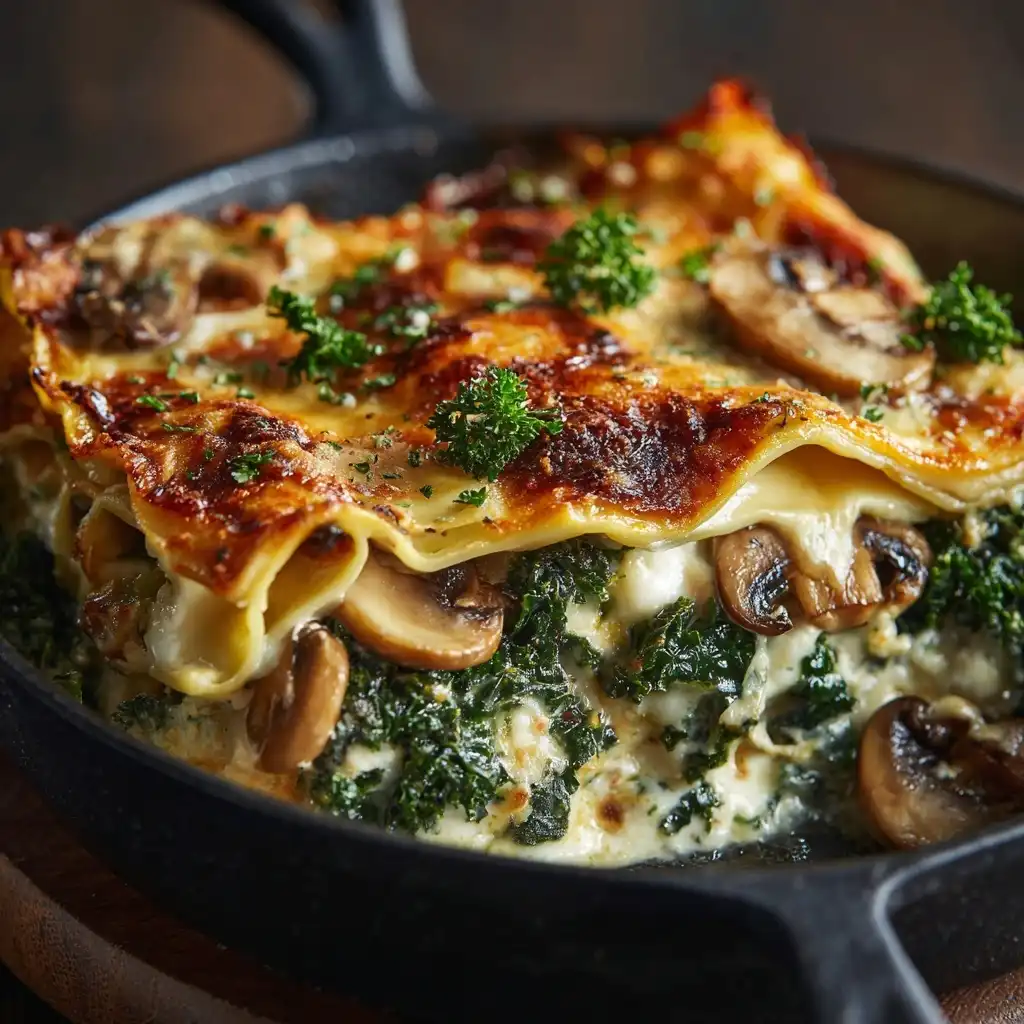
Welcome to a deeply nourishing, earthy, and soul-warming twist on a beloved classic: Kale and Mushroom Rustic Lasagna. This isn’t your grandmother’s lasagna—though it honors her spirit with care, tradition, and love—but rather a modern, garden-to-table reimagining that celebrates seasonal abundance, plant-forward richness, and rustic authenticity. Forget rigid layers and fussy techniques; this version embraces texture, depth, and imperfection—think tender ribbons of kale folded into savory-sweet roasted mushrooms, nestled between hearty whole-grain or no-boil lasagna sheets, all bound by a luxuriously creamy yet dairy-light cashew-ricotta and herb-infused béchamel. Baked until golden and bubbling at the edges, finished with a whisper of lemon zest and flaky sea salt, this dish delivers umami intensity, verdant freshness, and comforting warmth in every forkful. Whether you’re feeding a crowd, meal prepping for the week, or simply treating yourself to something deeply satisfying and nutritionally vibrant, this lasagna is equal parts celebration and sustenance.
The History
Lasagna’s origins trace back over 700 years—to 13th-century Italy, where early versions appeared in the medieval cookbook Liber de Coquina, featuring layered pasta sheets with grated cheese and spices (no tomato sauce, as tomatoes hadn’t yet arrived from the Americas). Over centuries, regional variations blossomed: Emilia-Romagna claimed the iconic lasagne verdi with spinach-infused green noodles and rich meat ragù, while Naples favored rich ricotta-and-mozzarella layers with tomato-based sauces. The “rustic” interpretation—less about precision, more about heartiness, local ingredients, and intuitive layering—gained momentum in post-war Italy, when resourcefulness birthed dishes like lasagna contadina (peasant lasagna), often incorporating foraged greens, dried porcini, and farm-fresh cheeses. Today’s Kale and Mushroom Rustic Lasagna draws from this resilient, earth-rooted lineage—honoring the Italian ethos of cuocere con amore (cooking with love) while responding to contemporary values: vegetarianism, sustainability, soil health, and culinary mindfulness. Kale—once considered a hardy “peasant green” across Northern Europe—joins forces with mushrooms, revered since ancient times for their medicinal and culinary virtues (from Chinese herbalism to French girolles foraging traditions), transforming an ancient format into a nutrient-dense, climate-conscious masterpiece.
Ingredients Breakdown
Every ingredient in this lasagna plays a purpose—flavor, texture, nutrition, or binding—and was chosen for synergy, seasonality, and integrity:
- Kale: Lacinato (Tuscan) kale is preferred for its tender-crisp texture, deep mineral flavor, and lower bitterness—even when raw. Massaged with olive oil and lemon, it softens beautifully without wilting into mush during baking. Rich in vitamins A, C, K, calcium, and glucosinolates (phytonutrients linked to cellular detox support).
- Mushrooms: A trio is ideal—cremini for meaty depth, shiitake for smoky umami, and oyster for delicate sweetness and silky texture. Wild-foraged varieties like hen-of-the-woods (maitake) or black trumpet add extraordinary complexity when available. All are sautéed low-and-slow to evaporate moisture and concentrate flavor—a non-negotiable step for avoiding a soggy lasagna.
- Onion & Garlic: Yellow onions provide aromatic sweetness; garlic adds pungent warmth. Both are finely diced and gently softened—not browned—to build foundational flavor without overwhelming the earthy notes.
- Herbs & Aromatics: Fresh thyme (stems removed), rosemary (finely minced), and a bay leaf infuse the mushroom mixture with woodsy sophistication. A splash of dry white wine (like Pinot Grigio or Sauvignon Blanc) deglazes the pan, lifting fond and adding bright acidity. Nutritional yeast contributes subtle cheesiness and B-vitamins without dairy.
- Ricotta Alternative: A blend of soaked raw cashews, silken tofu, lemon juice, garlic, and fresh basil creates a luxuriously creamy, high-protein, probiotic-friendly “ricotta” that’s naturally dairy-free, soy-light, and packed with healthy fats and magnesium.
- Béchamel Base: Made with whole-grain flour (or gluten-free oat flour), unsweetened almond or oat milk, and a touch of Dijon mustard for tang and emulsification. Unlike traditional versions, it’s enriched with roasted garlic purée and a spoonful of white miso paste—adding profound savoriness and gut-friendly fermentation benefits.
- Pasta Sheets: No-boil whole-wheat or sprouted grain lasagna noodles offer fiber, B vitamins, and slow-release energy. For gluten-free integrity, brown rice or lentil-based sheets work beautifully—just ensure they’re labeled “oven-ready.”
- Finishing Touches: A blend of aged vegan Parmesan (nut-based) and freshly grated Pecorino Romano (if dairy is included), toasted pine nuts for buttery crunch, microgreens or parsley for freshness, and a final drizzle of high-quality, peppery extra-virgin olive oil.
Step-by-Step Recipe
- Prep the Kale: Remove tough stems from 1 large bunch (about 8–10 oz) of lacinato kale. Stack leaves, roll tightly, and slice crosswise into thin ribbons (chiffonade). Place in a large bowl, drizzle with 1 tbsp extra-virgin olive oil and 1 tsp fresh lemon juice, then massage vigorously for 2–3 minutes until darkened, softened, and slightly glossy. Set aside.
- Roast the Mushrooms (Optional but Recommended): Preheat oven to 400°F (200°C). Toss 12 oz mixed mushrooms (cremini, shiitake, oyster), 2 tbsp olive oil, 2 minced garlic cloves, 1 tsp dried thyme, and ½ tsp flaky sea salt on a parchment-lined sheet. Roast 20–25 minutes, stirring halfway, until deeply caramelized and shrunk by ~40%. Let cool slightly, then chop coarsely.
- Sauté the Aromatics: In a wide, heavy-bottomed skillet over medium-low heat, warm 2 tbsp olive oil. Add 1 finely diced yellow onion and cook gently for 8–10 minutes until translucent and sweet. Stir in 3 minced garlic cloves, 1 tsp fresh thyme leaves, ½ tsp finely minced rosemary, and 1 bay leaf; cook 2 more minutes until fragrant. Discard bay leaf.
- Build the Mushroom Filling: Add roasted (or raw) mushrooms to the skillet. Increase heat to medium and sauté 5–7 minutes until any residual liquid evaporates and edges begin to crisp. Deglaze with ¼ cup dry white wine, scraping up browned bits. Simmer 2 minutes. Stir in 1 tbsp tamari or coconut aminos, 1 tbsp nutritional yeast, and freshly ground black pepper. Remove from heat; fold in massaged kale. Cool completely (crucial to prevent steaming the layers).
- Prepare the Cashew-Ricotta: Drain 1 cup raw cashews (soaked 4+ hours or boiled 15 min). Blend with ½ cup silken tofu, 2 tbsp lemon juice, 1 small clove garlic, 2 tbsp fresh basil, ¼ tsp sea salt, and 2 tbsp water until ultra-smooth and creamy (2–3 min). Refrigerate 15 minutes to thicken.
- Make the Umami Béchamel: In a saucepan, melt 3 tbsp vegan butter or olive oil over medium heat. Whisk in ¼ cup whole-grain flour; cook 1 minute, stirring constantly. Gradually whisk in 2½ cups warmed unsweetened oat milk (room temp prevents lumps). Add 1 tbsp white miso paste, 1 tsp Dijon mustard, ¼ tsp ground nutmeg, and ½ tsp sea salt. Whisk continuously until thickened (8–10 min). Remove from heat; stir in 2 tbsp roasted garlic purée (roast 1 whole head at 400°F for 35 min, squeeze out cloves).
- Assemble the Lasagna: Preheat oven to 375°F (190°C). Lightly grease a 9×13-inch ceramic or glass baking dish. Spread ¾ cup béchamel on bottom. Layer 4 no-boil noodles (slightly overlapping). Top with ⅓ kale-mushroom mixture, ⅓ cashew-ricotta (dolloped and spread gently), and ⅓ remaining béchamel. Repeat twice more for 3 total layers. Finish with final noodle layer, remaining béchamel, and a generous sprinkle of cheese blend (¾ cup total) and 2 tbsp toasted pine nuts.
- Bake with Care: Cover tightly with parchment-lined foil (to trap steam and hydrate noodles). Bake 40 minutes. Remove foil; bake uncovered 15–20 minutes until top is golden, edges bubble, and center is set (a knife inserted should come out clean). Rest 25 minutes before slicing—this allows layers to settle and prevents collapse.
Tips
- Massage Your Kale Thoroughly: Don’t rush this step—it breaks down cellulose, reduces bitterness, and ensures the greens hold structure instead of turning slimy. If using curly kale, blanch for 30 seconds first, then shock in ice water before massaging.
- Dry Mushrooms Relentlessly: Excess moisture is the #1 cause of watery lasagna. Whether roasting or sautéing, cook mushrooms until they shrink significantly and release *all* liquid—then let them sizzle until that liquid fully evaporates. Pat dry with paper towels if needed.
- Cool Fillings Completely: Warm fillings create steam, which separates layers and makes noodles gummy. Refrigerate mushroom-kale mixture and cashew-ricotta for at least 30 minutes before assembling.
- Soak Cashews Overnight (or Boil): For maximum creaminess and digestibility, soak raw cashews in cold water for 6–8 hours—or boil 15 minutes. Never skip soaking/boiling; raw cashews won’t blend smoothly and may cause digestive discomfort.
- Use Room-Temp Milk in Béchamel: Cold milk causes lumps and uneven thickening. Warm your oat or almond milk gently (not boiling) before whisking into the roux.
- Rest Is Non-Negotiable: Cutting too soon = soupy, separated layers. Let the lasagna rest for a full 25 minutes—ideally 30–45—for starches to set and flavors to meld. It tastes even better the next day!
- Layer with Intention, Not Perfection: Rustic means forgiving. Slightly uneven noodles? Gaps filled with extra béchamel? That’s where character lives. Trust the process—and your instincts.
- Boost Umami Without Soy: Add 1 tsp dried porcini powder (grind dried mushrooms in a spice grinder) to the mushroom sauté—or stir ½ tsp tomato paste into the aromatics for deeper color and savoriness.
Variations and Customizations
This recipe is gloriously adaptable—designed to honor your pantry, preferences, and seasonal rhythm:
- Vegan Version: Already fully plant-based! Ensure cheese blend is nut-based (e.g., brands like Violife or homemade almond-parmesan), and verify miso is gluten-free if needed (most are, but check labels).
- Dairy-Inclusive Option: Swap cashew-ricotta for 2 cups whole-milk ricotta + ½ cup grated Pecorino. Replace vegan butter in béchamel with grass-fed butter; use whole milk. Add 1 cup shredded mozzarella to top layer.
- Gluten-Free Adaptation: Use certified GF no-boil brown rice or lentil lasagna sheets. Substitute oat flour or GF all-purpose blend (with xanthan gum) in béchamel. Double-check nutritional yeast and miso for GF certification.
- Low-Carb/Keto-Friendly: Replace noodles with thinly sliced zucchini or eggplant (salted, pressed, and roasted 15 min to remove water) or shirataki rice noodles (blanched and dried). Boost fat with extra olive oil, pine nuts, and avocado oil in béchamel.
- Protein-Packed Upgrade: Fold in 1 cup cooked lentils (French or black beluga hold shape best) or crumbled marinated tempeh into the mushroom-kale mix. Or add ½ cup hemp hearts to the cashew-ricotta.
- Spring Variation: Swap kale for baby spinach + asparagus tips (blanched); add fresh peas and mint to ricotta; finish with lemon-thyme gremolata.
- Fall/Winter Luxe: Incorporate roasted delicata squash or caramelized fennel; use wild chanterelles or hedgehog mushrooms; stir roasted chestnuts into filling; top with sage-infused brown butter.
- Spice Lover’s Twist: Add ¼ tsp crushed red pepper flakes to aromatics, 1 tsp smoked paprika to mushrooms, and garnish with pickled jalapeños and cilantro.
- Herb Garden Edition: Infuse béchamel with fresh tarragon or chervil; stir chopped chives and dill into ricotta; top with edible flowers (nasturtiums, borage).
- Meal-Prep Friendly: Assemble unbaked lasagna, cover tightly, and refrigerate up to 24 hours—or freeze for 3 months (thaw overnight in fridge before baking). Add 5–10 extra minutes if baking from chilled.
Health Considerations and Nutritional Value
This Kale and Mushroom Rustic Lasagna is a nutrient-dense powerhouse designed with functional wellness in mind—not just calories, but phytochemical synergy, gut support, anti-inflammatory action, and metabolic balance:
- Cardiovascular Support: Kale’s nitrates and potassium help regulate blood pressure; mushrooms contain ergothioneine—a potent antioxidant that protects vascular endothelium; olive oil’s polyphenols reduce LDL oxidation.
- Gut Microbiome Nourishment: Fermented miso provides live beneficial bacteria and enzymes; fiber from whole-grain noodles, kale, and mushrooms acts as prebiotic fuel; garlic and onions contain inulin and fructooligosaccharides (FOS) that feed Bifidobacteria and Lactobacilli.
- Immune Resilience: Beta-glucans in mushrooms (especially shiitake and oyster) modulate immune response—enhancing defense without overstimulation. Vitamin C from kale and lemon supports white blood cell function and collagen synthesis for mucosal barrier integrity.
- Detoxification & Cellular Protection: Glucosinolates in kale convert to sulforaphane—activating Phase II liver detox enzymes. Selenium in mushrooms and zinc in cashews support glutathione production, the body’s master antioxidant.
- Anti-Inflammatory Profile: Omega-3 ALA from walnuts/pine nuts (if added), curcumin-like compounds in turmeric (optional addition), and apigenin in parsley all contribute to lowering systemic inflammation markers like CRP and IL-6.
- Blood Sugar Balance: Low glycemic load thanks to high fiber (12–15g per serving), healthy fats, and protein. No refined sugars or flours—whole grains digest slowly, preventing insulin spikes.
- Nutrient Density Per Bite: One generous serving (~1.5 cups) delivers ~350–420 kcal, 18–22g protein (complete with all essential amino acids from combined plant sources), 10g fiber, 300% DV vitamin K, 120% DV vitamin A, 150% DV vitamin C, plus significant iron, magnesium, copper, and B-vitamins—including B12 if fortified nutritional yeast is used.
- Considerations: For those with FODMAP sensitivities, reduce garlic/onion (use garlic-infused oil and green onion tops only) and choose low-FODMAP mushrooms (oyster, enoki). Those with histamine intolerance may prefer shorter-cooked mushrooms and omit fermented miso (substitute lemon zest + tamari). Always consult a registered dietitian for personalized guidance.
Ingredients
- 1 large bunch (8–10 oz) lacinato (Tuscan) kale, stems removed, finely chopped
- 12 oz mixed mushrooms (cremini, shiitake, oyster), cleaned and sliced
- 2 tbsp extra-virgin olive oil (plus more for roasting)
- 1 medium yellow onion, finely diced
- 5 garlic cloves, divided (3 minced, 2 whole for roasting)
- 1 tsp fresh thyme leaves (plus 1 tsp dried)
- ½ tsp fresh rosemary, finely minced
- 1 bay leaf
- ¼ cup dry white wine (e.g., Pinot Grigio)
- 1 tbsp tamari or coconut aminos
- 1 tbsp nutritional yeast
- 1 tsp flaky sea salt (plus more to taste)
- Freshly ground black pepper
- 1 cup raw cashews, soaked 4+ hours or boiled 15 min
- ½ cup silken tofu
- 2 tbsp fresh lemon juice (plus zest of ½ lemon)
- 2 tbsp fresh basil leaves
- 3 tbsp vegan butter or olive oil
- ¼ cup whole-grain flour (or GF oat flour)
- 2½ cups unsweetened oat milk, warmed
- 1 tbsp white miso paste
- 1 tsp Dijon mustard
- ¼ tsp freshly grated nutmeg
- 12 no-boil whole-wheat or GF lasagna noodles
- ¾ cup cheese blend (vegan Parmesan + Pecorino Romano, or all-vegan)
- 2 tbsp toasted pine nuts
- Microgreens or fresh parsley, for garnish
Directions
- Preheat oven to 400°F (200°C). Toss mushrooms with 2 tbsp olive oil, 2 minced garlic cloves, 1 tsp dried thyme, and ½ tsp salt. Roast 20–25 min until deeply caramelized. Cool, then chop.
- In a large bowl, massage kale with 1 tbsp olive oil and 1 tsp lemon juice for 2–3 min until softened. Set aside.
- In a wide skillet, heat 2 tbsp olive oil over medium-low. Sauté onion 8–10 min until soft. Add 3 minced garlic cloves, fresh thyme, rosemary, and bay leaf; cook 2 min. Add roasted mushrooms, cook 5–7 min until dry. Deglaze with wine; simmer 2 min. Stir in tamari, nutritional yeast, pepper. Remove bay leaf. Fold in kale. Cool completely.
- Drain cashews. Blend with tofu, lemon juice, basil, 1 garlic clove, and 2 tbsp water until smooth. Chill 15 min.
- Roast whole garlic head wrapped in foil at 400°F for 35 min. Squeeze out soft cloves.
- For béchamel: Melt butter/oil; whisk in flour. Cook 1 min. Gradually whisk in warm oat milk. Stir in miso, mustard, nutmeg, salt, and roasted garlic purée. Simmer 8–10 min until thick. Cool slightly.
- Preheat oven to 375°F (190°C). Grease 9×13″ dish. Spread ¾ cup béchamel. Layer 4 noodles. Top with ⅓ kale-mushroom mix, ⅓ cashew-ricotta, ⅓ béchamel. Repeat twice. Top with noodles, remaining béchamel, cheese, and pine nuts.
- Cover with parchment-lined foil. Bake 40 min. Uncover; bake 15–20 min until golden and bubbly. Rest 25 min before slicing.
FAQ
- Can I make this lasagna ahead of time?
- Absolutely! Assemble up to 24 hours in advance, cover tightly, and refrigerate. Add 5–10 minutes to baking time. For longer storage, freeze unbaked lasagna (wrap in parchment + foil) up to 3 months. Thaw overnight in fridge before baking.
- Why do I need to roast the mushrooms separately?
- Roasting concentrates flavor, removes excess water, and develops complex Maillard reactions—giving depth no stovetop sauté can match. Skipping this step risks a bland, watery filling.
- Can I substitute another green for kale?
- Yes—Swiss chard (stems removed), collards (blanched 2 min first), or spinach (use 2x volume, well-drained and squeezed) work well. Avoid watery greens like lettuce or arugula.
- Is there a shortcut for the cashew-ricotta?
- While homemade offers superior texture and nutrition, you may substitute 2 cups high-quality, plain, unsweetened vegan ricotta (e.g., Kite Hill or Tofutti), though flavor and binding will differ slightly.
- My béchamel is lumpy—how do I fix it?
- Immediately strain through a fine-mesh sieve while hot. For prevention: always warm milk to room temperature, whisk constantly, and add milk gradually in a thin stream—not all at once.
- Can I use regular ricotta and skip the cashew version?
- Yes! Use 2 cups whole-milk ricotta, drained overnight in cheesecloth. Stir in lemon zest, 1 tbsp chopped basil, salt, and pepper. Reduce béchamel by ½ cup to balance moisture.
- What’s the best way to store leftovers?
- Cool completely, then store covered in fridge up to 5 days. Reheat individual portions in oven at 350°F (175°C) for 15–20 min, or microwave covered (stirring halfway). Freezes well for up to 2 months—thaw overnight before reheating.
- Can I add meat to this recipe?
- You can absolutely adapt it! Brown 1 lb grass-fed ground beef, lamb, or Italian sausage with the onions. Drain fat well before proceeding. Reduce mushrooms by half to maintain balance.
- Why does the recipe call for miso in a béchamel?
- Miso adds deep, fermented umami—replacing the savoriness of cheese or meat—while contributing probiotics and digestive enzymes. White miso is mild and versatile; avoid red/dark miso unless you want pronounced saltiness.
- How do I know when the lasagna is done baking?
- Look for golden-brown, slightly blistered edges, steady bubbling around the perimeter, and a knife inserted into the center coming out clean (not wet or sticky). Internal temperature should read 165°F (74°C) if using a thermometer.
Summary
Kale and Mushroom Rustic Lasagna is a soul-nourishing, nutrient-dense evolution of a timeless dish—layering earthy umami, verdant vitality, and creamy comfort into one stunning, garden-inspired casserole that celebrates both heritage and innovation.
With no hidden processed ingredients, maximal whole-food integrity, and customizable pathways for dietary needs, it’s not just dinner—it’s intention served warm, one generous, golden-edged slice at a time.