Introduction
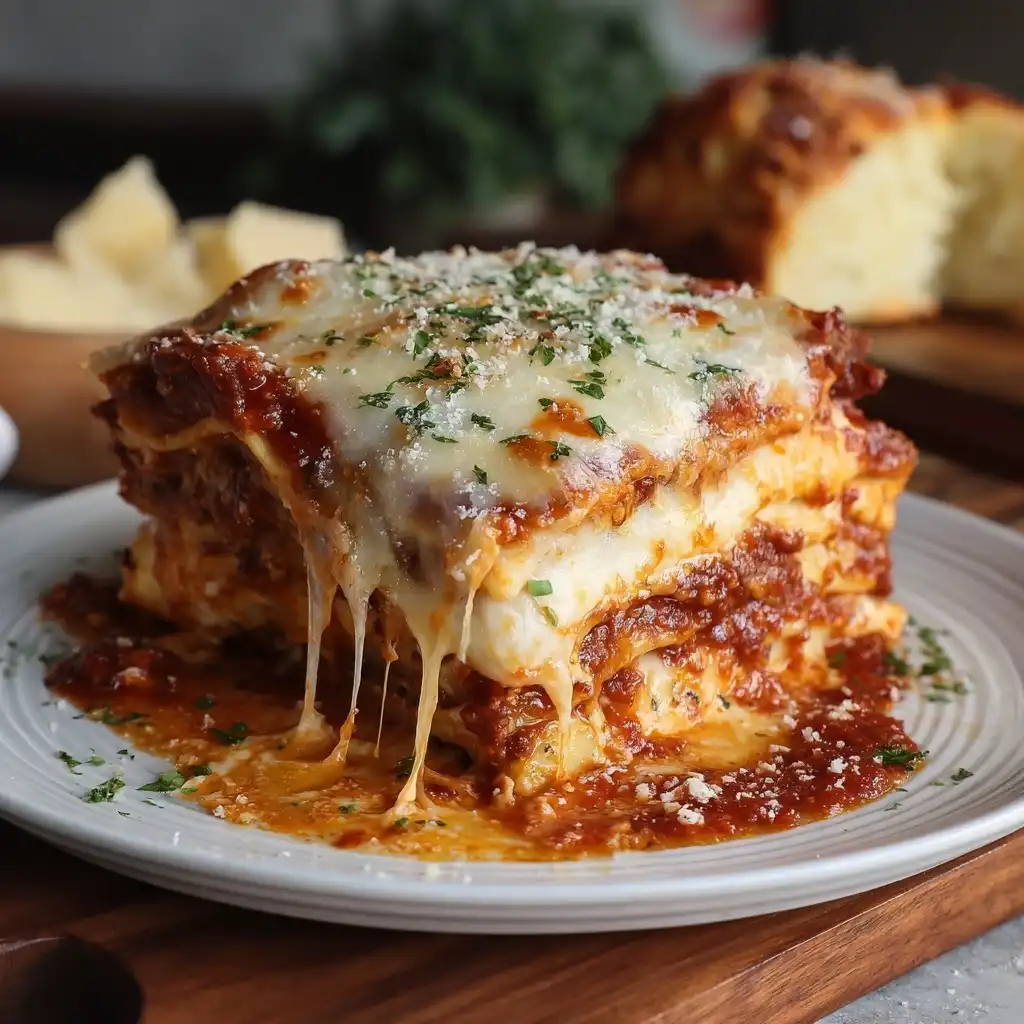
Welcome to the ultimate indulgence in Italian-American comfort food: the Five Cheese Ultimate Lasagna. This isn’t just another lasagna—it’s a meticulously crafted, deeply layered symphony of rich textures, nuanced flavors, and velvety cheese harmonies that transcends the ordinary. Born from generations of kitchen experimentation and perfected through countless iterations, this recipe honors tradition while embracing bold, modern enhancements. Whether you’re feeding a holiday crowd, impressing guests at a dinner party, or treating yourself to a soul-warming weekend project, the Five Cheese Ultimate Lasagna delivers unparalleled depth, creaminess, and satisfaction. Every bite offers a luxurious interplay between tender pasta, slow-simmered sauce, and five distinct cheeses—each selected not only for meltability and flavor but for how they complement, contrast, and elevate one another.
The History
The story of lasagna stretches back over 800 years—to 13th-century Italy, where early versions appeared in the medieval cookbook Liber de Coquina, describing layered pasta sheets with grated cheese and spices. By the Renaissance, lasagna evolved in Emilia-Romagna, particularly around Bologna, where it became lasagna al forno: wide noodles layered with ragù (slow-cooked meat sauce) and ragù alla bolognese, enriched with béchamel. Italian immigrants brought these traditions to America in the late 19th and early 20th centuries, adapting ingredients to local availability—substituting ricotta for traditional ricotta forte, adding mozzarella for stretch, and incorporating Parmigiano-Reggiano for umami depth. The “five cheese” concept emerged mid-century in American-Italian kitchens as chefs and home cooks sought richer, more decadent variations—layering multiple cheeses to maximize complexity without overwhelming the palate. Our version pays homage to both roots: the rustic authenticity of northern Italy and the generous, celebratory spirit of American-Italian cuisine—refined through decades of culinary science, including optimal melting points, moisture control, and acid balance to prevent curdling and ensure structural integrity.
Ingredients Breakdown
Every cheese in this lasagna serves a precise functional and sensory role—no filler, no redundancy. Here’s why each is indispensable:
- Ricotta (whole-milk, full-fat, drained overnight): Provides creamy body, subtle sweetness, and essential moisture retention. Draining removes excess whey, preventing sogginess while preserving lush texture.
- Mozzarella (low-moisture, whole-milk, shredded fresh or block-grated): Delivers signature stretch and golden blistering. Its mild lactic notes act as a neutral canvas, allowing other cheeses to shine while contributing structural cohesion.
- Fontina Val d’Aosta (aged 3–4 months, finely grated): A cornerstone of complexity—nutty, earthy, and slightly caramelized with exceptional meltability. Its natural enzymes enhance browning and deepen savory undertones.
- Asiago Vecchio (aged 10+ months, micro-planed or finely grated): Adds sharp, tangy, almost peppery intensity and crystalline crunch—cutting through richness and lending umami resonance. Its lower moisture content prevents greasiness.
- Parmigiano-Reggiano DOP (24–36 month aged, freshly grated on a microplane): The aromatic anchor—salty, fruity, and profoundly savory. Its volatile compounds bloom during baking, perfuming the entire dish and amplifying every other cheese’s flavor.
Beyond the cheese quartet (plus ricotta’s unique role), supporting ingredients are equally intentional: San Marzano DOP tomatoes for balanced acidity and sweetness; double-ground beef and Italian sausage for layered fat content and spice nuance; house-made béchamel (not ricotta-only) for silkiness and binding; fresh basil and oregano added at multiple stages for aromatic dimensionality; and a final drizzle of high-quality extra-virgin olive oil before baking to enhance browning and add fruit-forward brightness.
Step-by-Step Recipe
- Prep the Cheese Ensemble (Day Before Recommended): Drain ricotta in cheesecloth-lined fine-mesh strainer over a bowl, refrigerated, for 12–24 hours. Grate all cheeses separately using a box grater or microplane—never pre-shredded bags (anti-caking agents inhibit melt). Store each in airtight containers.
- Make the Meat Sauce (Ragù): Sauté finely diced pancetta until crisp; remove, leaving fat. Brown 1 lb 80/20 ground beef and 1 lb sweet Italian sausage (casings removed) in batches. Deglaze with ½ cup dry red wine (Chianti or Sangiovese); reduce by half. Add 2 cups crushed San Marzano tomatoes, 1 cup tomato puree, 2 minced garlic cloves, 1 tbsp fresh oregano, 2 tbsp fresh basil ribbons, 1 tsp fennel seeds, 1 bay leaf, and reserved pancetta. Simmer covered 2.5 hrs, stirring hourly; finish uncovered 30 mins to thicken. Cool completely.
- Prepare the Luxe Béchamel: Melt 6 tbsp unsalted butter; whisk in 6 tbsp all-purpose flour. Cook 2 mins until golden. Gradually whisk in 3 cups whole milk warmed to 110°F. Simmer gently 8–10 mins until nappe consistency (coats spoon). Stir in ¼ tsp freshly grated nutmeg, 1 tsp white pepper, and ½ cup grated Parmigiano. Cool to room temp.
- Build the Ricotta Blend: In food processor, pulse drained ricotta, 2 large eggs, ¼ cup chopped fresh parsley, 2 tbsp chopped basil, 1 tsp lemon zest, 1 tsp salt, and ½ tsp black pepper until smooth—not overmixed. Fold in 1 cup grated Fontina and ½ cup grated Asiago.
- Assemble with Precision: Preheat oven to 375°F. Use a 9×13″ heavy-gauge stainless steel or ceramic baking dish. Lightly grease bottom and sides. Layer in this exact order:
– Thin coat of ragù (¼ cup) to prevent sticking
– 4 no-boil lasagna sheets (slightly overlapped)
– ⅓ ricotta mixture (spread evenly, edge-to-edge)
– ⅓ remaining ragù (½ cup per sheet = ~1.5 cups total)
– ⅓ béchamel (smooth, thin layer)
– ⅓ mozzarella (even scatter)
– Light sprinkle of Parmigiano & fresh basil
Repeat layers twice more. Top final layer with remaining mozzarella, generous Parmigiano, and microplaned Asiago. Dot surface with 1 tbsp cold butter cubes and 1 tbsp EVOO. - Bake with Control: Cover tightly with parchment-lined foil (prevents steam buildup and cheese drying). Bake 45 mins. Remove foil; bake 25–30 mins until top is deeply golden, bubbling at edges, and internal temp reads 165°F in center. Rest uncovered 35 mins minimum—critical for setting layers and avoiding collapse.
Tips
- Resting Is Non-Negotiable: Cutting too soon causes catastrophic weeping and layer separation. 35 minutes allows starches to fully gelatinize and fats to re-emulsify.
- No-Boil Noodle Hack: For foolproof tenderness, briefly soak noodles in hot tap water (2 mins) before assembling—rehydrates without overcooking.
- Grating Matters: Pre-grated cheeses contain cellulose and potato starch—causing graininess and poor melt. Always grate fresh, and keep cheeses chilled until use.
- Sauce Consistency Check: Ragù should mound on a spoon—not run. If too wet, simmer longer; if too thick, stir in 1–2 tbsp broth. Never add water—it dilutes flavor.
- Oven Thermometer Essential: Built-in oven thermostats often run 25°F off. An accurate thermometer prevents under- or over-baking.
- Cheese Temperature Sync: Bring all cheeses to cool room temp (55–60°F) before assembling—cold cheese cools sauce unevenly, leading to inconsistent baking.
- Layering Logic: Always end with mozzarella on top—it browns best. Reserve Parmigiano and Asiago for final dusting to preserve their volatile aromatics.
- Reheating Magic: To revive leftovers: cover with damp parchment + foil, bake at 325°F for 25 mins. Finish uncovered 5 mins. Never microwave—the cheese turns rubbery.
Variations and Customizations
This recipe is a master template—adaptable without sacrificing integrity:
- Vegetarian Five Cheese: Replace ragù with roasted vegetable medley (eggplant, zucchini, portobello, caramelized onions) + lentil-walnut “meat” bound with tomato paste and balsamic. Boost umami with sun-dried tomatoes and sautéed shiitakes.
- Gluten-Free: Use certified GF oven-ready lasagna noodles (Barilla or Tinkyada). Ensure all sauces and cheeses are GF-certified (some Asiago may contain wheat-based cultures).
- Lighter Indulgence: Swap half the ricotta for strained Greek yogurt (2% fat), reduce mozzarella by ¼ cup, and use part-skim Fontina. Compensate with extra herbs and lemon zest for brightness.
- Spicy Arrabbiata Style: Infuse ragù with 1 tsp crushed Calabrian chiles and ½ tsp smoked paprika. Top with pickled cherry peppers and a swirl of chili oil pre-bake.
- White Lasagna (Lasagna Bianca): Omit tomatoes entirely. Build ragù with veal, pork, and prosciutto; enrich béchamel with truffle paste and Gruyère. Finish with chive blossoms.
- Breakfast Lasagna: Layer scrambled eggs folded with cheddar, spinach, and crispy pancetta between no-boil noodles and béchamel. Top with fontina and scallions.
- Freezer-Friendly Assembly: Assemble unbaked; wrap tightly in plastic + foil. Freeze up to 3 months. Thaw overnight in fridge; add 15 mins covered bake time.
- Individual Servings: Use 8-oz ramekins. Reduce bake time to 35–40 mins covered, then 10–12 mins uncovered. Perfect for portion control or gifting.
Health Considerations and Nutritional Value
A single 1½” square serving (approx. 280g) delivers approximately 520 calories, with 34g protein, 29g total fat (16g saturated), 32g carbohydrates, and 780mg sodium. While undeniably rich, strategic choices elevate its nutritional profile:
- Protein Powerhouse: Five cheeses provide complete amino acid profiles—especially Parmigiano (rich in tyrosine for cognitive health) and ricotta (high in whey protein for muscle synthesis).
- Calcium & Vitamin K2: Aged cheeses like Asiago and Parmigiano are among the highest natural sources of vitamin K2 (menaquinone-7), essential for calcium metabolism and cardiovascular health.
- Lycopene Bioavailability: Cooking San Marzano tomatoes in olive oil increases lycopene absorption by 300%—a potent antioxidant linked to reduced inflammation and prostate health.
- Fermented Benefits: Naturally aged cheeses contain probiotic strains (e.g., Lactobacillus helveticus) shown to support gut microbiome diversity when consumed regularly.
- Smart Swaps for Balance: Using grass-fed beef boosts omega-3s and CLA; adding spinach purée to ricotta adds folate, iron, and fiber without altering texture.
- Portion Mindfulness: Serve with a large arugula-lemon salad dressed in lemon juice and flaxseed oil—fiber and polyphenols slow gastric emptying, reducing glycemic impact.
- Considerations: High sodium warrants caution for hypertension; those with lactose sensitivity may tolerate aged cheeses better (Asiago/Parmigiano contain <0.1g lactose/serving). Vegan alternatives lack the same bioactive compounds—opt for fortified nutritional yeast and fermented tofu-based “cheeses” if required.
Ingredients
For the Ragù:
• 4 oz pancetta, finely diced
• 1 lb 80/20 ground beef
• 1 lb sweet Italian sausage (casings removed)
• ½ cup dry red wine (Chianti or Sangiovese)
• 2 (28-oz) cans San Marzano DOP tomatoes, crushed by hand
• 1 cup tomato puree
• 2 cloves garlic, minced
• 2 tbsp fresh oregano, chopped
• ¼ cup fresh basil ribbons
• 1 tsp fennel seeds, lightly toasted & crushed
• 1 bay leaf
• 1 tsp kosher salt (adjust after reduction)
• ½ tsp black pepper
For the Luxe Béchamel:
• 6 tbsp unsalted butter
• 6 tbsp all-purpose flour
• 3 cups whole milk, warmed to 110°F
• ¼ tsp freshly grated nutmeg
• 1 tsp white pepper
• ½ cup freshly grated Parmigiano-Reggiano DOP
For the Ricotta Blend:
• 32 oz whole-milk ricotta, drained 12–24 hrs
• 2 large eggs
• ¼ cup fresh flat-leaf parsley, chopped
• 2 tbsp fresh basil, chopped
• 1 tsp lemon zest
• 1 tsp kosher salt
• ½ tsp black pepper
• 1 cup Fontina Val d’Aosta, finely grated
• ½ cup Asiago Vecchio, finely grated
For Assembly & Finish:
• 12 no-boil lasagna sheets (regular or GF)
• 3 cups low-moisture mozzarella, shredded
• 1 cup Parmigiano-Reggiano DOP, microplaned
• ¼ cup Asiago Vecchio, microplaned
• 1 tbsp unsalted butter, cubed
• 1 tbsp extra-virgin olive oil (fruity, medium intensity)
Directions
- Drain the Ricotta: Line a fine-mesh strainer with triple-layer cheesecloth. Place over a bowl. Spoon ricotta in; refrigerate uncovered 12–24 hours. Discard whey.
- Render Pancetta: In heavy Dutch oven, cook pancetta over medium-low heat 8–10 mins until crisp. Remove with slotted spoon; set aside. Leave 2 tbsp fat in pot.
- Brown Meats: Increase heat to medium-high. Add beef; brown thoroughly (don’t stir constantly—let crust form), 6–8 mins. Transfer to bowl. Add sausage; brown similarly, 5–7 mins. Return both meats + pancetta to pot.
- Build Flavor Base: Add wine; scrape browned bits. Simmer 4 mins until reduced by half. Stir in tomatoes, puree, garlic, oregano, basil, fennel, bay leaf, salt, and pepper.
- Simmer Ragù: Bring to gentle simmer. Reduce heat to lowest setting. Cover and cook 2.5 hours, stirring every 30 mins. Uncover; cook 30 mins more until thickened to soft mound consistency. Cool completely (refrigerate up to 3 days).
- Make Béchamel: In heavy saucepan, melt butter. Whisk in flour; cook 2 mins until fragrant and pale gold. Gradually whisk in warm milk. Simmer gently 8–10 mins, whisking constantly, until thick enough to coat spoon. Off heat, whisk in nutmeg, white pepper, and ½ cup Parmigiano. Cool to room temp (stirring occasionally to prevent skin).
- Blend Ricotta: In food processor, combine drained ricotta, eggs, parsley, basil, lemon zest, salt, and pepper. Pulse 8–10 times until smooth. Transfer to bowl; fold in Fontina and Asiago. Refrigerate 30 mins.
- Preheat & Prep Dish: Preheat oven to 375°F. Grease 9×13″ baking dish with olive oil or butter.
- First Layer: Spread ¼ cup cooled ragù evenly across bottom.
- Layer 1: Place 4 noodles (slightly overlapping if needed). Spread ⅓ ricotta blend (≈1¾ cups) evenly. Top with ⅓ ragù (≈1½ cups). Drizzle ⅓ béchamel (≈¾ cup). Scatter ⅓ mozzarella (≈1 cup). Sprinkle with 2 tbsp Parmigiano and 1 tsp basil.
- Layer 2 & 3: Repeat noodle → ricotta → ragù → béchamel → mozzarella → Parmigiano/basil sequence two more times.
- Final Top: Arrange last 4 noodles. Spread remaining béchamel thinly. Scatter remaining mozzarella evenly. Dust generously with remaining Parmigiano and Asiago. Dot with butter cubes and olive oil.
- Bake Covered: Cover tightly with foil (parchment-lined to prevent sticking). Bake 45 mins.
- Bake Uncovered: Remove foil. Bake 25–30 mins until top is deep golden, edges bubble vigorously, and internal temperature reaches 165°F.
- Rest Imperatively: Cool uncovered on wire rack 35 mins. Slice with sharp chef’s knife dipped in hot water between cuts.
FAQ
- Can I use cottage cheese instead of ricotta?
- Not recommended. Cottage cheese has higher moisture and looser curds, causing weeping and separation. If essential, drain 16 oz full-fat cottage cheese 24 hrs, then blend with 1 egg and 2 tbsp cream cheese until ultra-smooth.
- Why does my lasagna taste bland even with good ingredients?
- Likely under-seasoning at multiple stages. Salt the ragù *before* simmering (enhances extraction), season béchamel aggressively (it’s a blank canvas), and always taste ricotta blend before assembling. Acid balance matters—add 1 tsp balsamic or red wine vinegar to ragù at end if flat.
- My cheese layer is rubbery—what went wrong?
- Overheating or prolonged high-heat exposure denatures proteins. Ensure oven is calibrated, avoid broiling, and never skip the covered bake phase. Also, pre-grated cheeses or excessive stirring of hot béchamel cause stringiness.
- Can I assemble this the night before?
- Absolutely—and encouraged! Assemble completely, cover tightly, and refrigerate up to 16 hours. Add 5–8 mins to covered bake time. Cold assembly yields cleaner slices.
- Is there a dairy-free version that still satisfies?
- Yes—with caveats. Use cashew-cultured “ricotta” (soaked cashews + lemon + probiotic capsule), coconut-milk béchamel thickened with arrowroot, and Miyoko’s Smoked Farmhouse for melt. Realistic expectations: texture and umami will differ, but richness remains.
- Why do some recipes use eggs in ricotta and others don’t?
- Eggs act as binder and leavening agent—preventing collapse and adding delicate airiness. Skipping them risks dense, wet layers. We use 2 eggs for 32 oz ricotta: enough structure without rubberiness.
- How do I prevent soggy bottom noodles?
- Three keys: 1) Thin sauce base layer (¼ cup max), 2) Use no-boil noodles (they absorb moisture gradually), 3) Ensure ragù is thick—not soupy—before assembly. If unsure, pre-soak noodles 90 seconds in hot water.
- What wine pairs best with this lasagna?
- A robust, high-acid red: Chianti Classico Riserva (for tomato brightness), Nero d’Avola (for ripe fruit against richness), or Barbera d’Alba (for vibrant acidity cutting fat). Avoid oaky wines—they clash with cheese.
Summary
The Five Cheese Ultimate Lasagna is a reverence in edible form—where science meets soul, tradition embraces innovation, and every ingredient earns its place through flavor, function, and heritage. It’s not merely dinner; it’s legacy, love, and labor distilled into golden, bubbling, impossibly layered perfection.
Whether served at a feast or savored solo with a simple green salad, this lasagna doesn’t just satisfy hunger—it anchors memory, sparks conversation, and reminds us that the greatest comforts are built, layer by deliberate layer, with intention, respect, and unapologetic joy.