Introduction
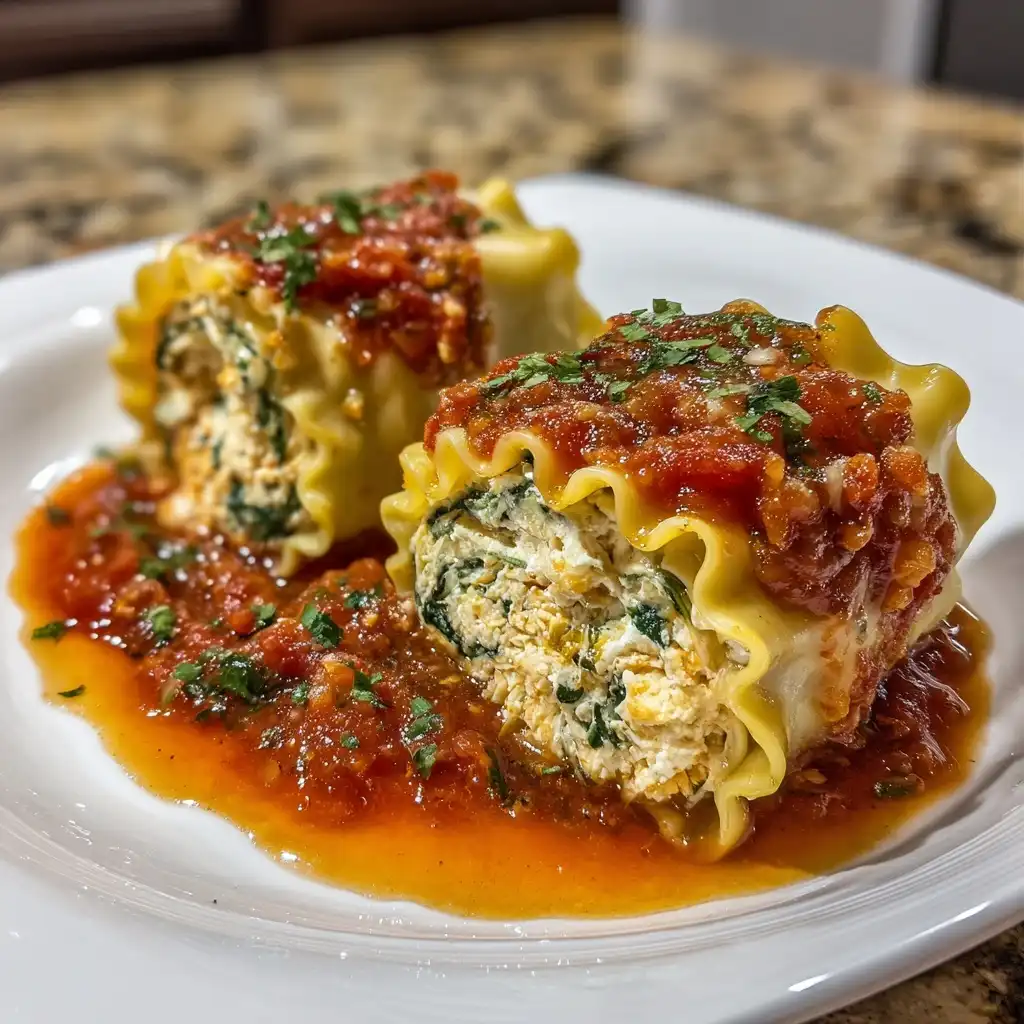
Spinach Ricotta Lasagna Rolls are a delightful, elegant twist on the classic Italian-American comfort dish—transforming traditional layered lasagna into individual, bite-sized, roll-up masterpieces. These tender, savory rolls combine the creamy richness of ricotta cheese with the earthy freshness of spinach, all wrapped in delicate sheets of no-boil lasagna noodles and baked to golden perfection in a robust tomato sauce. Perfect for dinner parties, meal prep, or a cozy weeknight treat, lasagna rolls offer impressive presentation without overwhelming complexity. Their handheld, portion-controlled format makes them ideal for serving guests, packing lunches, or satisfying cravings with minimal mess—and maximum flavor.
The History
While lasagna itself traces its roots to medieval Italy—where layered pasta dishes with cheese and spices appeared as early as the 13th century—the concept of “lasagna rolls” is a distinctly modern American innovation. Emerging prominently in the mid-to-late 20th century alongside the rise of convenience cooking and home entertaining culture, lasagna rolls gained popularity through women’s magazines, community cookbooks, and later, food blogs and television cooking shows. The evolution was driven by both practicality (easier portion control, simplified assembly, better browning surface area) and aesthetics (a visually striking, restaurant-quality presentation achievable in a home kitchen). The incorporation of spinach and ricotta reflects the enduring influence of Italian regional cuisine—particularly from Campania and Sicily—where ricotta-based fillings have long graced stuffed pastas like manicotti and cannelloni. Over time, lasagna rolls became a beloved hybrid: honoring tradition while embracing adaptability, creativity, and modern culinary values like versatility and shareability.
Ingredients Breakdown
Every exceptional spinach ricotta lasagna roll begins with thoughtfully selected, high-quality components—each playing a precise role in texture, flavor balance, moisture control, and structural integrity. Below is a detailed functional analysis of each core ingredient:
- No-Boil Lasagna Noodles: Thin, pre-cooked, and oven-ready, these noodles soften perfectly during baking without pre-boiling—absorbing just enough sauce to become tender yet retain enough structure to hold their rolled shape. Look for brands with minimal additives and consistent thickness; gluten-free or whole-wheat varieties can be substituted with minor adjustments to bake time and sauce hydration.
- Fresh Spinach (or Frozen, Thawed & Squeezed): Fresh spinach offers brighter flavor and superior texture but requires thorough wilting and meticulous squeezing to eliminate excess water—a critical step to prevent soggy rolls. Frozen spinach (10 oz block) is a reliable, year-round alternative; however, it must be fully thawed and pressed dry using cheesecloth or a clean kitchen towel until no moisture remains—up to ½ cup of liquid can be extracted, making this step non-negotiable for success.
- Ricotta Cheese (Whole-Milk, Full-Fat): The creamy heart of the filling. Whole-milk ricotta provides optimal fat content for richness, smoothness, and binding power. Low-fat versions often yield a grainy, watery texture and poor cohesion. For best results, drain ricotta in a fine-mesh strainer over a bowl for 30–60 minutes before mixing—this removes residual whey and prevents pooling inside the rolls.
- Mozzarella Cheese (Low-Moisture, Shredded): Adds essential melt, stretch, and mild dairy sweetness. Fresh mozzarella (torn or diced) may be used for gourmet variation but introduces more moisture—requiring extra attention to draining and shorter bake times. Avoid pre-shredded “salad blend” mixes containing anti-caking agents, which inhibit proper melting.
- Parmigiano-Reggiano or Pecorino Romano: Aged, finely grated hard cheeses deliver deep umami, saltiness, and nutty complexity that elevates the entire filling. They also aid in binding and browning. Authentic Parmigiano-Reggiano (DOP-certified) is preferred for its crystalline texture and layered flavor profile—but high-quality domestic grating cheeses work well too.
- Egg: Acts as the primary binder—helping the filling adhere to the noodles and hold together during rolling and baking. One large egg is standard; adding a second can improve firmness but risks rubberiness if overbaked. For egg-free versions, consider a flax or chia “egg” (1 tbsp ground seed + 2.5 tbsp water, rested 5 min) or a tablespoon of unflavored gelatin bloomed in cold water.
- Garlic & Onion (Fresh, Minced or Grated): Aromatics form the foundational flavor base. Fresh garlic adds pungent depth; sautéing gently in olive oil before incorporating prevents raw bitterness. Finely minced yellow onion contributes sweetness and body—sauté until translucent (not browned) to avoid caramelized notes that clash with the delicate ricotta profile.
- Nutmeg (Freshly Grated): A signature spice in Italian ricotta preparations. Just a pinch (⅛ tsp) enhances the dairy’s natural sweetness and adds warm, almost floral complexity. Pre-ground nutmeg lacks potency and aroma—always grate whole nutmeg seeds using a microplane for maximum impact.
- Italian Seasoning (or Custom Herb Blend): Dried oregano, basil, and marjoram provide herbal brightness. For greater nuance, use fresh herbs—¼ cup chopped fresh basil and 1 tbsp chopped flat-leaf parsley added at the end preserve vibrancy and add color. Avoid dried “Italian seasoning” blends with fillers or excessive sodium.
- Salt & Black Pepper (Freshly Cracked): Essential for seasoning each component—not just the filling, but also the sauce and even the noodles (lightly salted water if boiling alternatives are used). Kosher salt ensures even distribution; freshly cracked black pepper delivers aromatic heat that complements the cheese and spinach beautifully.
- Marinara or San Marzano-Based Tomato Sauce: Should be rich, balanced, and not overly acidic or sweet. Opt for low-sugar, slow-simmered sauces—or make your own using canned San Marzano tomatoes, garlic, olive oil, basil, and a splash of red wine vinegar for brightness. Reserve some sauce for layering beneath and atop the rolls; the rest will be swirled into the filling for moisture and cohesion.
- Olive Oil (Extra-Virgin, for Finishing): Drizzled over baked rolls before serving, it adds fruity aroma, sheen, and a luxurious mouthfeel. Reserve a high-quality, peppery EVOO for garnish rather than cooking.
Step-by-Step Recipe
Follow this meticulously tested, chef-informed method for foolproof, restaurant-worthy spinach ricotta lasagna rolls—designed to maximize flavor, texture, and ease:
- Prep the Spinach: In a large skillet over medium heat, warm 1 tbsp olive oil. Add 1 small minced shallot or ¼ cup finely diced yellow onion; sauté 2–3 minutes until soft. Stir in 2 minced garlic cloves and cook 30 seconds until fragrant. Add 10 oz fresh baby spinach (or 10 oz frozen, fully thawed and squeezed bone-dry) in batches, stirring until wilted and deeply green (2–4 minutes total). Remove from heat, transfer to a fine-mesh strainer, and press firmly with the back of a spoon or a clean towel until *no moisture remains*. Let cool completely (warm spinach melts ricotta and causes separation).
- Drain & Prep the Ricotta: Line a fine-mesh strainer with cheesecloth or a coffee filter; place over a bowl. Add 15 oz whole-milk ricotta and refrigerate uncovered for 30–60 minutes. Discard collected whey.
- Make the Filling: In a large bowl, combine drained ricotta, 1½ cups shredded low-moisture mozzarella, ½ cup freshly grated Parmigiano-Reggiano, 1 large egg, ¼ cup reserved marinara sauce (not the full batch), ¼ tsp freshly grated nutmeg, 1 tsp kosher salt, ½ tsp freshly cracked black pepper, 1 tsp dried oregano (or 1 tbsp fresh basil), and cooled spinach mixture. Fold gently with a spatula until *just combined*—do not overmix, which compacts the filling and toughens texture. Taste and adjust seasoning. Cover and refrigerate 20 minutes to firm up (critical for easy rolling).
- Prepare the Noodles: If using no-boil noodles, proceed directly to step 5. If using regular lasagna noodles, bring a large pot of salted water to boil. Cook noodles 1 minute *less* than package instructions for “al dente.” Drain, rinse under cool water, and lay flat on parchment-lined baking sheets in a single layer—cover with damp paper towels to prevent drying.
- Assemble the Rolls: Spread 1 cup marinara sauce evenly across the bottom of a 9×13-inch baking dish lightly coated with olive oil or non-stick spray. Lay one no-boil noodle flat on a clean work surface. Using an ice cream scoop (¼ cup measure) or heaping ¼ cup, portion ¼ cup filling horizontally near one short end. Gently spread into a 3-inch-wide log, leaving ½-inch borders on all sides. Lift the short end and roll tightly toward the opposite end, like a jelly roll—seam side down. Place seam-side down in the sauced dish. Repeat with remaining noodles and filling (you’ll get 12–14 rolls depending on noodle size). Arrange snugly, slightly touching, in two parallel rows.
- Layer & Bake: Pour remaining marinara sauce evenly over rolls—ensuring full coverage but not submersion. Sprinkle with remaining ½ cup mozzarella and ¼ cup Parmigiano-Reggiano. Cover tightly with greased aluminum foil (oil side down to prevent sticking). Bake at 375°F (190°C) for 25 minutes. Carefully remove foil and bake uncovered for 15–20 minutes longer, until cheese is bubbly, golden, and edges are lightly caramelized. Rotate dish halfway through uncovered bake for even browning.
- Rest & Serve: Remove from oven and let rest *undisturbed* for 15 minutes. This allows internal steam to redistribute, cheeses to set, and rolls to firm up—preventing collapse or oozing when sliced. Garnish with fresh basil ribbons, a drizzle of high-quality extra-virgin olive oil, and additional grated cheese. Serve warm—not piping hot—for optimal texture and flavor release.
Tips
Mastering spinach ricotta lasagna rolls hinges on precision and pro-level tricks—here’s what separates good from extraordinary:
- Moisture Is the #1 Enemy: Excess water in spinach or ricotta guarantees soggy, falling-apart rolls. Squeeze spinach *twice*—first after wilting, then again after cooling. Strain ricotta for at least 30 minutes. If filling feels wet after mixing, refrigerate 15 more minutes and re-check.
- Chill Before Rolling: Cold filling is firmer, easier to portion, and less likely to tear noodles. Don’t skip the 20-minute fridge rest—it also allows flavors to meld.
- Roll Tight, But Not Too Tight: A gentle, confident roll creates structural integrity without compressing the filling. If noodles crack, they’re too dry—brush lightly with warm water or sauce before filling.
- Sauce Coverage Matters: Rolls should be *coated*, not *submerged*. Too much sauce dilutes flavor and steams instead of roasting. Too little leads to dry, pale tops. Use a ladle and tilt the dish to evenly distribute.
- Understand Your Oven: Convection ovens reduce bake time by ~15% and promote crispier tops—reduce uncovered time to 10–12 minutes and watch closely. Gas ovens often have hot spots—rotate dish at 12 minutes uncovered.
- Don’t Rush the Rest: Cutting too soon releases steam and cheese, causing rolls to slump. Fifteen minutes is non-negotiable—even 10 minutes is insufficient. Set a timer.
- Use a Flexible Spatula: When serving, slide a thin, flexible silicone or metal spatula fully underneath each roll to lift cleanly—avoiding breakage.
- Prevent Sticking: Lightly grease the baking dish *and* the foil covering it (oil side down). No-stick spray works, but olive oil adds flavor and prevents foil adhesion.
- Uniform Portions = Even Cooking: Use a cookie scoop or measuring cup for each filling portion—variance causes uneven doneness and visual inconsistency.
- Double Batch Smartly: Prepare filling and sauce ahead, but assemble rolls day-of. Unbaked rolls can be covered and refrigerated up to 24 hours before baking—add 5 minutes to covered bake time.
Variations and Customizations
Spinach ricotta lasagna rolls are a remarkably versatile canvas—ideal for dietary adaptations, seasonal ingredients, global flavor twists, and creative experimentation. Here’s an expansive guide to customizing with confidence:
Dietary Adaptations
- Gluten-Free: Use certified GF no-boil lasagna noodles (like Barilla or Jovial). Increase sauce by ¼ cup to compensate for higher absorption. Add 1 tsp xanthan gum to filling for improved binding.
- Dairy-Free/Vegan: Substitute cashew ricotta (soaked raw cashews + lemon juice + nutritional yeast + garlic), tofu “ricotta” (silken tofu + lemon + miso), or store-bought vegan ricotta. Use dairy-free mozzarella shreds (Miyoko’s or Daiya) and nutritional yeast instead of Parmesan. Ensure sauce is vegan (no honey or dairy-derived enzymes).
- Low-Carb/Keto: Replace noodles with thinly sliced zucchini ribbons (salted, pressed 15 min, patted dry) or blanched eggplant slices (¼-inch thick, brushed with olive oil, roasted 10 min first). Reduce sauce sugar; use crushed tomatoes + herbs only.
- High-Protein: Add ½ cup crumbled cooked Italian sausage (fennel-forward), finely chopped grilled chicken breast, or ¼ cup hemp hearts to filling. Boost mozzarella to 2 cups.
- Vegetarian Upgrade: Stir in ½ cup finely diced roasted red peppers, ¼ cup sun-dried tomatoes (oil-packed, chopped), or ⅓ cup sautéed cremini mushrooms for umami depth and textural contrast.
Flavor & Regional Twists
- Mediterranean: Add ¼ cup crumbled feta, 2 tbsp chopped Kalamata olives, 1 tsp dried oregano, and 1 tbsp lemon zest to filling. Top with fresh dill and a swirl of tzatziki before serving.
- Southwest: Mix in ½ cup black beans (rinsed), ¼ cup corn kernels, 1 tsp chipotle powder, and 2 tbsp chopped cilantro. Swap marinara for roasted tomato-chipotle sauce. Top with avocado crema.
- Herbes de Provence: Replace Italian seasoning with 1 tsp Herbes de Provence, add 1 tbsp lavender-infused honey to sauce, and top with goat cheese crumbles and toasted pine nuts.
- Truffle Elegance: Stir 1 tsp white truffle oil into filling and finish baked rolls with shaved black truffle and microgreens.
- Breakfast Lasagna Rolls: Add 2 whisked eggs to filling, mix in ½ cup crumbled cooked bacon and ¼ cup diced roasted potatoes. Serve with hollandaise.
Texture & Presentation Enhancements
- Crispy Exterior: After uncovering, broil 1–2 minutes until golden and blistered—watch constantly. Or brush tops with garlic-herb butter before final bake.
- Stuffed Center Surprise: Place a small cube of burrata, a basil leaf, or a sun-dried tomato half in the center of each filling log before rolling.
- Gourmet Garnishes: Finish with pickled red onions, lemon zest, edible flowers, micro arugula, toasted breadcrumbs, or a balsamic reduction drizzle.
- Mini Versions: Cut no-boil noodles in half crosswise; use 2 tbsp filling per mini roll. Bake 5 minutes less. Perfect for appetizers or kids’ portions.
Health Considerations and Nutritional Value
Spinach ricotta lasagna rolls can be a nutrient-dense, balanced meal—especially when prepared mindfully. A standard serving (2 rolls, approx. 220g) made with whole-milk ricotta, part-skim mozzarella, and tomato sauce provides approximately:
- Calories: 380–420 kcal
- Protein: 22–26 g (excellent source—supports muscle repair, satiety, and metabolic health)
- Fat: 18–22 g (mostly unsaturated from olive oil and cheese; includes conjugated linoleic acid [CLA] from dairy)
- Carbohydrates: 28–32 g (primarily complex carbs from pasta; fiber ~3 g with whole-wheat noodles)
- Fiber: 2–4 g (boost with added spinach, whole-grain noodles, or 1 tbsp ground flaxseed in filling)
- Vitamins & Minerals: Rich in calcium (35% DV), vitamin A (120% DV from spinach/beta-carotene), vitamin K (600% DV—critical for blood clotting and bone health), folate (30% DV), iron (15% DV—enhanced by vitamin C in tomato sauce), and magnesium (20% DV).
Health Highlights:
- Spinach Power: Contains lutein and zeaxanthin—antioxidants vital for eye health—and nitrates linked to improved vascular function and blood pressure regulation.
- Ricotta Benefits: Higher in whey protein than many cheeses—easily digestible and rich in branched-chain amino acids (BCAAs). Also contains selenium and zinc for immune support.
- Tomato Lycopene: Cooking tomatoes in olive oil significantly increases bioavailability of lycopene—a potent antioxidant associated with reduced risk of heart disease and certain cancers.
- Portion Control Advantage: Individually rolled servings naturally limit overeating compared to scooped lasagna—supporting mindful consumption and weight management goals.
Considerations & Mitigations:
- Sodium: Store-bought sauces and cheeses contribute significantly. Choose low-sodium marinara (<300mg/serving), unsalted ricotta, and limit added salt. Boost flavor with herbs, garlic, lemon zest, and nutritional yeast instead.
- Saturated Fat: Opt for part-skim mozzarella and reduce cheese by ¼ cup; increase spinach volume for bulk and nutrition without added fat.
- Refined Carbs: Switch to whole-wheat or legume-based no-boil noodles (lentil, chickpea) for added protein, fiber, and lower glycemic impact.
- Lactose Sensitivity: Ricotta and aged cheeses (Parmigiano) are naturally low in lactose. For severe intolerance, use lactose-free ricotta and mozzarella.
- Food Safety: Never leave filling at room temperature >2 hours. Refrigerate assembled but unbaked rolls ≤24 hours. Reheat fully to 165°F (74°C) internally.
Ingredients
- 12–14 no-boil lasagna noodles (regular or gluten-free)
- 10 oz fresh spinach (or 10 oz frozen spinach, thawed and squeezed bone-dry)
- 1 tbsp extra-virgin olive oil, plus more for drizzling
- ¼ cup finely diced yellow onion (or 1 small shallot)
- 2 garlic cloves, minced
- 15 oz whole-milk ricotta cheese, drained (see Tips)
- 1½ cups low-moisture mozzarella cheese, shredded (plus extra for topping)
- ¾ cup freshly grated Parmigiano-Reggiano cheese (plus extra for topping)
- 1 large egg
- ¼ cup marinara sauce (reserved from main batch)
- ¼ tsp freshly grated nutmeg
- 1 tsp kosher salt (plus more to taste)
- ½ tsp freshly cracked black pepper
- 1 tsp dried oregano (or 1 tbsp fresh basil, chopped)
- 3–3½ cups high-quality marinara or San Marzano tomato sauce (divided)
- Fresh basil leaves, for garnish
- Extra-virgin olive oil, for finishing drizzle
Directions
- Preheat oven to 375°F (190°C). Lightly grease a 9×13-inch baking dish and set aside.
- In a large skillet over medium heat, warm 1 tbsp olive oil. Add onion and sauté 2–3 minutes until translucent. Add garlic; cook 30 seconds until fragrant. Stir in spinach in batches, cooking until fully wilted and vibrant green (2–4 minutes). Transfer to a fine-mesh strainer and press firmly—using a spoon or clean towel—to remove *all* excess moisture. Let cool completely.
- Line a fine-mesh strainer with cheesecloth; place over a bowl. Add ricotta and refrigerate 30–60 minutes to drain whey. Discard liquid.
- In a large bowl, combine drained ricotta, 1½ cups mozzarella, ¾ cup Parmigiano-Reggiano, egg, ¼ cup marinara, nutmeg, salt, pepper, and oregano (or basil). Gently fold in cooled spinach until just combined. Cover and refrigerate 20 minutes.
- Spoon 1 cup marinara sauce into prepared baking dish, spreading evenly.
- Lay one no-boil noodle flat. Place ¼ cup filling near one short end; spread into a 3-inch log, leaving ½-inch borders. Roll tightly, seam-side down. Place in dish. Repeat with remaining noodles and filling.
- Pour remaining marinara sauce over rolls, ensuring full coverage. Sprinkle with remaining ½ cup mozzarella and ¼ cup Parmigiano-Reggiano.
- Cover dish tightly with greased aluminum foil (oil-side down). Bake 25 minutes.
- Remove foil. Bake uncovered 15–20 minutes, until cheese is golden and bubbling and edges are lightly caramelized. Rotate dish halfway through.
- Let rest 15 minutes. Garnish with fresh basil, a drizzle of olive oil, and extra grated cheese. Serve warm.
FAQ
- Can I make these ahead of time?
- Yes! Assemble rolls up to 24 hours in advance—cover tightly and refrigerate unbaked. Add 5 minutes to the initial covered bake time. Fully baked rolls refrigerate for up to 4 days or freeze (uncovered, then wrapped) for up to 3 months. Reheat covered at 350°F until warmed through (25–35 min), then uncover for 5 min to recrisp.
- Why did my rolls fall apart?
- Most commonly due to excess moisture (wet spinach/ricotta), under-chilled filling, overfilling, or rolling too loosely. Ensure thorough squeezing, draining, chilling, and tight-but-gentle rolling. Also verify noodles aren’t cracked or overly dry before filling.
- Can I use regular lasagna noodles instead of no-boil?
- Absolutely—just cook them 1 minute shy of al dente, rinse in cool water, and lay flat on parchment. They’ll require slightly longer bake time (add 5–8 minutes to covered phase) since they start drier.
- How do I prevent the cheese from becoming rubbery?
- Avoid overbaking—especially the uncovered phase. Remove when cheese is melted and golden, not dark brown or blistered excessively. Also, use low-moisture mozzarella (not fresh) and ensure filling isn’t oversalted, which accelerates protein tightening.
- Is there a way to make these lower in calories?
- Yes: substitute ½ cup ricotta with ½ cup plain nonfat Greek yogurt (adds protein, reduces fat); use part-skim mozzarella; increase spinach to 12 oz; choose low-sugar, low-sodium marinara; and serve with a large side salad instead of garlic bread.
- Can I air-fry lasagna rolls?
- Not recommended for full batches—they need space and steam for even cooking. However, leftover or single rolls reheat beautifully in the air fryer at 350°F for 4–5 minutes—spritz lightly with oil for crispness.
- What’s the best sauce to pair with these?
- A balanced, herb-forward marinara is classic—but roasted red pepper sauce, arrabbiata (spicy tomato), mushroom ragù, or even a light lemon-herb white wine sauce create stunning contrasts. Avoid overly sweet or overly thick sauces that mask the delicate filling.
- Can I add meat to the filling?
- Yes—fold in