Introduction
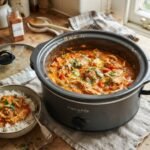
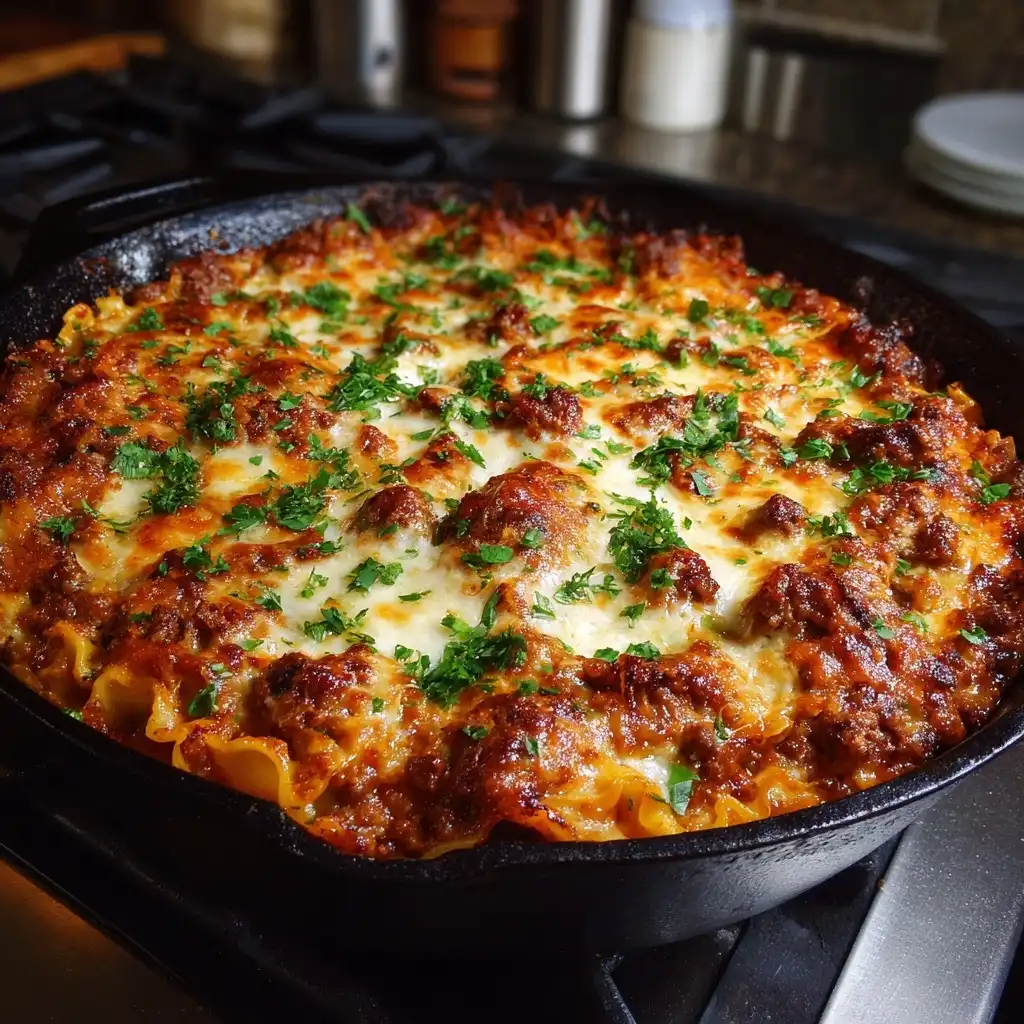
Skillet Beef Lasagna is a brilliant, weeknight-friendly reinvention of the classic Italian-American casserole—transformed from a time-intensive, multi-layered oven-baked dish into a streamlined, one-pan stovetop marvel. This hearty, deeply flavorful meal delivers all the comforting elements you love—tender ground beef, rich tomato sauce, melted mozzarella and ricotta cheeses, and tender pasta—all cooked together in a single heavy-bottomed skillet or Dutch oven. No boiling noodles separately, no greasing multiple pans, no waiting 45 minutes for oven preheating and baking: just sizzle, simmer, stir, and serve in under 35 minutes. It’s the perfect answer to “What’s for dinner?” on busy evenings, yet elegant enough to impress guests when served straight from the skillet with a rustic garnish. Whether you’re a seasoned home cook or a beginner seeking reliable, forgiving recipes, Skillet Beef Lasagna bridges convenience and authenticity without compromise—proving that soul-satisfying comfort food doesn’t require sacrifice, just smart technique.
The History
Lasagna’s origins trace back over 700 years—to 13th-century Italy, where layered pasta dishes featuring sheets of dough, cheese, and spices appeared in medieval cookbooks like the anonymous Liber de Coquina. However, the tomato-based, meat-laden version familiar today didn’t emerge until after tomatoes were introduced from the Americas and gradually accepted in Southern Italy by the late 18th century. The iconic baked casserole evolved further in early 20th-century America, shaped by Italian immigrant ingenuity and accessible ingredients like ricotta, mozzarella, and dried pasta. Skillet lasagna, by contrast, is a distinctly modern American adaptation born from mid-century kitchen innovation—spurred by the postwar rise of convenient cookware (like enameled cast iron skillets), the popularity of one-pot meals in 1950s–60s home economics, and the cultural shift toward faster, family-centered dinners. While not found in traditional trattorias, skillet lasagna reflects an authentic culinary evolution: honoring regional roots while adapting to real-life constraints. Food historians note its proliferation in community cookbooks from the 1970s onward, often titled “Stovetop Lasagna,” “No-Bake Lasagna,” or “Quick Pan Lasagna”—a testament to home cooks prioritizing flavor, texture, and practicality in equal measure. Today’s skillet version embraces global pantry staples (like no-boil noodles and whole-milk ricotta) while staying true to lasagna’s core identity: a harmonious union of pasta, protein, acid, fat, and umami-rich depth—all unified in one vessel.
Ingredients Breakdown
Every element in Skillet Beef Lasagna plays a precise, synergistic role—no ingredient is filler; each contributes texture, moisture balance, richness, acidity, or binding power. Let’s explore them in detail:
- Ground Beef (85/15 or 90/10): Provides savory depth, umami, and structural integrity. Chuck offers ideal marbling for juiciness; leaner blends reduce grease but may dry out if overcooked. Optional: blend with ¼ lb ground Italian sausage for herbal complexity and extra fat.
- No-Boil Lasagna Noodles (oven-ready): Engineered with pre-gelatinized starch to absorb liquid and soften during simmering. Must be used *as directed*—not substituted with regular noodles unless soaked first. Gluten-free versions (made from brown rice or lentils) work well but may require +2–3 minutes simmer time and extra liquid.
- San Marzano–Style Crushed Tomatoes: Low-acid, sweet, and velvety—essential for balanced brightness. Avoid “tomato sauce” or “pomodoro” (too thin or overly spiced); opt for whole peeled tomatoes crushed by hand or high-quality jarred crushed varieties with only tomatoes and basil.
- Tomato Paste: Concentrated umami powerhouse. Cooking it 2–3 minutes in olive oil (“blooming”) deepens flavor, eliminates raw tang, and adds caramelized richness that anchors the sauce.
- Onion & Garlic: Yellow onion provides sweetness and body when sautéed until translucent; garlic must be added last (30 seconds before beef) to prevent bitterness. Freshly minced > jarred paste for aromatic clarity.
- Dry Red Wine (optional but recommended): A ¼ cup of Chianti or Sangiovese deglazes the fond, lifts browned bits, adds tannic structure, and balances sweetness. Substitute with unsalted beef broth if avoiding alcohol.
- Fresh Herbs: Basil (added at the end) imparts floral freshness; oregano and parsley (stirred in mid-simmer) lend earthy and grassy notes. Dried herbs work—but use ⅓ the amount and add earlier to rehydrate.
- Ricotta Cheese (whole-milk, small-curd): The creamy, slightly sweet, protein-rich binder. Drain excess whey if watery; mix with egg yolk (not whole egg) for silkier texture and better cohesion. Cottage cheese can substitute but yields a looser, curdled result unless blended smooth.
- Mozzarella (low-moisture, shredded): Melts evenly and forms the signature stretchy, golden-brown top layer. Fresh mozzarella pearls add luxury but release more water—pat dry and add only in final 2 minutes.
- Parmigiano-Reggiano (grated fine): Salty, nutty, crystalline umami booster—used both *in* the ricotta mixture and *on top*. Pre-grated brands contain anti-caking agents that inhibit melting; always grate fresh for superior flavor and melt.
- Olive Oil & Butter: Olive oil sautés aromatics and browns beef; butter stirred in at the end enriches mouthfeel and adds subtle sweetness. Unsalted butter ensures sodium control.
- Salt & Black Pepper: Sea salt enhances every layer; freshly cracked black pepper adds warmth. Season in stages: lightly on beef, moderately in sauce, fully in ricotta, and finishing on top.
Step-by-Step Recipe
- Prep & Mise en Place (5 min): Finely dice 1 medium yellow onion (½ cup). Mince 4 garlic cloves. Measure 1 tbsp olive oil, 2 tbsp tomato paste, 1 (28 oz) can San Marzano-style crushed tomatoes, ¼ cup dry red wine (or broth), 1 tsp dried oregano, ½ tsp red pepper flakes (optional), 12 no-boil lasagna noodles (broken into 2-inch pieces), 15 oz whole-milk ricotta, 1 large egg yolk, 1 cup shredded low-moisture mozzarella, ¾ cup grated Parmigiano-Reggiano, ¼ cup chopped fresh basil, kosher salt, and freshly ground black pepper.
- Sauté Aromatics (3 min): Heat a 12-inch heavy-bottomed skillet or Dutch oven over medium heat. Add olive oil. Sauté onion until soft and translucent (~3 min), stirring occasionally. Add garlic and cook 30 seconds until fragrant—do not brown.
- Brown the Beef (5–6 min): Increase heat to medium-high. Add 1 lb ground beef. Break into small crumbles with a wooden spoon. Cook undisturbed 2 minutes to develop fond, then stir and continue browning until no pink remains and edges are crisp (~4 more min). Season lightly with salt and pepper. Drain excess fat if >1 tbsp remains (reserve 1 tsp for flavor).
- Bloom Tomato Paste (2 min): Push beef to edges. Add tomato paste to center. Stir constantly for 1.5–2 minutes until brick-red, fragrant, and slightly darkened—this unlocks deep, roasted-sweet notes.
- Build the Sauce (3 min): Pour in wine (or broth), scraping up all browned bits. Simmer 1 minute until mostly evaporated. Add crushed tomatoes, oregano, red pepper flakes, ½ tsp salt, and ¼ tsp black pepper. Bring to gentle simmer. Reduce heat to low, cover, and cook 10 minutes—stirring twice—to meld flavors and thicken slightly.
- Prepare Ricotta Mixture (2 min): In a bowl, combine ricotta, egg yolk, ½ cup Parmigiano-Reggiano, ¼ tsp salt, and ⅛ tsp black pepper. Stir until smooth and uniform. Set aside.
- Add Noodles & Simmer (12–14 min): Stir broken no-boil noodles into hot sauce. Ensure all are submerged. Cover tightly and simmer on low heat for 12 minutes—do not lift lid. After 12 min, gently stir: noodles should be plump and tender but still hold shape (if firm, cover +2 min). Sauce will thicken dramatically.
- Combine & Rest (3 min): Remove from heat. Gently fold in ricotta mixture until evenly distributed—avoid overmixing to prevent gumminess. Let rest, covered, 3 minutes to allow starches to set.
- Top & Finish (4 min): Sprinkle remaining mozzarella and ¼ cup Parmigiano-Reggiano evenly over top. Cover and let sit off-heat 2 minutes for initial melt. Then, return to lowest heat for 1–2 minutes until cheese is fully molten and edges bubble softly. Turn off heat.
- Garnish & Serve (1 min): Scatter fresh basil over top. Let stand uncovered 2 minutes to cool slightly and firm up. Serve directly from skillet with crusty bread for scooping.
Tips
- Noodle Substitution Wisdom: If using regular lasagna noodles, soak in hot tap water for 15 minutes before adding to sauce—then reduce simmer time to 8–10 minutes. Over-soaked noodles turn mushy; under-soaked remain chewy.
- Prevent Sticking & Burning: Use a heavy-gauge skillet (cast iron, stainless-clad, or enameled Dutch oven). Stir gently but thoroughly after adding noodles to coat each piece. Maintain a true low simmer—not a boil—or sauce will scorch on bottom.
- Texture Control: For firmer, al dente noodles: reduce simmer time by 1–2 minutes and let rest longer (5 min). For ultra-tender, almost creamy noodles: extend simmer by 2 minutes and stir more frequently in final minute.
- Cheese Melting Mastery: Shred your own mozzarella—it melts far better than pre-shredded (which contains cellulose). For extra browning, broil 1–2 minutes before garnishing—but watch closely to avoid burning.
- Sauce Consistency Rescue: Too thick? Stir in 2–3 tbsp warm broth or pasta water. Too thin? Simmer uncovered 2–3 minutes longer, stirring often. Never add cold liquid—it shocks the starch and causes clumping.
- Flavor Layering Hack: Sauté 1 finely diced carrot and 1 celery rib with the onion (“mirepoix”) for deeper vegetable sweetness and body—classic in Italian ragù.
- Make-Ahead Ease: Assemble through Step 7 (noodle simmer), cool completely, cover, and refrigerate up to 2 days. Reheat gently on stove, covered, adding 2 tbsp broth before Step 8.
- Freezer-Friendly: Cool fully, portion into airtight containers, freeze up to 3 months. Thaw overnight in fridge; reheat covered on low with splash of broth.
- Serving Pro-Tip: Let rest 5 minutes before serving—this allows residual heat to finish cooking noodles and lets cheese set for cleaner scoops. A warmed skillet handle mitt prevents burns!
Variations and Customizations
Skillet Beef Lasagna is gloriously adaptable—here are 12 thoughtfully tested variations, each preserving structural integrity while transforming flavor profiles and dietary alignment:
- Vegetarian Skillet Lasagna: Replace beef with 1.5 cups cooked lentils + 1 cup finely chopped mushrooms (sautéed until dry). Boost umami with 1 tbsp soy sauce + 1 tsp nutritional yeast in sauce.
- Spicy Arrabbiata Style: Double red pepper flakes, add 1 minced chipotle in adobo, and finish with 1 tsp Calabrian chili paste swirled on top.
- Green Goddess Lasagna: Fold in 2 cups blanched spinach (squeezed dry) and ½ cup chopped fresh parsley with ricotta. Top with lemon zest and extra basil.
- Meatball Mini-Lasagna: Brown 12–16 homemade or store-bought meatballs first, then nestle into simmering sauce before adding noodles. Simmer 15 min total.
- Greek-Inspired: Swap beef for ground lamb; replace ricotta with feta + Greek yogurt blend; add oregano, mint, and lemon juice; top with crumbled feta and kalamata olives.
- Smoky Chipotle: Add 1–2 tsp chipotle powder + 1 tsp smoked paprika with tomato paste; stir in ¼ cup adobo sauce with tomatoes.
- White Lasagna Skillet: Omit tomatoes. Use 3 cups béchamel (made with garlic-infused milk), sautéed leeks, and roasted butternut squash. Add nutmeg and white pepper.
- Keto/Low-Carb: Replace noodles with thinly sliced zucchini or eggplant (salted, drained, and patted dry). Simmer 8–10 min. Use full-fat cheeses and add 2 tbsp almond flour to ricotta for binding.
- Gluten-Free: Use certified GF no-boil noodles (brown rice or quinoa-based). Add 1 tbsp psyllium husk powder to ricotta to improve elasticity.
- Breakfast Lasagna Skillet: Use breakfast sausage, omit tomatoes, add scrambled eggs and hash browns. Top with cheddar and green onions.
- Seafood Medley: Replace beef with 12 oz chopped shrimp + 6 oz chopped calamari. Add saffron-infused broth and finish with dill and lemon.
- Leftover Reinvention: Stir in 1.5 cups roasted vegetables (zucchini, bell peppers, eggplant), ½ cup cooked Italian sausage, or shredded rotisserie chicken during Step 7.
Health Considerations and Nutritional Value
A standard serving (1⅓ cups) of Skillet Beef Lasagna delivers approximately 485 calories, 28g protein, 22g carbohydrates (3g fiber), and 31g total fat (14g saturated)—making it a balanced, satiating meal when portioned mindfully. Key health insights include:
- Protein Powerhouse: Ground beef provides complete protein, iron (heme form—highly bioavailable), zinc, and B12. Pairing with ricotta and mozzarella boosts calcium and casein for sustained muscle support.
- Tomato Benefits: Lycopene—the potent antioxidant in cooked tomatoes—is up to 4x more absorbable than raw. Its bioavailability increases with olive oil and heat—making this recipe ideal for cardiovascular and skin health.
- Smart Fat Choices: Using 85/15 beef and draining excess fat reduces saturated fat by ~25% vs. 70/30. Swapping half the mozzarella for part-skim cuts calories without sacrificing melt.
- Fiber & Digestibility: No-boil noodles retain more resistant starch than boiled versions, supporting gut microbiota. Adding spinach or lentils boosts fiber to 6–8g/serving—aiding digestion and glycemic control.
- Sodium Awareness: Most sodium (≈680mg/serving) comes from cheese, canned tomatoes, and added salt. Reduce by 30% using no-salt-added tomatoes, low-sodium broth, and limiting added salt to ¼ tsp.
- Dietary Accommodations: Naturally suitable for Mediterranean and DASH diets. For keto, prioritize high-fat cheeses and low-carb veggie swaps. For dairy-free, use cashew ricotta (soaked cashews + lemon + nutritional yeast) and vegan mozzarella shreds (look for coconut oil–based for best melt).
- Portion Strategy: Serve with a large side salad (arugula, cherry tomatoes, balsamic) to increase volume, fiber, and micronutrients without extra calories—enhancing satiety and nutrient density.
- Food Safety Note: Because ricotta is added off-heat, ensure internal temperature reaches 165°F (74°C) before serving—verify with a food thermometer inserted into the center.
Ingredients
- 1 tbsp extra-virgin olive oil
- 1 medium yellow onion, finely diced (about ½ cup)
- 4 garlic cloves, minced
- 1 lb 85/15 ground beef (or 90/10 for leaner option)
- 2 tbsp tomato paste
- ¼ cup dry red wine (Chianti or Sangiovese) or unsalted beef broth
- 1 (28 oz) can San Marzano-style crushed tomatoes (with juices)
- 1 tsp dried oregano
- ½ tsp crushed red pepper flakes (optional)
- 12 no-boil lasagna noodles, broken into 2-inch pieces
- 15 oz whole-milk ricotta cheese (well-drained if watery)
- 1 large egg yolk
- ¾ cup grated Parmigiano-Reggiano, divided
- 1 cup shredded low-moisture mozzarella cheese
- ¼ cup fresh basil leaves, chopped (plus extra for garnish)
- Kosher salt and freshly ground black pepper, to taste
Directions
- Heat olive oil in a 12-inch heavy-bottomed skillet or Dutch oven over medium heat. Add onion and sauté until soft and translucent, about 3 minutes, stirring occasionally.
- Add garlic and cook for 30 seconds, until fragrant—do not brown.
- Increase heat to medium-high. Add ground beef, breaking it apart with a wooden spoon. Cook undisturbed for 2 minutes to develop fond, then stir and continue browning until no pink remains and edges begin to crisp, about 4–5 minutes more. Lightly season with salt and pepper. Drain excess fat if needed, reserving 1 tsp.
- Push beef mixture to the edges of the pan. Add tomato paste to the center and stir constantly for 1.5–2 minutes until darkened and fragrant.
- Pour in wine (or broth), scraping up all browned bits from the bottom. Simmer for 1 minute until mostly evaporated.
- Add crushed tomatoes, oregano, red pepper flakes (if using), ½ tsp salt, and ¼ tsp black pepper. Stir to combine. Bring to a gentle simmer, then reduce heat to low. Cover and cook for 10 minutes, stirring twice.
- In a medium bowl, combine ricotta, egg yolk, ½ cup Parmigiano-Reggiano, ¼ tsp salt, and ⅛ tsp black pepper. Stir until smooth and creamy. Set aside.
- Stir broken no-boil noodles into the hot sauce, ensuring they’re fully submerged. Cover tightly and simmer on low heat for 12 minutes—do not lift the lid. After 12 minutes, gently stir: noodles should be tender but still hold shape. If slightly firm, cover and simmer 1–2 minutes longer.
- Remove skillet from heat. Gently fold in the ricotta mixture until evenly distributed—avoid vigorous stirring to prevent gummy texture.
- Let rest, covered, for 3 minutes to allow starches to set.
- Sprinkle remaining mozzarella and ¼ cup Parmigiano-Reggiano evenly over the top. Cover and let sit off-heat for 2 minutes to begin melting.
- Return to lowest heat for 1–2 minutes until cheese is fully melted and edges bubble softly. Turn off heat.
- Garnish generously with fresh basil. Let stand uncovered for 2 minutes before serving directly from the skillet.
FAQ
- Can I use regular lasagna noodles instead of no-boil?
- Yes—but they must be pre-soaked. Place noodles in a large bowl and cover with hot tap water for 15 minutes. Drain well and pat dry before adding to sauce. Reduce simmer time to 8–10 minutes, checking for tenderness.
- Why did my noodles turn out mushy?
- Most commonly: (1) Over-simmering—stick to the 12-minute window and check early; (2) Using too much liquid—ensure crushed tomatoes aren’t overly watery (opt for brands with minimal added juice); (3) Stirring too vigorously after adding noodles, which breaks them down.
- Can I make this vegetarian?
- Absolutely. Replace beef with 1.5 cups cooked brown or green lentils + 1 cup finely chopped cremini mushrooms (sautéed until dry and golden). Add 1 tbsp soy sauce and 1 tsp nutritional yeast to the sauce for savory depth.
- Is it safe to add ricotta off-heat?
- Yes—if the sauce is at a true simmer (180–190°F) before folding in ricotta, residual heat brings it to a safe 165°F. For extra safety, insert a food thermometer into the center before serving to confirm.
- Can I prepare this ahead of time?
- You can assemble through Step 8 (noodle simmer), cool completely, cover, and refrigerate up to 48 hours. To reheat: add 2 tbsp warm broth, cover, and simmer gently on low for 8–10 minutes until heated through and noodles are tender.
- What’s the best cheese substitute for dairy-free?
- For ricotta: blend 1.5 cups raw cashews (soaked 4 hours), ¼ cup lemon juice, 2 tbsp nutritional yeast, ½ tsp salt, and 3 tbsp water until ultra-smooth. For mozzarella: choose a coconut oil–based vegan shred designed for melting (e.g., Daiya Cutting Board or Violife).
- My skillet lasagna is too acidic—how do I fix it?
- Balance with natural sweetness: stir in 1 tsp honey or maple syrup, or add ¼ cup grated carrot to the aromatics. A pinch of baking soda (⅛ tsp) neutralizes acid instantly—but use sparingly to avoid soapy taste.
- Can I freeze Skillet Beef Lasagna?
- Yes! Cool completely, portion into freezer-safe containers, and freeze up to 3 months. Thaw overnight in the fridge. Reheat covered on low heat, adding 1–2 tbsp broth to restore moisture. Do not microwave frozen portions—uneven heating risks rubbery cheese.
- Why does my cheese separate or look oily?
- Two main causes: (1) Overheating—always melt cheese on lowest possible heat; (2) Using pre-shredded cheese with anti-caking agents (like cellulose or potato starch). Always shred your own mozzarella and Parmigiano-Reggiano for seamless melt.
- What wine pairs best with this dish?
- A medium-bodied Italian red complements beautifully: Chianti Classico (bright acidity, cherry notes), Barbera d’Asti (juicy, low tannin), or Montepulciano d’Abruzzo (plummy, earthy). For non-alcoholic pairing: sparkling pomegranate spritzer or chilled hibiscus tea.
Summary
Skillet Beef Lasagna redefines weeknight dining—transforming a beloved, labor-intensive classic into a vibrant, deeply flavorful, one-pan triumph that delivers restaurant-quality results in under 35 minutes without compromising on texture, richness, or tradition.
With its smart use of no-boil noodles, slow-simmered tomato-beef ragù, luxuriously creamy ricotta, and golden-melted cheeses—all unified in a single heavy skillet—it’s not just convenient, it’s culinarily intentional, endlessly customizable, and nutritionally robust.