Introduction
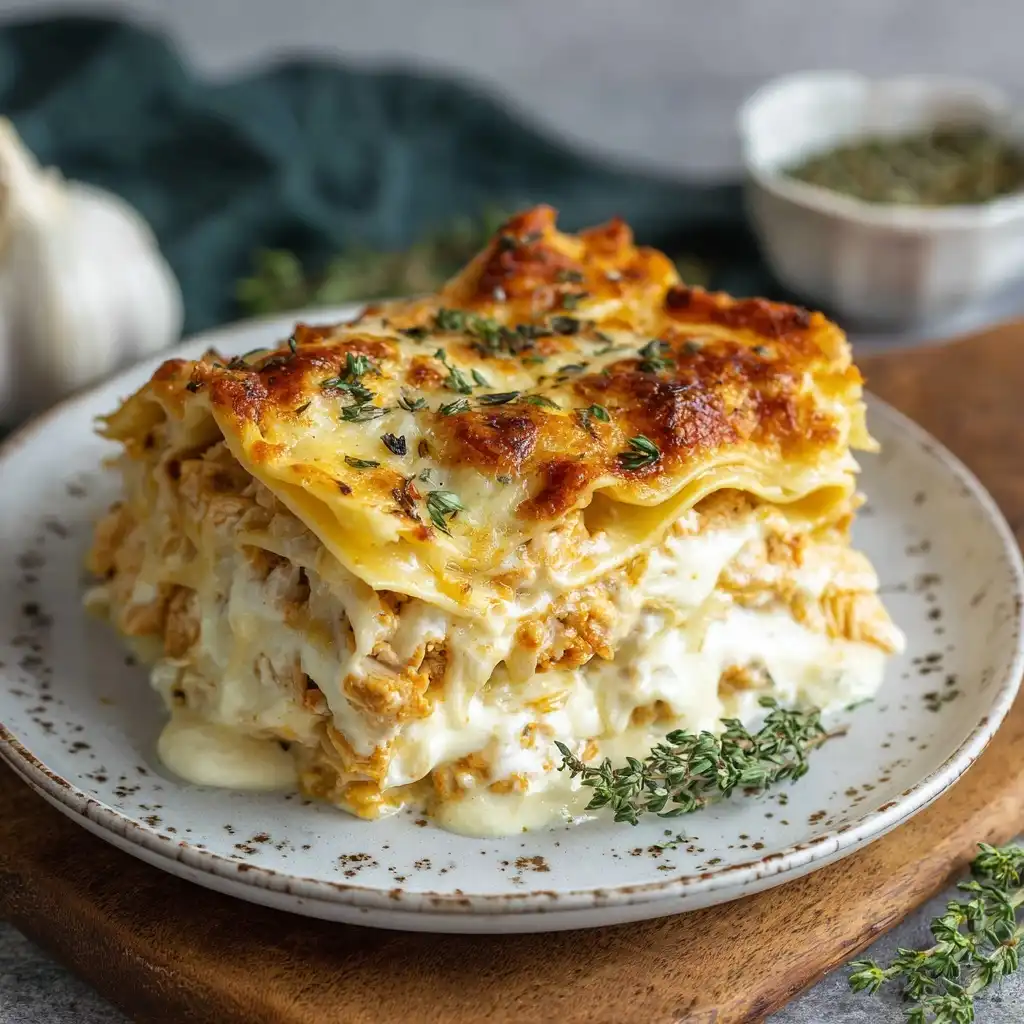
Garlic Butter Chicken Lasagna is a rich, comforting, and deeply flavorful fusion dish that reimagines the classic Italian-American casserole with bold American-Southern and Mediterranean influences. Unlike traditional lasagna—which relies on ricotta, mozzarella, and tomato-based marinara—this innovative version swaps out the red sauce for a luxuriously aromatic garlic butter sauce, layers tender shredded or diced chicken as the primary protein, and incorporates creamy, herb-flecked cheeses for unmatched depth and texture. It’s hearty enough for Sunday family dinners, elegant enough for dinner parties, and endlessly adaptable to dietary preferences—from gluten-free and dairy-light options to keto-friendly and meal-prep optimized versions. Whether you’re seeking a crowd-pleasing weeknight upgrade or a showstopping centerpiece for holidays, Garlic Butter Chicken Lasagna delivers savory satisfaction in every forkful.
The History
While lasagna itself traces its roots to medieval Italy—with early forms appearing in 13th-century texts like the Liber de Coquina—the concept of “chicken lasagna” is a relatively modern American innovation born from post-war ingredient accessibility, mid-century culinary experimentation, and the rise of convenience cooking. The substitution of ground beef or pork with chicken gained traction in the 1970s and ’80s as health-conscious home cooks sought leaner proteins, and garlic butter—long a staple in French beurre blanc, Southern grilled chicken, and New Orleans-style preparations—began appearing in fusion pasta bakes by the early 2000s. Food bloggers and recipe developers in the 2010s further popularized the combination, especially on platforms like Pinterest and Instagram, where the golden-brown, cheese-blanketed, herb-garnished final dish proved highly shareable. Today, Garlic Butter Chicken Lasagna stands as a testament to culinary evolution: an homage to tradition, yet unafraid to reinvent structure, flavor profile, and cultural context—bridging the rustic warmth of Italian layering techniques with the indulgent, aromatic soul of American comfort food.
Ingredients Breakdown
Every exceptional Garlic Butter Chicken Lasagna begins with thoughtfully selected, high-quality components. Below is a comprehensive analysis of each key ingredient—not just what goes in, but *why* it matters:
- Chicken Breast or Thighs: Boneless, skinless chicken breasts offer lean tenderness, while thighs provide superior moisture, richer flavor, and forgiving texture during slow simmering or roasting. For best results, poach, bake, or sauté with aromatics before shredding—never use raw chicken directly in layered bakes (food safety and even cooking depend on pre-cooking).
- Garlic: Fresh, minced garlic is non-negotiable. Its pungent, sulfurous compounds transform when gently cooked in butter—mellowing into sweet, nutty, umami-rich notes. Avoid jarred minced garlic, which lacks complexity and often contains preservatives that dull flavor.
- Unsalted Butter: Provides the foundational richness and emulsifying base for the sauce. Unsalted allows precise sodium control; European-style butter (82–86% fat) yields a silkier, more stable sauce with deeper caramelized notes when browned.
- All-Purpose Flour (or Gluten-Free Blend): Used as a roux base to thicken the garlic butter into a velvety, clingy sauce. A light whisk prevents lumps and ensures smooth integration with dairy. For gluten-free versions, a 1:1 GF flour blend or cornstarch slurry (1 tbsp cornstarch + 2 tbsp cold milk) works beautifully.
- Heavy Cream or Full-Fat Evaporated Milk: Adds luxurious mouthfeel and stabilizes the sauce against curdling. Evaporated milk offers a slightly caramelized sweetness and lower acidity—ideal for those sensitive to dairy tang—while heavy cream delivers unmatched opulence. Half-and-half can be substituted but may yield a thinner, less cohesive sauce.
- Cream Cheese or Mascarpone: These soft cheeses lend body, tang, and subtle sweetness. Cream cheese adds structural integrity and slight tartness; mascarpone contributes delicate floral notes and airy richness. Both melt seamlessly into warm sauces without graininess when softened and stirred in off-heat.
- Mozzarella (Low-Moisture, Whole-Milk): Essential for stretch, browning, and mild milky flavor. Shred it yourself—pre-shredded contains anti-caking agents (like cellulose) that inhibit melting and create greasy pools.
- Provolone or Fontina: Adds depth and complexity. Provolone brings a gentle smokiness and sharpness; fontina offers nutty, earthy tones and superior meltability. A blend enhances dimensionality far beyond mozzarella alone.
- No-Boil Lasagna Noodles: Engineered to hydrate fully during baking using only the moisture from sauce and cheese. They eliminate prep time and reduce risk of mushiness—but require sufficient liquid (minimum 2 cups total moisture from sauce + cheese + chicken juices). Traditional noodles *can* be used if boiled al dente and thoroughly drained, though they increase labor and risk overcooking.
- Fresh Herbs (Parsley, Basil, Chives, Thyme): Added at the end for brightness and aroma. Parsley lends clean, grassy contrast; basil imparts sweet-anise lift; chives add delicate onion nuance; thyme contributes woodsy sophistication. Dried herbs lack vibrancy and should be used sparingly (⅓ quantity) and added earlier in cooking.
- Grated Parmigiano-Reggiano: The “umami anchor.” Authentic, aged Parmigiano adds salty, crystalline depth and enhances browning. Avoid pre-grated “Parmesan” in green shakers—it’s often cellulose-laden and flavor-deficient.
- Optional Flavor Enhancers: A splash of white wine (dry Pinot Grigio or Sauvignon Blanc) deglazes the pan and lifts garlic’s aroma; lemon zest brightens richness; a pinch of red pepper flakes adds quiet heat; roasted garlic paste deepens sweetness; and a dash of Dijon mustard introduces subtle tang and emulsification support.
Step-by-Step Recipe
- Prep the Chicken: Place 1.5 lbs boneless, skinless chicken breasts or thighs in a saucepan. Cover with low-sodium chicken broth, 2 smashed garlic cloves, 1 bay leaf, ½ tsp black peppercorns, and 1 tsp fresh thyme. Simmer gently for 15–18 minutes until internal temperature reaches 165°F. Remove, cool slightly, then shred finely using two forks. Reserve ½ cup broth for sauce.
- Make the Garlic Butter Sauce: In a large skillet or Dutch oven, melt ¾ cup unsalted butter over medium-low heat. Add 6–8 cloves finely minced garlic and cook 2–3 minutes until fragrant and golden—but *not browned*. Whisk in ¼ cup all-purpose flour to form a roux; cook 1 minute, stirring constantly. Gradually whisk in reserved chicken broth, then 1.5 cups heavy cream (or evaporated milk), 4 oz softened full-fat cream cheese, and ½ tsp freshly grated nutmeg. Simmer 5–7 minutes, stirring often, until thickened to coat the back of a spoon. Season with salt, white pepper, and a squeeze of lemon juice.
- Build Flavor Layers: Fold shredded chicken into the warm sauce. Stir in ½ cup grated Parmigiano-Reggiano, ¼ cup chopped fresh parsley, 2 tbsp chopped fresh chives, and 1 tbsp fresh thyme leaves. Taste and adjust seasoning—remember cheeses will add salt later.
- Prepare the Cheese Blend: In a separate bowl, combine 2 cups shredded low-moisture mozzarella, 1 cup shredded provolone or fontina, ½ cup grated Parmigiano-Reggiano, and ¼ tsp garlic powder. Reserve 1 cup for topping.
- Assemble the Lasagna: Preheat oven to 375°F. Lightly grease a 9×13-inch baking dish. Spread ½ cup garlic butter chicken sauce on the bottom. Layer 4 no-boil lasagna noodles (slightly overlapping). Top with ⅓ of remaining sauce mixture, then ⅓ of cheese blend. Repeat layers twice more (noodles → sauce → cheese), ending with a final noodle layer. Pour remaining sauce evenly over top, then sprinkle reserved cheese blend. Dot with 2 tbsp cold butter pieces for extra browning and richness.
- Bake with Precision: Cover tightly with aluminum foil (tented slightly to prevent cheese sticking). Bake 30 minutes. Remove foil and bake uncovered 15–20 minutes until top is deeply golden, bubbling at edges, and noodles are tender when pierced with a knife. Let rest 20 minutes before slicing—this allows starches to set, prevents runny layers, and improves slice integrity.
- Finish & Serve: Garnish generously with additional fresh parsley, lemon zest, and a drizzle of high-quality extra virgin olive oil. Optional: sprinkle flaky sea salt or microgreens for elegance. Serve with garlic-roasted asparagus, lemon-dill quinoa, or a crisp arugula salad with lemon vinaigrette.
Tips
- Garlic Control Is Key: Mince garlic just before cooking—its volatile compounds peak within minutes. To prevent burning, keep heat at medium-low and stir constantly during the initial sauté. If garlic darkens, discard and start over—bitter burnt notes cannot be rescued.
- Sauce Consistency Check: Your garlic butter sauce should coat the back of a spoon thickly but still flow slowly. Too thin? Simmer 2–3 more minutes. Too thick? Whisk in warm broth or cream, 1 tbsp at a time. Never add cold dairy—it risks splitting.
- Noodle Hydration Hack: No-boil noodles need ambient moisture. If your sauce seems dry before assembly, stir in 2–4 tbsp additional reserved broth or cream. You can also briefly soak noodles in warm milk for 30 seconds before layering—this jumpstarts hydration without sogginess.
- Cheese Temperature Matters: Always bring cheeses to room temperature before mixing. Cold cheese clumps and resists blending, leading to uneven distribution and greasy separation.
- Resting Is Non-Negotiable: Cutting too soon releases steam and destabilizes the starch-protein matrix, causing layers to slide and sauce to pool. Set a timer: minimum 15 minutes, ideal 20–25. This step transforms texture from “acceptable” to “restaurant-worthy.”
- Oven Rack Position: Bake on the center rack for even heat circulation. If top browns too quickly, tent loosely with foil—but only after the first 35 minutes to ensure structural setting.
- Batch Cooking Friendly: Assemble up to 24 hours ahead, cover tightly, and refrigerate unbaked. Add 10–15 minutes to covered bake time if starting cold. For freezer storage: assemble, wrap in double layers of plastic + foil, freeze up to 3 months. Thaw overnight in fridge before baking.
- Reheating Without Sogginess: Individual portions reheat best in a skillet over low heat with a splash of broth or cream, covered, until warmed through and re-crisped at edges. Microwave reheating leads to rubbery cheese and separated sauce—avoid unless absolutely necessary (then use 50% power in 30-second bursts).
Variations and Customizations
This recipe serves as a master canvas—easily adapted across cuisines, diets, and occasions. Explore these inspired riffs:
- Keto/Low-Carb Version: Replace noodles with thinly sliced zucchini ribbons (salted, pressed, and patted dry), blanched eggplant planks, or cauliflower “noodles” (steamed 3 minutes, squeezed well). Increase cheese ratio slightly to compensate for lost starch structure. Use full-fat dairy only and track net carbs per serving (~6g).
- Gluten-Free Adaptation: Use certified GF no-boil lasagna noodles (brands like Barilla GF or Jovial). Ensure all seasonings, broth, and cheese are GF-certified (some shredded cheeses contain wheat starch). Thicken sauce with GF flour blend or arrowroot instead of AP flour.
- Dairy-Free / Vegan Option: Swap butter for vegan butter (Miyoko’s or Earth Balance), heavy cream for full-fat coconut milk (canned, not beverage), cream cheese for Kite Hill almond-based version, and cheeses for cashew-based ricotta/mozzarella blends. Nutritional yeast (3 tbsp) boosts umami. Note: texture differs, but flavor remains robust.
- Mediterranean Twist: Add ½ cup chopped sun-dried tomatoes (oil-packed, drained), ¼ cup kalamata olives, 2 tbsp capers, and crumbled feta in final cheese layer. Garnish with oregano and lemon wedges.
- Smoky Chipotle Variation: Infuse sauce with 1–2 tsp chipotle purée or adobo sauce. Add ½ tsp smoked paprika and top with pickled red onions and cilantro.
- Herb Garden Edition: Incorporate 2 tbsp fresh tarragon, 1 tbsp lemon thyme, and 1 tsp chervil into sauce. Finish with edible flowers (pansies, violas) and micro-basil.
- Breakfast Lasagna: Layer with scrambled eggs, crispy pancetta, caramelized onions, and Gruyère. Add a touch of Dijon and chives—bake as directed. Perfect for holiday brunches.
- Meal-Prep Friendly Format: Bake in individual ramekins or mason jars (layer sauce → noodles → cheese → repeat). Portion-controlled, oven-to-table, and ideal for freezing. Adjust bake time to 25–30 minutes covered, 10 uncovered.
Health Considerations and Nutritional Value
A standard 12-serving batch (9×13-inch pan) yields approximately:
- Calories: ~425–475 per serving (depending on cheese/butter ratios)
- Protein: 32–38g — primarily from chicken and dairy, supporting muscle maintenance and satiety
- Fat: 24–29g — predominantly unsaturated (from olive oil finish, garlic butter) and saturated (cheese, butter). Moderate intake supports hormone health and nutrient absorption (A, D, E, K).
- Carbohydrates: 22–26g — mostly from noodles; fiber content is modest (~2g/serving) unless whole-grain or veggie noodles are used
- Sodium: ~580–690mg — highly adjustable based on low-sodium broth, unsalted butter, and measured cheese. Ideal for most adults (<2,300mg/day); reduce further for hypertension management.
- Vitamins & Minerals: Excellent source of B12 (chicken, dairy), calcium (cheese), selenium (chicken), vitamin A (butter, cheese), and antioxidants (garlic, herbs). Garlic contributes allicin—linked to cardiovascular and immune support when consumed raw or lightly cooked.
Dietary Notes: Naturally low in sugar (<1g/serving). Contains lactose—may be problematic for those with intolerance (substitute lactose-free dairy or fermented cheeses like aged provolone, which contain minimal lactose). High in cholesterol (~110mg/serving)—within acceptable daily limits (300mg) for most, but consult a healthcare provider if managing hypercholesterolemia. Gluten-containing unless GF noodles are used. Not suitable for strict vegetarians or vegans without full ingredient substitution.
Balancing the Plate: Boost nutrition by serving alongside a vibrant green salad (spinach, arugula, radicchio), roasted seasonal vegetables (Brussels sprouts, carrots, fennel), or a lentil-walnut side. Add lemon wedges to enhance iron absorption from chicken and brighten richness. For weight-conscious eaters, portion control (1 generous slice + veggie side) and prioritizing thigh meat (more satiating fats) can improve long-term adherence versus restrictive deprivation.
Ingredients
- 1.5 lbs boneless, skinless chicken breasts or thighs
- 2 cups low-sodium chicken broth (divided)
- 2 garlic cloves, smashed (for poaching)
- 1 bay leaf
- ½ tsp black peppercorns
- 1 tsp fresh thyme leaves (plus extra for garnish)
- ¾ cup unsalted butter, divided
- 6–8 garlic cloves, finely minced (about 2 tbsp)
- ¼ cup all-purpose flour (or gluten-free 1:1 blend)
- 1.5 cups heavy cream or full-fat evaporated milk
- 4 oz full-fat cream cheese, softened
- ½ tsp freshly grated nutmeg
- 1 tsp kosher salt (adjust to taste)
- ½ tsp freshly ground white pepper
- 1 tbsp fresh lemon juice
- 4 oz no-boil lasagna noodles (about 12 sheets)
- 2 cups shredded low-moisture mozzarella cheese
- 1 cup shredded provolone or fontina cheese
- ¾ cup grated Parmigiano-Reggiano cheese, divided
- ½ cup fresh flat-leaf parsley, finely chopped
- ¼ cup fresh chives, finely chopped
- Flaky sea salt and extra virgin olive oil (for finishing)
- Lemon zest (optional, for garnish)
Directions
- In a medium saucepan, combine chicken, 1.5 cups broth, smashed garlic, bay leaf, peppercorns, and thyme. Bring to a gentle simmer over medium heat. Reduce heat to low, cover, and cook 15–18 minutes or until chicken reaches 165°F internally. Remove chicken, let cool 5 minutes, then shred with two forks. Strain and reserve ½ cup broth; discard solids.
- In a large Dutch oven or heavy-bottomed skillet, melt ½ cup butter over medium-low heat. Add minced garlic and cook 2–3 minutes until fragrant and pale gold—do not brown. Whisk in flour and cook 1 minute, stirring constantly. Gradually whisk in reserved broth, then heavy cream, cream cheese, and nutmeg. Simmer 5–7 minutes, stirring frequently, until thickened to a creamy, spoon-coating consistency. Stir in salt, white pepper, and lemon juice. Remove from heat.
- Stir shredded chicken, ½ cup Parmigiano-Reggiano, parsley, chives, and remaining thyme into sauce. Taste and adjust seasoning.
- In a bowl, combine mozzarella, provolone, and remaining ¼ cup Parmigiano-Reggiano.
- Preheat oven to 375°F. Grease a 9×13-inch baking dish. Spread ½ cup sauce on bottom. Layer 4 noodles (slightly overlapping). Top with ⅓ sauce mixture, then ⅓ cheese blend. Repeat twice more. Top with final noodle layer, remaining sauce, and reserved cheese blend. Dot with remaining ¼ cup butter cut into small pieces.
- Cover tightly with foil (tented). Bake 30 minutes. Remove foil and bake uncovered 15–20 minutes until golden brown and bubbling. Rest 20 minutes before slicing.
- Garnish with extra parsley, lemon zest, flaky salt, and a drizzle of olive oil. Serve warm.
FAQ
- Can I use rotisserie chicken?
- Yes—1.5 cups shredded rotisserie chicken works beautifully and saves time. Skip the poaching step, but taste the sauce before adding salt, as rotisserie chicken is often well-seasoned. Remove excess skin and visible fat for cleaner texture.
- Why does my sauce look greasy or curdled?
- This usually occurs from overheating dairy, adding cold ingredients to hot sauce, or insufficient emulsification. Always warm cream/cream cheese to room temp before adding. Whisk constantly while incorporating. If separation happens, remove from heat, whisk vigorously, and stir in 1 tsp Dijon mustard—it acts as an emulsifier. For future batches, lower heat and add dairy gradually.
- Can I make this ahead and freeze it?
- Absolutely. Assemble unbaked, wrap tightly in plastic wrap + heavy-duty foil, and freeze up to 3 months. Thaw overnight in the refrigerator before baking. Add 10–15 minutes to covered bake time. Do not thaw at room temperature—food safety risk.
- What if I don’t have no-boil noodles?
- You can use regular lasagna noodles—boil them 2 minutes less than package directions (they’ll finish cooking in the oven). Drain thoroughly, rinse with cold water, and lay flat on parchment to prevent sticking. Expect slightly softer texture than no-boil versions.
- Can I add vegetables?
- Yes! Sautéed spinach (well-drained), roasted zucchini, caramelized onions, or sautéed mushrooms blend seamlessly. Add to sauce *after* thickening, or layer between noodles. Avoid watery veggies like raw tomatoes or cucumbers—they’ll release moisture and dilute flavor.
- Is this spicy?
- Not inherently—but it’s easily customizable. Stir in ¼–½ tsp crushed red pepper flakes with the garlic, or add a dash of cayenne to the sauce. For cooling contrast, serve with a dollop of herbed Greek yogurt or tzatziki.
- How do I know when it’s done baking?
- Look for deep golden-brown edges, vigorous bubbling around the perimeter, and a knife inserted into the center meeting *no resistance* from noodles (they should be completely tender). Internal temperature should read ≥165°F in the thickest layer.
- Can I use turkey instead of chicken?
- Yes—ground or shredded turkey breast or thigh works well. Opt for dark-meat turkey for better moisture retention. Adjust salt carefully, as turkey is milder and less naturally savory than chicken.
- What wine pairs well with this dish?
- A crisp, medium-bodied white such as unoaked Chardonnay, Vermentino, or Grüner Veltliner balances richness and cuts through butter. For red lovers, choose a low-tannin, fruit-forward option like Pinot Noir or Barbera—avoid heavy Cabernet or Syrah, which overwhelm the garlic butter profile.
- Why does my lasagna taste bland?
- Most often due to underseasoning at multiple stages. Salt the poaching liquid, season the sauce aggressively (taste before adding cheese), and finish with flaky salt. Garlic loses potency when undercooked or overcooked—aim for golden, fragrant, not raw or burnt. Also ensure cheeses are high-quality and freshly grated.
Summary
Garlic Butter Chicken Lasagna is a decadent, aromatic, and deeply satisfying reimagining of a beloved classic—uniting tender poached chicken, a velvety garlic-infused butter-cream sauce, and layers of perfectly baked no-boil noodles with a sophisticated blend of mozzarella, provolone, and Parmigiano-Reggiano.
With its flexible structure, rich umami depth, and endless customization potential—from keto and gluten-free adaptations to globally inspired variations—it’s a versatile, crowd-pleasing centerpiece that delivers restaurant-quality comfort in every golden, herb-flecked bite.