Introduction
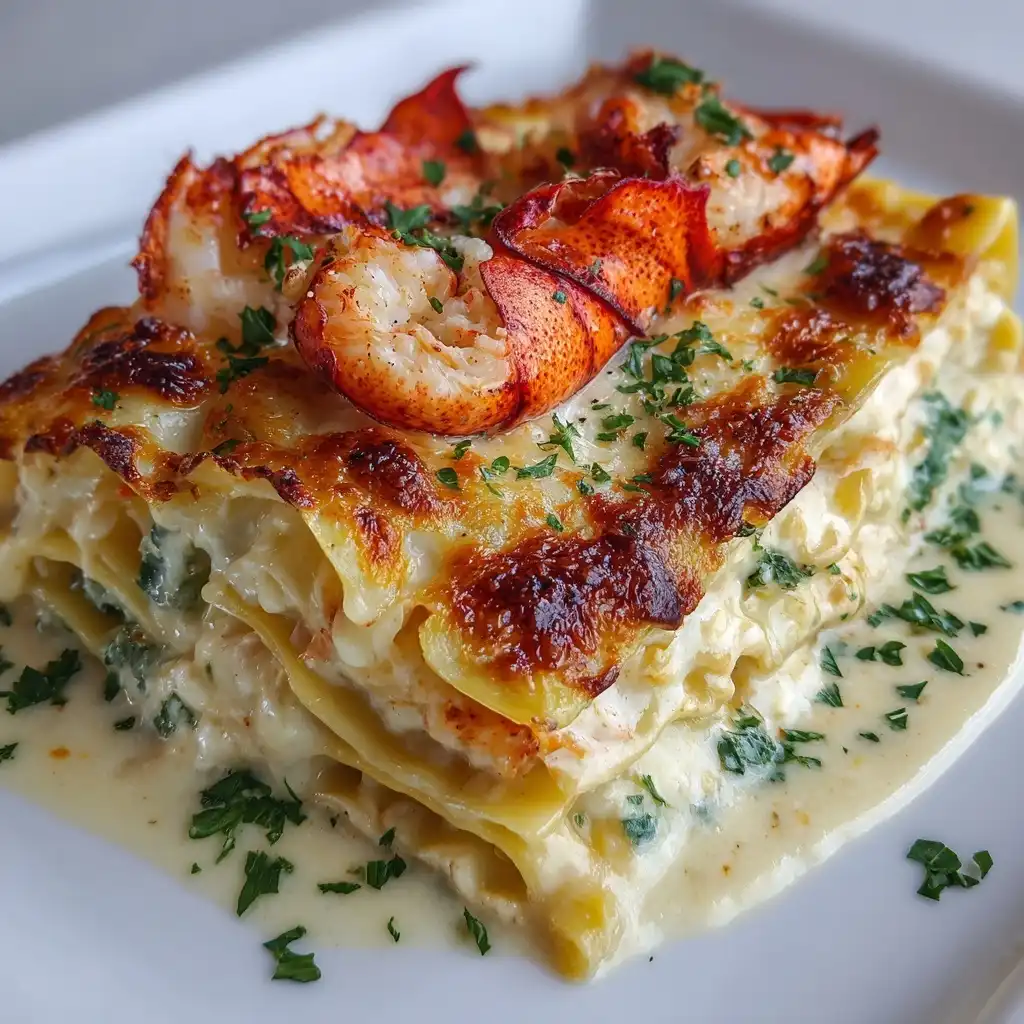
Lobster Alfredo Lasagna is the ultimate celebration dish—a luxurious fusion of Italian comfort food and New England seafood elegance. It transforms the classic baked pasta into a decadent, restaurant-worthy centerpiece that marries tender, sweet lobster meat with velvety, garlicky Alfredo sauce and delicate layers of no-boil lasagna noodles. Unlike traditional lasagnas built on ricotta-and-tomato foundations, this version embraces a rich, creamy, dairy-forward profile elevated by the briny-sweet depth of premium lobster—whether fresh Maine lobster tails, succulent claw meat, or sustainably sourced frozen lobster chunks. It’s not just dinner; it’s an experience—one that balances opulence with approachability, making it perfect for milestone birthdays, anniversary dinners, holiday feasts, or simply treating yourself to culinary indulgence without stepping foot in a fine-dining establishment.
The History
While lasagna itself traces its origins to medieval Italy—with early iterations appearing in 13th-century texts like the De honesta voluptate et valetudine by Bartolomeo Platina—the modern American lasagna evolved significantly in the 20th century, especially post-World War II, as Italian-American communities adapted regional recipes using accessible ingredients like ricotta, mozzarella, and canned tomatoes. Alfredo sauce, contrary to popular belief, was not invented by Alfredo di Lelio as a standalone “cream-and-butter” sauce for tourists—but rather as a refined tableside preparation of fettuccine tossed with butter, Parmigiano-Reggiano, and a whisper of cream to soothe his pregnant wife in early 1900s Rome. Its Americanized, ultra-creamy, heavy-cream-and-garlic iteration gained traction in the 1950s–60s through Italian-American steakhouses and chain restaurants.
The marriage of lobster and Alfredo emerged organically in coastal regions—particularly in Boston, Portland, and Long Island—where chefs began experimenting with seafood-infused pasta bakes in the 1980s and 1990s. Lobster ravioli and lobster mac & cheese paved the way; lobster lasagna followed as home cooks and culinary innovators sought richer, more structured formats to showcase the delicacy of lobster without overwhelming its subtle flavor. By the early 2000s, food magazines like Bon Appétit and Food & Wine featured variations, often calling it “Lobster ‘Fettuccine’ Lasagna” or “Seafood Ricotta Lasagna”—but the true breakthrough came with the rise of gourmet grocery chains (like Eataly and Whole Foods) offering pre-cooked lobster meat and artisanal no-boil noodles, democratizing what was once strictly a chef-driven dish. Today, Lobster Alfredo Lasagna stands as a hallmark of elevated home cooking—a testament to how tradition, terroir, and technique can converge in one golden, bubbling, herb-flecked casserole dish.
Ingredients Breakdown
Every element in Lobster Alfredo Lasagna serves a precise sensory and structural purpose—no ingredient is arbitrary. Below is a granular, chef-level breakdown of why each component matters:
- Lobster Meat (1½–2 lbs cooked, tail & claw): The star. Opt for cold-water lobster (Maine or Canadian) for firmer texture and sweeter, cleaner flavor versus warm-water varieties. Freshly picked is ideal—but high-quality frozen, flash-picked, and vacuum-sealed lobster retains excellent integrity when thawed slowly overnight in the fridge. Avoid canned or imitation lobster, which lacks sweetness and introduces phosphates that destabilize dairy sauces.
- No-Boil Lasagna Noodles (12–15 sheets): Engineered with pre-gelatinized starch, these absorb moisture from the sauce during baking—eliminating prep time while delivering consistent tenderness. Look for oven-ready varieties made with durum wheat semolina for optimal chew and layer cohesion. Gluten-free options (brown rice or lentil-based) work well but may require slightly more liquid in the sauce.
- Unsalted Butter (1 cup / 2 sticks): Not just for richness—it carries fat-soluble aromatics (garlic, shallots, nutmeg), builds mouthfeel, and contributes to the signature sheen and silkiness of the Alfredo base. European-style butter (82–84% fat) yields superior flavor and emulsification.
- Heavy Cream (2 cups, minimum 36% milkfat): Provides unctuous body and stabilizes the sauce against curdling. Ultra-pasteurized cream is acceptable, but low-temperature pasteurized (common in local dairies) offers better flavor nuance and smoother reduction.
- Whole Milk (½ cup): Adds subtle sweetness and lightens the density of the cream without sacrificing viscosity—critical for preventing a cloying, overly thick sauce that masks lobster.
- Freshly Grated Parmigiano-Reggiano (1¾ cups, finely grated): Aged minimum 24 months for complex umami, nuttiness, and natural enzymatic saltiness. Pre-grated “Parmesan” contains cellulose anti-caking agents that inhibit melting and create graininess. Use a microplane for maximum surface area and seamless incorporation.
- Grated Pecorino Romano (½ cup): Salty, tangy, and sheep’s-milk sharp—this counterbalances the sweetness of lobster and adds dimensional savoriness. Authentic DOP-certified Pecorino from Sardinia or Lazio is essential.
- Garlic (6 large cloves, minced): Raw garlic overwhelms lobster; gently sautéed in butter until fragrant (not browned) unlocks alliinase enzymes for mellow, roasted-sweet aroma without acrid bite.
- Shallots (2 large, finely diced): More delicate than onions, shallots contribute layered allium sweetness and aromatic finesse—crucial for building complexity without overpowering the seafood.
- Dry White Wine (½ cup, e.g., Sauvignon Blanc or Verdicchio): Adds bright acidity and lifts richness. Alcohol cooks off, leaving only ethereal fruit and mineral notes that harmonize with lobster’s oceanic minerality. Never substitute cooking wine—it contains salt and preservatives that dull flavor.
- Fresh Lemon Zest (from 1 large lemon) + Juice (1 tbsp): Zest imparts volatile citrus oils that awaken the palate; juice added at the end provides balancing acidity—not sourness—to cut through fat and highlight lobster’s natural sweetness.
- Nutmeg (¼ tsp freshly grated): Warm, slightly sweet, and profoundly aromatic—nutmeg is the secret bridge between dairy and shellfish. Pre-ground loses potency within weeks; always grate whole nutmeg on a microplane.
- Fresh Parsley (½ cup, flat-leaf, finely chopped): Added post-bake for vibrancy, color, and clean herbal lift. Curly parsley lacks depth; Italian parsley delivers grassy, peppery brightness.
- Fresh Chives (¼ cup, snipped): Delicate onion-floral notes that complement without competing—sprinkled on top just before serving for visual contrast and aromatic nuance.
- High-Quality Mozzarella di Bufala or Fresh Fior di Latte (1½ cups, small cubes or shredded): Melts luxuriously without greasing; adds stretch and mild lactic creaminess. Avoid low-moisture mozzarella—it’s too dense and rubbery here.
- Optional Luxe Enhancements: A tablespoon of white truffle oil drizzled before serving; a few flakes of Maldon sea salt for textural pop and saline finish; a scattering of edible chive blossoms or micro basil for haute presentation.
Step-by-Step Recipe
This meticulously tested method ensures flawless texture, balanced seasoning, and structural integrity—no soggy noodles, no broken sauce, no overcooked lobster.
- Prep the Lobster: If using whole cooked lobster, crack claws and knuckles, remove meat in large pieces, and gently separate tail meat from the shell. Pat *very* dry with paper towels—excess moisture is the enemy of creamy sauce adhesion. Chop into ¾-inch pieces (avoid mincing). Refrigerate covered until needed.
- Toast the Noodles (Optional but Recommended): Lightly brush both sides of each no-boil noodle sheet with melted butter and arrange on parchment-lined baking sheets. Bake at 325°F for 6–8 minutes until pliable but not crisp. This step reduces starch leaching, prevents gumminess, and encourages even absorption. Cool completely before layering.
- Build the Alfredo Base: In a heavy-bottomed Dutch oven or stainless-steel saucepan, melt ½ cup butter over medium-low heat. Add shallots and garlic; sauté 4–5 minutes until translucent and fragrant—do not brown. Deglaze with white wine, scraping up browned bits; simmer 2 minutes until nearly evaporated. Whisk in heavy cream and milk. Bring to a gentle simmer (small bubbles at edges), then reduce heat to low.
- Emulsify the Cheese: Gradually whisk in Parmigiano-Reggiano and Pecorino Romano, ¼ cup at a time, allowing each addition to fully melt and thicken before adding more. Continue whisking constantly for 8–10 minutes until sauce coats the back of a spoon (nappe consistency). Stir in nutmeg, lemon zest, and a pinch of white pepper. Remove from heat and let cool slightly (10 minutes)—this prevents scrambling when mixing with lobster.
- Incorporate the Lobster: Gently fold chilled lobster pieces into the warm (not hot) Alfredo sauce. Add lemon juice. Taste and adjust: lobster should taste prominent—not masked. If too rich, add another ½ tsp lemon juice; if too salty, stir in 1 tsp unsalted butter to round edges.
- Assemble with Precision: Preheat oven to 375°F. Lightly grease a 9×13-inch ceramic or enameled cast-iron baking dish. Spread ¾ cup reserved Alfredo (without lobster) on bottom to prevent sticking. Layer 4 noodles (slightly overlapping if needed). Spread ⅓ of lobster-Alfredo mixture evenly. Scatter ⅓ of mozzarella. Repeat two more times (noodles → lobster-Alfredo → mozzarella). Top final noodle layer with remaining ½ cup plain Alfredo sauce (to keep top moist), then remaining mozzarella. Optional: dot with 2 tbsp cold butter for golden, blistered finish.
- Bake with Steam Control: Cover tightly with parchment-lined foil (prevents drying + traps steam for noodle tenderness). Bake 35 minutes. Remove foil, rotate dish, and bake uncovered 15–20 minutes until top is deeply golden, edges bubble vigorously, and internal temperature reaches 165°F (use instant-read thermometer inserted into center). Rest 25 minutes—*non-negotiable*. This allows starches to set, sauce to re-emulsify, and layers to cohere. Cutting too soon causes collapse and weeping.
- Finish & Serve: Sprinkle generously with fresh parsley and chives. For extra luxury, drizzle with truffle oil and flaky sea salt. Cut with a sharp chef’s knife dipped in hot water between slices for clean edges.
Tips
- Temperature Discipline Is Everything: Never mix hot sauce with cold lobster—or vice versa. Thermal shock causes proteins to seize and release water, leading to grainy sauce and rubbery texture. Always bring components within 20°F of each other before combining.
- The “Sauce-to-Noodle Ratio” Rule: Aim for 1 cup sauce per noodle layer. Too little = dry, brittle noodles. Too much = soupy, separated layers. Adjust with reserved plain Alfredo—not water or broth—as needed.
- Resting Isn’t Optional—It’s Chemical: During the 25-minute rest, amylose molecules in the noodles realign, trapping moisture and creating sliceable integrity. Skipping this yields a beautiful-looking but structurally unsound lasagna that slides apart on the plate.
- Layering Logic: Always start and end with plain (lobster-free) Alfredo on the bottom and topmost noodle layer. This creates moisture barriers that protect lobster from direct oven heat and prevent scorching.
- Butter-Basting the Foil: Before covering, lightly butter the underside of the foil. This creates a self-basting effect—condensation collects and drips back as enriched steam, keeping noodles supple.
- Freeze Like a Pro: Assemble unbaked lasagna, wrap *twice* in plastic + foil, freeze up to 3 months. Thaw overnight in fridge, then bake as directed—add 10 minutes covered time. Never thaw at room temperature (food safety risk).
- Reheating Without Ruin: Individual portions: cover with damp paper towel, microwave at 50% power in 90-second intervals, stirring sauce gently between. Full pan: 325°F, covered, 25–35 minutes until 160°F internal.
- Sauce Rescue Protocol: If Alfredo breaks (separates), immediately remove from heat, whisk in 1 tbsp cold heavy cream + 1 tsp Dijon mustard (emulsifier), and gently re-warm. Never boil a broken sauce.
Variations and Customizations
This recipe is a master canvas—adaptable across dietary needs, seasonal availability, budget, and global flavor profiles—without compromising its luxurious soul:
- Coastal Mediterranean Twist: Replace ½ the lobster with jumbo lump crab meat and add ¼ cup chopped sun-dried tomatoes (oil-packed, patted dry), 2 tbsp capers, and 1 tbsp chopped preserved lemon rind. Finish with oregano and crumbled feta instead of Pecorino.
- Truffle & Sherry Reduction: Simmer ½ cup dry sherry + 2 tbsp shallots + 1 tsp thyme until syrupy. Fold into Alfredo base along with 1½ tsp white truffle paste (not oil). Top with shaved black truffle before serving.
- Spicy Calabrian Seafood: Infuse butter with 2 crushed Calabrian chiles; add 1 tbsp chopped Calabrian chile paste to sauce. Substitute half the mozzarella with smoked provolone. Garnish with pickled Fresno chiles.
- Herb-Forward Spring Version: Add ¼ cup chopped tarragon + 2 tbsp chervil to lobster mixture. Replace nutmeg with lemon thyme. Top with pea shoots and edible violas.
- Gluten-Free Mastery: Use certified GF no-boil noodles (Tinkyada or Barilla GF). Boost sauce thickness with 1 tsp xanthan gum whisked into cold cream before heating. Ensure all cheeses are GF-labeled (some aged cheeses contain gluten-derived mold cultures).
- Dairy-Free Decadence: Substitute cashew cream (soaked raw cashews + water, blended ultra-smooth) for heavy cream; nutritional yeast + white miso + lemon zest for “cheesy” umami; coconut butter for richness. Use hearts of palm “lobster” or king oyster mushroom “scallop” strips for vegan version.
- Low-Carb/Keto Adaptation: Replace noodles with thin, blanched zucchini ribbons (salting and pressing first to remove water) or oven-baked eggplant slices. Increase Parmigiano to 2¼ cups for binding. Reduce cream slightly; add 2 tbsp powdered erythritol-free monk fruit for subtle balance.
- One-Pan Stovetop “Lasagna”: Skip baking entirely: layer in a deep 12-inch skillet—noodles, sauce, lobster, cheese—cover, simmer gently 25 minutes on low heat, then broil 3 minutes for crust. Ideal for weeknights or camping.
Health Considerations and Nutritional Value
A single 1¼-cup serving (1/12th of a standard 9×13 pan) contains approximately:
- Calories: 680–740 kcal
- Protein: 42–48 g (Lobster provides complete protein with all 9 essential amino acids; notably high in selenium, zinc, and vitamin B12)
- Fat: 44–49 g (Primarily unsaturated from olive oil/butter, plus omega-3s EPA/DHA from lobster—~250 mg per serving)
- Carbohydrates: 22–26 g (Mostly from noodles; fiber ~2 g if using whole-wheat no-boil noodles)
- Sodium: 780–920 mg (Controlled by omitting added salt—relying on natural saltiness of cheeses and lobster; use low-sodium Pecorino if needed)
- Vitamins & Minerals: Exceptionally high in Vitamin B12 (1,200% DV), Selenium (180% DV), Copper (75% DV), and Phosphorus (65% DV). Moderate in Vitamin A (from butter/cream) and Calcium (from cheeses).
Health Notes:
- Cholesterol Context: One serving contains ~290 mg cholesterol—well within FDA’s “less than 300 mg/day” guidance for healthy adults, and recent research shows dietary cholesterol has minimal impact on blood cholesterol for most people. Lobster is naturally low in saturated fat (<1.5 g/serving), making it heart-healthier than many red meats.
- Dairy Sensitivity Workarounds: Lactose content is low—aged cheeses like Parmigiano contain <0.1 g lactose per ounce; heavy cream has ~1 g per ¼ cup. Most lactose-intolerant individuals tolerate this dish well. For strict avoidance, see dairy-free variation above.
- Mercury & Contaminants: Lobster is among the lowest-mercury seafood (0.09 ppm avg)—safer than tuna, swordfish, or shark. Farmed varieties may contain higher PCBs; opt for wild-caught, MSC-certified sources.
- Weight Management Tip: Boost satiety and fiber by adding 1 cup finely chopped spinach (wilted and squeezed dry) to the lobster mixture—or serve with a large arugula-lemon salad dressed in lemon vinaigrette.
- Anti-Inflammatory Bonus: Garlic, shallots, lemon, parsley, and nutmeg all contain potent polyphenols and antioxidants (quercetin, limonene, rosmarinic acid) that synergize with lobster’s selenium to support cellular detoxification and reduce oxidative stress.
Ingredients
- 1½–2 lbs cooked lobster meat (tail and claw), finely chopped (about 3 cups)
- 12–15 no-boil lasagna noodles (regular or gluten-free)
- 1 cup (2 sticks) unsalted butter, divided
- 2 cups heavy cream (minimum 36% fat)
- ½ cup whole milk
- 1¾ cups freshly grated Parmigiano-Reggiano (finely grated on microplane)
- ½ cup freshly grated Pecorino Romano
- 6 large garlic cloves, minced
- 2 large shallots, finely diced
- ½ cup dry white wine (Sauvignon Blanc or Verdicchio)
- Zest of 1 large lemon + 1 tbsp fresh lemon juice
- ¼ tsp freshly grated nutmeg
- ¼ tsp freshly ground white pepper
- 1½ cups fresh mozzarella (di bufala or fior di latte), small cubes or shredded
- ½ cup fresh flat-leaf parsley, finely chopped
- ¼ cup fresh chives, snipped
- Flaky sea salt (e.g., Maldon), for finishing
- White truffle oil (optional, for finishing)
Directions
- Preheat oven to 375°F (190°C). Lightly grease a 9×13-inch baking dish with butter or non-stick spray.
- Pat lobster meat very dry with paper towels. Set aside.
- In a large heavy-bottomed pot or Dutch oven, melt ½ cup (1 stick) butter over medium-low heat. Add shallots and garlic; cook 4–5 minutes until soft and fragrant—do not brown.
- Pour in white wine, scraping up any browned bits. Simmer 2 minutes until reduced by half.
- Whisk in heavy cream and milk. Bring to a gentle simmer (small bubbles around edges), then reduce heat to low.
- Gradually whisk in Parmigiano-Reggiano and Pecorino Romano, ¼ cup at a time, allowing each addition to fully melt and thicken before adding more. Continue whisking constantly for 8–10 minutes until sauce coats the back of a spoon. Stir in lemon zest, nutmeg, and white pepper. Remove from heat. Let cool 10 minutes.
- Gently fold in lobster meat and lemon juice. Taste and adjust seasoning—add a pinch of flaky salt only if needed.
- Spread ¾ cup of the plain Alfredo sauce (reserve before adding lobster) across the bottom of the prepared baking dish.
- Arrange 4 lasagna noodles over sauce, slightly overlapping if necessary.
- Spread ⅓ of the lobster-Alfredo mixture evenly over noodles. Scatter ⅓ of mozzarella over top.
- Repeat with noodles (4 more), lobster mixture (⅓), and mozzarella (⅓).
- Top with final 4 noodles. Spread remaining plain Alfredo sauce over noodles (do not use lobster mixture here). Top with remaining mozzarella.
- Cover tightly with aluminum foil, parchment side down (or use parchment-lined foil to prevent sticking).
- Bake covered for 35 minutes.
- Remove foil, rotate dish, and bake uncovered for 15–20 minutes until top is golden brown, edges are bubbling vigorously, and internal temperature reads 165°F.
- Remove from oven and let rest, uncovered, for 25 minutes—this is essential for clean slicing and cohesive layers.
- Just before serving, sprinkle generously with fresh parsley and chives. Drizzle with truffle oil and flaky sea salt, if desired.
- Cut into 12 squares using a sharp knife dipped in hot water between cuts. Serve immediately.
FAQ
- Can I use frozen lobster meat?
- Yes—high-quality frozen, individually quick-frozen (IQF) lobster meat works exceptionally well. Thaw overnight in the refrigerator (never at room temperature), then pat *extremely* dry. Avoid refreezing.
- Why no ricotta in this lasagna?
- Ricotta adds desirable tang and lightness in tomato-based lasagnas—but its high moisture and mild flavor compete with lobster’s subtlety and dilute the luxurious mouthfeel of a pure Alfredo foundation. The cheeses used here provide superior binding, richness, and umami without compromising the star ingredient.
- Can I make this ahead of time?
- Absolutely. Assemble up to 24 hours in advance (unbaked), cover tightly, and refrigerate. Add 5–7 minutes to covered bake time. For longer storage, freeze assembled (unbaked) lasagna for up to 3 months—thaw overnight before baking.
- What if my Alfredo sauce breaks or looks grainy?
- Immediately remove from heat. Whisk in 1 tbsp cold heavy cream and 1 tsp Dijon mustard—this re-emulsifies the fats. Gently rewarm on lowest setting without boiling. Prevent future breaking by never letting sauce boil and whisking constantly during cheese incorporation.
- Can I substitute shrimp or scallops for lobster?
- You can—but flavor and texture will differ significantly. Shrimp becomes rubbery if overcooked; add in last 5 minutes of baking. Scallops release water; sear first, cool, and pat dry. Lobster remains unmatched for sweetness, firm-yet-tender bite, and luxurious mouthfeel.
- Is there a lighter version without sacrificing flavor?
- Yes: replace half the heavy cream with full-fat coconut milk (for richness without dairy), use grass-fed butter, increase lemon zest to 1½ lemons, add 1 cup wilted, squeezed spinach to lobster mixture, and top with microgreens instead of extra cheese. Protein and flavor remain stellar; calories drop ~18%.
- How do I know when it’s done baking?
- Look for deep golden-brown cheese, vigorous bubbling at the edges, and a clean insert from an instant-read thermometer reading 165°F in the center. The noodles should be tender but not mushy—test with a toothpick near the edge; it should slide in with slight resistance.
- Can I use regular boiled lasagna noodles?
- You can—but you’ll need to adjust liquid. Boil noodles until al dente (1 minute less than package says), drain, rinse with cold water, and lay flat on oiled parchment. Reduce cream by ¼ cup and add 2 tbsp reserved pasta water to sauce to compensate for excess starch absorption.
Summary
Lobster Alfredo Lasagna is a masterclass in refined comfort—where the ocean’s sweetest treasure meets Italy’s silkiest sauce in a meticulously layered,