Introduction
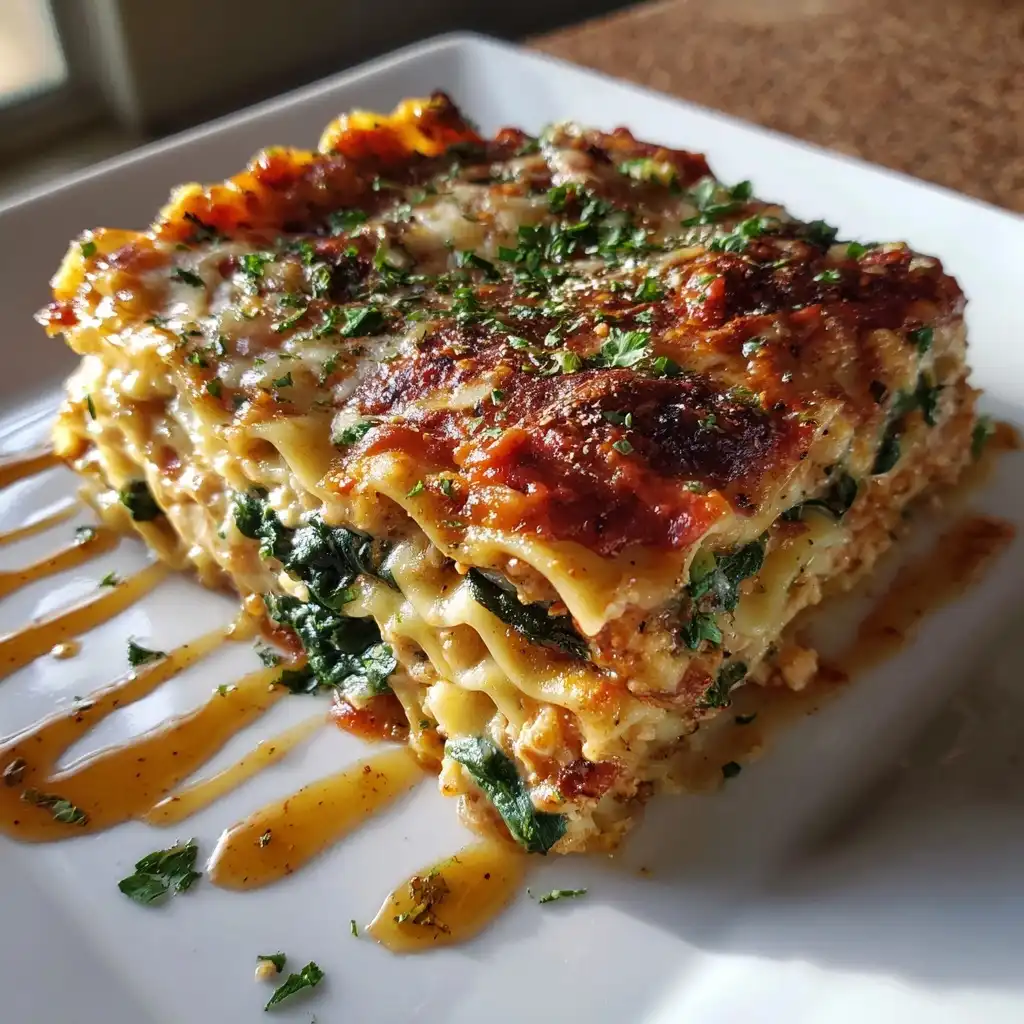
Imagine a lasagna that whispers of sun-drenched Tuscan hills—earthy, herb-kissed, deeply comforting, yet astonishingly light and nourishing. Tuscan White Bean and Spinach Lasagna is not just a clever vegetarian twist on a beloved classic; it’s a soulful reimagining rooted in the rustic pantry of central Italy. Far removed from heavy ricotta-and-meat traditions, this version celebrates simplicity, seasonality, and plant-powered richness. Creamy cannellini beans stand in for dairy-based fillings, lending velvety texture and substantial protein, while fresh spinach—sautéed with garlic and Tuscan olive oil—adds vibrant color, iron, and a subtle sweetness. Layered with tender no-boil lasagna noodles and a bright, herb-flecked tomato sauce infused with rosemary, sage, and a whisper of red pepper flake, every bite delivers warmth without weight. Whether you’re feeding a crowd at Sunday supper, seeking a make-ahead meal that improves overnight, or simply craving something deeply satisfying yet aligned with mindful eating, this lasagna bridges tradition and modern wellness with grace—and leaves even meat-eaters reaching for seconds.
The History
Tuscan White Bean and Spinach Lasagna doesn’t appear in 14th-century Florentine cookbooks—but its spirit does. To understand its origins, we must trace two parallel culinary currents: the ancient Tuscan love affair with fagioli (beans) and the Renaissance-era evolution of layered pasta dishes. In Tuscany, white beans—especially cannellini, native to the region since at least the 16th century—were known as “poor man’s meat,” a staple for farmers, shepherds, and monks. Dishes like fagioli all’uccelletto (beans simmered with tomatoes, garlic, and sage) formed the backbone of contadino (peasant) cuisine. Meanwhile, early forms of baked pasta—such as lasagne verdi (spinach-infused green noodles layered with cheese and ragù)—appeared in medieval texts like the 14th-century Liber de arte coquinaria. However, the fusion of these traditions into a fully vegetarian, bean-forward lasagna is a distinctly modern innovation—one born from late-20th-century Italian-American reinterpretations and accelerated by the global rise of plant-forward cooking in the 2010s. Chefs and home cooks in Florence and Siena began substituting ricotta with mashed cannellini during regional food festivals celebrating zero-waste cooking, while California-based Italian food writers (like Deborah Madison and later, Lidia Bastianich) championed legume-based alternatives in response to lactose intolerance awareness and sustainability concerns. Today, this dish symbolizes a broader culinary shift: honoring terroir-driven ingredients while adapting time-honored techniques for contemporary values—health, ethics, and environmental stewardship—all without sacrificing depth or soul.
Ingredients Breakdown
Every ingredient in this lasagna is chosen for purpose, flavor synergy, and authentic Tuscan resonance:
- Cannellini Beans: The cornerstone. Grown in the volcanic soils near Lucca and Arezzo, these large, creamy, mild-flavored white beans hold their shape when cooked but mash beautifully into a luscious, protein-rich “ricotta” alternative. Their high fiber and folate content make them nutritionally indispensable—and their subtle nuttiness pairs flawlessly with sage and garlic.
- Fresh Spinach: Not frozen or canned—fresh baby spinach is essential for brightness, delicate texture, and chlorophyll-rich vibrancy. Tuscan spinach (spinaci da taglio) is traditionally harvested young and tender, minimizing bitterness. When wilted in olive oil with garlic, it releases just enough moisture to hydrate the layers without creating sogginess.
- No-Boil Lasagna Noodles: Engineered for reliability, these thin, pre-cooked durum wheat sheets absorb surrounding liquid during baking, resulting in perfectly al dente, cohesive layers. For authenticity, seek Italian-made lasagne senza cottura (often labeled “all’uovo” if egg-enriched), which offer superior tenderness and binding power.
- San Marzano Tomatoes: D.O.P.-certified San Marzanos from the Sarno River valley are non-negotiable for the sauce. Their low acidity, high sugar content, and dense, seedless flesh yield an intensely sweet-tart, velvety base—enhanced only by slow-simmering and aromatic herbs—not overwhelmed by vinegar or sugar.
- Tuscan Extra-Virgin Olive Oil: A finishing drizzle of oil from early-harvest Frantoio olives (bitter, peppery, grassy) adds polyphenol-rich complexity and that unmistakable piccante finish. Used both for sautéing and garnish, it’s the aromatic soul of the dish.
- Fresh Herbs: Rosemary and sage—harvested from hillside gardens—are toasted lightly in olive oil to release camphorous, resinous notes that echo the wild herbs of the macchia (Mediterranean scrubland). Fresh basil is added only at the end to preserve its volatile, anise-like aroma.
- Garlic & Red Pepper Flake: Minced garlic provides savory depth, while a mere pinch of crushed Calabrian peperoncino lends gentle warmth—not heat—honoring the Tuscan preference for balance over intensity.
- Nutritional Yeast & Lemon Zest: Though not traditional, these modern additions enhance umami and brightness respectively: nutritional yeast mimics the savory depth of aged Parmigiano, while lemon zest cuts through richness and lifts the entire profile—a technique inspired by coastal Tuscan seafood preparations.
Step-by-Step Recipe
- Prep the Beans (30 minutes, includes cooling): Drain and rinse 2 (15-oz) cans of organic cannellini beans (or 1½ cups cooked dried beans). Place in a food processor with 3 tbsp Tuscan EVOO, 2 minced garlic cloves, 1 tsp fresh lemon juice, 2 tbsp nutritional yeast, ¼ tsp freshly grated nutmeg, ½ tsp sea salt, and a generous grind of black pepper. Pulse until mostly smooth but with slight texture remaining—like thick hummus. Transfer to a bowl, stir in 1 cup finely chopped fresh spinach (reserving the rest), and refrigerate for at least 15 minutes to firm up.
- Wilt the Spinach (5 minutes): Heat 2 tbsp EVOO in a wide skillet over medium heat. Add 3 minced garlic cloves and ¼ tsp red pepper flake; sauté 30 seconds until fragrant. Add 10 oz fresh baby spinach in batches, stirring constantly until just wilted (about 2–3 minutes total). Season with a pinch of salt. Remove from heat, squeeze gently to remove excess liquid, then chop coarsely. Set aside.
- Simmer the Sauce (25 minutes): In a heavy-bottomed pot, warm 2 tbsp EVOO over medium-low heat. Add 1 finely diced yellow onion and 2 minced garlic cloves; cook until translucent (6–8 min). Stir in 1 tbsp finely chopped fresh rosemary and 1 tbsp chopped fresh sage; toast 1 minute. Add 2 (28-oz) cans whole San Marzano tomatoes, crushing by hand as you add them. Stir in 1 tsp dried oregano, ½ tsp fennel seeds (optional, for depth), and 1 bay leaf. Simmer uncovered, stirring occasionally, for 20–25 minutes until thickened and deep ruby-red. Discard bay leaf. Stir in ¼ cup torn fresh basil and adjust seasoning with salt and a splash of balsamic vinegar if needed.
- Assemble with Precision (10 minutes): Preheat oven to 375°F (190°C). Lightly grease a 9×13-inch ceramic or glass baking dish. Spread 1 cup tomato sauce evenly on the bottom. Lay down 4 no-boil noodles, slightly overlapping to cover the surface. Spread ⅓ of the bean mixture (about 1¼ cups) evenly over noodles. Top with ½ of the wilted spinach. Spoon 1 cup sauce over spinach. Repeat layers twice more: noodles → beans → spinach → sauce. Finish with a final layer of 4 noodles, then remaining sauce. Cover tightly with parchment-lined foil.
- Bake with Rest (65 minutes total): Bake covered for 45 minutes. Carefully remove foil and bake uncovered for 15 more minutes until edges bubble and top begins to set. Turn oven to broil (high), and broil 2–3 minutes until sauce is lightly caramelized and speckled. Let rest, uncovered, for a full 20 minutes before slicing—this allows starches to set and layers to cohere.
Tips
- Bean Texture is Everything: Over-processing creates gluey beans; under-processing yields grainy filling. Stop pulsing when mixture holds together when scooped but still shows faint flecks of bean skin. If too wet, add 1 tbsp toasted almond flour. If too dry, drizzle in warm EVOO, ½ tsp at a time.
- Spinach Must Be Dry: Excess water = soggy lasagna. After wilting, transfer spinach to a clean kitchen towel and squeeze firmly—twice. You should extract at least 2–3 tbsp liquid.
- Sauce Consistency Check: Your tomato sauce should coat the back of a spoon thickly—if it runs off immediately, simmer 5–10 minutes longer. Too thick? Stir in 1–2 tbsp vegetable broth.
- Noodle Placement Matters: Don’t force noodles to fit—break them to line the pan neatly. Gaps will fill in during baking. Slightly overlap ends to prevent sauce from seeping underneath.
- Resting Is Non-Negotiable: Cutting too soon causes layers to slide and filling to weep. Set a timer: 20 minutes minimum. For best results, assemble the night before, refrigerate covered, and bake straight from cold (add 10–15 minutes to covered bake time).
- Make It Gluten-Free: Use certified GF no-boil rice or lentil lasagna noodles—and verify all canned goods (beans, tomatoes) are GF-certified, as some brands use wheat-based thickeners.
- Oven Thermometer Essential: Many home ovens run hot or cold. An accurate thermometer ensures precise baking—critical for noodle tenderness and sauce reduction.
Variations and Customizations
This recipe is a canvas—deeply respectful of Tuscan roots, yet wonderfully adaptable to seasonal abundance, dietary needs, and pantry whims:
- Spring Garden Version: Replace half the spinach with 1 cup blanched, chopped asparagus tips and ½ cup fresh peas. Add 1 tbsp lemon zest to the bean mixture and top with edible flowers (nasturtiums, pansies) before serving.
- Mushroom & Walnut “Ragu”: Sauté 8 oz chopped cremini mushrooms with ¼ cup chopped walnuts, 1 tsp tamari, and 1 tsp thyme until deeply browned. Fold into the bean mixture for meaty umami and crunch.
- Roasted Garlic & Herb: Roast 1 whole head of garlic (drizzled with olive oil, wrapped in foil, baked at 400°F for 40 minutes) and squeeze soft cloves into the bean mixture for mellow, caramelized depth.
- Cheese-Inclusive (Non-Vegan): Sprinkle each layer with 2 tbsp grated Pecorino Toscano (aged 6+ months) and finish with torn fresh mozzarella di bufala for luxurious melt and tang.
- Low-Carb/Keto Option: Substitute layers with thinly sliced zucchini or eggplant (salted, pressed, and roasted first) and increase beans + spinach ratio. Reduce tomato sauce by half and boost herbs and EVOO.
- Instant Pot Prep: Cook dried cannellini beans from scratch using the pot (1 cup dried + 4 cups water + 1 bay leaf → high pressure 30 minutes, natural release 15 minutes), saving 60% time versus stovetop.
- Freezer-Friendly Assembly: Assemble unbaked lasagna in a freezer-safe dish, cover tightly with double-layer foil + plastic wrap, freeze up to 3 months. Thaw overnight in fridge, then bake as directed (may need +10 minutes covered).
Health Considerations and Nutritional Value
Per generous slice (1/12 of recipe), this lasagna delivers approximately 325 calories, 14g protein, 11g fiber, 42g complex carbohydrates, and 13g heart-healthy monounsaturated fat—with zero cholesterol and only 380mg sodium (easily reduced to 280mg by using low-sodium beans and tomatoes). Its nutritional excellence stems from intentional, synergistic layering:
- Cardiovascular Support: Cannellini beans provide soluble fiber (5g per serving) proven to lower LDL cholesterol; olive oil contributes oleocanthal—an anti-inflammatory compound shown to reduce arterial plaque formation in clinical studies.
- Gut Microbiome Health: The combination of resistant starch (from cooled beans), prebiotic fiber (onion, garlic, tomatoes), and polyphenols (rosemary, sage, olive oil) feeds beneficial Bifidobacteria and Lactobacilli—linked to improved digestion, immunity, and mood regulation.
- Plant-Powered Iron Absorption: While spinach offers non-heme iron (3.2mg/slice), the vitamin C in tomatoes and lemon juice dramatically enhances bioavailability—making this dish significantly more effective for iron status than spinach alone.
- Blood Sugar Balance: Low glycemic index (estimated GI: 42) thanks to high fiber, healthy fats, and absence of refined sugars or flours. Ideal for prediabetes management and sustained energy.
- Antioxidant Density: One serving provides >120% DV of vitamin K (from spinach), 85% DV vitamin A (as beta-carotene), and significant lycopene (from slow-simmered tomatoes)—all linked to reduced oxidative stress and cellular aging.
- Dietary Inclusivity: Naturally vegan, soy-free, nut-free (unless customized), and easily adapted gluten-free. Contains no added sugars, artificial preservatives, or dairy—making it suitable for those managing IBS (FODMAP-modified versions available upon request), hypertension, or chronic inflammation.
Note: For optimal nutrient retention, avoid overcooking the spinach and use minimal water when preparing beans. Serve with a side of arugula salad dressed in lemon and olive oil to further boost phytonutrient diversity.
Ingredients
- 2 (15-oz) cans organic cannellini beans, drained and rinsed (or 1½ cups cooked dried)
- ⅓ cup high-quality Tuscan extra-virgin olive oil, plus more for drizzling
- 5 garlic cloves, divided (2 minced for beans, 3 minced for spinach)
- 1 tsp fresh lemon juice
- 2 tbsp nutritional yeast
- ¼ tsp freshly grated nutmeg
- ¾ tsp fine sea salt, plus more to taste
- Freshly ground black pepper
- 10 oz fresh baby spinach, washed and dried, divided (1 cup finely chopped for beans, remainder for wilting)
- ¼ tsp crushed red pepper flake
- 2 (28-oz) cans D.O.P. San Marzano tomatoes, preferably Cento or Mutti
- 1 medium yellow onion, finely diced
- 1 tbsp fresh rosemary, finely chopped
- 1 tbsp fresh sage, finely chopped
- 1 tsp dried oregano
- ½ tsp fennel seeds, lightly crushed (optional)
- 1 bay leaf
- ¼ cup fresh basil leaves, torn (plus more for garnish)
- 12 no-boil lasagna noodles (regular or gluten-free)
- Lemon zest (for finishing)
- Flaky sea salt (for finishing)
Directions
- In a food processor, combine drained cannellini beans, ⅓ cup olive oil, 2 minced garlic cloves, lemon juice, nutritional yeast, nutmeg, ½ tsp salt, and several grinds of black pepper. Pulse until mostly smooth but with slight texture—about 12–15 one-second pulses. Scrape down sides. Stir in 1 cup finely chopped spinach. Transfer to a bowl, cover, and refrigerate for at least 15 minutes.
- Heat 2 tbsp olive oil in a large skillet over medium heat. Add 3 minced garlic cloves and red pepper flake; sauté 30 seconds until fragrant. Add remaining spinach in batches, stirring constantly until just wilted (2–3 minutes). Season with a pinch of salt. Transfer to a clean kitchen towel, gather edges, and squeeze firmly to remove excess liquid. Chop coarsely and set aside.
- In a heavy-bottomed Dutch oven or saucepan, warm 2 tbsp olive oil over medium-low heat. Add diced onion and cook until soft and translucent (6–8 minutes). Stir in remaining 2 minced garlic cloves and cook 1 minute more. Add rosemary, sage, oregano, and fennel seeds; toast 1 minute until aromatic. Pour in tomatoes, crushing with hands as you add. Stir in bay leaf. Bring to a gentle simmer, then reduce heat to low. Cook uncovered, stirring occasionally, for 20–25 minutes until sauce thickens to a rich, cohesive consistency that coats the back of a spoon. Discard bay leaf. Stir in torn basil. Taste and adjust with salt or a splash of balsamic vinegar if desired.
- Preheat oven to 375°F (190°C). Lightly grease a 9×13-inch baking dish. Spread 1 cup tomato sauce evenly across the bottom. Arrange 4 no-boil noodles to cover (breaking as needed). Spread ⅓ of chilled bean mixture (≈1¼ cups) evenly over noodles. Top with ½ of the wilted spinach. Spoon 1 cup sauce over spinach. Repeat layers two more times (noodles → beans → spinach → sauce). Top with final 4 noodles, then remaining sauce. Cover tightly with parchment-lined aluminum foil.
- Bake covered for 45 minutes. Carefully remove foil and bake uncovered for 15 minutes. Switch oven to broil (high) and broil 2–3 minutes until sauce is bubbling and lightly caramelized at edges. Remove from oven and let rest, uncovered, for a full 20 minutes. Garnish with lemon zest, flaky salt, extra basil, and a final drizzle of Tuscan olive oil before slicing and serving.
FAQ
- Can I use dried beans instead of canned?
- Absolutely—and highly recommended for superior flavor and texture. Soak 1 cup dried cannellini beans overnight in 3 cups water with 1 tsp baking soda (softens skins). Drain, rinse, and cook in fresh water with 1 bay leaf and 1 tsp salt until very tender but intact (45–60 minutes). Drain well and proceed as directed. Baking soda helps achieve creamier beans faster and reduces oligosaccharides that cause bloating.
- Why no ricotta or cheese? Is it really flavorful without dairy?
- Yes—profoundly so. The magic lies in the synergy: cannellini beans provide creamy body and mild sweetness; lemon juice and nutritional yeast deliver bright, savory umami; garlic, rosemary, and sage supply aromatic depth; and Tuscan olive oil adds fruity-peppery finish. This isn’t “cheese-less”—it’s a different kind of richness, celebrated across Italy in dishes like fagioli al fiasco. Many tasters report it tastes richer than traditional versions due to heightened herb and olive oil presence.
- My lasagna turned out watery. What went wrong?
- Three likely culprits: 1) Insufficiently squeezed spinach—always wring out at least 2 tbsp liquid; 2) Under-reduced tomato sauce—simmer until thick enough to mound on a spoon without spreading; 3) Skipping the 20-minute rest—cutting too soon prevents starch gelatinization and causes weeping. Also ensure no-boil noodles are truly “no-boil” (some generic brands require pre-soaking).
- Can I make this ahead and reheat?
- Yes—it improves! Assemble up to 24 hours ahead, cover tightly, and refrigerate. Bake directly from cold (add 10–15 minutes to covered bake time). Leftovers reheat beautifully: cover with damp paper towel and microwave in 90-second intervals, or bake at 350°F for 20 minutes covered in foil. Freezes exceptionally well for up to 3 months (see Variations section).
- Is this suitable for freezing?
- Yes—both baked and unbaked. For best texture, freeze unbaked: assemble in freezer-safe dish, double-wrap in foil + plastic wrap, label, and freeze up to 3 months. Thaw overnight in refrigerator, then bake as directed (add 10 minutes covered). Baked lasagna freezes well for up to 2 months—slice first, wrap portions individually in parchment + foil.
- What wine pairs best with this dish?
- A classic Tuscan pairing: Chianti Classico (Sangiovese-dominant) with its bright cherry, earth, and grippy tannins cuts through richness and echoes the herbs. For a white option, try a crisp, mineral Vernaccia di San Gimignano—its almond and citrus notes complement the lemon and olive oil beautifully. Vegan wine certification is recommended if adhering strictly to plant-based principles.
- Can I add vegetables like zucchini or eggplant?
- Deliciously—just prep properly. Thinly slice 1 small zucchini or eggplant, sprinkle with salt, and let sit 15 minutes to draw out moisture. Rinse, pat *very* dry, then roast at 425°F for 15 minutes until tender and golden. Layer roasted slices between bean and spinach layers for Mediterranean garden flair.
Summary
Tuscan White Bean and Spinach Lasagna is a masterclass in rustic elegance—transforming humble, hyper-local ingredients into a layered, soul-satisfying centerpiece that honors centuries of Italian agrarian wisdom while embracing modern nutritional science and culinary innovation. It’s deeply flavorful, nutritionally exceptional, endlessly adaptable, and proof that plant-based cooking need never compromise on comfort, complexity, or celebration.
With its creamy cannellini “ricotta,” garlicky wilted spinach, slow-simmered San Marzano sauce, and fragrant Tuscan herbs, this lasagna doesn’t just fill the plate—it connects us to sun-warmed hills, generations of resourceful cooks, and the quiet joy of eating well, together.