Introduction
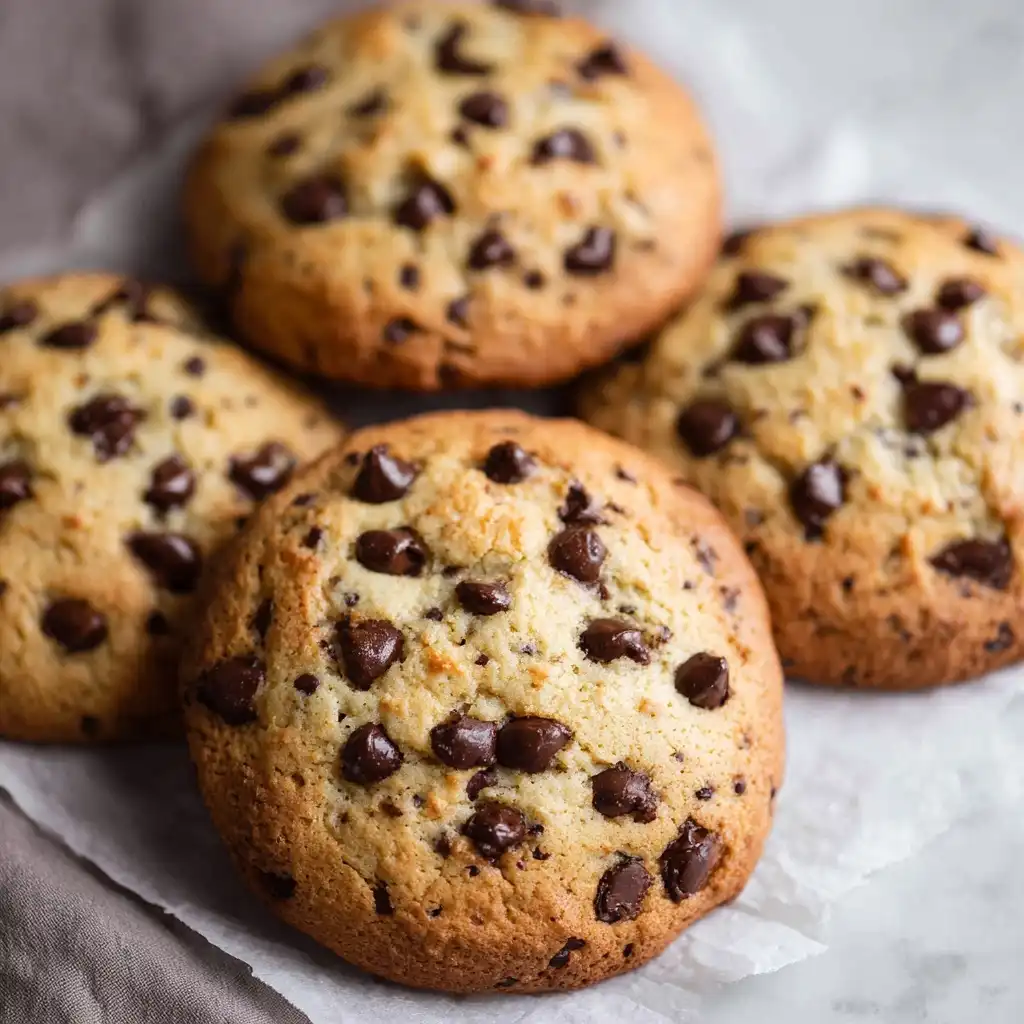
Soft bakery-style chocolate chip cookies are the quintessential American comfort treat—thick, tender, chewy at the edges, gloriously soft in the center, with pockets of molten chocolate and a hint of caramelized sweetness. Unlike crisp or thin varieties, these cookies prioritize pillowy texture, rich buttery depth, and that irresistible “just-baked-from-the-local-bakery” allure. They’re designed not just to satisfy a sweet tooth, but to evoke nostalgia, warmth, and homemade indulgence—all in one bite. Whether served warm with a glass of cold milk, tucked into a lunchbox, or gifted in a festive tin, their universal appeal lies in their perfect balance of simplicity and sophistication: humble ingredients transformed through precise technique into something extraordinary.
The History
The origin of the chocolate chip cookie is famously rooted in serendipity—and a bit of culinary rebellion. In 1938, Ruth Wakefield, owner of the Toll House Inn in Whitman, Massachusetts, was preparing her popular Butter Drop Do cookies for guests when she ran out of baker’s chocolate. Rather than halt production, she chopped up a Nestlé semi-sweet chocolate bar, expecting it to melt and disperse evenly into the dough. To her surprise—and delight—the morsels held their shape, creating distinct, gooey pockets of chocolate. The resulting cookie became an instant sensation, so much so that Nestlé struck a deal with Wakefield: they’d print her recipe on their chocolate bar wrappers in exchange for the rights to market “Nestlé Toll House Chocolate Chips.” Thus, the chocolate chip cookie was commercially born—and the soft, thick variation began its evolution. Over the decades, home bakers and professional pastry chefs alike refined the formula: increasing brown sugar ratios for moisture, adding cornstarch for tenderness, chilling dough for structural integrity, and experimenting with flour blends and butter temperatures to maximize chew and crumb. By the 1980s and ’90s, “bakery-style” emerged as a descriptor for cookies that mirrored the generous, underbaked, ultra-soft specimens sold at chains like Mrs. Fields—thick, domed, golden-edged, and intentionally under-mixed to avoid gluten development. Today, soft bakery-style chocolate chip cookies represent the pinnacle of intentional imperfection: a celebration of texture over uniformity, richness over restraint, and heartwarming familiarity over trend-driven novelty.
Ingredients Breakdown
Every ingredient in this recipe plays a precise, science-backed role—not merely flavor, but function:
- Unsalted Butter (1 cup / 2 sticks / 227g, softened to 65–68°F): Provides richness, flakiness, and steam during baking. Softened (not melted) butter traps air when creamed, contributing to lift and tenderness. The exact temperature ensures optimal emulsification with sugar—too cold and it won’t cream properly; too warm and the dough spreads excessively.
- Granulated Sugar (¾ cup / 150g): Adds sweetness, crispness, and aids in caramelization. Its fine crystals cut into the butter more effectively than coarse sugars, helping incorporate air. It also draws moisture from the dough during baking, contributing to the delicate, slightly shattery edge.
- Packed Light Brown Sugar (1 cup / 215g): The cornerstone of softness and chew. Its natural molasses content adds moisture, acidity (which tenderizes gluten), deep caramel notes, and hygroscopic properties—meaning it attracts and retains water, keeping cookies soft for days. Dark brown sugar may be substituted for intensified molasses flavor, but light offers the ideal balance.
- Large Eggs (2, room temperature): Act as binders and emulsifiers, adding structure and moisture. Room temperature eggs integrate smoothly into the creamed butter-sugar mixture without causing it to seize. The yolks contribute fat and richness; the whites add slight lift and cohesion.
- Pure Vanilla Extract (2 tsp): Not just flavor—it enhances the perception of sweetness and rounds out the chocolate’s bitterness. Real vanilla (not imitation) contains hundreds of aromatic compounds that elevate the entire sensory profile.
- All-Purpose Flour (2 ¼ cups / 281g, spooned & leveled): Provides gluten-forming proteins for structure—but only enough to hold shape without toughness. Spooning and leveling prevents over-measuring (a common cause of dry, cakey cookies). For enhanced softness, a small portion (1–2 tbsp) can be replaced with cornstarch (see Tips).
- Cornstarch (2 tbsp / 16g): A secret weapon for bakery-style softness. Cornstarch inhibits gluten formation, yielding a more tender, melt-in-your-mouth crumb. It also absorbs excess moisture and contributes to a delicate, velvety texture.
- Baking Soda (1 tsp): A fast-acting leavener that reacts immediately with the acids in brown sugar and yogurt (if added) to create carbon dioxide bubbles—giving lift, spread control, and a subtle tang. It also promotes browning via the Maillard reaction.
- Finely Ground Sea Salt (1 tsp + pinch for topping): Enhances all other flavors, balances sweetness, and controls yeast activity (though not used here, salt still regulates chemical reactions in baking). Fine sea salt dissolves evenly; flaky salt on top provides a delightful textural and flavor contrast.
- High-Quality Semi-Sweet Chocolate Chips or Chunks (2 cups / 340g): Use discs or irregular chunks—not chips with stabilizers—for superior melt and marbling. Look for 52–60% cacao for balanced sweetness and depth. A mix of sizes (e.g., 70% dark + 48% milk) adds complexity. Avoid “baking chips” with added waxes—they resist melting and yield grainy texture.
- (Optional but Recommended) 1 tbsp Whole Milk or Heavy Cream: A tiny amount of dairy liquid improves dough pliability, adds tenderness, and encourages even browning without compromising structure.
Step-by-Step Recipe
- Prepare Your Workspace: Line two large baking sheets with parchment paper or silicone baking mats. Position oven racks in the upper and lower thirds. Preheat oven to 375°F (190°C) — note: this higher-than-typical temperature ensures rapid initial set, preventing overspreading while preserving interior softness.
- Cream Butter & Sugars: In the bowl of a stand mixer fitted with the paddle attachment (or using a hand mixer), beat softened unsalted butter, granulated sugar, and packed light brown sugar on medium speed for 2–3 minutes, until very light, fluffy, and pale in color. Scrape down the bowl halfway. Proper creaming incorporates air and creates the foundation for lift and texture.
- Add Wet Ingredients: Add eggs one at a time, beating well after each addition (about 30 seconds per egg) until fully incorporated and glossy. Mix in vanilla extract. If using optional milk or cream, add now and mix just until combined.
- Whisk Dry Ingredients: In a separate medium bowl, whisk together flour, cornstarch, baking soda, and fine sea salt until completely homogeneous and aerated. This ensures even distribution and prevents pockets of leavener or salt.
- Combine Dry & Wet: With mixer on low speed, gradually add the dry ingredients to the wet mixture in three additions, mixing only until *just* combined after each—about 15–20 seconds total per addition. Do NOT overmix. Batter will appear shaggy and slightly crumbly—that’s ideal. Overmixing develops gluten, leading to tough, dense cookies.
- Fold in Chocolate: Using a flexible silicone spatula, gently fold in chocolate chips/chunks until evenly distributed. Some clumping is fine—and desirable for melty pockets.
- Chill the Dough (Non-Negotiable Step): Cover bowl tightly with plastic wrap and refrigerate for *at least 2 hours*, preferably 24–36 hours. Chilling solidifies the butter, allowing slower, more controlled spread during baking; it also hydrates the flour (improving flavor and texture), concentrates flavors, and allows sugars to dissolve further—resulting in deeper caramelization and chewier texture. For best results, scoop *before* chilling: use a 3-tablespoon (45g) cookie scoop, roll into balls, place on parchment-lined tray, and chill uncovered for 30 minutes, then transfer to airtight container for longer storage.
- Portion & Prep for Baking: Once chilled, scoop dough using a 3-tbsp scoop (≈45g per cookie). Roll gently into smooth, tall balls—do not flatten. Place 4–5 inches apart on prepared baking sheets (no more than 12 per standard half-sheet pan). Sprinkle tops lightly with flaky sea salt just before baking.
- Bake Strategically: Bake one sheet at a time in the center of the preheated oven for 11–13 minutes. Rotate pan halfway through. Cookies are done when edges are deeply golden brown and set, but centers remain soft, puffy, and slightly underdone—like a gentle jiggle when nudged. They will continue to cook on the hot pan for 2–3 minutes after removal. For even browning, alternate which rack you use for consecutive batches.
- Cool with Patience: Let cookies cool on the baking sheet for exactly 8 minutes—this allows structure to set without sacrificing softness. Then carefully transfer to a wire rack to cool completely. Resist eating warm—they’re fragile! But if you must, enjoy one slightly cooled (5-min rest) for maximum gooey-center satisfaction.
Tips
- Butter Temperature is Everything: Use an instant-read thermometer. Ideal range is 65–68°F. Too cold? Let sit 5–10 min at room temp. Too warm? Pop in fridge for 3–5 min. Never microwave to soften—it creates uneven melt pools.
- Weigh Your Ingredients: Volume measurements vary wildly. A kitchen scale ensures consistency—especially critical for flour and brown sugar (which compacts easily).
- Chill Time = Flavor & Texture Multiplier: While 2 hours is minimum, 24–48 hours yields exponentially richer, more complex cookies with improved chew and caramel notes. Dough keeps refrigerated for up to 5 days or frozen for 3 months (bake straight from freezer—add 1–2 min to bake time).
- Scoop Consistently: Use a #20 (3-tbsp) spring-loaded scoop for uniform size, even baking, and professional appearance. Level off each scoop with a bench scraper.
- Don’t Skip the Flaky Salt: Maldon or Jacobsen flaky sea salt on top before baking delivers a luxurious finish—salinity cuts sweetness and adds crunch that contrasts beautifully with the tender crumb.
- Underbake Intentionally: Remove cookies when centers look soft and slightly puffed—not flat or shiny. They firm up dramatically during cooling. Err on the side of underdone for ultimate softness.
- Cooling Surface Matters: Always cool on the baking sheet first. Transferring too soon causes breakage; cooling entirely on the sheet makes them overly crisp underneath.
- Revive Stale Cookies: Place hardened cookies on a parchment-lined sheet, spritz lightly with water, and bake at 300°F for 3–4 minutes. Steam rehydrates the starches—restoring softness instantly.
- Room-Temp Eggs Are Essential: Cold eggs can cause the creamed butter-sugar mixture to seize or curdle, leading to dense texture. Store eggs at room temp for 30 minutes before use—or submerge in warm water for 5 minutes.
- Flour Freshness Counts: All-purpose flour loses potency over time. Store in an airtight container in a cool, dark place—and replace every 6–8 months. Old flour yields weaker structure and dull flavor.
Variations and Customizations
- Double Chocolate: Replace ¼ cup (30g) of flour with unsweetened cocoa powder (Dutch-process preferred). Add ½ cup (85g) finely chopped dark chocolate to the chips for intense, layered chocolate depth.
- Brown Butter Bliss: Brown ½ cup (113g) of the butter before creaming—cook until golden, nutty, and fragrant, then cool completely to 65°F before using. Adds profound toffee, hazelnut notes and intensifies chew.
- Oatmeal Chocolate Chip Fusion: Reduce flour to 1 ¾ cups and add 1 cup (90g) old-fashioned rolled oats (not quick oats). Soak oats in 2 tbsp milk for 10 minutes before folding in—adds hearty chew and subtle earthiness.
- Sea Salt & Caramel Swirl: After scooping, press a ½-teaspoon dollop of thick, high-quality caramel sauce (e.g., D.L. Jolly or homemade) into the center of each dough ball, then gently pinch closed. Top with extra flaky salt.
- Espresso-Infused: Dissolve 1 tbsp instant espresso powder in the vanilla extract before adding to batter. Enhances chocolate flavor without tasting “coffee-like”—a pro pastry chef trick.
- Nutty Delight: Fold in 1 cup (120g) toasted walnuts or pecans (cooled completely) with the chocolate. Toasting deepens flavor and prevents oil leakage.
- Gluten-Free Adaptation: Substitute flour blend (e.g., King Arthur Measure-for-Measure or Bob’s Red Mill 1-to-1) *plus* increase cornstarch to 3 tbsp. Add ½ tsp xanthan gum if blend doesn’t include it. Chill dough 3+ hours—GF dough spreads more readily.
- Vegan Version: Use vegan butter (Miyoko’s or Earth Balance), flax eggs (2 tbsp ground flax + 6 tbsp water, rested 10 min), brown rice syrup or coconut sugar (adjust liquid), and dairy-free chocolate. Chill 4+ hours.
- Stuffed Surprise: Flatten dough balls, place a square of chocolate or caramel-filled chocolate, or even a whole roasted almond, then re-roll tightly. Creates decadent molten centers.
- Lemon-Glazed Twist: After cooling, drizzle with a simple glaze: 1 cup powdered sugar + 1½ tbsp fresh lemon juice + ½ tsp zest. Adds bright acidity that cuts richness beautifully.
Health Considerations and Nutritional Value
While soft bakery-style chocolate chip cookies are undeniably indulgent, mindful adaptations can enhance nutritional balance without sacrificing authenticity:
- Macros Per Cookie (approx. 45g, based on 24 cookies): Calories: 215 | Fat: 11g (7g saturated) | Carbs: 27g (18g sugars) | Protein: 2g | Fiber: 0.5g | Sodium: 140mg. Values assume standard ingredients; variations (oats, nuts, GF flours) alter profiles significantly.
- Sugar Awareness: Brown sugar’s molasses offers trace minerals (calcium, potassium, iron), but overall sugar content remains high. To reduce: decrease granulated sugar by ¼ cup and add 1 tbsp unsweetened applesauce for moisture retention—may slightly densify texture.
- Whole Grain Option: Substitute up to ½ cup (60g) of all-purpose flour with white whole wheat flour. Adds fiber and B vitamins while maintaining mild flavor and soft texture—no gritty aftertaste.
- Healthy Fat Swap: Replace 2 tbsp butter with avocado oil or walnut oil for monounsaturated fats—but retain at least 6 tbsp butter for authentic flavor and structure.
- Chocolate Quality Matters: Choosing dark chocolate (70%+) increases antioxidant flavonoids and reduces added sugar. Even 1 oz of high-cacao chocolate daily is linked to cardiovascular benefits in clinical studies.
- Portion Control Is Key: The 45g size (vs. oversized 60g+ bakery versions) supports mindful enjoyment. Pair with protein (Greek yogurt, nuts) or fiber (apple slices) to slow glucose absorption.
- Allergen Notes: Naturally nut-free (unless customized); easily made dairy-free or egg-free. Always verify chocolate labels for soy, dairy, or nut cross-contamination if severe allergies exist.
- No Artificial Additives: This recipe avoids preservatives, artificial flavors, or hydrogenated oils—making it cleaner than most commercial bakery cookies, despite similar richness.
- Mindful Indulgence Philosophy: Enjoyed occasionally as part of a varied, whole-food diet, these cookies provide psychological nourishment—reducing restrictive food thoughts and supporting sustainable, joyful eating habits.
Ingredients
- 1 cup (227g / 2 sticks) unsalted butter, softened to 65–68°F
- ¾ cup (150g) granulated sugar
- 1 cup (215g) packed light brown sugar
- 2 large eggs, room temperature
- 2 teaspoons pure vanilla extract
- 1 tablespoon whole milk or heavy cream (optional, but recommended)
- 2 ¼ cups (281g) all-purpose flour, spooned & leveled
- 2 tablespoons (16g) cornstarch
- 1 teaspoon baking soda
- 1 teaspoon fine sea salt, plus extra flaky sea salt for topping
- 2 cups (340g) high-quality semi-sweet chocolate chips or irregular chunks (52–60% cacao)
Directions
- Line two large baking sheets with parchment paper or silicone baking mats. Preheat oven to 375°F (190°C) with racks in upper and lower thirds.
- In the bowl of a stand mixer fitted with paddle attachment, beat butter, granulated sugar, and brown sugar on medium speed for 2–3 minutes until light, fluffy, and pale. Scrape bowl halfway.
- Add eggs one at a time, beating 30 seconds after each until fully incorporated and glossy. Mix in vanilla and optional milk/cream until combined.
- In a separate bowl, whisk together flour, cornstarch, baking soda, and fine sea salt until fully homogenous.
- With mixer on low, gradually add dry ingredients in three parts, mixing only until *just* combined after each addition (15–20 sec). Batter will be shaggy.
- Fold in chocolate chips/chunks with a silicone spatula until evenly distributed.
- Cover bowl tightly and refrigerate dough for at least 2 hours—or ideally 24–48 hours.
- When ready to bake, scoop 45g (3-tbsp) portions, roll into tall, smooth balls, and place 5 inches apart on prepared sheets. Sprinkle tops lightly with flaky sea salt.
- Bake one sheet at a time for 11–13 minutes, rotating halfway, until edges are deeply golden and set but centers remain soft and puffy.
- Cool cookies on baking sheet for exactly 8 minutes, then transfer to wire rack to cool completely. Store airtight at room temperature for up to 5 days—or freeze baked cookies for up to 3 months.
FAQ
- Why do my cookies spread too much?
- Likely causes: butter too warm (>70°F), insufficient chilling time (<2 hrs), too much granulated sugar vs. brown, or expired baking soda. Ensure precise butter temp, chill ≥24 hrs, and test leavener freshness (it should fizz vigorously in vinegar).
- Can I make these gluten-free?
- Yes—with caveats. Use a trusted 1:1 GF flour blend containing xanthan gum (or add ½ tsp), increase cornstarch to 3 tbsp, and chill dough at least 4 hours. Expect slightly denser texture but excellent softness.
- Why chill the dough so long? Can’t I just freeze it?
- Chilling >24 hours allows enzymatic activity to break down starches and develop nuanced caramel notes—freezing halts this process. You *can* freeze dough, but thaw overnight in fridge before baking for best results.
- My cookies are too cakey—what went wrong?
- Overmixing after adding flour is the #1 culprit. Mix *only* until no dry streaks remain. Also check flour measurement—if you scoop directly from bag, you may have added up to 25% more flour.
- Can I use melted butter instead of softened?
- You’ll get a different cookie: thinner, crisper, with less lift. For true bakery-style softness, softened butter is essential for proper creaming and air incorporation.
- How do I keep cookies soft for days?
- Store in an airtight container with a slice of plain white bread—it releases moisture slowly, keeping cookies tender. Replace bread every 2 days.
- What’s the best chocolate for meltiness?
- Disc-shaped chocolate (like Guittard or Callebaut) or hand-chopped high-cacao bars. Avoid “baking chips” with soy lecithin and palm oil—they resist melting.
- Can I double the batch?
- Absolutely—but mix in two separate bowls. Overloading a mixer bowl leads to inconsistent creaming and poor texture.
- Why does this recipe use both baking soda and no baking powder?
- Baking soda alone provides sufficient lift and promotes browning via alkalinity. Baking powder (which contains acid) would neutralize the brown sugar’s acidity, reducing tenderness and caramel notes.
- Are these suitable for mailing or gifting?
- Yes! Fully cooled cookies stay soft for 5 days in airtight tins lined with parchment. Include a silica gel packet to absorb ambient moisture and prevent sogginess during transit.
Summary
Soft bakery-style chocolate chip cookies are a masterclass in texture engineering—achieved through precise butter temperature, strategic chilling, cornstarch-enhanced tenderness, and intentional underbaking—yielding thick, chewy-edged, cloud-soft-centered treats with deep caramel notes and molten chocolate pockets.
Rooted in Ruth Wakefield’s accidental genius and elevated by modern baking science, they’re endlessly customizable, nutritionally adaptable, and universally beloved—not just as dessert, but as edible comfort, crafted with care and crowned with flaky salt.