Introduction
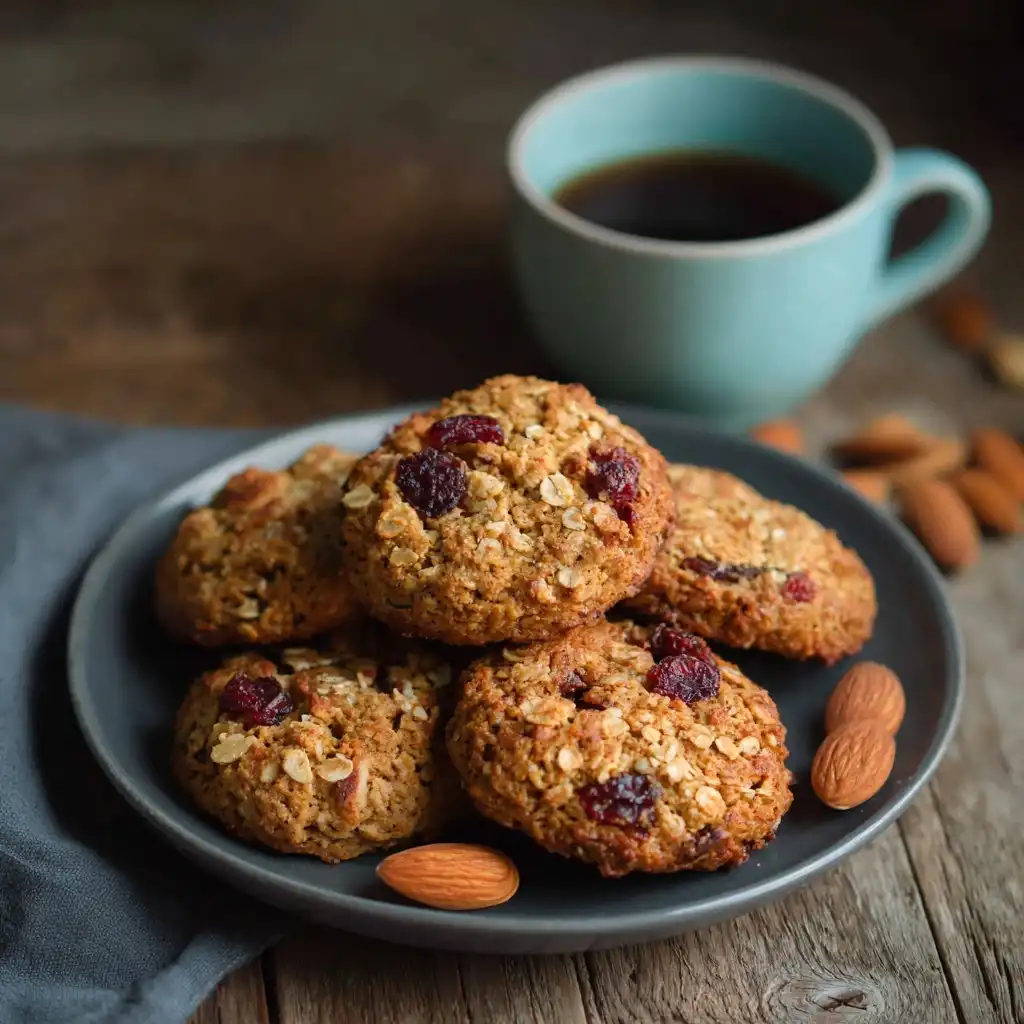
Almond Oatmeal Breakfast Cookies are the perfect fusion of wholesome nutrition and irresistible flavor—designed to fuel your morning with sustained energy, fiber-rich goodness, and plant-powered protein. Unlike traditional cookies loaded with refined sugar and empty calories, these thoughtfully crafted treats double as a satisfying, portable breakfast or mid-morning snack that supports digestive health, blood sugar balance, and long-lasting satiety. Whether you’re rushing out the door, packing school lunches, meal prepping for the week, or simply craving something warm, chewy, and deeply comforting, these cookies deliver on both taste and function—without compromise. Their hearty texture, nutty aroma, and subtle sweetness make them feel indulgent, yet every bite is grounded in real-food integrity.
The History
The origins of oatmeal cookies trace back to the late 19th century, when oats—long revered in Scotland and Ireland for their hardiness and nourishment—began appearing in American home baking as rolled oats became widely available thanks to innovations by companies like Quaker Oats in the 1870s. Early versions were simple, often combining oats with lard, molasses, or brown sugar and baked as drop cookies. Almonds entered the mainstream U.S. cookie lexicon in the early 20th century, gaining popularity through iconic recipes like Almond Biscotti and later, the rise of almond butter and slivered almond toppings. However, the intentional marriage of oats and almonds specifically for *breakfast-focused* functionality is a more recent evolution—one rooted in the wellness movement of the 2010s. As consumers demanded cleaner labels, higher fiber, lower glycemic impact, and grab-and-go solutions aligned with functional nutrition principles, food bloggers, dietitians, and clean-eating chefs began reimagining oatmeal cookies—not as dessert—but as nutrient-dense, balanced meals in cookie form. This shift emphasized whole grain oats, natural nut butters (especially almond), minimally processed sweeteners, and strategic add-ins like chia, flax, and seeds. Today’s Almond Oatmeal Breakfast Cookies reflect over a century of culinary tradition, modern nutritional science, and the growing cultural embrace of mindful, joyful nourishment.
Ingredients Breakdown
Every ingredient in this recipe was selected for its functional role—not just flavor, but physiological benefit:
- Old-Fashioned Rolled Oats (not instant or quick-cooking): Rich in soluble beta-glucan fiber, clinically shown to support healthy cholesterol levels and promote stable blood glucose response. They provide chewy structure, gentle sweetness, and slow-release carbohydrates.
- Almond Butter (unsweetened, no palm oil, minimal ingredients): A cornerstone source of monounsaturated fats, plant-based protein, vitamin E, magnesium, and natural emulsifiers that bind the dough without eggs or excess oil. Opting for creamy, stirred almond butter ensures even distribution and optimal moisture.
- Pure Maple Syrup (Grade A, dark amber preferred): A low-glycemic, antioxidant-rich liquid sweetener containing zinc, manganese, and polyphenols. Its robust caramel notes enhance depth without spiking insulin—unlike refined white sugar or high-fructose corn syrup.
- Unsweetened Applesauce (homemade or preservative-free): Adds natural moisture, binding power, and pectin—a prebiotic fiber that feeds beneficial gut bacteria—while reducing the need for added oils or eggs.
- Ground Flaxseed (freshly milled preferred): Provides omega-3 ALA, lignans (phytoestrogens with antioxidant properties), and viscous fiber that forms a gel when hydrated—acting as an exceptional egg replacer and digestive regulator.
- Vanilla Extract (pure, alcohol-based): Enhances overall flavor perception and contains vanillin compounds linked to mild anti-inflammatory activity.
- Baking Soda: A gentle leavener that encourages slight lift and tender crumb without acidic byproducts (unlike baking powder, which often contains aluminum or cornstarch).
- Sea Salt (fine-grain, unrefined): Balances sweetness, amplifies other flavors, and supplies trace minerals including potassium, calcium, and magnesium.
- Roasted Sliced Almonds (or chopped raw almonds): Adds delightful crunch, toasty aroma, additional protein and healthy fats, plus vitamin B2 (riboflavin) for cellular energy metabolism.
- Optional Add-Ins (see Variations): Chia seeds (fiber + omega-3), hemp hearts (complete plant protein), cinnamon (polyphenol-rich blood sugar modulator), grated apple (extra moisture + quercetin), or unsweetened shredded coconut (MCTs + lauric acid).
Notably absent: refined flour, dairy, eggs, artificial preservatives, hydrogenated oils, or synthetic flavors—making this recipe naturally vegan, gluten-free (with certified GF oats), soy-free, and top-8 allergen-conscious (except tree nuts—easily modified).
Step-by-Step Recipe
- Preheat & Prep: Position oven rack in center position. Preheat oven to 350°F (175°C). Line two large baking sheets with unbleached parchment paper or silicone baking mats—do not skip this step, as it prevents sticking and ensures even baking.
- Toast the Almonds (Optional but Highly Recommended): Spread sliced almonds in a single layer on a dry skillet over medium-low heat. Stir constantly for 3–5 minutes until fragrant and lightly golden. Remove immediately and let cool completely on a plate or wire rack. Toasting deepens flavor and improves crunch retention after baking.
- Mix the Wet Base: In a large mixing bowl, combine almond butter, maple syrup, unsweetened applesauce, and pure vanilla extract. Whisk vigorously for 60–90 seconds until smooth, glossy, and fully emulsified—no streaks or separation. Let rest 2 minutes to allow natural sugars to hydrate the fats.
- Incorporate Dry Ingredients: To the wet mixture, add ground flaxseed, baking soda, and sea salt. Whisk until just combined—about 15 seconds. Then gently fold in the rolled oats using a spatula or wooden spoon. Mix only until no dry pockets remain; overmixing can lead to dense, tough cookies.
- Add Texture & Flavor: Fold in the cooled toasted almonds (and any optional mix-ins like chia, cinnamon, or hemp hearts) until evenly distributed. The dough will be thick, slightly sticky, and hold its shape when scooped—but not runny. If too dry, add 1 tsp warm water or unsweetened almond milk. If too wet, add 1 tbsp extra oats.
- Scoop & Shape: Use a 2-tablespoon cookie scoop (or measuring spoon) to portion dough. Roll each into a compact ball, then gently flatten to ¾-inch thickness (about 3 inches wide). Space cookies at least 2 inches apart on prepared sheets—they spread minimally but need airflow.
- Bake with Precision: Bake one sheet at a time in the center rack for 14–16 minutes. Rotate pan halfway through for even browning. Cookies are done when edges are set and lightly golden, centers appear matte (not shiny), and bottoms are rich amber—not pale or blond. Underbaked centers will firm up as they cool; overbaked cookies become brittle.
- Cool Completely on Racks: Remove from oven and let cookies rest on baking sheet for 5 minutes—this allows carryover cooking and structural setting. Then carefully transfer to wire cooling racks using a thin spatula. Cool for at least 25–30 minutes before handling. This step is non-negotiable: premature removal causes breakage; insufficient cooling yields soft, fragile cookies.
- Store Thoughtfully: Once fully cooled, store in an airtight container at room temperature for up to 5 days, refrigerated for up to 12 days, or frozen for up to 3 months (layer between parchment to prevent sticking). For best texture, bring chilled or frozen cookies to room temp 10–15 minutes before enjoying—or warm briefly in toaster oven (2 min at 325°F).
Tips
- Oats Matter: Always use certified gluten-free old-fashioned rolled oats if serving those with celiac disease or gluten sensitivity—steel-cut or quick oats won’t yield the right texture or binding capacity.
- Almond Butter Consistency Is Key: Natural, oil-separated almond butter works best—but stir thoroughly before measuring. If your jar is overly thick or dry, warm it gently (10 sec in microwave) and stir again. Avoid “no-stir” varieties with added stabilizers—they inhibit proper hydration and may cause greasiness.
- Don’t Skip the Rest Time: Letting the mixed dough sit for 10 minutes before scooping allows the oats and flax to fully absorb moisture, resulting in chewier, more cohesive cookies with improved sliceability.
- Chill for Cleaner Scooping: If dough feels excessively sticky, refrigerate covered for 20–30 minutes before portioning—especially helpful in warm kitchens or humid climates.
- Baking Sheet Choice Affects Outcome: Light-colored aluminum sheets yield even browning. Dark or nonstick sheets may cause over-browning on bottoms—reduce heat by 25°F or line with parchment regardless.
- Use a Timer—and Your Nose: Set a timer, but also rely on sensory cues: the aroma should shift from raw nuttiness to warm, caramelized toastiness around minute 12. That’s your signal to begin checking.
- Batch Scaling Notes: This recipe doubles beautifully—but do not triple unless you have professional-grade mixing equipment. Larger batches risk uneven mixing and inconsistent hydration.
- Altitude Adjustments: At elevations above 3,000 ft, reduce baking soda by ⅛ tsp, increase oats by 1 tbsp per cup, and extend bake time by 1–2 minutes—monitor closely.
- Freezing Dough vs. Baked Cookies: Portion unbaked dough balls onto a parchment-lined tray, freeze solid (2 hrs), then transfer to freezer bag. Bake straight from frozen—add 2–3 minutes to bake time. Texture remains superior to freezing baked cookies.
- Reviving Stale Cookies: Lightly mist tops with water and reheat in air fryer (3 minutes at 300°F) or conventional oven (5 minutes at 325°F) for renewed softness and aroma.
Variations and Customizations
This foundational recipe is endlessly adaptable—ideal for dietary needs, seasonal produce, pantry swaps, or flavor exploration:
- Gluten-Free Certified Version: Use oats verified gluten-free by GFCO or NSF. Double-check all labels—even vanilla and baking soda can harbor cross-contact.
- Nut-Free Option: Substitute sunflower seed butter or tahini (for savory-leaning variation) and replace sliced almonds with pumpkin seeds, roasted chickpeas, or toasted coconut flakes.
- Lower-Sugar Adaptation: Reduce maple syrup to ¼ cup and add 2 tbsp unsweetened mashed banana or 1 small grated pear for moisture and natural fructose modulation. Increase cinnamon to 1½ tsp for perceived sweetness.
- Protein-Powered Upgrade: Stir in 2–3 tbsp unflavored plant-based protein powder (brown rice, pea, or pumpkin seed) + 1 extra tbsp almond milk to compensate for absorption. Best paired with chia or flax to maintain binding.
- Spiced Autumn Twist: Add 1 tsp ground cinnamon, ¼ tsp ground ginger, ⅛ tsp ground cloves, and 2 tbsp finely grated apple (squeezed dry) for cozy, fiber-rich warmth.
- Chocolate-Dipped Indulgence: After full cooling, dip half of each cookie in melted dark chocolate (70%+ cacao, dairy-free if needed), then sprinkle with flaky sea salt and crushed toasted almonds. Chill 15 minutes to set.
- Overnight Oatmeal Cookie Parfait: Crumble 1–2 cookies into a jar, layer with unsweetened almond yogurt, fresh berries, and a drizzle of almond butter—refrigerate overnight for a deconstructed, spoonable breakfast.
- Kid-Friendly Fun: Press mini dairy-free chocolate chips or dried cranberries into tops before baking—or shape dough into fun cut-out shapes using cookie cutters (chill dough first for best results).
- Savory-Herb Variation: Omit maple syrup and vanilla. Add 1 tbsp nutritional yeast, ½ tsp garlic powder, 1 tsp fresh rosemary (minced), and 2 tbsp grated Parmesan-style vegan cheese for a surprising, umami-forward snack.
- Seasonal Fruit Swaps: Replace applesauce with mashed ripe pear (fall), pureed roasted sweet potato (winter), or strained blueberry compote (summer)—adjust sweetness and liquid accordingly.
Health Considerations and Nutritional Value
Each standard-sized Almond Oatmeal Breakfast Cookie (approx. 2.5″ diameter, ~45g) delivers approximately:
- Calories: 165–180 kcal — thoughtfully portioned for satiety without caloric excess.
- Protein: 4.5–5.5 g — primarily from almonds, oats, and flax—supporting muscle maintenance and appetite regulation via increased thermogenesis and GLP-1 stimulation.
- Dietary Fiber: 3.2–4.1 g — over 12% of daily value, with 60% soluble (beta-glucan) and 40% insoluble fiber—promoting bowel regularity, microbiome diversity, and postprandial glucose stabilization.
- Healthy Fats: 9–11 g — predominantly heart-healthy monounsaturated fats (oleic acid), plus omega-3 ALA from flax and vitamin E from almonds—shown to reduce LDL oxidation and systemic inflammation markers like CRP.
- Glycemic Impact: Low-to-moderate (estimated GI ~52) — thanks to high fiber, fat, and protein content slowing carbohydrate digestion—making them appropriate for prediabetes, PCOS, and metabolic syndrome management when consumed mindfully.
- Vitamins & Minerals: Notable contributions include magnesium (22% DV), manganese (85% DV), copper (28% DV), vitamin E (35% DV), and B vitamins (B1, B5, B9) critical for mitochondrial energy production.
- Phytonutrient Profile: Rich in avenanthramides (oat-specific polyphenols with anti-itch and vasodilatory effects), flavonoids from almonds, and lignans from flax—all associated with reduced oxidative stress and improved endothelial function.
Who Benefits Most? These cookies are especially supportive for individuals managing gestational diabetes, recovering from gastrointestinal procedures, following plant-based or elimination diets (FODMAP-modified versions possible), seeking intuitive eating tools, supporting thyroid health (selenium-free, iodine-neutral), or navigating age-related muscle loss (sarcopenia). They’re also pediatrician-approved for toddlers transitioning to self-feeding—soft enough to gum, nutrient-dense, and free from choking-hazard chunks when appropriately sized.
Important Considerations: While highly nutritious, they are not low-calorie. Those with irritable bowel syndrome (IBS) should monitor tolerance to oats and flax—start with ½ cookie and assess gas/bloating. Individuals with tree nut allergy must avoid entirely or use approved substitutions under allergist guidance. Always consult a registered dietitian or physician before using as part of therapeutic nutrition protocols.
Ingredients
- 2 cups (180g) certified gluten-free old-fashioned rolled oats
- ¾ cup (190g) creamy unsweetened almond butter (well-stirred)
- ⅓ cup (80ml) pure maple syrup (Grade A, dark amber)
- ⅓ cup (80g) unsweetened applesauce (no added sugar)
- 2 tbsp (14g) freshly ground flaxseed (or high-quality pre-ground)
- 1½ tsp pure vanilla extract
- ½ tsp aluminum-free baking soda
- ¼ tsp fine sea salt (unrefined, mineral-rich)
- ½ cup (60g) roasted sliced almonds, cooled
- Optional but recommended additions: 1 tsp ground cinnamon, 1 tbsp chia seeds, 2 tbsp hemp hearts
Directions
- Preheat oven to 350°F (175°C). Line two large baking sheets with parchment paper or silicone mats.
- In a dry skillet over medium-low heat, toast sliced almonds, stirring constantly, until fragrant and golden (3–5 minutes). Transfer to a plate to cool completely.
- In a large bowl, whisk together almond butter, maple syrup, applesauce, and vanilla until smooth and emulsified (~90 seconds). Let rest 2 minutes.
- Add flaxseed, baking soda, and sea salt to wet mixture; whisk 15 seconds. Gently fold in oats with a spatula until just combined.
- Fold in cooled toasted almonds and any optional add-ins. Let dough rest 10 minutes for optimal hydration.
- Scoop 2-tbsp portions, roll into balls, then flatten gently to ¾” thickness. Place 2″ apart on prepared sheets.
- Bake one sheet at a time on center rack for 14–16 minutes, rotating pan at 7 minutes. Edges should be set and golden; centers matte.
- Let cookies cool on sheet 5 minutes, then transfer to wire racks. Cool completely (25–30 min) before storing or serving.
- Store airtight at room temperature up to 5 days, refrigerated up to 12 days, or frozen up to 3 months.
FAQ
- Can I use quick oats or steel-cut oats instead?
- No—quick oats create mushy, oversoft cookies due to excessive surface starch; steel-cut oats remain too hard and gritty, preventing proper binding. Old-fashioned rolled oats provide ideal texture, hydration control, and structural integrity.
- Why did my cookies spread too much or stay too puffy?
- Over-spreading usually results from warm dough, insufficient chilling, or too much liquid (e.g., runny almond butter or extra applesauce). Excessive puffiness indicates underbaking, too much leavener, or inadequate flattening before baking. Always cool dough if sticky and flatten each portion deliberately.
- Are these safe for babies or toddlers?
- Yes—with modifications: omit added salt, ensure oats are finely pulsed (not ground to flour), use smooth almond butter (no chunks), and size cookies no larger than 1.5″. Introduce after 12 months if no family history of tree nut allergy—and always under direct supervision. Consult your pediatrician first.
- Can I make these oil-free and egg-free?
- Absolutely—they’re inherently oil-free and egg-free! Almond butter and applesauce provide all necessary fat and binding. No substitutions required—this is a whole-food, plant-based recipe by design.
- What makes these “breakfast cookies” versus regular oatmeal cookies?
- Three key distinctions: 1) Balanced macro ratios (4–5g protein, 3–4g fiber, moderate complex carbs), 2) Absence of refined flour, refined sugar, and dairy, and 3) Functional intention—formulated to stabilize blood sugar for 3+ hours, not spike and crash. Nutritionally, they align more closely with a balanced breakfast bowl than a dessert item.
- How do I prevent crumbliness?
- Crumbliness most often occurs from under-hydration (too little applesauce or syrup), overbaking, or skipping the cooling step. Ensure dough feels tacky—not dry—before scooping, bake only until edges are set, and always cool completely on racks before handling.
- Can I substitute honey for maple syrup?
- Not recommended for vegan diets (honey is animal-derived) and not ideal for blood sugar goals—honey has higher fructose content and less antioxidant diversity than dark maple syrup. If necessary, use raw local honey—but note flavor and glycemic differences.
- Do these need refrigeration?
- Not required for food safety (low moisture, natural preservatives from almonds and maple), but refrigeration extends freshness, prevents rancidity of nut fats, and enhances chewy texture—especially in warm environments.
- Can I add protein powder?
- Yes—with caveats: use unflavored, low-sugar, easily dispersible plant protein (pea, pumpkin, or brown rice). Start with 1 tbsp per batch and increase liquid by 1 tsp. Too much protein powder absorbs moisture aggressively and can cause grittiness or dryness.
- Why do my cookies taste bland?
- Flavor hinges on quality and roasting: use deeply flavored, freshly roasted almonds; dark amber maple syrup (not light); and high-quality, fragrant almond butter (avoid brands with neutral-tasting blanched almonds). Salt quantity is also critical—don’t reduce below ¼ tsp.
Summary
Almond Oatmeal Breakfast Cookies are a nutritionally intelligent, chef-crafted morning staple—melding the timeless comfort of oatmeal with the metabolic benefits of almonds, flax, and low-glycemic sweeteners to deliver sustained energy, digestive harmony, and genuine satisfaction.
With customizable variations, inclusive dietary accommodations, and science-backed ingredient choices, they transcend trend to become a lasting, beloved ritual—proving that wholesome never means compromising on joy, texture, or deeply nourishing flavor.