Introduction
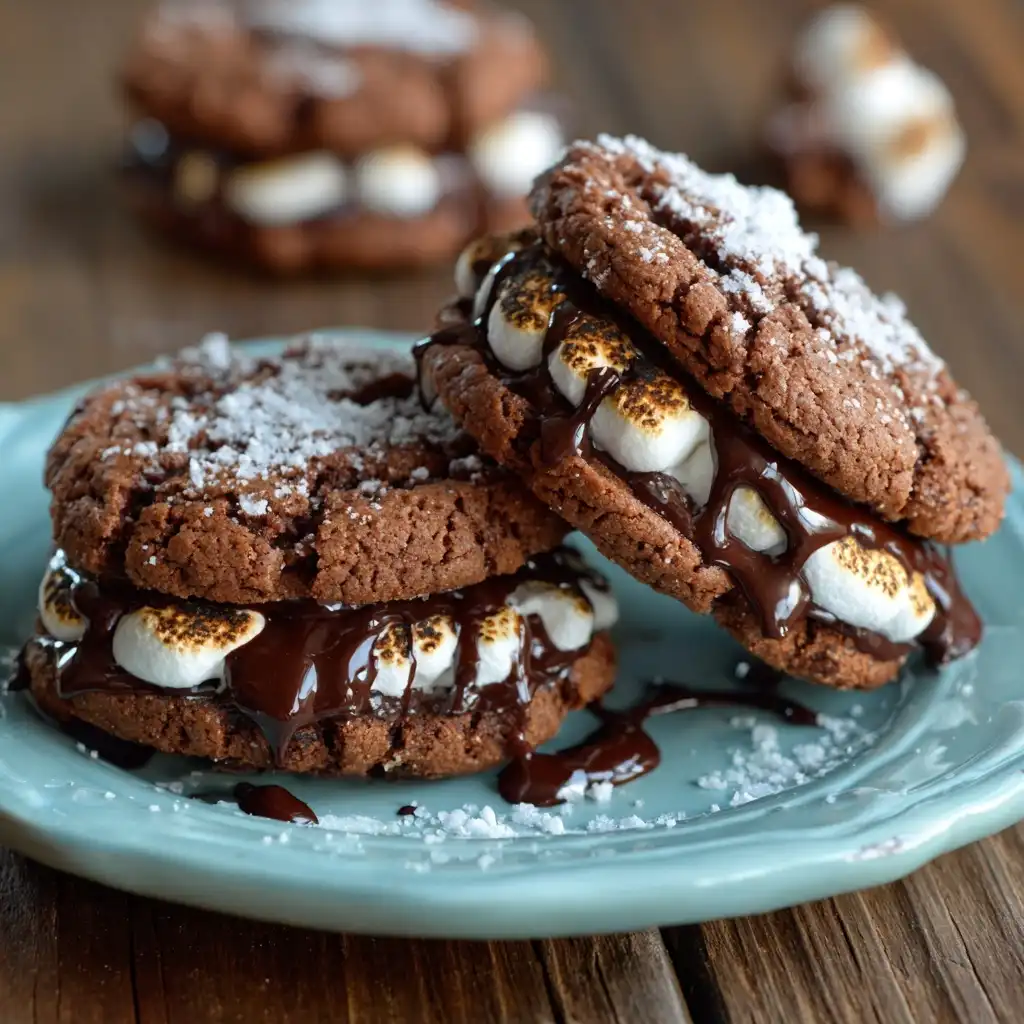
Chocolate Marshmallow Cookies are a decadent, nostalgic, and texturally captivating treat that marries the deep, rich intensity of cocoa with the pillowy, melt-in-your-mouth magic of marshmallows. These cookies strike a perfect balance between chewy, crisp, gooey, and fudgy—offering an irresistible sensory experience in every bite. Whether you’re revisiting childhood campfire memories or discovering this indulgent confection for the first time, these cookies evoke warmth, comfort, and pure joy. They’re more than just dessert—they’re edible nostalgia wrapped in chocolatey embrace and crowned with toasted marshmallow peaks.
The History
The origins of Chocolate Marshmallow Cookies are delightfully layered—blending American baking ingenuity with mid-century confectionery evolution. While classic chocolate chip cookies were popularized by Ruth Wakefield in the 1930s, marshmallow-based cookies emerged later, gaining traction in the 1950s and ’60s alongside the rise of processed marshmallows (first commercially produced by the Doumak brothers in 1954) and home baking culture fueled by women’s magazines and community cookbooks. Early versions appeared as “marshmallow surprise” bars or “chocolate-marshmallow drops,” often baked in sheet pans and cut into squares. The modern drop-cookie iteration—featuring whole mini marshmallows folded into a rich, brownie-like dough—gained viral momentum in the 2010s via food blogs and social media platforms like Pinterest and Instagram, where their photogenic golden-brown edges and puffed, caramelized marshmallow tops made them instant stars. Regional adaptations soon followed: Southern bakers added pecans and bourbon-infused cocoa; Pacific Northwest versions incorporated sea salt and locally roasted single-origin chocolate; and gluten-free communities pioneered reliable flour alternatives without sacrificing structural integrity or chew. Today, Chocolate Marshmallow Cookies stand as a beloved staple at bake sales, holiday cookie exchanges, summer picnics, and even gourmet dessert menus—proof that simplicity, when executed with intention and quality ingredients, yields timeless appeal.
Ingredients Breakdown
Understanding each ingredient’s role is key to mastering this recipe—not just for flavor, but for texture, structure, and chemical harmony:
- All-Purpose Flour (2 ¼ cups): Provides essential gluten structure. Too little leads to spreading and collapse; too much yields toughness. We recommend spoon-and-level measuring to avoid compaction.
- Unsweetened Natural Cocoa Powder (¾ cup, Dutch-processed preferred): Adds intense chocolate depth and acidity. Dutch-processed cocoa is alkalized for smoother, richer flavor and better pH balance with baking soda—critical for optimal rise and color development.
- Baking Soda (1 tsp): Reacts with acidic components (cocoa, brown sugar, molasses in brown sugar) to generate carbon dioxide, creating lift and spread control. Its timing and activation are crucial—don’t substitute baking powder unless adjusting the full leavening system.
- Salt (1 tsp fine sea salt): Enhances sweetness, balances bitterness, and strengthens gluten networks. Kosher salt is acceptable, but fine sea salt ensures even distribution.
- Unsalted Butter (1 cup / 2 sticks, room temperature): Must be truly softened—not melted nor cool—to properly cream with sugars and trap air. This aeration is foundational for tenderness and lift. European-style butter (82–86% fat) yields superior richness and browning.
- Granulated Sugar (½ cup): Contributes to crispness, lightens texture, and aids in caramelization during baking.
- Packed Light Brown Sugar (1 cup): Adds moisture, acidity (from molasses), chewiness, and subtle caramel notes. Dark brown sugar increases chew and molasses depth; adjust based on preference.
- Large Eggs (2, room temperature): Provide emulsification, structure, and moisture. Cold eggs can cause batter to seize or curdle; room-temp eggs integrate smoothly and improve volume.
- Pure Vanilla Extract (2 tsp): A high-quality, alcohol-based extract adds aromatic complexity and rounds out chocolate’s sharpness. Avoid imitation vanilla—it lacks nuance and can impart off-notes at high heat.
- Mini Marshmallows (3 cups, standard shelf-stable variety): The star of the show. Use plain, non-pink/non-flavored mini marshmallows (e.g., Kraft Jet-Puffed). Their gelatin-sugar matrix expands dramatically when heated, then sets upon cooling—creating airy pockets and glossy caps. Do NOT use marshmallow creme, fluff, or homemade marshmallows (too wet and unstable).
- Semi-Sweet Chocolate Chips or Chunks (1 ½ cups): Preferably 52–60% cacao for balanced sweetness and melt. Chunks yield more dramatic pools; chips hold shape better. For premium results, chop a high-quality chocolate bar (e.g., Valrhona Guanaja or Callebaut 60/40).
- Optional Add-Ins: Toasted walnuts or pecans (1 cup), flaky sea salt (Maldon, for finishing), espresso powder (1 tsp, enhances chocolate), or a pinch of cayenne (for depth).
Step-by-Step Recipe
- Prep & Preheat: Position oven racks in upper-middle and lower-middle positions. Preheat oven to 375°F (190°C). Line two large baking sheets with parchment paper or silicone baking mats—never grease directly, as excess fat causes excessive spread and marshmallow leakage.
- Whisk Dry Ingredients: In a medium bowl, sift together flour, cocoa powder, baking soda, and salt. Whisk vigorously for 30 seconds to fully aerate and eliminate lumps. Set aside.
- Cream Butter & Sugars: In a large stand mixer fitted with paddle attachment (or using a hand mixer), beat softened butter on medium speed for 1 minute until smooth and glossy. Add granulated and brown sugars. Beat on medium-high for 3–4 minutes until light, fluffy, and pale—scraping bowl halfway. Proper creaming is non-negotiable for texture.
- Incorporate Eggs & Vanilla: Add eggs one at a time, beating on medium speed for 30 seconds after each addition until fully absorbed. Add vanilla and mix 15 seconds more. Batter should be homogeneous and slightly thickened.
- Combine Wet & Dry: Reduce mixer speed to low. Gradually add dry ingredients in three additions, mixing only until *just* combined after each—do not overmix. Overmixing develops gluten, leading to tough, dense cookies. Scrape bowl thoroughly.
- Fold in Chocolate & Marshmallows: Using a sturdy silicone spatula, gently fold in chocolate chips/chunks and mini marshmallows by hand. Fold just until evenly distributed—no streaks of flour, but avoid smashing marshmallows. Let dough rest 5 minutes—this allows marshmallows to settle and hydrate slightly, preventing premature melting during scooping.
- Scoop & Portion: Use a 3-tablespoon (or #20) ice cream scoop to portion dough into 12–14 even mounds per sheet, spaced 3 inches apart. Gently press 2–3 extra mini marshmallows onto the top center of each mound for visual impact and gooey crown effect.
- Bake Strategically: Bake sheets one at a time for optimal airflow and browning. Place sheet on upper-middle rack. Bake 11–13 minutes—until edges are set and deeply browned, centers look *slightly* underdone (they’ll firm up while cooling), and marshmallows have puffed, turned ivory-gold, and developed delicate caramelized spots. Rotate sheet halfway through for even baking.
- Cool with Patience: Remove sheet from oven. Let cookies cool on parchment for 8 minutes—this allows internal steam to escape, marshmallow to set, and structure to stabilize. Then, carefully transfer cookies to a wire rack using a thin spatula. Cool completely (at least 25 minutes) before serving. Warm cookies will ooze marshmallow and lack structural integrity.
Tips
- Chill Dough? Not Recommended. Unlike many chocolate chip recipes, chilling Chocolate Marshmallow Cookie dough is counterproductive. Cold dough delays marshmallow expansion, causing uneven puffing, collapsed centers, and potential “marshmallow sinkholes.” Room-temp dough ensures rapid, uniform oven spring.
- Marshmallow Integrity Matters. If your marshmallows feel sticky or clump easily, briefly toss them in 1 tbsp cornstarch before folding in—this prevents gumminess and improves dispersion.
- Oven Thermometer Is Essential. Marshmallows begin to destabilize above 390°F. An inaccurate oven can scorch marshmallow caps or burn bottoms. Verify temperature with a standalone thermometer.
- Rotate Racks Mid-Bake. Even convection ovens have hot spots. Rotating ensures all cookies bake uniformly—especially critical for achieving consistent marshmallow browning.
- Use Fresh Baking Soda. Test it: mix ¼ tsp with 2 tsp vinegar—if it doesn’t bubble vigorously, replace it. Expired soda won’t provide proper lift, resulting in flat, dense cookies.
- Don’t Overbake—Ever. Pull cookies out when centers still appear soft and glossy. Carryover heat continues cooking them for several minutes off the sheet. Overbaked cookies become dry, crumbly, and lose marshmallow’s signature chew.
- High-Altitude Adjustments: Above 3,000 ft: reduce baking soda to ¾ tsp, increase flour by 2 tbsp, and bake at 385°F for 10–12 minutes. Lower air pressure accelerates marshmallow expansion and sugar caramelization.
- Sheet Choice Impacts Results. Heavy-duty aluminum half-sheet pans (18″x13″) distribute heat evenly. Thin or dark pans accelerate browning and may scorch bottoms—opt for light-colored, commercial-grade pans.
- Resting Post-Cooling Enhances Flavor. Store cooled cookies in an airtight container at room temperature for up to 3 days. They taste even better on Day 2 as flavors meld and textures harmonize—marshmallow softens further, chocolate mellows, and chew deepens.
Variations and Customizations
This recipe is a canvas—adaptable for dietary needs, seasonal flair, global inspiration, and personal whimsy:
- Gluten-Free: Substitute 2 ¼ cups certified GF all-purpose blend (like King Arthur Measure-for-Measure or Bob’s Red Mill 1-to-1) + ½ tsp xanthan gum. Increase brown sugar to 1 ¼ cups for moisture retention. Verify all marshmallows and chocolate are GF-certified.
- Vegan: Use vegan butter (Miyoko’s or Earth Balance), flax eggs (2 tbsp ground flax + 5 tbsp water, rested 10 min), coconut sugar (1:1 for brown sugar), and vegan mini marshmallows (Dandies or Sweet & Sara). Add 1 tsp apple cider vinegar to react with baking soda.
- Protein-Packed: Replace ¼ cup flour with unflavored whey or collagen peptides. Add ¼ cup chopped roasted almonds and 2 tbsp chia seeds. Reduce marshmallows to 2 ½ cups to maintain structure.
- S’mores Edition: Fold in ½ cup crushed graham crackers and ¼ cup toasted mini marshmallows. Press additional cracker pieces onto tops pre-bake. Finish with a drizzle of salted caramel and dark chocolate.
- Mexican Hot Chocolate: Add 1 tsp cinnamon, ¼ tsp chipotle powder, 1 tbsp finely ground coffee, and 2 oz chopped Mexican chocolate (Ibarra or Taza). Top with cayenne-dusted marshmallow caps.
- White Chocolate Peppermint: Swap semi-sweet chocolate for white chocolate chunks and add 1 tsp peppermint extract + ½ cup crushed candy canes (folded in last). Use pink-tinted marshmallows for festive flair.
- Overnight Oatmeal Fusion: Replace ½ cup flour with ½ cup old-fashioned rolled oats (not quick oats) and add 1 tsp ground ginger. Yields heartier, earthier cookies with nuanced spice-marshmallow contrast.
- Espresso Stout Infusion: Replace 2 tbsp liquid in recipe (e.g., reduce egg by 1 yolk and add 2 tbsp cold stout beer + 1 tsp instant espresso powder). Deepens chocolate notes and adds malty complexity.
- Kid-Friendly Fun: Press colorful sprinkles, chocolate-covered espresso beans, or mini peanut butter cups into tops before baking. Offer “build-your-own” stations with flavored marshmallows (vanilla, strawberry) and dipping sauces (peanut butter, salted caramel).
Health Considerations and Nutritional Value
While Chocolate Marshmallow Cookies are undeniably indulgent, mindful preparation can enhance nutritional profile and align with diverse wellness goals:
- Sugar Awareness: A standard cookie (approx. 3.5″ diameter) contains ~22–26g total sugar—primarily from brown sugar, granulated sugar, marshmallows, and chocolate. To reduce: decrease granulated sugar to ¼ cup, use dark chocolate (70%+), and select low-sugar marshmallows (though texture may suffer). Natural sweeteners like coconut sugar offer trace minerals but similar glycemic impact.
- Fat Profile: Butter contributes saturated fat (~4g per cookie), but also butyric acid (linked to gut health) and fat-soluble vitamins (A, D, E, K2). For heart-health focus, substitute half the butter with avocado oil or walnut oil—but expect softer texture and less browning.
- Fiber & Micronutrients: Cocoa powder is rich in flavonoids (antioxidants linked to cardiovascular and cognitive support), magnesium, iron, and zinc. Choosing high-cacao, minimally processed cocoa maximizes benefits. Adding oats, nuts, or seeds boosts fiber and healthy fats.
- Gelatin Note: Traditional marshmallows contain pork or beef gelatin—a protein source with collagen-building amino acids (glycine, proline). Vegan marshmallows use carrageenan or agar—safe for most, though some sensitive individuals report digestive discomfort with carrageenan.
- Allergen Transparency: Contains dairy (butter), eggs, wheat (gluten), soy (in most chocolate/chips), and potentially tree nuts (if added). Always label clearly for shared spaces or schools. Sunflower seed butter or tahini can replace nut add-ins safely.
- Portion Control Strategy: Bake smaller cookies (2 tbsp dough) to stretch yield and reduce per-serving calories (~140–160 vs. 210–240). Serve alongside fresh berries or Greek yogurt to balance sweetness and add protein/fiber.
- Dietitian Perspective: Enjoyed occasionally as part of a balanced diet, these cookies contribute joy, social connection, and sensory satisfaction—key pillars of holistic nutrition. Restriction often backfires; mindful enjoyment supports long-term metabolic and psychological well-being.
Ingredients
- 2 ¼ cups (280g) all-purpose flour, spooned & leveled
- ¾ cup (75g) unsweetened Dutch-processed cocoa powder
- 1 teaspoon baking soda
- 1 teaspoon fine sea salt
- 1 cup (227g / 2 sticks) unsalted butter, room temperature
- ½ cup (100g) granulated sugar
- 1 cup (220g) packed light brown sugar
- 2 large eggs, room temperature
- 2 teaspoons pure vanilla extract
- 3 cups (100g) plain mini marshmallows (standard shelf-stable)
- 1 ½ cups (270g) semi-sweet chocolate chips or chunks
- Flaky sea salt (Maldon), for finishing (optional)
Directions
- Preheat oven to 375°F (190°C). Line two large baking sheets with parchment paper or silicone baking mats.
- In a medium bowl, whisk together flour, cocoa powder, baking soda, and salt until fully combined and lump-free. Set aside.
- In the bowl of a stand mixer fitted with paddle attachment, beat butter on medium speed for 1 minute until creamy. Add granulated and brown sugars; beat on medium-high for 3–4 minutes until light, fluffy, and pale. Scrape bowl thoroughly.
- Add eggs one at a time, beating on medium for 30 seconds after each. Add vanilla; mix 15 seconds more.
- Reduce mixer speed to low. Gradually add dry ingredients in three parts, mixing only until no dry streaks remain—do not overmix. Scrape bowl.
- Using a silicone spatula, gently fold in chocolate chips/chunks and mini marshmallows until evenly distributed. Let dough rest 5 minutes.
- Scoop 3-tablespoon portions onto prepared sheets, spacing 3 inches apart. Gently press 2–3 extra marshmallows onto the top center of each mound.
- Bake one sheet at a time on upper-middle rack for 11–13 minutes, until edges are deeply browned and set, centers look soft but not wet, and marshmallows are puffed and lightly caramelized. Rotate sheet halfway through.
- Let cookies cool on sheet for 8 minutes. Carefully transfer to wire rack using thin spatula. Cool completely (25+ minutes) before serving.
- Store cooled cookies in airtight container at room temperature up to 3 days, or freeze up to 3 months.
FAQ
- Can I use marshmallow fluff instead of mini marshmallows?
- No—marshmallow fluff is too wet, unstable, and lacks the gelatin structure needed to puff and hold shape. It will melt into a sticky, uneven layer and prevent proper cookie rise.
- Why did my marshmallows disappear or sink into the dough?
- Likely causes: dough was overmixed (developed gluten that trapped marshmallows), marshmallows were old/stale (lost structural integrity), oven wasn’t hot enough (delayed expansion), or dough was chilled (slowed oven spring). Ensure fresh marshmallows and room-temp dough.
- Can I make these ahead and freeze the dough?
- Yes—but freeze *unbaked* scooped dough mounds on parchment-lined trays, then transfer to freezer bags. Bake straight from frozen, adding 1–2 minutes to bake time. Do not freeze dough in bulk—it degrades marshmallow texture.
- My cookies spread too much. What went wrong?
- Common culprits: butter too warm or melted, insufficient flour (scooping error), expired baking soda, greased pans (use parchment only), or under-measured cocoa (which absorbs moisture). Also verify oven temperature.
- Are these cookies suitable for Passover or other religious observances?
- Not inherently—standard marshmallows contain non-kosher gelatin. For kosher-for-Passover versions, use certified kosher marshmallows (like Jet-Puffed Kosher) and verify all ingredients (cocoa, chocolate, baking soda) carry appropriate certification. Consult a rabbi for strict observance.
- Can I add nuts or dried fruit?
- Absolutely! Fold in 1 cup toasted walnuts, pecans, or almonds—or ½ cup dried cherries or cranberries (tossed in 1 tsp flour first). Avoid overly moist fruits like raisins unless plumped and patted dry.
- How do I re-crisp cookies that got soft?
- Place cooled cookies on a parchment-lined sheet and bake at 325°F for 4–5 minutes. Cool completely on rack. This drives off ambient moisture and re-toasts edges—without melting marshmallows.
- Can I double the batch?
- Yes—but mix in two separate batches. Overloading the mixer bowl prevents proper creaming and risks motor strain. Also, freshly mixed dough performs best—don’t let second batch sit while first bakes.
- What’s the best way to transport these for a potluck?
- Layer cookies in a rigid container with parchment between layers. Place a small desiccant packet (food-safe) inside to absorb ambient humidity. Chill container 15 minutes before travel to firm marshmallows.
- Can I make them vegan without compromising texture?
- Yes—with caveats. Use Dandies vegan marshmallows, vegan butter, flax eggs, and dairy-free chocolate. Expect slightly less puff and more crumbliness, but excellent flavor. Chill dough 15 minutes pre-scoop to help hold shape.
Summary
Chocolate Marshmallow Cookies are a masterclass in joyful contradiction—crisp yet chewy, rich yet airy, nostalgic yet endlessly innovative. With precise technique, quality ingredients, and thoughtful customization, they deliver unforgettable texture, depth, and warmth in every golden-brown, marshmallow-crowned bite.
Whether you’re honoring tradition, accommodating dietary needs, or experimenting with global flavors, this recipe proves that the most beloved treats aren’t just about what’s in the bowl—but the care, creativity, and connection we stir in along the way.