Introduction
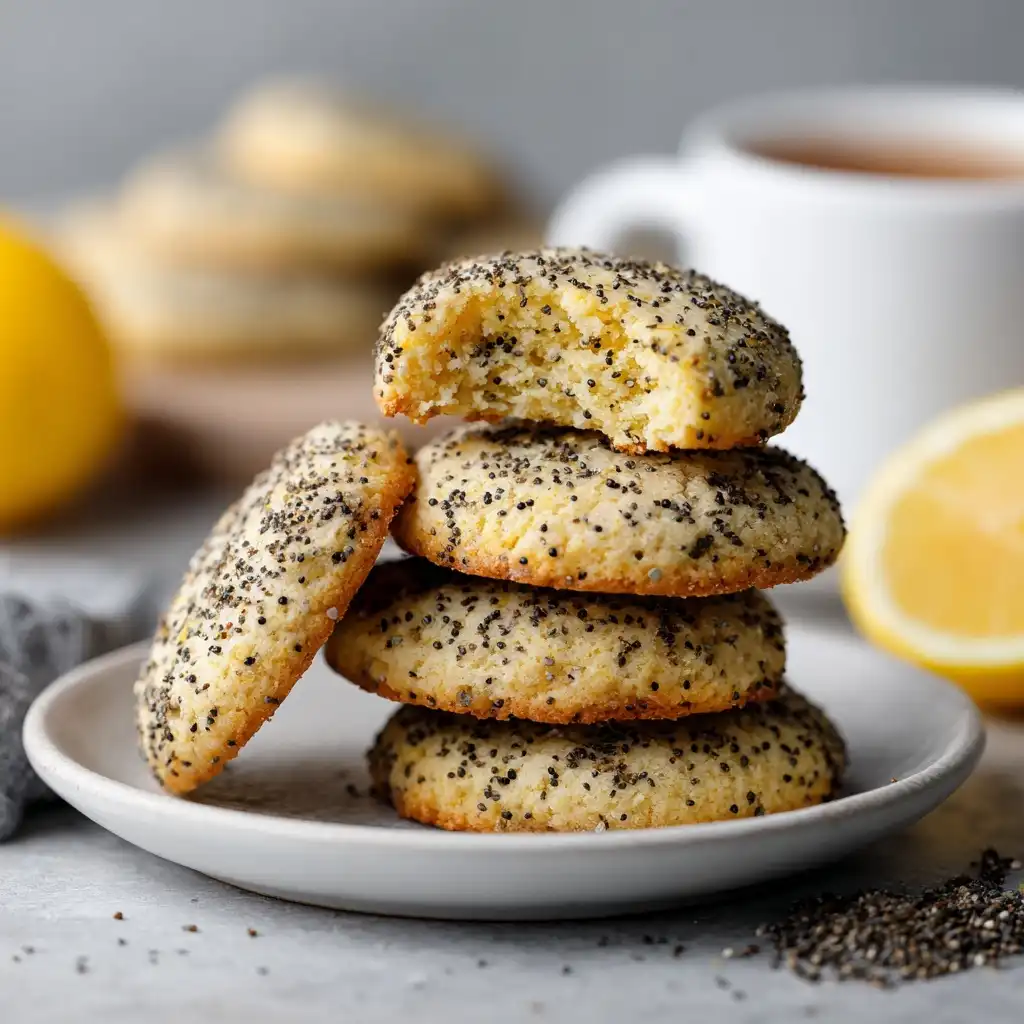
Lemon Poppy Seed Cookies are a bright, zesty, and texturally delightful treat that effortlessly bridges the gap between classic American baking and sophisticated citrus-forward flavor profiles. With their vibrant lemon aroma, subtle floral-citrus tang, delicate crunch from poppy seeds, and tender, slightly chewy crumb, these cookies evoke sun-drenched mornings, spring gardens, and nostalgic afternoons spent baking with loved ones. Unlike heavier citrus desserts, they strike a perfect balance—refreshingly tart yet warmly sweet, light without being insubstantial, and elegant without requiring professional techniques. Whether served alongside afternoon tea, packed into lunchboxes, gifted in mason jars, or enjoyed solo with a tall glass of cold milk, Lemon Poppy Seed Cookies deliver an unforgettable sensory experience that lingers long after the last crumb is gone.
The History
The origins of Lemon Poppy Seed Cookies trace back to the broader evolution of citrus-infused baking in North America during the mid-20th century—a period marked by increased accessibility of bottled lemon juice, freeze-dried citrus zests, and imported poppy seeds. While poppy seeds have been used for millennia across Central Europe, the Middle East, and South Asia (notably in Hungarian poppy seed rolls, Indian *khus khus* sweets, and Turkish *haşhaşli* pastries), their integration into American cookie culture gained momentum in the 1950s and ’60s, coinciding with the rise of “gourmet home baking” magazines like Bon Appétit and Family Circle. Early versions often appeared as variations of sugar cookies or shortbread, where lemon zest was added for brightness and poppy seeds for visual appeal and nutty crunch. The 1980s saw a surge in popularity as lemon-poppy seed muffins became café staples—sparking baker-led experimentation with cookie adaptations. By the early 2000s, food bloggers and artisanal bakeries elevated the recipe further: emphasizing fresh-squeezed lemon juice, cold-pressed lemon oil, toasted poppy seeds, and brown butter infusions. Today, Lemon Poppy Seed Cookies represent a beloved fusion tradition—one rooted in global spice routes, refined by mid-century American ingenuity, and continually reinvented through modern culinary science and seasonal sensibility.
Ingredients Breakdown
Every exceptional Lemon Poppy Seed Cookie begins with intentionality—not just in measurement, but in understanding how each component functions within the whole:
- All-Purpose Flour (2 ¼ cups, spooned & leveled): Provides essential gluten structure. Too much leads to toughness; too little yields spread. For optimal tenderness, many bakers substitute 2 tablespoons with cornstarch or use a blend of 75% all-purpose + 25% cake flour.
- Unsalted Butter (1 cup / 2 sticks, room temperature): Crucial for creaming—trapping air for lift and contributing rich mouthfeel. European-style butter (82–84% fat) yields more tender, flavorful results. Avoid melted or overly soft butter, which causes excessive spreading.
- Granulated Sugar (1 cup): Offers sweetness, aids in creaming, and contributes to crisp edges. A portion (¼ cup) can be replaced with light brown sugar for subtle molasses depth and enhanced moisture retention.
- Powdered Sugar (½ cup, sifted): Adds fine-grained sweetness without grit, improves dough pliability, and promotes a smoother surface—ideal for glazing adhesion later.
- Egg (1 large, cold): Binds ingredients, adds structure via proteins, and enriches texture. Some recipes use only the yolk for extra tenderness—or add an extra yolk for luxurious chew.
- Fresh Lemon Zest (3–4 medium lemons, finely grated): The aromatic powerhouse—contains volatile citrus oils concentrated in the yellow peel. Never substitute bottled zest; always wash lemons thoroughly and avoid the bitter white pith.
- Fresh Lemon Juice (3 tbsp, strained): Balances sweetness with acidity and activates baking soda (if used). Adjust based on lemon variety (Meyer lemons are sweeter; Eureka more tart).
- Poppy Seeds (¼ cup, preferably whole, not ground): Adds signature crunch, visual speckling, and mild, nutty, slightly peppery notes. Toast lightly in a dry skillet for 1–2 minutes until fragrant to intensify flavor—cool completely before mixing in.
- Baking Soda (½ tsp) & Baking Powder (½ tsp): Dual-leavening system—soda reacts with lemon acid for immediate lift and browning; powder provides secondary, heat-activated rise for consistent height.
- Finely Ground Sea Salt (¾ tsp): Not merely for seasoning—it enhances all other flavors, tempers sweetness, and strengthens gluten bonds for better texture control.
- Optional Enhancements: 1 tsp pure vanilla extract (for warmth), 1 tbsp lemon oil (for amplified aroma), pinch of cardamom or lavender (for complexity), or 2 tbsp finely chopped candied lemon peel (for bursts of intense citrus candy).
Step-by-Step Recipe
This meticulously tested method ensures bakery-quality results—every time:
- Prep & Measure: Line two baking sheets with parchment paper. Preheat oven to 350°F (175°C). Weigh or carefully spoon-and-level all dry ingredients. Zest lemons first (before juicing), then juice and strain to remove pulp and seeds. Toast poppy seeds in a small skillet over medium-low heat for 60–90 seconds until fragrant and lightly golden—cool completely on a plate.
- Cream Butter & Sugars: In a large bowl using a stand mixer fitted with paddle attachment (or hand mixer), beat softened butter, granulated sugar, powdered sugar, and salt on medium-high speed for 3–4 minutes until pale, fluffy, and nearly doubled in volume. Scrape bowl thoroughly halfway through.
- Incorporate Wet Ingredients: Add cold egg and mix on medium speed for 45 seconds until fully emulsified. Add lemon zest and mix 20 seconds to distribute. Gradually stream in lemon juice while mixing on low—pause to scrape bowl. Mix just until combined (do not overmix).
- Combine Dry Ingredients: In a separate bowl, whisk together flour, baking soda, baking powder, and cooled toasted poppy seeds until uniformly distributed.
- Gradual Dry-Incorporation: With mixer on low speed, add dry mixture in three equal parts, mixing only until no flour streaks remain after each addition (about 15–20 seconds per addition). Overmixing develops gluten and causes toughness. Dough will be soft, slightly sticky, and hold its shape when scooped.
- Chill for Structure: Cover bowl tightly and refrigerate dough for at least 1 hour (up to 72 hours). Chilling solidifies butter, prevents overspreading, deepens flavor, and makes dough easier to handle.
- Scoop & Shape: Use a 1.5-tablespoon cookie scoop or rounded tablespoon to portion dough. Roll gently between palms into smooth balls. Place 2 inches apart on prepared sheets. Optional: Gently press top with a fork dipped in flour for decorative crisscross pattern—or leave smooth for glaze-friendly tops.
- Bake with Precision: Bake one sheet at a time in center rack for 11–13 minutes. Cookies are done when edges are set and lightly golden, centers appear just set (not shiny or wet), and bottoms are pale golden—not browned. Rotate sheet halfway through for even baking.
- Cool Strategically: Let cookies cool on baking sheet for exactly 5 minutes—this allows internal structure to set. Then transfer carefully to wire racks to cool completely (at least 20 minutes) before glazing or storing. Warm cookies will absorb glaze unevenly or become soggy.
Tips
- Zest Smart: Freeze lemons for 15 minutes before zesting—they’re firmer and yield finer, more abundant zest with less pith.
- Butter Temperature Matters: Ideal butter should hold an indentation when pressed but not collapse or leave oily residue. If too warm, chill for 10 minutes; if too cold, grate frozen butter directly into mixer bowl.
- Poppy Seed Freshness: Store poppy seeds in an airtight container in the freezer—they oxidize quickly at room temperature and turn rancid within 3–4 months.
- No-Spread Secret: Chill dough balls on the baking sheet for 10 minutes pre-bake—especially helpful in warm kitchens or humid climates.
- Uniform Baking: Use an oven thermometer—many ovens run hot or cold. Even a 25°F variance affects spread and browning.
- Glaze Timing: Apply glaze only to completely cooled cookies. For matte finish, use thicker glaze (¾ cup powdered sugar + 1 tsp lemon juice); for glossy sheen, thin with additional juice (1 tbsp at a time) until it coats spoon and drips slowly.
- Freeze Like a Pro: Portion uncooked dough balls onto parchment, freeze solid (2 hours), then transfer to freezer bag. Bake straight from frozen—add 1–2 minutes to bake time.
- Revive Stale Cookies: Place in a sealed container with a slice of fresh bread overnight—the cookies absorb ambient moisture and regain softness.
Variations and Customizations
These cookies serve as a brilliant canvas for creativity—here’s how to adapt them thoughtfully:
- Gluten-Free Version: Substitute 1:1 gluten-free flour blend (with xanthan gum) + 1 tsp additional xanthan gum. Add 1 tbsp psyllium husk powder for elasticity. Increase chilling time to 2 hours.
- Vegan Adaptation: Replace butter with vegan butter (high-fat, non-hydrogenated), egg with flax egg (1 tbsp ground flax + 2.5 tbsp water, rested 10 min), and use maple syrup–sweetened glaze. Add ¼ tsp apple cider vinegar to mimic buttermilk tang.
- Whole Grain Twist: Swap ½ cup all-purpose flour with white whole wheat flour or oat flour. Add 1 tsp ground flaxseed for fiber and nuttiness.
- Lemon Blueberry Swirl: Fold in ½ cup fresh or frozen (unthawed) wild blueberries tossed in 1 tsp flour—add in final mixing stage to prevent bleeding.
- Earl Grey Infusion: Steep 2 Earl Grey tea bags in warm lemon juice for 5 minutes, then strain and use infused juice in dough. Garnish with edible dried lavender buds.
- White Chocolate–Poppy Seed: Fold in ¾ cup high-quality white chocolate chips (tempered or stabilized) after chilling dough—prevents melting during scooping.
- Mini Cookie Bites: Use a 1-teaspoon scoop for bite-sized versions—bake 7–9 minutes. Perfect for parties, cookie platters, or kids’ snacks.
- Stuffed Surprise: Flatten dough ball, place ¼ tsp lemon curd or raspberry jam in center, seal, and roll smooth—creates a molten core when baked.
- Spiced Citrus Fusion: Add ¼ tsp freshly grated ginger, ⅛ tsp ground turmeric, and a pinch of black pepper for anti-inflammatory warmth and earthy contrast.
- Protein-Powered: Add 2 tbsp unflavored collagen peptides or whey protein isolate—ensure extra 1 tsp lemon juice to maintain hydration balance.
Health Considerations and Nutritional Value
A standard Lemon Poppy Seed Cookie (approx. 2.5″ diameter, ~28g) contains roughly:
- Calories: 115–130 kcal
- Total Fat: 6–7g (mostly unsaturated from butter and poppy seeds)
- Saturated Fat: 3.5–4g
- Carbohydrates: 15–17g (including 9–11g sugars)
- Fiber: 0.6–0.8g (poppy seeds contribute modest soluble and insoluble fiber)
- Protein: 1.2–1.5g
- Calcium: ~25mg (from poppy seeds—among highest natural plant sources)
- Magnesium & Zinc: Small but meaningful amounts (poppy seeds are mineral-rich)
- Vitamin C: Trace (from lemon zest/juice—but heat degrades most during baking)
Key Health Notes:
- Poppy Seeds Are Safe in Culinary Amounts: Though derived from opium poppies, commercially sold poppy seeds contain negligible morphine/codeine—well below detection thresholds. The FDA permits up to 0.05% opiate alkaloids; typical baking seeds test at <0.001%. No risk of psychoactivity or positive drug tests at standard usage (¼ cup per batch).
- Lemon Zest = Phytonutrient Powerhouse: Contains limonene (a potent antioxidant shown to support liver detoxification), beta-cryptoxanthin (pro-vitamin A), and flavonoids linked to reduced inflammation.
- Butter vs. Alternatives: Grass-fed butter offers higher CLA (conjugated linoleic acid) and vitamin K2. For heart-health focus, replace half the butter with cold-pressed avocado oil—but expect denser texture.
- Sugar Mindfulness: Reduce granulated sugar by ¼ cup and increase lemon zest by 1 tsp to compensate for perceived sweetness loss without sacrificing flavor intensity.
- Glycemic Impact: Moderate—cookies lack fiber or protein to blunt glucose spikes. Pair with Greek yogurt or almonds to lower overall meal glycemic load.
- Allergen Alert: Naturally nut-free and soy-free (if using soy-free butter), but verify poppy seed sourcing—some facilities process tree nuts. Always label for guests with sesame or mustard seed sensitivities (cross-contact risks).
Ingredients
- 2 ¼ cups (270g) all-purpose flour, spooned and leveled
- ½ teaspoon baking soda
- ½ teaspoon baking powder
- ¾ teaspoon fine sea salt
- 1 cup (227g / 2 sticks) unsalted butter, room temperature
- 1 cup (200g) granulated sugar
- ½ cup (60g) powdered sugar, sifted
- 1 large cold egg
- Zest of 3–4 medium lemons (about 3 tbsp finely grated)
- 3 tablespoons (45ml) fresh lemon juice, strained
- ¼ cup (35g) whole poppy seeds, lightly toasted and cooled
For Lemon Glaze (optional but highly recommended):
- 1 ½ cups (180g) powdered sugar, sifted
- 2–3 tablespoons fresh lemon juice
- ½ teaspoon pure lemon extract (optional, for intensified aroma)
- Pinch of salt
Directions
- Position oven racks in upper and lower thirds. Preheat oven to 350°F (175°C). Line two large baking sheets with parchment paper or silicone baking mats.
- In a medium bowl, whisk together flour, baking soda, baking powder, and salt. Stir in cooled toasted poppy seeds until evenly distributed. Set aside.
- In the bowl of a stand mixer fitted with paddle attachment, combine butter, granulated sugar, powdered sugar, and salt. Beat on medium-high speed for 3–4 minutes until light, fluffy, and pale yellow. Scrape down bowl and paddle thoroughly.
- Add cold egg and beat on medium speed for 45 seconds until fully incorporated and smooth. Add lemon zest and mix 20 seconds. With mixer running on low, gradually pour in lemon juice. Mix just until combined—about 15 seconds. Do not overmix.
- Reduce mixer speed to low. Gradually add dry ingredients in three additions, mixing only until no dry streaks remain after each (15–20 seconds per addition). Dough will be soft and slightly tacky but hold its shape.
- Cover bowl tightly with plastic wrap and refrigerate for at least 1 hour—and ideally 2–3 hours—for optimal texture and flavor development.
- Once chilled, scoop dough using a 1.5-tablespoon cookie scoop (or level tablespoon). Roll each portion gently between palms into smooth balls. Place 2 inches apart on prepared baking sheets.
- Bake one sheet at a time in center of oven for 11–13 minutes—rotating sheet halfway through—until edges are set and lightly golden, and centers appear just firm to gentle touch (they will continue to set as they cool). Avoid overbaking—cookies should not brown on bottom.
- Let cookies cool on baking sheet for exactly 5 minutes, then carefully transfer to wire racks using a thin spatula. Cool completely before glazing—minimum 20 minutes.
- To glaze: Whisk together powdered sugar, 2 tbsp lemon juice, lemon extract (if using), and salt. Add remaining juice ½ tsp at a time until desired consistency is reached (should coat back of spoon and drip slowly). Drizzle generously over cooled cookies using a spoon or piping bag. Allow glaze to set 30+ minutes before stacking or storing.
FAQ
- Why did my cookies spread too much?
- Most common causes: butter too warm, insufficient chilling, excess sugar, or expired leavening agents. Always chill dough minimum 1 hour—and verify baking soda/powder freshness (replace every 6 months).
- Can I use bottled lemon juice?
- Fresh is strongly preferred—bottled juice lacks volatile citrus oils and often contains preservatives that mute flavor and alter pH balance. If unavoidable, use 100% pure, refrigerated juice—not concentrate.
- My glaze soaked in or turned cloudy—what went wrong?
- Glaze absorbs if applied to warm cookies. Cloudiness occurs when glaze is too thin or contains undissolved sugar—always sift powdered sugar and stir glaze vigorously for 1 full minute before applying.
- How long do these cookies stay fresh?
- At room temperature in airtight container: 5 days. Refrigerated: up to 10 days (glazed cookies may soften slightly). Frozen (unglazed): up to 3 months—thaw at room temp 30 minutes before serving or glazing.
- Can I make the dough ahead?
- Absolutely. Refrigerate up to 72 hours—or freeze rolled dough balls up to 3 months. No need to thaw before baking—just add 1–2 minutes to bake time.
- Are poppy seeds safe for pregnancy or children?
- Yes—culinary quantities pose no risk. Poppy seeds used in baking contain non-narcotic alkaloid levels far below safety thresholds established by WHO and FDA. Always purchase from reputable food-grade suppliers.
- Why toast the poppy seeds?
- Toasting unlocks nutty, toasty, almost almond-like notes and removes raw grassiness. Untoasted seeds can taste bland or musty—especially if older.
- Can I double this recipe?
- Yes—but mix in two separate batches to ensure proper creaming and uniform incorporation. Doubling in one bowl often leads to under-creamed butter or uneven dry ingredient distribution.
- What’s the best way to store glazed cookies?
- Layer between parchment paper in an airtight container at cool room temperature. Avoid refrigeration—it introduces condensation and dulls glaze shine. Consume within 3 days for best appearance and texture.
- My cookies tasted bland—how can I boost lemon flavor?
- Triple the zest (use 6 lemons), add ½ tsp lemon oil to dough, include 1 tsp grated lemon peel in glaze, or brush baked cookies with lemon simple syrup (1:1 sugar:water + zest, simmered 5 min, cooled).
Summary
Lemon Poppy Seed Cookies are a masterclass in balanced brightness—where vibrant lemon zest and juice harmonize with the earthy crunch of toasted poppy seeds, all enveloped in a tender, buttery crumb that’s crisp-edged yet softly chewy at the center. With thoughtful technique, quality ingredients, and room for personal expression, they transform humble pantry staples into joyful, memorable moments—whether shared at a holiday table, gifted in a handmade tin, or savored solo with quiet gratitude.
They’re more than dessert: they’re sunshine captured in cookie form—zesty, nourishing, nostalgic, and endlessly adaptable to every season, kitchen, and story you bring to the mixing bowl.