Introduction
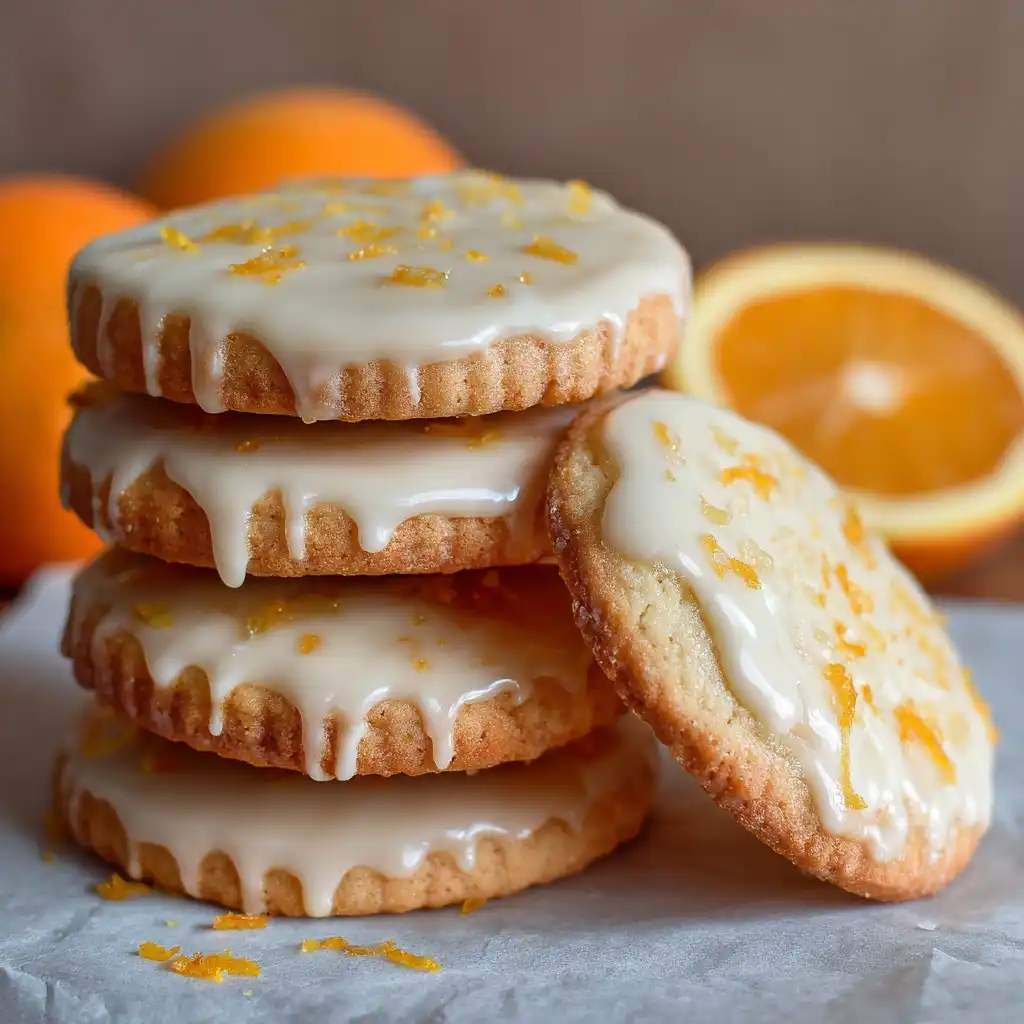
Orange Glazed Cookies are a vibrant, zesty, and irresistibly tender treat that marries the bright, sun-kissed essence of fresh citrus with the comforting richness of buttery shortbread or soft sugar cookies. Unlike ordinary cookies, these boast a luminous, glossy finish—achieved through a simple yet transformative glaze infused with real orange zest and juice—that adds both visual allure and a refreshing aromatic lift. Whether served at holiday gatherings, afternoon tea, spring brunches, or as a cheerful pick-me-up on a gray day, Orange Glazed Cookies deliver a sophisticated balance of sweet, tangy, and floral notes without overwhelming the palate. Their versatility, ease of preparation, and crowd-pleasing appeal make them a standout addition to any baker’s repertoire—equally at home in a rustic farmhouse kitchen or an elegant patisserie display.
The History
The origins of citrus-glazed cookies trace back centuries to Mediterranean and Middle Eastern confectionery traditions, where oranges—introduced to Europe via Arab traders around the 10th century—were prized not only for their fragrance and flavor but also for their preservative and digestive properties. In 17th-century England and colonial America, candied citrus peels and fruit-infused sugar syrups began appearing in “sugarplums,” marchpane (early marzipan), and spiced cakes. By the Victorian era, the rise of refined granulated sugar and accessible citrus imports enabled bakers to experiment with delicate glazes—often made from boiled sugar, lemon or orange juice, and zest—as elegant finishes for tea-time biscuits and sponge-based drop cookies. The modern iteration of the Orange Glazed Cookie gained widespread popularity in mid-20th-century American baking magazines and community cookbooks, particularly as refrigerated doughs and electric mixers simplified citrus incorporation. Its resurgence in the 2010s coincided with the artisanal baking movement’s emphasis on bold, natural flavors—sparking innovations like blood orange variations, lavender-orange fusions, and gluten-free adaptations—all rooted in that same timeless interplay of sunshine, sweetness, and sophistication.
Ingredients Breakdown
Every exceptional Orange Glazed Cookie begins with intentionality—not just measurement, but mindful selection. Below is a detailed, chef-level breakdown of each component and its functional role:
- All-Purpose Flour (2 ¼ cups): Provides essential structure and tender crumb. For optimal results, measure by weight (285g) or use the spoon-and-level method—never scoop directly from the bag—to avoid excess flour and dryness.
- Baking Soda (½ tsp) & Cream of Tartar (½ tsp): Used together, they form a balanced, double-acting leavening system ideal for achieving gentle lift without bitterness—superior to baking powder alone for citrus-forward batters where acidity can interfere with single-ingredient leaveners.
- Fine Sea Salt (¼ tsp): Enhances all other flavors and counters sweetness; iodized table salt is discouraged due to potential metallic aftertaste.
- Unsalted Butter (¾ cup / 170g), softened to 65–68°F: Critical for creaming—cold butter won’t aerate properly, while overly warm butter causes spreading. European-style butter (82–84% fat) yields richer flavor and finer texture.
- Granulated Sugar (1 cup / 200g): Offers clean sweetness and contributes to crisp edges and delicate caramelization during baking.
- Brown Sugar (½ cup / 100g, light or dark): Adds moisture, subtle molasses depth, and chewiness—dark brown sugar intensifies warmth; light preserves brighter citrus notes.
- Large Egg (1, room temperature): Binds ingredients and provides emulsification. Cold eggs risk seizing the butter-sugar mixture; always bring to room temp for 30 minutes before use.
- Pure Vanilla Extract (1 tsp): Not optional—it rounds out acidity and adds creamy complexity. Avoid imitation vanilla, which clashes with citrus.
- Fresh Orange Zest (2 medium navel or Valencia oranges, ~2 tbsp finely grated): The aromatic powerhouse. Use a microplane for fine, oil-rich zest—avoid the bitter white pith. Zest oranges *before* juicing to maximize yield and freshness.
- Fresh Orange Juice (3 tbsp, strained): Adds bright acidity and moisture. Bottled juice lacks volatile citrus oils and contains preservatives that dull flavor—always use freshly squeezed, then strain through cheesecloth to remove pulp and membrane fragments.
- For the Glaze:
- Powdered Sugar (2 cups / 240g, sifted): Ensures smooth, lump-free consistency. Sifting is non-negotiable—even “pre-sifted” brands compact during shipping.
- Fresh Orange Juice (3–4 tbsp, plus more as needed): Adjust gradually for desired thickness: 3 tbsp yields a thick, slow-dripping glaze ideal for drizzling; 4+ tbsp creates a pourable, high-gloss finish perfect for full immersion.
- Orange Zest (1 tsp, finely grated): Reinforces aroma and adds delicate texture contrast—especially noticeable when glaze sets.
- Optional Enhancements: A pinch of ground cardamom (⅛ tsp) or a few drops of orange blossom water (¼ tsp) elevate nuance without overpowering.
Step-by-Step Recipe
- Prep & Preheat: Line two large baking sheets with parchment paper or silicone baking mats. Position oven racks in upper and lower thirds. Preheat oven to 350°F (177°C). Allow butter and egg to reach room temperature (65–68°F) for full integration.
- Zest & Juice Oranges: Using a microplane, finely grate zest from 2 medium oranges into a small bowl—taking care to avoid bitter pith. Then juice oranges and strain liquid through a fine-mesh sieve into a separate measuring cup. Set both aside.
- Dry Ingredients: In a medium bowl, whisk together flour, baking soda, cream of tartar, and salt. Sift once for uniformity and aeration. Set aside.
- Cream Butter & Sugars: In a large stand mixer fitted with the paddle attachment (or using a hand mixer), beat softened butter, granulated sugar, and brown sugar on medium speed for 3–4 minutes until pale, fluffy, and thoroughly combined—scraping bowl halfway. Do not rush; proper creaming traps air for tenderness.
- Incorporate Wet Ingredients: Add egg, vanilla, orange zest, and 3 tablespoons of fresh orange juice. Beat on medium-low for 1 minute until fully emulsified and glossy. Scrape bowl thoroughly.
- Gradual Dry Incorporation: With mixer on low, add dry ingredients in three equal additions, mixing just until no streaks remain after each—about 15–20 seconds per addition. Overmixing develops gluten and yields toughness. Dough will be soft, slightly sticky, and aromatic.
- Chill for Control: Cover bowl tightly and refrigerate dough for 30–45 minutes. This firms butter, prevents excessive spread, enhances flavor melding, and makes scooping easier.
- Scoop & Shape: Using a 1.5-tablespoon cookie scoop or heaping tablespoon, portion dough into rounded balls (~1.5 inches diameter). Place 2 inches apart on prepared sheets. Gently flatten each slightly with palm for even baking—do not over-compress.
- Bake with Precision: Bake one sheet at a time in center of preheated oven for 10–12 minutes. Rotate pan halfway through. Cookies are done when edges are set and lightly golden, centers appear just set (no wet sheen), and tops spring back lightly when touched. Underbaked centers yield chewy centers; overbaked edges become brittle.
- Cool Strategically: Let cookies cool on baking sheet for 3 minutes—this allows structure to set. Then transfer carefully to wire racks using a thin spatula. Cool completely (20–25 minutes) before glazing. Warm cookies will melt the glaze; cold cookies ensure clean adhesion and shine.
- Prepare Glaze: In a medium bowl, whisk sifted powdered sugar and 3 tablespoons orange juice until smooth. Add additional juice, ½ teaspoon at a time, until glaze reaches desired consistency: it should coat the back of a spoon and drip slowly in a ribbon that disappears into the bowl within 10 seconds. Stir in 1 tsp orange zest.
- Glaze with Care: Using a small offset spatula, fork tines, or a piping bag with a #3 round tip, apply glaze generously—either drizzle in zigzags, dip tops fully, or spread evenly. Allow excess to drip down sides for artisanal effect. For textured finish, gently tap rack to settle drips.
- Set & Serve: Let glazed cookies air-dry at room temperature for 60–90 minutes until glaze is fully set and glossy. For faster setting, place in refrigerator for 20 minutes—but avoid condensation by covering loosely with parchment, not plastic.
Tips
- Zest First, Juice Second: Zesting a cold orange is easier and yields more oils—then let it come to room temp before juicing for maximum yield.
- Butter Temperature Matters: Too cold = grainy batter; too warm = flat cookies. Test with fingertip: should leave slight indentation without sinking.
- No Overmixing: Once dry ingredients hit wet, mix only until incorporated. Gluten development begins immediately—pause and fold by hand if needed.
- Consistent Sizing = Even Baking: Use a cookie scoop and level off with a bench scraper for uniform thickness and bake time.
- Rotate & Monitor: Ovens vary—especially older models. Rotate pans front-to-back and top-to-bottom at 6-minute mark for even browning.
- Cool Completely Before Glazing: Even residual warmth causes glaze to slide, pool, or cloud—patience ensures professional finish.
- Glaze Thickness Control: Too thick? Add juice drop by drop. Too thin? Sift in 1 tsp more powdered sugar at a time. Never reheat or microwave glaze—it will seize.
- Storage for Freshness: Store unglazed baked cookies airtight at room temp up to 3 days; glazed cookies best consumed within 48 hours for peak texture and sheen.
- Freeze for Future Joy: Portion unbaked dough balls onto a tray, freeze solid (2 hours), then transfer to freezer bag for up to 3 months. Bake straight from frozen—add 1–2 minutes to bake time.
- Revive Stale Glaze: If glaze dries on bowl or tools, scrape into a new bowl and whisk in ¼ tsp warm orange juice—it will re-emulsify instantly.
Variations and Customizations
Orange Glazed Cookies serve as a brilliant canvas for creative expression—whether adapting to dietary needs, seasonal ingredients, or global flavor inspirations. Here are meticulously tested, bakery-worthy variations:
- Lemon-Orange Dual Citrus: Replace half the orange zest/juice with Meyer lemon for floral brightness and mellow acidity—ideal for spring.
- Blood Orange Elegance: Use blood orange zest and juice exclusively for deep raspberry-hued glaze, berry-like undertones, and striking visual contrast against golden cookies.
- Spiced Orange Cardamom: Add ¼ tsp freshly ground cardamom + ⅛ tsp ground ginger to dry ingredients; garnish glaze with edible rose petals.
- Orange-Almond Crumble: Fold in ⅓ cup toasted sliced almonds and 2 tbsp almond extract (reduce vanilla to ½ tsp); sprinkle tops with coarse turbinado sugar pre-bake.
- Vegan Adaptation: Substitute butter with cultured vegan butter (e.g., Miyoko’s), flax egg (1 tbsp ground flax + 2.5 tbsp water, rested 10 min), and ensure powdered sugar is vegan (some contain bone char). Use almond or oat milk in glaze if juice is insufficient.
- Gluten-Free Version: Use 1:1 certified GF flour blend (Bob’s Red Mill or King Arthur) + ½ tsp xanthan gum. Increase chill time to 60 minutes for improved dough cohesion.
- Protein-Enriched: Add 2 tbsp unflavored collagen peptides or whey isolate to dry ingredients—no taste impact, added satiety and structure.
- Chocolate-Orange Fusion: Fold in ¾ cup high-cocoa (70%+) dark chocolate chunks and 1 tbsp unsweetened cocoa powder into dough; glaze with orange-zested dark chocolate ganache.
- Herbal Infusion: Steep 1 tsp fresh thyme or lavender buds in warm orange juice for 10 minutes, strain, and use infused liquid in both dough and glaze.
- Mini Bite-Sized: Use a 1-teaspoon scoop for elegant tea cookies—bake 7–9 minutes. Perfect for cookie platters and gift boxes.
Health Considerations and Nutritional Value
While Orange Glazed Cookies are inherently indulgent, thoughtful ingredient choices and portion awareness allow for mindful enjoyment without compromising pleasure. Per standard cookie (based on 24 cookies per batch):
- Calories: ~165 kcal—moderate for a dessert cookie, largely from complex carbohydrates and healthy fats.
- Sugar Content: ~12g total sugar (6g naturally occurring from orange juice, 6g added)—well below many commercial cookies (often 14–18g).
- Fat Profile: ~7g fat (4g saturated), primarily from butter. Using grass-fed butter increases conjugated linoleic acid (CLA) and vitamin K2—nutrients linked to metabolic health.
- Fiber & Micronutrients: Contains ~0.5g dietary fiber and notable amounts of vitamin C (from fresh zest/juice), calcium (from fortified flour), and antioxidants (hesperidin and naringenin in orange peel).
- Functional Benefits of Citrus Zest: Orange zest is rich in limonene—a bioactive compound studied for antioxidant, anti-inflammatory, and digestive-supportive properties. It also contains significantly more flavonoids than juice alone.
- Dietary Notes: Naturally cholesterol-free (despite butter—cholesterol remains bound in dairy matrix); contains no artificial colors, preservatives, or hydrogenated oils. Easily adaptable for nut-free, soy-free, and egg-free diets.
- Mindful Enjoyment Tips: Pair with green tea (enhances citrus polyphenol absorption); savor one cookie slowly with black coffee or herbal infusion; avoid eating on empty stomach to prevent glycemic spikes.
- Not Recommended For: Individuals with citrus allergies (rare but possible), severe GERD (citric acid may trigger reflux), or those following ultra-low-FODMAP protocols (orange juice contains fructose and sorbitol).
Always consult a registered dietitian or healthcare provider for personalized nutrition guidance—especially for diabetes management or therapeutic diets.
Ingredients
- 2 ¼ cups (285g) all-purpose flour, spooned and leveled
- ½ teaspoon baking soda
- ½ teaspoon cream of tartar
- ¼ teaspoon fine sea salt
- ¾ cup (170g) unsalted butter, softened to 65–68°F
- 1 cup (200g) granulated sugar
- ½ cup (100g) light or dark brown sugar, packed
- 1 large egg, room temperature
- 1 teaspoon pure vanilla extract
- 2 tablespoons finely grated orange zest (from 2 medium navel or Valencia oranges)
- 3 tablespoons fresh orange juice, strained
- For the Glaze:
- 2 cups (240g) powdered sugar, sifted
- 3–4 tablespoons fresh orange juice, strained
- 1 teaspoon finely grated orange zest
Directions
- Preheat oven to 350°F (177°C). Line two large baking sheets with parchment paper or silicone baking mats.
- Using a microplane, finely grate zest from 2 medium oranges into a small bowl. Then juice oranges and strain juice through a fine-mesh sieve into a liquid measuring cup. Set both aside.
- In a medium bowl, whisk together flour, baking soda, cream of tartar, and salt. Sift once and set aside.
- In the bowl of a stand mixer fitted with paddle attachment, beat softened butter, granulated sugar, and brown sugar on medium speed for 3–4 minutes until pale, fluffy, and well combined. Scrape bowl halfway through.
- Add egg, vanilla, orange zest, and 3 tablespoons orange juice. Beat on medium-low for 1 minute until fully emulsified and glossy. Scrape bowl thoroughly.
- With mixer on low, add dry ingredients in three equal parts, mixing just until no dry streaks remain—about 15–20 seconds per addition. Do not overmix.
- Cover dough tightly and refrigerate for 30–45 minutes.
- Using a 1.5-tablespoon cookie scoop, portion dough into rounded balls (~1.5 inches). Place 2 inches apart on prepared sheets. Gently flatten each slightly with palm.
- Bake one sheet at a time in center rack for 10–12 minutes, rotating halfway, until edges are set and lightly golden and centers appear just set.
- Let cookies cool on baking sheet for 3 minutes, then transfer to wire racks. Cool completely (20–25 minutes) before glazing.
- Make glaze: In a medium bowl, whisk sifted powdered sugar and 3 tablespoons orange juice until smooth. Add more juice, ½ tsp at a time, until glaze coats spoon and drips slowly. Stir in 1 tsp orange zest.
- Using a small offset spatula or fork, generously glaze cooled cookies. Allow excess to drip down sides. Let air-dry at room temperature for 60–90 minutes until fully set and glossy.
FAQ
- Can I use bottled orange juice?
- No—bottled juice lacks volatile citrus oils critical for aroma and contains preservatives (e.g., sodium benzoate) that mute flavor and may cause glaze separation. Always use freshly squeezed, strained juice.
- Why did my cookies spread too much?
- Likely causes: butter too warm, insufficient chilling, excess sugar, or inaccurate flour measurement. Ensure butter is cool-to-touch (65–68°F), chill dough minimum 30 minutes, and measure flour correctly.
- Can I make the dough ahead of time?
- Absolutely. Refrigerate covered for up to 3 days—or freeze portioned dough balls for up to 3 months. Thaw overnight in fridge before baking.
- My glaze is too runny—how do I fix it?
- Sift in 1 teaspoon more powdered sugar at a time, whisking vigorously after each addition, until desired thickness returns. Avoid adding more juice.
- How do I store glazed cookies?
- Store in a single layer in an airtight container at room temperature for up to 48 hours. For longer storage, keep unglazed cookies airtight for 3 days, then glaze just before serving.
- Can I add food coloring to the glaze?
- Yes—but use gel-based food coloring (not liquid) to avoid thinning the glaze. Add sparingly: 1 tiny dot of orange or sunset yellow gel creates vivid hue without altering consistency.
- Why does my glaze look cloudy or matte instead of shiny?
- Causes include: glazing warm cookies (melts sugar crystals), using cold juice (causes premature crystallization), or insufficient whisking. Ensure cookies are fully cool, juice is room temp, and glaze is whisked until ultra-smooth.
- Can I double this recipe?
- Yes—with caveats. Double all ingredients precisely, but chill dough in two separate bowls to ensure even cooling. Bake one sheet at a time—even with doubled batches—to maintain consistent oven temperature and airflow.
- Are these cookies safe for kids?
- Yes—they contain no alcohol, caffeine, or allergens beyond common ones (eggs, wheat, dairy). For toddlers, consider omitting zest (strong flavor) and reducing glaze sugar by ¼ cup.
- What’s the best way to photograph these cookies?
- Use natural north-facing light, a clean marble or wood surface, and garnish with whole orange slices, fresh mint, or edible flowers. Capture glaze sheen with side lighting—and shoot within 2 hours of glazing for maximum luminosity.
Summary
Orange Glazed Cookies are a masterclass in citrus harmony—tender, buttery cookies elevated by a luminous, fragrant glaze made from freshly zested and juiced oranges, delivering brightness, balance, and bakery-quality elegance with accessible techniques.
From historical roots in Mediterranean confectionery to modern adaptations spanning vegan, gluten-free, and globally inspired variations, these cookies celebrate simplicity, seasonality, and the joyful alchemy of humble ingredients transformed by attention to detail, temperature control, and reverence for real food.