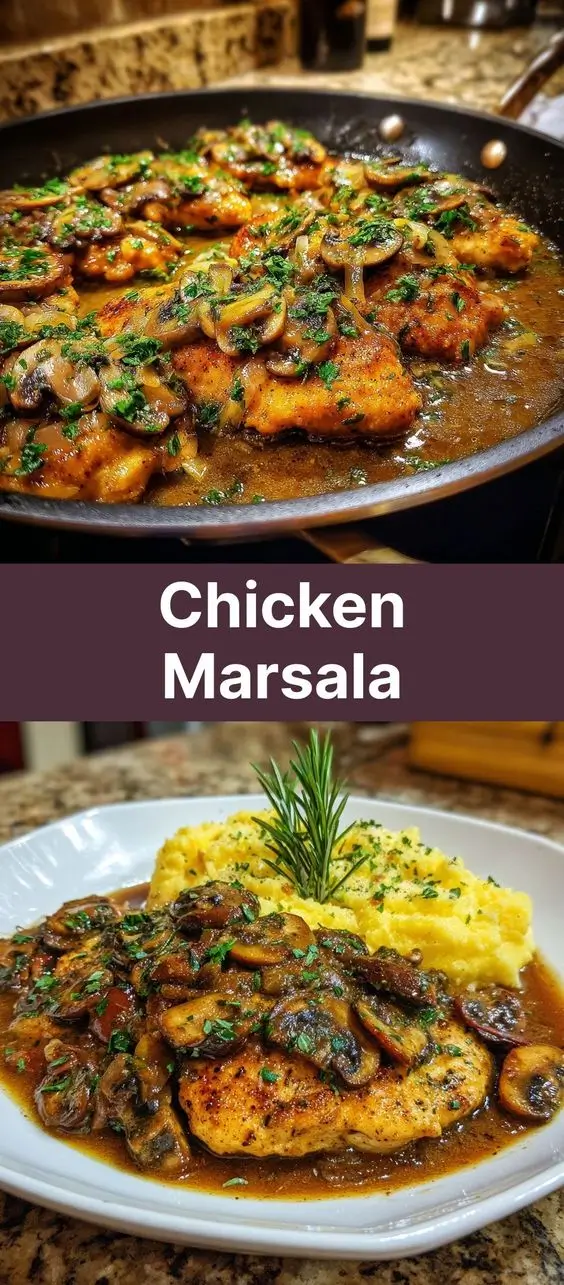
Chicken Marsala: A Classic Italian-American Delight
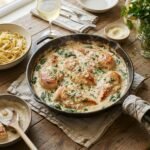
Chicken Marsala is a beloved dish that exemplifies the rich fusion of Italian culinary tradition and American creativity. Known for its succulent chicken cutlets bathed in a luxurious sauce made from Marsala wine, earthy mushrooms, and aromatic seasonings, this entrée has become a staple in both fine dining restaurants and home kitchens across the United States. With its golden-brown seared chicken, deeply flavored pan sauce, and tender sautéed mushrooms, Chicken Marsala offers a harmony of textures and tastes that make it perfect for weeknight dinners or elegant gatherings.
The History of Chicken Marsala
The origins of Chicken Marsala trace back to Sicily, Italy, where Marsala wine was first produced in the late 18th century. Named after the port city of Marsala on the western coast of Sicily, this fortified wine became popular due to its rich flavor and long shelf life—qualities that made it ideal for export. British merchant John Woodhouse is credited with commercializing Marsala wine in 1773 after noticing its similarity to Spanish sherry and Portuguese Madeira.
While traditional Sicilian cooking often features veal in dishes like scaloppine al Marsala, Italian immigrants in America adapted the recipe using more readily available and affordable chicken. Thus, Chicken Marsala was born as part of the broader Italian-American culinary movement, which creatively reinterpreted Old World recipes with New World ingredients. Over time, the dish evolved into a classic representation of Italian-American cuisine, celebrated for its simplicity, depth of flavor, and restaurant-quality results achievable at home.
Ingredients Breakdown: What Makes Chicken Marsala Special?
The magic of Chicken Marsala lies not only in technique but also in the carefully selected ingredients that come together to create a complex yet balanced flavor profile. Each component plays a vital role:
- Chicken Breast: Boneless, skinless chicken breasts are typically used for their lean texture and ability to absorb flavors. They are pounded thin to ensure even cooking and tenderness.
- Marsala Wine: This is the star ingredient. Authentic Marsala wine comes in two varieties—dry (secco) and sweet (dolce). For savory dishes like Chicken Marsala, dry Marsala is preferred to avoid overpowering sweetness.
- Mushrooms: Cremini or button mushrooms are commonly used for their meaty texture and umami-rich taste. Sliced uniformly, they sauté beautifully alongside the chicken.
- Flour: Used for dredging the chicken, flour helps create a golden crust during searing and thickens the sauce slightly when incorporated into the pan drippings.
- Olive Oil and Butter: A combination of olive oil (for high-heat searing) and butter (for richness and flavor) creates the ideal cooking medium. Unsalted butter allows better control over seasoning.
- Garlic: Freshly minced garlic adds aromatic depth without overpowering the delicate Marsala notes.
- Chicken Stock or Broth: Enhances the body of the sauce and balances the intensity of reduced wine.
- Heavy Cream (optional): Some modern variations include a splash of cream for a silkier, richer sauce—though purists may omit it for authenticity.
- Herbs and Seasonings: Fresh thyme or parsley brings brightness, while salt and pepper enhance all other flavors.
Step-by-Step Recipe: How to Make Perfect Chicken Marsala at Home
Ingredients
- 4 boneless, skinless chicken breasts (about 6 oz each)
- ½ cup all-purpose flour
- Salt and freshly ground black pepper, to taste
- 1 teaspoon dried oregano (optional)
- ¼ teaspoon paprika (optional, for color)
- 3 tablespoons olive oil (divided)
- 4 tablespoons unsalted butter (divided)
- 8 oz cremini or white mushrooms, sliced ¼ inch thick
- 3 cloves garlic, minced
- ¾ cup dry Marsala wine
- ¾ cup low-sodium chicken broth
- 1 tablespoon fresh thyme leaves (or 1 tsp dried)
- 2 tablespoons fresh parsley, chopped (for garnish)
- Optional: ¼ cup heavy cream (for creamy variation)
Directions
- Prepare the Chicken: Place chicken breasts between two sheets of plastic wrap or parchment paper and gently pound them to an even thickness of about ½ inch using a meat mallet or rolling pin. This ensures quick, even cooking and prevents toughness.
- Dredge the Chicken: In a shallow bowl, mix flour, salt, pepper, oregano, and paprika. Lightly coat each chicken breast in the flour mixture, shaking off any excess. Set aside on a plate.
- Sear the Chicken: Heat 2 tablespoons olive oil and 2 tablespoons butter in a large skillet over medium-high heat until shimmering and hot but not smoking. Add the chicken breasts and cook for 3–4 minutes per side, or until golden brown and cooked through (internal temperature should reach 165°F). Transfer the cooked chicken to a clean plate and cover loosely with foil to keep warm.
- Cook the Mushrooms: In the same skillet, add the remaining 1 tablespoon olive oil. Add sliced mushrooms in a single layer and cook undisturbed for 2–3 minutes to allow browning. Stir and continue cooking for another 4–5 minutes until the mushrooms are tender and have released their moisture. Sprinkle with a pinch of salt to help draw out liquid.
- Add Aromatics: Push mushrooms to the side, add the remaining 2 tablespoons butter, and once melted, stir in the minced garlic and thyme. Cook for 30 seconds to 1 minute, just until fragrant—do not let garlic burn.
- Build the Sauce: Pour in the Marsala wine, scraping the bottom of the pan with a wooden spoon to lift any browned bits (fond), which adds immense flavor. Let the wine simmer and reduce by half, about 3–4 minutes.
- Incorporate Broth: Add chicken broth and bring the mixture to a gentle boil. Simmer for 5–7 minutes, allowing the sauce to thicken slightly. If using cream, stir it in now and simmer for an additional 2 minutes to blend flavors without boiling vigorously.
- Finish and Serve: Return the chicken breasts to the skillet, along with any accumulated juices. Spoon sauce over the chicken and simmer for 2–3 minutes to reheat. Taste and adjust seasoning with salt and pepper as needed.
- Garnish and Plate: Sprinkle with fresh chopped parsley. Serve immediately with the sauce spooned generously over each piece.
Serving Suggestions
Chicken Marsala pairs wonderfully with:
- Fettuccine, linguine, or pappardelle pasta tossed in olive oil or butter
- Mashed potatoes or whipped sweet potatoes
- Polenta (creamy or grilled)
- Roasted vegetables such as asparagus, green beans, or broccoli
- A crisp green salad with vinaigrette to cut through the richness
Tips for Making the Best Chicken Marsala
- Use Dry Marsala Wine: Sweet Marsala will make your sauce overly sugary. Always opt for dry (secco) Marsala labeled for cooking.
- Don’t Skip the Fond: The browned bits left after searing chicken are packed with flavor. Deglazing the pan properly unlocks these deep, savory notes.
- Don’t Crowd the Pan: Cook chicken in batches if necessary to prevent steaming instead of searing, ensuring a proper golden crust.
- Reduce the Wine Adequately: Allowing the Marsala to reduce concentrates its flavor and removes raw alcohol taste.
- Baste the Chicken: When returning chicken to the sauce, spoon some over the top to infuse more flavor throughout.
- Rest Before Serving: Letting the dish sit for 2–3 minutes before serving allows flavors to meld and juices to redistribute.
- Fresh Ingredients Matter: Use fresh garlic, real butter, and high-quality broth—these small choices significantly impact the final taste.
Variations and Customizations
While traditional Chicken Marsala remains timeless, there are many ways to personalize the dish based on dietary preferences, pantry availability, or creative flair:
- Vegan/Vegetarian Version: Substitute chicken with thick slices of portobello mushrooms or seitan. Use vegetable broth and vegan butter for a plant-based twist.
- Creamy Marsala: Add ¼ to ½ cup heavy cream or coconut milk (for dairy-free) at the end for a lusher, velvety sauce.
- Herb Variations: Swap thyme for rosemary or sage for a different aromatic profile. Fresh basil can be added at the end for brightness.
- Protein Swaps: Try Chicken Marsala with pork cutlets (making it Pork Marsala) or veal scaloppine for a more authentic Italian experience.
- Gluten-Free Option: Replace all-purpose flour with rice flour, cornstarch, or a gluten-free flour blend for dredging.
- Extra Vegetables: Add shallots, leeks, spinach, or bell peppers for added nutrition and complexity.
- Spicy Kick: Include red pepper flakes or a dash of hot sauce to give the dish a subtle heat.
- One-Pan Meal: Serve over cauliflower rice or zucchini noodles for a low-carb alternative.
Health Considerations and Nutritional Value
Understanding the nutritional content of Chicken Marsala helps in making mindful dietary choices while still enjoying its rich flavors.
Nutritional Breakdown (Per Serving – Approximate)
| Nutrient | Amount (per serving) |
|---|---|
| Calories | ~380 kcal |
| Protein | ~34 g |
| Total Fat | ~18 g |
| Saturated Fat | ~8 g |
| Carbohydrates | ~15 g |
| Dietary Fiber | ~1 g |
| Sugars | ~4 g (varies with wine) |
| Sodium | ~600 mg (depends on broth and seasoning) |
Health Benefits
- Lean Protein Source: Chicken breast provides high-quality protein essential for muscle repair, immune function, and satiety.
- Low in Carbs: Naturally low in carbohydrates, especially when served with non-starchy sides.
- Rich in B Vitamins: Chicken contains niacin (B3) and vitamin B6, important for energy metabolism and nervous system health.
- Antioxidants from Mushrooms: Mushrooms offer selenium, copper, and antioxidants like ergothioneine, which support cellular health.
Dietary Modifications
- Lower Sodium: Use low-sodium chicken broth and limit added salt. Enhance flavor with herbs and lemon juice.
- Heart-Healthy Version: Reduce butter and use extra virgin olive oil exclusively. Limit cream or omit entirely.
- Keto-Friendly: Omit flour dredging and use almond flour or pork rind crumbs. Ensure Marsala wine fits within daily carb limits.
- Portion Control: Serve smaller portions with larger vegetable sides to balance calorie intake.
Frequently Asked Questions (FAQ)
Can I make Chicken Marsala ahead of time?
Yes, you can prepare components in advance. Cook the chicken and sauce separately, then store them in airtight containers in the refrigerator for up to 2 days. Reheat gently on the stove, combining the chicken with the sauce just before serving to maintain texture.
Can I freeze Chicken Marsala?
It’s best enjoyed fresh, but you can freeze it for up to 3 months. Store in a freezer-safe container with sauce fully covering the chicken to prevent drying. Thaw overnight in the fridge and reheat slowly on the stove. Note: Mushrooms may become softer upon thawing.
What kind of Marsala wine should I use?
Always use dry Marsala wine (labeled “secco”) for savory dishes. Avoid “cooking Marsala” sold in supermarkets, which often contains added salt and preservatives. Look for reputable brands like Pellegrino, Cribari, or Florio.
Why did my sauce turn out too thin or too thick?
If the sauce is too thin, simmer longer to reduce and concentrate. If too thick, whisk in a little more chicken broth until desired consistency is reached. Remember, sauces thicken slightly as they cool.
Can I use chicken thighs instead of breasts?
Absolutely. Boneless, skinless chicken thighs work well and offer more flavor and juiciness. Adjust cooking time accordingly, as thighs may take slightly longer to cook through.
Is Chicken Marsala gluten-free?
It can be! Simply substitute the all-purpose flour with a gluten-free alternative such as rice flour, cornstarch, or a certified gluten-free flour blend. Double-check labels on broth and wine to ensure no hidden gluten sources.
How do I prevent the chicken from becoming tough?
Pounding the chicken to even thickness ensures uniform cooking. Avoid overcooking—chicken is done when it reaches 165°F internally. Remove from heat promptly and let rest before serving.
Can I make this dish dairy-free?
Yes. Replace butter with olive oil or a plant-based butter substitute. Be sure your wine and broth are dairy-free as well.
Summary
Chicken Marsala is a sumptuous Italian-American classic featuring tender pan-seared chicken cutlets smothered in a rich, wine-infused mushroom sauce—simple to prepare yet impressive enough for special occasions.
With its deep historical roots, flexible recipe format, and satisfying flavor, Chicken Marsala continues to earn its place as a favorite comfort meal that brings the taste of fine dining straight to your kitchen table.