Orange Chicken Bowl: A Flavorful Fusion of Sweet, Tangy, and Savory
The History of Orange Chicken
Orange chicken is a beloved dish that traces its roots to Chinese-American cuisine, particularly popularized in the United States during the late 20th century. While it draws inspiration from traditional Chinese cooking techniques and flavor profiles—especially those found in Hunan and Sichuan provinces—it is largely considered an American invention tailored to suit Western palates.
Unlike authentic Chinese orange-flavored dishes such as “Chen Pi Ji” (aged tangerine peel chicken), which use dried citrus peels for a bitter, complex taste, Americanized orange chicken emphasizes sweetness with a bright citrus kick. The dish gained widespread popularity through restaurant chains like Panda Express, which introduced it to millions of Americans in the 1980s. Over time, home cooks and chefs alike began refining the recipe, transforming it into a staple of Asian fusion cuisine.
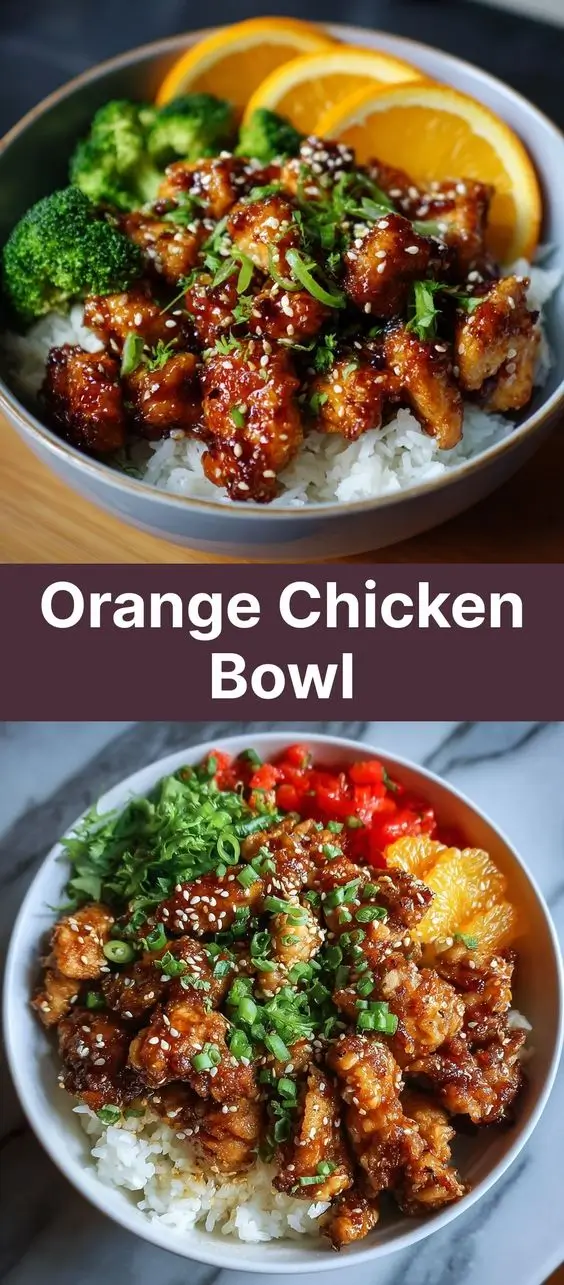
Today, the orange chicken bowl—a modern, health-conscious evolution of the classic takeout favorite—combines crispy or sautéed chicken glazed in a vibrant orange sauce with wholesome grains, fresh vegetables, and aromatic garnishes. It reflects both culinary innovation and the growing demand for balanced, flavorful meals that don’t sacrifice taste for nutrition.
Ingredients Breakdown: What Makes This Bowl Shine
The magic of the orange chicken bowl lies not just in its bold flavor but in the careful balance of ingredients that come together harmoniously. Each component plays a vital role—from tenderizing the chicken to building layers of tangy-sweet depth in the sauce.
For the Orange Sauce:
- Fresh Orange Juice: Provides natural sweetness and acidity. Always opt for freshly squeezed juice to avoid artificial flavors and preservatives.
- Orange Zest: Adds intense citrus aroma without extra liquid, enhancing fragrance and complexity.
- Soy Sauce: Delivers umami and saltiness. Use low-sodium soy sauce if you’re watching your salt intake.
- Rice Vinegar: Offers mild acidity that balances the sweetness of the orange and honey.
- Honey or Brown Sugar: Acts as a sweetener and helps create a glossy glaze. Honey adds floral notes; brown sugar brings molasses warmth.
- Garlic and Ginger: Freshly minced for pungency and heat, these aromatics form the backbone of the sauce’s savory profile.
- Red Chili Flakes or Sriracha: For a subtle kick—adjust according to spice preference.
- Cornstarch Slurry: A mixture of cornstarch and water used to thicken the sauce into a velvety consistency that clings perfectly to the chicken.
For the Chicken:
- Boneless, Skinless Chicken Thighs or Breasts: Thighs are juicier and more flavorful, while breasts offer leaner protein. Cut into bite-sized pieces for even cooking.
- Marinade (Soy Sauce, Rice Wine, Cornstarch): Tenderizes the meat and ensures a silky texture after cooking.
- Egg White (Optional):strong> Used in some recipes to further tenderize the chicken before stir-frying or frying.
- Oil for Cooking: High smoke point oils like avocado, peanut, or canola oil work best for searing or deep-frying.
For the Bowl Base:
- Cooked Brown Rice, White Rice, or Cauliflower Rice: Adds heartiness. Brown rice offers fiber; cauliflower rice keeps it low-carb.
- Steamed or Stir-Fried Vegetables: Broccoli, bell peppers, snap peas, carrots, bok choy, or cabbage add color, crunch, and nutrients.
- Garnishes: Green onions, sesame seeds, chopped cilantro, crushed red pepper, or toasted nuts elevate visual appeal and flavor.
Step-by-Step Recipe: How to Make the Perfect Orange Chicken Bowl
This detailed guide will walk you through creating a restaurant-quality orange chicken bowl at home—with crisp-tender chicken, a glossy homemade orange sauce, and a vibrant grain bowl base.
Step 1: Prepare the Ingredients
Gather and prep everything before starting. Mince garlic and ginger, zest and juice oranges, slice vegetables, cook rice, and cut chicken into uniform 1-inch cubes for consistent cooking.
Step 2: Marinate the Chicken
In a bowl, combine 1 lb chicken pieces with:
- 1 tablespoon soy sauce
- 1 tablespoon rice wine or dry sherry
- 1 teaspoon cornstarch
- 1 egg white (optional)
Stir gently and let marinate for 15–30 minutes at room temperature (or up to 2 hours refrigerated). This step locks in moisture and creates a delicate texture.
Step 3: Cook the Chicken
You have two options depending on your desired outcome:
Option A: Pan-Sear for Crispy Texture
- Heat 2 tablespoons oil in a large skillet or wok over medium-high heat.
- Add marinated chicken in a single layer (work in batches if needed).
- Cook 5–7 minutes, turning occasionally, until golden brown and cooked through (internal temp: 165°F).
- Remove and set aside.
Option B: Lightly Fry for Extra Crispiness
- Coat marinated chicken in additional cornstarch.
- Heat 1 inch of oil in a deep pan to 350°F.
- Fry chicken in batches for 3–4 minutes until golden and crispy.
- Drain on paper towels.
Step 4: Make the Orange Sauce
- In the same pan, reduce heat to medium. Add 1 tablespoon oil, then sauté 2 cloves minced garlic and 1 tablespoon grated ginger for 30 seconds until fragrant.
- Pour in:
- ½ cup fresh orange juice
- 1 tablespoon orange zest
- 2 tablespoons soy sauce
- 1 tablespoon rice vinegar
- 2 tablespoons honey or brown sugar
- ¼–½ teaspoon red chili flakes (to taste)
- Whisk together 1 tablespoon cornstarch with 2 tablespoons cold water to make a slurry.
- Slowly pour the slurry into the simmering sauce, stirring constantly.
- Continue cooking 2–4 minutes until the sauce thickens to a syrupy consistency.
Step 5: Combine Chicken and Sauce
- Return cooked chicken to the pan with the sauce.
- Toss well to coat every piece evenly. Let simmer 1–2 minutes so flavors meld.
- Taste and adjust seasoning—add more honey for sweetness, vinegar for tang, or chili for heat.
Step 6: Assemble the Bowl
- In each serving bowl, place a scoop of warm rice (about ¾ cup).
- Add a generous portion of steamed or stir-fried vegetables (1 cup).
- Top with orange-glazed chicken (½–⅔ cup).
- Drizzle extra sauce if desired.
- Garnish with sliced green onions, sesame seeds, cilantro, and a wedge of orange.
Pro Tips for the Best Orange Chicken Bowl
- Use Fresh Citrus: Bottled orange juice often contains added sugars and lacks brightness. Freshly squeezed OJ and zest make all the difference.
- Don’t Overcook the Chicken: Whether pan-seared or fried, remove chicken promptly once done to prevent drying out.
- Double the Sauce: The sauce reduces slightly when heated, and you’ll want extra for drizzling over rice.
- Prevent Soggy Chicken: If using the fry method, toss chicken in sauce just before serving to maintain crispiness.
- Batch Cooking Friendly: Components can be prepped ahead—store sauce, chicken, and chopped veggies separately in the fridge for up to 3 days.
- Reheat Gently: Warm leftovers in a skillet rather than microwave to preserve texture.
- Balanced Bowl: Aim for a mix of textures—soft rice, crunchy veggies, tender-crisp chicken—and colors for visual appeal.
Variations and Customizations
The beauty of the orange chicken bowl lies in its versatility. Here are creative ways to personalize it for different tastes, diets, or cultural twists:
Dietary Adaptations
- Gluten-Free: Use tamari instead of soy sauce and ensure all other ingredients are certified GF.
- Keto/Low-Carb: Replace rice with riced cauliflower and use a sugar substitute like erythritol or monk fruit in the sauce.
- Vegan Version: Swap chicken with crispy tofu or tempeh. Press and cube firm tofu, marinate similarly, then pan-fry or bake until golden.
- Dairy-Free: Naturally dairy-free—no substitutions needed!
Flavor Twists
- Spicy Orange: Add gochujang, sambal oelek, or extra chili flakes for a fiery kick.
- Smoky Orange: Include a dash of smoked paprika or chipotle powder for depth.
- Tropical Twist: Blend in pineapple juice or mango purée for a fruity variation.
- Herb-Forward: Finish with Thai basil, mint, or lemongrass for a Southeast Asian flair.
Global Fusion Ideas
- Mediterranean-Inspired: Serve over quinoa with roasted zucchini, olives, and feta (dairy-based); skip sesame garnish.
- Buddha Bowl Style: Add avocado, pickled red onions, kimchi, and a tahini drizzle for extra richness.
- Mexican Fusion: Use orange-chipotle glaze, serve with cilantro-lime rice and black beans.
Health Considerations and Nutritional Value
While classic orange chicken is often criticized for being high in sugar and sodium, the bowl version allows for smarter, healthier choices without sacrificing satisfaction.
Nutrition Highlights (Per Serving, Approximate)
| Nutrient | Amount |
|---|---|
| Calories | 450–550 |
| Protein | 30–35g |
| Carbohydrates | 50–60g |
| Dietary Fiber | 5–7g |
| Sugars | 18–22g (mostly from natural sources) |
| Fat | 12–16g (healthy fats if using avocado oil) |
| Sodium | 700–900mg (can be reduced with low-sodium soy sauce) |
Health Benefits
- High-Quality Protein: Chicken supports muscle repair and satiety.
- Rich in Vitamin C: From fresh orange juice and vegetables, boosting immunity.
- Dietary Fiber: Whole grains and veggies aid digestion and help regulate blood sugar.
- Antioxidants: Ginger and garlic possess anti-inflammatory properties.
Ways to Make It Healthier
- Choose skinless chicken thighs or breasts for lean protein.
- Steam or stir-fry instead of deep-frying the chicken.
- Reduce honey/sugar by 25–50% and balance with orange zest and vinegar.
- Increase vegetable volume—fill half the bowl with colorful produce.
- Opt for brown rice or quinoa to boost fiber and nutrients.
- Limit sauce quantity or serve on the side to control portions.
Complete Ingredients List
For the Orange Chicken:
- 1 lb boneless, skinless chicken breasts or thighs, cubed
- 1 tbsp soy sauce (or tamari for gluten-free)
- 1 tbsp rice wine or dry sherry
- 1 tsp cornstarch
- 1 egg white (optional)
- 2 tbsp cooking oil (peanut, avocado, or canola)
For the Orange Sauce:
- ½ cup fresh orange juice (about 1 large orange)
- 1 tbsp fresh orange zest
- 2 tbsp soy sauce
- 1 tbsp rice vinegar
- 2 tbsp honey or packed brown sugar
- 1 tbsp grated fresh ginger
- 2 cloves garlic, minced
- ¼–½ tsp red chili flakes (adjust to taste)
- 1 tbsp cornstarch + 2 tbsp water (slurry)
For the Bowl Assembly:
- 2 cups cooked brown rice, white rice, or cauliflower rice
- 2 cups mixed vegetables (broccoli, bell peppers, snap peas, carrots)
- Green onions, sliced (for garnish)
- Toasted sesame seeds (for garnish)
- Fresh cilantro (optional)
- Orange wedges (for serving)
Detailed Directions
- Prep Work: Chop chicken, mince garlic and ginger, zest and juice oranges, slice vegetables, and cook rice according to package instructions. Set aside.
- Marinate Chicken: In a medium bowl, combine chicken with soy sauce, rice wine, cornstarch, and egg white (if using). Mix well and let sit 15–30 minutes.
- Cook the Chicken: Heat oil in a large non-stick skillet or wok over medium-high heat. Add chicken in a single layer and cook 5–7 minutes, turning occasionally, until golden and cooked through. Remove and set aside.
- Prepare Vegetables: In the same pan, add a splash of oil and stir-fry vegetables for 3–5 minutes until crisp-tender. Season lightly with salt. Remove and keep warm.
- Make the Sauce: Reduce heat to medium. Add 1 tbsp oil, then sauté garlic and ginger for 30 seconds. Pour in orange juice, zest, soy sauce, rice vinegar, honey, and chili flakes. Bring to a gentle simmer.
- Thicken the Sauce: Whisk cornstarch with water, then slowly pour into the simmering sauce while stirring. Cook 2–4 minutes until thickened and glossy.
- Combine Chicken and Sauce: Return chicken to the pan. Toss to coat evenly. Simmer 1–2 minutes. Taste and adjust seasoning.
- Assemble Bowls: Divide rice among four bowls. Top with vegetables, then orange chicken. Drizzle with extra sauce if desired.
- Garnish and Serve: Sprinkle with green onions, sesame seeds, and cilantro. Serve immediately with orange wedges on the side.
Frequently Asked Questions (FAQ)
Can I make orange chicken ahead of time?
Yes! You can prepare components separately and store them in airtight containers in the refrigerator for up to 3–4 days. Reheat the sauce gently on the stove, and warm the chicken and rice before assembling.
How do I keep the chicken crispy?
If frying, toss the chicken in sauce only right before serving. For meal prep, store sauce separately and combine when ready to eat.
Can I freeze orange chicken?
Yes, though texture may change slightly. Freeze in portioned containers for up to 2 months. Thaw overnight in the fridge and reheat in a skillet.
Is orange chicken healthy?
It can be! By controlling sugar, sodium, and cooking methods (baking vs. frying), and adding plenty of vegetables, this bowl becomes a balanced, nutrient-rich meal.
What can I use instead of honey?
Maple syrup, agave nectar, or coconut sugar work well. For low-calorie options, try monk fruit sweetener or stevia (adjust to taste).
Can I use bottled orange juice?
You can, but fresh juice has superior flavor and no additives. Avoid juices with added sugars or preservatives.
Why did my sauce turn out too thick or too thin?
If too thick, whisk in a little warm water or orange juice. If too thin, mix another ½ tsp cornstarch with 1 tbsp water and stir into simmering sauce until desired consistency is reached.
Can I make this in a slow cooker?
Yes! Cook chicken on low for 4 hours, then remove, shred, and toss in prepared sauce. Serve over rice.
Are there nut allergies to consider?
The standard recipe contains no nuts, but always check labels on soy sauce or garnishes (e.g., some brands may process near tree nuts). Use seed-based toppings like pumpkin seeds if needed.
Can I use frozen vegetables?
Absolutely. Just thaw and drain excess moisture before adding to the bowl to prevent sogginess.
Summary
The orange chicken bowl is a vibrant, satisfying meal that blends sweet citrus glaze with tender chicken, fluffy grains, and fresh vegetables—all in one nourishing dish. Easy to customize and perfect for weeknight dinners or meal prep, it brings restaurant flavor home with a healthy twist.