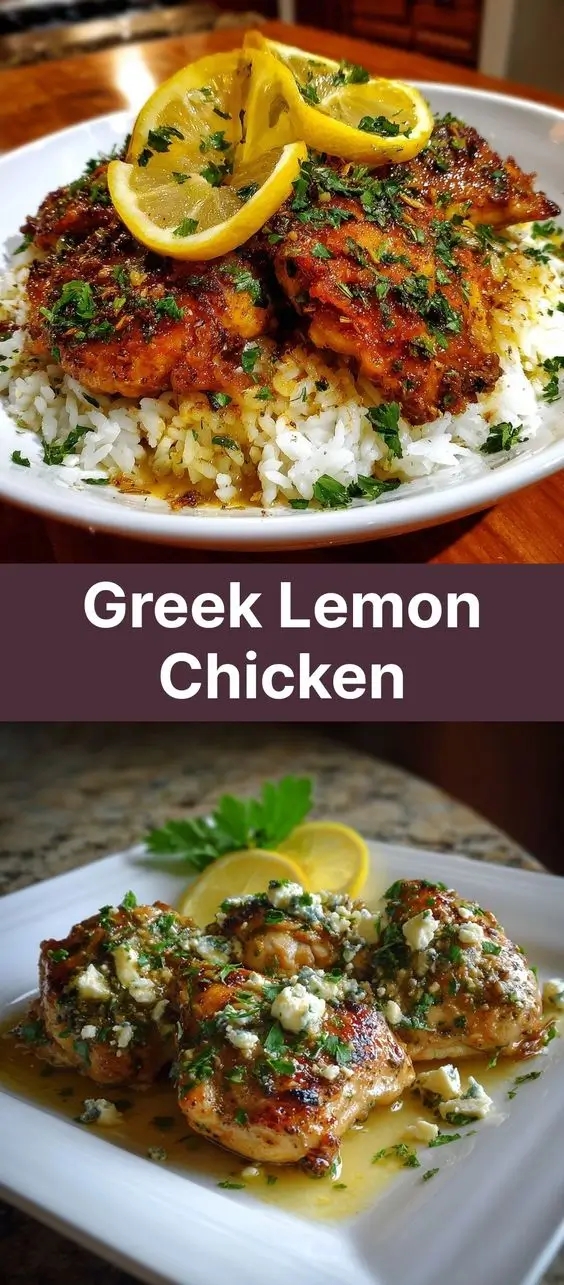
Greek Lemon Chicken: A Zesty, Flavorful Delight from the Heart of Mediterranean Cuisine
The History of Greek Lemon Chicken
Greek Lemon Chicken, known in Greece as Kotopoulo Lemonato, is a cherished staple of Hellenic cuisine that dates back centuries. While its exact origins are difficult to pinpoint, this dish reflects the culinary traditions of Greece’s coastal regions, where fresh lemon, olive oil, and herbs have long been integral components of everyday cooking. The use of lemon in Greek food can be traced to ancient times when citrus fruits were introduced via trade routes from Asia. Over time, Greeks perfected the art of balancing lemon’s bright acidity with savory chicken and aromatic seasonings.
Historically, this dish was prepared by home cooks using simple, locally-sourced ingredients—free-range chickens, freshly squeezed lemons from backyard trees, and fragrant wild oregano gathered from nearby hillsides. It became especially popular during religious festivals and family gatherings, often served alongside roasted potatoes or crusty bread to soak up the luscious sauce. In modern times, Greek Lemon Chicken has gained international acclaim, appearing on menus in Greek tavernas around the world and becoming a favorite among home chefs seeking bold flavors without complicated techniques.
The dish also holds symbolic significance. The vibrant yellow hue of the lemon sauce is reminiscent of the sun-drenched landscapes of the Aegean islands, while the harmonious blend of flavors represents the Greek philosophy of balance and simplicity. Today, it remains a centerpiece of Greek Easter celebrations in some regions and is often enjoyed year-round as a comforting, nourishing meal that connects people to their heritage and the bounties of the Mediterranean.
Ingredients Breakdown: What Makes This Dish Shine
The magic of Greek Lemon Chicken lies in its simplicity and quality of ingredients. Each component plays a vital role in creating a symphony of tangy, savory, and herbal notes that define the dish. Let’s explore them in detail:
- Chicken (preferably bone-in, skin-on thighs or drumsticks): Using bone-in, skin-on cuts ensures juiciness and depth of flavor during slow cooking. The bones release collagen into the sauce, enriching its body, while the skin crisps beautifully when seared.
- Fresh Lemons (both juice and zest): Freshly squeezed lemon juice provides the signature tartness, while grated lemon zest adds an intense citrus fragrance without bitterness. Bottled juice is not recommended—it lacks brightness and may contain preservatives.
- Extra Virgin Olive Oil: A cornerstone of Mediterranean cooking, high-quality EVOO lends richness and helps carry the flavors of the herbs. Its peppery finish complements the lemon perfectly.
- Garlic (minced or crushed): Garlic brings pungency and warmth. When sautéed gently, it mellows into a sweet, nutty depth that balances the acidity.
- Dried Oregano (preferably Greek): Authentic Greek oregano has a floral, slightly minty profile distinct from other varieties. It’s earthy and aromatic, essential for authenticity.
- Onion (yellow or white, finely chopped): Onions build a flavorful base, caramelizing slightly to add sweetness and complexity to the sauce.
- Chicken Broth or Water: Used to deglaze the pan and create a simmering liquid, broth enhances umami. For a lighter version, water works, but low-sodium broth is preferred.
- Flour (optional, for thickening): Some traditional recipes include a light dusting of flour on chicken before browning to help thicken the sauce naturally. Alternatively, a cornstarch slurry can be used at the end if needed.
- Salt and Black Pepper: Essential seasoners that enhance all other flavors. Use sea salt for a cleaner taste.
- Parsley (fresh, flat-leaf, for garnish): Adds a pop of color and a fresh, slightly peppery note when sprinkled on just before serving.
Optional enhancements include bay leaves, a splash of dry white wine (like Assyrtiko), capers for brininess, or even a pinch of cinnamon for warmth—though the latter is more common in certain regional variations.
Step-by-Step Recipe: How to Make Authentic Greek Lemon Chicken
Follow this detailed guide to prepare tender, lemon-infused chicken with a velvety, aromatic sauce that will transport your senses straight to a seaside taverna in Santorini.
- Prep the Chicken: Pat 4–6 pieces of bone-in chicken (thighs and drumsticks) dry with paper towels. Season generously on both sides with salt, black pepper, and 1 teaspoon of dried oregano.
- Optional Flour Dredge: Lightly dust chicken pieces with all-purpose flour, shaking off excess. This helps create a golden crust and thickens the sauce later.
- Sear the Chicken: Heat 3 tablespoons of extra virgin olive oil in a large, heavy-bottomed skillet or Dutch oven over medium-high heat. Add chicken, skin-side down, and cook for 5–7 minutes per side until deeply golden brown. Work in batches if necessary to avoid crowding. Remove and set aside.
- Sauté Aromatics: In the same pot, reduce heat to medium. Add 1 finely chopped onion and cook for 4–5 minutes until translucent. Stir in 4–5 minced garlic cloves and cook for 1 minute more, being careful not to burn.
- Build the Sauce: Pour in 1 cup of chicken broth (or water) to deglaze the pan, scraping up any browned bits (fond) from the bottom—this is flavor gold! Stir in the juice of 3 large lemons (about ½ cup) and the zest of one lemon.
- Simmer: Return chicken to the pot, nestling pieces into the liquid. Bring to a gentle simmer, then cover and reduce heat to low. Cook for 35–45 minutes, turning once halfway through, until chicken is fork-tender and internal temperature reaches 165°F (74°C).
- Thicken the Sauce (Optional): If the sauce is too thin, remove chicken and boil the liquid for 5–8 minutes to reduce. Alternatively, mix 1 tablespoon cornstarch with 2 tablespoons cold water and stir into the bubbling sauce. Simmer for 2–3 minutes until glossy and slightly thickened.
- Finish with Egg-Lemon Mixture (Avgolemono-style): In a bowl, whisk 2 large eggs until frothy. Slowly temper with ½ cup of hot sauce, whisking constantly to prevent scrambling. Pour this mixture back into the pot and stir gently over very low heat for 2–3 minutes until the sauce turns creamy and emulsified. Do not boil, or the eggs will curdle.
- Garnish and Serve: Sprinkle with chopped fresh parsley and additional oregano if desired. Serve immediately.
Tips for Perfect Greek Lemon Chicken Every Time
- Use Fresh Lemons Only: The difference between fresh-squeezed and bottled lemon juice is dramatic. Always juice lemons right before cooking.
- Don’t Skip the Sear: Browning the chicken creates layers of flavor through the Maillard reaction. Take your time here.
- Control the Heat During Avgolemono Step: When adding the egg-lemon mixture, keep the heat extremely low and stir continuously. Remove from heat if needed to prevent curdling.
- Bone-In vs. Boneless: While boneless chicken cooks faster, it tends to dry out. Stick with bone-in for best results unless short on time.
- Balance the Acidity: If the sauce tastes too sharp, add a teaspoon of honey or a pat of butter to mellow it. Taste and adjust before serving.
- Rest Before Serving: Let the dish sit for 5–10 minutes after finishing. This allows flavors to settle and sauce to thicken further.
- Make Ahead Tip: You can cook the chicken and sauce (without the egg mixture) a day ahead. Refrigerate separately, then reheat gently and add the avgolemono at the last minute.
Variations and Customizations
While traditional Greek Lemon Chicken is beloved in its classic form, there are numerous ways to adapt it based on dietary needs, preferences, or available ingredients:
- Oven-Baked Version: After searing, transfer everything to a covered casserole dish and bake at 375°F (190°C) for 45–50 minutes. Results in even cooking and hands-off preparation.
- Grilled Lemon Chicken: Marinate chicken in lemon juice, olive oil, garlic, and oregano for 2–4 hours, then grill over medium heat. Baste with reserved marinade (boiled first) for extra flavor.
- Air Fryer Option: Cook marinated chicken pieces in the air fryer at 370°F for 20–25 minutes, flipping halfway. Serve with a stovetop-made lemon sauce.
- Vegan Adaptation: Use hearty portobello mushrooms or firm tofu instead of chicken. Prepare the lemon-egg sauce with a vegan substitute like silken tofu blended with lemon and nutritional yeast.
- Creamier Sauce: Add ¼ cup of heavy cream or coconut milk (dairy-free option) along with the avgolemono for a richer texture.
- Add Vegetables: Include bell peppers, cherry tomatoes, or green beans during the last 15 minutes of cooking for a one-pot meal.
- With Rice or Orzo: Serve over steamed rice, orzo pasta, or mashed potatoes to absorb the delicious sauce.
- Spicy Kick: Add red pepper flakes or a sliced chili pepper during sautéing for those who enjoy heat.
Health Considerations and Nutritional Value
Greek Lemon Chicken isn’t just delicious—it’s also a relatively healthy choice packed with beneficial nutrients:
- High-Quality Protein: Chicken is rich in lean protein, supporting muscle repair, immune function, and satiety.
- Heart-Healthy Fats: Extra virgin olive oil contains monounsaturated fats and antioxidants like polyphenols, linked to reduced inflammation and improved cardiovascular health.
- Vitamin C Boost: Lemons are loaded with vitamin C, which supports immune function, collagen production, and iron absorption.
- Low in Carbohydrates: Naturally low in carbs, making it suitable for keto or low-carb diets (especially without thickening agents).
- Antimicrobial Properties: Garlic contains allicin, known for its antibacterial and antiviral effects.
- Rich in Antioxidants: Oregano is one of the most antioxidant-dense herbs, helping combat oxidative stress.
Nutritional Estimate (per serving, assuming 6 servings):
| Nutrient | Amount |
|---|---|
| Calories | 320 kcal |
| Protein | 28 g |
| Total Fat | 18 g |
| Saturated Fat | 4 g |
| Carbohydrates | 8 g |
| Fiber | 1.5 g |
| Sugars | 3 g |
| Sodium | 650 mg |
| Vitamin C | 30 mg (50% DV) |
| Iron | 2.1 mg (12% DV) |
Dietary Notes:
- Gluten-Free: Omit flour or use a gluten-free alternative.
- Dairy-Free: The traditional recipe contains no dairy.
- Diabetes-Friendly: Moderate carb content; monitor portion sizes and pair with non-starchy vegetables.
- Weight Management: High protein and healthy fats promote fullness, reducing overeating.
Note: The egg-lemon sauce (avgolemono) increases cholesterol content slightly, so those monitoring dietary cholesterol may reduce egg quantity or omit it (serving sauce on the side).
Ingredients
- 4–6 bone-in, skin-on chicken thighs and/or drumsticks (approx. 3–4 lbs / 1.4–1.8 kg)
- Salt and freshly ground black pepper (to taste)
- 1 tsp dried Greek oregano (plus extra for garnish)
- 3 tbsp extra virgin olive oil
- 1 medium yellow onion, finely chopped
- 4–5 garlic cloves, minced
- Juice of 3 large lemons (about ½ cup)
- Zest of 1 lemon
- 1 cup low-sodium chicken broth (or water)
- 2 large eggs
- 2 tbsp cold water (for tempering eggs)
- Fresh flat-leaf parsley, chopped (for garnish)
- (Optional) 2 tbsp all-purpose flour (or cornstarch for GF)
Directions
- Season chicken pieces with salt, pepper, and oregano. Lightly coat with flour if using.
- Heat olive oil in a large skillet or Dutch oven over medium-high heat. Sear chicken skin-side down for 5–7 minutes until golden. Flip and sear other side for 4–5 minutes. Transfer to a plate.
- In the same pot, add onions and cook for 4–5 minutes until soft. Add garlic; cook 1 minute until fragrant.
- Pour in chicken broth to deglaze, scraping up browned bits. Stir in lemon juice and zest.
- Return chicken to the pot, cover, and simmer on low for 35–45 minutes until cooked through.
- If thickening, reduce sauce by boiling or mix cornstarch with cold water and stir in. Simmer 2–3 minutes.
- In a bowl, whisk eggs. Slowly add ½ cup hot sauce while whisking vigorously. Pour mixture back into pot.
- Stir gently over very low heat for 2–3 minutes until sauce is creamy and coats the back of a spoon. Do not boil.
- Garnish with parsley and extra oregano. Serve warm with sides of choice.
FAQ
Can I make Greek Lemon Chicken without eggs?
Yes, you can skip the avgolemono step. The dish will still be flavorful, though less creamy. Simmer the lemon sauce longer to reduce and concentrate flavors.
Why did my sauce curdle?
Curdling usually happens when the egg mixture is added to a boiling liquid. Always temper the eggs and return them to very low heat, stirring constantly.
Can I freeze this dish?
It’s best frozen before adding the egg sauce. Freeze the cooked chicken and lemon broth separately. Thaw, reheat, then prepare the avgolemono fresh.
What should I serve with Greek Lemon Chicken?
Classic pairings include roasted lemon potatoes, Greek salad, steamed greens, rice, or crusty bread. A glass of crisp white wine like Assyrtiko completes the experience.
Can I use chicken breast?
Yes, but breasts cook faster and dry out more easily. Reduce cooking time to 20–25 minutes and consider pounding to even thickness.
Is this dish spicy?
No, it’s not inherently spicy. However, you can add red pepper flakes or chili for heat if desired.
Summary
Greek Lemon Chicken is a vibrant, aromatic dish that combines tender chicken with a luxuriously tangy lemon-oregano sauce, enriched with the traditional avgolemono technique for a silky finish.
Rooted in centuries of Mediterranean tradition, it offers bold flavors, nutritional benefits, and endless customization options, making it a timeless favorite for weeknight dinners and festive occasions alike.