Red Wine Chocolate Mousse: A Decadent Fusion of Elegance and Flavor
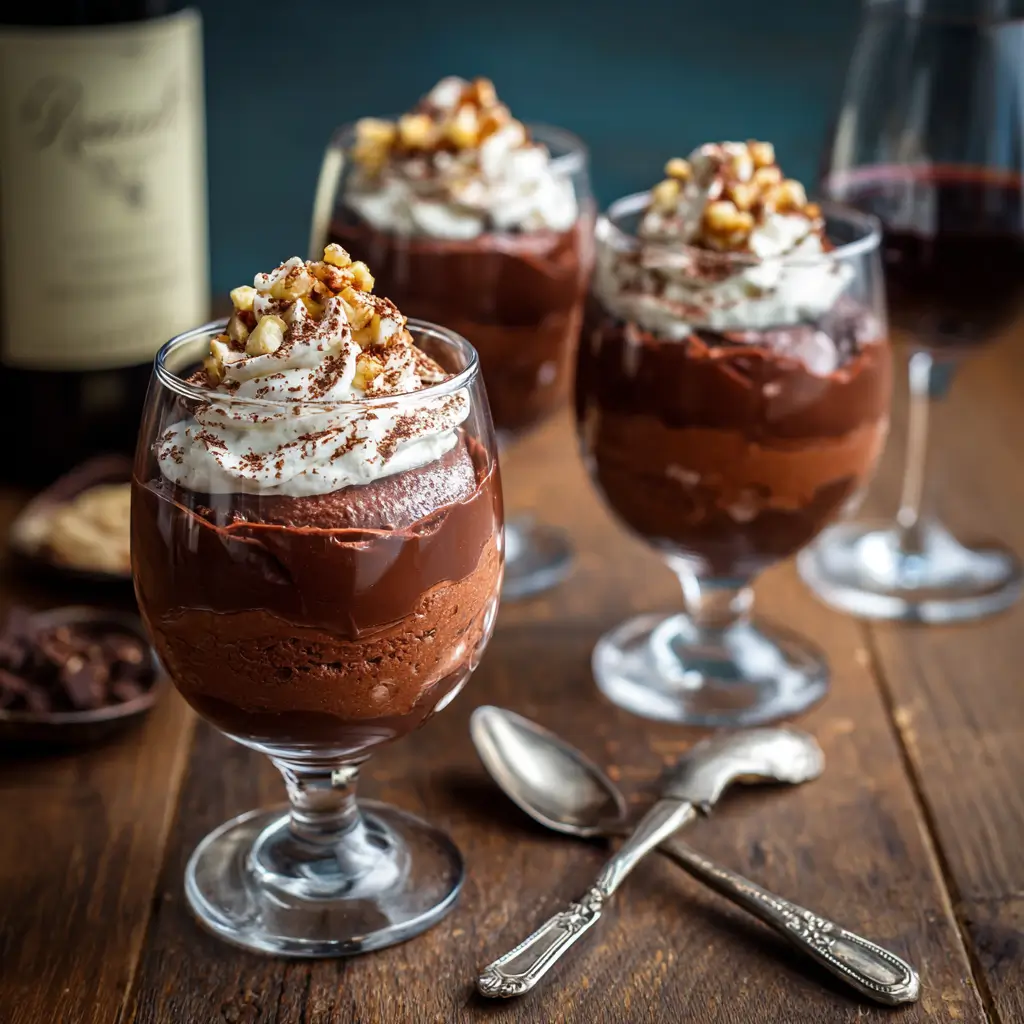
The Red Wine Chocolate Mousse is not just a dessert—it’s an experience. Rich, velvety chocolate mousse infused with the subtle depth of red wine creates a luxurious treat that dances between indulgence and sophistication. Whether you’re preparing for a romantic dinner, a dinner party, or simply treating yourself to something extraordinary, this mousse elevates the classic chocolate dessert into a gourmet masterpiece. With its silky texture, nuanced flavor profile, and elegant presentation, it’s a dish that embodies culinary artistry.
The History of Chocolate Mousse and Its Evolution
Chocolate mousse originated in France in the early 20th century, although its roots can be traced back even further to similar chilled chocolate desserts enjoyed in Europe. The word “mousse” means “foam” or “froth” in French, perfectly describing its light, airy texture achieved through the careful folding of whipped cream or egg whites into melted chocolate. Over time, chefs around the world have reimagined this classic dessert, incorporating everything from liqueurs and spices to fruits and, more recently, wines.
The fusion of red wine into chocolate mousse is a relatively modern innovation, inspired by the growing appreciation for food and wine pairings. Sommeliers and pastry chefs alike have long praised the natural harmony between dark chocolate and full-bodied red wines like Cabernet Sauvignon, Merlot, or Pinot Noir. This synergy led to the creation of recipes where red wine isn’t just a beverage served alongside dessert but becomes an intrinsic component of it. The Red Wine Chocolate Mousse represents a perfect marriage of oenology and patisserie, showcasing how traditional recipes can evolve with bold, contemporary twists.
Ingredients Breakdown: Why Each Component Matters
The magic of this Red Wine Chocolate Mousse lies in the quality and balance of its ingredients. Let’s explore each one and understand its role:
- Dark Chocolate (70% cocoa): High-quality dark chocolate is essential. It provides the deep, intense chocolate flavor and contributes to the mousse’s rich texture. The 70% cocoa content ensures enough bitterness to balance sweetness while allowing other flavors, like red wine, to shine through.
- Red Wine (dry, full-bodied): A dry red wine such as Cabernet Sauvignon or Syrah adds complexity, tannic structure, and a fruity undertone. When reduced, it concentrates its flavor without introducing excess liquid that could ruin the mousse’s consistency.
- Unsalted Butter: Adds silkiness and helps emulsify the chocolate mixture, contributing to a smooth mouthfeel.
- Egg Yolks: Provide richness, act as an emulsifier, and help stabilize the mousse. They also contribute to the custard-like texture when gently heated.
- Heavy Cream: Whipped to soft peaks, it gives the mousse its signature lightness and airy structure. Its high fat content ensures stability and a luxurious finish.
- Sugar: Balances the bitterness of dark chocolate and the acidity of the wine. Adjust according to taste and wine sweetness.
- Vanilla Extract: Enhances overall flavor with a warm, aromatic note that complements both chocolate and wine.
- Pinch of Sea Salt: Elevates all flavors, reducing perceived bitterness and enhancing sweetness and complexity.
- Optional Garnishes: Fresh berries, orange zest, edible flowers, or a drizzle of reduced red wine syrup add visual appeal and complementary flavors.
Step-by-Step Recipe: Crafting the Perfect Red Wine Chocolate Mousse
Follow these detailed steps to create a flawless, restaurant-quality dessert in your own kitchen.
- Reduce the Red Wine: Pour ½ cup of dry red wine into a small saucepan. Bring to a gentle simmer over medium heat and reduce to about 2 tablespoons (15–20 minutes). Set aside to cool. This concentrated reduction intensifies the wine’s flavor and removes raw alcohol while preserving its essence.
- Melt the Chocolate: Chop 8 oz of high-quality dark chocolate into small pieces. Place in a heatproof bowl. Melt using a double boiler (bowl over simmering water) or in 20-second bursts in the microwave, stirring frequently until smooth. Remove from heat and stir in 2 tbsp unsalted butter until fully incorporated.
- Prepare the Egg Yolk Mixture: In a separate bowl, whisk together 4 large egg yolks and ¼ cup granulated sugar until pale and slightly thickened. Gradually pour in the reduced red wine, mixing continuously. Then, slowly add the warm (not hot) melted chocolate mixture, stirring constantly to avoid scrambling the eggs. Stir in ½ tsp vanilla extract and a pinch of sea salt. Set aside to cool slightly.
- Whip the Cream: In a chilled bowl, beat 1 ½ cups of cold heavy cream until soft peaks form. Be careful not to over-whip. The cream should hold its shape but remain smooth and glossy.
- Fold the Mixtures Together: Gently fold one-third of the whipped cream into the chocolate mixture to lighten it. Then, carefully fold in the remaining cream in two additions, using a spatula with a cutting and folding motion. Do not stir—this preserves the air and ensures a light texture.
- Chill the Mousse: Divide the mousse evenly among serving glasses, ramekins, or dessert bowls. Cover each with plastic wrap, ensuring the wrap touches the surface of the mousse to prevent a skin from forming. Refrigerate for at least 4 hours, preferably overnight, to allow the flavors to meld and the texture to set.
- Garnish and Serve: Before serving, top with fresh raspberries, a mint leaf, a sprinkle of cocoa powder, or a delicate drizzle of reduced red wine syrup. For an extra touch, serve with a crisp biscuit or almond tuile on the side.
Tips for Success: Mastering the Technique
- Use Quality Ingredients: The fewer the ingredients, the more each one matters. Choose artisanal dark chocolate and a red wine you’d enjoy drinking.
- Control the Temperature: When combining egg yolks with hot chocolate, ensure the chocolate has cooled slightly to avoid curdling. You can temper the yolks by slowly adding a small amount of warm chocolate first.
- Avoid Overmixing: Folding is key. Overmixing deflates the whipped cream and results in a dense mousse.
- Chill Your Tools: Use a cold bowl and beaters when whipping cream for maximum volume.
- Patience with Reduction: Don’t rush the wine reduction. Slow simmering allows volatile compounds to evaporate while concentrating flavor.
- Adjust Sweetness: Taste your chocolate and wine first. If your chocolate is very bitter or your wine particularly tart, you may need a touch more sugar.
Variations and Customizations: Make It Your Own
This recipe is a canvas for creativity. Consider these variations to suit different tastes and occasions:
- Non-Alcoholic Version: Replace red wine with reduced grape juice or pomegranate juice for a similar tart-sweet profile without alcohol.
- Spiced Red Wine Mousse: Add a cinnamon stick, star anise, or orange peel to the wine while reducing for a mulled-wine twist.
- Fruit-Infused: Layer the mousse with a compote of poached cherries, figs, or blackberries for added texture and freshness.
- White Chocolate Variation: Substitute dark chocolate with white chocolate and use a sweet dessert wine like Port or Banyuls for a contrasting profile.
- Espresso Kick: Add 1 tsp of instant espresso powder to the chocolate for a mocha-red wine fusion.
- Vegan Option: Use dairy-free dark chocolate, coconut cream instead of heavy cream, and aquafaba (chickpea brine) whipped to replace egg yolks. Reduce wine as usual.
- Layered Parfaits: Alternate mousse layers with crumbled amaretti cookies, crushed wafers, or chocolate soil for textural contrast.
Health Considerations and Nutritional Value
While undeniably decadent, this dessert can be enjoyed in moderation as part of a balanced diet. Here’s a breakdown per serving (assuming 6 servings):
- Calories: ~320–360 kcal
- Fat: 24–28g (mostly from healthy fats in chocolate and cream)
- Saturated Fat: 14–16g
- Carbohydrates: 22–26g
- Sugars: 18–20g (natural and added)
- Protein: 3–4g
- Fiber: 2–3g (from dark chocolate and cocoa)
- Iron & Antioxidants: Dark chocolate is rich in flavonoids, which have been linked to heart health and reduced inflammation.
Considerations:
- Alcohol Content: Most alcohol evaporates during reduction, but trace amounts may remain. Not recommended for children or those avoiding alcohol.
- Raw Eggs: This recipe uses raw egg yolks. For safety, use pasteurized eggs if concerned about salmonella, especially for pregnant individuals or immunocompromised diners.
- Sugar Content: Can be reduced slightly or substituted with natural sweeteners like maple syrup or coconut sugar, though this may affect texture.
- Dairy Sensitivity: Lactose-intolerant individuals may opt for lactose-free chocolate and cream alternatives.
Ingredients
- 8 oz (225g) high-quality dark chocolate (70% cocoa), finely chopped
- ½ cup (120ml) dry red wine (e.g., Cabernet Sauvignon, Merlot)
- 2 tbsp (30g) unsalted butter
- 4 large egg yolks
- ¼ cup (50g) granulated sugar
- 1 ½ cups (360ml) heavy cream, cold
- ½ tsp pure vanilla extract
- Pinch of sea salt
- Optional garnishes: fresh berries, mint leaves, cocoa powder, edible flowers
Directions
- In a small saucepan, bring red wine to a gentle simmer over medium heat. Cook until reduced to 2 tablespoons (about 15–20 minutes). Allow to cool completely.
- Melt the dark chocolate using a double boiler or microwave, stirring until smooth. Off heat, stir in butter until fully blended.
- In a bowl, whisk egg yolks and sugar until pale and creamy. Gradually mix in the cooled reduced wine.
- Slowly add the warm chocolate mixture to the yolk mixture, stirring constantly. Stir in vanilla and salt. Let cool to room temperature.
- In a chilled bowl, whip heavy cream to soft peaks.
- Fold one-third of whipped cream into chocolate mixture to lighten. Gently fold in remaining cream until no streaks remain.
- Divide into 6 serving glasses. Cover with plastic wrap touching the surface. Chill for at least 4 hours or overnight.
- Before serving, garnish as desired. Serve cold.
FAQ
Can I make this mousse ahead of time?
Yes! This mousse actually improves with time. It can be made up to 2 days in advance and stored covered in the refrigerator.
Can I use milk or white chocolate instead?
You can, but the flavor and texture will change significantly. Milk chocolate is sweeter and softer; white chocolate lacks cocoa solids. Adjust sugar accordingly and consider pairing with a complementary wine (like Port for white chocolate).
Why did my mousse turn out grainy?
This can happen if the chocolate seized (due to moisture) or if the egg yolks were overheated and scrambled. Always use dry utensils and temper yolks carefully.
Can I freeze chocolate mousse?
Not recommended. Freezing alters the delicate texture, making it watery upon thawing. Best enjoyed fresh or refrigerated.
What wine pairs well with this dessert?
Serve with the same wine used in the recipe, or try a late-harvest Zinfandel, Banyuls, or Pedro Ximénez sherry for a luxurious pairing.
Is there a substitute for eggs?
Yes. Try using silken tofu blended with the chocolate, or aquafaba whipped to stiff peaks and folded in. Results may vary in texture.
Summary
Indulge in the luxurious blend of rich dark chocolate and sophisticated red wine with this elegant Red Wine Chocolate Mousse—a dessert that marries depth, silkiness, and subtle complexity in every spoonful. Perfect for special occasions or as a refined treat, it’s a testament to how simple ingredients, when crafted with care, can become extraordinary.