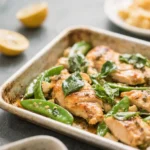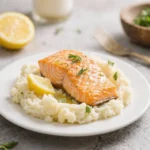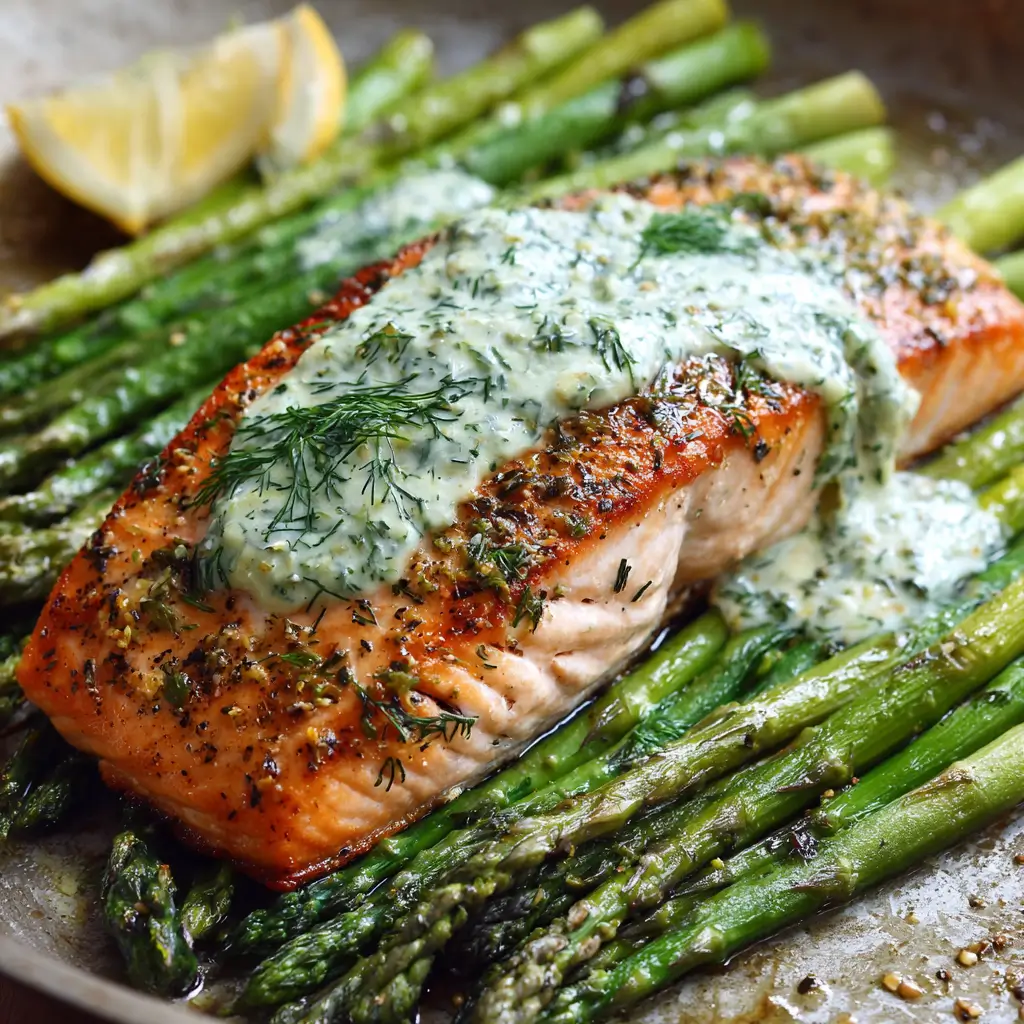
Baked Salmon with Asparagus & Dill Sauce
Baked Salmon with Asparagus & Dill Sauce is a harmonious dish that brings together the rich, buttery flavor of wild-caught salmon, the earthy crispness of fresh asparagus, and the cool, creamy tang of homemade dill sauce. This elegant meal is not only perfect for weeknight dinners but also impressive enough to serve at dinner parties or weekend gatherings. With its vibrant colors, nutrient-dense ingredients, and balanced macronutrients, this recipe has become a staple in health-conscious kitchens around the world. Whether you’re following a Mediterranean diet, a heart-healthy lifestyle, or simply looking for a delicious way to enjoy seafood, this dish delivers on every front.
The History
Salmon has been a dietary cornerstone for coastal communities for thousands of years, particularly among Indigenous peoples of the Pacific Northwest, where it was traditionally grilled over open fires or smoked using cedar planks. In Scandinavian countries like Norway, Sweden, and Iceland, salmon has long been preserved through curing and pickling, often served with fresh herbs such as dill—a tradition that continues today. The use of dill with fish dates back centuries in Nordic cuisine, where its bright, slightly anise-like flavor complements the richness of oily fish perfectly.
Asparagus, meanwhile, originated in the eastern Mediterranean and was cultivated by the ancient Greeks and Romans, who believed it had medicinal properties. It gained popularity in France during the 18th century and eventually spread across Europe and North America. The combination of salmon and asparagus began gaining traction in modern Western cuisine in the mid-20th century, especially as both ingredients became more accessible year-round due to advancements in farming and refrigeration.
The pairing of these two ingredients on a single baking sheet, topped with a creamy dill sauce, reflects contemporary culinary trends emphasizing simplicity, minimal cleanup, and maximal flavor—hallmarks of modern home cooking influenced by chefs like Martha Stewart, Jamie Oliver, and Ina Garten. Today, Baked Salmon with Asparagus & Dill Sauce represents a fusion of ancient traditions and modern convenience, celebrating seasonal produce and sustainable seafood in one beautiful, nutritious package.
Ingredients Breakdown
The success of this dish lies in the quality and synergy of its components. Each ingredient plays a crucial role in building layers of flavor, texture, and nutrition:
- Salmon Fillets: Opt for wild-caught Atlantic or Pacific salmon when possible. Its high omega-3 fatty acid content contributes to heart and brain health, while its natural oils ensure moist, tender results after baking.
- Asparagus: Choose firm, bright green spears with tightly closed tips. Thinner stalks cook faster and are more tender, while thicker ones offer a meatier bite. Snap off the woody ends before roasting to avoid bitterness.
- Olive Oil: Extra virgin olive oil adds richness and helps crisp the asparagus edges while promoting even browning of the salmon skin (if left on).
- Lemon: Both zest and juice contribute acidity and brightness, cutting through the fat of the salmon and enhancing overall freshness.
- Garlic: Minced fresh garlic infuses the vegetables and salmon with aromatic depth without overpowering the delicate flavors.
- Dill: Fresh dill is essential here—its feathery fronds lend a sweet, grassy note that defines the sauce and ties the entire dish together.
- Mayonnaise (or Greek Yogurt): Forms the base of the sauce. Mayonnaise gives a rich creaminess, while Greek yogurt offers a lighter, tangier alternative with added protein.
- Sour Cream or Crème Fraîche: Adds body and a subtle tang to the dill sauce, balancing the lemon and herb notes.
- Mustard (Dijon preferred): A small amount enhances emulsification and introduces a mild sharpness that elevates the sauce.
- Salt & Pepper: Essential seasonings that enhance all other flavors. Use flaky sea salt for finishing and freshly ground black pepper for warmth.
- Optional Additions: Red onion, capers, or a splash of white wine vinegar can be included for extra complexity.
Step-by-Step Recipe
- Preheat Oven: Begin by preheating your oven to 400°F (200°C). Line a large rimmed baking sheet with parchment paper or lightly grease it with olive oil to prevent sticking.
- Prepare the Asparagus: Wash the asparagus thoroughly under cold water. Hold each spear near the bottom and bend until it snaps naturally—the tough end will break off cleanly. Alternatively, trim about 1 inch from the base with a knife. Place the trimmed asparagus on the baking sheet in a single layer.
- Season the Vegetables: Drizzle the asparagus with 2 tablespoons of olive oil. Add 1 teaspoon of lemon zest, the juice of half a lemon, 1 minced garlic clove, salt, and freshly ground black pepper. Toss gently with your hands or tongs to coat evenly.
- Arrange the Salmon: Pat the salmon fillets dry with paper towels—this ensures proper searing and prevents steaming. Place them skin-side down (if skin-on) on top of or beside the asparagus, leaving space between each piece for air circulation.
- Season the Salmon: Brush the tops of the fillets with 1 tablespoon of olive oil. Sprinkle with additional lemon zest, a pinch of salt, and cracked pepper. For extra flavor, place thin lemon slices on top of each fillet.
- Bake: Transfer the baking sheet to the center rack of the preheated oven. Roast for 12–15 minutes, depending on the thickness of the fillets. The salmon is done when it flakes easily with a fork and reaches an internal temperature of 145°F (63°C). Asparagus should be tender-crisp, lightly caramelized at the tips.
- Make the Dill Sauce: While the salmon bakes, prepare the sauce. In a medium bowl, combine ½ cup mayonnaise (or Greek yogurt), ¼ cup sour cream (or crème fraîche), 1 tablespoon Dijon mustard, 1 tablespoon fresh lemon juice, 2 tablespoons finely chopped fresh dill, 1 small minced garlic clove, salt, and pepper. Whisk until smooth. Taste and adjust seasoning—add more lemon for tartness or dill for herbal intensity.
- Rest and Serve: Remove the salmon and asparagus from the oven. Let the salmon rest for 2–3 minutes to retain moisture. Spoon the dill sauce generously over the fillets or serve it on the side in a ramekin. Garnish with extra dill sprigs and lemon wedges for presentation.
Tips
- Uniform Thickness: If your salmon fillets vary in thickness, fold the thinner tail end underneath to create an even profile, ensuring consistent cooking.
- Don’t Overcook: Salmon continues to cook slightly after removal from the oven (carryover cooking), so pull it out just before it reaches desired doneness.
- Use Fresh Herbs: Dried dill lacks the vibrancy needed for the sauce. Always opt for fresh dill for best results.
- Room Temperature Start: Let the salmon sit at room temperature for 15 minutes before baking to promote even heating.
- Check Doneness Visually: Look for opaque flesh that begins to flake along the seams. Bright red or pink translucent areas mean it needs more time.
- Double the Sauce: This dill sauce is so versatile it pairs well with grilled chicken, roasted potatoes, or as a dip for vegetables—consider making extra!
- Parchment Paper vs. Foil: Parchment allows slight browning; foil traps steam. For crisp-tender asparagus, parchment is ideal.
- Acid Balance: Adjust lemon juice gradually in the sauce—you can always add more, but you can’t take it away!
Variations and Customizations
This recipe is highly adaptable to suit various tastes, dietary needs, and pantry availability:
- Citrus Swap: Replace lemon with lime or orange for a tropical twist. Orange pairs beautifully with honey-glazed salmon variations.
- Herb Alternatives: Try tarragon, chives, parsley, or a blend instead of dill for a different aromatic profile.
- Spicy Kick: Add a pinch of cayenne pepper, smoked paprika, or a few drops of hot sauce to the dill sauce for heat.
- Cream-Free Sauce: For a dairy-free version, use avocado-based mayo or cashew cream blended with lemon and dill.
- Gluten-Free Friendly: This recipe is naturally gluten-free—just verify labels on condiments like mustard if sensitive.
- Vegan Option: Substitute salmon with marinated tofu or tempeh “steaks,” bake alongside asparagus, and serve with the same dill sauce.
- Add Other Veggies: Include cherry tomatoes, zucchini, bell peppers, or broccoli florets on the baking sheet for a full rainbow roast.
- Top with Crunch: Finish with toasted almonds, pine nuts, or panko breadcrumbs for textural contrast.
- Asian-Inspired Twist: Swap dill for cilantro, add ginger to the sauce, and drizzle with soy sauce or tamari before serving.
- Wine Pairing Addition: Deglaze the pan post-baking with a splash of dry white wine, reduce slightly, and pour over the plated dish for elevated flavor.
Health Considerations and Nutritional Value
Baked Salmon with Asparagus & Dill Sauce is not only delectable but also packed with nutrients essential for optimal health:
- Omega-3 Fatty Acids: Salmon is one of the richest sources of EPA and DHA, which support cardiovascular health, reduce inflammation, and improve cognitive function.
- High-Quality Protein: A 6-ounce serving provides approximately 34 grams of complete protein, aiding muscle repair and satiety.
- Fiber & Antioxidants: Asparagus contains dietary fiber, folate, and antioxidants like glutathione, supporting digestive and immune health.
- Vitamin K & A: Abundant in asparagus and enhanced by olive oil, these fat-soluble vitamins aid bone metabolism and vision.
- Vitamin D: Naturally present in fatty fish like salmon, this “sunshine vitamin” supports immune regulation and calcium absorption.
- Low Carb & Keto-Friendly: With minimal carbohydrates and high healthy fats, this dish fits seamlessly into ketogenic, low-carb, and paleo diets.
- Heart Health: The monounsaturated fats in olive oil and omega-3s in salmon help lower LDL cholesterol and reduce blood pressure.
- Mindful Modifications: To reduce calories, use non-fat Greek yogurt in place of sour cream and limit oil to 1 tablespoon. For sodium control, use low-sodium mayo and minimize added salt.
- Allergen Note: Contains fish and eggs (in mayonnaise). Ensure all ingredients are allergen-safe if serving those with sensitivities.
Nutrition estimate per serving (1 salmon fillet + 1 cup asparagus + 2 tbsp dill sauce):
Calories: ~420 | Protein: 34g | Fat: 28g (Healthy fats predominant) | Carbohydrates: 8g | Fiber: 4g | Sugar: 3g | Sodium: 450mg (varies by ingredients used)
Ingredients
- 4 (6 oz) salmon fillets, skin-on or skinless
- 1 lb fresh asparagus, trimmed
- 3 tbsp extra virgin olive oil, divided
- Zest and juice of 1 lemon, divided
- 3 cloves garlic, minced, divided
- Salt and freshly ground black pepper, to taste
- 1 tsp flaky sea salt (for finishing)
- ½ cup mayonnaise (or plain Greek yogurt for lighter option)
- ¼ cup sour cream or crème fraîche
- 1 tbsp Dijon mustard
- 3 tbsp fresh dill, finely chopped, plus extra for garnish
- Lemon wedges, for serving
Directions
- Preheat oven to 400°F (200°C). Line a large baking sheet with parchment paper.
- In a large bowl, toss asparagus with 2 tbsp olive oil, juice of half a lemon, 1 clove minced garlic, salt, and pepper. Spread evenly on the baking sheet.
- Pat salmon fillets dry. Place them on the sheet pan among the asparagus. Drizzle with remaining 1 tbsp olive oil and season with lemon zest, salt, and pepper. Top each fillet with a slice of lemon if desired.
- Bake for 12–15 minutes, until salmon is opaque and flakes easily with a fork, and asparagus is tender-crisp.
- While baking, make the sauce: In a bowl, whisk together mayonnaise, sour cream, Dijon mustard, lemon juice, 2 tbsp chopped dill, remaining minced garlic, salt, and pepper.
- Remove from oven and let salmon rest 2–3 minutes. Spoon dill sauce over the top or serve on the side.
- Garnish with extra dill and lemon wedges. Serve immediately.
FAQ
Can I use frozen salmon?
Yes, but thaw it completely in the refrigerator overnight for best texture. Never bake frozen salmon directly—it will steam rather than roast.
How do I store leftovers?
Store cooled salmon and asparagus in an airtight container in the fridge for up to 2 days. Reheat gently in the oven at 300°F to preserve moisture. The dill sauce keeps separately for 4–5 days.
Can I grill instead of bake?
Absolutely! Grill salmon over medium heat (about 375°F) for 6–8 minutes per side, and grill asparagus in a basket or skewered. Add sauce afterward.
Is this recipe safe during pregnancy?
Yes, as long as the salmon is cooked to 145°F and sourced from reputable suppliers with low mercury levels (wild-caught Alaskan salmon is ideal).
Can I make the sauce ahead?
Yes—the dill sauce actually improves in flavor after chilling for 1 hour. Stir well before serving.
Why is my asparagus mushy?
You may have overcrowded the pan or used too much oil. Spread in a single layer and avoid covering.
What sides go well with this dish?
Quinoa, brown rice, couscous, roasted potatoes, or a simple arugula salad with vinaigrette complement this meal beautifully.
Can I use dried dill?
Not recommended. Dried dill is much less flavorful and can taste musty. Fresh dill is key to the sauce’s brightness.
Summary
Baked Salmon with Asparagus & Dill Sauce is a nutritious, visually stunning meal that combines heart-healthy omega-3s, fiber-rich vegetables, and a luxuriously creamy herb sauce. Simple to prepare yet elegant enough for guests, it’s a timeless dish that celebrates the beauty of whole, real ingredients.