Introduction
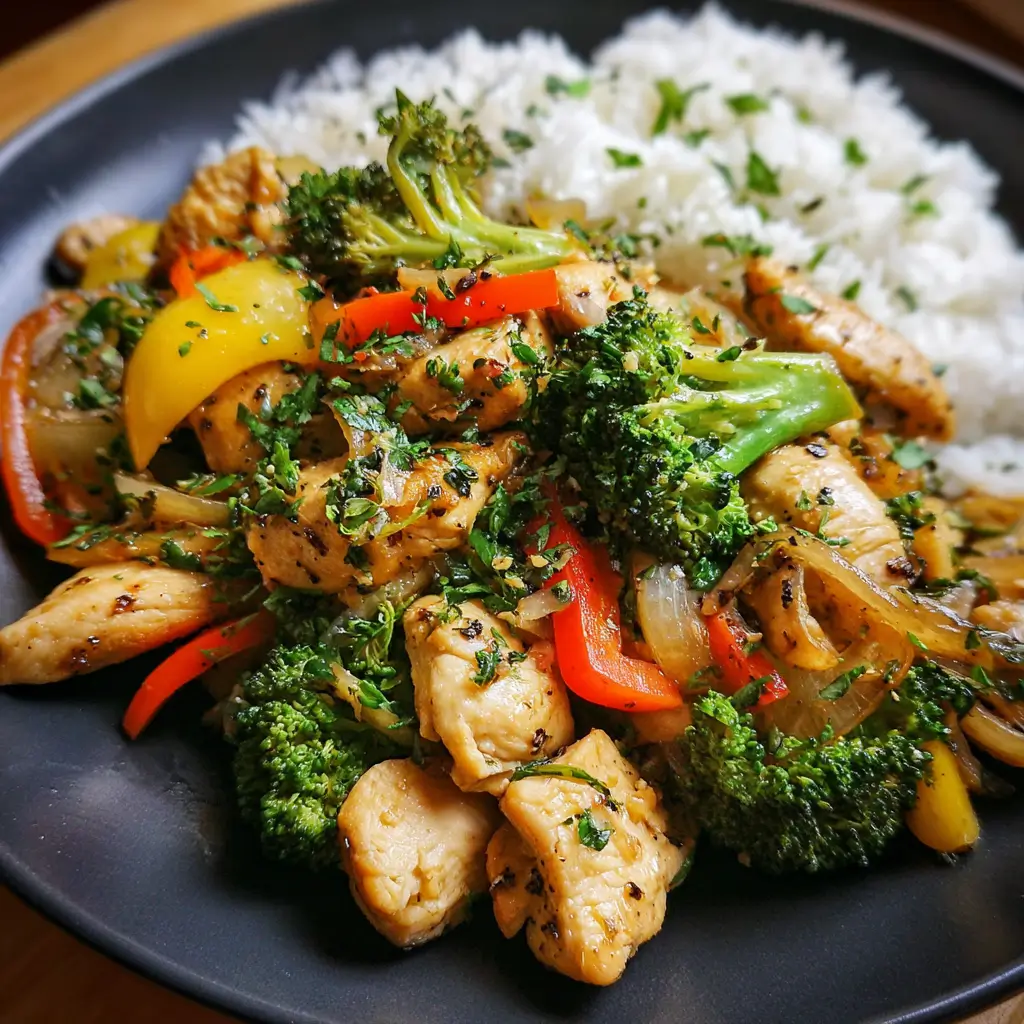
Chicken and Vegetable Stir-Fry is a vibrant, nutritious, and incredibly satisfying dish that brings together lean protein and a colorful array of fresh vegetables in a savory, aromatic sauce. Loved across cultures and cuisines, stir-frying has long been celebrated for its speed, versatility, and ability to preserve the crispness and nutrients of ingredients. Whether you’re a busy parent looking for a quick weeknight dinner, a health-conscious eater aiming to increase your vegetable intake, or a food enthusiast exploring global flavors, this Chicken and Vegetable Stir-Fry is an ideal choice. With its balance of textures and flavors—crisp-tender veggies, tender chicken, and a glossy umami-rich sauce—it delivers restaurant-quality taste in the comfort of your own kitchen.
The History
The origins of stir-frying trace back over 2,000 years to ancient China, where the wok—a versatile, deep, rounded cooking vessel—was first developed during the Han Dynasty. The technique was born out of necessity: fuel was scarce, and the wok’s design allowed for rapid cooking over high heat with minimal oil. This method not only preserved nutrients but also enhanced flavor through the Maillard reaction, creating complex, smoky notes known as “wok hei” (breath of the wok). Over centuries, stir-frying spread throughout Asia, adapting to local ingredients and palates in countries like Thailand, Vietnam, Japan, and Korea. In the 20th century, as Chinese immigrants brought their culinary traditions abroad, stir-fries became popular in Western countries. Today, the Chicken and Vegetable Stir-Fry stands as a modern fusion of Eastern technique and global ingredients, symbolizing both tradition and innovation on the plate.
Ingredients Breakdown
The beauty of this Chicken and Vegetable Stir-Fry lies in its simplicity and balance. Each ingredient plays a vital role in building flavor, texture, and nutrition:
- Chicken Breast or Thighs: Lean chicken breast offers a mild flavor and tender texture, while thighs provide more moisture and richness due to their higher fat content.
- Vegetables: A rainbow mix enhances visual appeal and nutritional diversity. Common choices include bell peppers (red, yellow, green), broccoli florets, carrots, snap peas, mushrooms, baby corn, bok choy, and zucchini.
- Aromatics: Garlic, ginger, and green onions form the flavor foundation, adding pungency, warmth, and freshness.
- Stir-Fry Sauce: Typically composed of soy sauce (or tamari for gluten-free), oyster sauce (optional), rice vinegar, sesame oil, honey or brown sugar, and a touch of cornstarch to thicken.
- Cooking Oil: High smoke-point oils like peanut, avocado, or canola oil are ideal for stir-frying at high temperatures without burning.
- Optional Add-Ins: Chili flakes, sriracha, hoisin sauce, or crushed peanuts for added heat, sweetness, or crunch.
Using fresh, seasonal produce ensures optimal taste and texture, while prepping all ingredients before cooking (mise en place) is crucial for success.
Step-by-Step Recipe
- Prep Ingredients: Slice chicken into thin, bite-sized strips. Wash and cut vegetables uniformly to ensure even cooking. Mince garlic and ginger. Whisk together the sauce ingredients in a small bowl: 3 tbsp soy sauce, 1 tbsp oyster sauce (optional), 1 tbsp rice vinegar, 1 tsp sesame oil, 1 tsp honey, and 1 tsp cornstarch. Set aside.
- Marinate Chicken (Optional): For extra tenderness, marinate chicken in 1 tbsp soy sauce, 1 tsp cornstarch, and 1 tsp rice wine or water for 15–20 minutes.
- Heat the Wok or Pan: Place a large wok or non-stick skillet over high heat until smoking slightly. Add 1–2 tbsp of oil, swirling to coat the surface.
- Cook the Chicken: Add chicken in a single layer and sear for 2–3 minutes per side until golden and cooked through. Remove and set aside.
- Stir-Fry Vegetables: Add a bit more oil if needed. Start with harder vegetables like carrots and broccoli; stir-fry for 2 minutes. Then add softer ones like bell peppers, snap peas, and mushrooms. Cook for another 2–3 minutes until crisp-tender.
- Add Aromatics: Push vegetables to one side, add minced garlic and ginger to the center, and sauté for 15–20 seconds until fragrant.
- Combine and Sauce: Return chicken to the pan. Pour in the prepared sauce, tossing everything together. Cook for 1–2 minutes until the sauce thickens and coats the ingredients evenly.
- Finish and Serve: Stir in sliced green onions and a drizzle of sesame oil. Taste and adjust seasoning if needed. Serve immediately over steamed rice, quinoa, or noodles.
Tips
- High Heat is Key: Stir-frying requires intense heat to achieve that signature sear without overcooking the ingredients.
- Don’t Crowd the Pan: Cook in batches if necessary to avoid steaming instead of frying.
- Uniform Cutting: Cut chicken and vegetables into similar sizes for consistent cooking.
- Prep Everything First: Once you start cooking, the process moves quickly—have all ingredients ready.
- Dry Ingredients: Pat chicken and vegetables dry before cooking to prevent splattering and promote browning.
- Use a Wok: Its shape allows for even heat distribution and easy tossing.
- Sauce Thickening: Cornstarch is essential for that glossy, clingy sauce. Mix it well to avoid lumps.
- Don’t Overcook: Vegetables should be crisp-tender, retaining color and nutrients.
Variations and Customizations
This recipe is highly adaptable to suit different tastes, dietary needs, and available ingredients:
- Protein Swaps: Replace chicken with shrimp, beef, tofu, tempeh, or edamame for vegetarian or pescatarian versions.
- Low-Carb/Keto: Skip starchy vegetables like carrots and serve over cauliflower rice.
- Gluten-Free: Use tamari instead of soy sauce and ensure oyster sauce is gluten-free (or omit).
- Spicy Version: Add red pepper flakes, sliced fresh chilies, or a spoonful of chili garlic sauce.
- Sweet and Tangy: Include pineapple chunks and swap honey for brown sugar, adding a splash of orange juice.
- Mediterranean Twist: Use olive oil, lemon zest, oregano, and olives; replace soy sauce with fish sauce or salt.
- Noodle Stir-Fry: Toss cooked soba, udon, or rice noodles into the finished dish.
- Curry Stir-Fry: Add 1–2 tsp curry powder or paste to the sauce for an Indian-inspired twist.
Health Considerations and Nutritional Value
Chicken and Vegetable Stir-Fry is a nutritionally balanced meal that supports overall wellness:
- Lean Protein: Chicken provides high-quality protein essential for muscle repair and satiety.
- Fiber-Rich Vegetables: A variety of colorful vegetables supply fiber, aiding digestion and promoting gut health.
- Vitamins and Minerals: Bell peppers (vitamin C), carrots (beta-carotene), broccoli (vitamin K), and leafy greens (folate) contribute to immune function and cellular health.
- Healthy Fats: Sesame oil contains antioxidants and beneficial fatty acids when used in moderation.
- Low in Saturated Fat: Especially when using skinless chicken and minimal oil.
- Sodium Awareness: Soy sauce can be high in sodium; opt for low-sodium versions or use coconut aminos as a healthier alternative.
- Balanced Carbs: When served with whole grains like brown rice or quinoa, it offers sustained energy release.
This dish is naturally low in added sugars (especially if honey is reduced or omitted) and can be tailored to meet various dietary goals, including weight management, heart health, and diabetes-friendly eating patterns.
Ingredients
- 1 lb (450g) boneless, skinless chicken breast or thighs, thinly sliced
- 2 tbsp soy sauce (low-sodium preferred)
- 1 tsp cornstarch
- 2 tbsp cooking oil (peanut, canola, or avocado)
- 3 cloves garlic, minced
- 1 tbsp fresh ginger, grated
- 1 red bell pepper, sliced
- 1 yellow bell pepper, sliced
- 1 cup broccoli florets
- 1 medium carrot, julienned
- 1 cup snap peas
- 1 cup mushrooms, sliced
- 4 green onions, sliced (white and green parts separated)
- 3 tbsp soy sauce
- 1 tbsp oyster sauce (optional)
- 1 tbsp rice vinegar
- 1 tsp sesame oil
- 1 tsp honey or brown sugar
- 1 tsp cornstarch
- Cooked rice, quinoa, or noodles, for serving
- Sesame seeds or crushed peanuts (optional garnish)
Directions
- In a bowl, combine chicken with 1 tbsp soy sauce and 1 tsp cornstarch. Marinate for 15–20 minutes.
- In a small bowl, whisk together 3 tbsp soy sauce, oyster sauce, rice vinegar, sesame oil, honey, and 1 tsp cornstarch. Set aside.
- Heat a wok or large skillet over high heat. Add 1 tbsp oil and swirl to coat.
- Add marinated chicken in a single layer. Cook for 2–3 minutes per side until browned and cooked through. Remove and set aside.
- Add remaining oil to the pan. Add carrots and broccoli first; stir-fry for 2 minutes.
- Add bell peppers, snap peas, mushrooms, and white parts of green onions. Stir-fry for 2–3 minutes until vegetables are crisp-tender.
- Push vegetables to the side. Add garlic, ginger, and cook for 15–20 seconds until fragrant.
- Return chicken to the pan. Stir the sauce and pour it over the mixture.
- Toss everything together and cook for 1–2 minutes until sauce thickens and coats the ingredients.
- Remove from heat. Stir in green onion tops and a final drizzle of sesame oil.
- Garnish with sesame seeds or crushed peanuts if desired. Serve hot over rice or noodles.
FAQ
Can I make this ahead of time?
Yes, you can prep ingredients up to a day in advance and store them separately in airtight containers. However, stir-frying should be done just before serving to maintain texture.
How do I store leftovers?
Store in an airtight container in the refrigerator for up to 3–4 days. Reheat in a skillet or microwave, adding a splash of water or broth to refresh the sauce.
Why is my stir-fry soggy?
Overcrowding the pan, using wet ingredients, or not using high enough heat can cause steaming instead of searing. Always pat ingredients dry and cook in batches if needed.
Can I freeze Chicken Stir-Fry?
It’s best enjoyed fresh, but you can freeze it for up to 2 months. Thaw overnight in the fridge and reheat gently to preserve texture.
What vegetables work best?
Stick to firm, quick-cooking vegetables. Avoid watery ones like tomatoes unless added at the very end.
Is stir-frying healthy?
Yes, when done with minimal oil and fresh ingredients, stir-frying preserves nutrients and creates a balanced, low-fat meal.
Summary
Chicken and Vegetable Stir-Fry is a quick, flavorful, and nutritious meal that combines tender chicken, crisp vegetables, and a savory sauce in under 30 minutes. Perfect for weeknights, customizable for diets, and packed with wholesome ingredients, it’s a kitchen staple that never disappoints.