Introduction
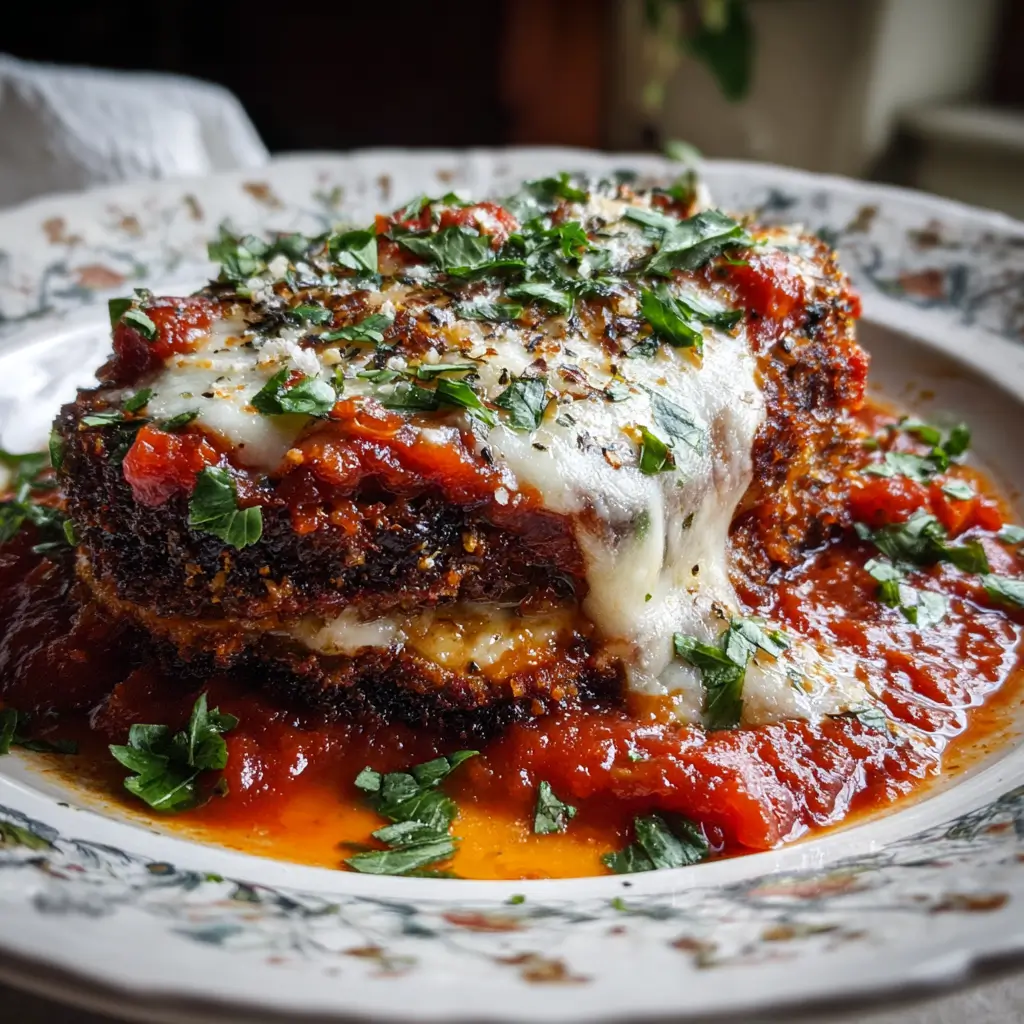
Eggplant Parmesan is a classic Italian-American comfort dish that has captured the hearts and taste buds of food lovers around the world. Known for its rich layers of tender eggplant, savory tomato sauce, and melted cheese, this hearty casserole offers a satisfying blend of textures and flavors. Traditionally made with breaded and fried eggplant slices layered with marinara and cheeses like mozzarella and Parmesan, it’s often served as a main course or a side dish during family gatherings and festive meals. However, for those following a gluten-free lifestyle due to celiac disease, gluten sensitivity, or personal dietary choices, the traditional version can be problematic—most breadcrumbs and breading contain wheat.
This comprehensive guide presents a fully gluten-free version of Eggplant Parmesan that doesn’t sacrifice flavor, texture, or authenticity. By making simple yet effective ingredient substitutions and following careful preparation techniques, you can enjoy all the comforting warmth of this beloved dish without compromising your dietary needs. Whether you’re cooking for yourself, a loved one with gluten intolerance, or simply exploring healthier alternatives, this recipe delivers on every level—flavor, nutrition, and ease of preparation.
The History
Eggplant Parmesan, known in Italy as Melanzane alla Parmigiana, has deep roots in Southern Italian cuisine, particularly in regions like Campania, Sicily, and Calabria, where eggplants grow abundantly in the warm Mediterranean climate. The name “Parmesan” refers not to the cheese alone but to Parmigiano-Reggiano, a prized hard cheese from the Parma region, traditionally used to finish the dish. While modern versions often include mozzarella for its meltability, the original Italian preparation typically used only Parmigiano-Reggiano or sometimes ricotta.
Historically, the dish was created as a way to preserve summer harvests, using sun-ripened eggplants layered with homemade tomato sauce and cheese, then baked slowly. It was humble peasant food transformed into something luxurious through slow cooking and high-quality ingredients. When Italian immigrants brought their culinary traditions to America in the late 19th and early 20th centuries, Eggplant Parmesan evolved—often becoming richer, deeper in flavor, and more indulgent, with thicker layers of cheese, heavier sauces, and breaded eggplant slices fried in oil.
Today, Eggplant Parmesan stands as a symbol of Italian-American fusion cuisine. Over time, adaptations have emerged to meet various dietary needs—including vegetarian, dairy-free, and gluten-free versions. This gluten-free rendition honors the spirit of the original while ensuring accessibility for those avoiding gluten, proving that tradition and modern wellness can coexist beautifully on the same plate.
Ingredients Breakdown
Creating a delicious gluten-free Eggplant Parmesan starts with understanding each component and how to replace gluten-containing elements without losing texture or flavor. Below is a detailed breakdown of the ingredients and their roles:
- Eggplants (2 large): The star ingredient. Choose firm, glossy eggplants with smooth purple skin. They provide a meaty texture when cooked and absorb flavors well.
- Salt (1 tsp): Used in the “sweating” process to draw out moisture and bitterness from the eggplant, improving texture and preventing sogginess.
- Gluten-Free All-Purpose Flour (1 cup): A 1:1 substitute for regular flour. Brands like Bob’s Red Mill or King Arthur offer reliable blends that crisp up nicely. This helps the coating adhere to the eggplant.
- Gluten-Free Breadcrumbs (1.5 cups): Made from gluten-free bread or purchased pre-made (e.g., Ian’s, Aleia’s). These create a crispy outer layer. For extra flavor, use Italian-seasoned GF breadcrumbs or make your own by toasting GF bread and grinding it.
- Grated Parmesan Cheese (1/2 cup, divided): Adds umami and helps bind the coating. Ensure it’s labeled gluten-free, as some processed cheeses may contain gluten additives.
- Dried Oregano (1 tsp), Garlic Powder (1 tsp), Onion Powder (1/2 tsp): Essential seasonings that boost flavor in the breading mix.
- Eggs (3 large): Used as a binder to help the flour and breadcrumb mixture stick to the eggplant slices.
- Olive Oil (1/4 cup + extra for roasting): Used for roasting eggplant and enriching flavor. Extra virgin olive oil adds a fruity note.
- Marinara Sauce (3 cups, gluten-free certified): Use homemade or store-bought—just ensure it’s gluten-free. Look for brands like Rao’s, Victoria, or Muir Glen.
- Fresh Mozzarella (8 oz, sliced or shredded): Provides gooey, melty texture. Opt for low-moisture mozzarella to prevent excess liquid in the casserole.
- Fresh Basil (1/4 cup chopped): Adds aromatic freshness. Can be layered in or used as garnish.
- Fresh Parsley (2 tbsp chopped): Brightens the dish and balances richness.
- Optional: Nutritional Yeast (2 tbsp): Enhances cheesiness for a dairy-free or lower-fat version.
Step-by-Step Recipe
- Prepare the Eggplant: Slice both eggplants into 1/4-inch thick rounds. Arrange them on a wire rack or baking sheet and sprinkle both sides generously with salt. Let sit for 30 minutes to draw out moisture and bitterness. Afterward, rinse lightly and pat dry thoroughly with paper towels. This step is crucial for preventing soggy eggplant.
- Preheat Oven & Prepare Baking Sheet: Preheat oven to 400°F (200°C). Line two baking sheets with parchment paper and lightly brush with olive oil or spray with gluten-free cooking spray.
- Set Up Breading Station: In three separate shallow bowls:
- Bowl 1: Gluten-free flour
- Bowl 2: Beaten eggs
- Bowl 3: Mix together gluten-free breadcrumbs, 1/4 cup Parmesan, oregano, garlic powder, onion powder, and a pinch of black pepper.
- Bread the Eggplant: Dredge each eggplant slice first in flour (shake off excess), then dip in egg, allowing excess to drip off, and finally coat thoroughly in the breadcrumb mixture. Press gently to ensure adherence. Place coated slices on prepared baking sheets in a single layer.
- Roast the Eggplant: Lightly spray or drizzle the breaded slices with olive oil. Roast for 20–25 minutes, flipping halfway through, until golden brown and crisp. Remove and set aside. (Avoid frying to keep it lighter and reduce oil absorption.)
- Reduce Marinara (Optional): While eggplant roasts, simmer 3 cups of marinara sauce on low heat for 10–15 minutes to concentrate flavor. Stir in chopped basil and parsley.
- Assemble the Casserole: In a 9×13 inch glass or ceramic baking dish, spread 1/2 cup marinara sauce on the bottom. Layer:
- One-third of roasted eggplant slices
- 1 cup marinara
- One-third of mozzarella
- Sprinkle of remaining Parmesan
Repeat layers twice more, finishing with sauce, mozzarella, and a final dusting of Parmesan.
- Bake: Cover with foil and bake at 375°F (190°C) for 25 minutes. Remove foil and bake another 10–15 minutes until bubbly and golden on top.
- Rest Before Serving: Let the Eggplant Parmesan rest for 10–15 minutes after baking. This allows layers to set and prevents collapse when slicing.
- Garnish & Serve: Top with fresh basil, parsley, and an optional drizzle of high-quality olive oil. Serve warm.
Tips
- Don’t Skip Salting: Salting removes excess moisture and bitterness, which is key to achieving a non-soggy texture.
- Use Parchment Paper: Prevents sticking and makes cleanup easier, especially important when using gluten-free coatings that can be more fragile.
- Roast Instead of Fry: Baking gives a crisp texture with less oil and fewer calories. For extra crunch, use a wire rack on the baking sheet to allow air circulation.
- Make Ahead: Assemble the casserole up to a day ahead and refrigerate. Add 5–10 minutes to baking time if starting cold.
- Freeze for Later: Fully assemble and freeze unbaked. Thaw overnight in fridge before baking. Or freeze individual portions for easy weeknight meals.
- Check Labels: Always verify that breadcrumbs, flour, and marinara are certified gluten-free. Cross-contamination is a real concern.
- Layer Evenly: Uniform slices ensure even cooking and better structure. Use a mandoline for consistent thickness.
- Add Lemon Zest: A small amount of lemon zest in the breadcrumb mix brightens the overall flavor profile.
Variations and Customizations
Eggplant Parmesan is wonderfully adaptable. Here are several ways to customize it for different tastes and dietary goals:
- Dairy-Free Version: Replace mozzarella with vegan cheese (like Miyoko’s or Violife) and use nutritional yeast instead of Parmesan. Ensure all other ingredients are plant-based.
- Low-Carb/Keto Option: Use almond flour instead of gluten-free all-purpose flour and crushed pork rinds or keto breadcrumbs for coating. Reduce tomato sauce or use a sugar-free version.
- Meat Lovers’ Twist: Add a layer of cooked Italian sausage (gluten-free), ground turkey, or plant-based crumbles between eggplant layers.
- Veggie Boost: Include thin zucchini or portobello mushroom slices between layers for added nutrients and variety.
- Spicy Kick: Add red pepper flakes to the breadcrumb mix or use spicy marinara sauce.
- Herb-Infused: Mix fresh thyme, rosemary, or marjoram into the sauce or breading for a garden-fresh twist.
- Stuffed Style: Hollow out eggplant slices and fill with ricotta-spinach mixture before breading and baking.
- Individual Servings: Make mini parmesans in ramekins for elegant presentation at dinner parties.
- Grilled Eggplant: For a smoky flavor, grill the eggplant slices instead of roasting—great for summer!
Health Considerations and Nutritional Value
Eggplant Parmesan can be a nutritious meal when prepared thoughtfully. Here’s a breakdown of health aspects and how this gluten-free version supports wellness:
Nutritional Benefits of Eggplant:
Eggplant is low in calories and carbohydrates while being rich in fiber, antioxidants (especially nasunin in the skin), and essential vitamins like vitamin K, vitamin C, and B6. Its high fiber content aids digestion and promotes satiety, helping with weight management.
Gluten-Free Advantages:
For individuals with celiac disease or gluten sensitivity, eliminating gluten reduces inflammation, improves gut health, and prevents long-term complications. Using whole-grain gluten-free flours (like brown rice or sorghum-based blends) can increase nutrient density compared to refined wheat flour.
Heart-Healthy Fats:
Olive oil, a cornerstone of the Mediterranean diet, provides monounsaturated fats that support heart health and reduce bad cholesterol levels.
Protein and Calcium:
Cheese contributes protein and calcium, though moderation is key. For lower fat content, use part-skim mozzarella or reduce cheese slightly.
Reduced Sodium Tips:
To lower sodium, use no-salt-added tomato sauce, reduce added salt during salting step, and choose low-sodium cheese options.
Calorie Control:
By roasting instead of frying and using leaner cheese, this version contains fewer calories than traditional recipes. A typical serving (1/6 of casserole) ranges from 300–400 calories, depending on cheese and oil amounts.
Allergen Notes:
This recipe is naturally gluten-free and can be adapted to be dairy-free, nut-free (check GF flour blend), and egg-free (use flax eggs or aquafaba as binder) for broader allergen safety.
Ingredients
- 2 large eggplants, sliced into 1/4-inch rounds
- 1 teaspoon sea salt (for sweating)
- 1 cup gluten-free all-purpose flour (certified GF)
- 3 large eggs, beaten
- 1.5 cups gluten-free breadcrumbs (Italian seasoned preferred)
- 1/2 cup grated Parmesan cheese, divided
- 1 teaspoon dried oregano
- 1 teaspoon garlic powder
- 1/2 teaspoon onion powder
- 1/4 cup olive oil (plus extra for brushing/spraying)
- 3 cups gluten-free marinara sauce
- 8 oz fresh mozzarella, sliced or shredded
- 1/4 cup fresh basil, chopped
- 2 tablespoons fresh parsley, chopped
- Optional: red pepper flakes, lemon zest, nutritional yeast
Directions
- Slice eggplants and lay on a rack. Sprinkle both sides with salt and let sit 30 minutes. Rinse and pat dry.
- Preheat oven to 400°F. Line baking sheets with parchment paper.
- Set up breading station: flour in one bowl, beaten eggs in second, and breadcrumb mixture (breadcrumbs + 1/4 cup Parmesan + spices) in third.
- Dredge each eggplant slice: flour → egg → breadcrumbs. Press coating to adhere.
- Arrange on baking sheets, spray with oil, and roast 20–25 minutes, flipping halfway, until golden.
- Reduce marinara sauce on stove with herbs if desired.
- In a 9×13 baking dish, spread 1/2 cup sauce. Layer: eggplant → sauce → mozzarella → Parmesan. Repeat twice more.
- Cover with foil; bake at 375°F for 25 minutes. Uncover; bake 10–15 minutes more until bubbly and golden.
- Rest 10–15 minutes. Garnish with fresh herbs and serve.
FAQ
Can I make Eggplant Parmesan without breading?
Yes! Simply roast or grill seasoned eggplant slices and layer directly with sauce and cheese. It’s lower in carbs and still delicious.
Why did my eggplant turn out soggy?
Likely causes: skipping the salting step, not drying slices well, or over-saucing. Roasting instead of frying also helps reduce oil absorption.
Can I use frozen eggplant?
Not recommended. Frozen eggplant releases too much water and becomes mushy when thawed.
Is canned gluten-free breadcrumbs safe?
Only if labeled gluten-free. Many contain hidden wheat derivatives or are processed in facilities with cross-contact.
How long does leftovers last?
Store in airtight container in fridge for up to 5 days. Reheat in oven or toaster oven to maintain texture.
Can I cook this in an air fryer?
Yes! Cook breaded slices in batches at 375°F for 10–12 minutes, flipping once. Then assemble and bake as directed.
Can I make it vegan?
Absolutely. Use flax eggs (1 tbsp ground flax + 3 tbsp water per egg), vegan cheese, and nutritional yeast. Ensure breadcrumbs are plant-based.
What wine pairs well with Eggplant Parmesan?
A medium-bodied red like Chianti, Sangiovese, or Barbera complements the richness. For white lovers, try Pinot Grigio or Vermentino.
Summary
Eggplant Parmesan made gluten-free is a flavorful, satisfying dish that stays true to its Italian roots while accommodating modern dietary needs. With crispy roasted eggplant, rich tomato sauce, and layers of melted cheese, it’s comfort food at its finest—safe for gluten-sensitive diners and delicious for everyone.