Coconut Curry Chicken: A Creamy, Flavorful Delight from the Tropics
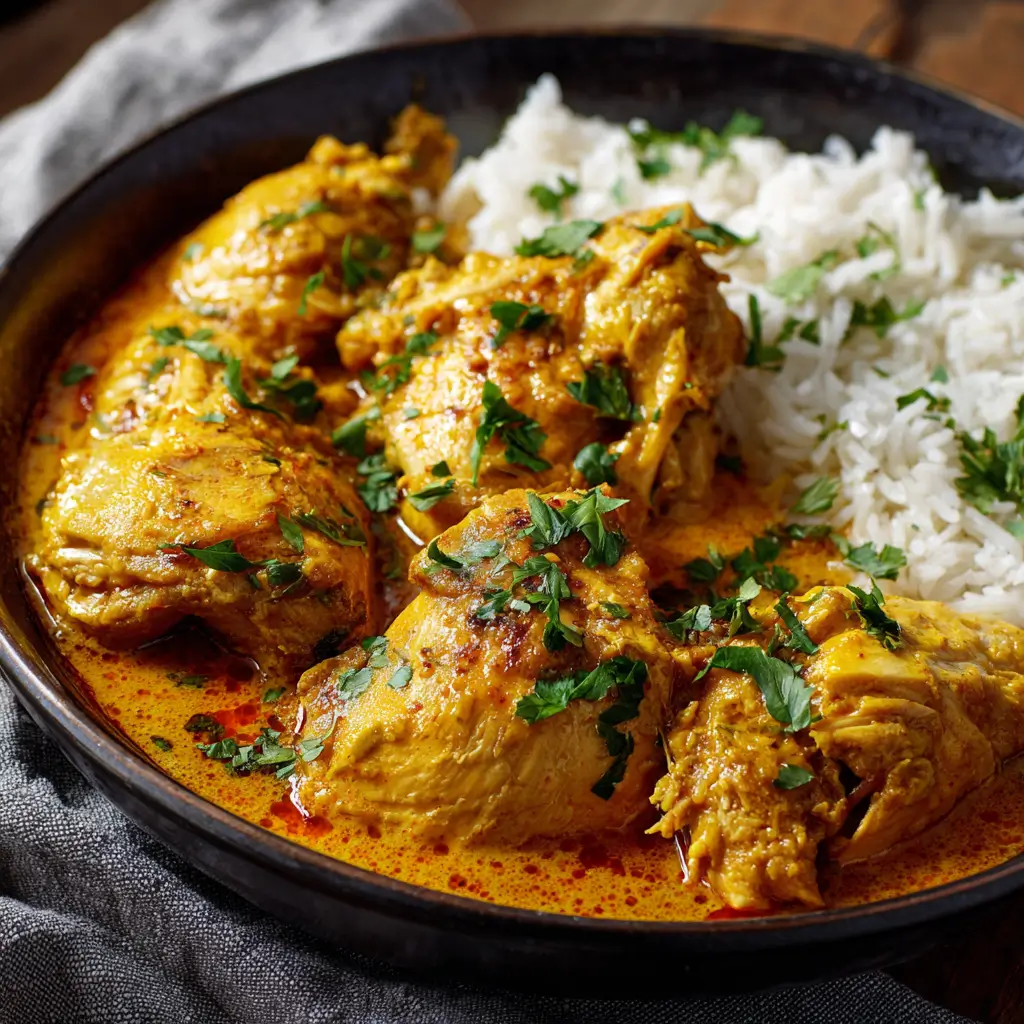
Coconut Curry Chicken is a rich and aromatic dish that combines the earthy warmth of curry spices with the creamy sweetness of coconut milk. Originating in Southeast Asia but beloved across India, Thailand, Sri Lanka, and the Caribbean, this dish has evolved into countless regional variations—all united by their luscious texture and bold flavor profile. Whether served over steamed rice, with naan bread, or alongside fresh vegetables, Coconut Curry Chicken offers a comforting yet exotic meal that delights the senses. In this comprehensive guide, we’ll dive deep into the history, ingredients, preparation techniques, health benefits, and creative adaptations of this globally cherished recipe.
The History of Coconut Curry Chicken
The roots of Coconut Curry Chicken stretch back centuries, woven into the culinary traditions of tropical regions where coconuts grow abundantly. In South India, particularly Kerala and Tamil Nadu, coconut has long been a staple ingredient, used in chutneys, curries, and desserts. The combination of coconut milk and spice blends like sambar powder or rasam reflects ancient Ayurvedic principles of balancing flavors and promoting digestion.
In Thai cuisine, Coconut Curry Chicken is most famously represented in dishes like Gaeng Gai (Thai chicken curry), especially in red, green, and yellow varieties. These curries utilize fresh herbs such as lemongrass, galangal, and kaffir lime leaves, forming the base of the curry paste. Over time, trade routes brought Indian spices to Southeast Asia, creating a fusion that enhanced both regions’ cuisines.
The Caribbean also embraced Coconut Curry Chicken due to the influence of indentured laborers from India who settled in countries like Trinidad and Tobago, Jamaica, and Guyana. There, the dish adapted to local tastes—often spicier, with Scotch bonnet peppers and allspice—and became a centerpiece of Sunday dinners and festive gatherings.
Today, Coconut Curry Chicken is celebrated worldwide not only for its taste but also for its cultural significance—a delicious example of how food travels, transforms, and unites people across continents.
Ingredients Breakdown: What Makes This Dish Shine?
The magic of Coconut Curry Chicken lies in the harmony between its key components. Each ingredient plays a vital role in building layers of flavor, aroma, and texture. Let’s explore them one by one:
- Chicken: Boneless, skinless thighs are ideal because they remain tender and juicy during simmering. However, breast meat or even bone-in pieces can be used depending on preference.
- Coconut Milk: Full-fat canned coconut milk provides richness and creaminess. It’s essential for balancing the heat of the spices and lending a subtle sweetness.
- Curry Powder or Paste: Store-bought or homemade curry blends vary widely. Traditional mixes include turmeric, cumin, coriander, fenugreek, mustard seeds, cinnamon, cloves, cardamom, and chili. For authenticity, consider using freshly ground spices or making your own paste with garlic, ginger, shallots, and chilies.
- Onion, Garlic, and Ginger: These aromatics form the flavor foundation. Sautéed until golden, they add depth and complexity.
- Fresh Herbs: Cilantro (coriander leaves) adds brightness at the end, while Thai basil or mint may be added in certain regional versions.
- Lemongrass: Common in Thai-style curries, bruised lemongrass stalks infuse citrusy notes when simmered and are removed before serving.
- Kaffir Lime Leaves: Fragrant and floral, these unique leaves elevate the dish’s aroma. Dried ones work if fresh aren’t available.
- Vegetables: Bell peppers, potatoes, carrots, spinach, or eggplant are often added for color, nutrition, and heartiness.
- Lime Juice or Tamarind: A touch of acidity balances the richness of the coconut milk and enhances overall flavor.
- Oils: Coconut oil complements the theme, though neutral oils like vegetable or avocado oil work well too.
- Salt and Sweeteners: Salt adjusts seasoning; a pinch of sugar or honey may be used to round out sharp edges.
Step-by-Step Recipe: How to Make Perfect Coconut Curry Chicken at Home
Follow this detailed method to create a restaurant-quality Coconut Curry Chicken right in your kitchen:
- Prepare Ingredients: Cut 1.5 lbs (700g) of chicken into bite-sized cubes. Mince 3 garlic cloves, grate 1-inch piece of ginger, finely chop 1 medium onion. If using vegetables like bell pepper or potato, dice them uniformly.
- Sauté Aromatics: Heat 2 tablespoons of oil in a large pot or Dutch oven over medium heat. Add onions and cook until translucent (about 5 minutes). Stir in garlic and ginger; sauté for another minute until fragrant.
- Bloom the Spices: Add 2–3 tablespoons of curry powder (or 3–4 tbsp of prepared curry paste). Cook for 1–2 minutes, stirring constantly, to toast the spices and release their essential oils. This step is crucial for developing deep flavor.
- Add Chicken: Increase heat slightly and add the chicken pieces. Brown lightly on all sides—about 5–6 minutes. Do not fully cook through at this stage.
- Incorporate Coconut Milk: Pour in 1 can (13.5 oz / 400ml) of full-fat coconut milk. Use a wooden spoon to scrape up any browned bits from the bottom of the pan—this adds tremendous flavor.
- Add Liquids and Seasonings: Include ½ cup chicken broth or water to adjust consistency. Add 1–2 bruised lemongrass stalks (optional), 2–3 torn kaffir lime leaves, 1 diced potato (if using), and salt to taste. Bring to a gentle simmer.
- Simmer Until Tender: Cover and let the curry cook on low heat for 25–30 minutes, stirring occasionally. Add other vegetables after 15 minutes so they don’t become mushy.
- Finish with Freshness: Remove lemongrass and lime leaves. Stir in juice of half a lime and a handful of chopped cilantro. Taste and adjust seasoning—add more salt, spice, or a teaspoon of sugar if needed.
- Serve Warm: Ladle over steamed jasmine rice, basmati rice, or quinoa. Garnish with extra cilantro, sliced red chili, or a drizzle of coconut cream.
Tips for the Best Coconut Curry Chicken
- Use Full-Fat Coconut Milk: Light coconut milk will result in a thinner, less flavorful sauce. Shake the can well before opening, or blend it briefly if separation occurs.
- Toast Your Spices: Never skip blooming the spices in oil—it unlocks their full potential and prevents raw or dusty flavors.
- Brown the Chicken Properly: While you don’t need to fully cook it initially, browning creates fond (browned bits) which enriches the sauce via deglazing.
- Low and Slow Simmer: Gentle cooking allows proteins and vegetables to absorb flavors without breaking down.
- Balancing Flavors: Great curries balance spicy, sweet, sour, salty, and umami. Adjust with lime juice (sour), honey (sweet), fish sauce (umami), or additional chili (heat).
- Rest Before Serving: Like many stews and curries, Coconut Curry Chicken tastes better the next day as flavors meld together. Reheat gently on the stove.
- Avoid Boiling After Adding Coconut Milk: High heat can cause coconut milk to separate or curdle. Keep the temperature moderate once it’s added.
Variations and Customizations
One of the greatest strengths of Coconut Curry Chicken is its adaptability. Here are some popular twists you can try:
- Thai Red Curry Chicken: Use store-bought or homemade red curry paste, add bamboo shoots and Thai basil, and finish with a splash of fish sauce.
- Green Curry Version: Substitute green curry paste for a fresher, herbaceous kick. Often includes Thai eggplant and basil.
- Yellow Curry: Milder than red or green, yellow curry uses turmeric-heavy blends and pairs well with raisins and peas for a slight sweetness.
- Caribbean Style: Incorporate allspice (pimento), thyme, scallions, and Scotch bonnet pepper. Serve with fried plantains and rice and peas.
- Indian-Inspired: Use garam masala, cumin seeds, mustard seeds, and curry leaves. Finish with a dollop of plain yogurt or cream.
- Vegan Option: Replace chicken with chickpeas, tofu, mushrooms, or jackfruit. Use vegetable broth instead of chicken stock.
- Dairy-Free & Gluten-Free Friendly: Naturally compliant if using gluten-free soy sauce (like tamari) and avoiding cross-contamination.
- Creamier Texture: Blend part of the cooked sauce and stir it back in for a velvety consistency.
- Spice Level Control: Start mild and add heat gradually. Remove chili seeds to reduce intensity.
- Add Fruit: Pineapple or mango chunks introduce tropical sweetness that contrasts beautifully with the spice.
Health Considerations and Nutritional Value
Coconut Curry Chicken isn’t just delicious—it can be a nutritious addition to a balanced diet when prepared thoughtfully.
Nutrition Highlights:
- Protein Source: Chicken provides high-quality protein necessary for muscle repair and immune function.
- Healthy Fats: Coconut milk contains medium-chain triglycerides (MCTs), particularly lauric acid, which may support heart health and boost metabolism in moderation.
- Anti-Inflammatory Spices: Turmeric (in curry powder) contains curcumin, a powerful anti-inflammatory compound. Black pepper enhances its absorption.
- Fiber-Rich Additions: Including vegetables like spinach, broccoli, or sweet potatoes increases fiber, vitamins, and antioxidants.
- Low Carb Option: Skip starchy vegetables and serve over cauliflower rice for a keto-friendly version.
Considerations:
- Calorie Density: Full-fat coconut milk is calorie-rich. One cup contains about 400 calories. To lighten the dish, use light coconut milk or dilute full-fat with broth.
- Sodium Content: Canned broths and pre-made curry pastes can be high in sodium. Opt for low-sodium versions or make your own spice blends.
- Saturated Fat: While MCTs have benefits, coconut milk is still high in saturated fat. Those monitoring cholesterol should consume in moderation.
- Allergens: Contains coconut (a tree nut allergen for some). Ensure no cross-contamination if serving allergic individuals.
Overall, Coconut Curry Chicken can be part of a healthy eating pattern when portion-controlled and paired with whole grains and plenty of vegetables.
Full Ingredient List
- 1.5 lbs (700g) boneless chicken thighs or breasts, cubed
- 2 tbsp cooking oil (coconut, vegetable, or avocado)
- 1 medium yellow onion, finely chopped
- 3 garlic cloves, minced
- 1-inch piece fresh ginger, grated
- 2–3 tbsp curry powder (or 3–4 tbsp curry paste)
- 1 can (13.5 oz / 400ml) full-fat coconut milk
- ½ cup chicken broth or water
- 1 medium potato, diced (optional)
- 1 bell pepper, sliced (any color)
- 1–2 stalks lemongrass, bruised (optional)
- 2–3 kaffir lime leaves (fresh or dried)
- Juice of ½ lime
- ½ cup fresh cilantro, chopped
- Salt to taste
- Optional: 1 diced tomato, ½ cup peas, 1 cup spinach, chili flakes
Detailed Directions
- Heat oil in a heavy-bottomed pot or Dutch oven over medium heat.
- Add onions and cook until soft and golden, about 5–7 minutes.
- Stir in garlic and ginger; cook for 1 minute until fragrant.
- Add curry powder (or paste) and stir constantly for 1–2 minutes to toast the spices.
- Add chicken pieces and cook for 5–6 minutes, stirring occasionally, until lightly browned on all sides.
- Pour in coconut milk and broth. Stir well, scraping the bottom of the pot to lift any stuck bits.
- Add potatoes, bell peppers, lemongrass, and lime leaves. Season with salt.
- Bring to a gentle simmer, then reduce heat to low. Cover and cook for 25 minutes.
- Add delicate vegetables like spinach or peas in the last 5 minutes of cooking.
- Taste and adjust seasoning—add lime juice, more salt, or a pinch of sugar as needed.
- Remove lemongrass stalks and lime leaves. Stir in fresh cilantro.
- Serve hot over rice or with flatbread. Drizzle with extra coconut milk or garnish with sliced green onions and chili.
Frequently Asked Questions (FAQ)
Can I make Coconut Curry Chicken ahead of time?
Yes! This dish reheats beautifully and often tastes better the next day. Store in an airtight container in the refrigerator for up to 4 days or freeze for up to 3 months.
What can I use instead of coconut milk?
While there’s no perfect substitute for flavor, you can use cashew cream, almond milk (unsweetened), or heavy cream for a non-dairy alternative. Note that texture and taste will differ significantly.
Is this recipe gluten-free?
Typically yes, but check labels on curry powders, pastes, and broths, as some may contain gluten-containing additives.
How do I prevent coconut milk from curdling?
Avoid boiling vigorously after adding coconut milk. Keep the heat low and maintain a steady simmer. Also, ensure your coconut milk hasn’t expired or separated badly.
Can I use frozen chicken?
It’s best to thaw chicken first for even cooking and food safety. Cooking from frozen may lead to uneven texture and undercooked centers.
What side dishes go well with Coconut Curry Chicken?
Popular pairings include steamed jasmine or basmati rice, naan bread, roti, dosa, cucumber raita, pickled onions, or a simple green salad.
Can I make it spicier?
Absolutely. Add fresh chilies (like serrano or bird’s eye), crushed red pepper flakes, or extra curry paste to increase heat.
Why did my sauce turn out too thin/thick?
Too thin? Simmer uncovered for 5–10 minutes to reduce. Too thick? Stir in a little warm broth or water until desired consistency is reached.
Can I cook this in a slow cooker?
Yes. Sauté aromatics and chicken first, then transfer to a slow cooker with remaining ingredients (except lime and cilantro). Cook on low for 6–8 hours or high for 3–4 hours. Finish with lime and herbs.
Are kaffir lime leaves necessary?
They add authentic fragrance but aren’t mandatory. You can omit them or use a strip of regular lime zest (not too much, as it’s bitter).
Summary
Coconut Curry Chicken is a globally inspired, deeply satisfying dish that marries tender chicken with creamy coconut milk and a symphony of aromatic spices. Easy to customize and packed with flavor, it’s perfect for weeknight dinners or special occasions.
From its ancient origins in tropical kitchens to modern interpretations worldwide, this curry continues to win hearts—one creamy, fragrant spoonful at a time.